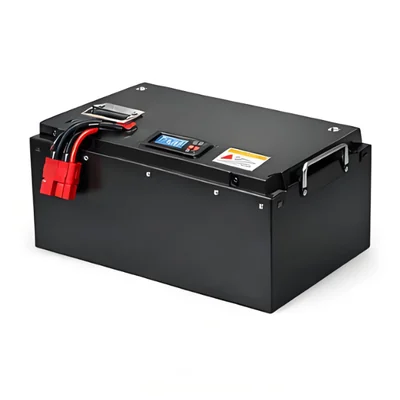
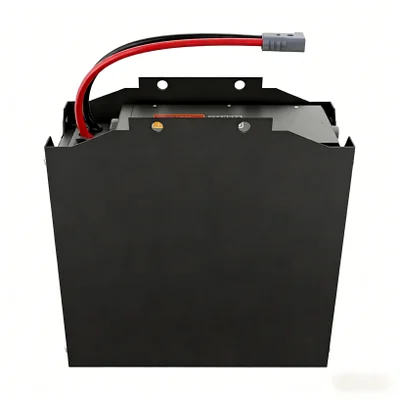
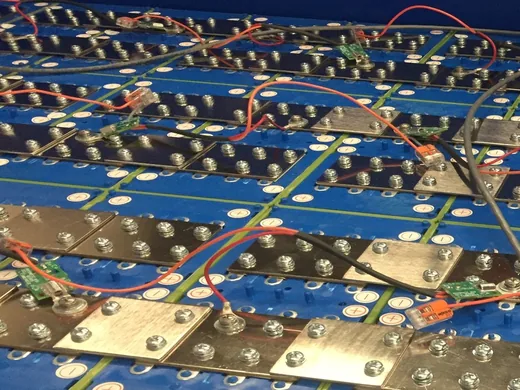
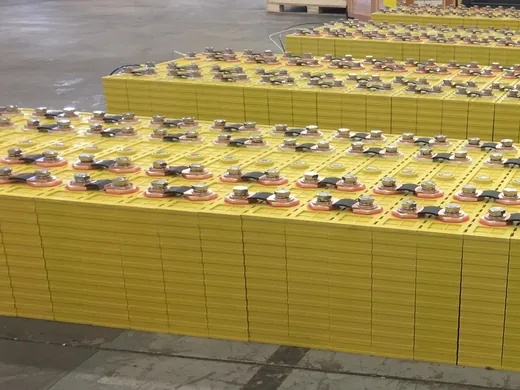
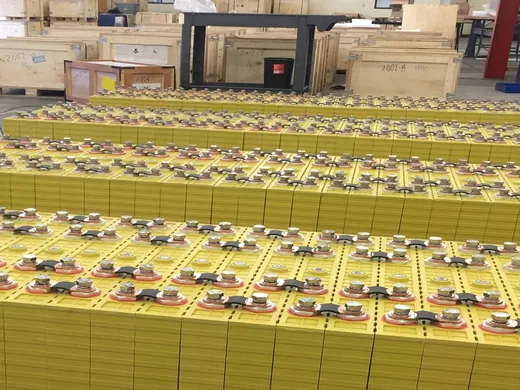
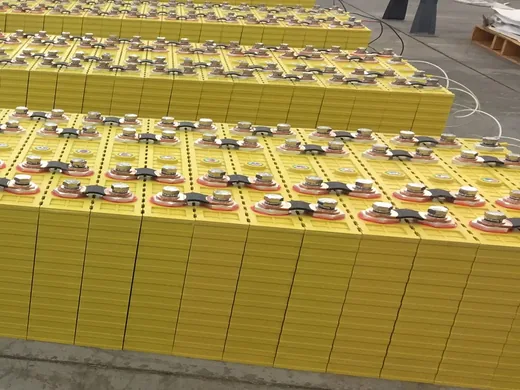
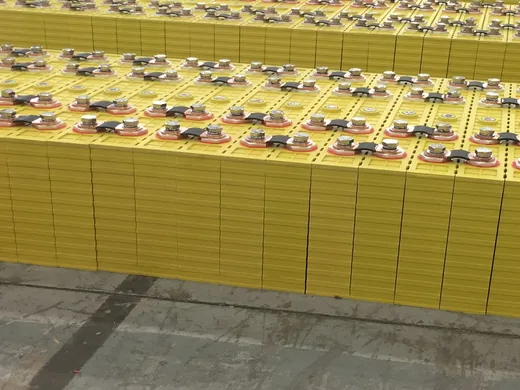
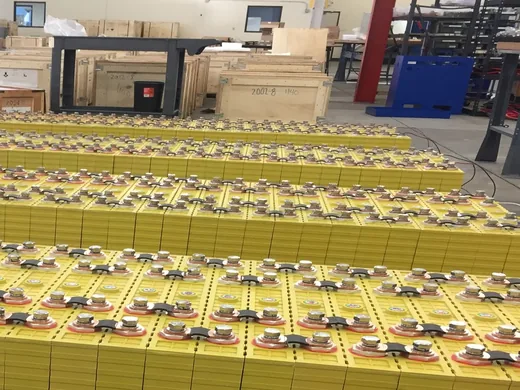
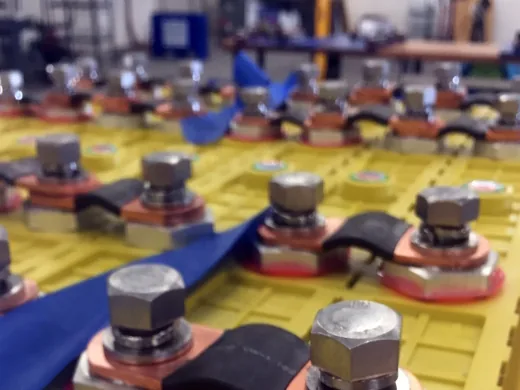
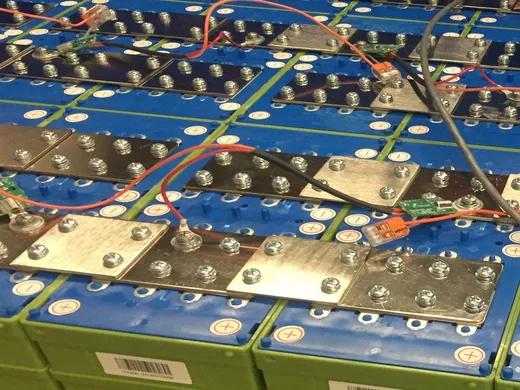
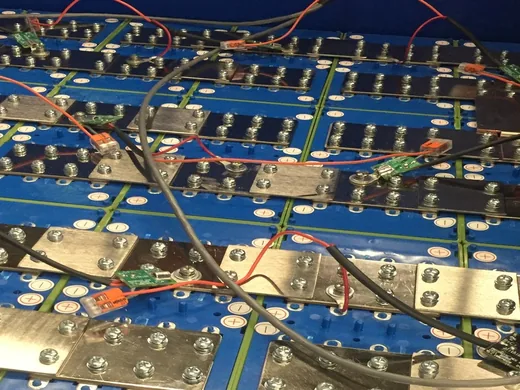
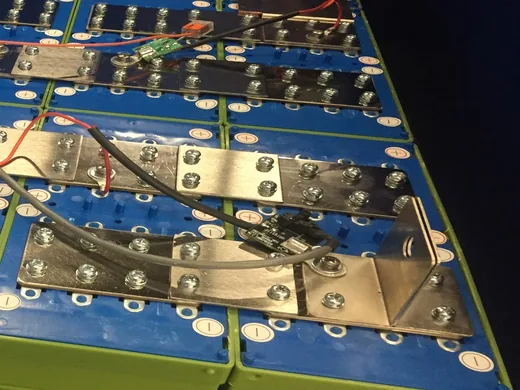
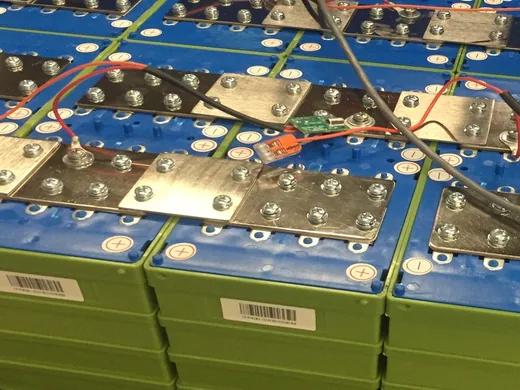
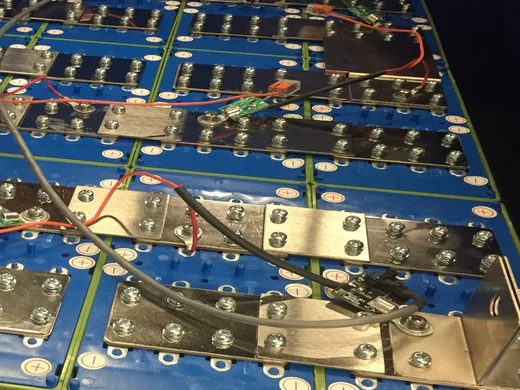
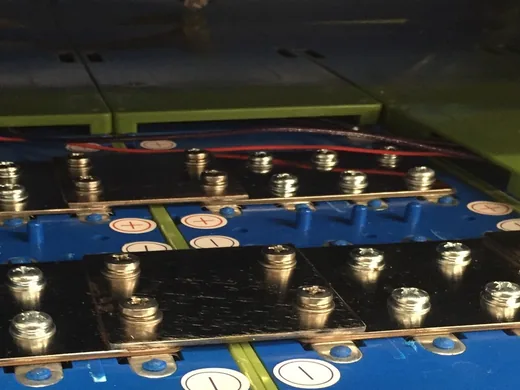
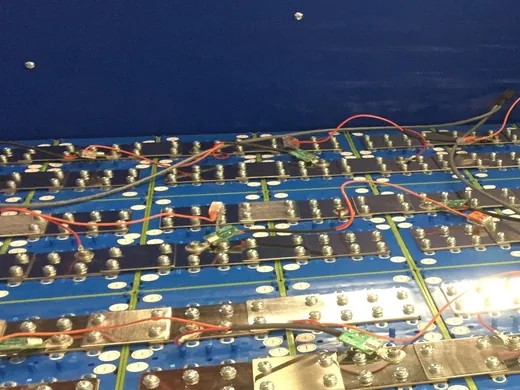
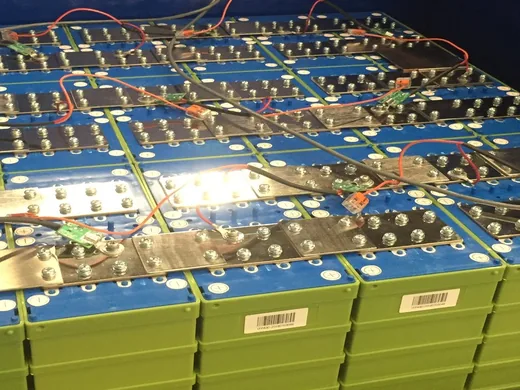
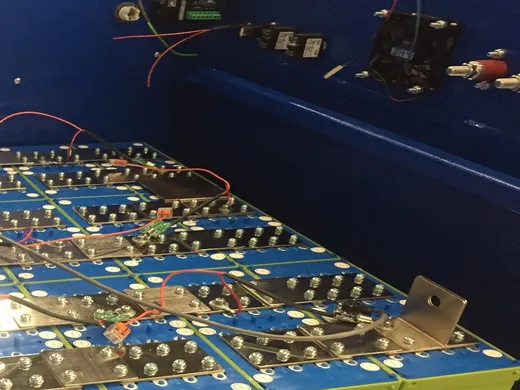
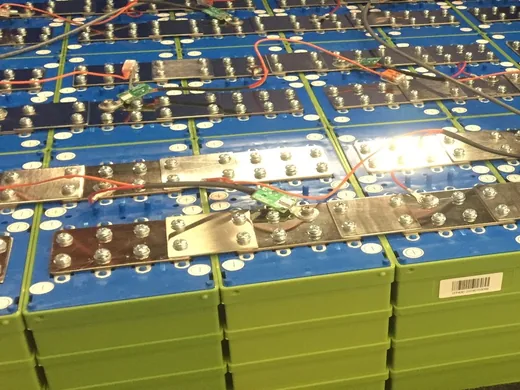
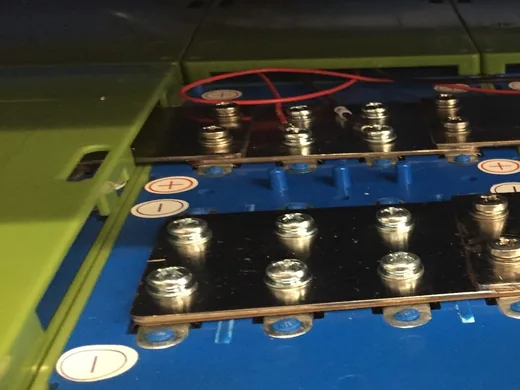
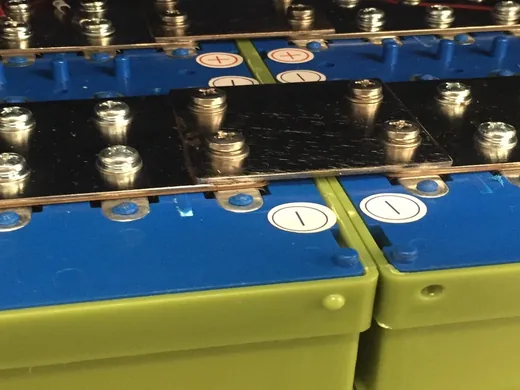
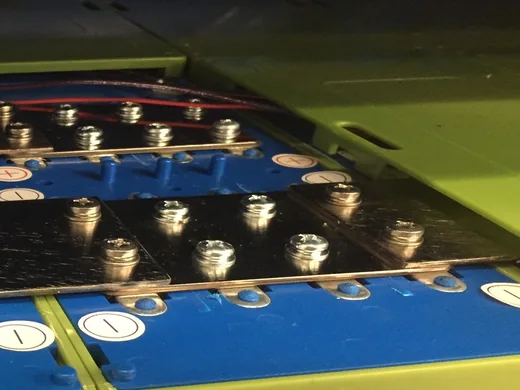
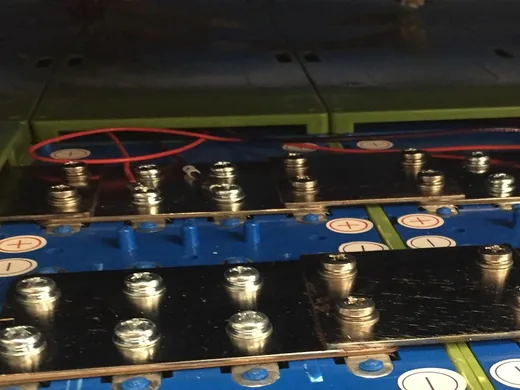
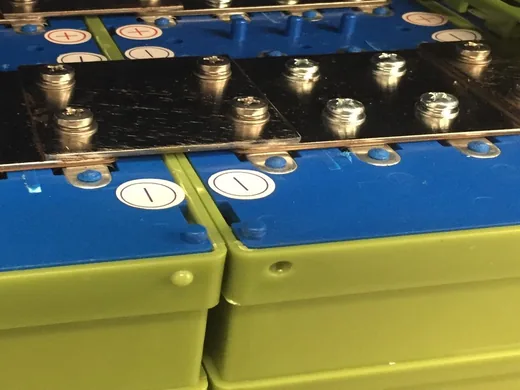
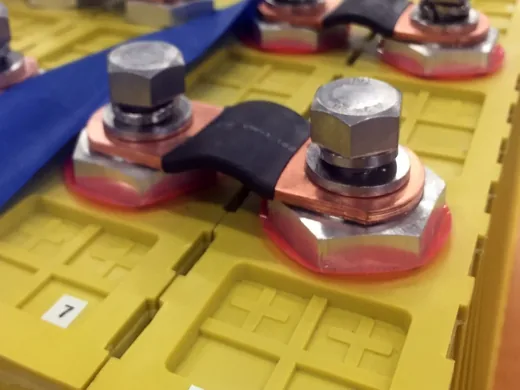
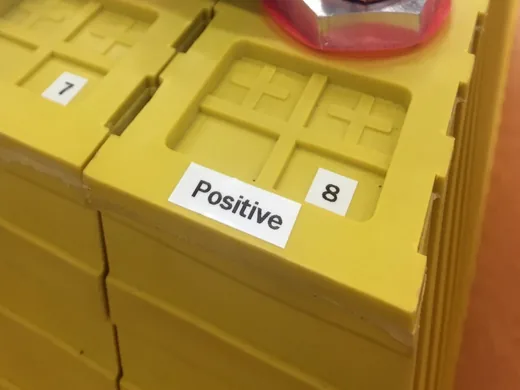
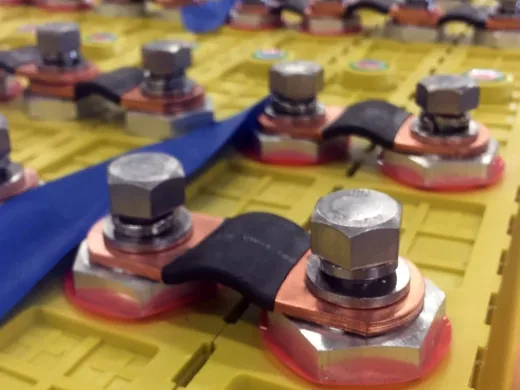
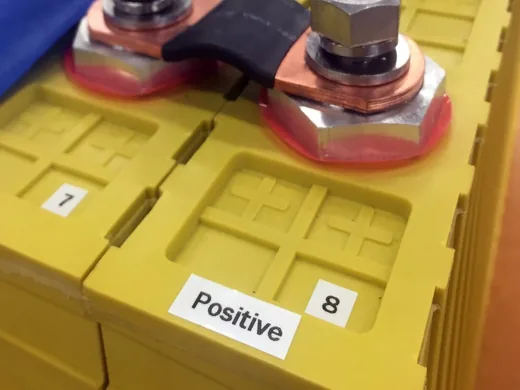
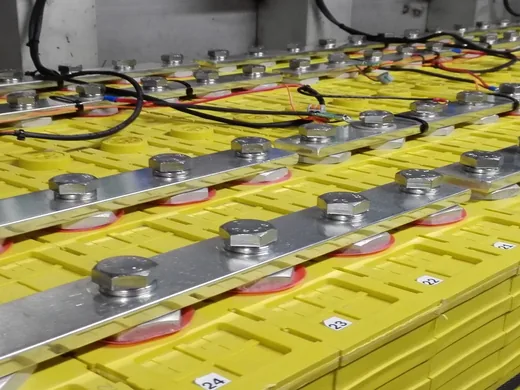
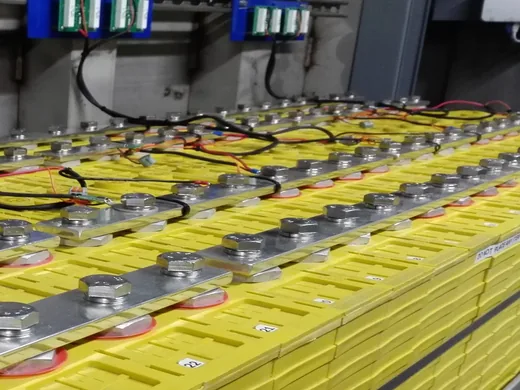
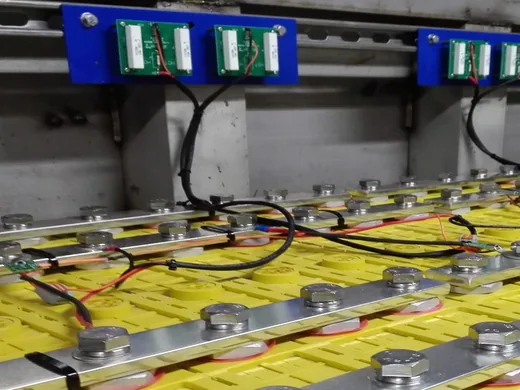
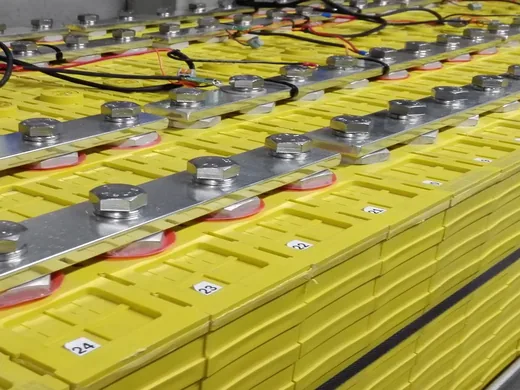
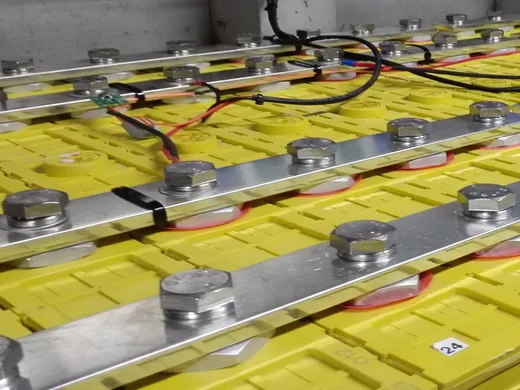
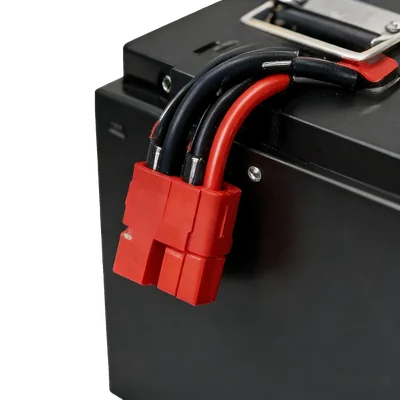

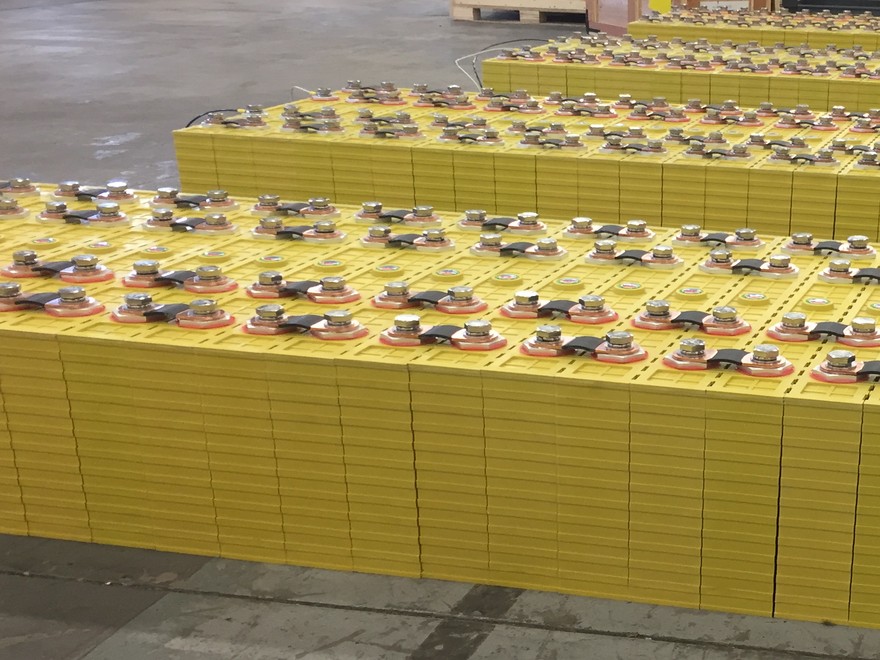
The CE-320 is a 3.2V 320Ah prismatic cell, 1024Wh, on M8 terminals. It sits at the top of the large-format storage class, sized for long-duration systems that hold four hours or more of energy. Sixteen in series make a 51.2V string of 16.4 kilowatt-hours.
Long Duration
What four hours of storage means
Grid and commercial storage is moving from one or two hours of duration to four and beyond, because a longer battery covers the whole evening peak rather than its worst hour, and shifts more solar generation from midday into the night. A higher-capacity cell reaches that duration with the same string count and the same footprint. Where a 280Ah cell gave a two-hour system, a 320Ah cell in the same rack lifts the stored energy without adding cells, joints or floor space.
The trade for capacity is a matched cycle life. These cells rate 8,000 to 10,000 cycles at 80 percent depth, which on one deep cycle a day is fifteen to twenty-five years, roughly the design life of the solar array they sit beside. The industry term for that pairing is solar-lifetime storage, a battery meant to last as long as the panels.
Data
Datasheet
| Model | CE-320 |
|---|---|
| Nominal voltage | 3.2V |
| Rated capacity | 320Ah (0.5C, 25°C) |
| Energy | 1024Wh |
| Charge voltage | 3.65V |
| Discharge cutoff | 2.5V |
| Continuous discharge | 320A (1C) |
| Peak discharge | 640A (2C pulse) |
| Cycle life | ≥8,000 cycles @ 80% DOD |
| Weight | ≈6.0 kg |
| Format | Aluminum prismatic (batch datasheet) |
| Terminals | M8 stud |
| Operating temperature | Discharge -20~60°C / Charge 0~45°C |
| Certification | UN38.3 / CE / RoHS / IEC 62619 |
String configurations
| 16S | 51.2V · 16.4kWh: large home or small commercial wall |
|---|---|
| 15×16S | 51.2V · ~246kWh: long-duration commercial cabinet |
| Container 20ft | ~5.1MWh: 4-hour utility and microgrid |
| 8S | 25.6V · 8.2kWh: large off-grid, telecom hub |
Duration and the evening peak
The reason storage duration keeps growing is the shape of the grid’s demand. A one-hour battery covers only the sharpest point of the evening peak, and a two-hour battery covers the peak but little of the shoulder around it. Four hours reaches across the whole high-price window and holds midday solar for use after dark, which is where a solar-heavy grid has its largest surplus and its largest shortfall. A 320Ah cell is what lets a system hit that duration without growing its footprint, since the extra energy comes from the cell rather than from more racks. That is why long-duration projects reach for the top of the large-format range.
The Systems
Where the cell lands
At 16.4 kilowatt-hours a string, the CE-320 fills the same three tiers as its neighbours, scaled up. A single 16S string is a large home or small commercial wall. Parallel strings build the 100kW/215kWh-class commercial cabinet and the megawatt-hour containers behind utility and microgrid projects. An 8S build at 25.6V and 8.2 kilowatt-hours suits a large off-grid house or a telecom hub that outgrew its 48V shelf.
The economics of the larger cell
At container scale the cell size decides the project’s fixed costs. A higher-capacity cell reaches a target megawatt-hour with fewer cells, fewer modules and less wiring, so the same energy lands on less concrete with less labour to commission it. Across a 5-megawatt-hour container that is measurable land, construction and connection savings, and it compounds over a portfolio of sites. Buying the cell rather than a finished container puts a developer upstream of that, specifying the unit every larger number is counted from and holding the cell-level records the finance and the warranty are built on.
Method
Building at this capacity
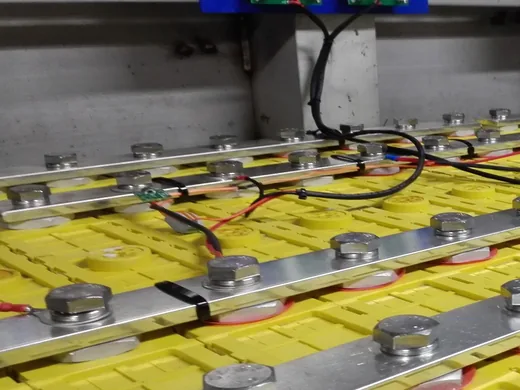
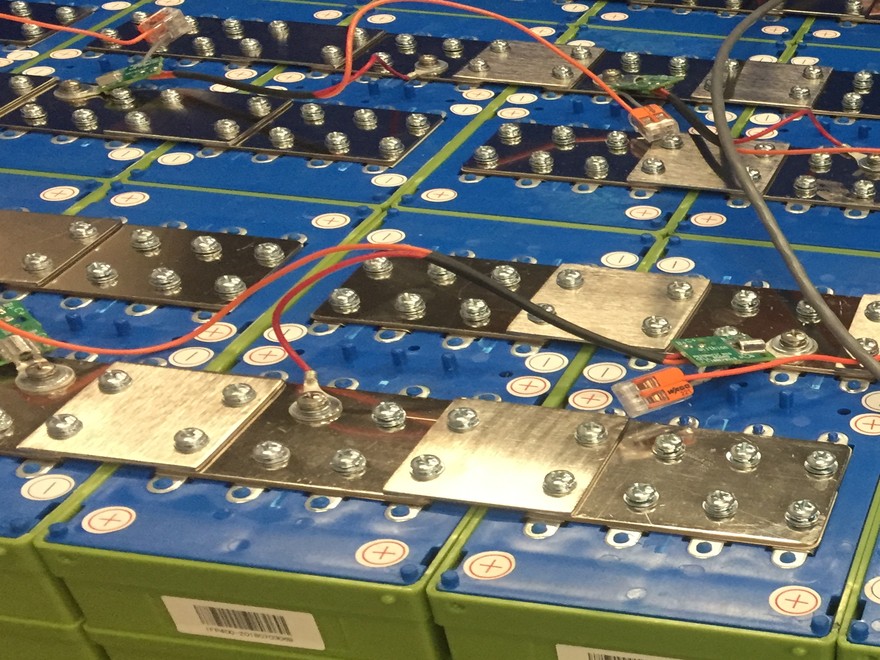
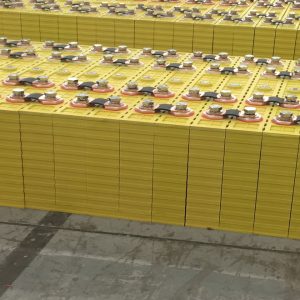
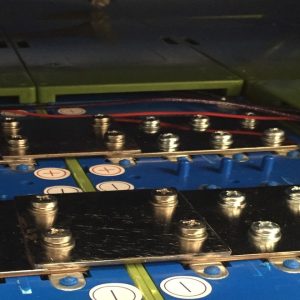
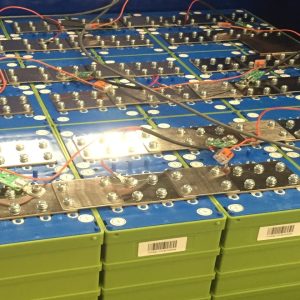
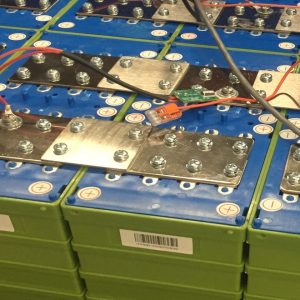
The build is the same discipline the whole large-format class follows. Assemble strings in place, since a 16S bank runs near 96 kilograms of cells. Top-balance in parallel at 3.65V before the first series link, pull the M8 studs to 12 newton-metres, and give each string its own BMS and fuse before paralleling at a high-voltage bus through equal-length cable. Set the inverter to the LFP profile, keep the low-temperature charge cutoff active in outdoor enclosures, and commission each string with a 0.5C discharge against a timer.
Every cell links to its factory test record by QR code. Project lots ship from single batches so the strings in a cabinet or container age together, matched on capacity and internal resistance, and prove out at or above the 320Ah plate on a 0.5C test.
Temperature and storage set the last of the numbers. These cells discharge from minus twenty to sixty degrees and accept charge above freezing, so an outdoor container needs the low-temperature cutoff or a heater on a winter site, and an indoor cabinet rarely trips either. Idle stock rests at 30 to 50 percent charge and drifts 2 to 3 percent a month. Delivered capacity proves out at or above the 320-amp-hour plate on a 0.5C test at 25 degrees, which is the figure a commissioning discharge confirms string by string before the system carries load.
Reviews
There are no reviews yet.