VOLTERRA ENERGY | LFP Power & Energy Storage Batteries
Electric vehicle charging
Trusted by Global OEMs

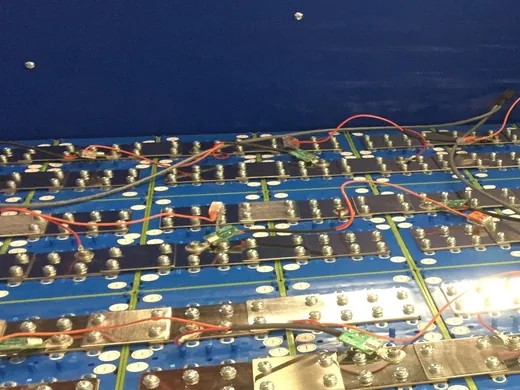
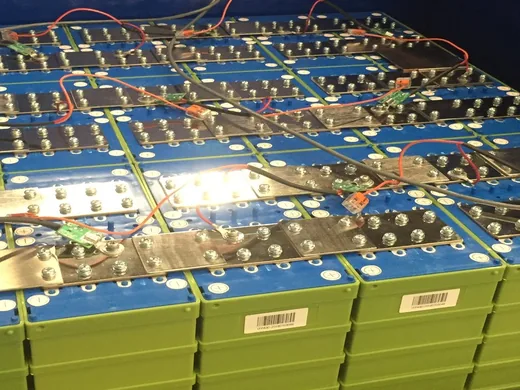
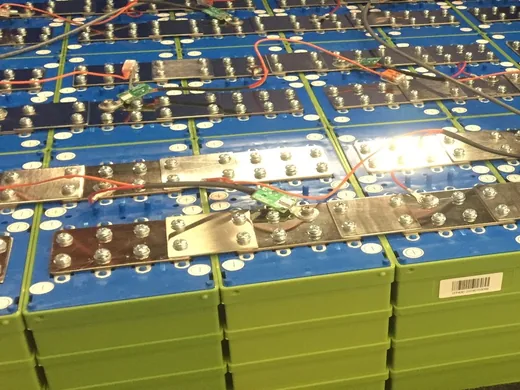
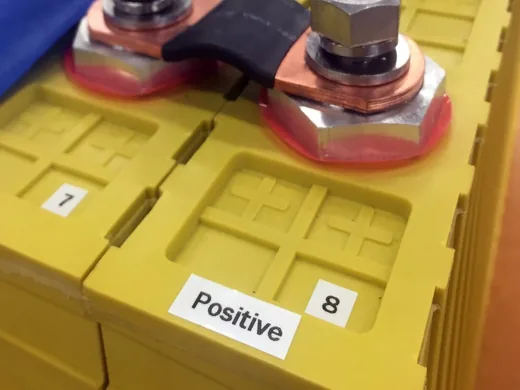
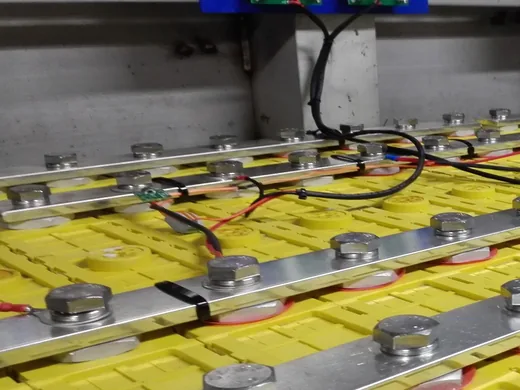
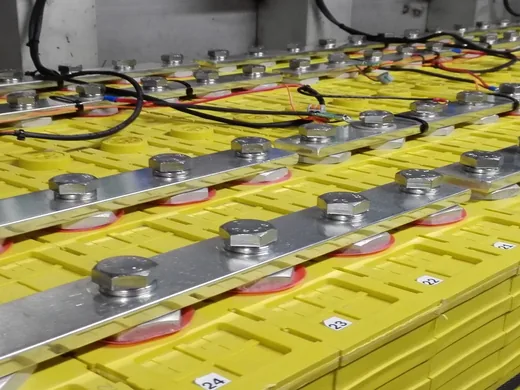
LFP Power Batteries & Energy Storage Solutions

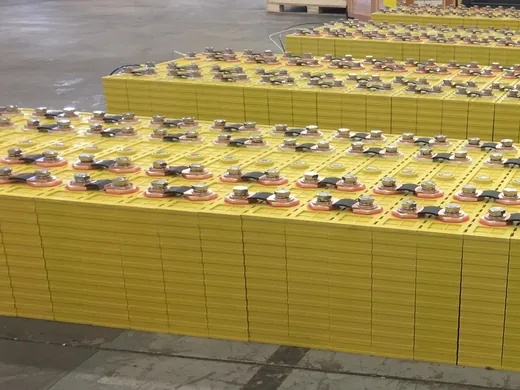
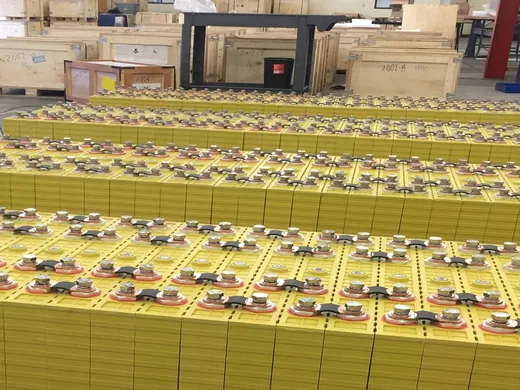
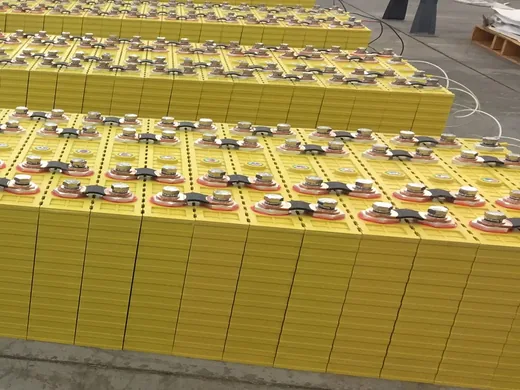
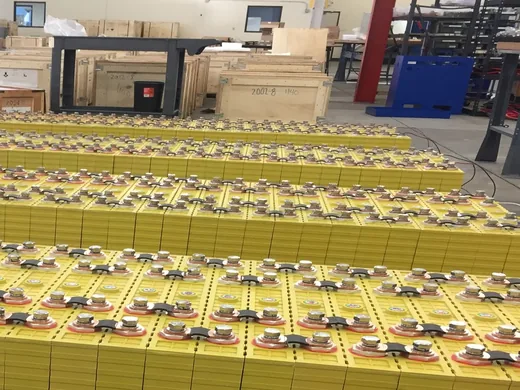
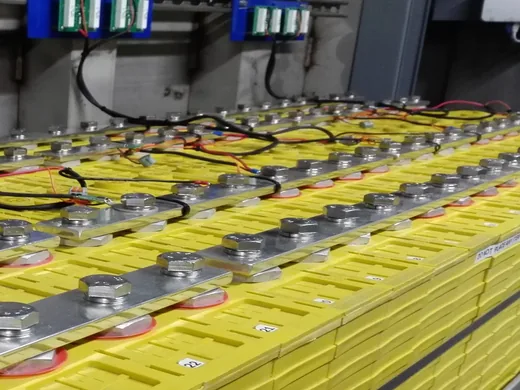
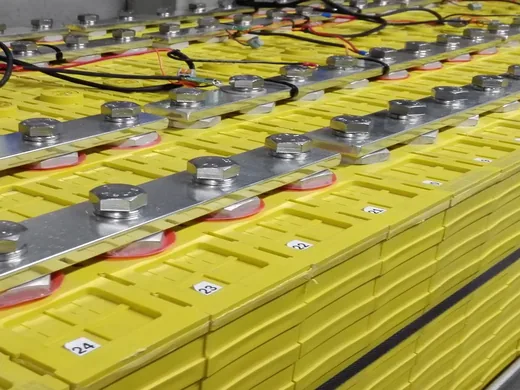
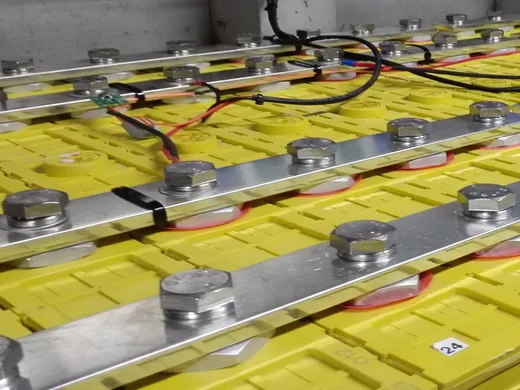
We manufacture LFP power batteries and energy storage batteries, with products mainly exported to North America and Europe.

27
products
3,500+
Single cell cycle life tested (1C charge/discharge, room temperature)
Battery technology
170-180 Wh/kg
Cell Energy Density
80% @ 3,500
Capacity Retention

Comprehensive Battery Solutions

From passenger vehicles to utility-scale energy storage, our LFP technology powers diverse applications with unmatched safety, longevity, and reliability.

01 Electric passenger vehicle

Passenger Vehicle Batteries

Mainly supplied to several domestic OEMs that make export vehicles, with a small number of domestic vehicle models using them as well. Capacity ranges from 60kWh to 250kWh. The 250kWh model is customized for a customer making high-end electric vehicles. The 60 and 80 models have the highest volume; basically A0-class and A-class vehicles can use these two models.

60-250 kWh Export Focus OEM Customization

Available Models

EV-LFP-60 EV-LFP-80 EV-LFP-100 EV-LFP-120 EV-LFP-150 EV-LFP-180 EV-LFP-220 EV-LFP-250
02 Electric motorcycle

Two-Wheeler Batteries

Used for electric motorcycles and e-bikes. This actually isn't our focus, but because a major customer has been purchasing them, we've continued production. Capacity from 15kWh to 50kWh, five models. Lithium manganese oxide is cheaper but has shorter lifespan, lead-acid is even cheaper but heavy, LFP is the middle ground.

15-50 kWh 5 Models E-bikes & Motorcycles

Positioning

Cost-effective Balanced Performance Long Lifespan
03 Electric bus

Commercial Vehicle Batteries

Mainly light trucks and urban logistics vehicles. We can do heavy trucks too, but honestly heavy truck electrification hasn't taken off yet, so we haven't received many orders. We've been doing bus batteries for two or three years now, mainly supplying to bus companies in several central region cities. This segment has high requirements for cycle life, where LFP's longevity advantage can really show.

Light Trucks Urban Logistics Public Transit Buses

Key Advantage

Extended Cycle Life Fleet Durability
04 Solar energy storage

Energy Storage Batteries

This has been the fastest-growing segment in the past two years. We have products for residential storage, commercial & industrial storage, and utility-scale storage. The utility-scale model (ES-LFP-500) was newly developed last year. We ship it with system integration partners; we only supply cells and modules, not complete cabinets. As an aside, the price war in energy storage is brutal. Our strategy is not to compete on lowest price, but to emphasize long cycle life and slow degradation. When you calculate total lifecycle costs for customers, we're still competitive.

Residential Commercial & Industrial Utility-Scale

Latest Model

ES-LFP-500 (Utility-Scale)
05 Industrial forklift

Industrial Vehicle Batteries

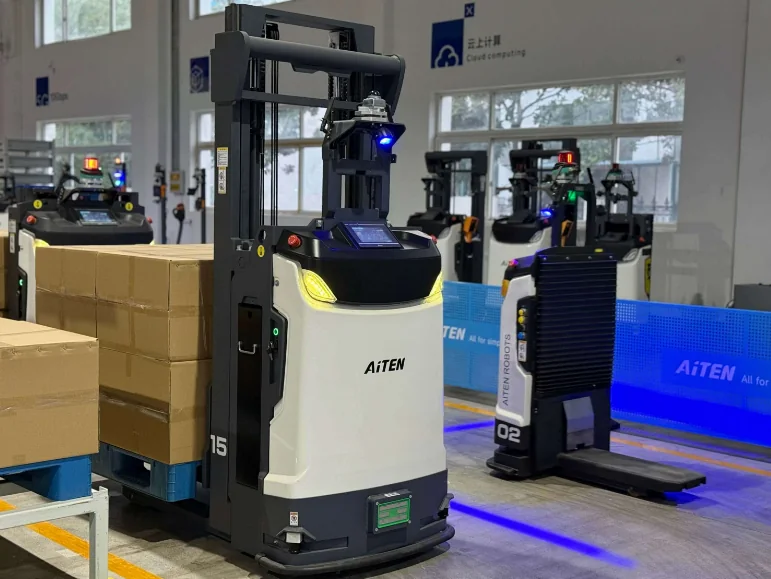
Forklifts, AGVs and such. Volume isn't large but margins are decent. Industrial scenarios have high reliability requirements—if there's a problem, the customer's production line stops and waits for you. So we're more conservative in this segment, focusing on stability. We don't rush to adopt new technologies and materials first.

Forklifts AGVs Industrial Equipment

Philosophy

Reliability First Proven Technology

LFP Technology Advantages

Engineered for safety, longevity, and real-world performance in the most demanding applications.

Safety

LFP's thermal stability is indeed better than ternary, there's no debate about that. Lithium iron phosphate's decomposition temperature is around 480-520°C (data varies across different literature), while for ternary, NCM811 starts decomposing at around 200+ degrees.

What does this mean in practice? Lower thermal runaway risk. Those fire incidents with ternary batteries are rarely seen with LFP. It's not that problems absolutely won't happen, but the probability is much lower.

We've done nail penetration tests and overcharge tests internally—LFP basically just smokes, no open flames. Of course, testing is testing; in actual use you still need BMS protection.

Lifespan

This depends on how you define it. If we're talking cycle life, our cells at 1C room temperature cycling reach about 3,500 cycles to 80% capacity retention. Some competitors advertise six, seven thousand or even ten thousand cycles—I can only say the testing conditions must be different. 0.5C shallow charge/discharge will definitely produce better-looking data. Real vehicle usage doesn't have such gentle operating conditions.

As for calendar life, LFP is indeed long. Our earliest batch of products shipped in 2017, now 8 years ago, and some customers' vehicles are still running with about 12-15% degradation.

Energy Density

LFP is indeed inferior to ternary in this aspect. Currently our mass-production cells can achieve about 170-180Wh/kg, with system level around 120-140Wh/kg. For ternary 811, cells can reach 260-280, systems 180-200.

There is a gap. So vehicle models pursuing extreme range still choose ternary. Our customers are mainly for scenarios like urban commuting and logistics delivery where range requirements aren't that extreme.

Low Temperature Performance

LFP's low temperature performance is average, have to admit that. At -20°C, discharge capacity is only about 60-70% of room temperature, charging is even worse.

So for customers in the north, we recommend adding thermal management systems to their vehicles. With PTC heating added, it can start even at -30°C, just uses more power.

Cost

Two years ago LFP was much cheaper than ternary, now the gap isn't that large. Ternary material prices have dropped significantly, cobalt and nickel are both declining. But LFP still has cost advantages, mainly reflected in long-term use. Long cycle life means lower cost per kWh per cycle. This calculation is most obvious in energy storage scenarios.

BMS & Thermal Management

Advanced in-house developed systems for optimal battery performance, safety, and longevity.

Battery Management System

Self-Developed Technology

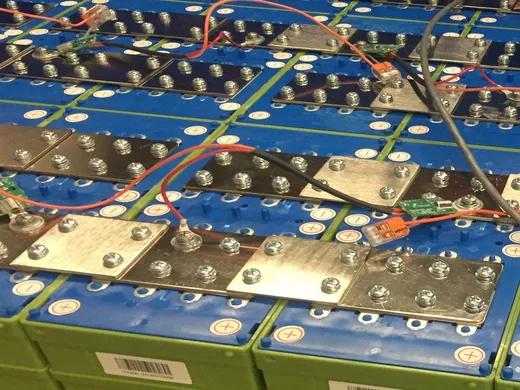
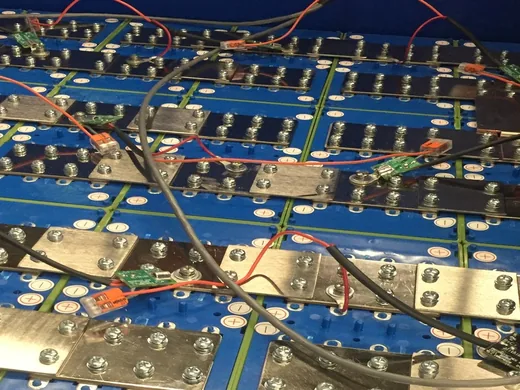
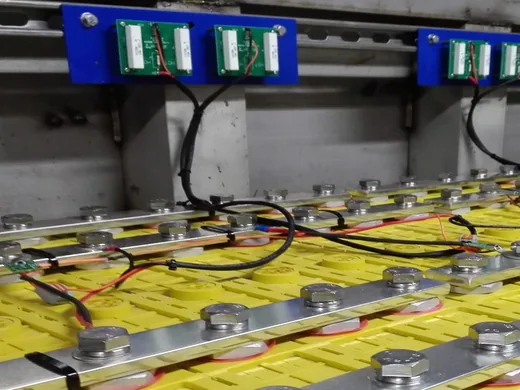
Our BMS is self-developed, not outsourced. Main functions:

  • Active Balancing

    Active balancing, not passive. Passive balancing just uses discharge resistors to burn off excess power, wasteful. Active balancing transfers charge from higher cells to lower ones, more efficient and better for lifespan.

  • Protection Functions

    Overcharge, over-discharge, overcurrent, short circuit, high/low temperature—all covered. Protection thresholds vary by specific product and can be adjusted according to customer requirements.

  • SOC Estimation

    Accuracy ±3%.

  • Communication

    CAN is standard, Bluetooth and 4G optional as needed. Remote monitoring function is quite useful for fleet customers.

Thermal Management

Optimized Temperature Control

Tailored cooling solutions for different battery configurations and use cases.

  • Air Cooling

    For small batteries air cooling is sufficient, low cost.

  • Liquid Cooling

    For large battery packs over 100kWh we recommend liquid cooling—better temperature consistency, and enables fast charging in summer too.

  • Temperature Uniformity

    Our liquid cooling system controls temperature difference to within ±2 to 3 degrees.

Ready to Power Your Vision?

Contact our team to discuss your battery requirements and discover how our LFP solutions can drive your success.

Get in Touch
滚动至顶部