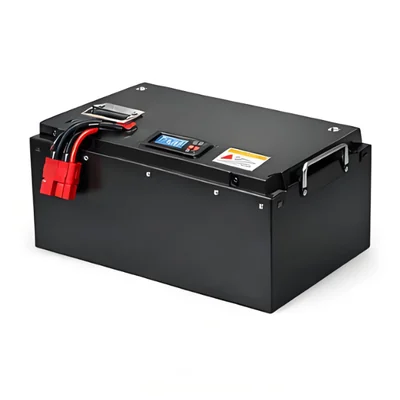
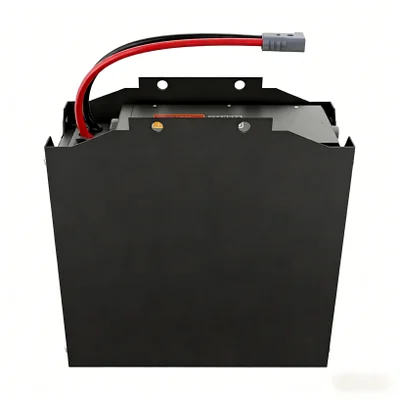
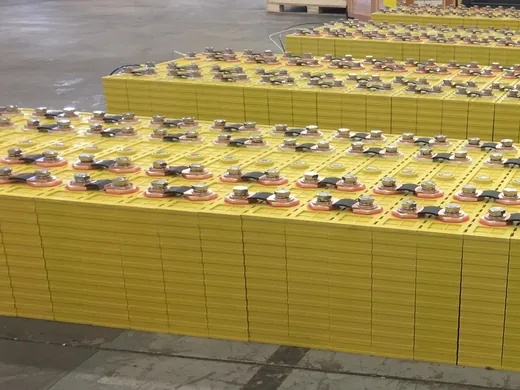
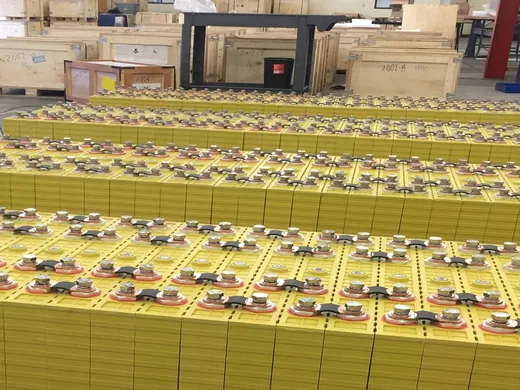
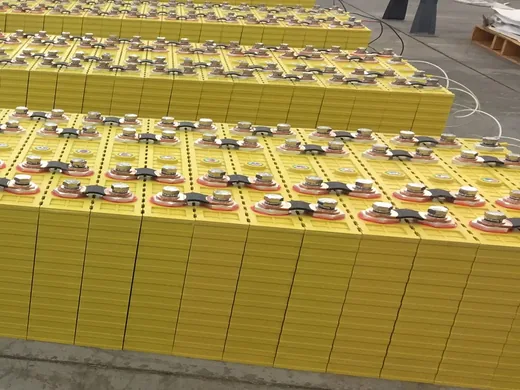
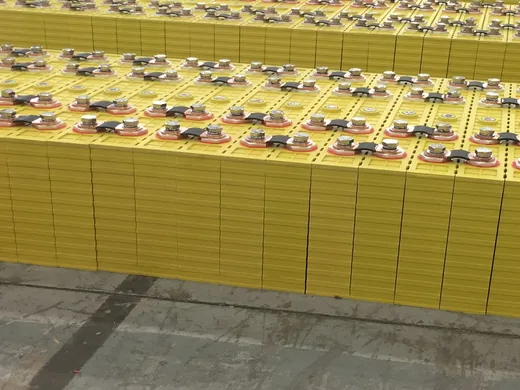
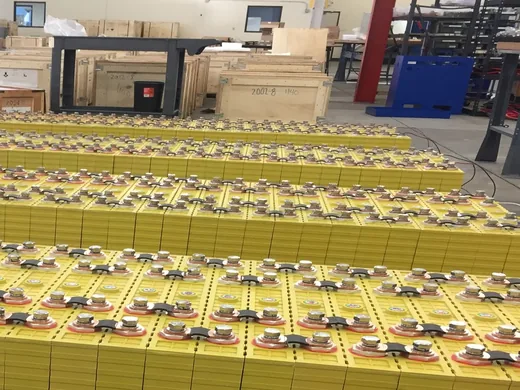
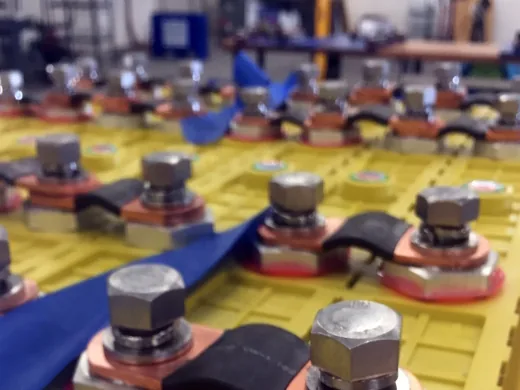
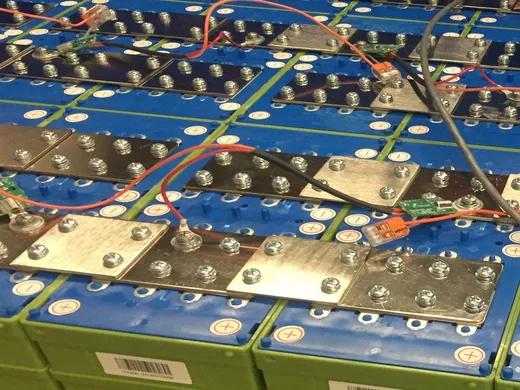
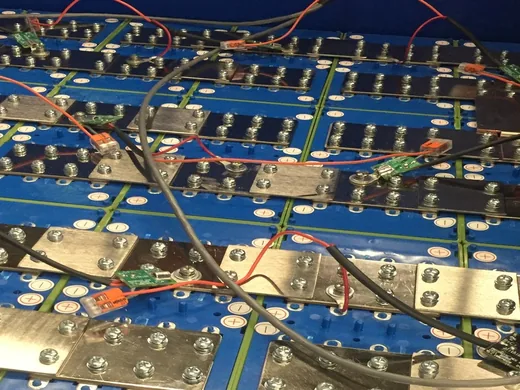
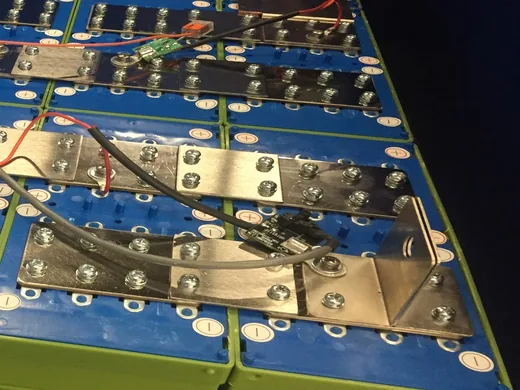
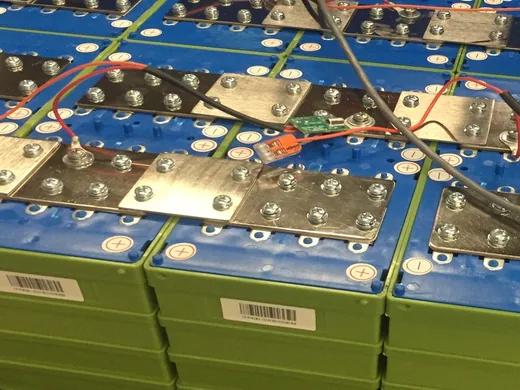
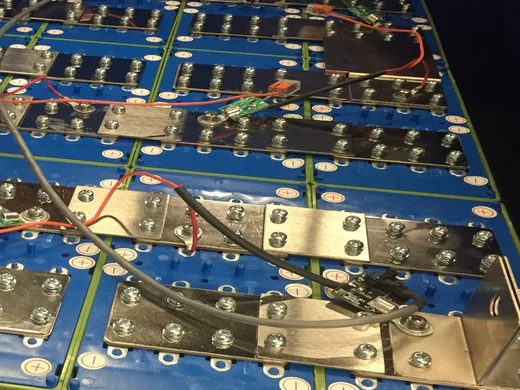
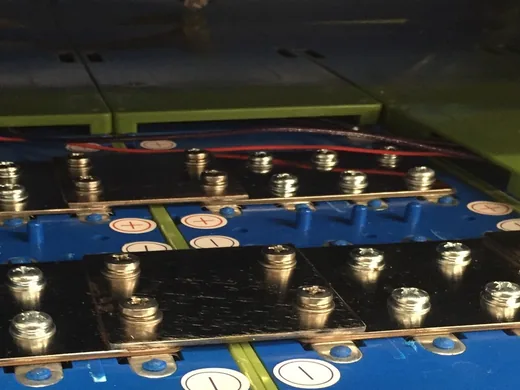
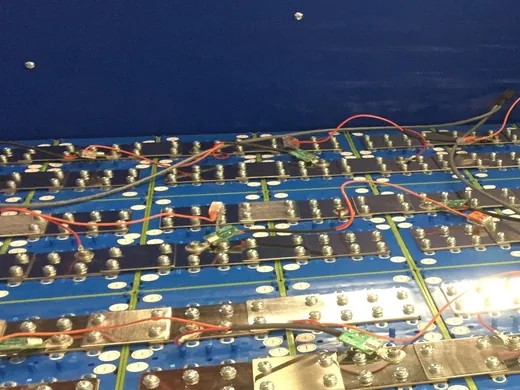
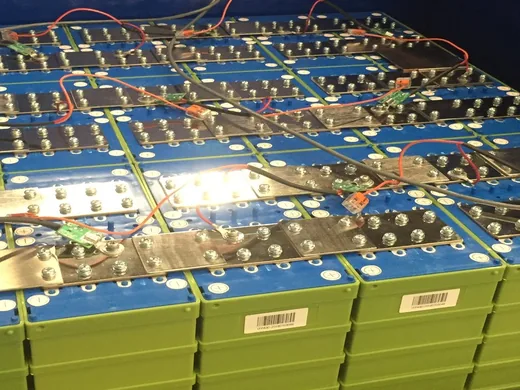
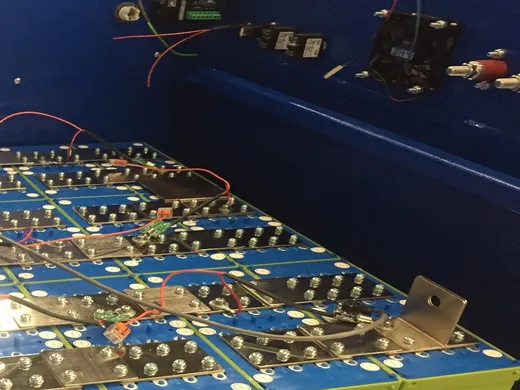
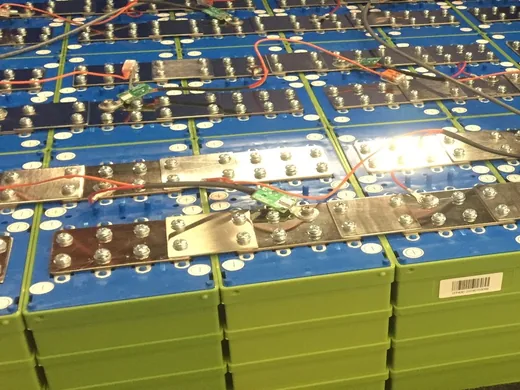
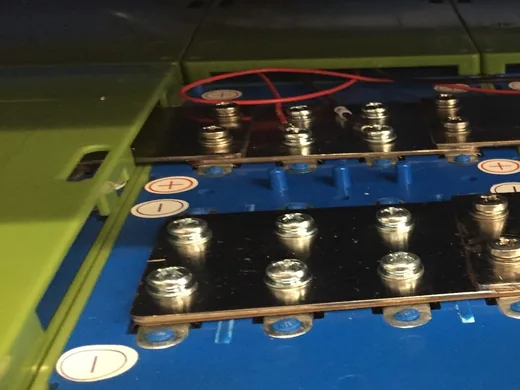
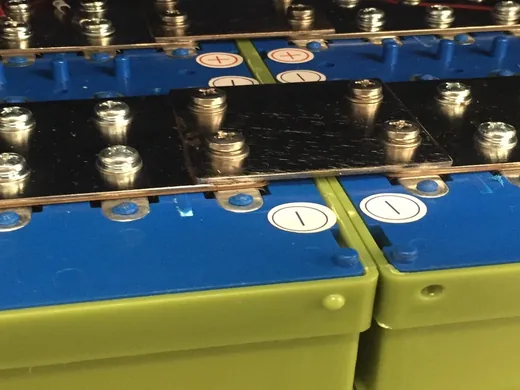
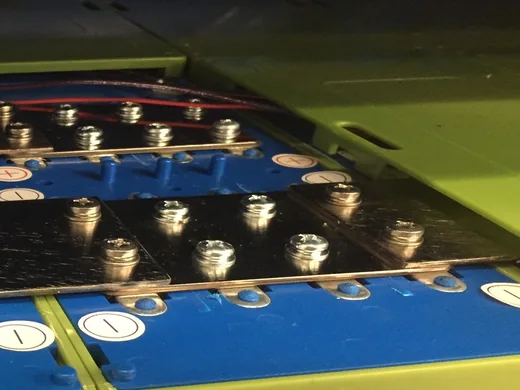
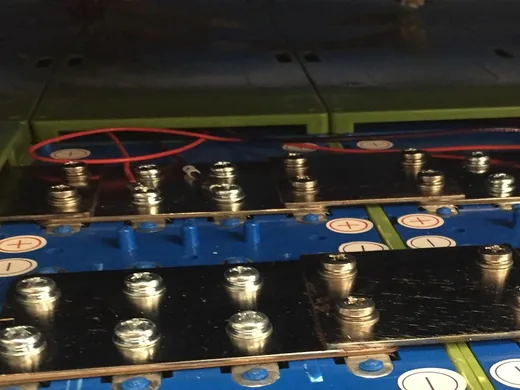
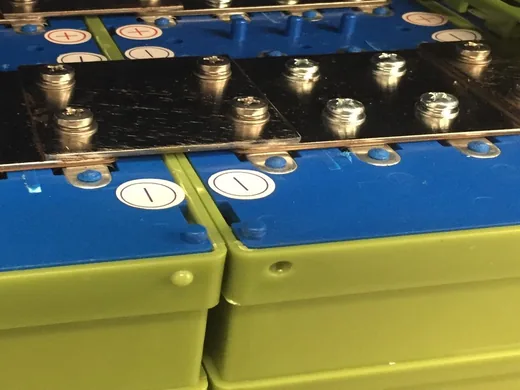
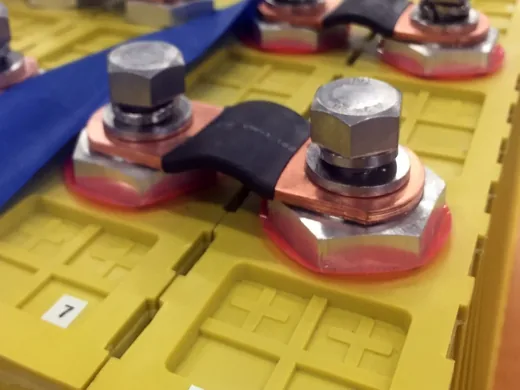
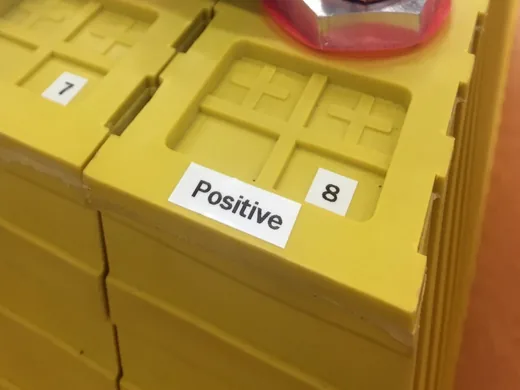
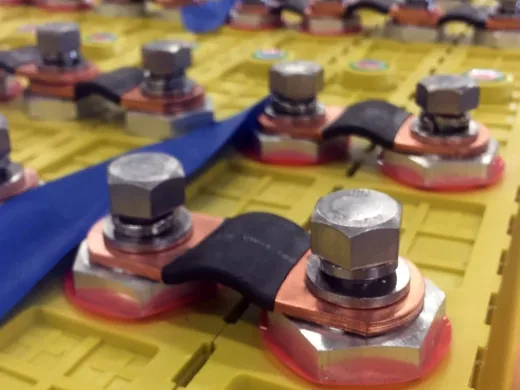
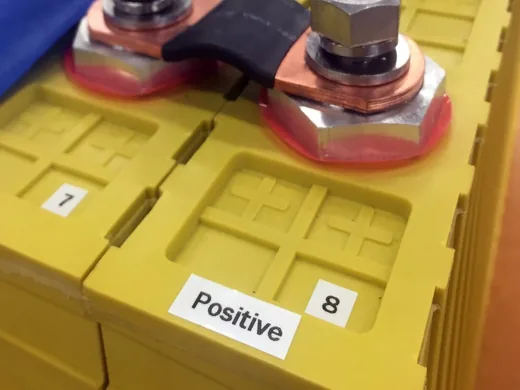
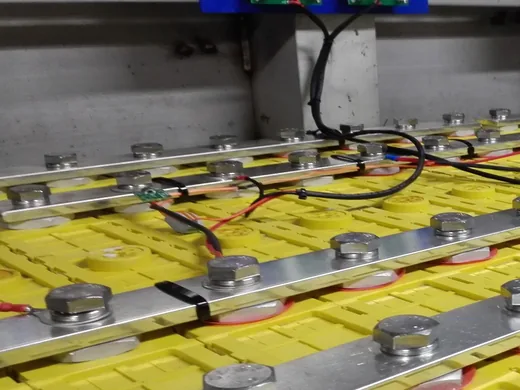
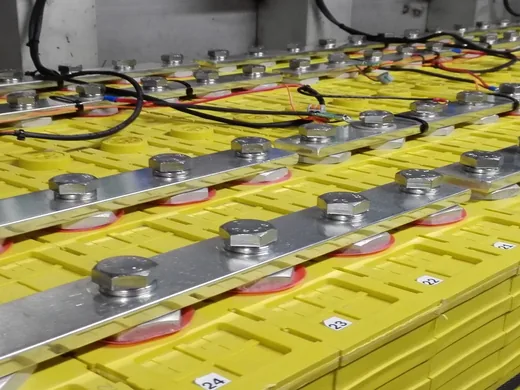
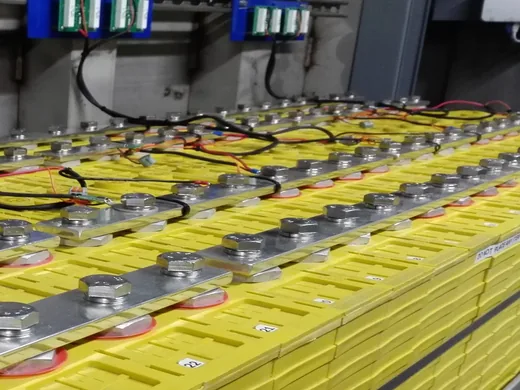
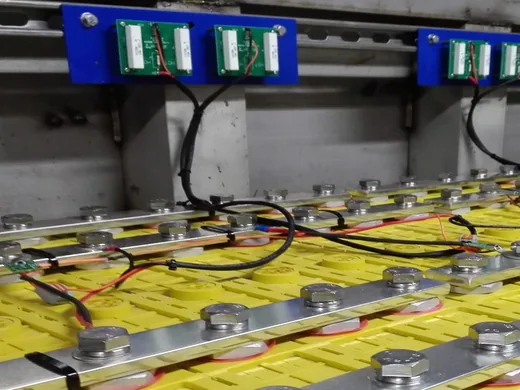
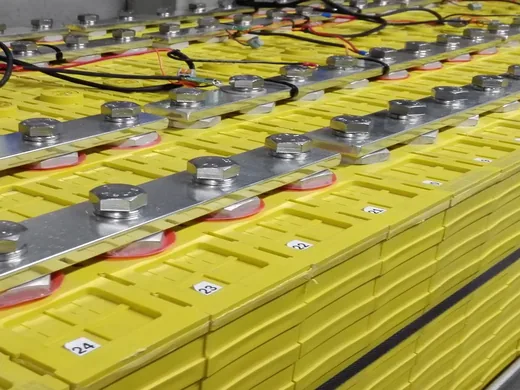
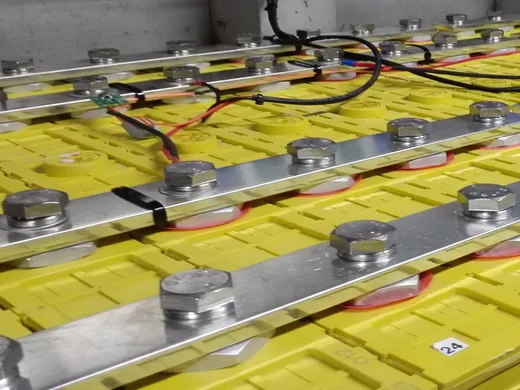
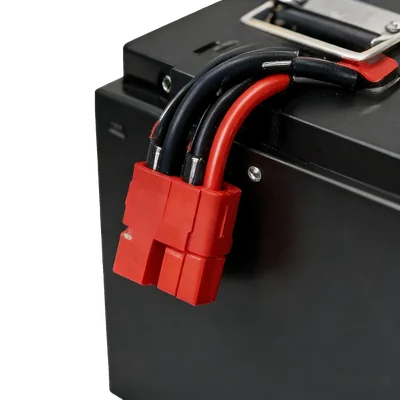

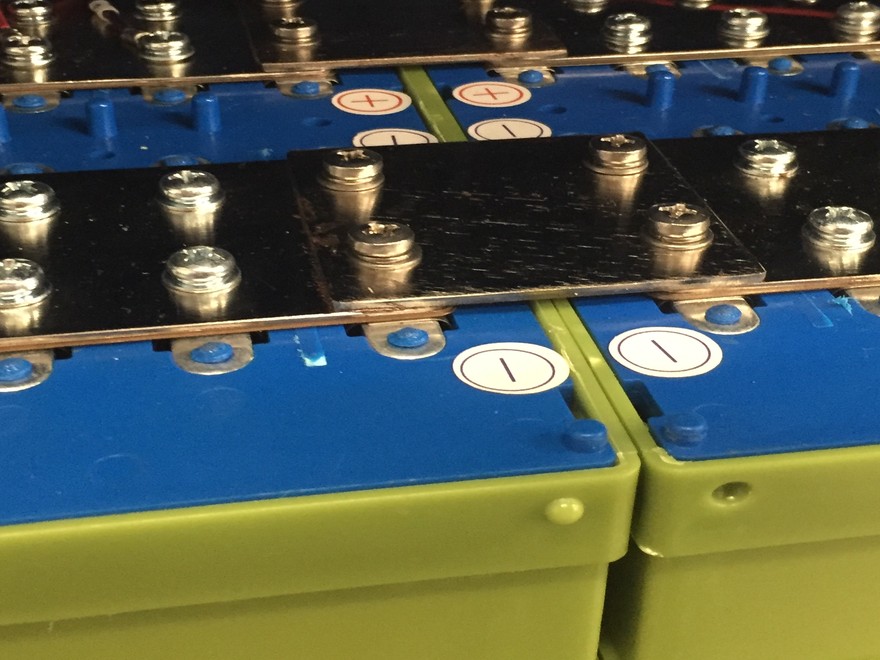
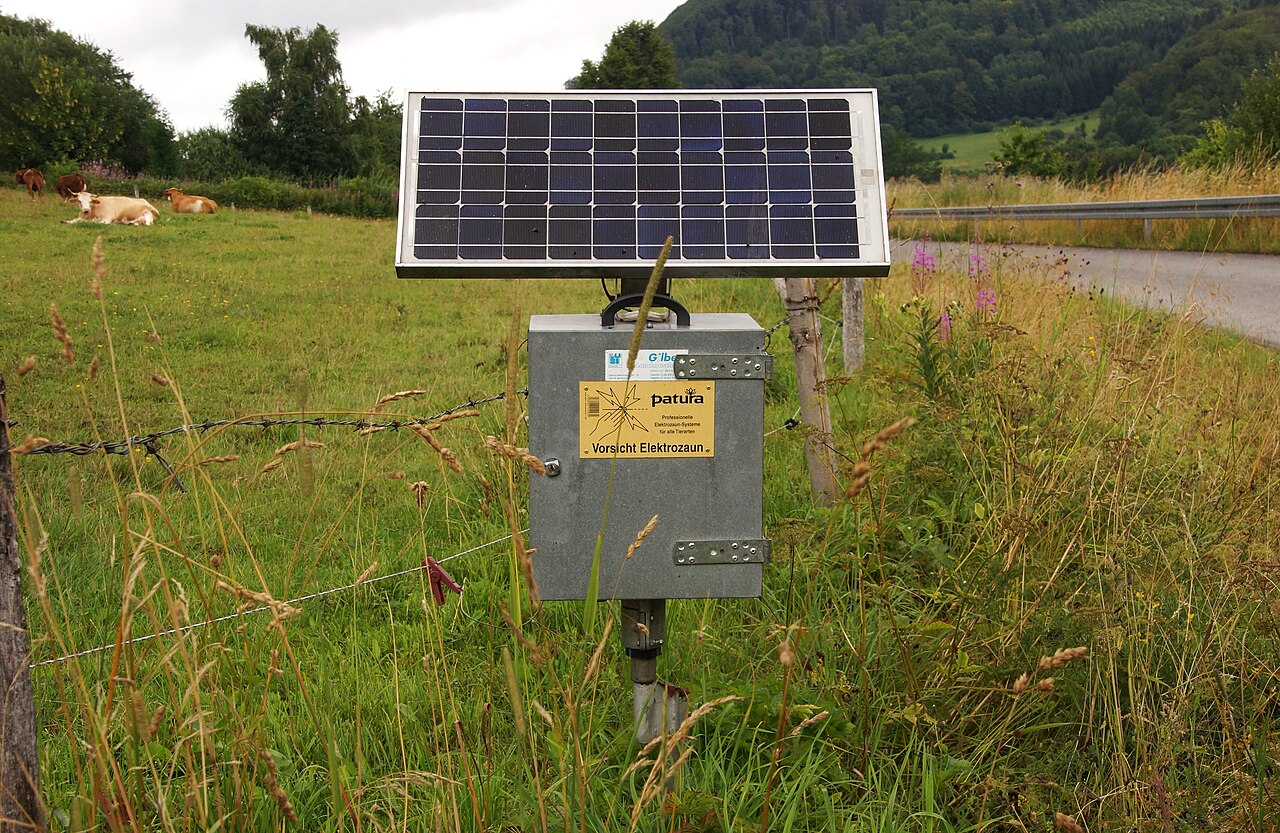
On a pasture line stands a galvanized box with a solar panel on top, and inside it a 12V battery keeps the fence pulsing through dark, wet weeks. Jobs of that class are what the CE-20 was sized for. Each cell gives 3.2V and 20Ah, 64Wh in about half a kilogram, on M4 studs; four in series form the 12.8V 20Ah pack that slots in where the old sealed lead block sat. Energizer stations, sonar boxes, gate cabinets, small off-grid fixtures. Full-cycle rating: ≥3,000.
Duty
Where 64Wh is exactly enough
Gallagher rates its S40 solar unit, a 0.4-joule energizer good for 25 miles of clean fence, at three weeks of operation with no sun at all. Pulse electronics sip that slowly.
Bigger pasture stations hang a 1 to 3-joule 12V energizer on an external battery, and there the 256Wh of a 4S bank means weeks of pulses between charges, a panel that wipes each day’s draw by noon, shallow cycling that barely dents the ≥3,000-cycle rating, a 0~45°C charge window covering the grazing months, and a drop-in fit for the stations of the Patura and Gallagher class, for deer lines, orchard perimeters, apiary fences, for the strip-grazing rigs that ride paddock to paddock in a pickup bed.
Sonar is arithmetic. Garmin lists the Striker 4 at 0.23A on 12V. Twenty amp-hours divided by that is 87 screen-hours. A ten-hour day takes 2.3Ah. One charge holds a week of trips, navigation lights included. Chartplotters want double or triple the current; the box still does full weekends. Twelve-gauge leads, a 25A blade fuse, a waterproof case. Two kilograms on the kayak deck where lead put six.
The standby jobs, gate openers, boom barriers, access panels, load the battery only on the swing while their boards idle in milliamps, which is why the numbers that matter there are 2 to 3% self-discharge a month, a reserve that outlasts a silent season, and 1C acceptance that refills the whole pack inside an hour once the grid comes back. Float at 13.6 to 13.8V and leave it alone.
Packs
Series math, no spreadsheet needed
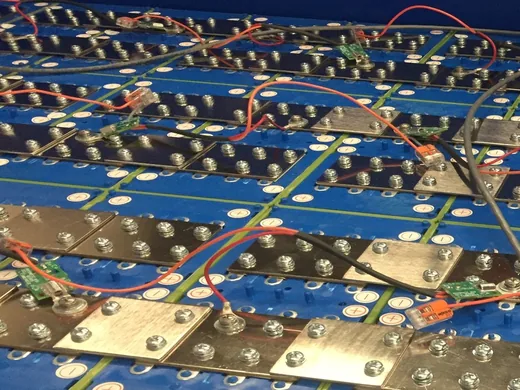
Four cells make 12.8V and 256Wh, eight make 25.6V for cabinets on 24V control power, and 2P4S doubles a 12.8V post to 512Wh. Any LFP-mode controller or a 14.6V bench charger at 4 to 10A finishes a pack in 2 to 5 hours against a 10V floor. Case dimensions shift slightly between production batches on this compact format, so check the batch datasheet against the tray before ordering.
Night Work
Insect lamps and the rest of the 12V yard
Forty to 80Wh a night is what a 10 to 20W insect-killer lamp burns on a four-hour dusk timer. Three such nights fit inside the bank with room left, and one clear morning erases the arrears. Gate lights, shed lighting and drip-irrigation controllers pull from the same single-digit-amp band, one 4S box carrying the lot where trenching mains power was never on the table, wired once through a fused distribution strip in 12 AWG with spare ways for whatever lands next.
Family placement takes two numbers. Under 20A continuous and under about 200Wh a night, stay here; camera poles go to the CE-32’s 410Wh bank, lighting projects to the CE-40, and a tray with room for a bigger cell should take one bigger cell over paralleled small ones, fewer joints, fewer fuses, one set of BMS leads, one page of batch sheet.
The energizer market itself points at the split. Gallagher’s solar lineup climbs from the 0.4-joule S40 to 4-joule S400-class machines, and past that tier the makers hand the power question to an external 12V battery, the door this cell walks through. Hardware for the handover stays plain. M4 studs take 6mm ring lugs, crimped rather than soldered wherever a fence post shakes in the wind, and the battery box earns a vented, rain-shadowed mount with the cable gland facing down; built that way, the ten-year calendar life is the realistic planning number, and the QR codes stay readable for the day a survey wants them.
Data
Cell data for the build sheet
| Model | CE-20 |
|---|---|
| Nominal voltage | 3.2V |
| Rated capacity | 20Ah (0.5C, 25°C) |
| Energy | 64Wh |
| Charge voltage | 3.65V |
| Discharge cutoff | 2.5V |
| Continuous discharge | 20A (1C) |
| Peak discharge | 40A (2C pulse) |
| Cycle life | ≥3,000 cycles @ 80% DOD |
| Weight | ≈0.5 kg |
| Format | Compact aluminum prismatic (batch datasheet) |
| Terminals | M4 stud |
| Operating temperature | Discharge -20~60°C / Charge 0~45°C |
| Certification | UN38.3 / CE / RoHS |
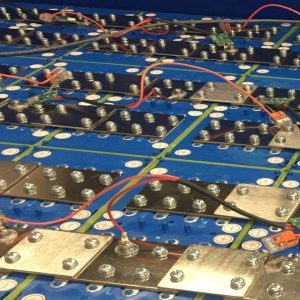
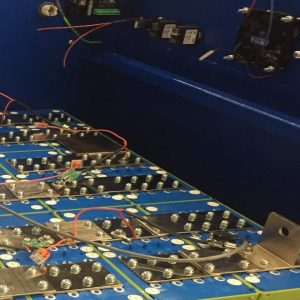
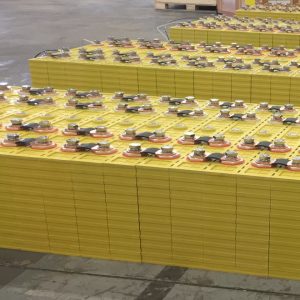
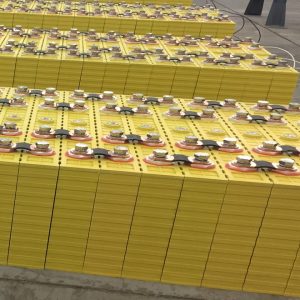
A laser QR on every cell opens its factory test record. Sets leave as one batch, matched for capacity and internal resistance. On a 0.5C test at 25°C the delivered figure sits at or above the plate; ask, and the batch sheets come with the codes. Fence-station buyers ordering in project quantity can add pre-fitted busbars and crimped lugs from the same batch, cut to the tray dimensions on the datasheet.
Reviews
There are no reviews yet.