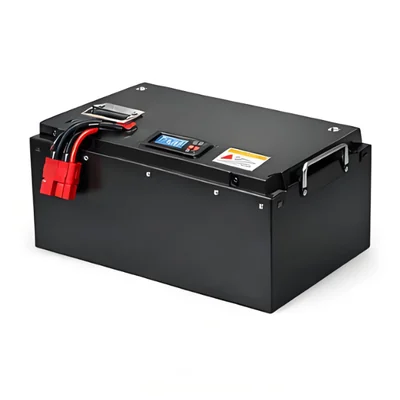
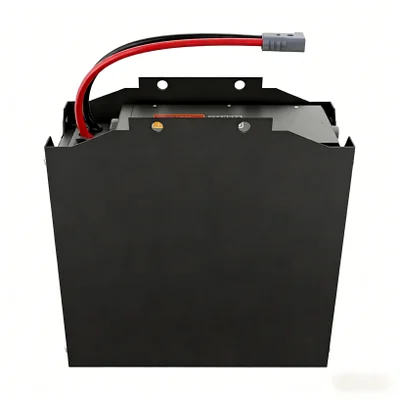

Minn Kota prints the amp draw and thrust of its 12V Endura 30 at every speed setting, which turns battery runtime into a sum done before the boat gets wet. Here is that sum, worked against a 4S bank of CE-50 cells, 12.8V and 50Ah:
| Speed 1 · 8A · 4lb thrust | about 6.2 hours |
|---|---|
| Speed 2 · 10A · 6lb thrust | about 5.0 hours |
| Speed 3 · 14A · 10lb thrust | about 3.6 hours |
| Speed 4 · 20A · 15lb thrust | about 2.5 hours |
| Speed 5 · 30A · 30lb thrust | about 1.7 hours |
Afternoons live between speeds 2 and 4, holding position against wind, moving between spots, and 50Ah covers the session with a full-thrust run home in reserve. The natural buyers are Endura C2 30 owners and the wider 30 to 40lb transom class on dinghies, jon boats and canoes, breaker picked off the motor maker’s chart above the 30A top step. Endura 40 and 50 owners read the same chart at higher rows, where the 2P4S build takes over.
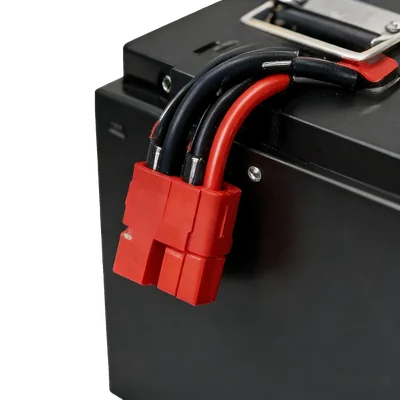
Eight kilograms boxed, against the 24 a marine lead battery boards at.
A fishfinder changes nothing on this ledger. Striker-class draw is a published 0.23A, call it 2Ah across a long day, and the overnight refill splits by charger, five hours from empty at 10A, half that at 20A.
The rest of the boat day
One to three amps runs a livewell aerator. Deck lights take less than one. A VHF on watch, a fraction of that. Evenings at anchor total single-digit amp-hours of the fifty, and the ceiling sits exactly where the spec says it does: 55lb motors and 24V bow-mounts have outgrown this cell and belong on banks built from the CE-105 next door.
Against lead the tray math runs one long line: a U1 block weighs 10 to 12kg where this build weighs 8, the Peukert effect claws back about a fifth of a lead plate at trolling current while the lithium bank pays out its whole 50Ah, a second box through a changeover switch doubles a tournament weekend with the wiring untouched, and a -20°C discharge floor keeps the season’s first dawn trip on the calendar while the ramp is still frosted.
Ashore
Garden machines and 12V trays
197 × 132 × 186mm, roughly, is the U1 tray class that ride-on mower electrics, spreaders and cabin winches were designed around, and the same four cells fill it; the batch datasheet confirms exact case fit before an order ships. Common 12V diaphragm sprayer pumps pull 5 to 8A. One filled tank day per charge. Winches and dump-trailer pumps lean into the 50A continuous rating with the 100A two-second pulse behind motor starts, and 24V machinery takes the 8S version at 1,280Wh. Estate crews standardize on one 12.8V box across mower, sprayer and gate duty, charged from a single 14.6V bench supply in the barn.
A once-a-year health check keeps the ledger honest. Run the bank down from full at 25A, the 0.5C test current, with a timer going: two hours to cutoff confirms the plate capacity, and a noticeably shorter run flags a joint or a cell for a closer look before the season opens. Log each year’s runtime beside the QR code, since three entries make a fade curve and a fade curve settles warranty questions early. Shore charging between trips has its own rhythm, plug in when the boat is back on the trailer, and a pack that then rests near half charge through the week ages slower than one parked full from Monday to Friday.
Figures
Cell figures
| Model | CE-50 |
|---|---|
| Nominal voltage | 3.2V |
| Rated capacity | 50Ah (0.5C, 25°C) |
| Energy | 160Wh |
| Charge voltage | 3.65V |
| Discharge cutoff | 2.5V |
| Continuous discharge | 50A (1C) |
| Peak discharge | 100A (2C pulse) |
| Cycle life | ≥3,500 cycles @ 80% DOD |
| Weight | ≈1.1 kg |
| Format | Compact aluminum prismatic (batch datasheet) |
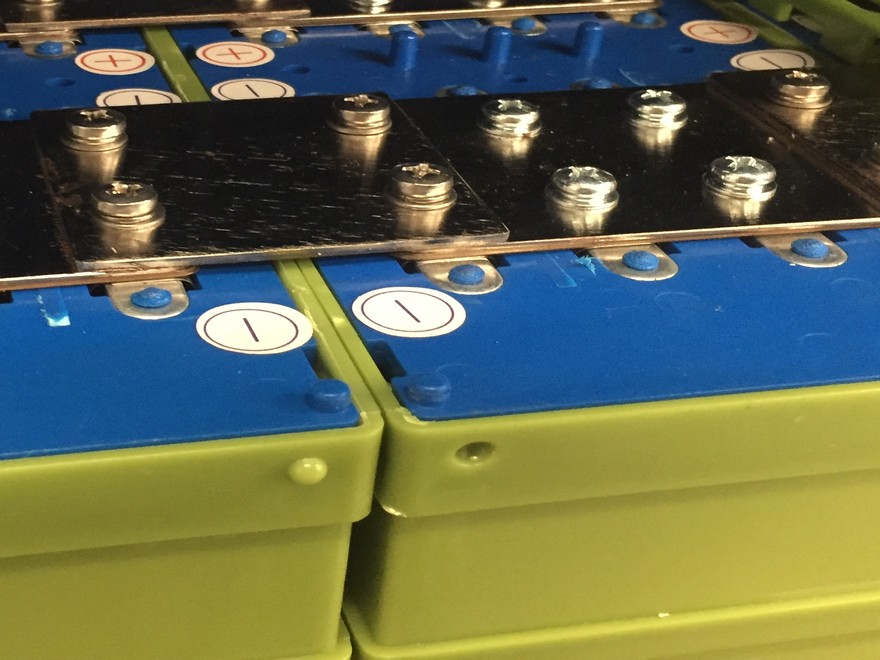
| Terminals | M6 stud |
| Operating temperature | Discharge -20~60°C / Charge 0~45°C |
| Certification | UN38.3 / CE / RoHS |
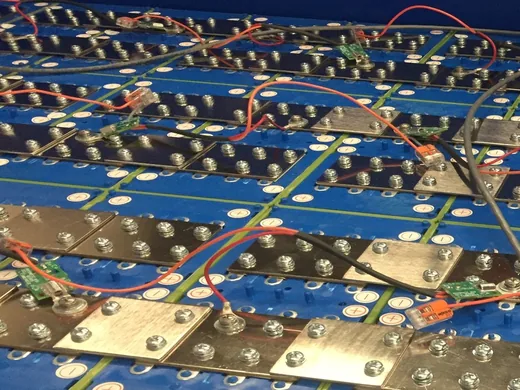
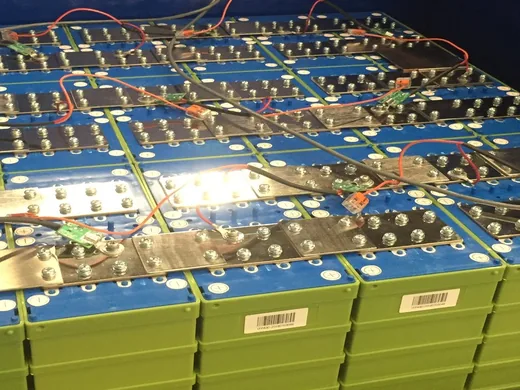
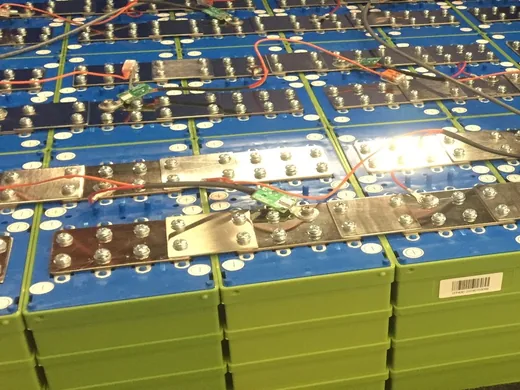
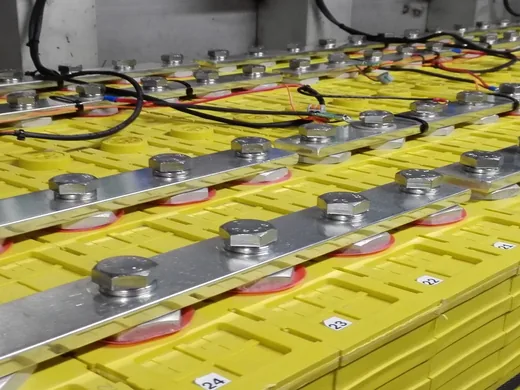
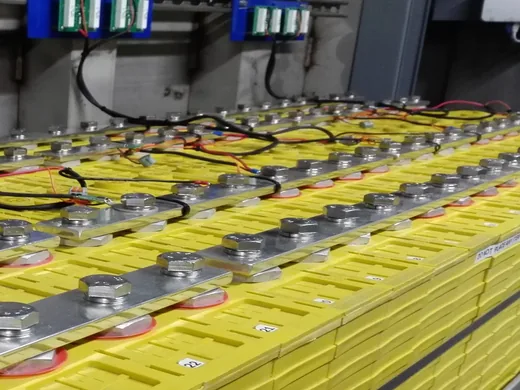
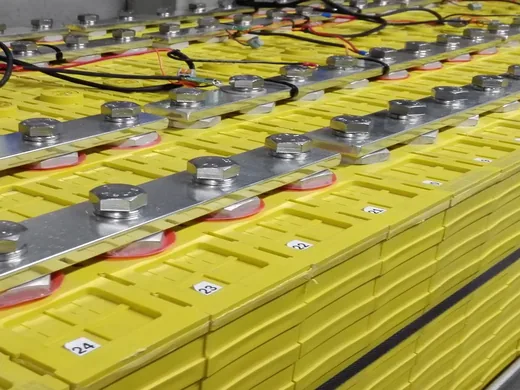
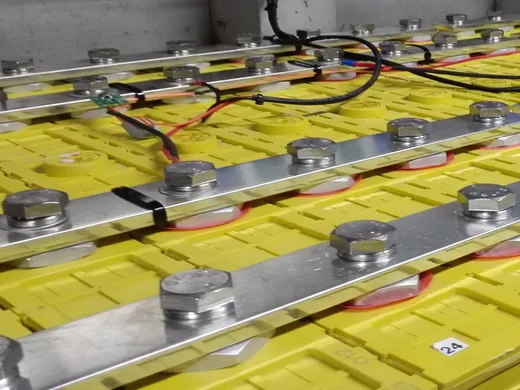
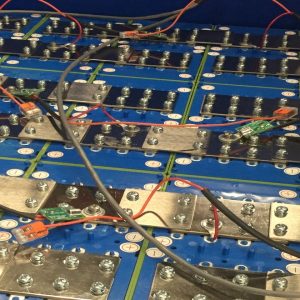
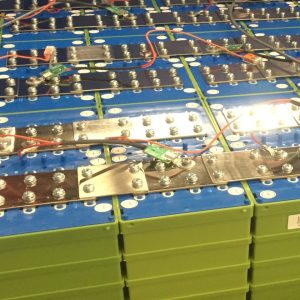
Four in series: 12.8V, 640Wh, the trolling and tray build. Eight: 25.6V, 1,280Wh, for 24V trolling and workboats. 2P4S: the same 12.8V holding a full-weekend 1,280Wh in one box. Even weekend-in, weekend-out cycling clears three decades of seasons inside ≥3,500 cycles, at which point the levers that decide retirement are storage temperature and resting charge state.
Build
Putting a bank together
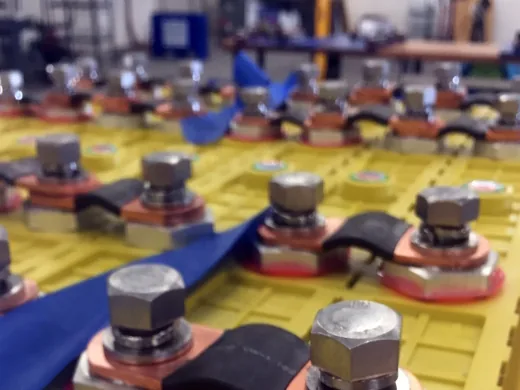
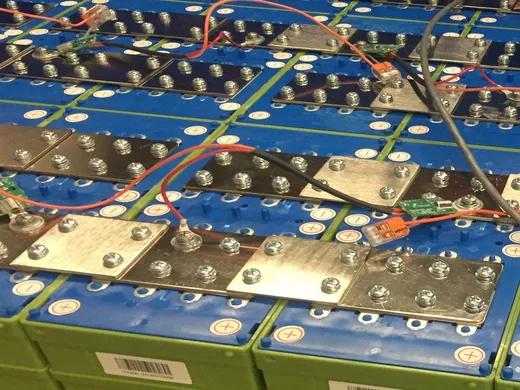
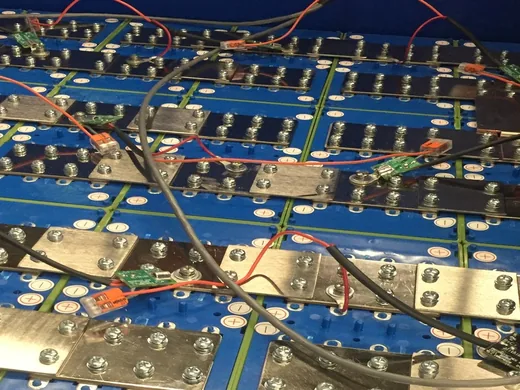
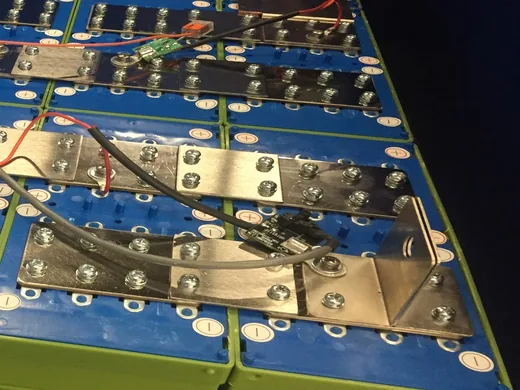
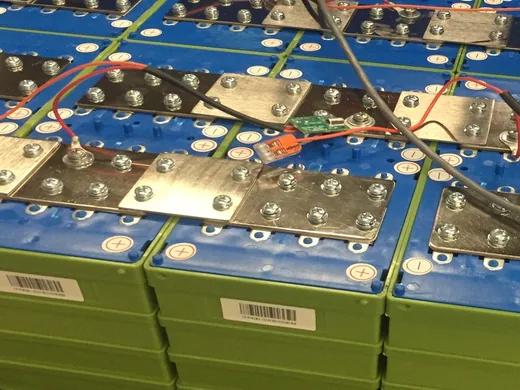
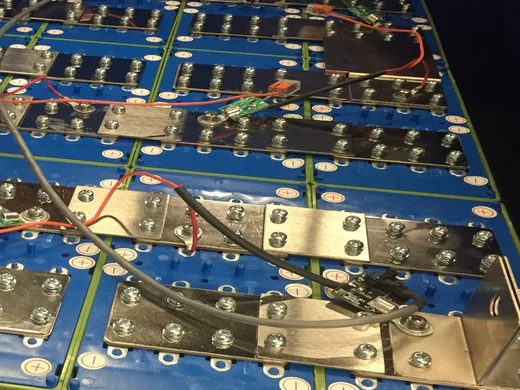
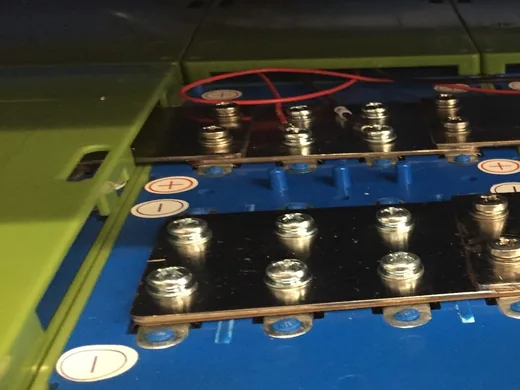
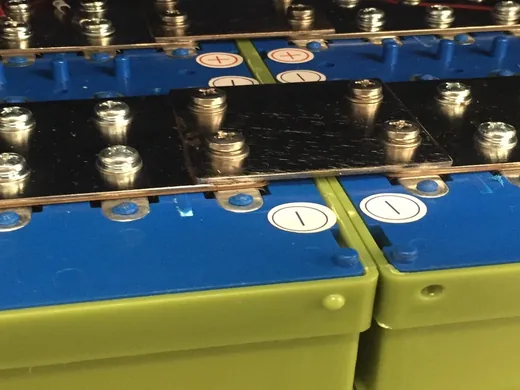
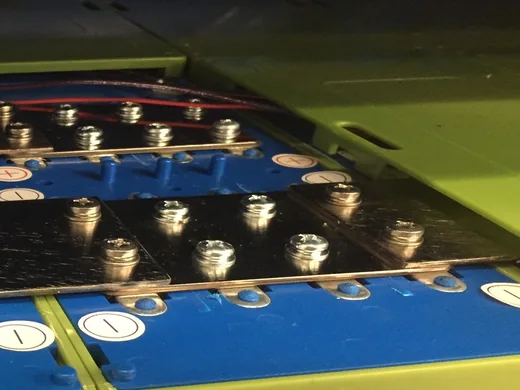
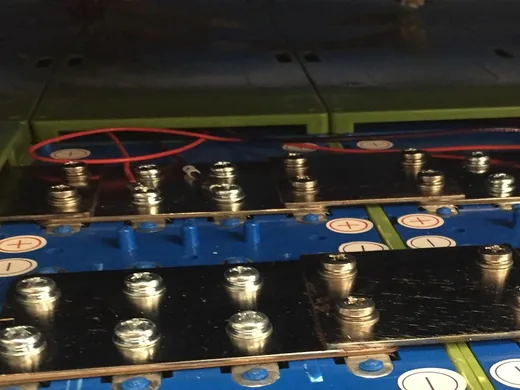
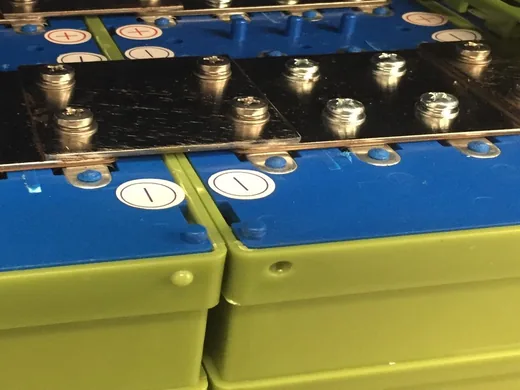
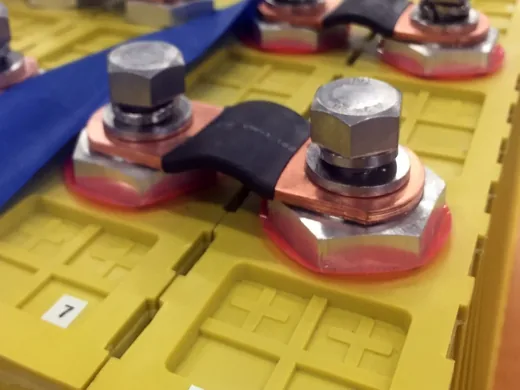
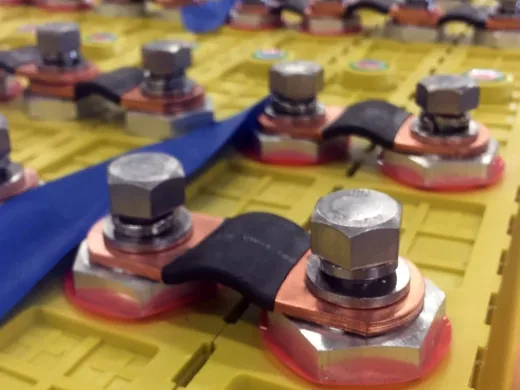
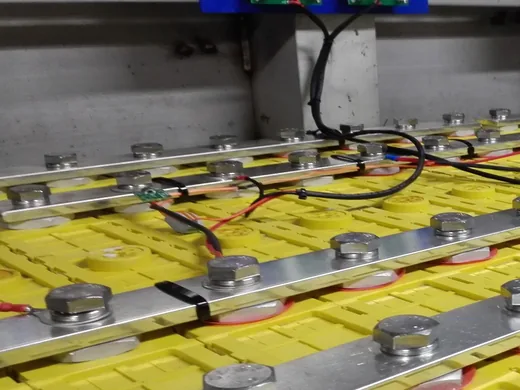
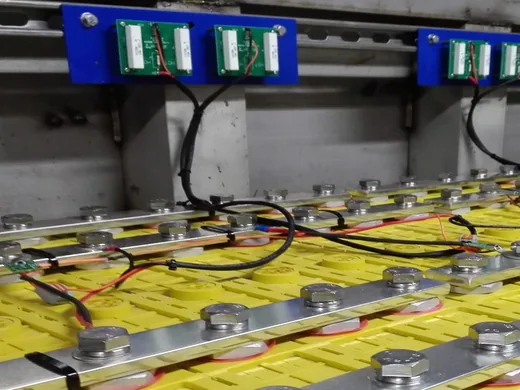
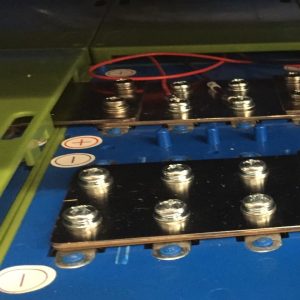
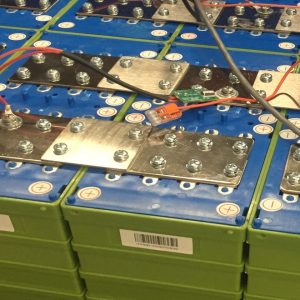
The parallel top-balance at 3.65V comes first, the series connection after it, then a 50 to 60A BMS with per-cell voltage, overcurrent and low-temperature charge protections, that last one earning its keep on early-spring water where the box sleeps near freezing. Boat packs get end-plate clamping, cushioning in the case, 8 AWG wiring, a fuse at the positive post. Any 14.6V LFP charger finishes the bank with a constant-voltage tail to 0.05C. Winter storage happens indoors at 30 to 50% charge, one spring top-up covering the 2 to 3% monthly drift. M6 studs: about 8 N·m.
Traveling anglers meet one rule worth knowing in advance. Aviation caps spare lithium batteries in passenger carriage at 160Wh, so a 640Wh bank goes to the lake by road like the boat does, while commercial shipments move as cargo on the pack’s UN38.3 test file, the first document any freight desk requests.
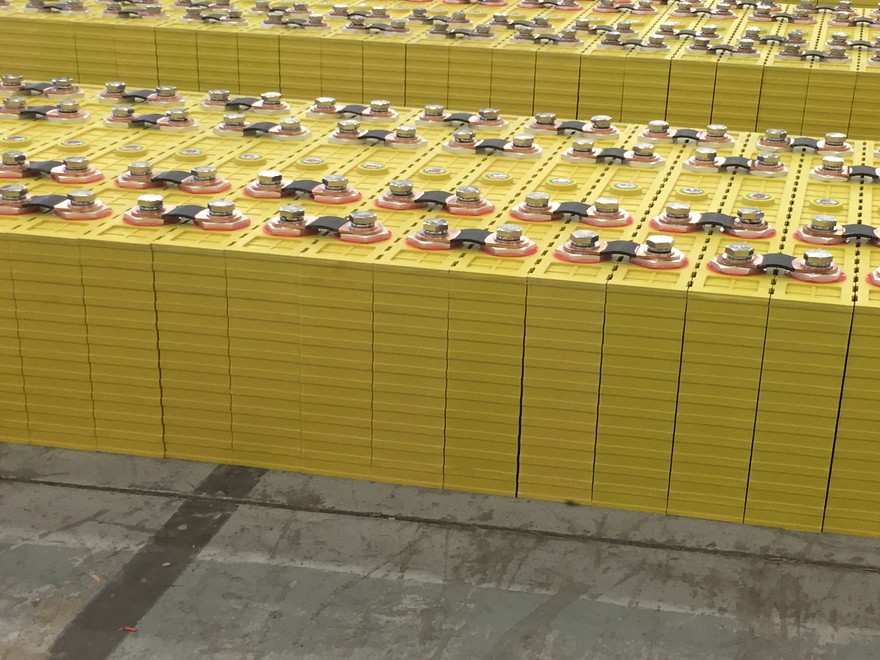
QR codes, single-batch shipping, capacity and internal-resistance matching, delivered capacity above the 50Ah plate at 0.5C, batch sheets on request.
Reviews
There are no reviews yet.