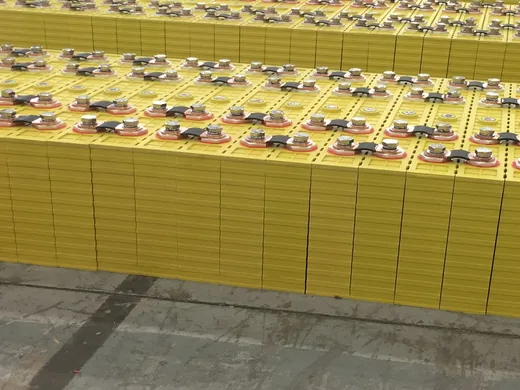
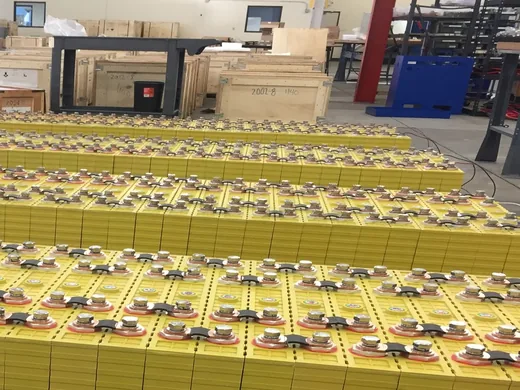
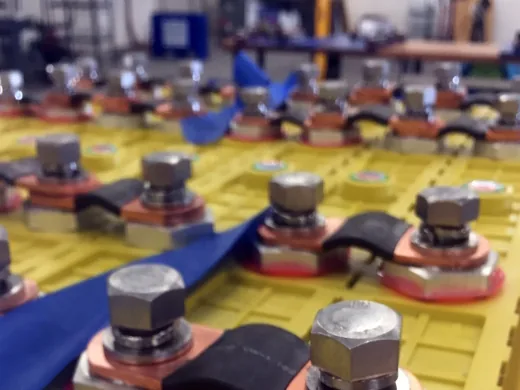
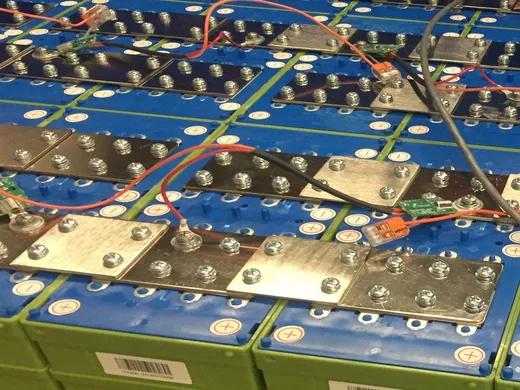
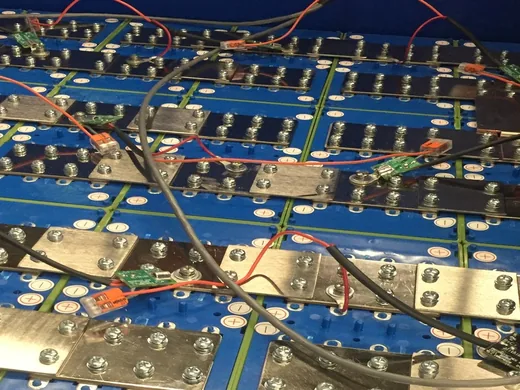
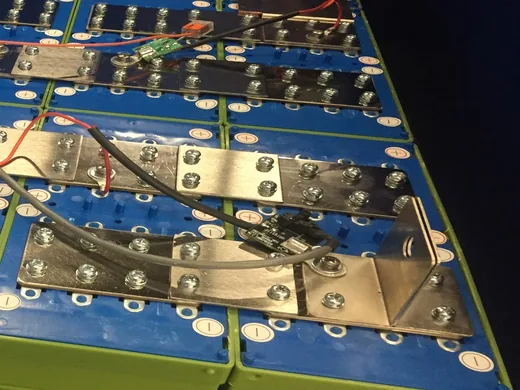
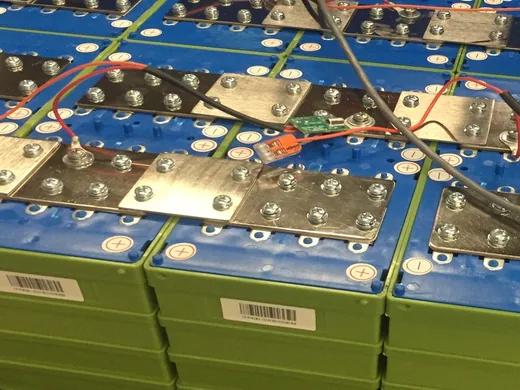
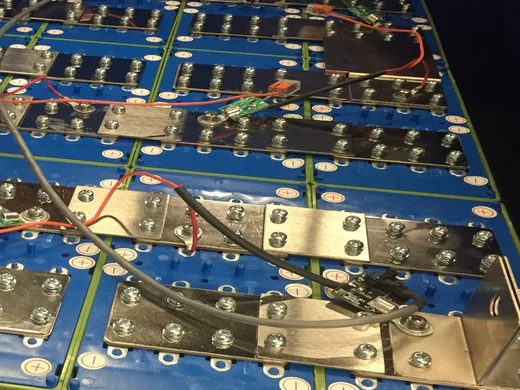
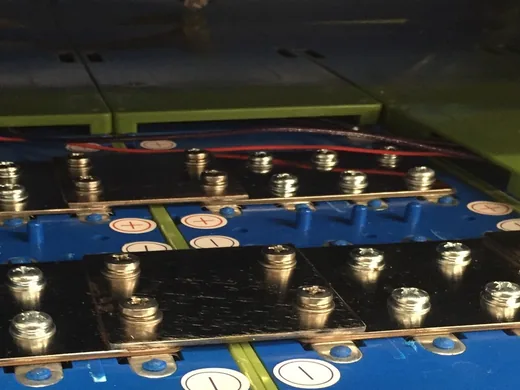
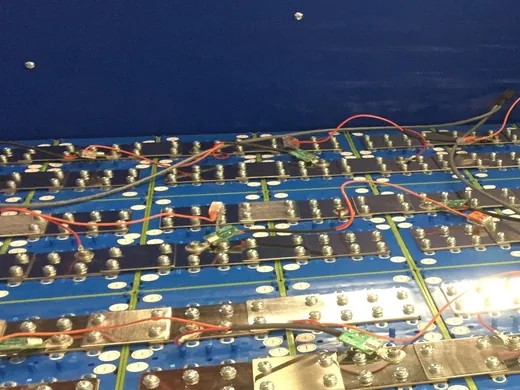
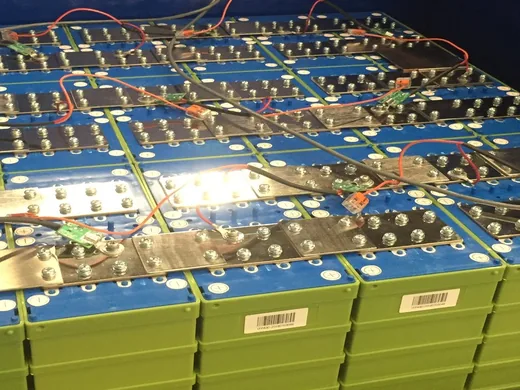
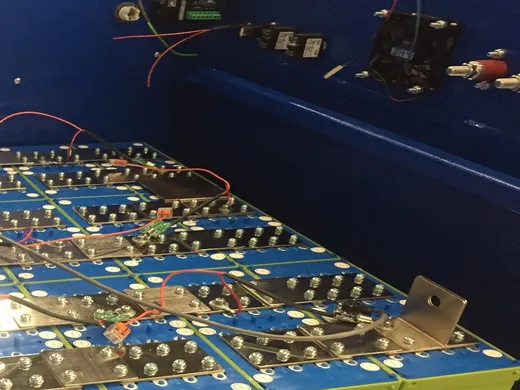
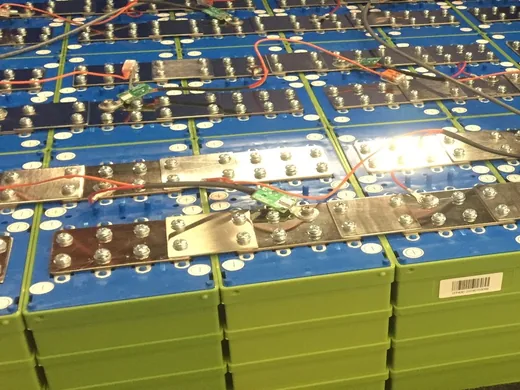
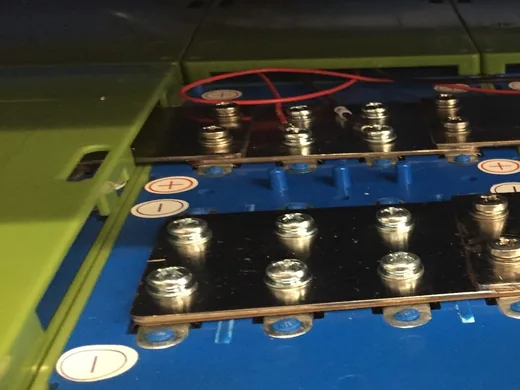
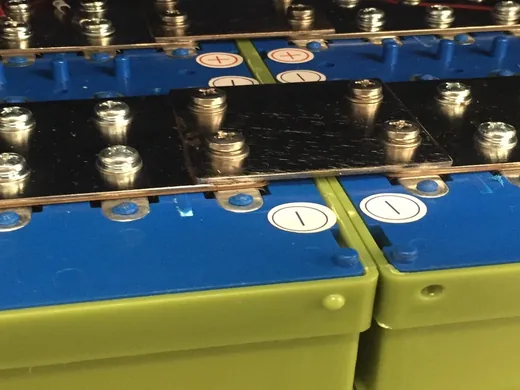
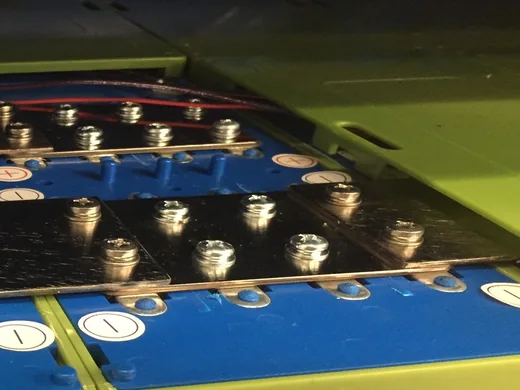
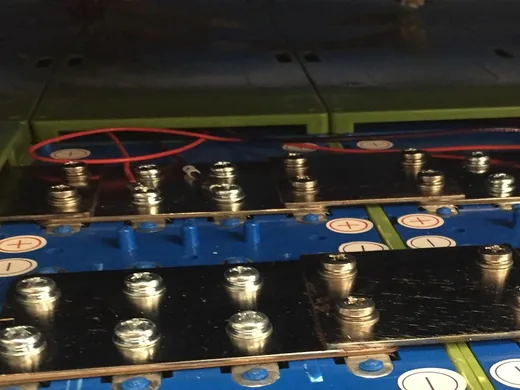
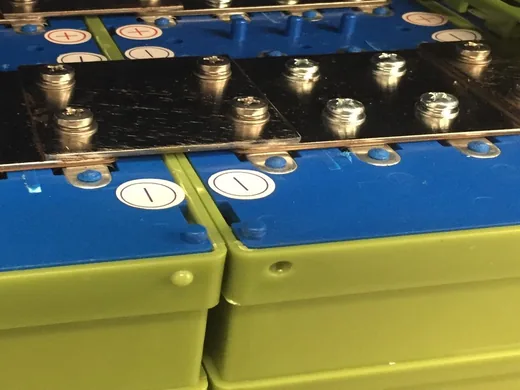
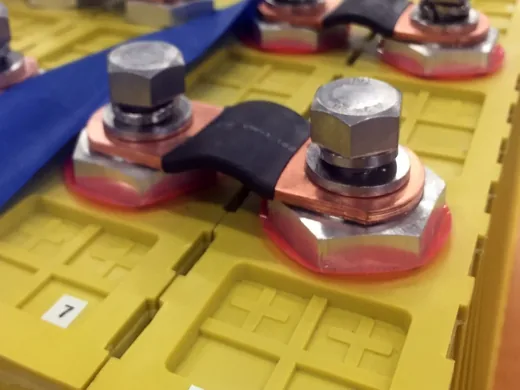
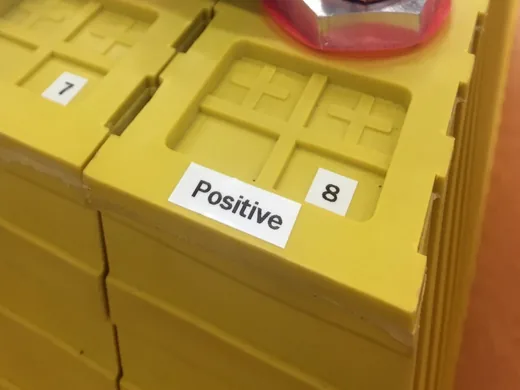
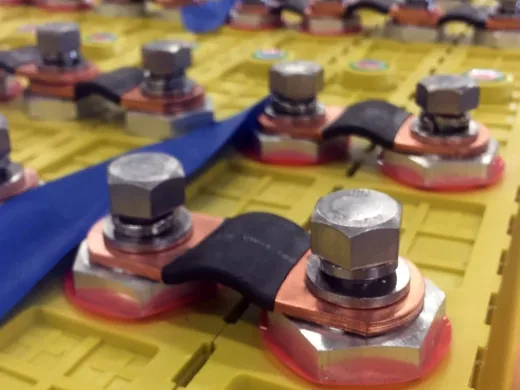
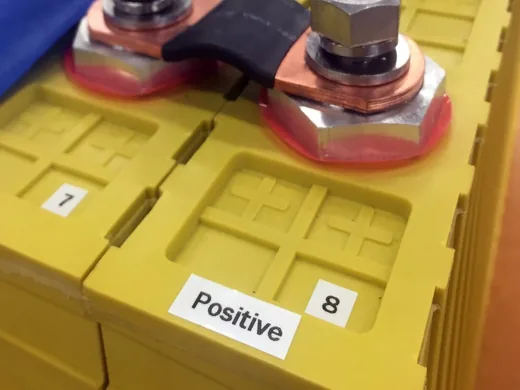
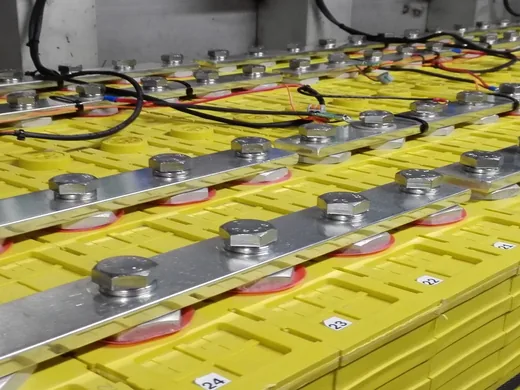
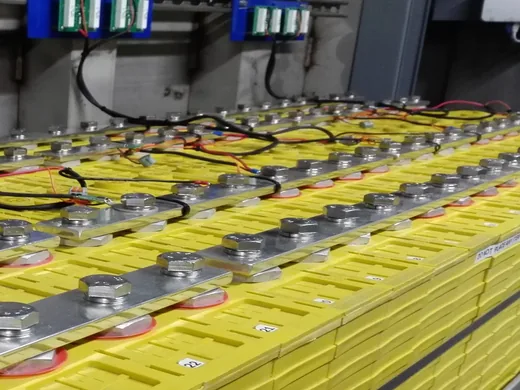
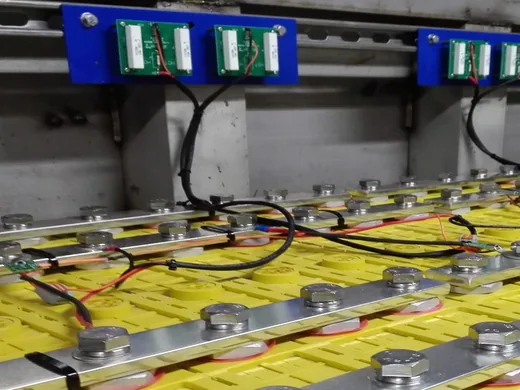
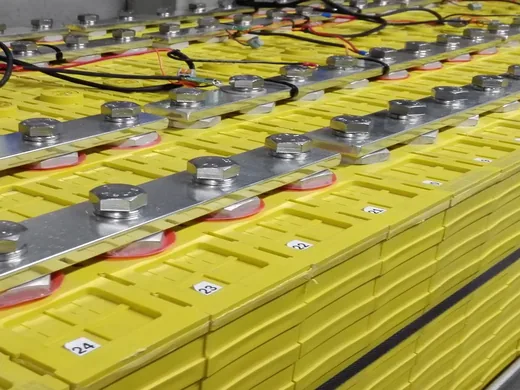
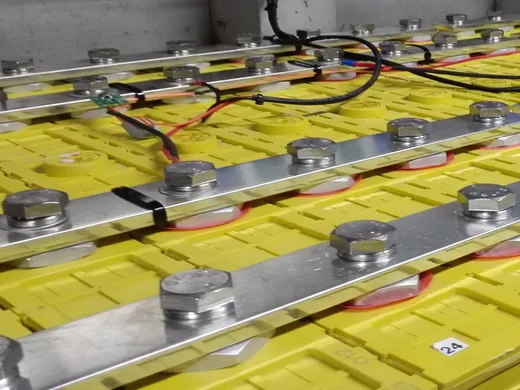
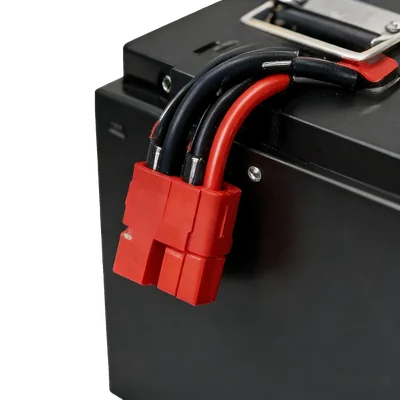

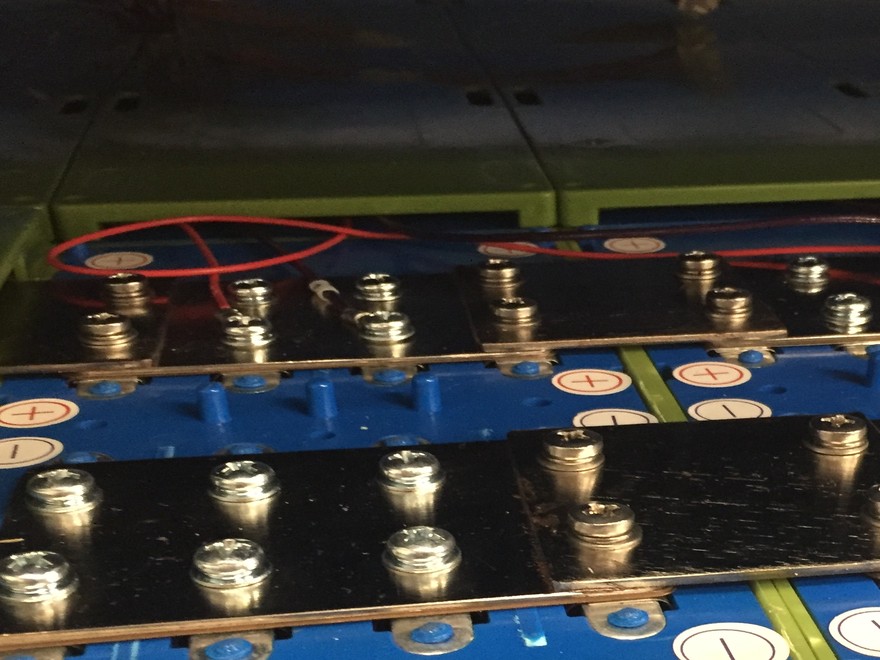
One calculation governs solar street lighting, and it keeps landing in this cell’s amp-hour band. The CE-40 holds 128Wh at 3.2V, weighs about 0.95kg, wears M5 studs and carries a ≥3,500-cycle rating; draining fully every night of a fixture’s life is the duty that rating was written for.
The Chain
From one night of light to a battery spec
| Night draw | 30W LED on a dimming profile ≈ 20Ah a night at 12V |
|---|---|
| Autonomy | 2-3 nights for urban projects, 4-5 for remote and critical sites |
| Usable depth | 80% DOD for a lithium bank |
| The spec | 20Ah × 3 nights ÷ 0.8 = 75Ah of battery |
| The build | 2P4S CE-40 = 12.8V · 80Ah: meets the spec in one package |
The guides behind the table work a 30W LED, full brightness through the evening, dimmed after midnight, out to a nightly appetite near 20Ah at 12V, after which the tender writes the multiplier: two or three sunless nights for a city street, four or five for a remote road, divided at the end by the 80% a lithium bank can give. Seventy-five amp-hours per pole. The 2P4S bank delivers 80.
255Wh is the other published night. That profile runs five hours at full output and seven at half, asks roughly 300Wh once an 0.85 system efficiency is behind it, and a single 4S string of 512Wh answers with one hard night at 60% depth or one dimmed night carrying two days of reserve. Lanes and paths on nightly recharge take the single string. Boulevards take the double.
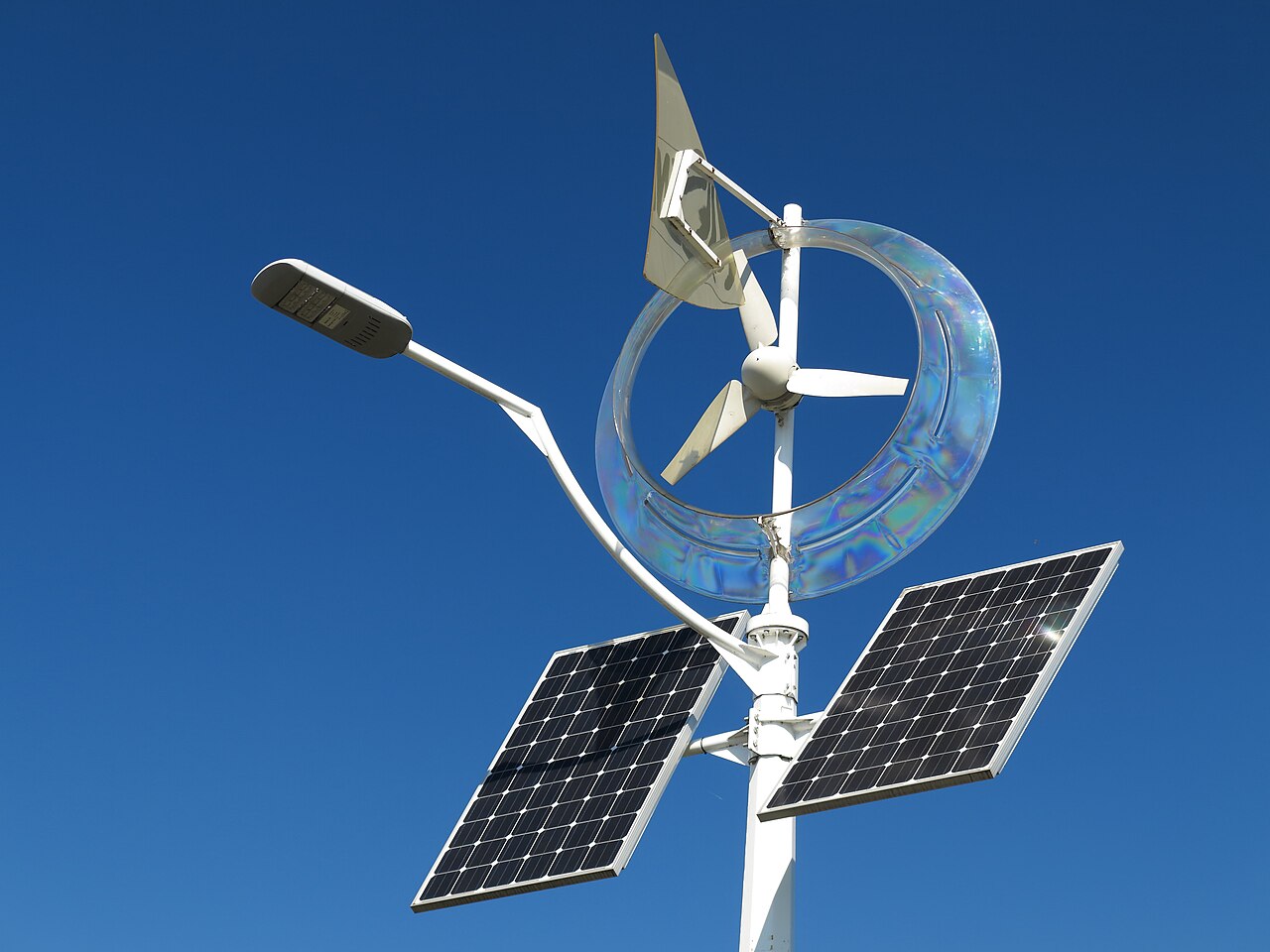
Thirty to 40W lamps, all-in-one or split. Hybrid solar-wind heads like the pictured one. Village lanes, campus paths, parking areas.
Beyond Lamps
High poles, signs and shelters
Camera columns and lit signage spend 200 to 500Wh a night, a bus shelter at 25W dusk to dawn spends 250 to 300, and what both borrow from this cell besides the reserve is muscle and cold tolerance, 40A of continuous output for pan-tilt motors, sign controllers and winter heaters, a -20°C discharge floor for the cold snaps that drop grid poles. Flashing school-zone signs and radar speed boards sit at the light end of the same range, 100 to 200Wh a night, and borrow the single-string build. Above a certain mast height the arithmetic switches rails to 8S: 25.6V, 1,024Wh.
Output, lifetime and the tender file
Listed 30W solar heads sit in the 5,500-lumen class. Residential-street brightness, in other words, which is why 30 to 40W owns lane and campus tenders. Lifetime math runs 365 full cycles a year against the ≥3,500 rating and comes out near nine and a half years, the same order as the LED’s own rated life, battery and luminaire retiring together rather than the pole eating replacements mid-life. A 14-hour winter night runs a sixth past the 12-hour design night; the autonomy multiplier already carries that margin. The annex itself wants four attachments, UN38.3, CE and RoHS certificates, the cycle curve behind the rating, single-batch QR traceability, and the 8S paperwork reads the same for 24V masts.
Twelve or 24 volts is a wiring decision more than a battery decision. At 24V the same 30W lamp pulls half the current, the cable run up the pole drops a gauge, controller losses shrink, and the price is an 8S battery with a 24V luminaire. Small poles usually stay at 12V for parts commonality across a campus. Tall masts, twin heads and long feeder runs go 24V. One stock item serves both sides of the line, four cells to a box or eight.
Datasheet
Datasheet
| Model | CE-40 |
|---|---|
| Nominal voltage | 3.2V |
| Rated capacity | 40Ah (0.5C, 25°C) |
| Energy | 128Wh |
| Charge voltage | 3.65V |
| Discharge cutoff | 2.5V |
| Continuous discharge | 40A (1C) |
| Peak discharge | 80A (2C pulse) |
| Cycle life | ≥3,500 cycles @ 80% DOD |
| Weight | ≈0.95 kg |
| Format | Compact aluminum prismatic (batch datasheet) |
| Terminals | M5 stud |
| Operating temperature | Discharge -20~60°C / Charge 0~45°C |
| Certification | UN38.3 / CE / RoHS |
Field Notes
Field notes
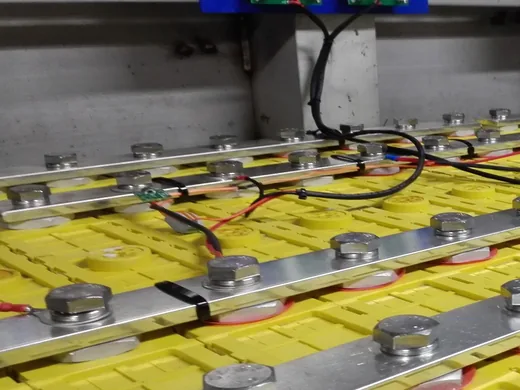
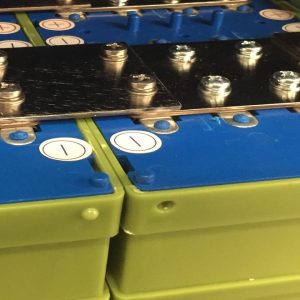
Parallel top-balance at 3.65V, series connection, a 40 to 60A BMS with per-cell voltage, overcurrent and low-temperature charge protections, M5 torque per the datasheet. That’s the bench half. The commissioning half lives in the controller: 14.2 to 14.6V absorption on a 4S bank, 13.8 to 14.0V where calendar life outranks the last few percent, equalization off and kept off on anything migrating from lead. Boxes rate IP65 up the pole or underground. Packs stay clamped so wind vibration cannot work a busbar loose. Off-season stock waits at 30 to 50% charge and drifts 2 to 3% a month. Commissioning ends with a dusk walk-through, every head lit, every controller logging, every gland pointed down.
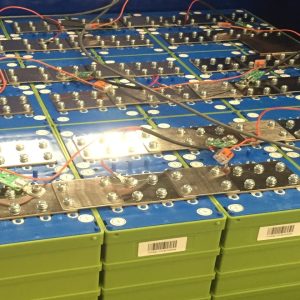
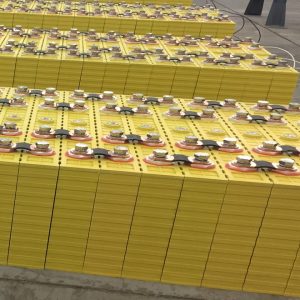
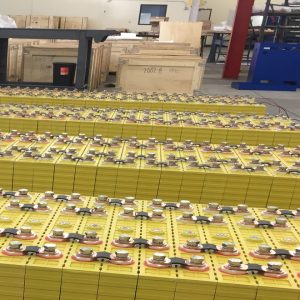
QR codes on every cell open the factory records, project lots leave as one production batch so whole strings age in step, and capacity proves out above the 40Ah plate at 0.5C. The batch sheets drop straight into the tender file. Procurement math scales in whole poles, a hundred-lane project being a hundred 4S banks, four hundred cells, one batch, with the customary 2% spare pool coming to eight cells on the shelf.
Reviews
There are no reviews yet.