
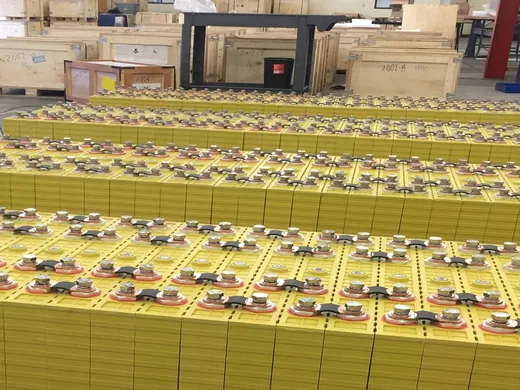
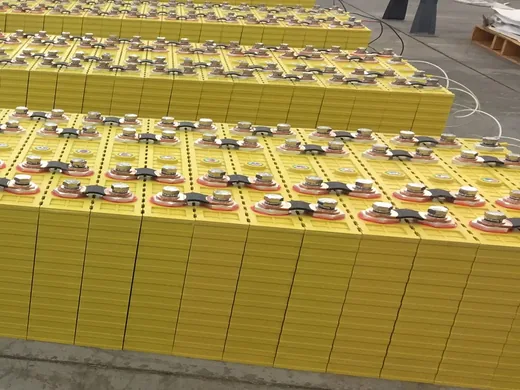
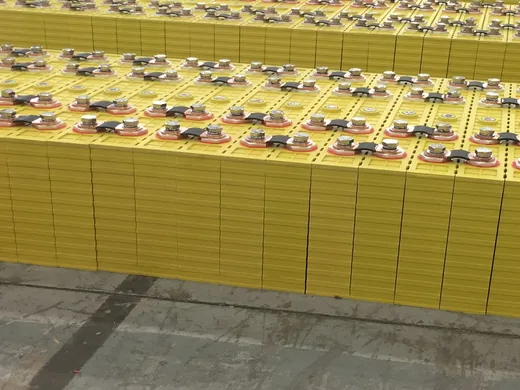
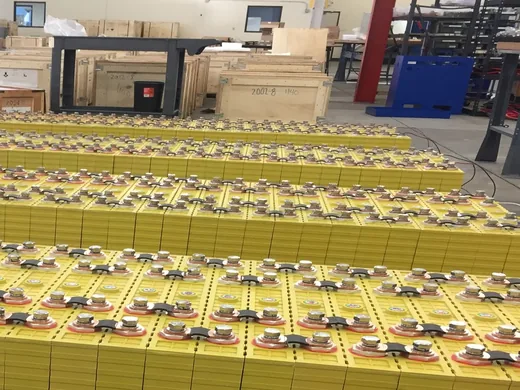
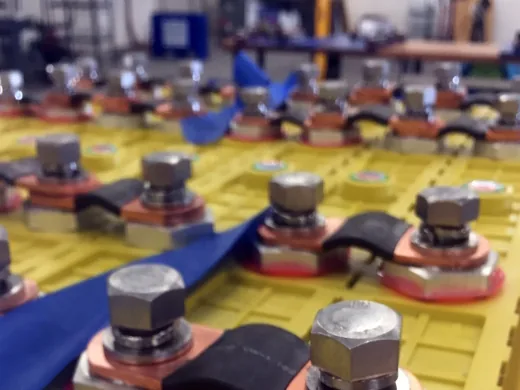
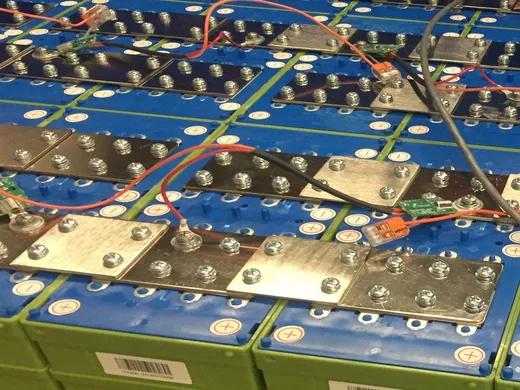
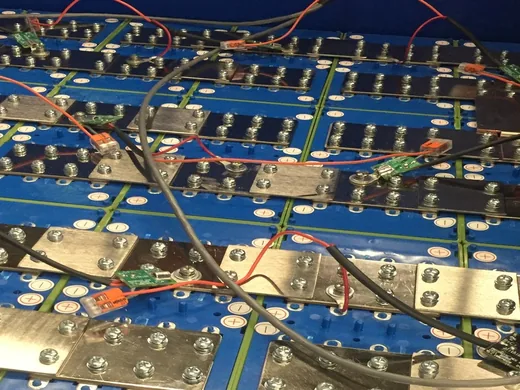
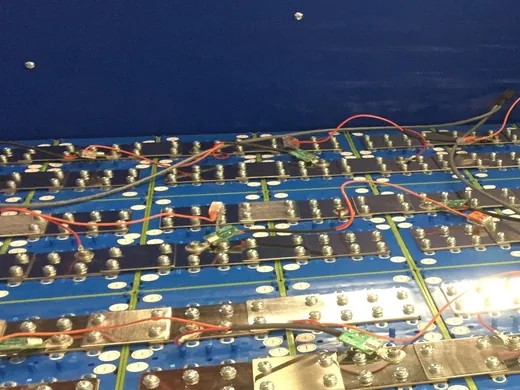
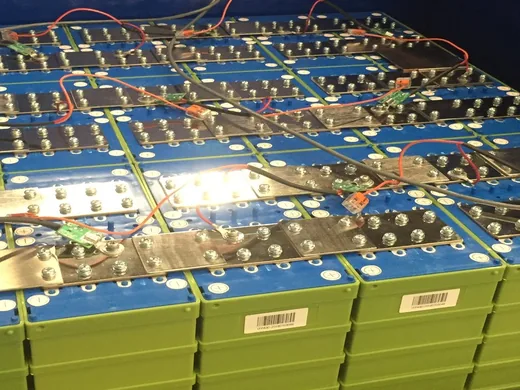
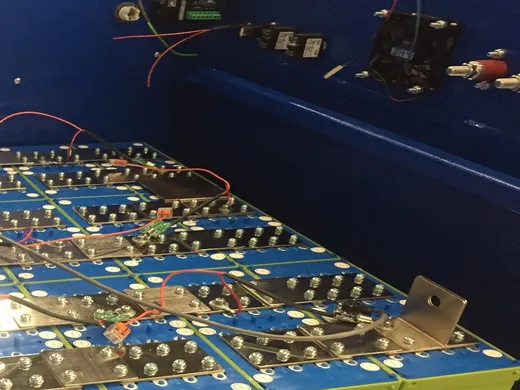
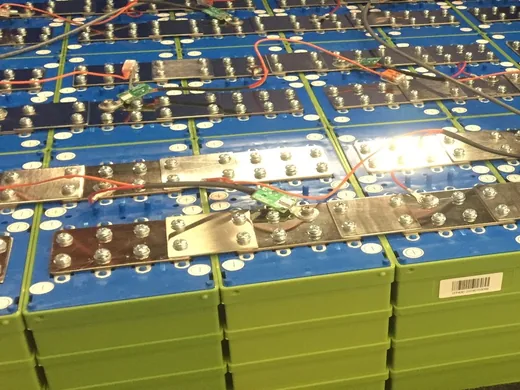
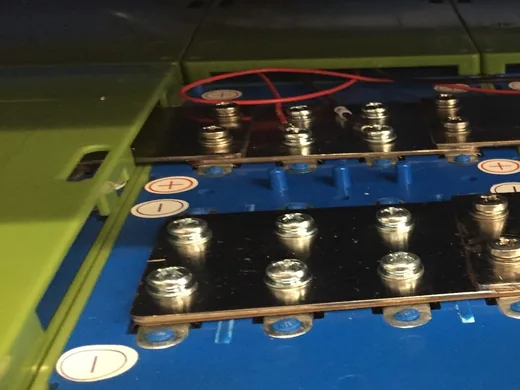
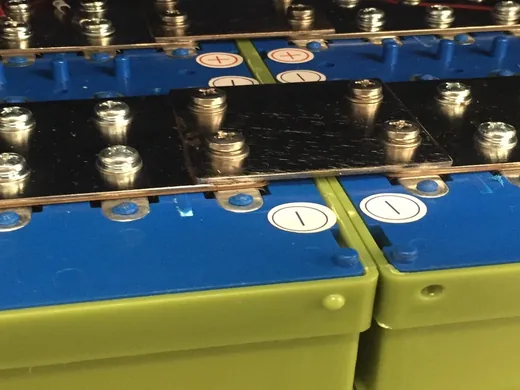
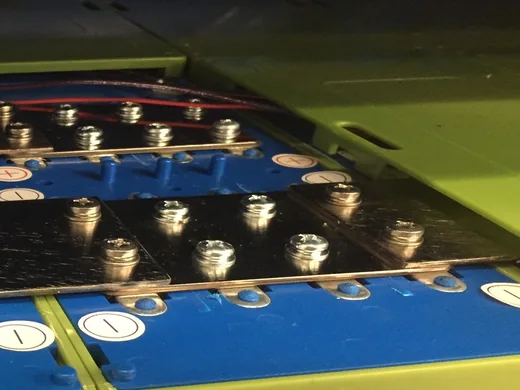
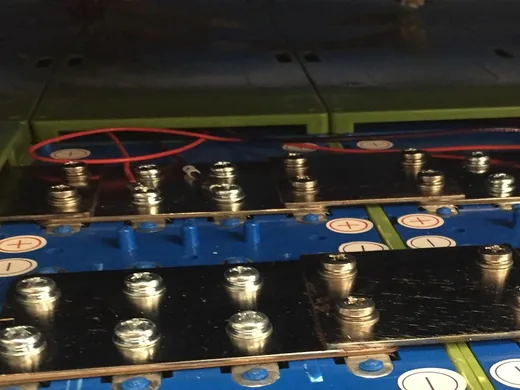
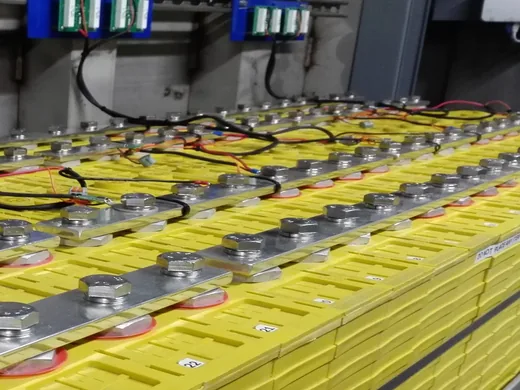
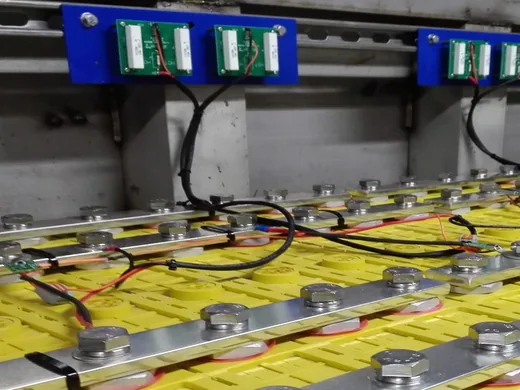
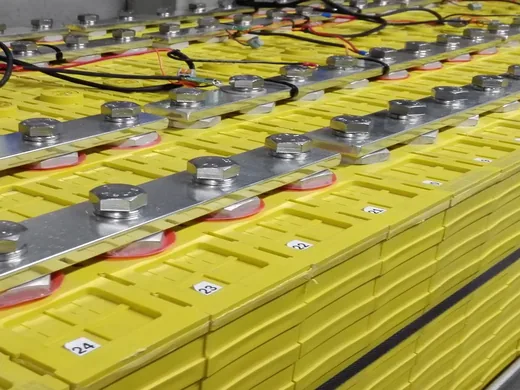
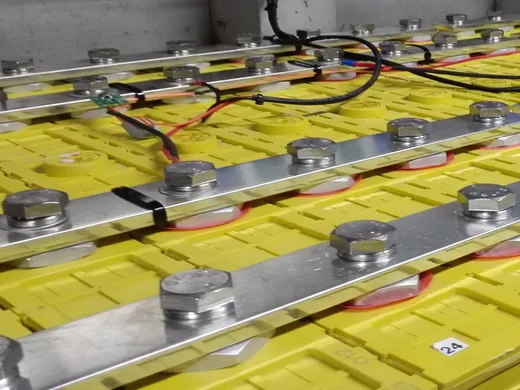
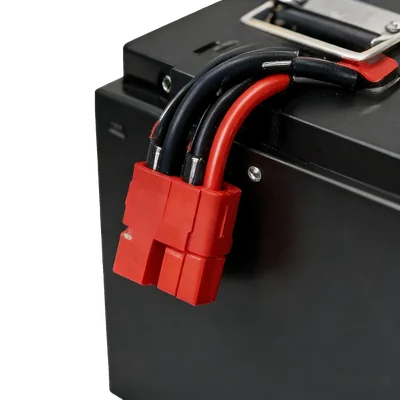

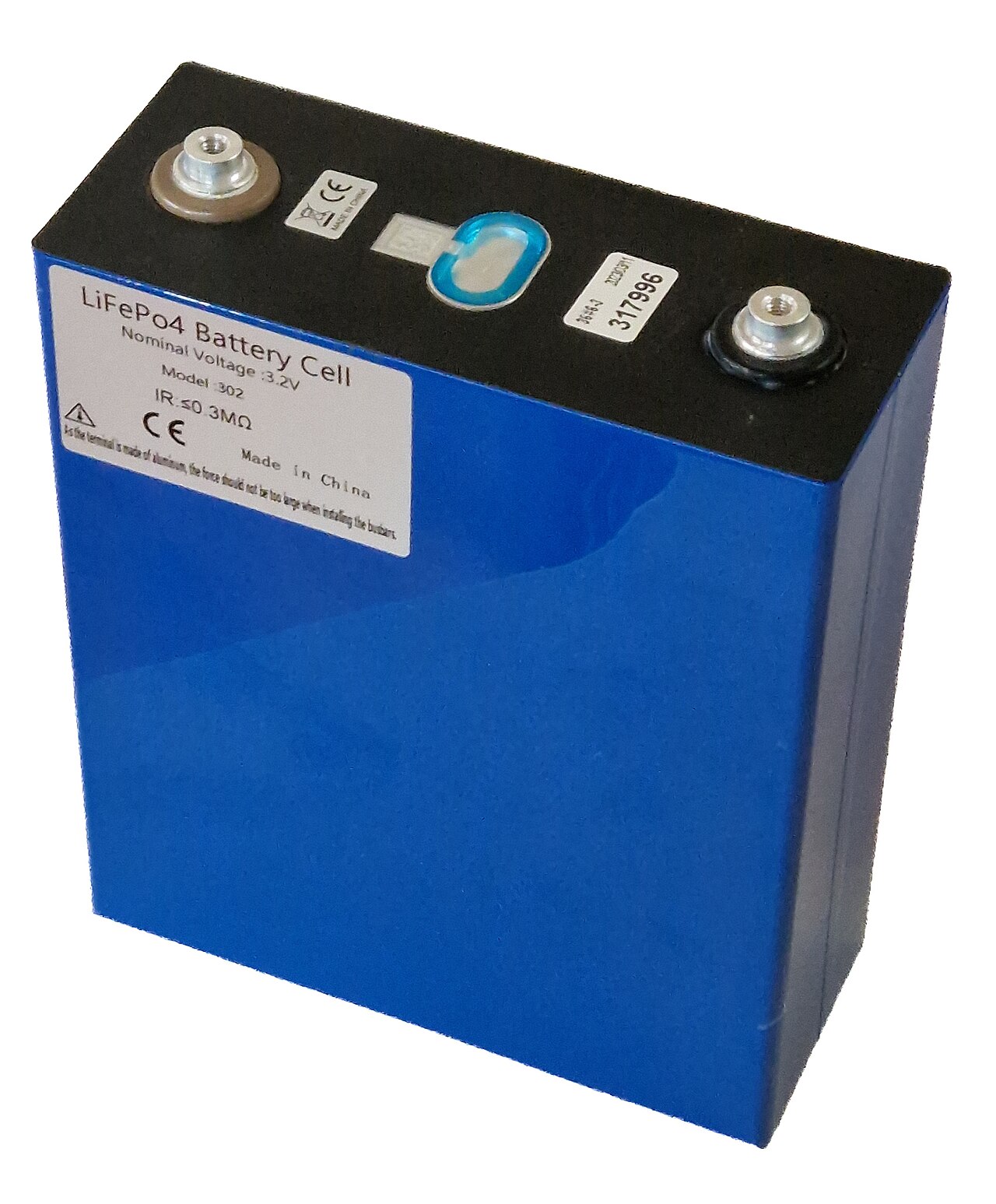
The CE-105 is a bare cell, not a finished battery. 3.2V nominal, 105Ah, 336Wh in an aluminum can you can hold in one hand. You buy four for a 12V build, eight for 24V, sixteen for a golf cart or a 48V solar wall, then add your own BMS, busbars and box. If that’s the project, the numbers below are the ones to check.
4,000+
Cycle Life
336 Wh
Stored Energy
105 A
Continuous
1.93 kg
Cell Weight
Specifications
The full sheet
| Model | CE-105 |
|---|---|
| Nominal voltage | 3.2V |
| Rated capacity | 105Ah (0.5C, 25°C) |
| Energy | 336Wh |
| Charge voltage | 3.65V |
| Discharge cutoff | 2.5V |
| Continuous discharge | 105A (1C) |
| Peak discharge | 210A (2C pulse) |
| Cycle life | ≥4,000 cycles @ 80% DOD to 80% SOH |
| Weight | 1.93 kg |
| Dimensions | 130.3 × 36.7 × 200.5 mm |
| Terminals | M6 stud, both posts |
| Operating temperature | Discharge -20~60°C / Charge 0~45°C |
| Certification | UN38.3 / CE / RoHS |
Construction
The cell itself
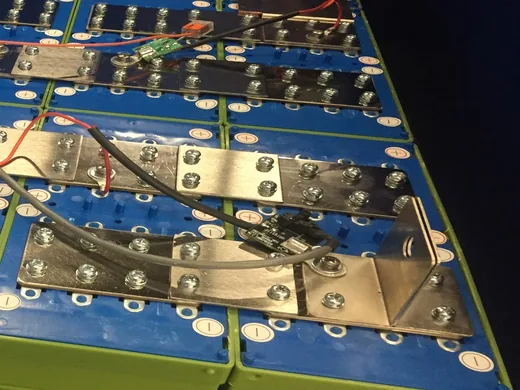
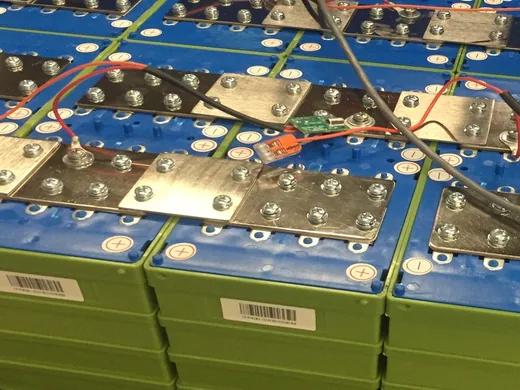
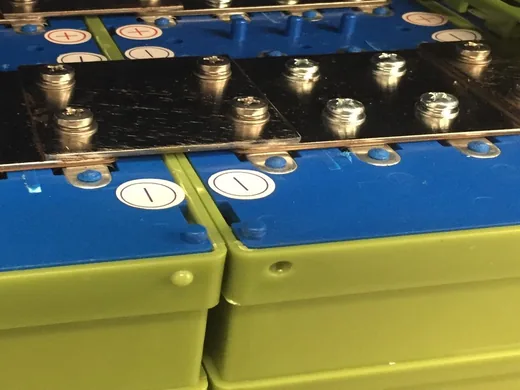
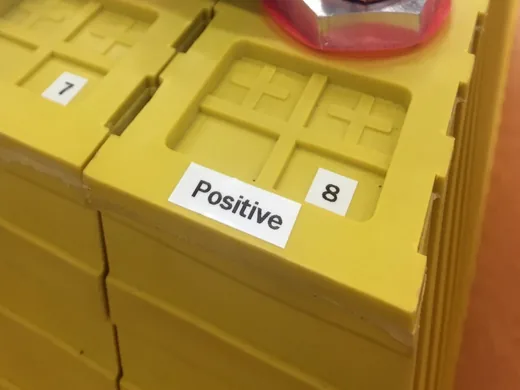
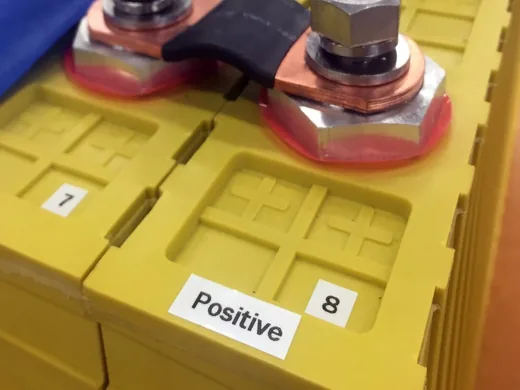
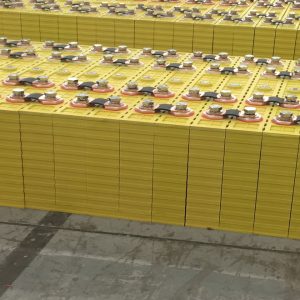
A drawn aluminum can, a laser-welded lid. The positive post is aluminum, the negative plated copper, both M6 studs. Between them sit the sealed electrolyte fill port under its blue cap and a scored vent panel that only opens under real abuse. Inside, a few hundred alternating layers of lithium-iron-phosphate cathode foil, separator and graphite anode. Electric buses and container-scale storage run this same construction; the CE-105 is its 105Ah size.
Pack Math
What a bank of these holds
| 4 cells (4S) | 12.8V · 1,344Wh: van and boat house banks |
|---|---|
| 8 cells (8S) | 25.6V · 2,688Wh: 24V trolling motors, 24V RV systems |
| 16 cells (16S) | 51.2V · 5,376Wh: golf carts, 48V solar walls |
| 32 cells (2P16S) | 51.2V · 10,752Wh: whole-cabin off-grid storage |
Ratings
The ratings, in plain terms
Nominal 3.2V names the middle of the discharge curve rather than anything a meter will show at rest, since a charged cell reads near 3.35V, holds between 3.2 and 3.3 under load across the wide middle of its charge, then drops away through the last tenth toward the 2.5V cutoff a BMS should reach first. Full is 3.65V.
52.5A is the test current behind the plate figure, 0.5C at 25°C. Continuous duty carries a 1C rating, 105A. Pulses to 210A cover motor starts and inverter surges; heavy draw shaves a little delivered capacity in the moment and does no damage inside the rating.
Lifespan
Cycle life and depth of discharge
Drain 80% every day and the 4,000-cycle rating carries the cell about eleven years before it still holds 80% of day one. Nothing ends at cycle 4,001; the fade just keeps creeping at the same slow pace. Cycled at half depth instead, the count stretches into the 6,000 to 8,000 range.
Heat ages a cell faster than work does; a summer parked at 45°C costs more health than a season of hard cycling at 20°C.
Winter
Cold weather, the one rule
Discharge runs to -20°C. Charge stops at 0°C.
Below freezing, incoming lithium stops entering the graphite cleanly and deposits on the surface as metal, permanently. Cold also thins the moment’s delivery to roughly seven tenths of rated amp-hours near -20°C, the missing share returning as the cell warms.
Assembly
Top-balancing before the build
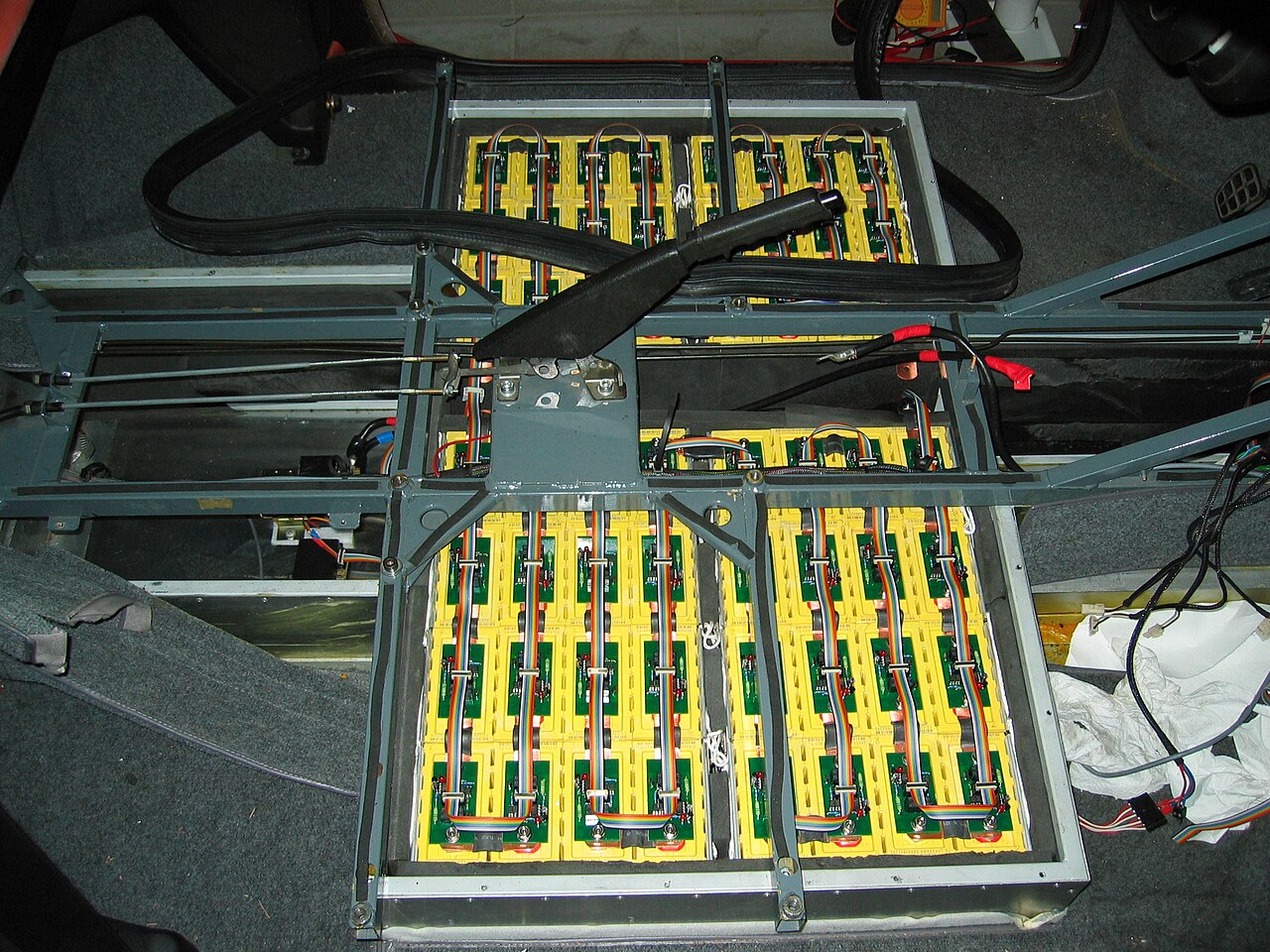
Cells ship near half charge; transport rules. Wire the whole set in parallel. Hold 3.65V until the current tapers toward zero. That is the top-balance: every cell parked on one identical full point, the BMS left afterwards with only small daily drift to correct. Skip it and the highest cell trips the charge cutoff early, and the pack never reads its paper capacity.
Clamping and busbars
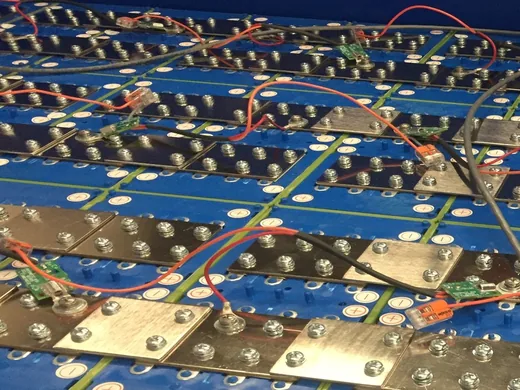
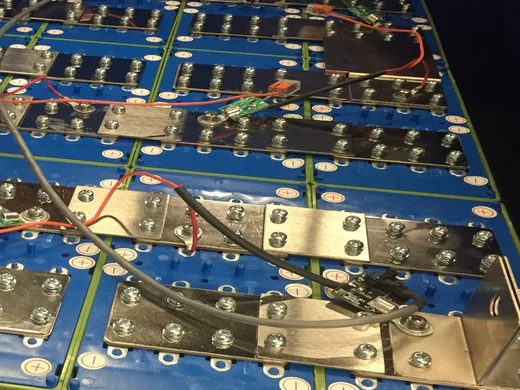
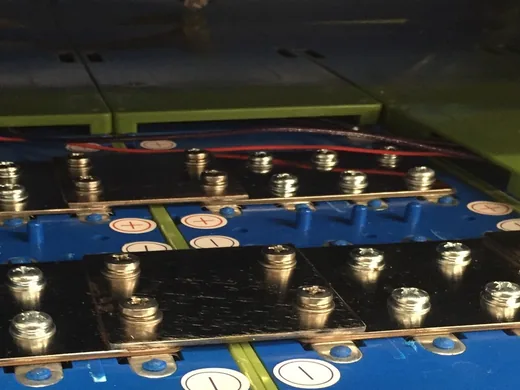
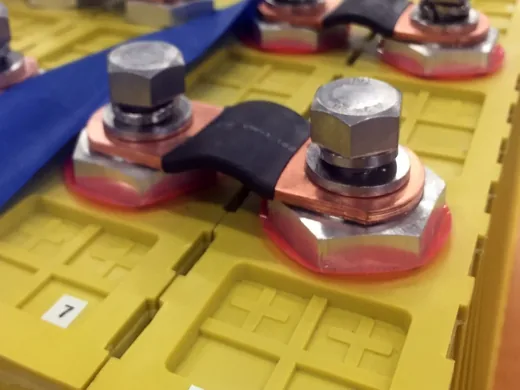
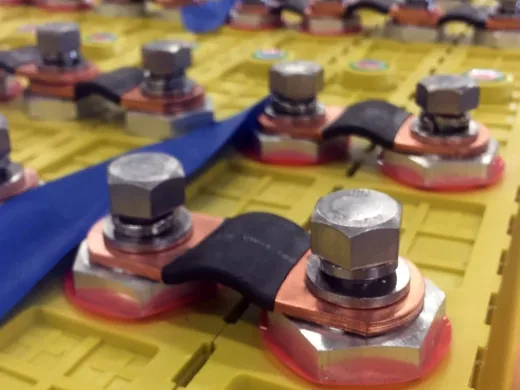
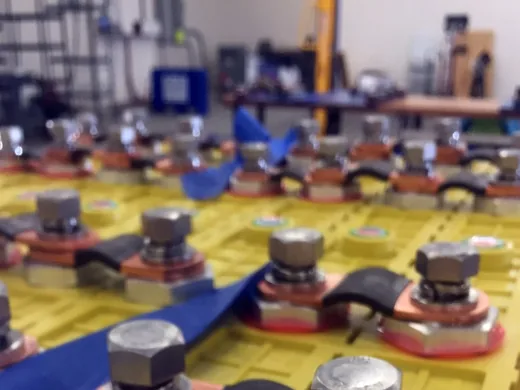
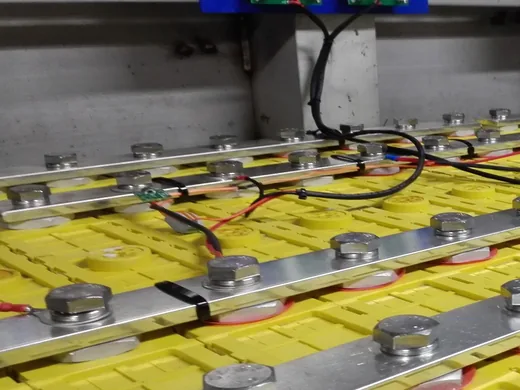
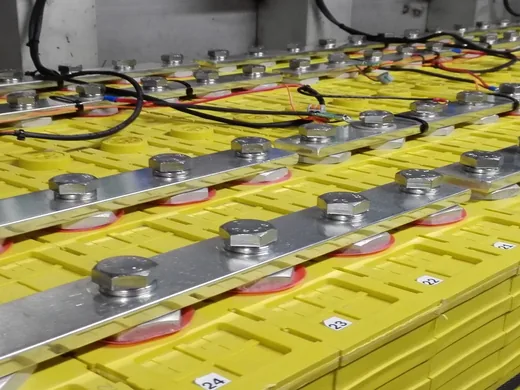
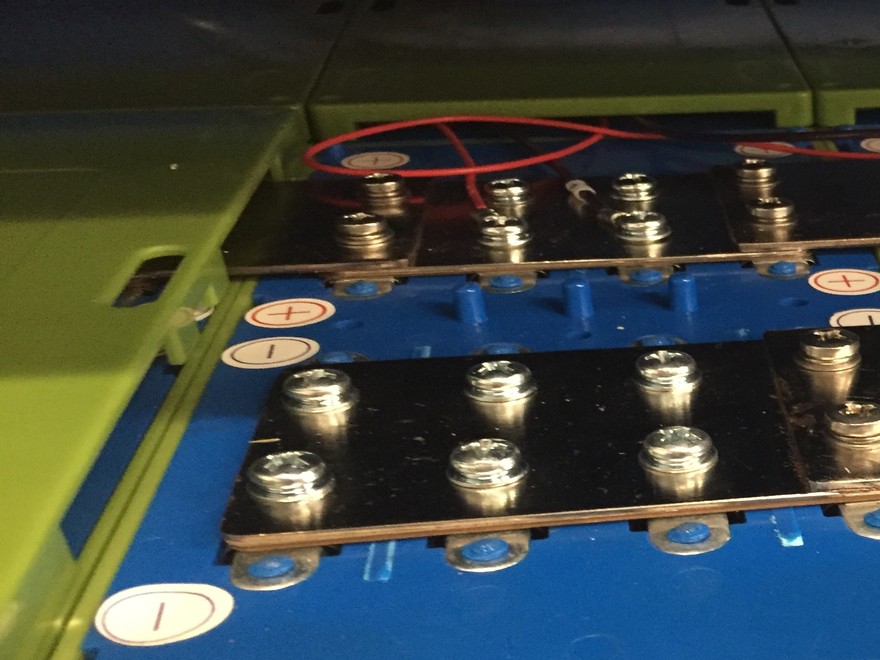
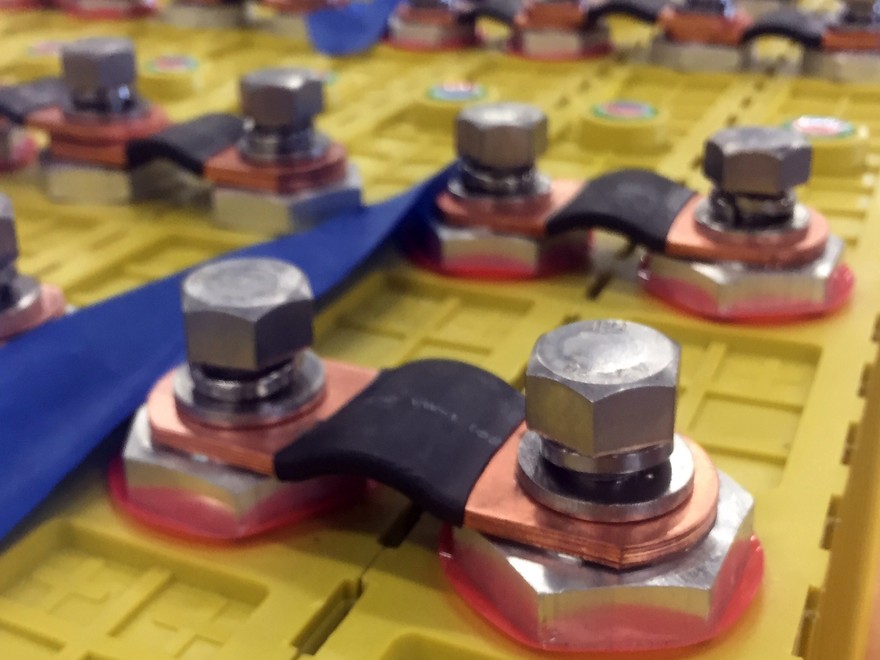
Clamp the row between rigid end plates so the layered stack inside cannot bulge over years of cycling, at the fixture force the datasheet gives. Busbars get cut to the exact terminal spacing of the layout. About 8 N·m is the M6 torque, and the aluminum threads strip past it. After the first full-load run comes a millivolt check around the joints: any busbar reading double its neighbours is loose or dirty.
Choosing the BMS
78A steady is what a 4S bank feeding a 1,000W inverter pulls, double that when a compressor kicks, so the sane pick is a 120A-class BMS over a 100A one. Four protections, no exceptions: per-cell overvoltage, per-cell undervoltage, overcurrent, low-temperature charge cutoff. Balance current can stay modest once the top-balance was done right.
Charge profile
Constant current to 3.65V per cell, constant voltage until the tail reaches 0.05C, stop. No float stage, no trickle. Solar builds chasing a decade set absorption nearer 3.45 to 3.5V per cell and trade the last few percent of capacity for calendar years.
Storage
Self-discharge: 2 to 3% a month. Storage: 30 to 50% charge, dry, under 25°C. A cell parked full ages faster than one parked half full, and any resting voltage above 3.0V means reserve to spare.
Chemistry
Why builders pick LFP
The phosphate crystal binds its oxygen through the nail, crush, overcharge and short-circuit tests behind UN38.3 certification, venting at the scored patch instead of feeding a fire, which is the reason this chemistry became the default for batteries that live inside vehicles and homes. The 4,000-cycle service life and the flat 3.2V plateau that inverters hold efficiency on come with it.
Camper Vans & RV
12V and 24V house banks
Sprinter, Transit and ProMaster conversions, truck campers and teardrop trailers make up the build list, and the reference load in all of them is the compressor fridge. 41Ah a day at 12V: a Dometic CFX3 45 in real-world testing. A 4S bank holds 105, runs the fridge alone for about two and a half days, and carries a full day of fridge plus LED lighting, a MaxxAir fan, the water pump and a router with margin left. Larger rigs wire 8S for 24V and recover the energy through a DC-DC charger while driving.
Boats
Trolling motors and marine house power
56A on speed 10 is Minn Kota’s own maximum-draw rating for the Terrova and Ultrex 24V 80lb motors, with owners measuring 40 to 46 wide open, and the 36V 112lb class riding bigger hulls. Against that draw an 8S bank’s 105Ah reads just under two hours at absolute full thrust; a mixed-throttle fishing day pulls a fraction of it. Fishfinders, livewell pumps and cabin loads take a separate 4S bank at 12V.
Golf Carts
48V carts and LSVs
Fitment covers Club Car DS, Precedent and Onward, E-Z-GO TXT and RXV, Yamaha Drive and Drive2, plus the factory-lithium platforms from ICON and Evolution. All of them run 48V systems. The lithium packs those carts ship with today are 51.2V 105Ah, rated for 40 to 50 miles of course driving per charge; sixteen CE-105 cells are that same bank, and the finished golf cart packs in this store are its cased, drop-in version.
Off-Grid Solar
48V solar walls for cabins and tiny homes
Victron MultiPlus-II, EG4 and Growatt SPF class inverter-chargers hold the 48V side, and a 16S wall behind them stores 5.4kWh. ENERGY STAR puts efficient full-size refrigerators at 300 to 600kWh a year, call it 0.9 to 1.6kWh a day. One bank carries the fridge, lighting and a router overnight and through a cloudy day; 2P16S doubles the wall to 10.8kWh; and even the single string feeds 5kW continuously at 1C, headroom enough for a well pump start on a 3kW inverter.
Traceability
Batch matching and records
Every cell carries a laser-etched QR code linked to its factory test data. Cells in one order ship from a single batch, matched on capacity and internal resistance; a grade-A unit delivers its rated 105Ah with margin on a 0.5C test at 25°C. Batch test sheets are available on request against the QR codes.
Reviews
There are no reviews yet.