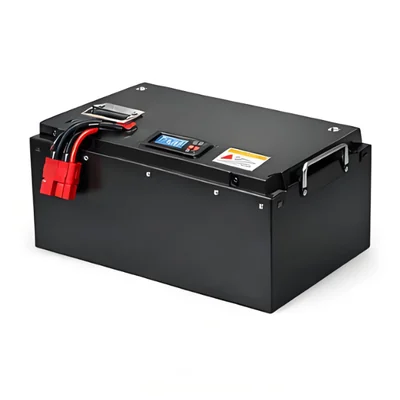
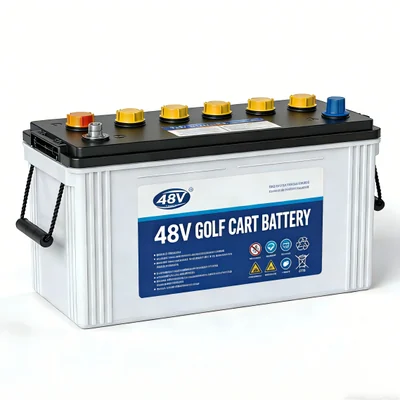
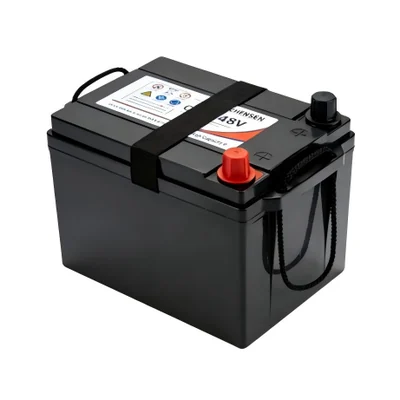
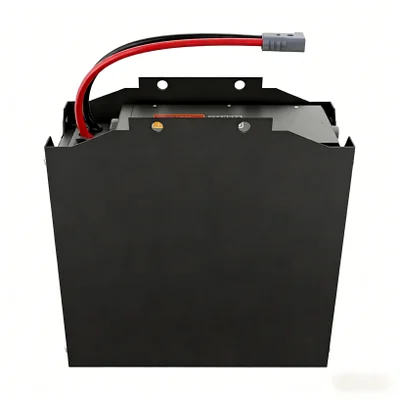




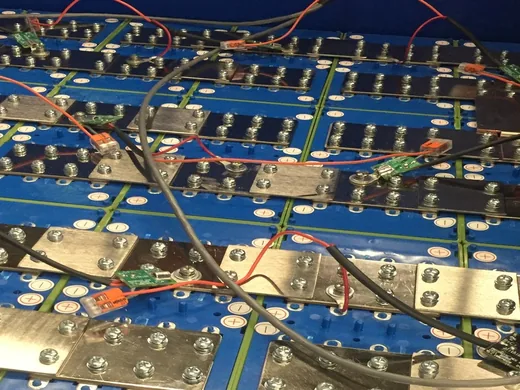
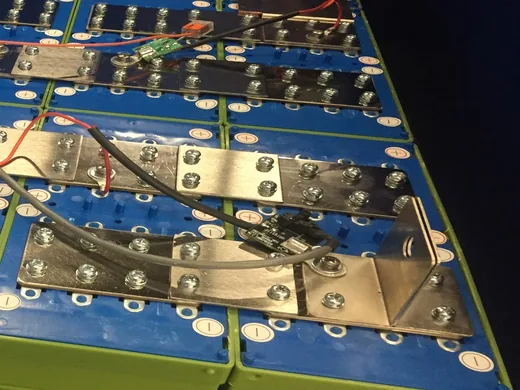
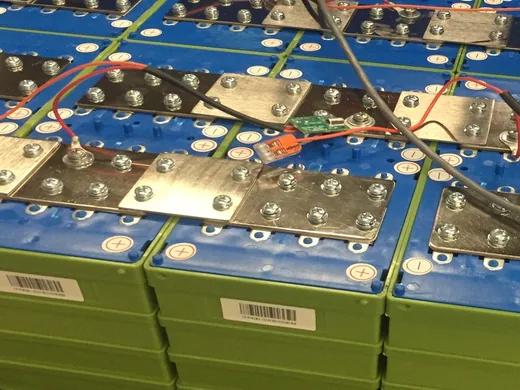
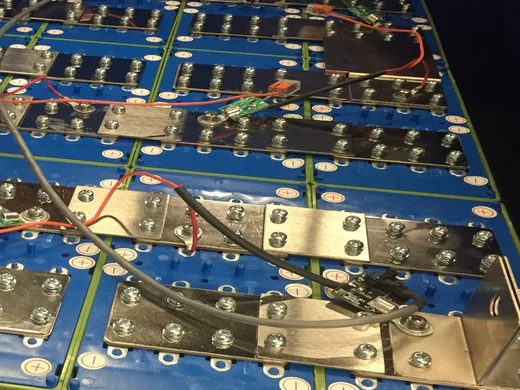
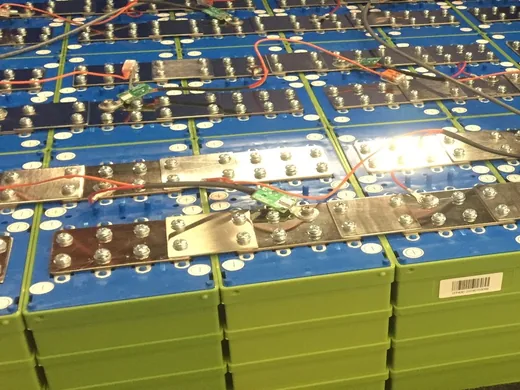
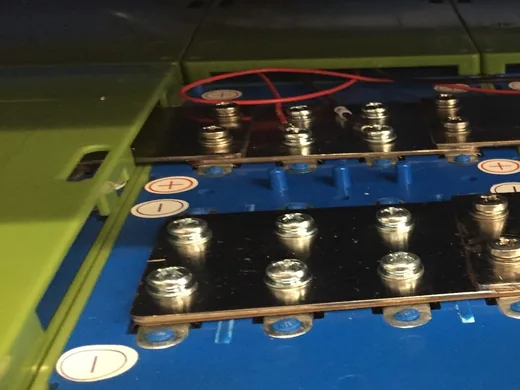
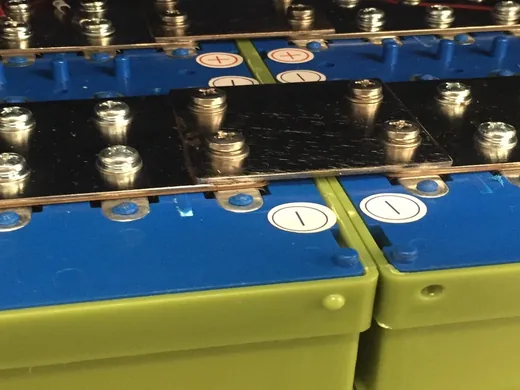
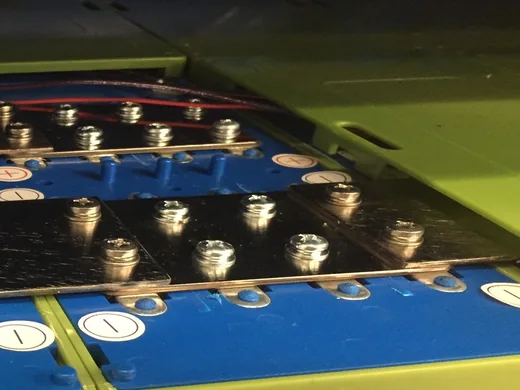
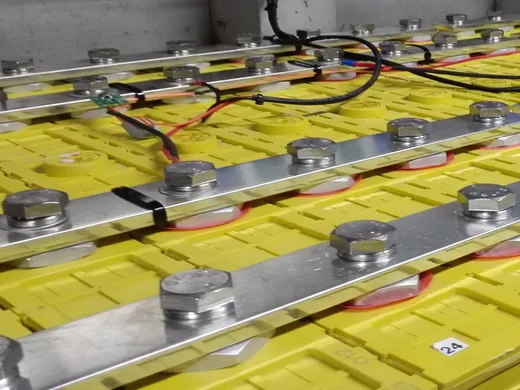
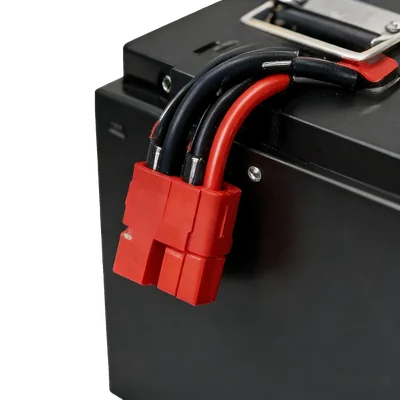

The 24V 50Ah LiFePO4 Battery is a 25.6-volt pack of 1,280 watt-hours on M6 terminals, rated IP65. It is sized for a 24-volt trolling motor and for owners upgrading a wheelchair or utility machine from lead.
Trolling At 24 Volts
Thrust, amps and hours
A 24-volt trolling motor draws about 0.9 amps for every pound of thrust at full power. A 55-pound motor pulls near 50 amps flat out, and a Minn Kota Terrova 80 lists 56 amps at its maximum. Fishing rarely runs flat out. At a third of full power a 55-pound motor takes 15 to 18 amps, and 50 amp-hours give three hours at that setting or the better part of a day of spot-lock and repositioning.
Against Two Lead Batteries
What the swap removes
A 24-volt trolling setup in lead takes two group-27 batteries, roughly 50 kilograms on the deck, delivering about half their rated amp-hours before the voltage sags. This single 10.5-kilogram pack replaces both and gives its full 50 amp-hours down to the cutoff.
On The Deck
Mounting and wiring
One case takes one pair of cable runs and one hold-down. The weight comes off the bow where a boat feels it in hole shot and trim. The IP65 case handles spray in an open boat. Wire the motor circuit with a breaker sized to the motor draw.
At The Ramp
Charging between trips
An onboard marine charger with a 24-volt LFP profile refills the pack on the trailer or at the dock. At 20 amps a fully drawn 50 amp-hour pack takes about two and a half hours. A 10-amp charger doubles that. Either finishes overnight without attention.
Data
Datasheet
| Model | DC24-50 |
|---|---|
| Nominal voltage | 25.6V |
| Capacity | 50Ah |
| Energy | 1280Wh |
| Charge voltage | 29.2V |
| Continuous discharge | 50A |
| Peak discharge | 150A (5s) |
| Cycle life | ≥4,000 cycles @80% DOD |
| Weight | ≈10.5 kg |
| Dimensions | 260 × 168 × 211 mm |
| Terminals | M6 |
| Operating temperature | Discharge -20~60°C / Charge 0~45°C |
| Protection rating | IP65 |
| Certification | UN38.3 / CE / FCC / RoHS |
Fit
Charging
Charge at 29.2 volts from a 24-volt lithium charger, or from an onboard marine charger switched to an LFP profile. Keep the trolling circuit separate from the engine cranking battery.

Reviews
There are no reviews yet.