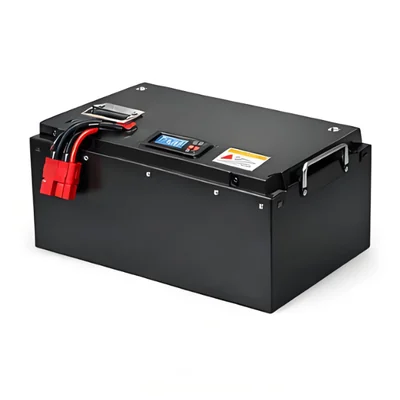
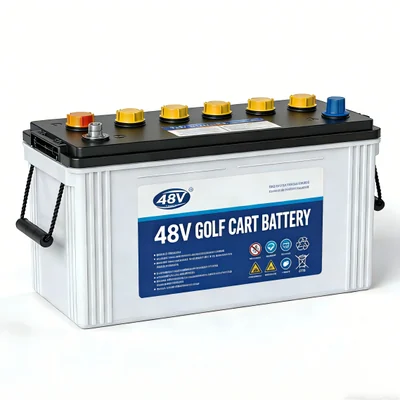
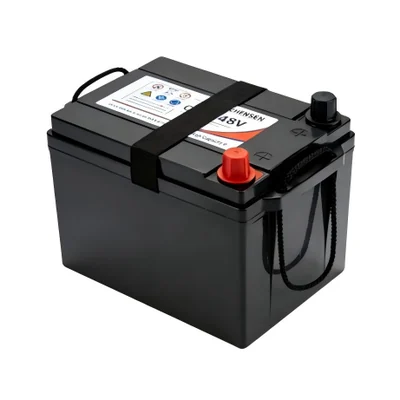
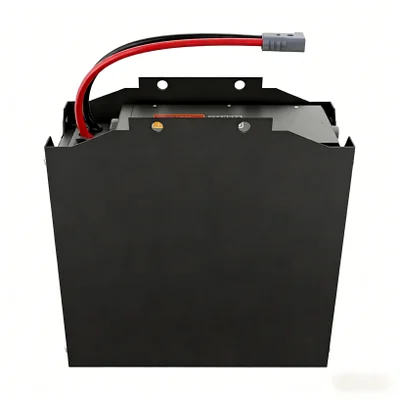
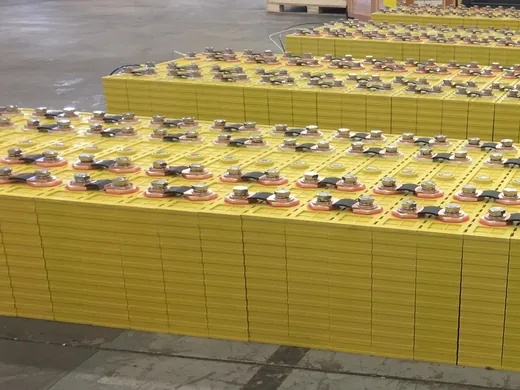
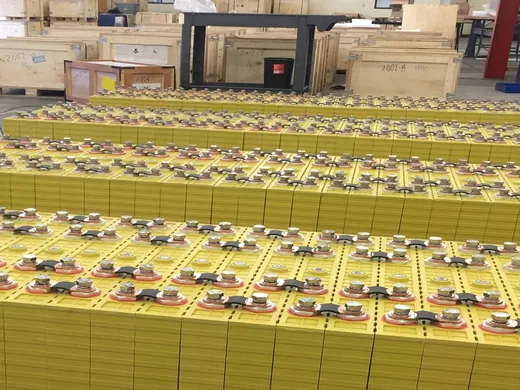
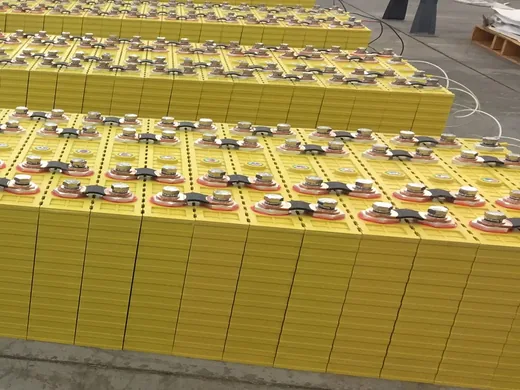
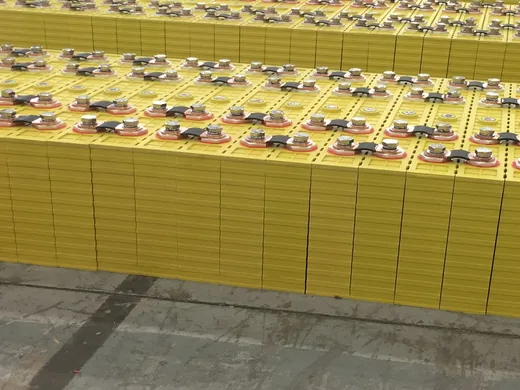
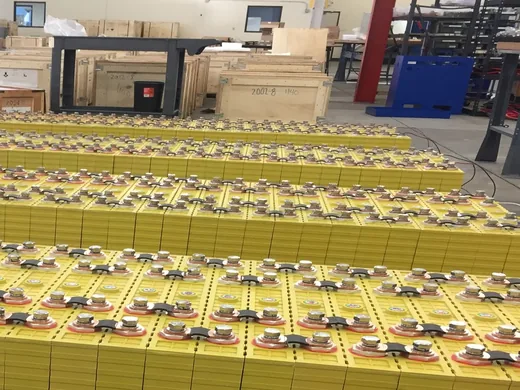
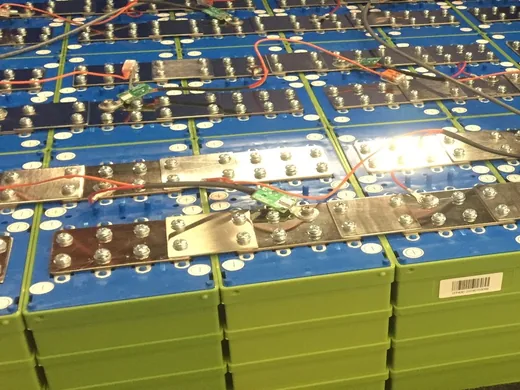
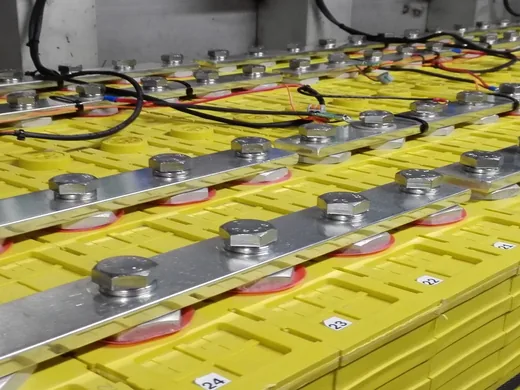
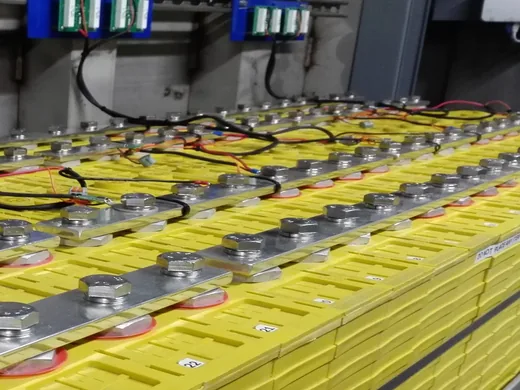
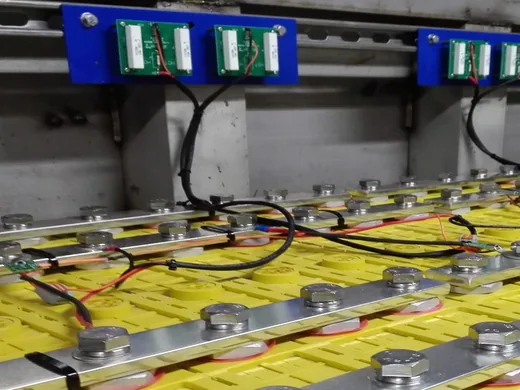
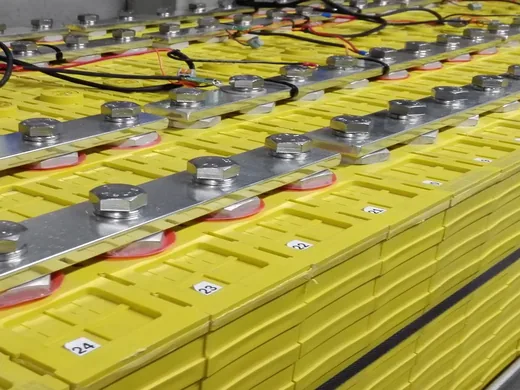
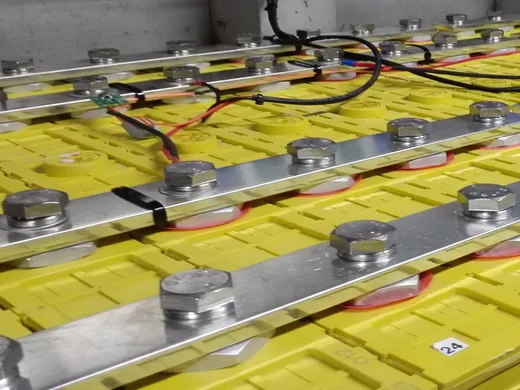
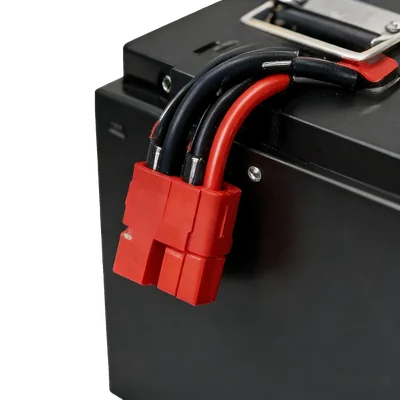

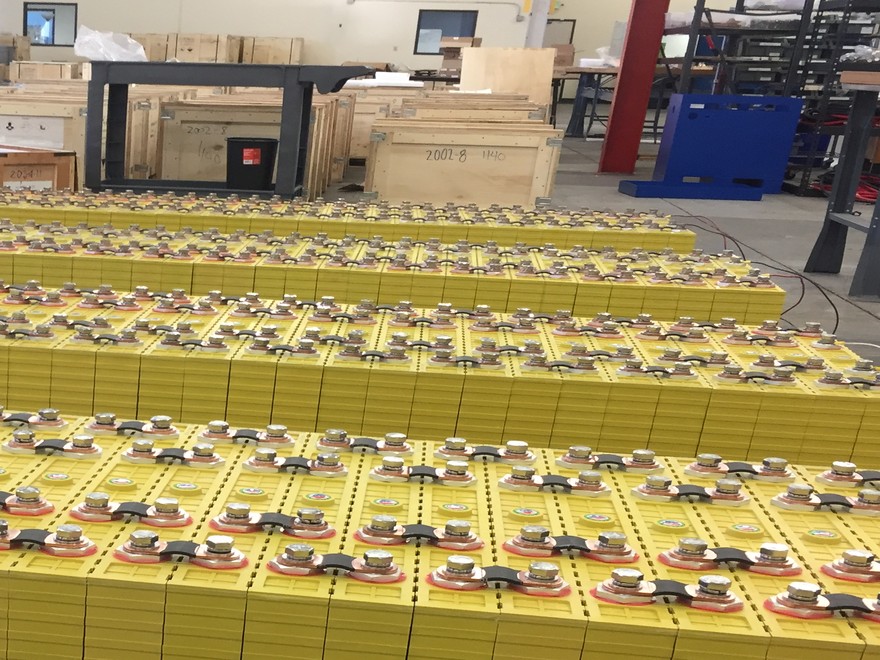
The CE-3314 is a 3.2V 33140 LiFePO4 cell, 15 amp-hours, 48 watt-hours, built for high-rate discharge. Large cylindrical cells like this run high continuous and pulse currents, which is what a starter battery and a light electric motorcycle both need.
High Rate
What a starter battery asks
A starter battery does one hard job: deliver a big current for a few seconds to crank an engine, then recover. Large-format cylindrical LFP cells are rated for exactly that, with continuous rates of 10C and pulse rates to 20C in the high-power grades. At 15 amp-hours a cell that is 150 amps continuous and up to 300 in a pulse, which cranks a motorcycle or powersport engine from a pack a quarter the weight of the lead battery it replaces. Four in series make the 12.8-volt starter voltage.
The weight saving matters on anything that moves. A lithium starter pack built from these cells drops most of the mass of a lead block, which a motorcycle, a jet ski or a race car feels directly in handling.
Why high-rate LFP suits both jobs
A starter battery and a light-EV drive pack look different but ask the cell for the same thing: strong current on demand without the voltage collapsing. A high-power large cylindrical cell answers with continuous rates of 10C and pulse rates to 20C in the high-rate grades, which a small round cell cannot match. For a starter that means cranking an engine from a pack a quarter the weight of lead; for a two-wheeler it means holding voltage through a hard launch or a hill start. The LFP chemistry adds the safety margin a pack carried on a moving vehicle needs, and the cycle life gives a daily rider years of service before the pack fades. E-rickshaws and small utility vehicles run the same cell class for the same combination of current and life.
Light EV
The two-wheeler side
The same high-rate cell drives light electric motorcycles and scooters, where the motor pulls hard on acceleration and hill starts. A series-parallel pack of these cells carries the current those launches demand without voltage sag, and the LFP cycle life gives the pack a service life measured in years of daily riding. E-rickshaws and small utility vehicles use the same cell class.
Data
Datasheet
| Model | CE-3314 (33140) |
|---|---|
| Nominal voltage | 3.2V |
| Rated capacity | 15Ah |
| Energy | 48Wh |
| Charge voltage | 3.65V |
| Discharge cutoff | 2.0V |
| Continuous discharge | 45A (3C), 150A high-rate grade |
| Peak discharge | 75A (5C), 300A high-rate grade |
| Cycle life | ≥2,000 cycles |
| Weight | ≈360 g |
| Size | 33 × 140 mm |
| Operating temperature | Discharge -20~60°C / Charge 0~45°C |
| Certification | UN38.3 / CE / RoHS |
Pack notes
| 4S | 12.8V · 192Wh: motorcycle and powersport starter |
|---|---|
| Series-parallel | light e-motorcycle and scooter drive packs |
| High-rate | to 10C continuous in high-power grade |
Build
Assembling a high-rate pack
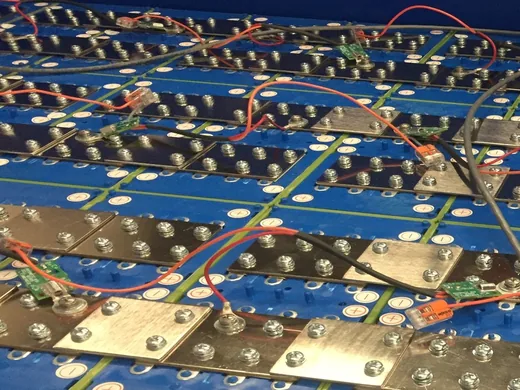
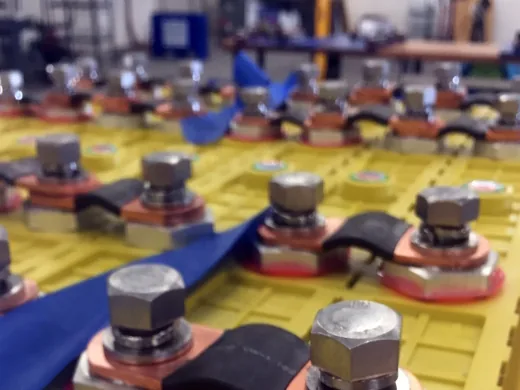
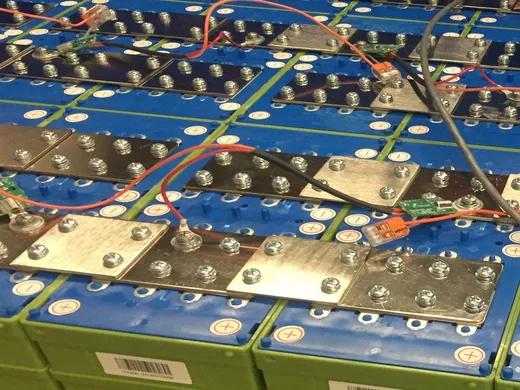
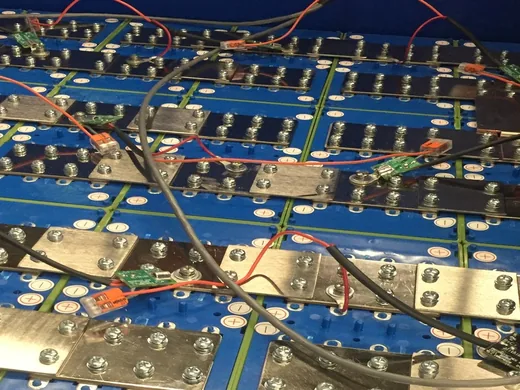
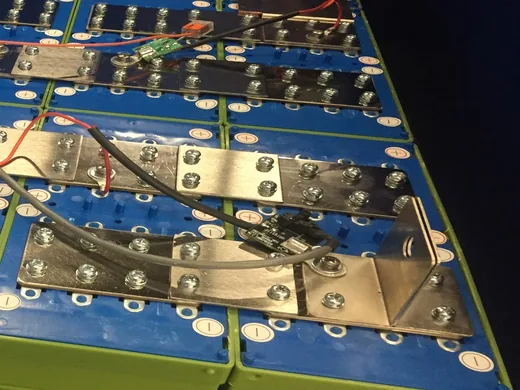
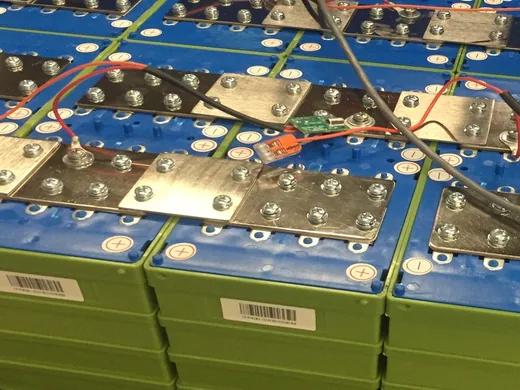
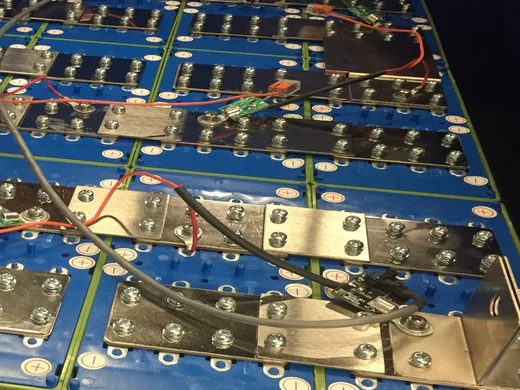
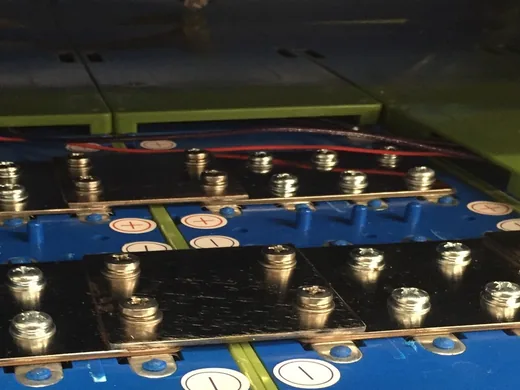
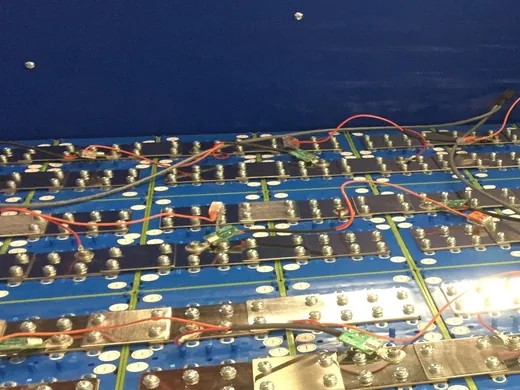
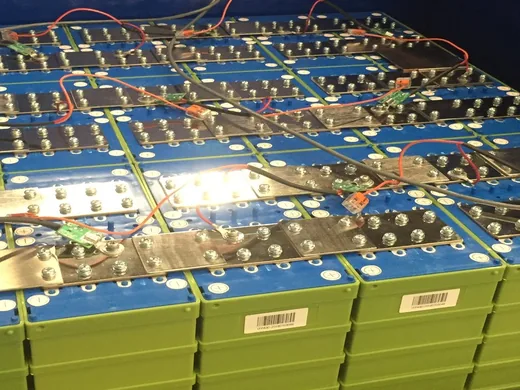
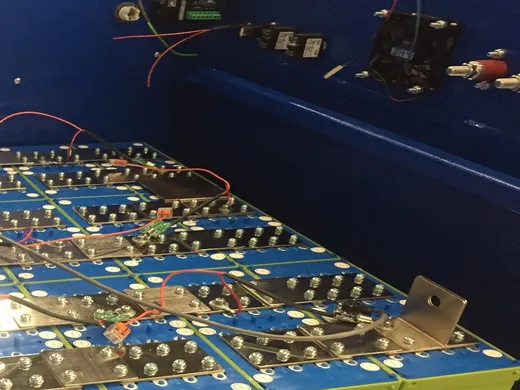
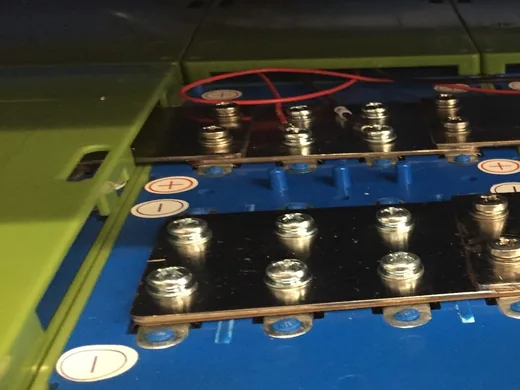
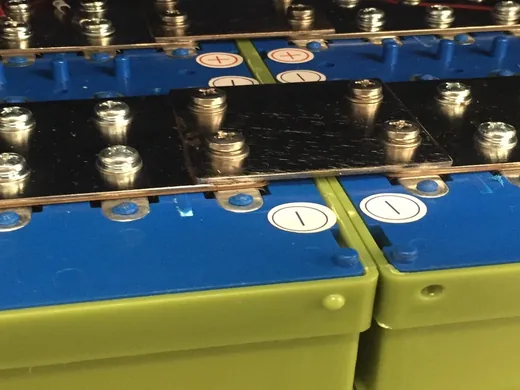
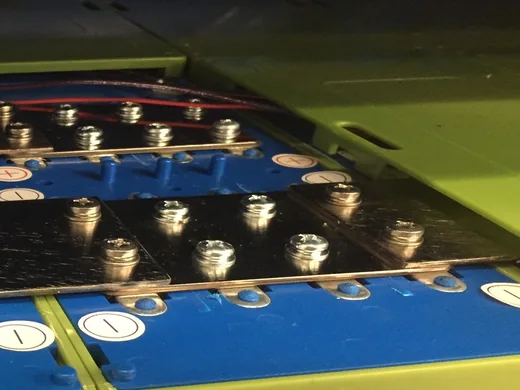
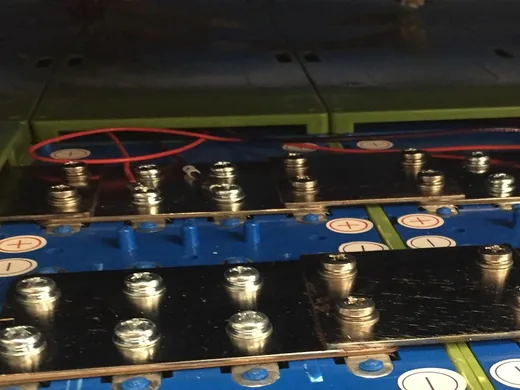
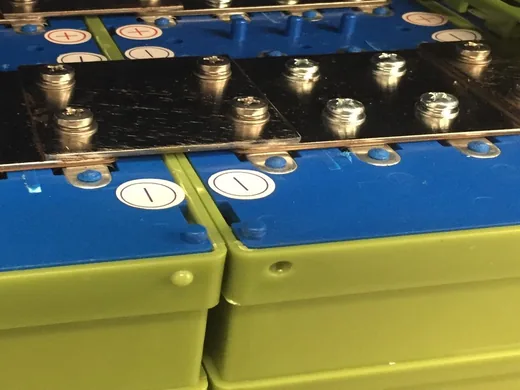
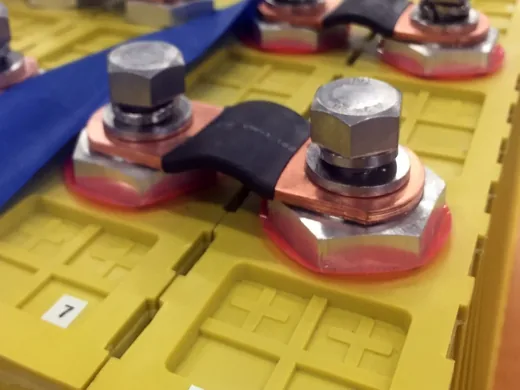
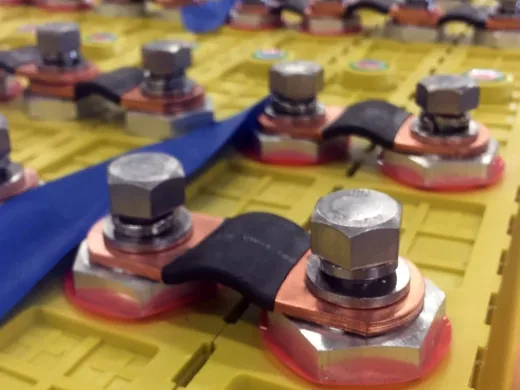
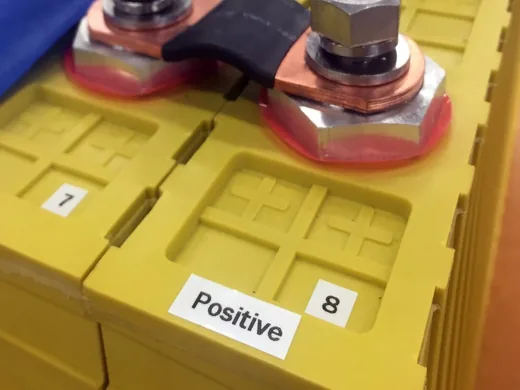
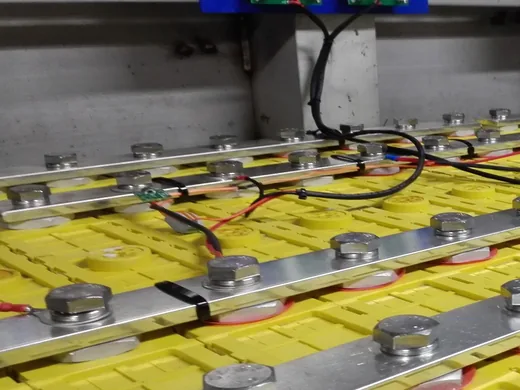
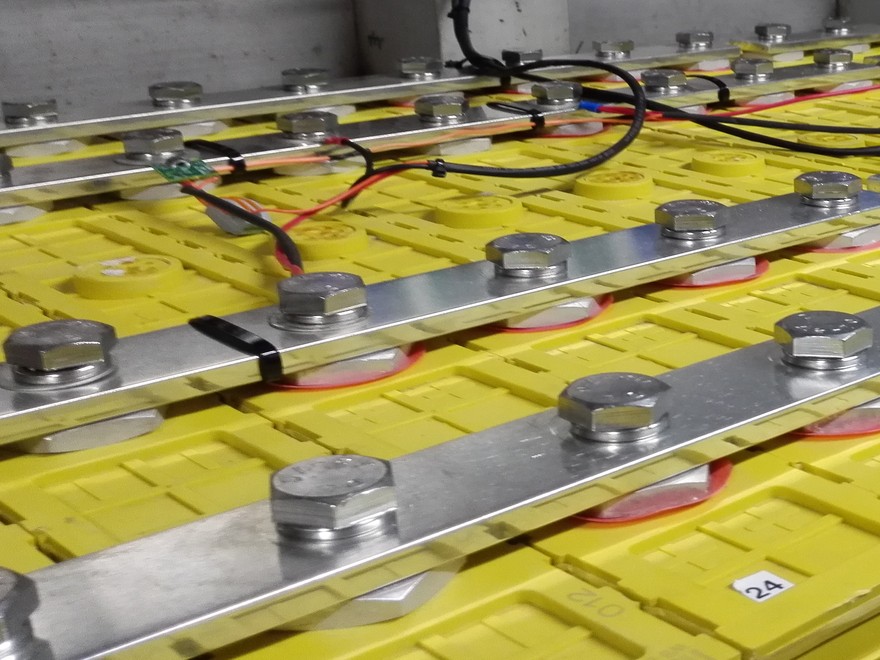
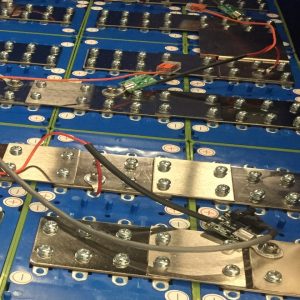
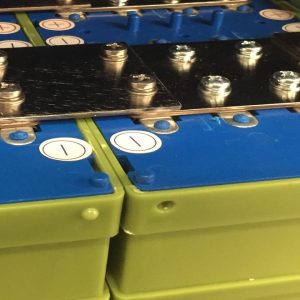
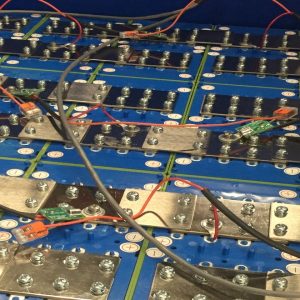
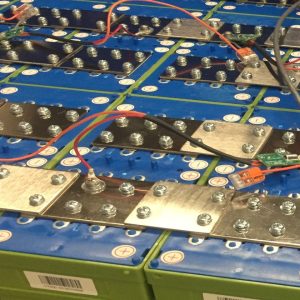
Large cylindrical cells bolt through threaded end caps rather than welding, which suits the heavy current and makes a pack serviceable. A starter pack is a simple 4S; a vehicle pack is a larger series-parallel build with a BMS sized to the discharge. Torque the terminals to the datasheet figure and check the joints after the first hard run. Charge to 3.65 volts per cell, store at 30 to 50 percent, and every cell traces to its factory test record.
Storage and temperature close the specification. A starter or drive pack holds 30 to 50 percent charge in storage and loses only a few percent a month, and the low-temperature charge cutoff keeps a pack from taking charge below freezing on a cold morning, which is where an unguarded lithium cell plates and loses capacity. Discharge still works down to minus twenty, so an engine cranks or a scooter runs on a frozen morning even though the pack waits to recharge until it warms. Delivered capacity meets the rating on the graded test, and every cell traces to its factory record.
Reviews
There are no reviews yet.