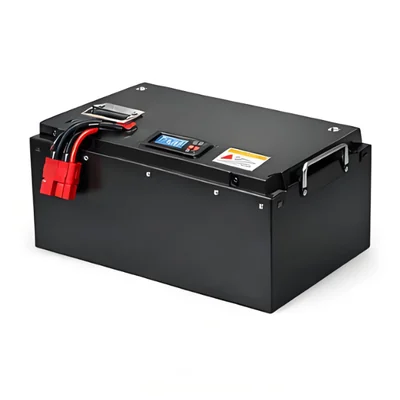
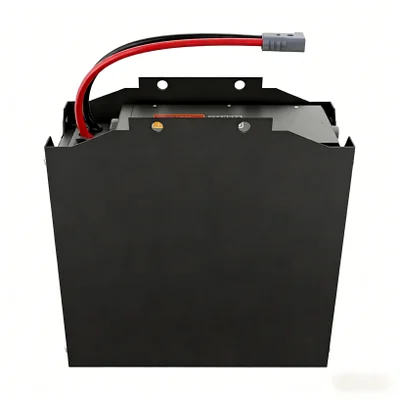
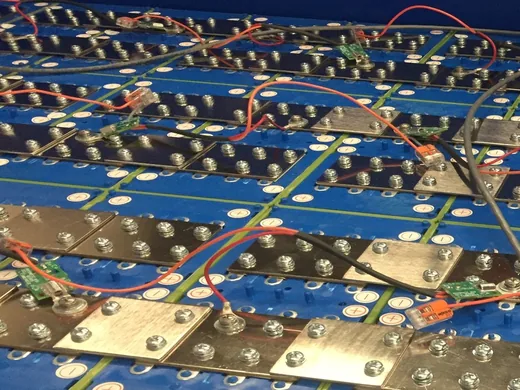
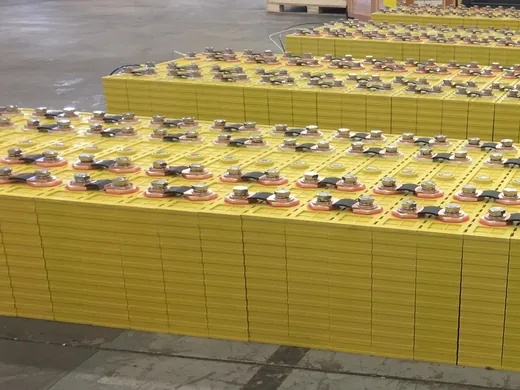
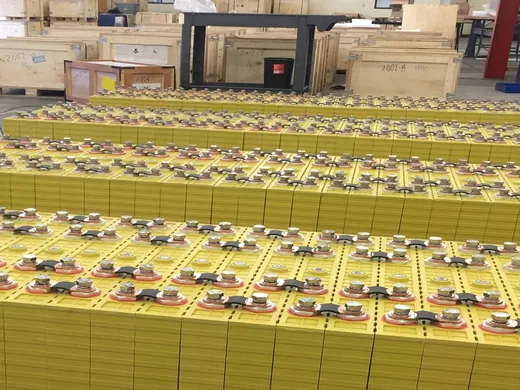
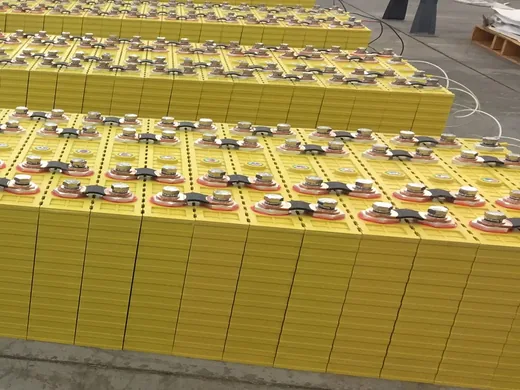
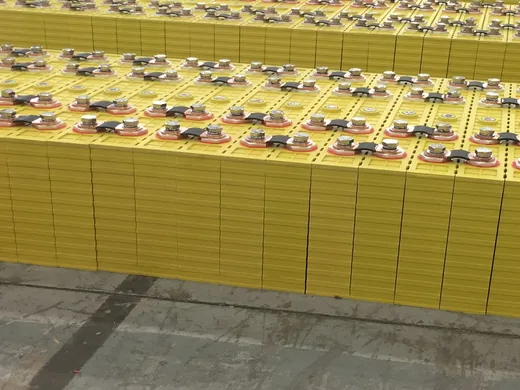
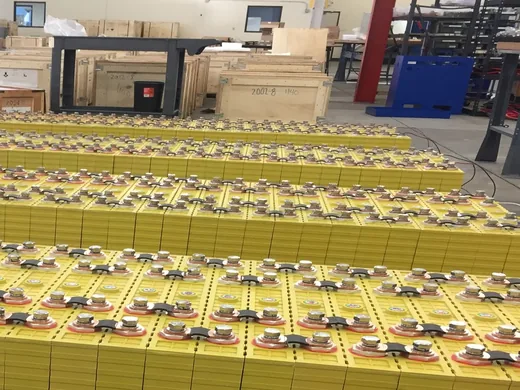
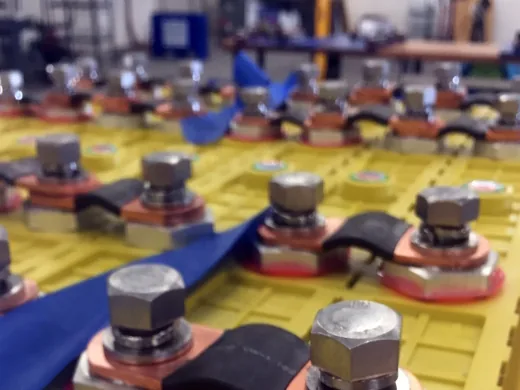
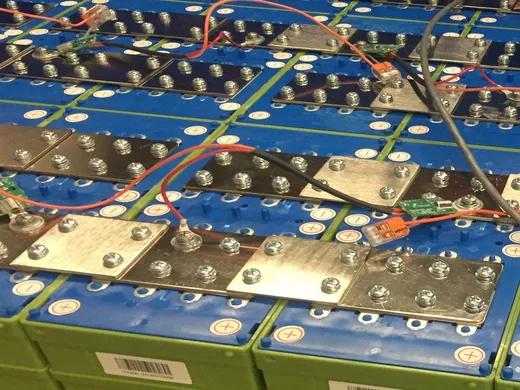
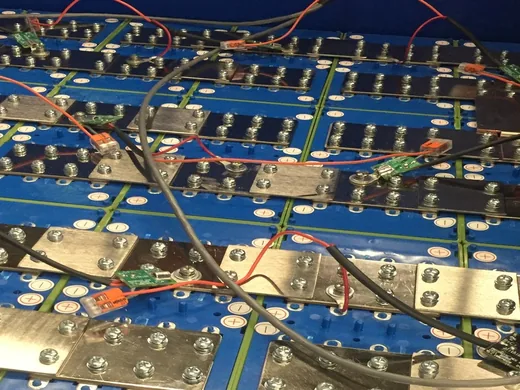
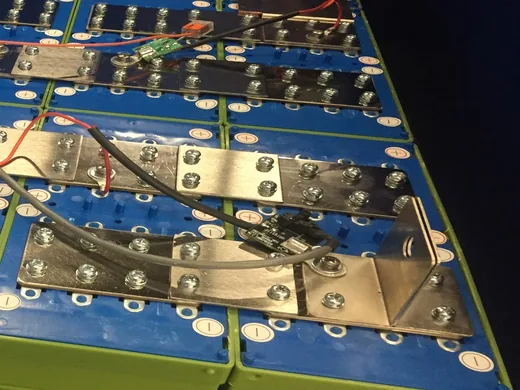
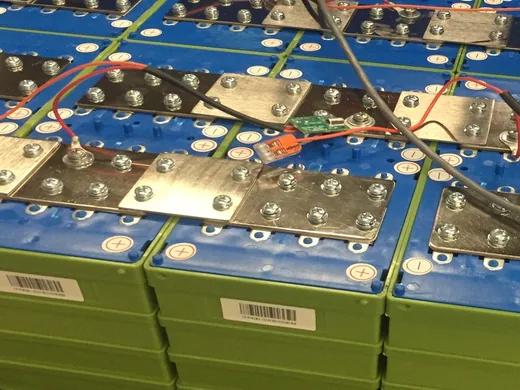
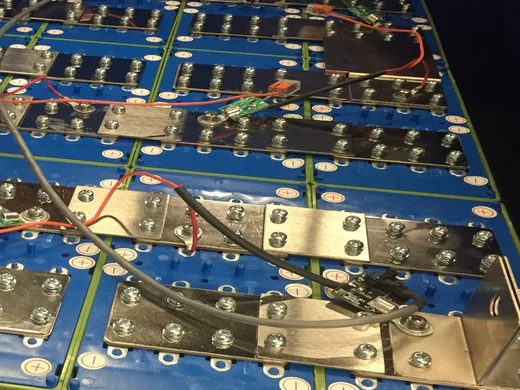
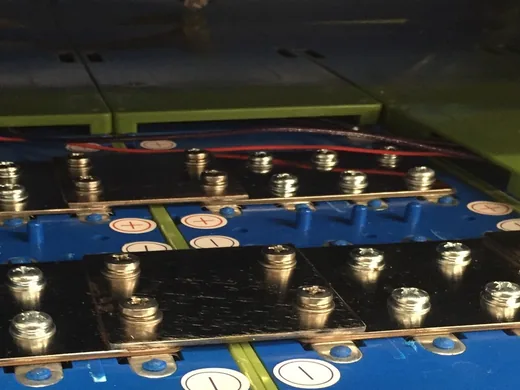
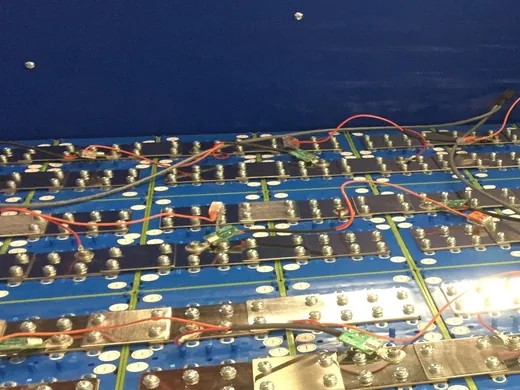
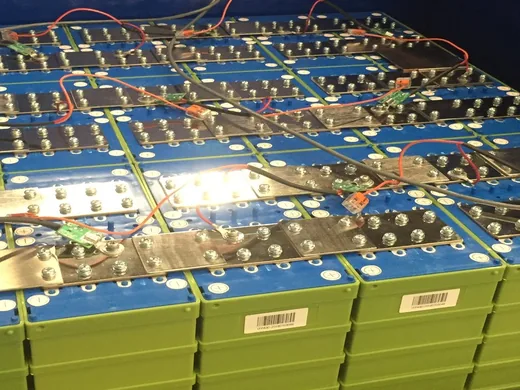
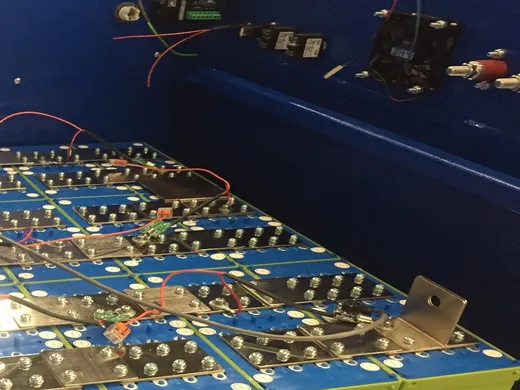
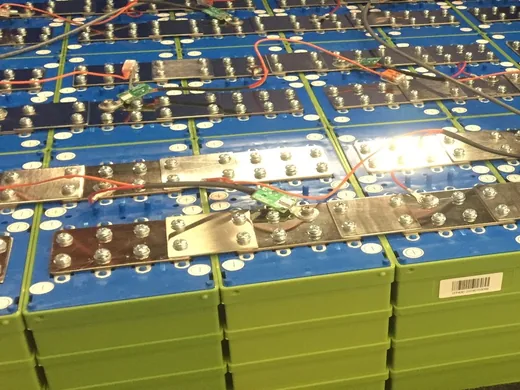
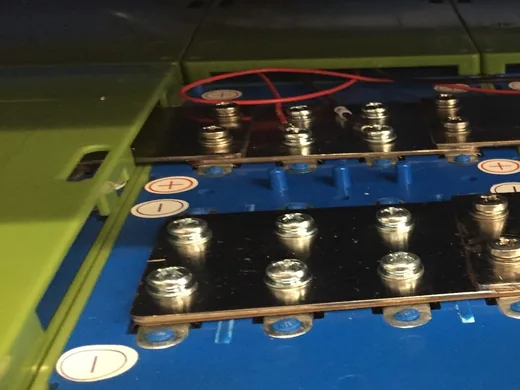
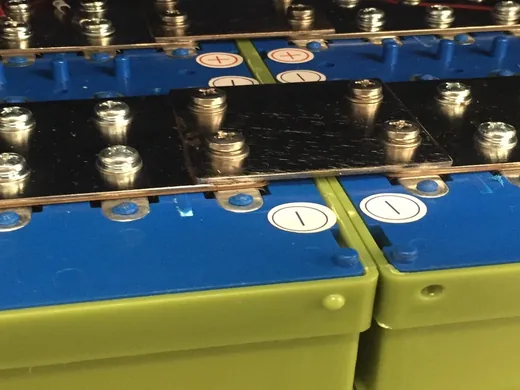
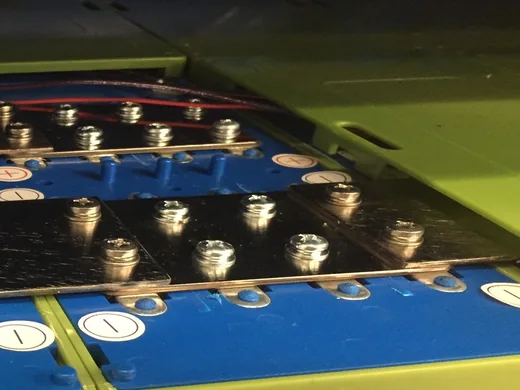
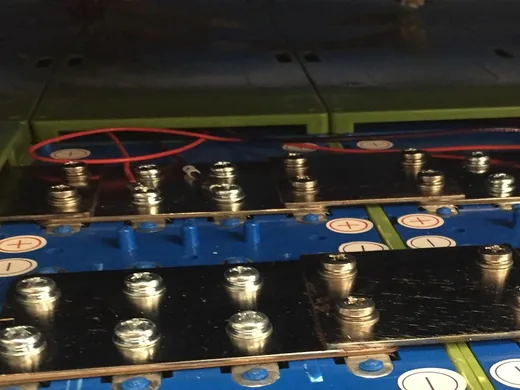
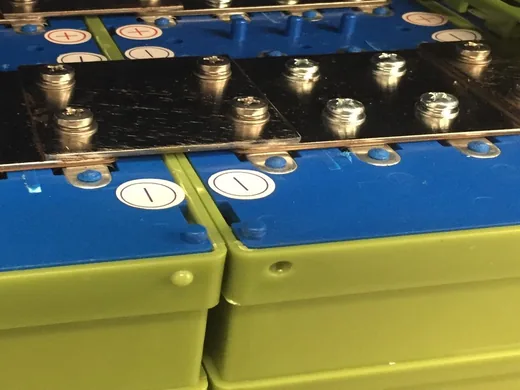
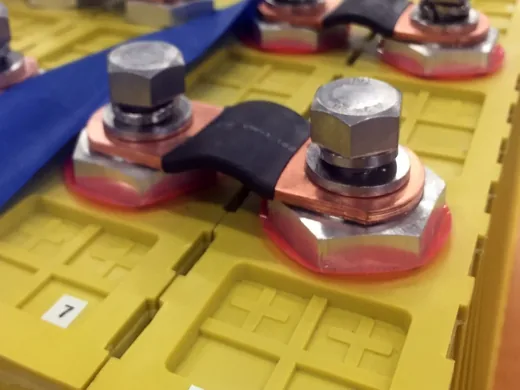
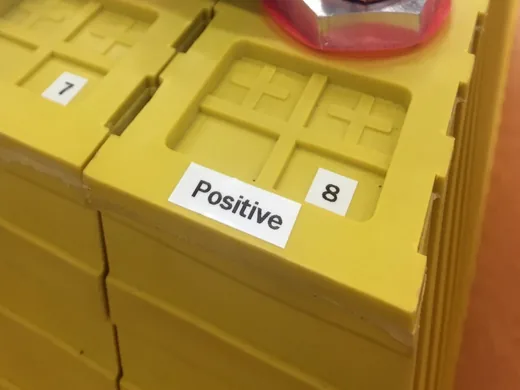
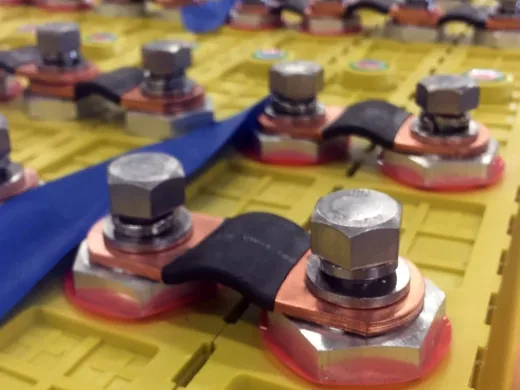
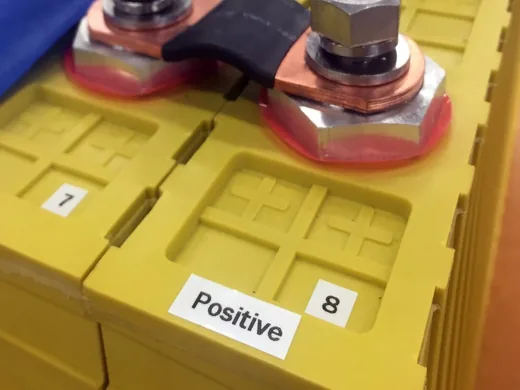
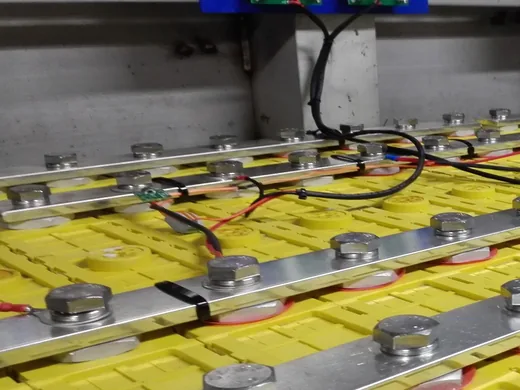
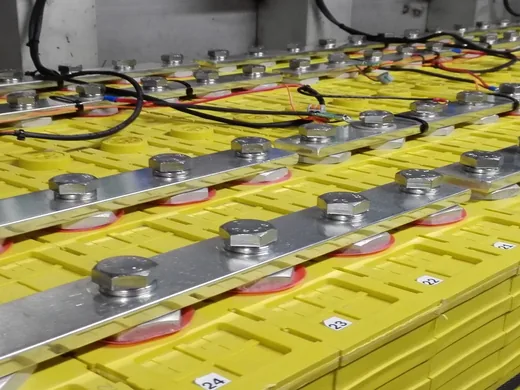
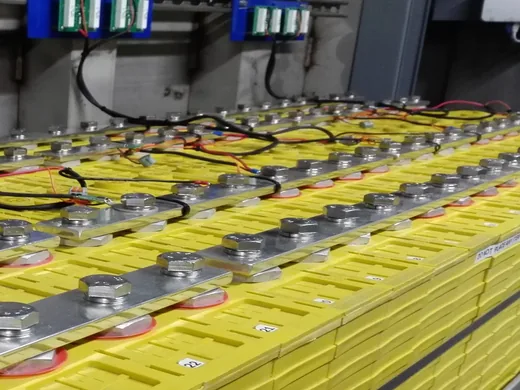
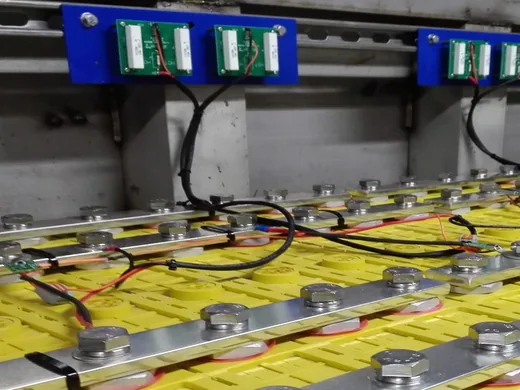
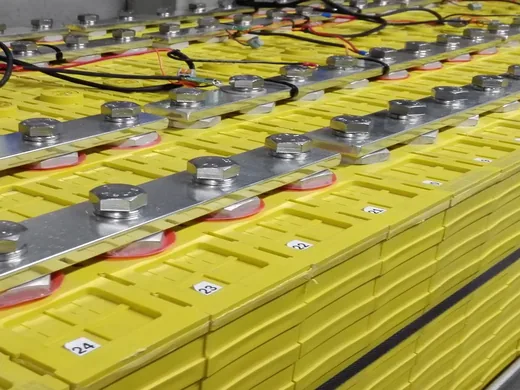
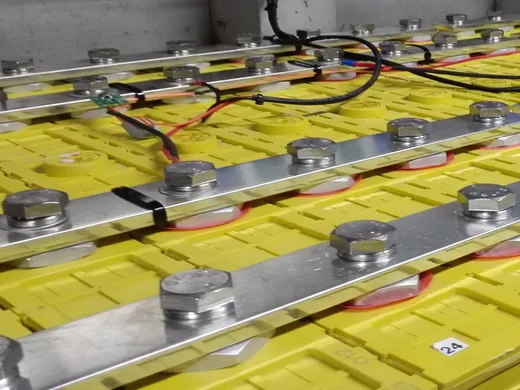
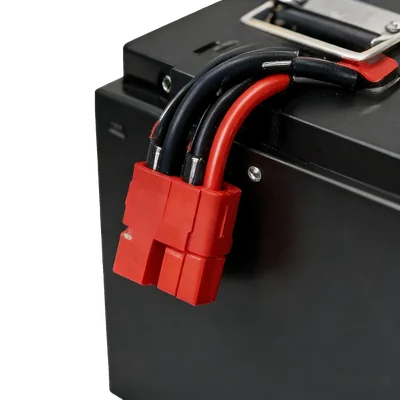

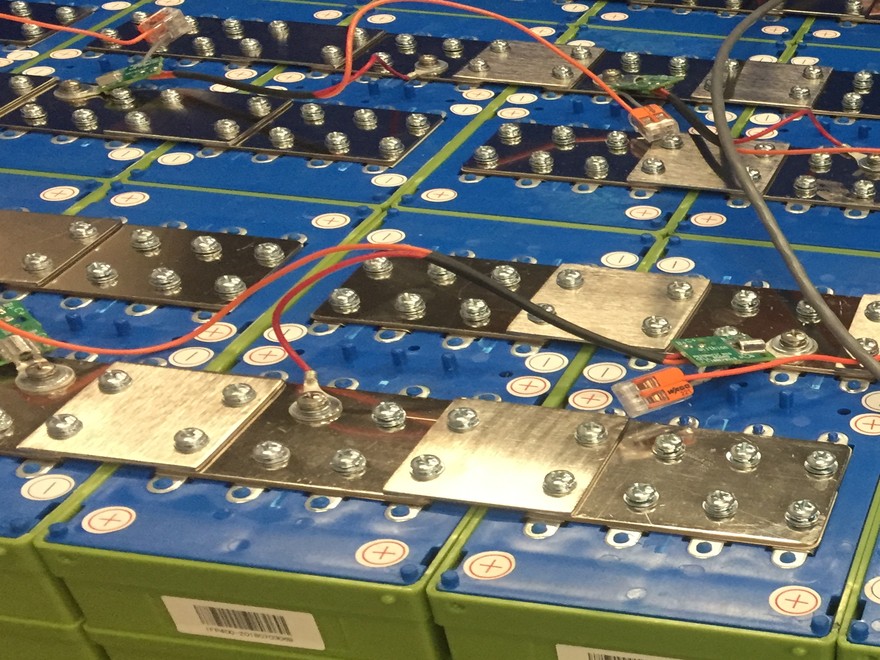
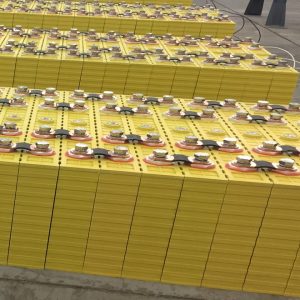
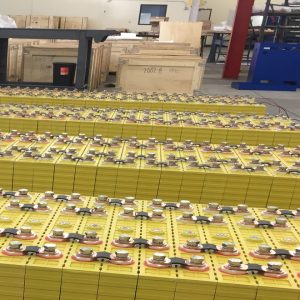
The CE-173 is a 3.2V 173Ah prismatic cell, 553.6Wh, on M8 terminals. Sixteen in series make a 51.2V string, the 48V backup shelf a cell tower runs on.
The Duration
How long does a 5G site have to hold?
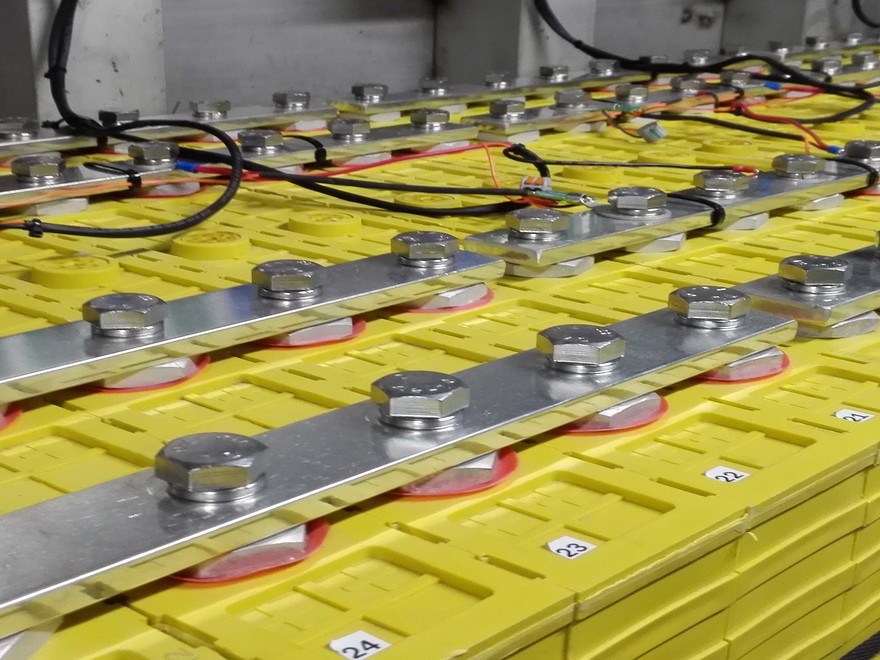
Start from what a 5G macro station actually draws. Published figures put it at 5 to 25 kilowatts depending on how many bands and radios hang off the mast, and the backup mandate for most sites runs 2 to 4 hours, longer where the grid is unreliable enough to make operators nervous. A 5-kilowatt site, four hours of autonomy, 90 percent usable depth on a lithium bank: the sum lands near 22.2 kilowatt-hours of battery. Forty of these cells, wired 16S with a second string in parallel and change to spare, sit exactly there.
Smaller sites shrink the arithmetic without changing it. A 3-kilowatt small cell holding two hours needs under 7 kilowatt-hours, which is one 16S string of CE-173 at 8.9.
Why Lithium Took the Shelf
The number that retired the lead bank
A lead bank on a flaky grid is a consumable, swapped every few years. A 16S string of these cells rides ≥4,000 cycles at 80 percent depth and ages out on the calendar instead, which for a tower means one battery decision across the life of the equipment rather than four.
Energy density carries the second half of the case. At 553.6 watt-hours a cell against the 200-odd of a comparable lead block, the same backup hours fit a cabinet a third the size, and a tower-top or pole-mount enclosure that never had room for lead autonomy suddenly has it.
Data
Datasheet
| Model | CE-173 |
|---|---|
| Nominal voltage | 3.2V |
| Rated capacity | 173Ah (0.5C, 25°C) |
| Energy | 553.6Wh |
| Charge voltage | 3.65V |
| Discharge cutoff | 2.5V |
| Continuous discharge | 173A (1C) |
| Peak discharge | 346A (2C pulse) |
| Cycle life | ≥4,000 cycles @ 80% DOD |
| Weight | ≈3.3 kg |
| Format | Aluminum prismatic (batch datasheet) |
| Terminals | M8 stud |
| Operating temperature | Discharge -20~60°C / Charge 0~45°C |
| Certification | UN38.3 / CE / RoHS |
Shelf configurations
| 16S | 51.2V · 8.9kWh: one backup string, macro or small cell |
|---|---|
| 2P16S | 51.2V · 17.7kWh: full-night macro autonomy |
| 8S | 25.6V · 4.4kWh: repeater and microwave-relay backup |
| 4S | 12.8V · 2.2kWh: 12V cabinet and instrument backup |
The DC-power convention it plugs into
Telecom did not invent 48 volts by accident, and a backup cell that fits the convention inherits an ecosystem. Site rectifiers, DC-DC converters, load-shed controllers and monitoring cards were all drawn for a 48-volt nominal bus that floats in the low 50s, which is precisely a 16S LFP string’s home range at 53.6 to 54.4 volts. Drop a string built from these cells onto the site bus and the rectifier charges it, the controller reads it, and the alarm card reports it, with no adapter and no reinvention. The same string voltage that powers a radio also feeds a microwave hop or a small-cell node down the pole, which is why one cell size covers a whole site’s DC estate rather than a single box.
The Cabinet
Building the backup string
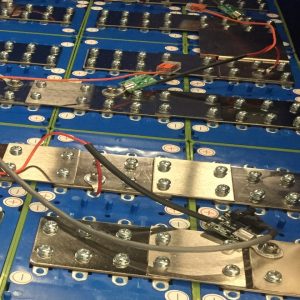
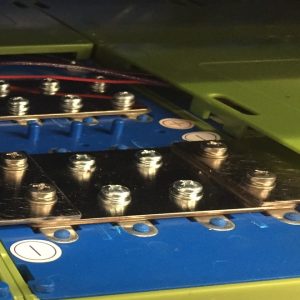
Top-balance the sixteen cells in parallel at 3.65 volts before the first series link. Choose a BMS that floats the string at 53.6 to 54.4 volts, trips on the per-cell limits, and above all refuses to charge below freezing, because a pole cabinet in January is exactly where an unguarded lithium bank plates lithium and dies young. Pull the M8 studs to 10 to 12 newton-metres. Wire the site load through a low-voltage disconnect so the string sheds before it over-discharges, and set a monthly balancing charge to 3.65 per cell to keep the pack even across years of shallow float.
Every cell carries a QR code into its factory test record, and a site survey that photographs those codes can pull the exact batch data for the string on the mast, which turns a dead-of-night fault call into a lookup rather than a guess. Strings ship matched on capacity and internal resistance; idle stock rests at 30 to 50 percent charge, losing 2 to 3 percent a month while it waits for a site.
A telecom string spends almost all its life on float rather than cycling. Calendar aging governs its retirement, and the levers are temperature and float voltage. Hold the float in the low 50s and keep the cabinet ventilated, and a 16S string of these cells stays above 80 percent capacity for the better part of a decade. Operators who log the QR-linked test data at install and re-measure capacity once a year turn that from a hope into a maintenance record the network can plan around.
Reviews
There are no reviews yet.