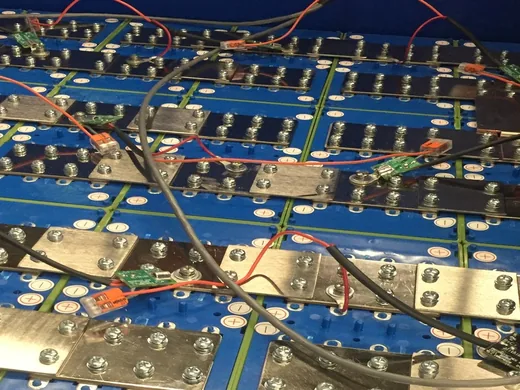
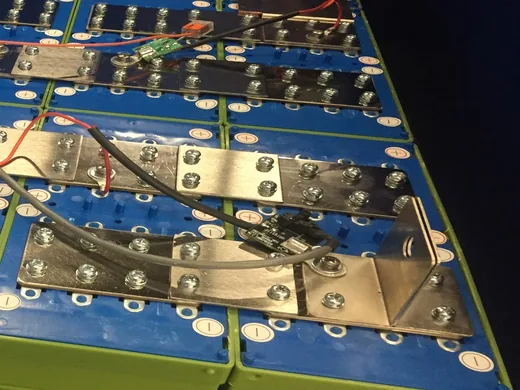
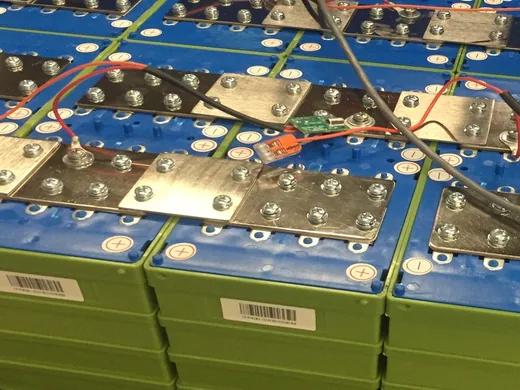
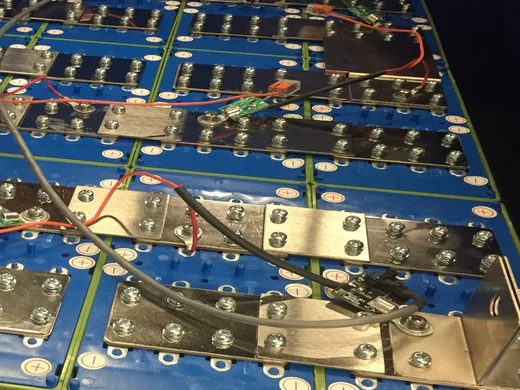
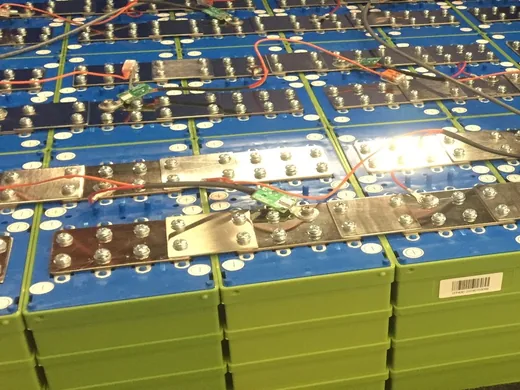
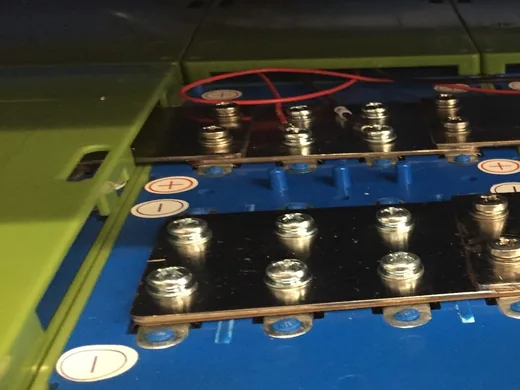
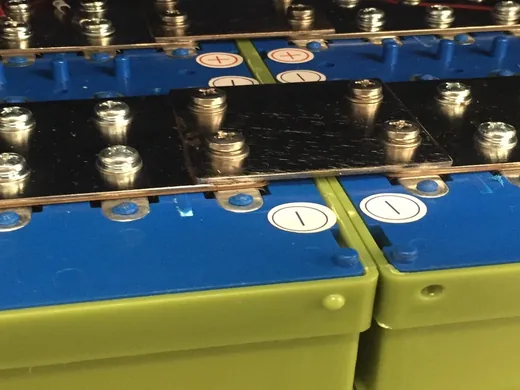
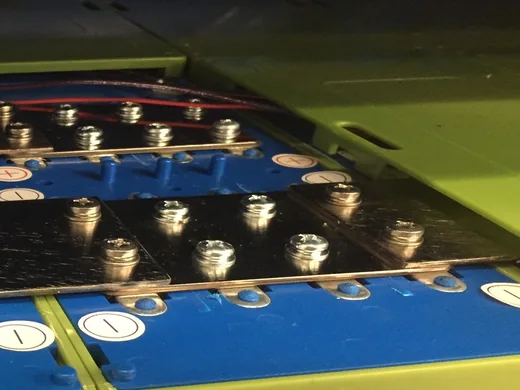
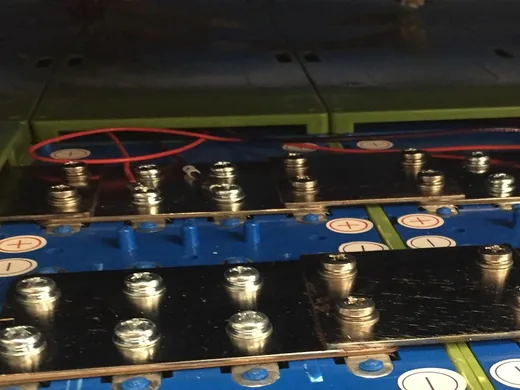
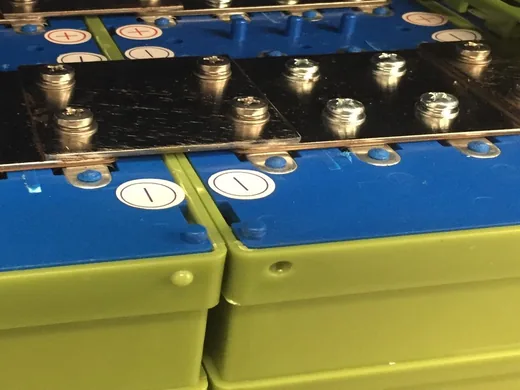
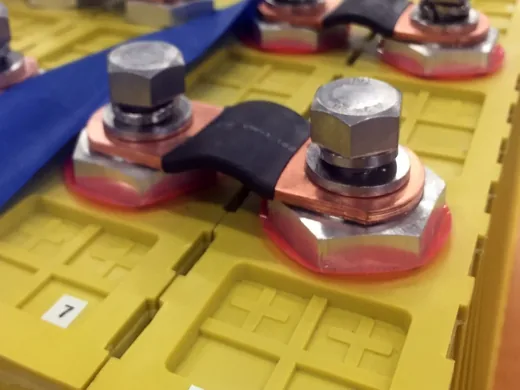
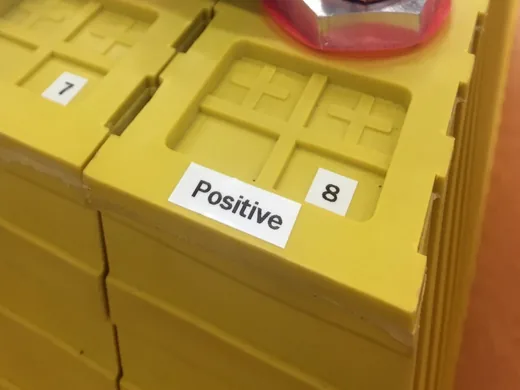
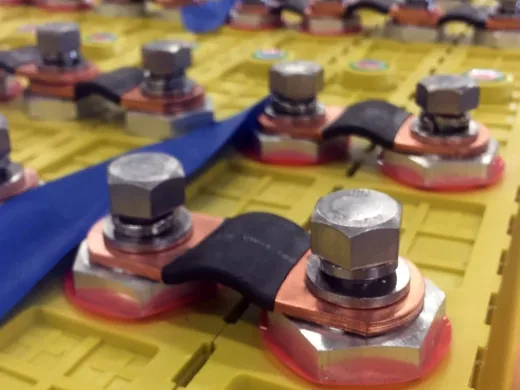
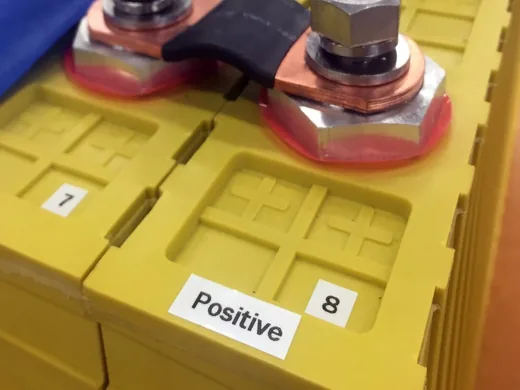
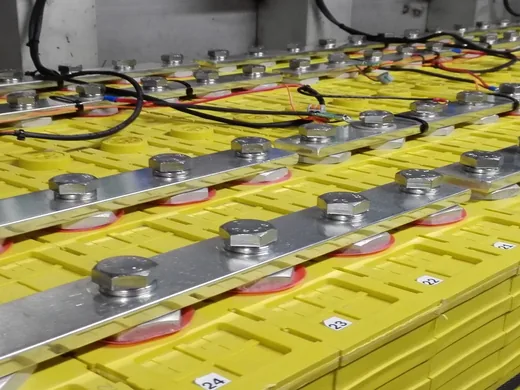
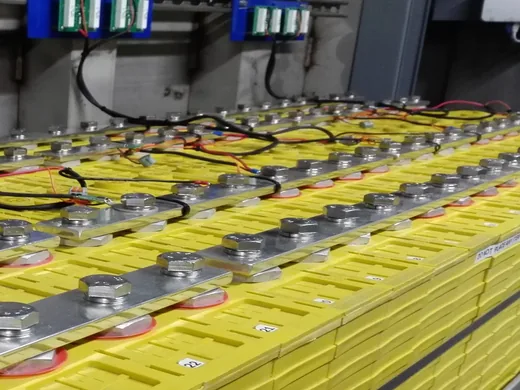
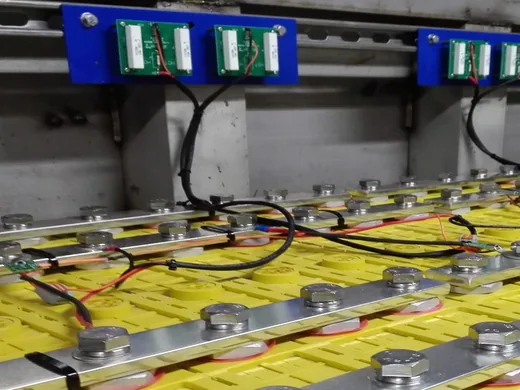
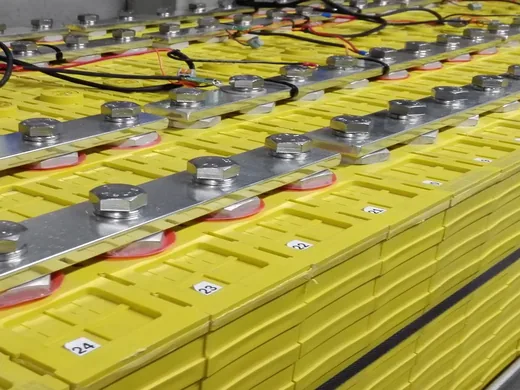
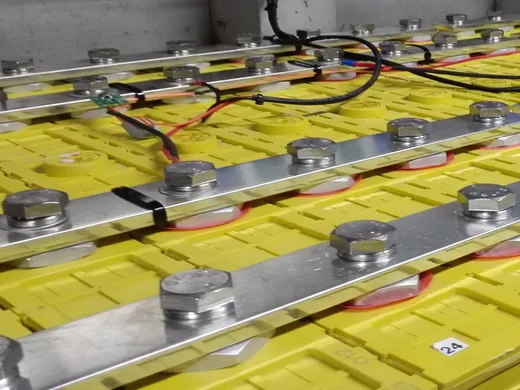
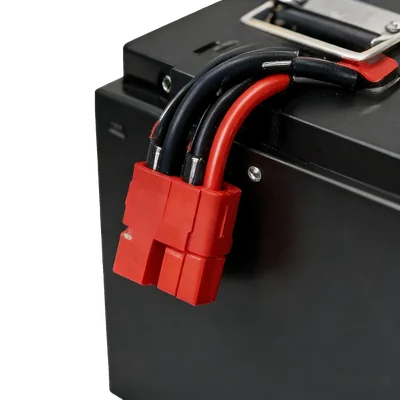

The 12V 7.2Ah LiFePO4 battery is a 12.8-volt block of 92.2 watt-hours in the F2-terminal case that alarm and fire panels are built around. The 12V 7Ah battery is the standard backup unit in security and life-safety systems, and this is its lithium form.
The Standby Job
Power that has to be there
An alarm or fire panel keeps a 12V 7Ah battery on float and calls on it the moment mains power drops. NFPA 72 section 10.6.7.2 requires a standard fire alarm system to hold 24 hours of standby and then sound a full 5-minute alarm on battery alone.
Sizing
Reading the calculation
An addressable smoke detector pulls 50 to 375 microamps, a magnetic door holder draws 20 milliamps, and a few dozen of them across a building add up to the tenths of an amp a panel idles at. Take a panel drawing 150 milliamps in standby: over 24 hours that is 3.6 amp-hours, add the notification load for the five-minute alarm, and multiply the total by the 1.25 aging factor NFPA 72 sets for battery derating. A 7.2Ah block covers a panel of that size with room to spare, and its flat discharge holds the panel voltage steady where a fading lead battery would drift toward the low-voltage trouble threshold.
The Panels
Where it goes
Honeywell, DSC, Napco and similar control panels all use this battery size, as do small uninterruptible supplies for routers and access-control heads. A sealed lead battery here lasts three to five years and gets swapped on a schedule whether it has failed or not; this block holds more than 2,500 cycles and floats far longer before it fades. It thins the replacement rounds a facility runs across its panels.
Backup Runtime
Small UPS duty
Away from the fire panel, this block is the cell in a small uninterruptible supply for a router, an optical network terminal and a security recorder. That cluster draws around an amp at 12 volts. 92.2 watt-hours carry it for roughly seven hours, long enough to hold a home office or a camera feed through a typical grid outage. The units it stands in for are the sealed lead batteries these systems ship with, the CSB GP1272 and Yuasa NP7-12 class rated for three to five years before a scheduled swap.
Data
Datasheet
| Model | DC12-7 |
|---|---|
| Nominal voltage | 12.8V |
| Capacity | 7.2Ah |
| Energy | 92.2Wh |
| Charge voltage | 14.6V |
| Discharge cutoff | 10V |
| Continuous discharge | 7.2A |
| Peak discharge | 15A (5s) |
| Cycle life | ≥2,500 cycles |
| Weight | ≈0.86 kg |
| Dimensions | 151 × 65 × 94 mm |
| Terminals | F2 spade |
| Operating temperature | Discharge -20~60°C / Charge 0~45°C |
| Certification | UN38.3 / CE / FCC / RoHS |
Fit
Fitment and float
The F2 terminals and the 12V 7Ah footprint match the trays inside alarm cabinets and small UPS units. A panel built for lead floats its battery at 13.6 to 13.8 volts, a level this battery tolerates. A panel that pushes a high float or runs an equalization pulse shortens lithium life. Confirm the float setting before fitting. The internal BMS carries overcharge, over-discharge, overcurrent and low-temperature charge protection, and discharge runs from minus twenty to sixty degrees. A panel in an unheated riser keeps its backup through a cold night. Store spare batteries at 30 to 50 percent charge.
Reviews
There are no reviews yet.