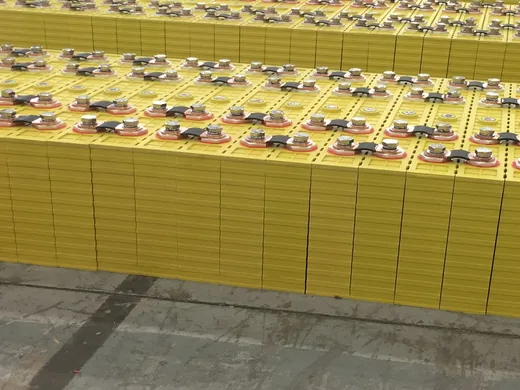
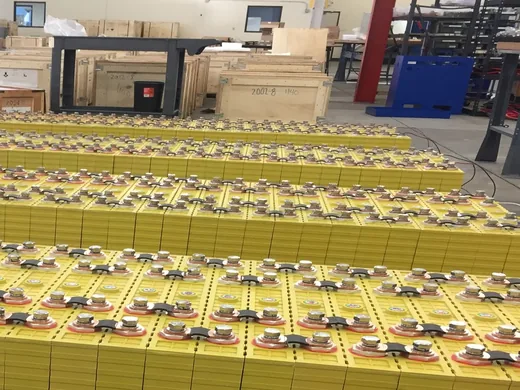
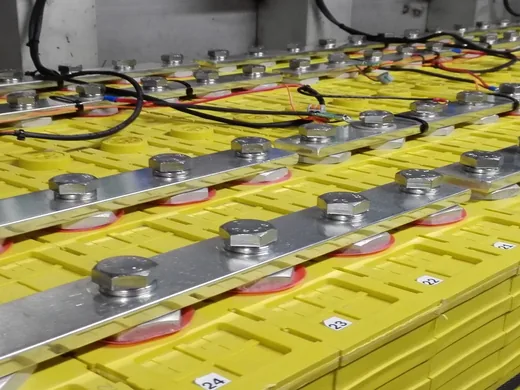
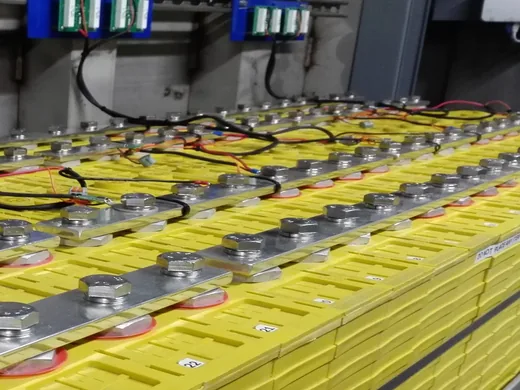
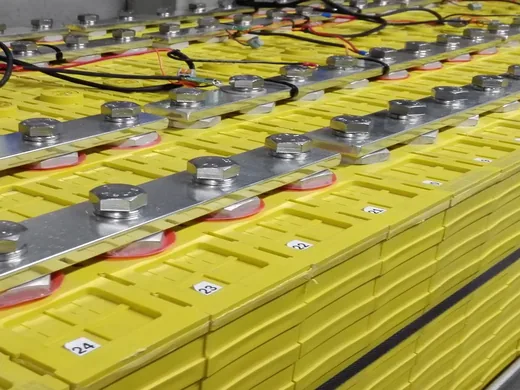
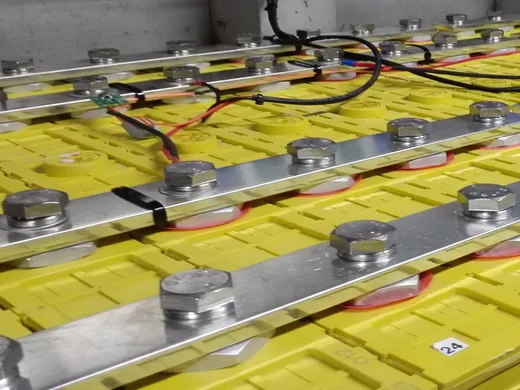
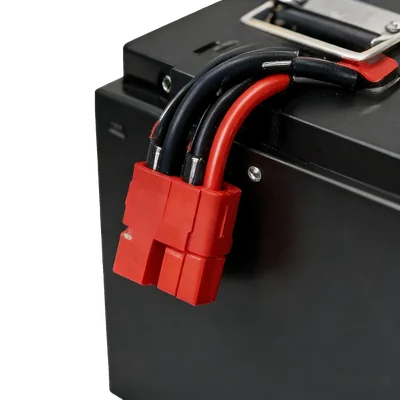

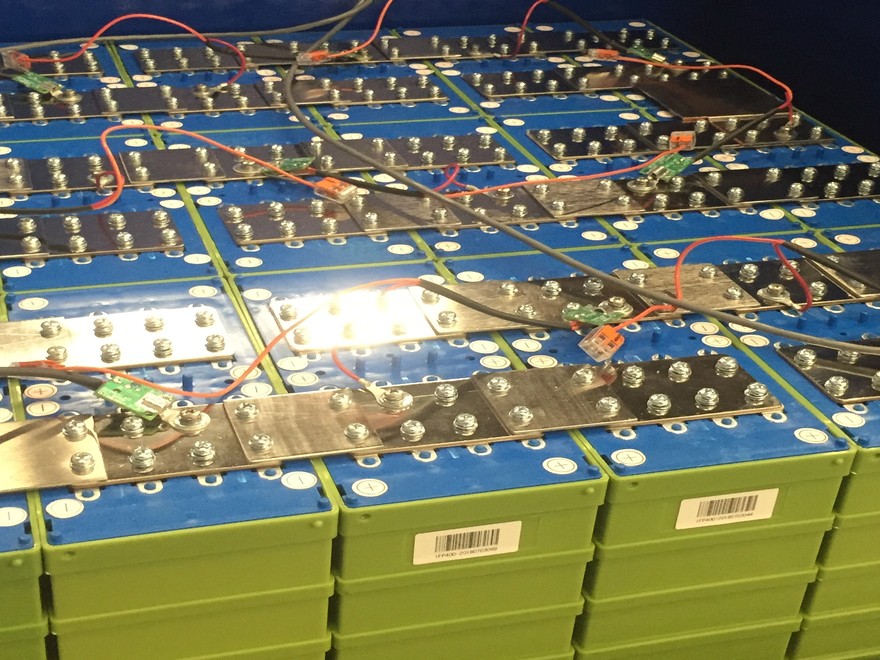
Some capacities become standards. One hundred amp-hours is one of them: multiply by the 51.2V of a 16-cell string and the answer is 5.12kWh, which is, to the digit, the module size the storage industry standardized on for rack batteries and stackable home systems. The CE-100 is that standard in bare-cell form, 3.2V, 100Ah, 320Wh, about 1.9kg.
The Grid Number
Why 100Ah became the industry’s brick
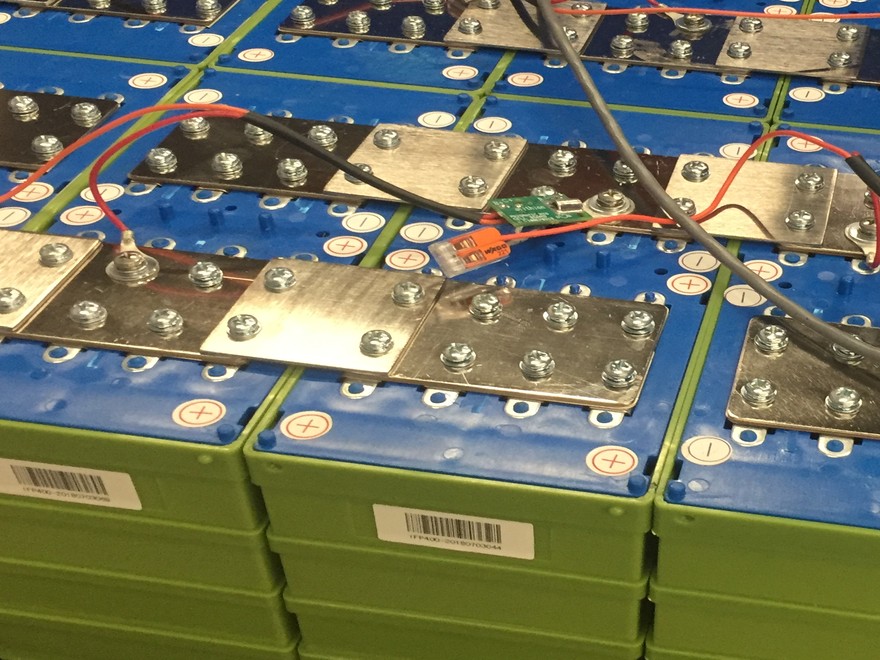
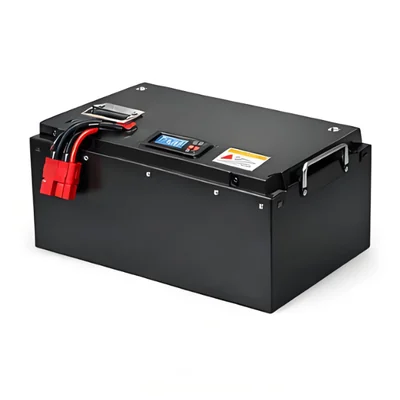
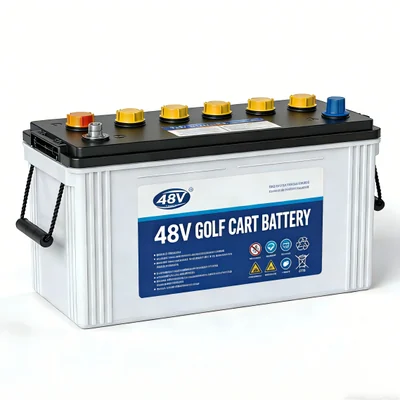
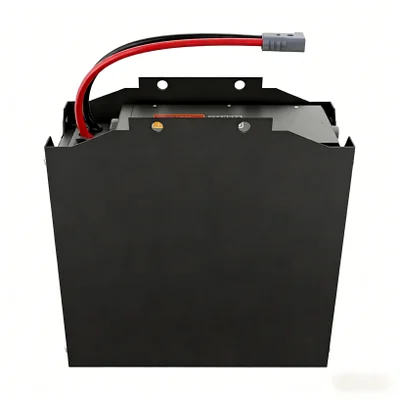
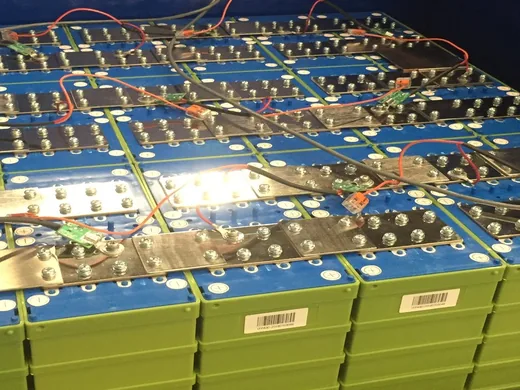
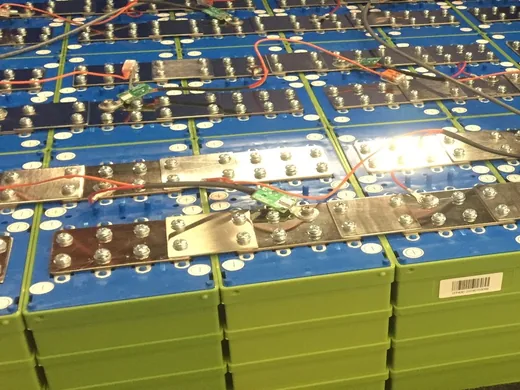
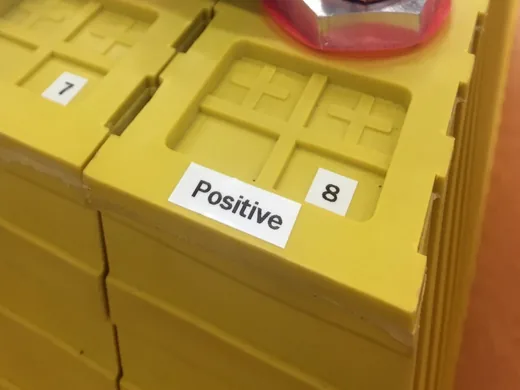
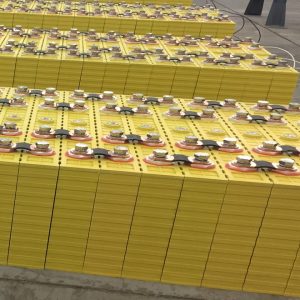
Rack storage grew up inside the 19-inch cabinet, and a 3U or 4U shelf holds sixteen 100Ah prismatic cells with their BMS. That mechanical fact set the electrical one. The volume home-storage modules of the last several years, the 48V-class units stacked in garages from Germany to Texas, cluster at 4.8 to 5.12kWh apiece, sixteen cells of 94 to 100Ah each. Buy a finished rack module anywhere and sixteen cells of this class are what the case contains.
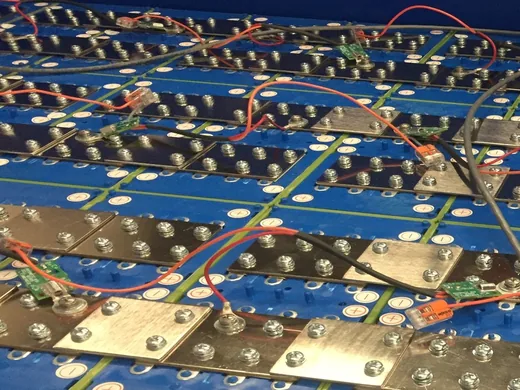
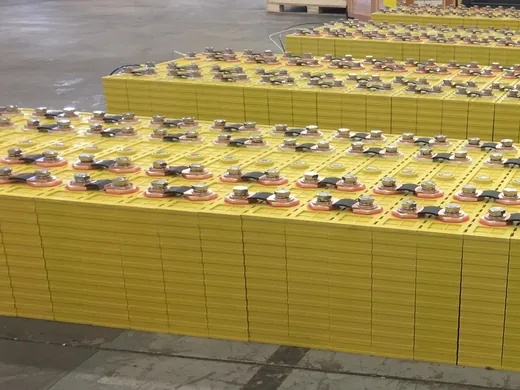
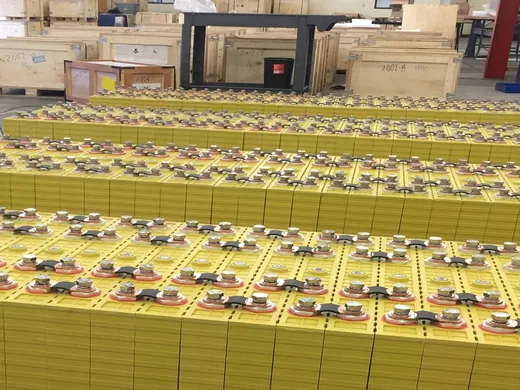
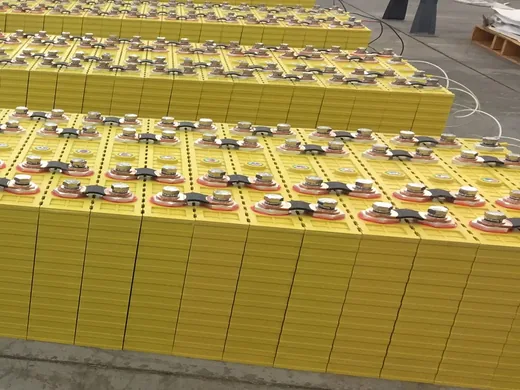
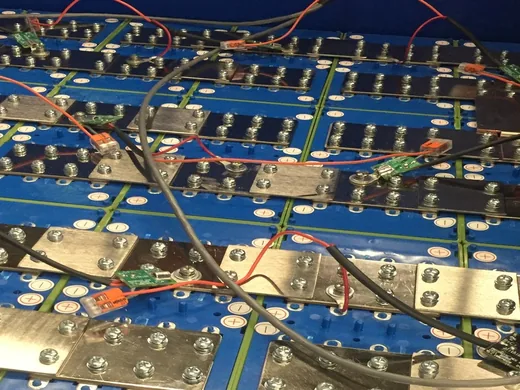
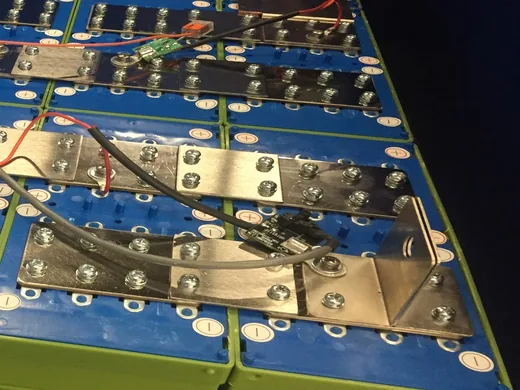
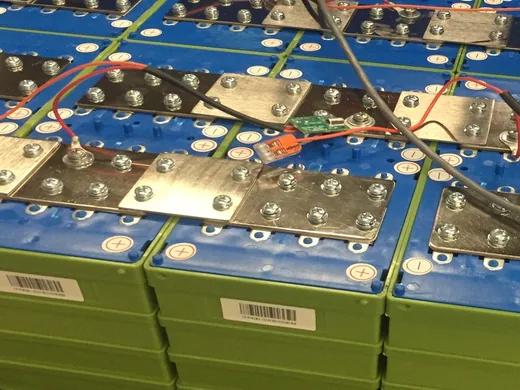
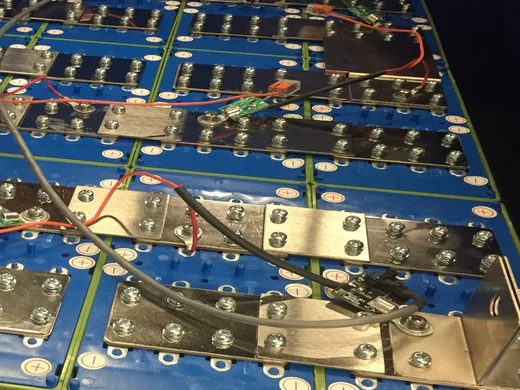
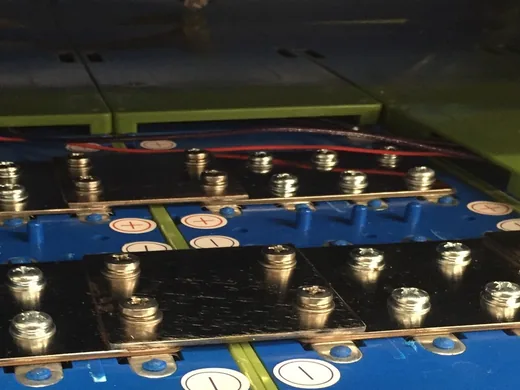
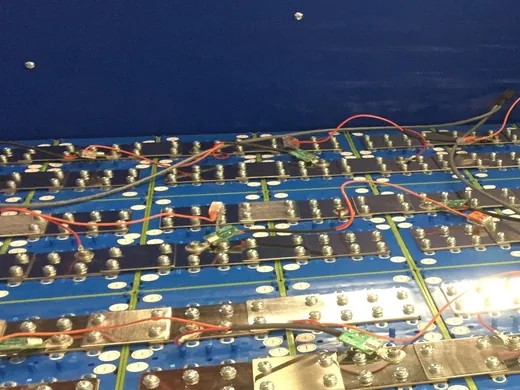
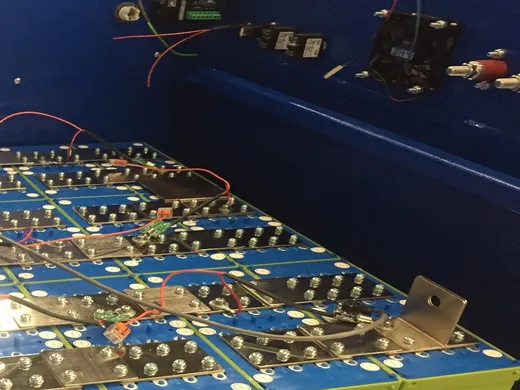
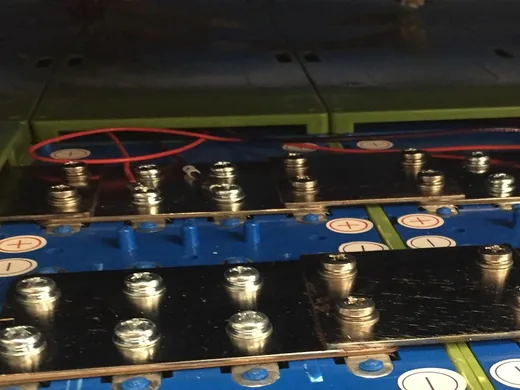
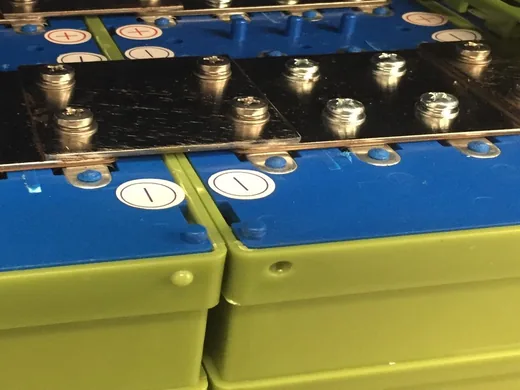
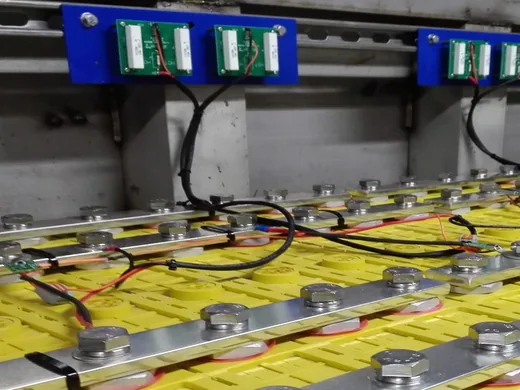
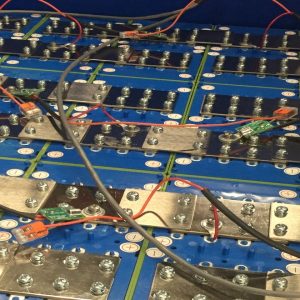
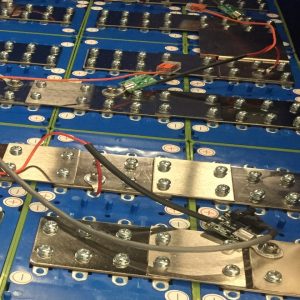
Building from bare cells keeps the geometry and opens the choices: your BMS brand, your busbar layout, your enclosure, your cell-level records. A 16S wall of CE-100 stores 5.12kWh; four such strings in parallel make 20.5kWh, tier-one home-storage territory, at cell cost.
Off Grid
The hillside house test
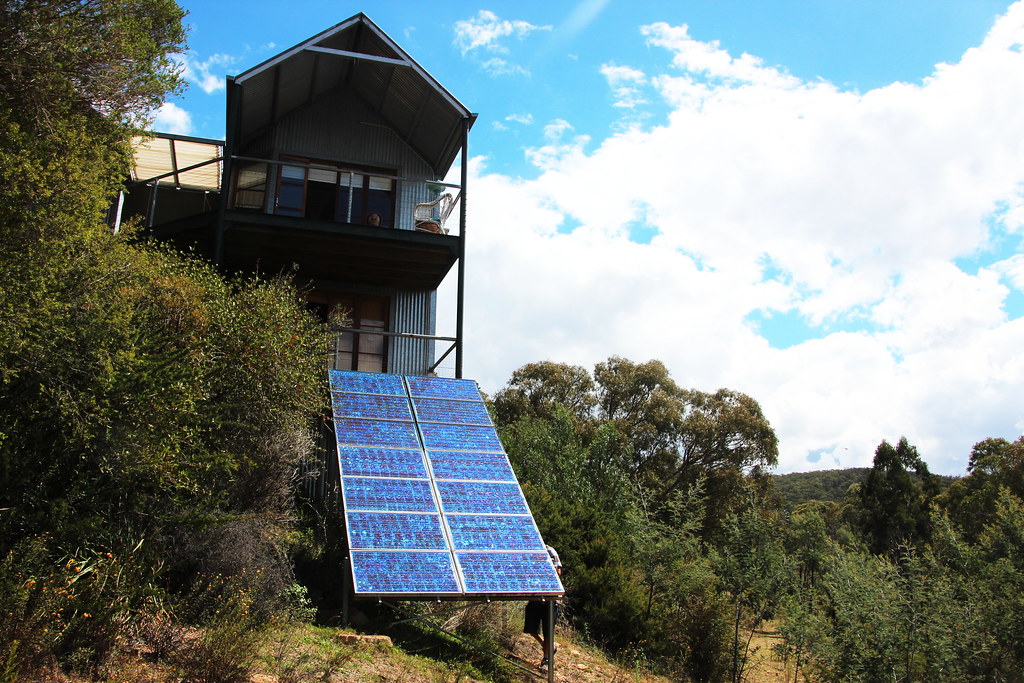
Off-grid living is a nightly exam the battery either passes or fails. The reference load is the refrigerator: efficient full-size units run 300 to 600kWh a year by ENERGY STAR rating, call it 0.9 to 1.6kWh a day. A single 16S string carries the fridge, LED lighting, a router and a water pump through the night and a gray day behind it; a second parallel string adds the washing machine and a chest freezer to the survivable list. The 1C rating means even one string delivers 5kW of continuous power, which is a well-pump start and a kettle at the same time.
Cold nights change the charging rules, not the discharging ones. Power flows out at -20°C; power flows in only above 0°C, and that rule is why winter walls carry a BMS cutoff or heater film. Most indoor installations never trip either.
Data
Datasheet
| Model | CE-100 |
|---|---|
| Nominal voltage | 3.2V |
| Rated capacity | 100Ah (0.5C, 25°C) |
| Energy | 320Wh |
| Charge voltage | 3.65V |
| Discharge cutoff | 2.5V |
| Continuous discharge | 100A (1C) |
| Peak discharge | 200A (2C pulse) |
| Cycle life | ≥4,000 cycles @ 80% DOD |
| Weight | ≈1.9 kg |
| Dimensions | ≈160 × 50 × 118 mm (batch datasheet) |
| Terminals | M6 stud |
| Operating temperature | Discharge -20~60°C / Charge 0~45°C |
| Certification | UN38.3 / CE / RoHS |
String arithmetic
| 4S | 12.8V · 1.28kWh: the universal 12V hundred-amp-hour block |
|---|---|
| 8S | 25.6V · 2.56kWh: 24V systems, trolling, cabins |
| 16S | 51.2V · 5.12kWh: the rack-module standard, solar walls |
| 2P16S | 51.2V · 10.24kWh: whole-home overnight storage |
Parallel strings, done in the right order
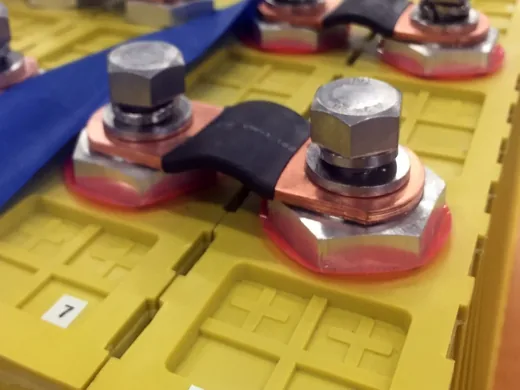
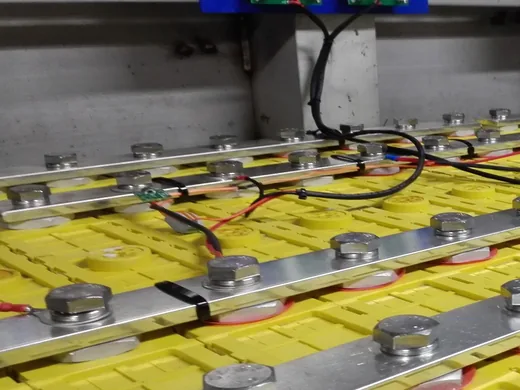
Growth is the one thing to plan before the first cell is bolted down. The clean architecture parallels complete 16S strings, each with its own BMS and its own fuse, joined at a common busbar through cables cut to equal length; current then shares evenly and a fault in one string isolates itself. The tempting shortcut, paralleling cells first into giant 2P blocks and running one BMS, saves a controller and costs the ability to see a weak cell at all. Strings first, then parallel. A wall built that way grows from 5 to 20kWh one string at a time without rewiring what already works.
Bare cells or a finished rack module?
Both exist for good reasons, and the honest split runs on paperwork. A grid-tied system that needs UL 9540 listing for an inspector or an insurer buys the finished module, because certification belongs to the assembled product. An off-grid wall, a cabin, a workshop, a boat, anywhere the authority is the owner, builds from bare cells and keeps the difference: cell-level records instead of a sealed box, a BMS chosen rather than bundled, and a repair path that swaps one 320Wh cell instead of one 5kWh module.
Method
From sixteen cells to a working wall
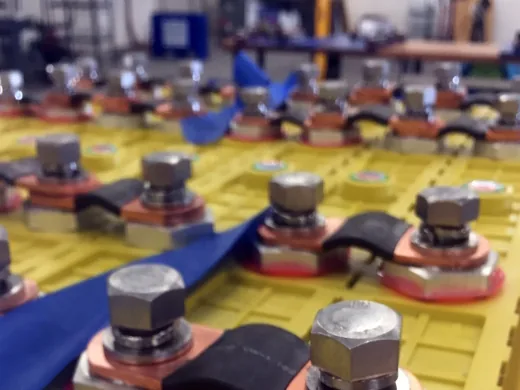
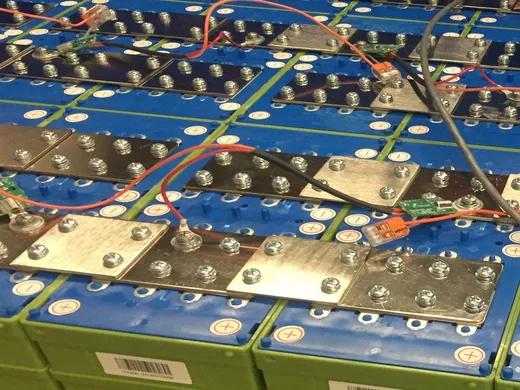
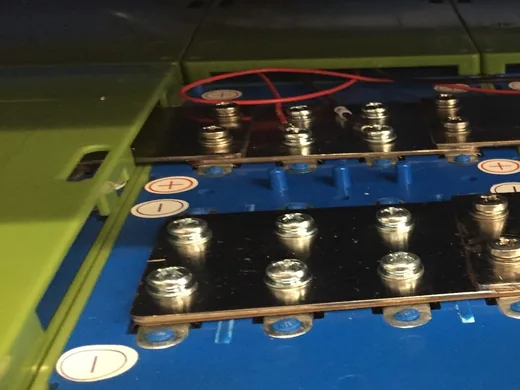
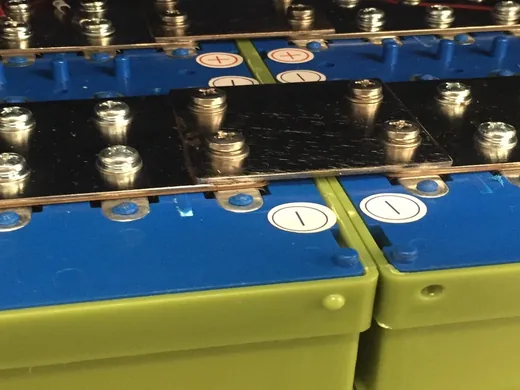
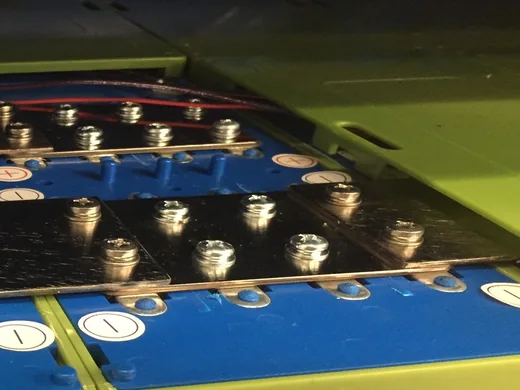
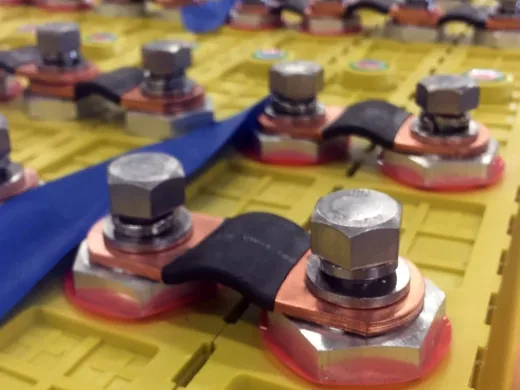
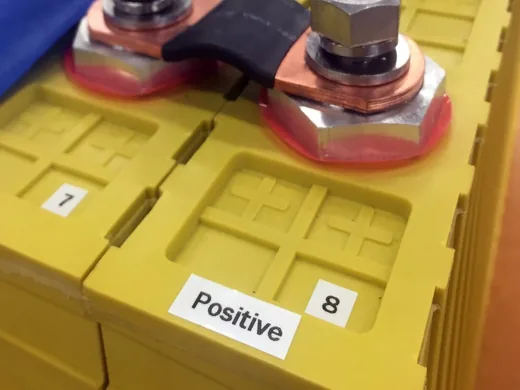
The build order never changes. Parallel top-balance at 3.65V until current tapers. Series connection with busbars cut to pitch, M6 studs at about 8 N·m. A 16S BMS with per-cell voltage windows, overcurrent protection and the low-temperature charge cutoff, sized 100A for a 5kW inverter, 200A where two strings share one controller. Inverter-charger settings follow the LFP profile: absorption 3.45 to 3.5V per cell for calendar life, 3.65V where full plate capacity matters more, float off or at 3.4V, equalization deleted. Commission with a 0.5C discharge against a timer; two hours to cutoff confirms the plate number before the wall goes into service.
Telecom got here first, for what the history is worth. The 48V 100Ah shelf became the standard backup unit of tower sites years before home storage adopted the same numbers, and national tower companies now buy that configuration by the gigawatt-hour. A DIY wall at 51.2V 100Ah is running the same electrical citizenship as a cell tower, which is part of why every charge controller and inverter on the market already speaks its voltage.
Self-discharge runs 2 to 3% a month; project stock stores at 30 to 50% charge. Every cell’s QR code opens its factory test record, strings ship batch-matched on capacity and internal resistance, and the batch sheets file with the installation paperwork.

Reviews
There are no reviews yet.