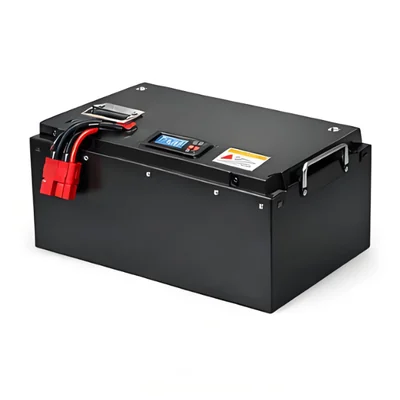
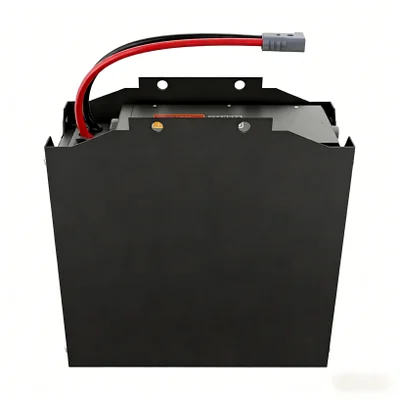

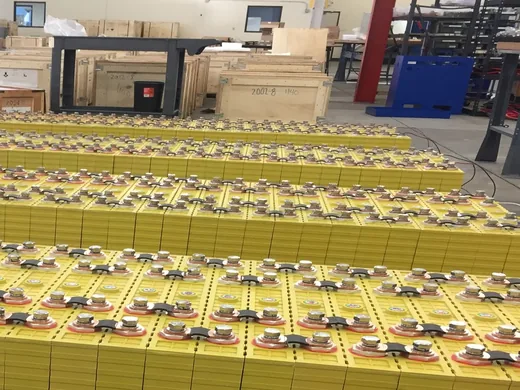
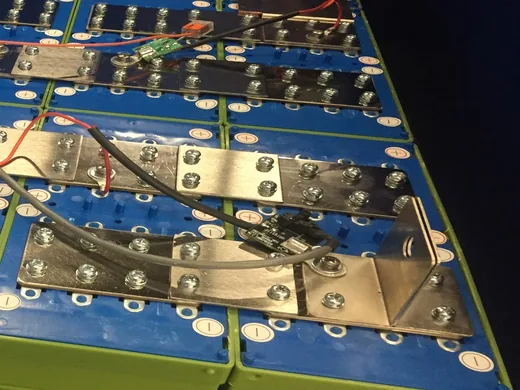
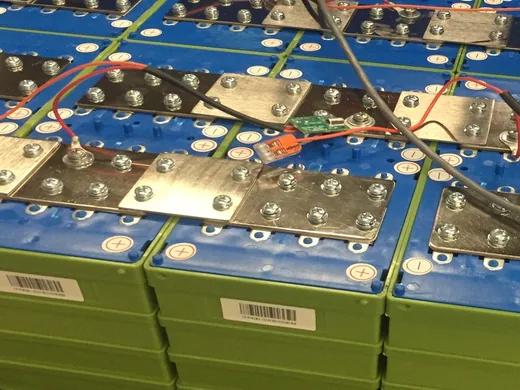
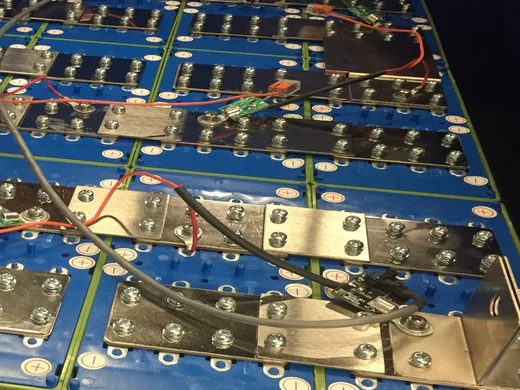
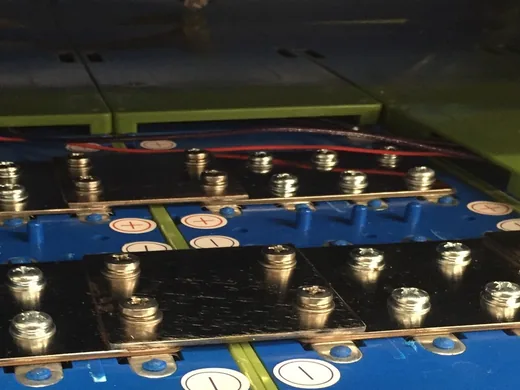
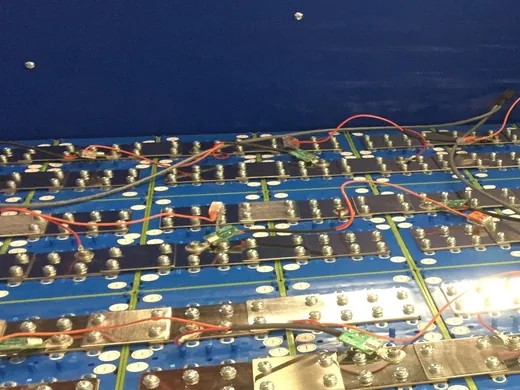
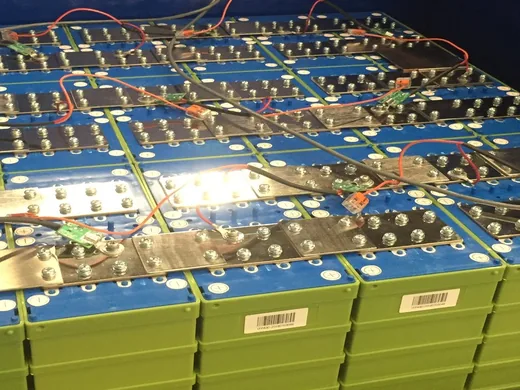
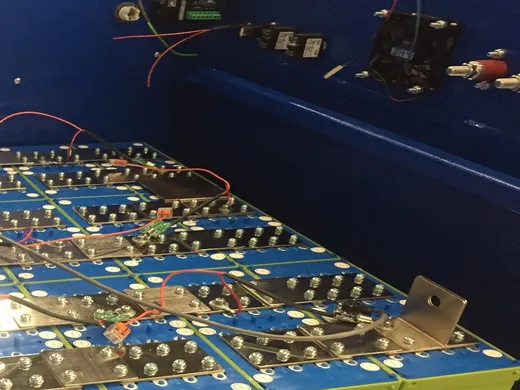
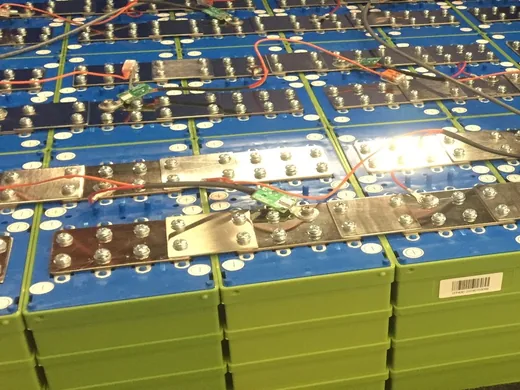
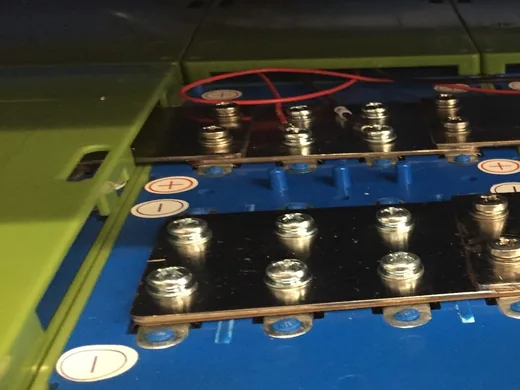
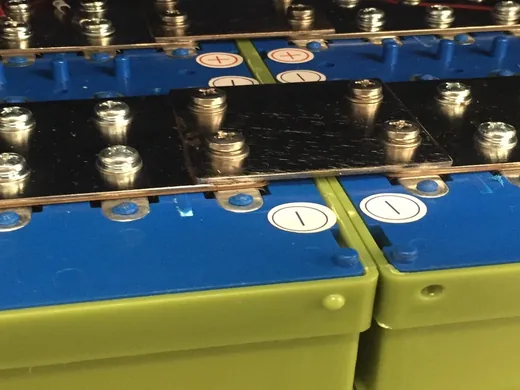
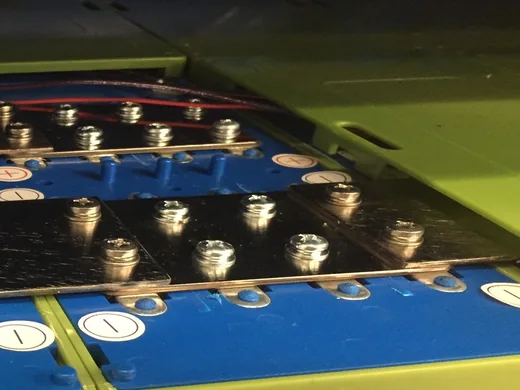
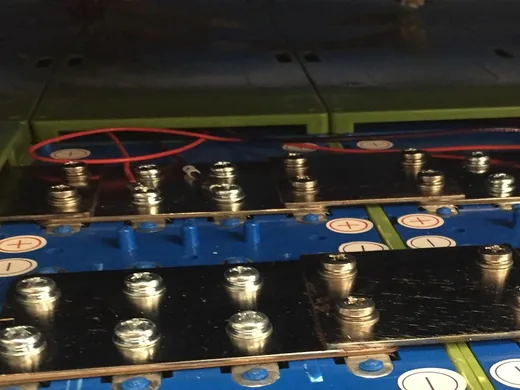
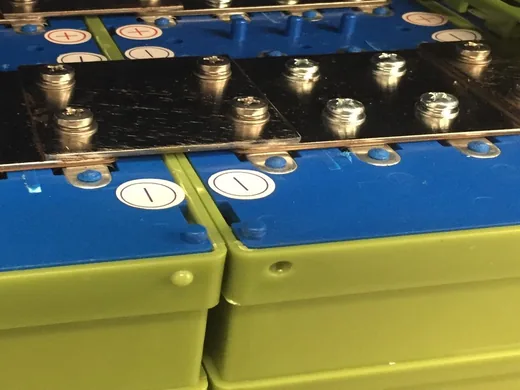
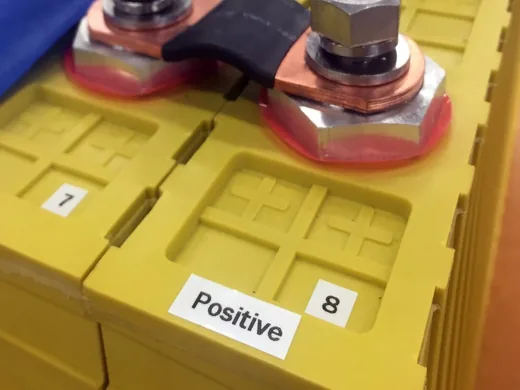
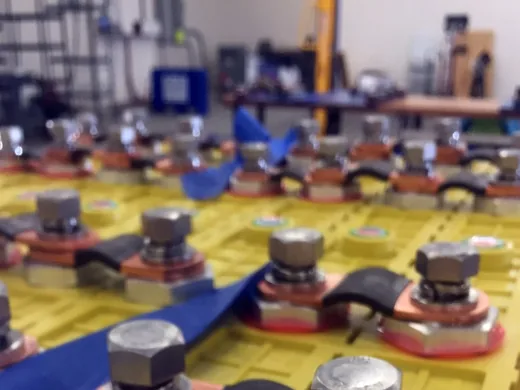
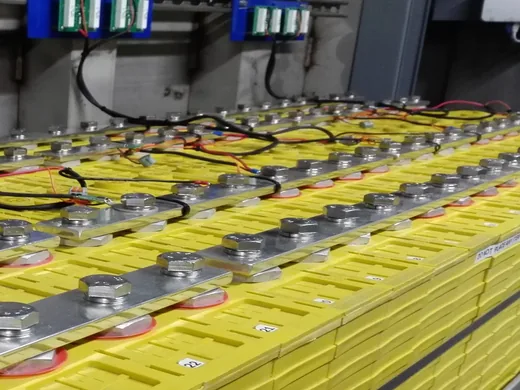
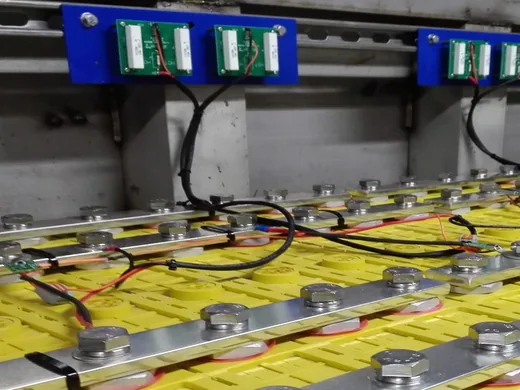
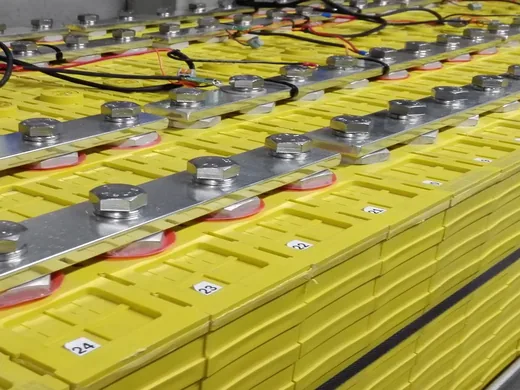
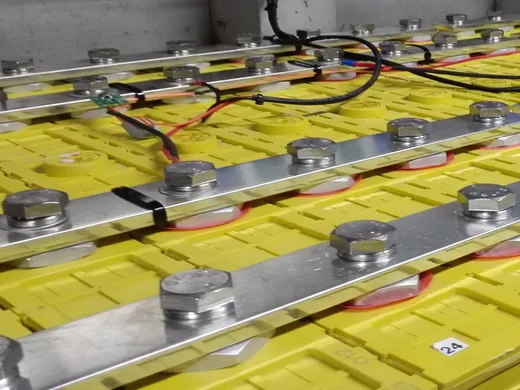
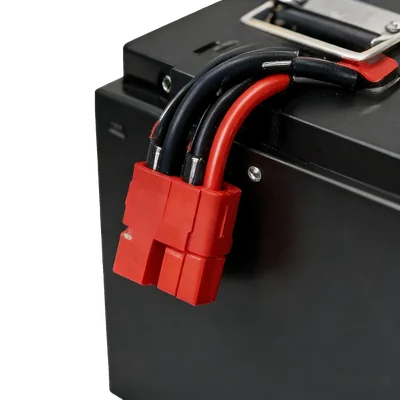

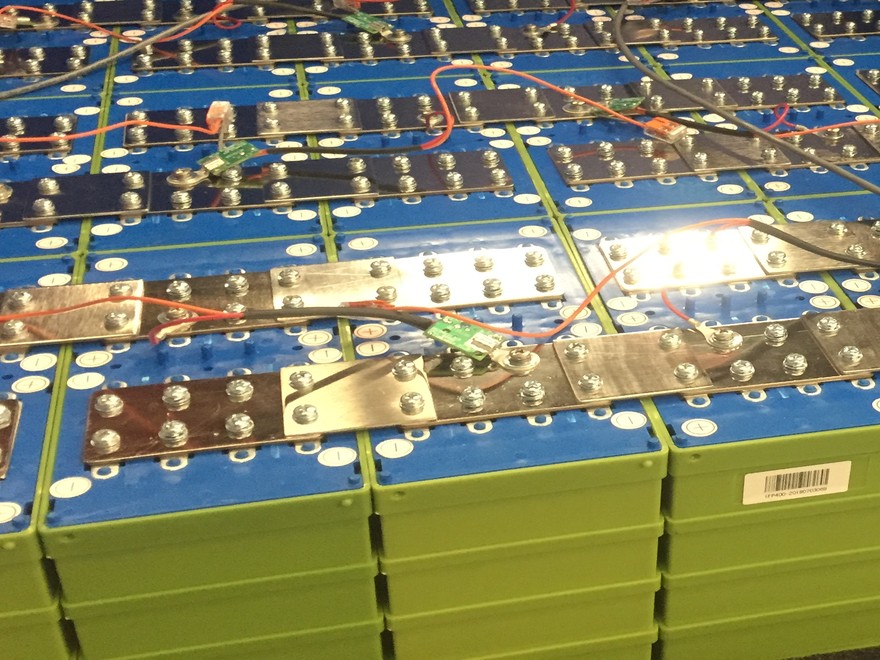
Here is a night of wild camping, written as an electricity bill. The van sleeps two, the fridge is full, a 12V rooftop air conditioner hums until the desert cools, and the meter that pays for all of it is a 4S bank of CE-150 cells: 12.8V, 150Ah, 1,920Wh, about 9.6kg of battery bolted under a bench.
The Bill
One overnight stop, itemized
| Compressor fridge, all day | ≈41Ah · the published real-world figure for a 45-litre unit |
|---|---|
| 12V air conditioner, 3 evening hours | ≈30–60Ah · published eco-mode draw runs 19–26A; owner logs average near 6A/h overnight once the van cools |
| LED lighting, 4 hours | ≈4Ah |
| Water pump, phone chargers, router | ≈8Ah |
| Diesel heater fan, winter option | ≈10Ah per night |
| The night’s total | ≈85–115Ah against 150 in the bank |
The bill clears with reserve. That is the entire case for this capacity class: a 150Ah bank sleeps through an air-conditioned night that would flatten a 100Ah build, and the published owner logs behind these figures, a 200Ah bank finishing such a night above half charge, agree with the arithmetic. Morning solar or a DC-DC charger on the drive out refills the spend.
The Machine
What four cells replace
The traditional answer to this bill was a pair of 100Ah lead-acid leisure batteries, roughly 50kg of them, usable to half depth. Four CE-150 cells weigh under 10kg assembled, use 80% of their plate day after day, and carry a ≥4,000-cycle rating that reads as a decade of weekends with margin. The bench they free up becomes storage, and the payload they free up becomes water.
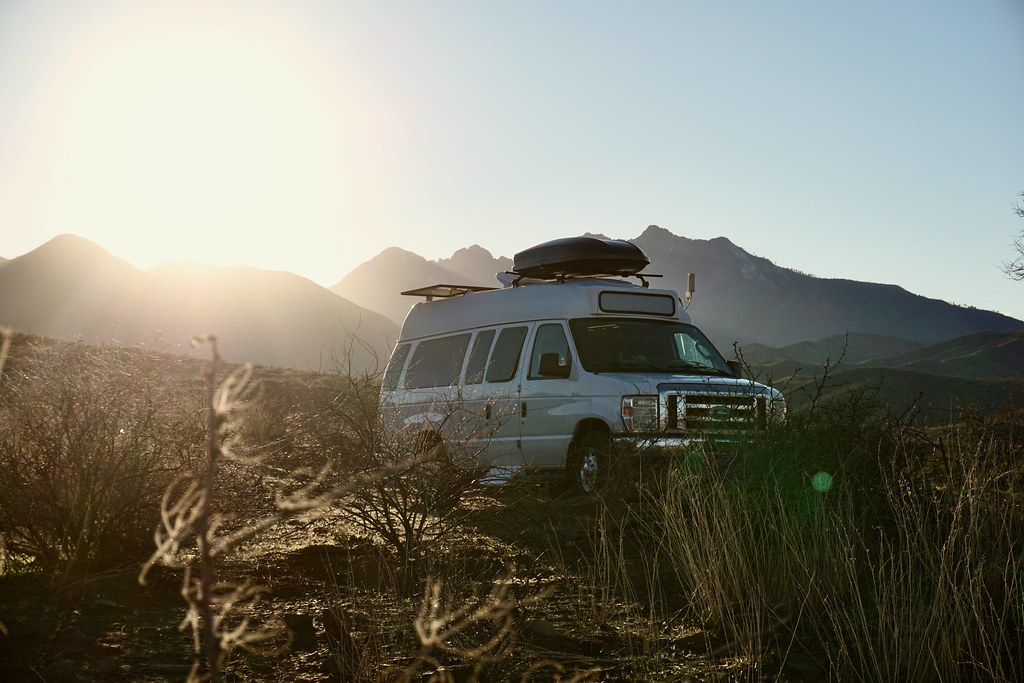
Bigger rigs scale the same cell instead of changing chemistry. A 2P4S build doubles the bank to 300Ah for full-time living; an 8S build makes 25.6V for vans wired at 24V, halving conductor sizes for the same power; and the 480Wh cells drop into off-grid cabins at 16S where 7.68kWh per string suits a small building better than a small van.
Sheet
Datasheet
| Model | CE-150 |
|---|---|
| Nominal voltage | 3.2V |
| Rated capacity | 150Ah (0.5C, 25°C) |
| Energy | 480Wh |
| Charge voltage | 3.65V |
| Discharge cutoff | 2.5V |
| Continuous discharge | 150A (1C) |
| Peak discharge | 300A (2C pulse) |
| Cycle life | ≥4,000 cycles @ 80% DOD |
| Weight | ≈2.9 kg |
| Format | Aluminum prismatic (batch datasheet) |
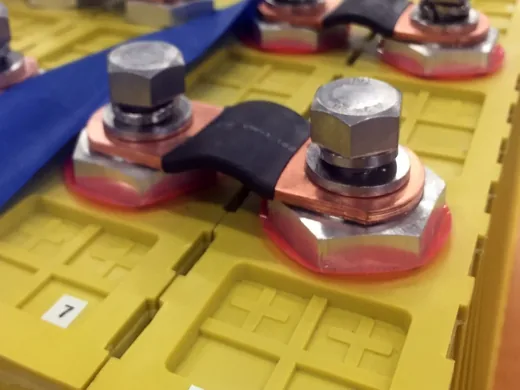
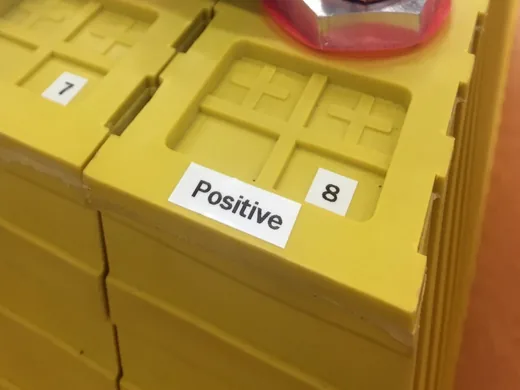
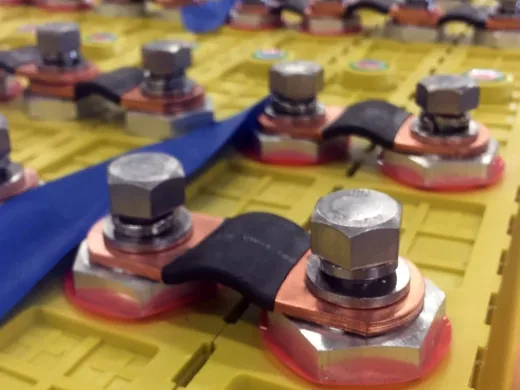
| Terminals | M8 stud |
| Operating temperature | Discharge -20~60°C / Charge 0~45°C |
| Certification | UN38.3 / CE / RoHS |
Bank configurations
| 4S | 12.8V · 150Ah · 1.92kWh: the camper standard |
|---|---|
| 2P4S | 12.8V · 300Ah · 3.84kWh: full-time rigs, boats |
| 8S | 25.6V · 150Ah · 3.84kWh: 24V vans and trucks |
| 16S | 51.2V · 7.68kWh: cabins and small buildings |
Matching the inverter to the bank
The inverter decides how the bank gets wired, and the numbers are unforgiving at 12 volts. A 1,000W inverter pulls about 88A from a 12.8V bank, inside the single string’s 150A rating with room for surge. A 2,000W unit pulls 165A at full output and belongs on a 2P4S bank or, better, on a 24V system where the same power draws half the current through half the copper. The practical camper rule reads: espresso machines and induction hobs up to 1,000W ride the single 4S bank; anything larger joins a second string or moves the whole vehicle to 24V, and the 8S row in the table above exists for exactly that decision.
Solar sizing closes the loop. The overnight bill of 85 to 115Ah converts to roughly 1.1 to 1.5kWh to recover, which 400W of roof panel returns in a good four-hour solar day; vans that camp in shade lean on the 30 to 50A DC-DC charger and an hour of driving instead.
Fitting Out
Building the bank into a vehicle
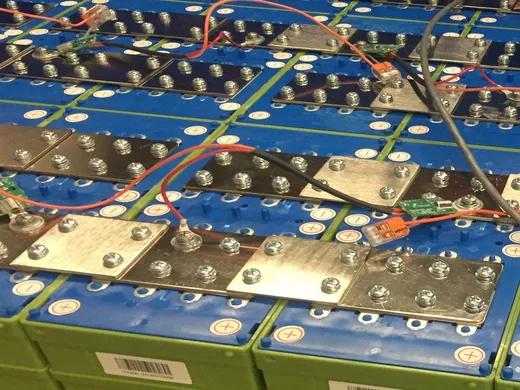
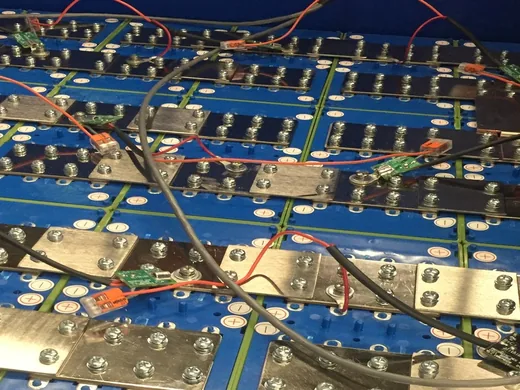
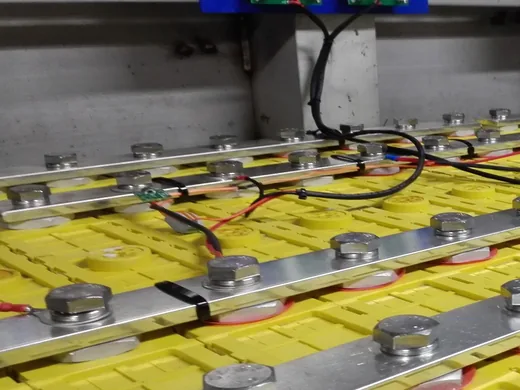
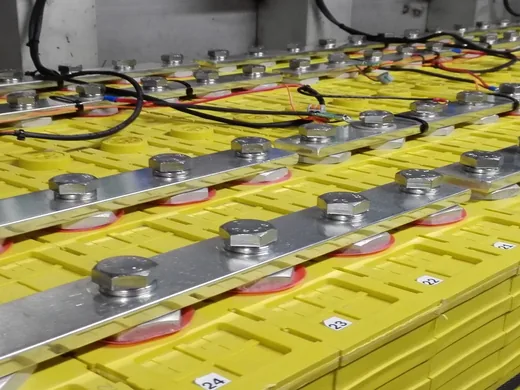
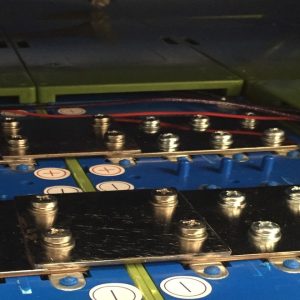
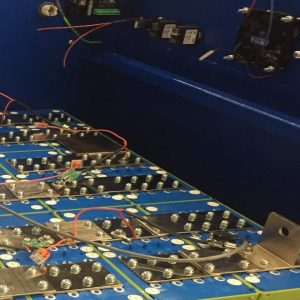
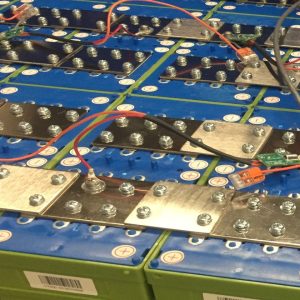
A vehicle bank lives a rougher life than a wall, and the mechanical half of the build matters as much as the electrical. Cells clamp between end plates against road vibration, the box bolts to structure rather than to furniture, and cabling for the air-conditioner load runs 2 AWG class with a fuse at the positive post. Electrically the drill is the family standard: parallel top-balance at 3.65V before series assembly, a 150 to 200A BMS carrying per-cell voltage, overcurrent and low-temperature charge protections, the last one non-negotiable in a vehicle that sleeps outside in winter, M8 terminals at 10 to 12 N·m, and a DC-DC charger sized 30 to 50A on the alternator side. Solar charge controllers absorb at 14.2 to 14.6V for the 4S bank and skip equalization entirely.
The generator comparison settles itself at bedtime. A portable generator produces its power at conversation-stopping volume and is banned outright in many camps after dark; the bank under the bench produces the same overnight electricity in silence, wakes no neighbours, and leaves the awning smelling of coffee rather than fuel.
Winter storage, for vans that hibernate: leave the bank between 30 and 50% charge, master switch off, and the 2 to 3% monthly self-discharge means spring finds it ready after one top-up.
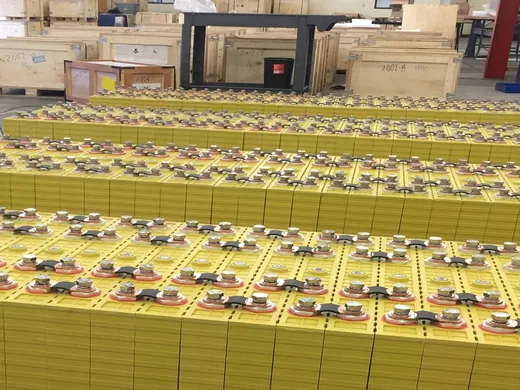
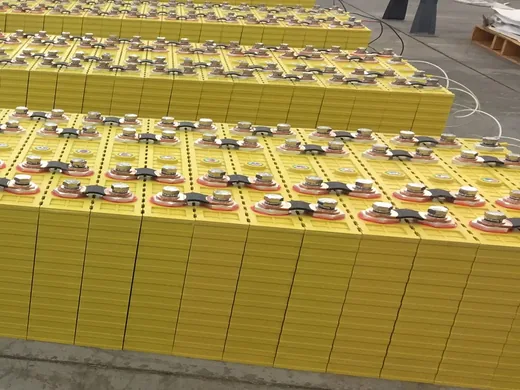
Cells carry laser QR codes tied to factory test records; sets ship batch-matched on capacity and internal resistance, with delivered capacity at or above the 150Ah plate on a 0.5C test and batch sheets available against the codes.

Reviews
There are no reviews yet.