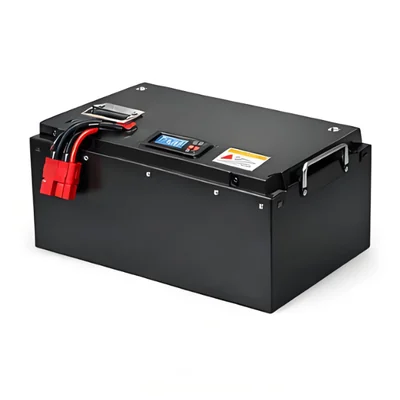
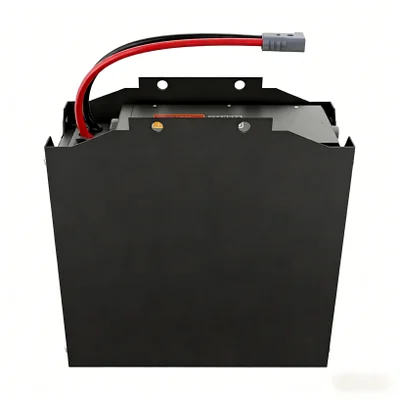


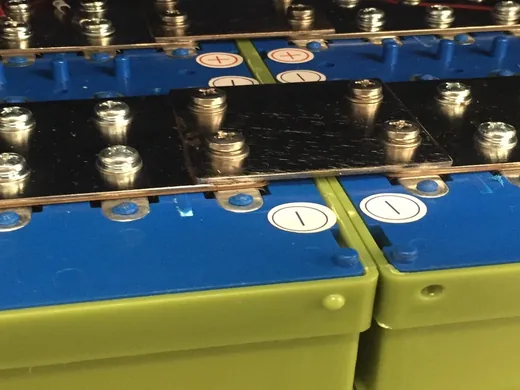
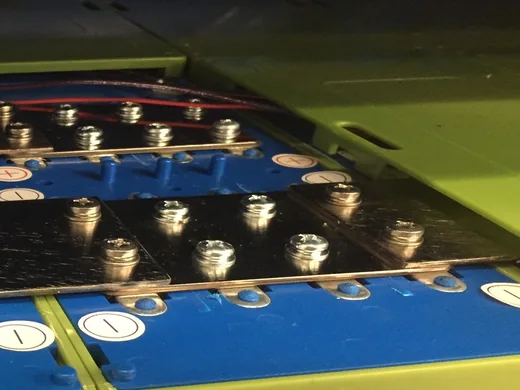
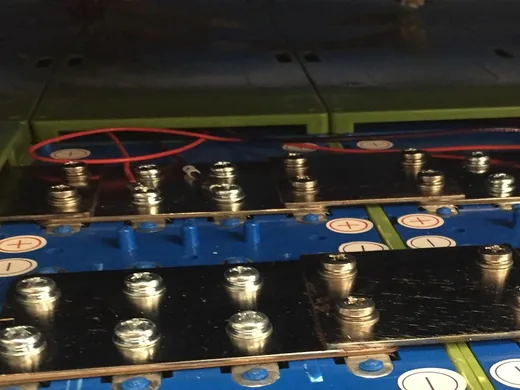
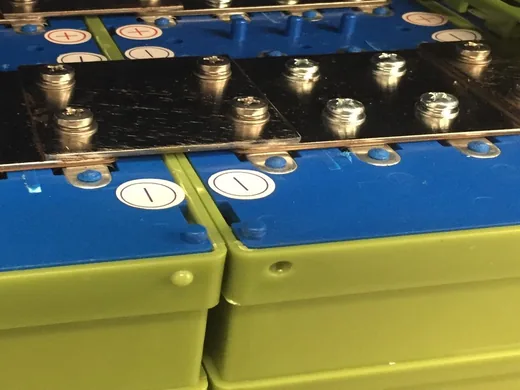
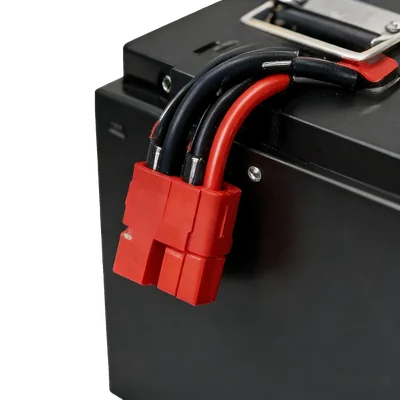

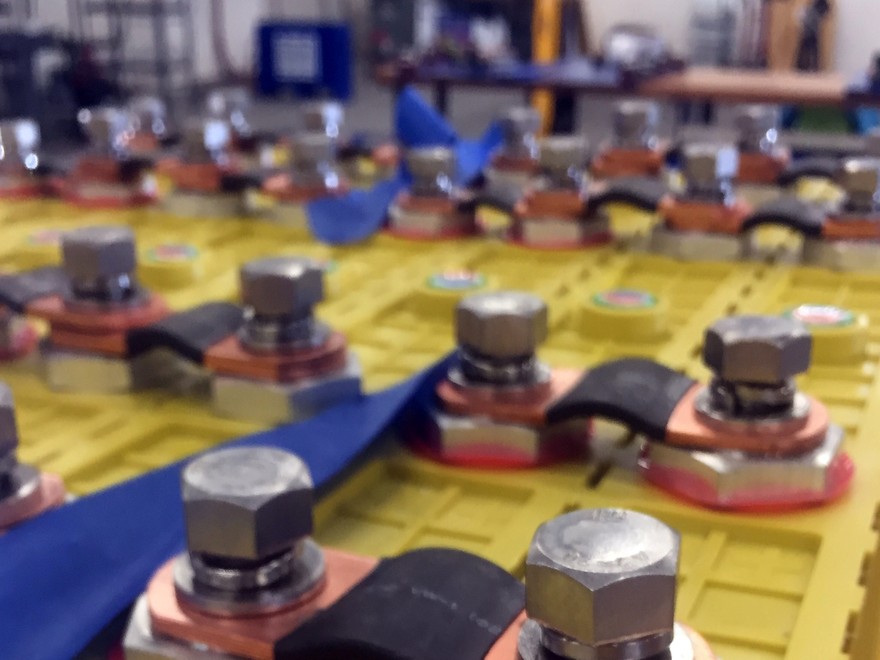
The 12V 6Ah LiFePO4 battery is a 12.8-volt lithium block of 76.8 watt-hours, built to the F2-terminal case size of the small sealed lead-acid batteries it replaces. It drops into the fish finders, solar insect lamps, gate controllers and ride-on toys that run a 12V 6Ah or 7Ah lead block today, and it holds that slot for several times the cycles.
The Reference Load
What 76.8 watt-hours runs
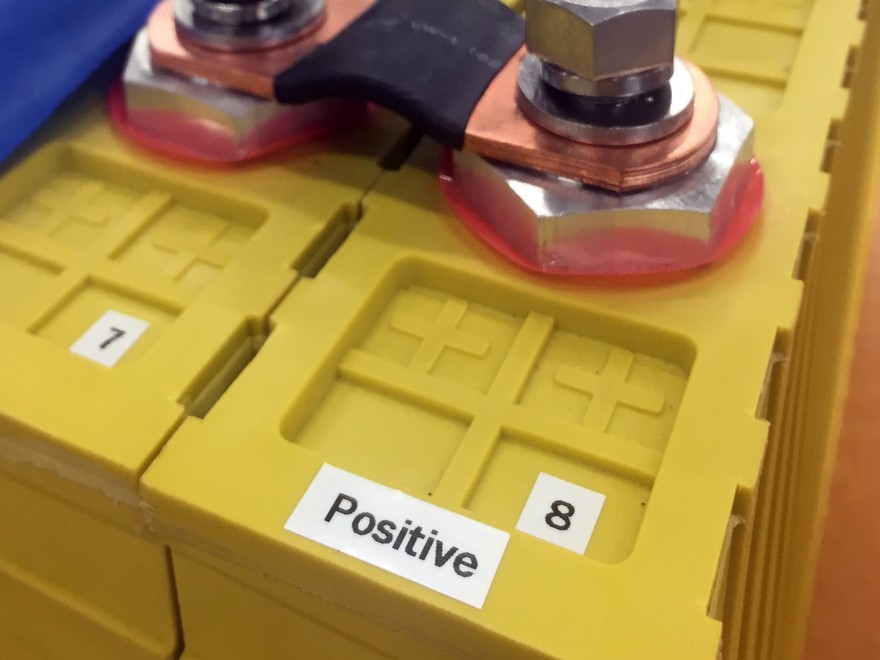
A Garmin Striker draws 0.23 amps at 12 volts on the maker’s spec sheet. This battery feeds it for roughly 26 screen-hours, several full days on the water between charges. At about 0.75 kilograms it is a third the weight of the 2-kilogram lead block it stands in for.
Load by load
How long a charge lasts
A quarter-amp fish finder runs a little over a full day of screen time. A solar insect lamp of 6 to 10 watts on a dusk timer works a full night; a brighter 15-watt head runs about five hours before its panel tops the battery up next day. A swing-gate controller idles at a few milliamps and only pulls current for the seconds a gate travels. One charge carries weeks of openings. A 20-watt handheld spotlight runs a little under four hours.
Why Lithium Here
The swap from lead
A 12V 7Ah lead block of the UB1270 or BP7-12 class gives roughly 300 cycles and loses capacity when it is stored discharged. This battery gives more than 2,500 cycles and holds its charge on a shelf at 2 to 3 percent a month. For a device cycled every day, or one left waiting months for its moment, a single lithium block outlasts a stack of lead ones and never needs the top-up charge a shelved lead battery does.
Higher Voltage
Series and parallel
Two of these blocks in series make 24 volts for a small electric tool or a higher-voltage lamp. Two in parallel double the runtime at 12 volts without changing the footprint the device was built around. Match the blocks by resting voltage before a parallel join so they share current evenly from the first cycle.
Field Devices
The feeder and the gate
A swing-gate opener idles its control board and photocells at about 10 milliamps and only pulls motor current for the few seconds a gate travels. One charge and a small 10 to 30-watt panel keep a rural gate working across the seasons. A game feeder’s timer runs off its own small cells, and the 12-volt line only turns the spinner motor. The motor draws about 3 amps for the five seconds a feeding lasts. At that rate 76.8 watt-hours cover well over a thousand feedings, a year of twice-a-day scattering when a panel tops the battery between them.
Data
Datasheet
| Model | DC12-6 |
|---|---|
| Nominal voltage | 12.8V |
| Capacity | 6Ah |
| Energy | 76.8Wh |
| Charge voltage | 14.6V |
| Discharge cutoff | 10V |
| Continuous discharge | 6A |
| Peak discharge | 12A (5s) |
| Cycle life | ≥2,500 cycles |
| Weight | ≈0.75 kg |
| Dimensions | 151 × 65 × 94 mm |
| Terminals | F2 spade |
| Operating temperature | Discharge -20~60°C / Charge 0~45°C |
| Certification | UN38.3 / CE / FCC / RoHS |
Fit
Fitment and charging
Charge the battery from any lithium or LiFePO4 charger set to 14.6 volts, and confirm a device’s built-in charger is not a lead profile that parks at a high float voltage. A high float shortens lithium life over months. A solar controller set to an LFP profile with the equalization stage switched off runs the daily cycle cleanly, and storage sits at 30 to 50 percent charge. The internal BMS guards against overcharge, over-discharge, overcurrent and short circuit, and opens the charge path below freezing to prevent lithium plating. Discharge still runs down to minus twenty, and a fish finder or a gate opener works on a cold morning. A full charge takes about an hour at the rated current.
Reviews
There are no reviews yet.