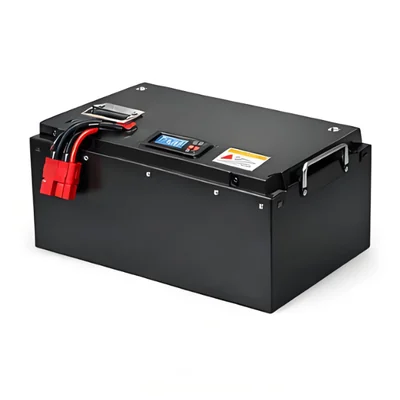
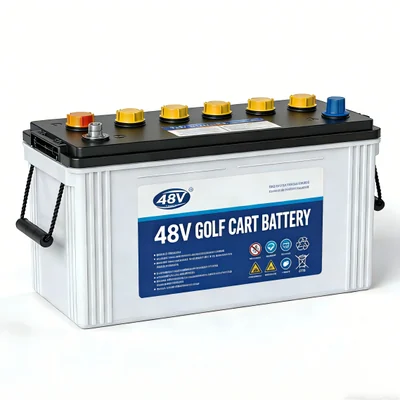
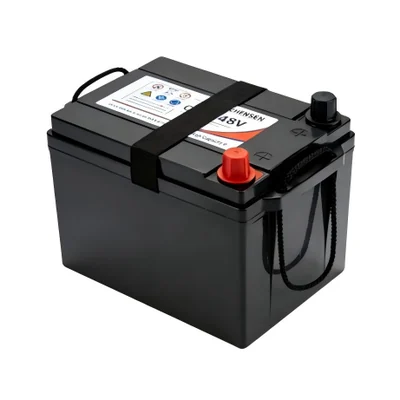
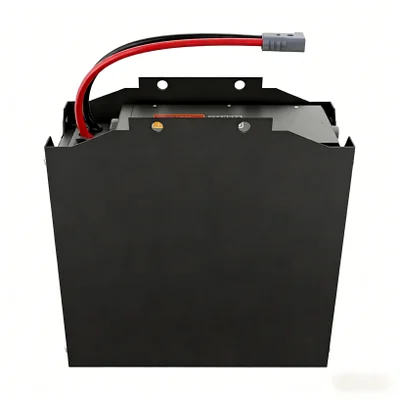
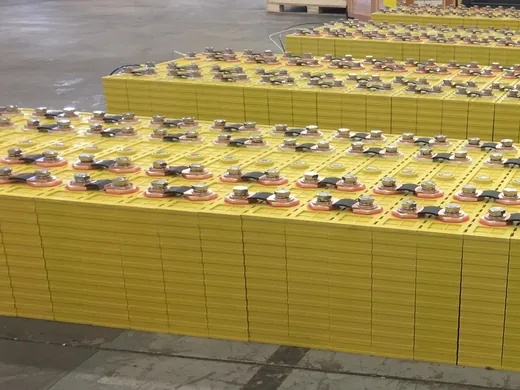
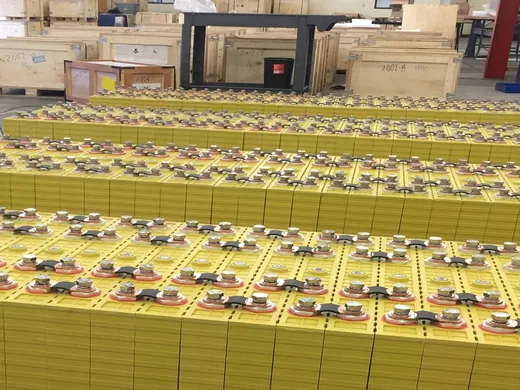
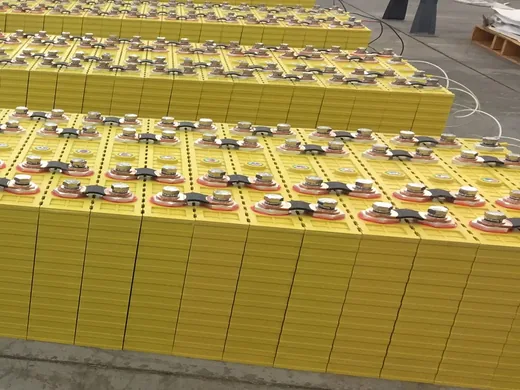
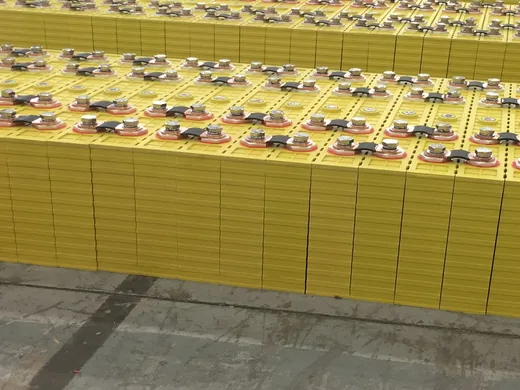
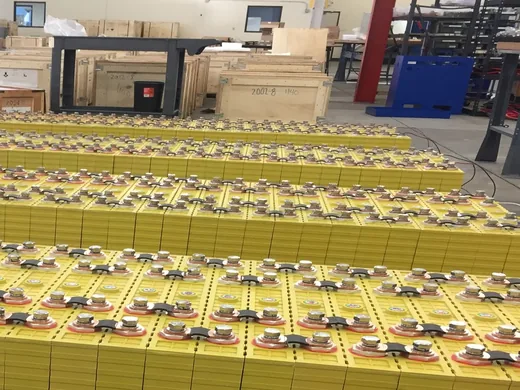
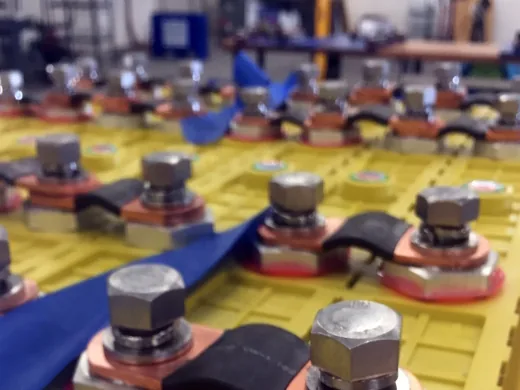
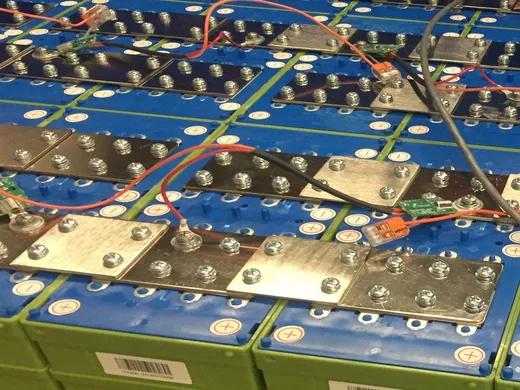
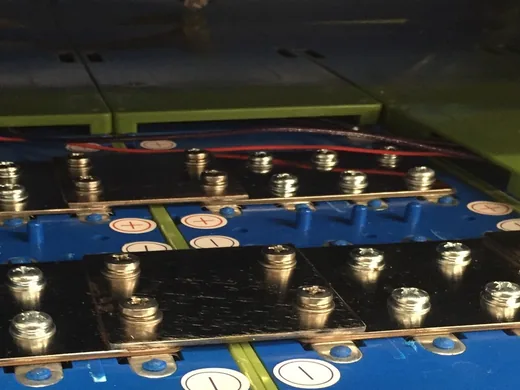
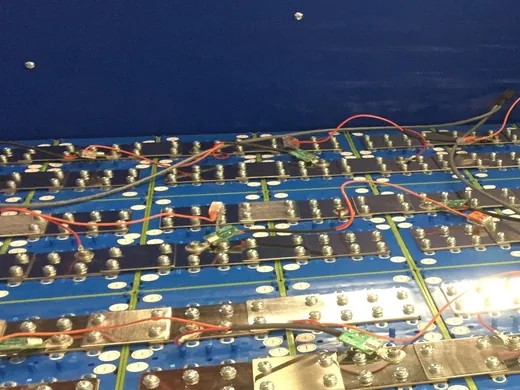
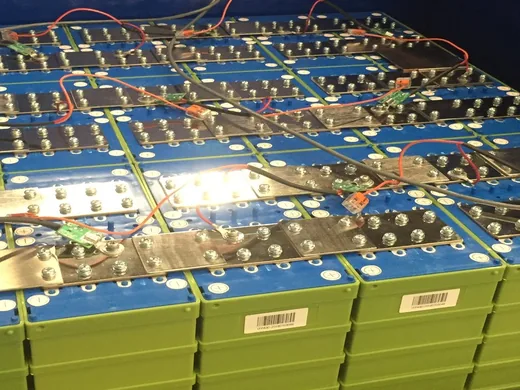
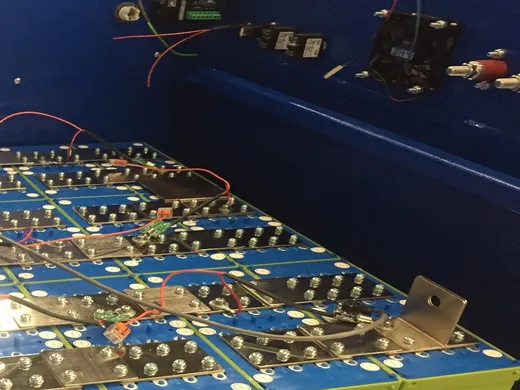
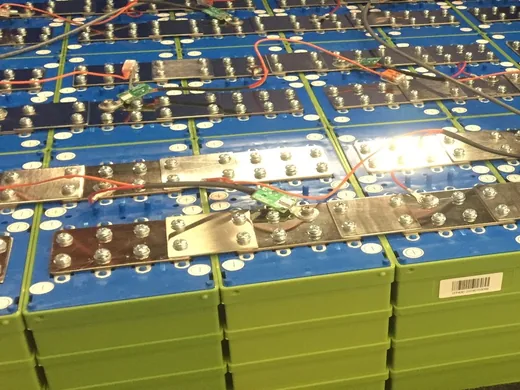
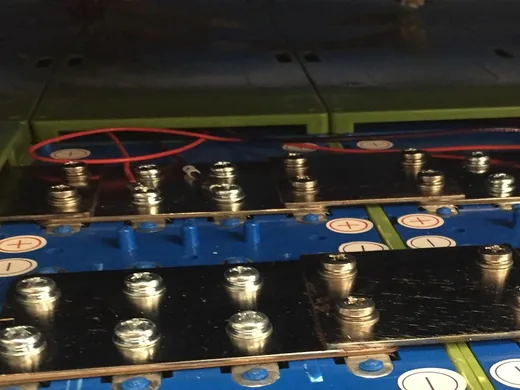
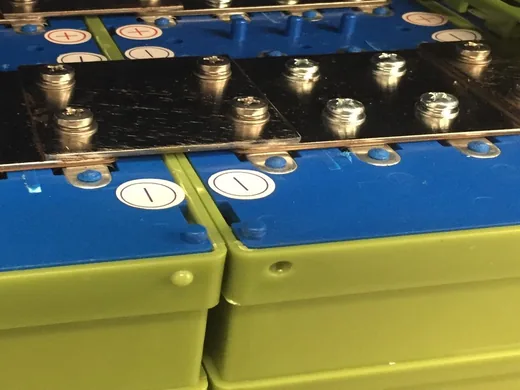
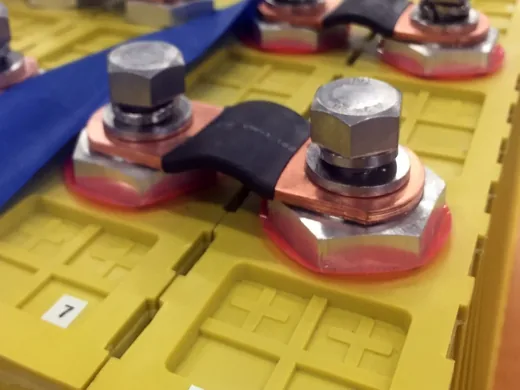
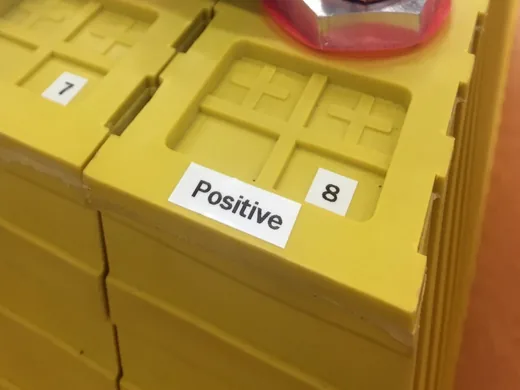
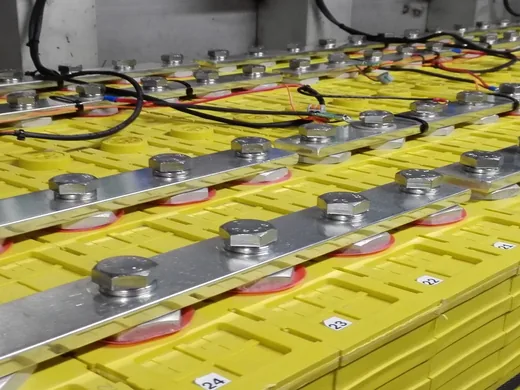
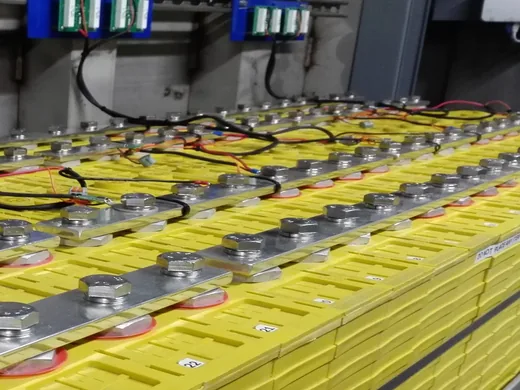
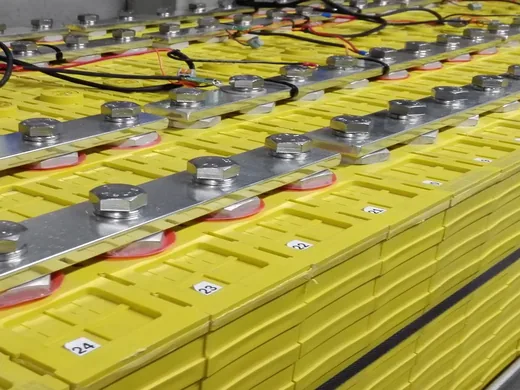
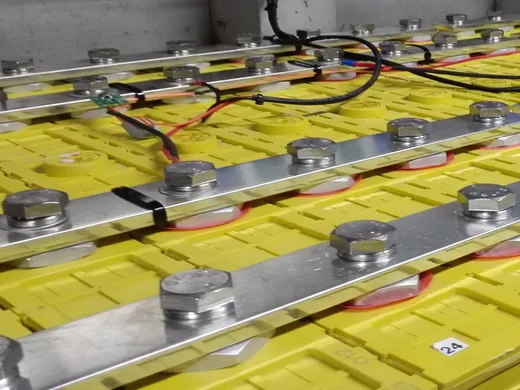
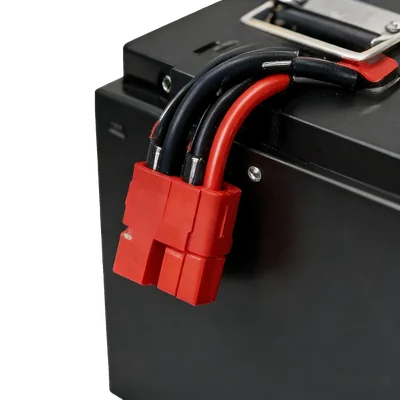

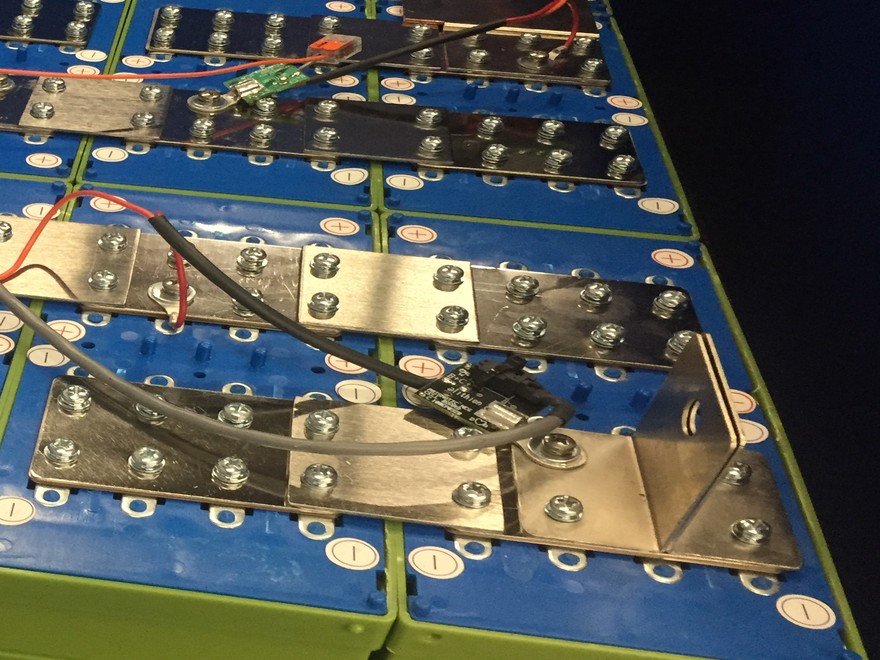
On China’s inland rivers a new kind of cargo ship has started to run without a drop of diesel, and the way it refuels tells you what the battery has to be. The vessel pulls in, a crane lifts a spent containerised battery pack off the deck and drops a charged one in its place, and the ship is under way again before the paperwork is done. The CE-230 belongs to that world. 3.2 volts, 230 amp-hours, 736 watt-hours, a marine capacity point that the ship-battery makers have settled on.
The Marine Class
The capacity ships actually specify
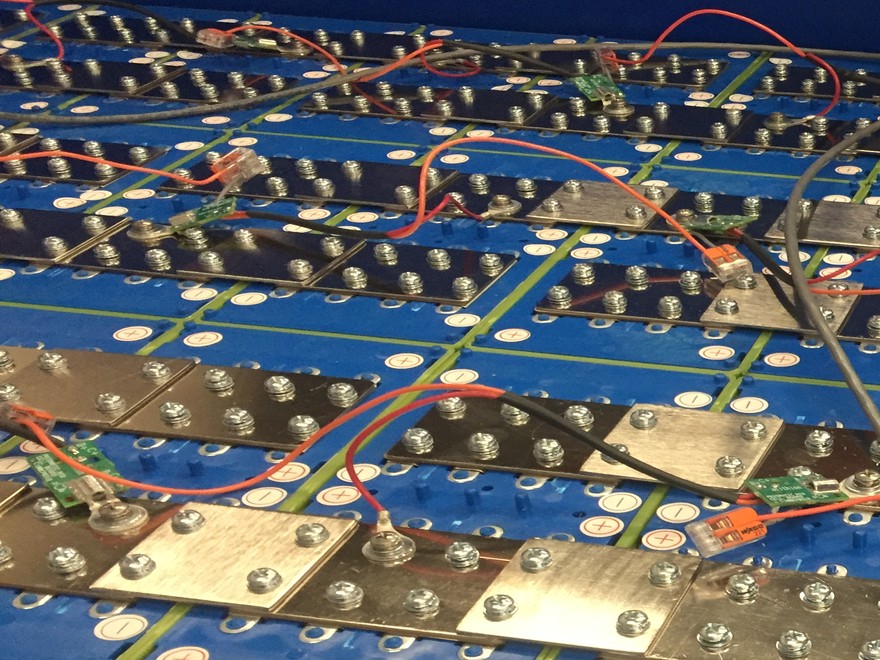
The makers building certified ship systems have narrowed the field to a handful of cell sizes, and this is one of them. CALB’s marine range, the first ship-battery line in China to earn DNV certification, is built on 163, 220, 230 and 280-amp-hour cells, the 230 sitting squarely in that band. The reason is unglamorous and total: a river ferry or cargo boat cycles hard every working day, needs the energy density to carry useful range in a hull with no room to waste, and has to pass a classification society that reads every safety test. LFP is the only chemistry that answers all three at once.
, a fully electric container ship on the Yangtze, carries more than 50,000 kilowatt-hours in swappable boxes, which is the same cell logic as a camper bank run out to a number a camper can barely imagine.
Why Swappable
Charging a ship without stopping the cargo
A ship cannot sit at a berth for hours waiting on electrons the way a car sits in a driveway, and the containerised swap is the answer the industry reached for. Spent battery boxes charge ashore at docks spaced along the waterway while charged boxes go aboard, so the vessel swaps in the time it already spends loading and unloading. For the cell inside, that means deep daily cycles at a steady rate, which suits a ≥4,000-cycle LFP cell, and a service life measured in years.
Beyond the River
Where else 736 watt-hours fits
A 16S string is 51.2 volts and 11.8 kilowatt-hours, a generous solar wall or a small commercial cabinet. An 8S build at 25.6 volts and 5.9 kilowatt-hours suits a larger workboat’s house and propulsion split, or a 24-volt off-grid system that wants headroom. And a 4S bank, 12.8 volts and 2.9 kilowatt-hours, is a full-time liveaboard’s house bank in a single box.
Data
Datasheet
| Model | CE-230 |
|---|---|
| Nominal voltage | 3.2V |
| Rated capacity | 230Ah (0.5C, 25°C) |
| Energy | 736Wh |
| Charge voltage | 3.65V |
| Discharge cutoff | 2.5V |
| Continuous discharge | 230A (1C) |
| Peak discharge | 460A (2C pulse) |
| Cycle life | ≥4,000 cycles @ 80% DOD |
| Weight | ≈4.1 kg |
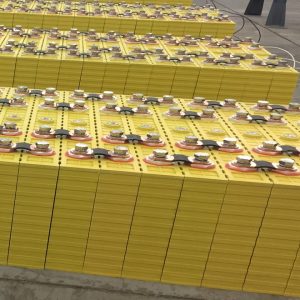
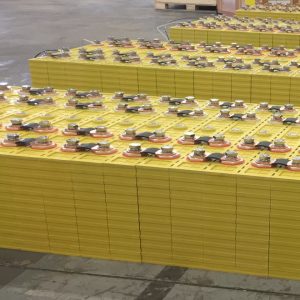
| Format | Aluminum prismatic (batch datasheet) |
| Terminals | M8 stud |
| Operating temperature | Discharge -20~60°C / Charge 0~45°C |
| Certification | UN38.3 / CE / RoHS |
String configurations
| 4S | 12.8V · 2.9kWh: liveaboard house bank |
|---|---|
| 8S | 25.6V · 5.9kWh: 24V systems, workboat house-and-drive |
| 16S | 51.2V · 11.8kWh: solar walls, small commercial cabinets |
| Container | modular swap boxes: inland-ship propulsion |
The market this capacity is riding
The pull behind a marine cell like this is not a niche. The global electric-ship market is forecast toward 10.8 billion US dollars by 2027, and the vessels driving it are concentrated exactly where the CE-230 fits: inland rivers, inner lakes and offshore ports, running passenger ferries, cargo boats, harbour tugs and engineering ships. Those are short, repeatable routes with shore power at both ends, the duty cycle a high-cycle LFP cell was made for, and the reason classification societies moved to certify battery propulsion at all. A cell that already meets UN38.3 and carries a full batch test file is a cell a naval architect can take into a class survey without starting the safety case from scratch.
Build
Notes for a marine build
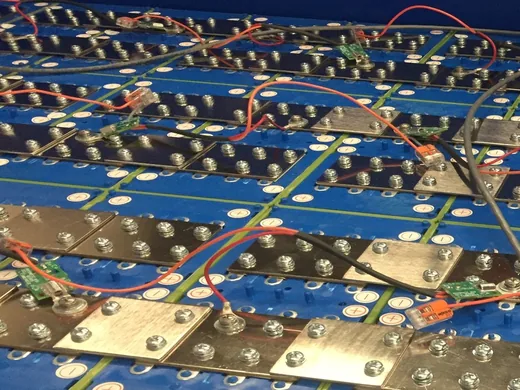
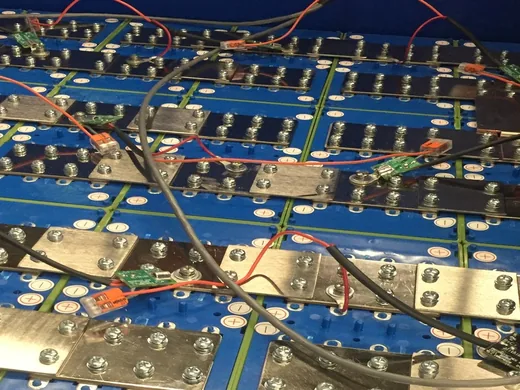
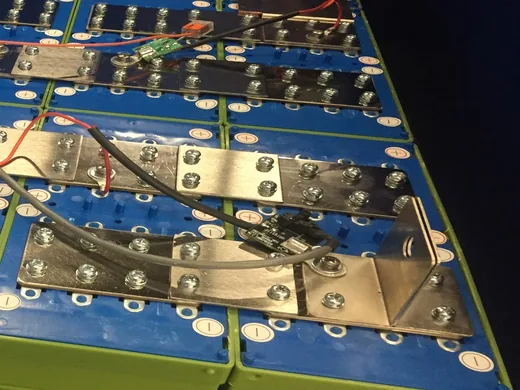
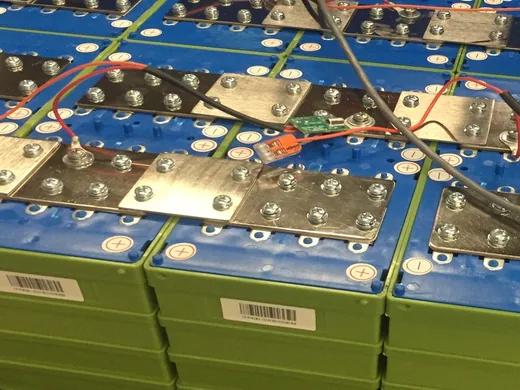
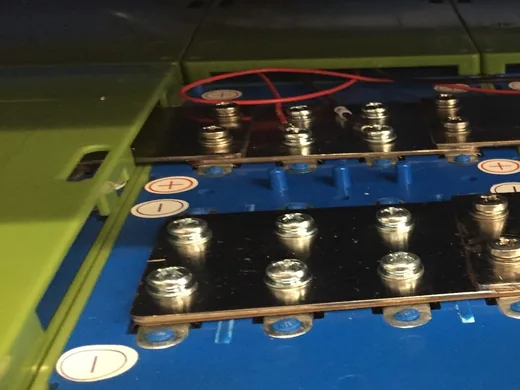
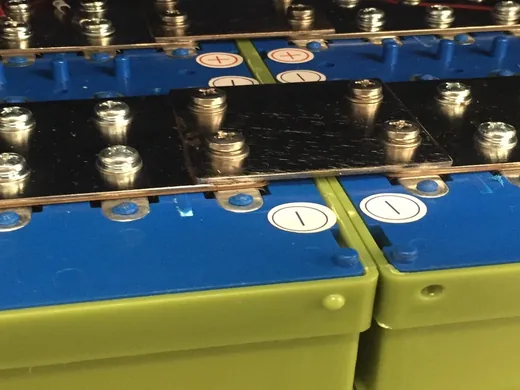
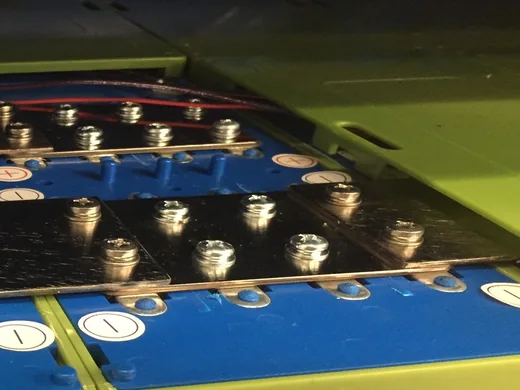
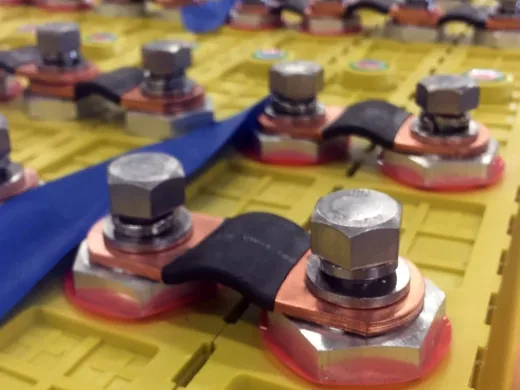
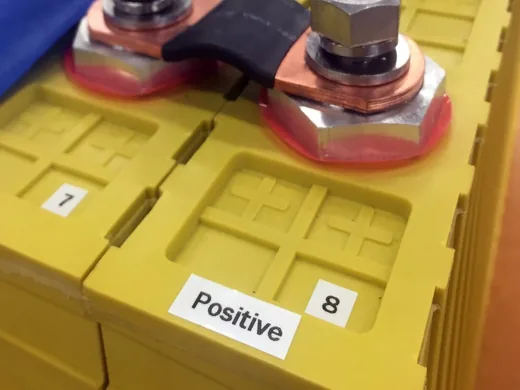
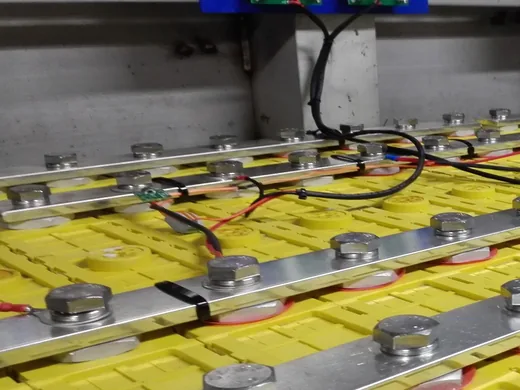
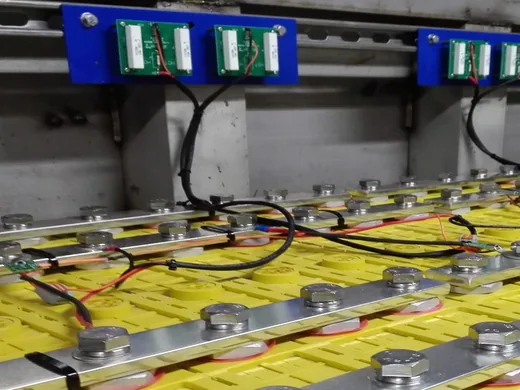
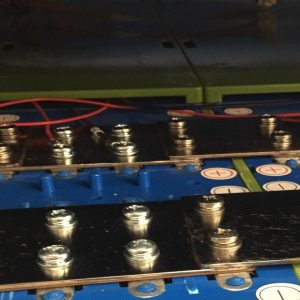
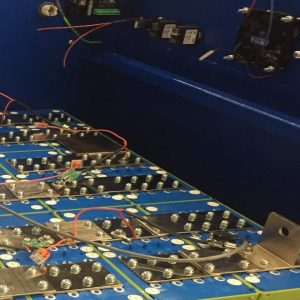
Salt air and motion set the terms afloat. Seal the enclosure, insulate the terminals, and clamp the string so a beam sea cannot work a cell loose. Pull the M8 studs to 10 to 12 newton-metres and choose a BMS that logs to the vessel’s monitoring and refuses charge below freezing, since a battery box on deck in winter sees exactly that. Marine classification is its own project, and a certified vessel build carries the cell test file into the survey. Land builds follow the family drill: parallel top-balance at 3.65 volts, per-cell protection, LFP charge profile, a commissioning discharge at 0.5C against a stopwatch. QR codes tie each cell to its batch record, strings ship matched on capacity and internal resistance, and stock rests at 30 to 50 percent charge.
The land side of the same cell keeps the ledger simple for a marina or a boatyard. A 4S bank at 12.8 volts and 2.9 kilowatt-hours is a liveaboard’s house bank; sixteen of the same cell make a 51.2-volt shore-side wall that charges the fleet’s swap packs from solar between hires. One cell, one spare pool, one charge profile, whether it is turning a propeller or holding a dock office off-grid.
Reviews
There are no reviews yet.