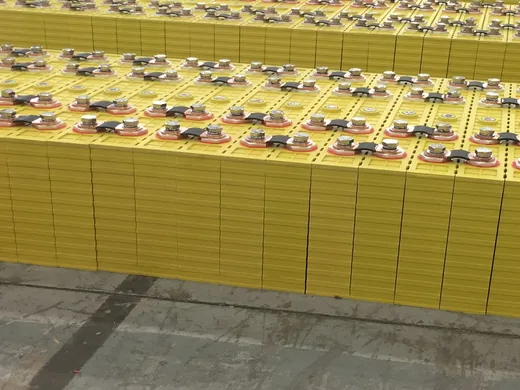
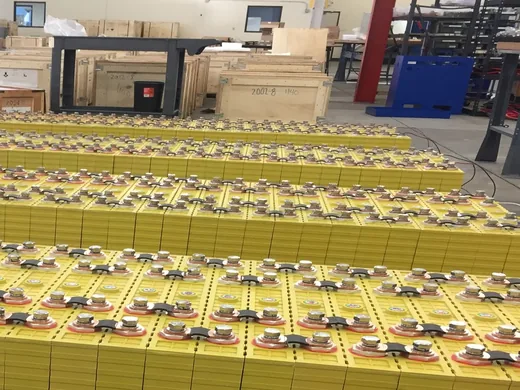
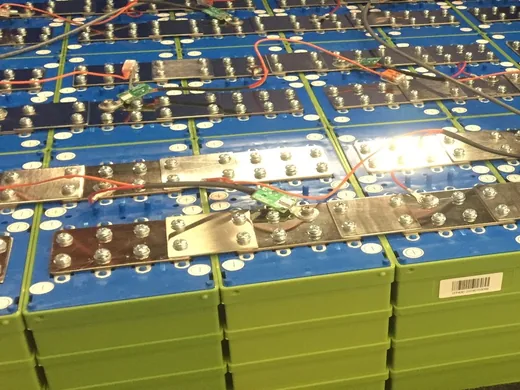
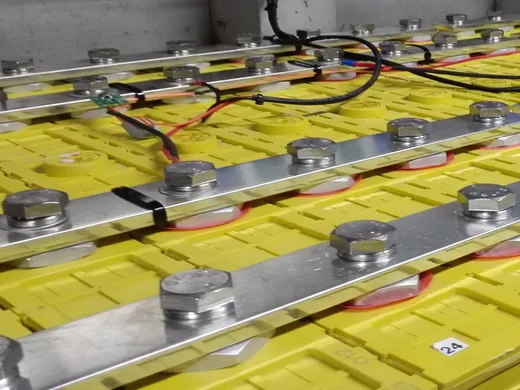
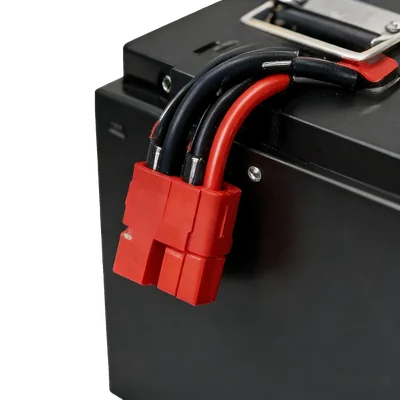

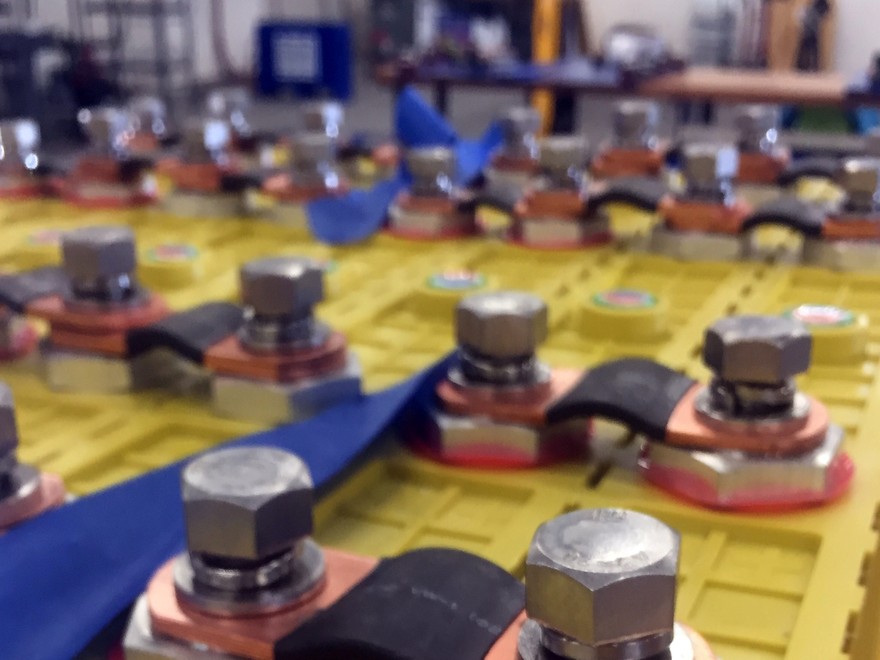
The CE-4013 is a 3.2V 40135 LiFePO4 cell, 20 amp-hours, 64 watt-hours, with threaded terminals for bolted assembly. It is the largest of the cylindrical formats, sitting between the smaller round cells and the prismatic range, and it is built for high-rate vehicle and power duty.
The Format
Where the large cylinder fits
A 40135 cell is big enough to carry real energy and shaped to take high current through bolted terminals, which puts it between a small round cell and a prismatic one in both size and job. At 20 amp-hours and a high-rate discharge, a series-parallel pack of these cells drives an electric motorcycle or a small utility vehicle, where the motor demands strong current on acceleration and the pack has to deliver it without sag. Sixteen in series make a 51.2-volt pack, the light-EV platform.
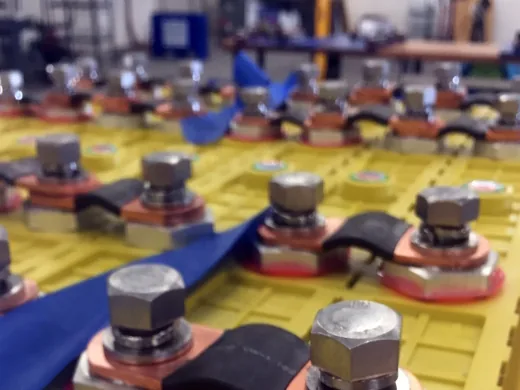
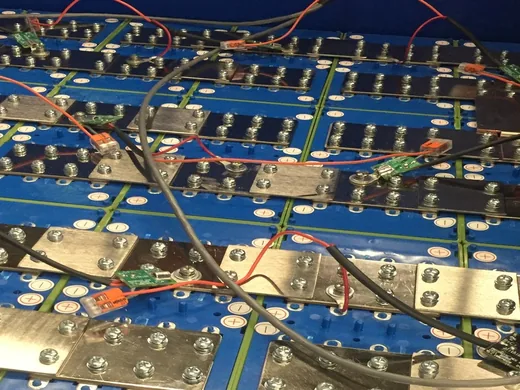
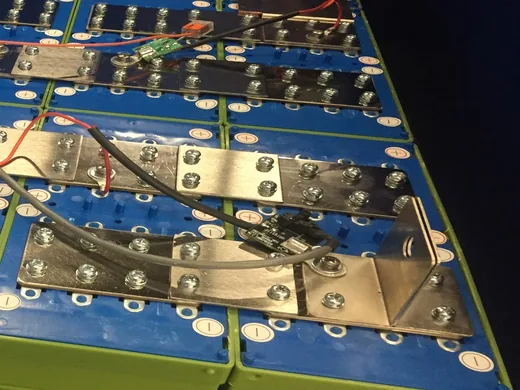
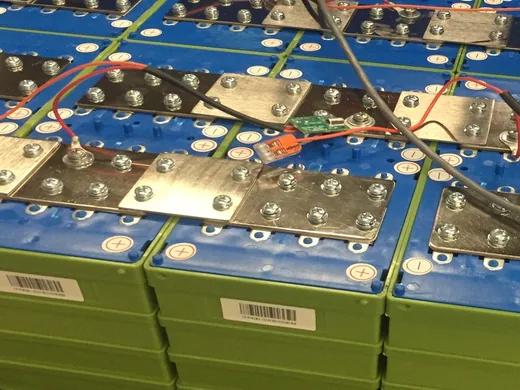
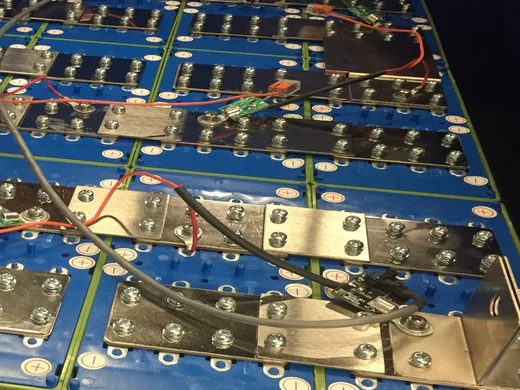
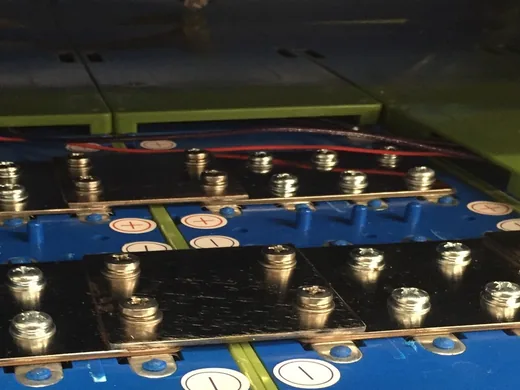
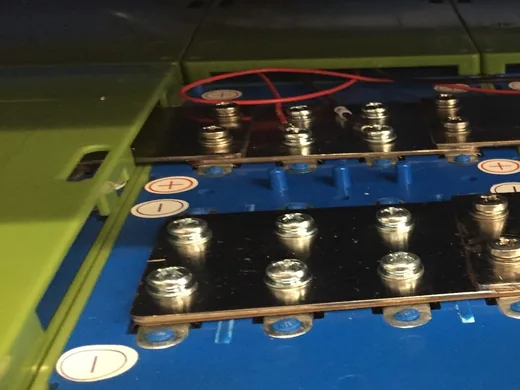
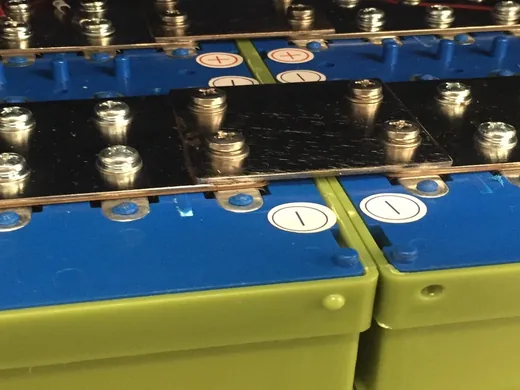
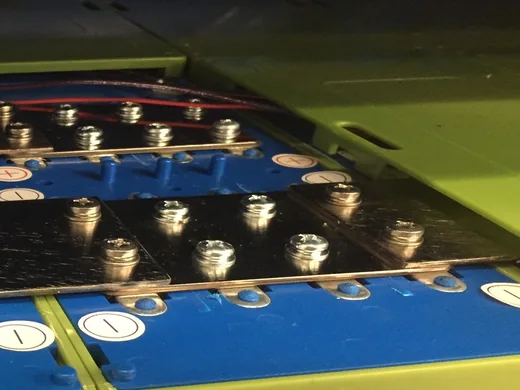
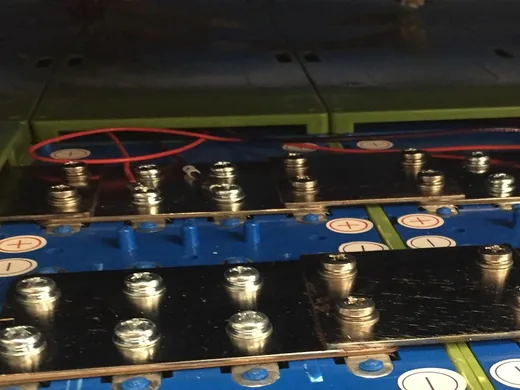
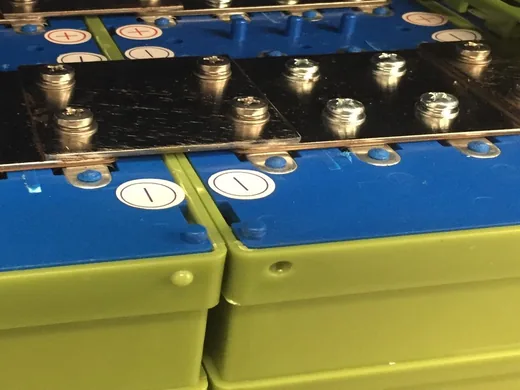
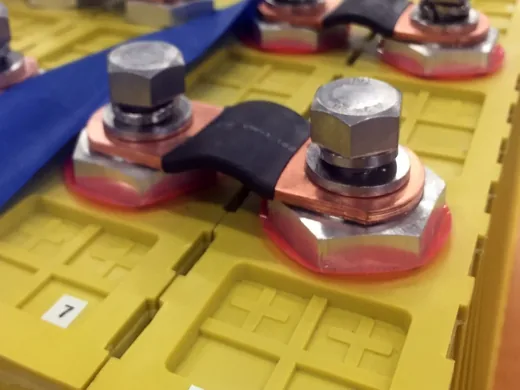
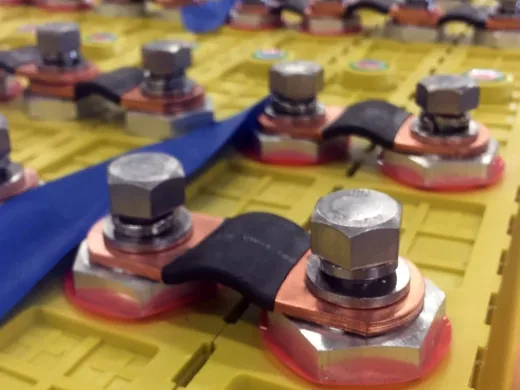
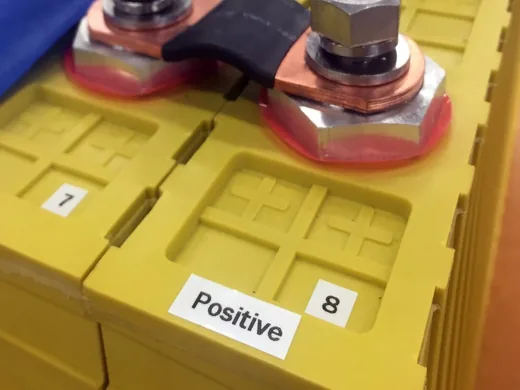
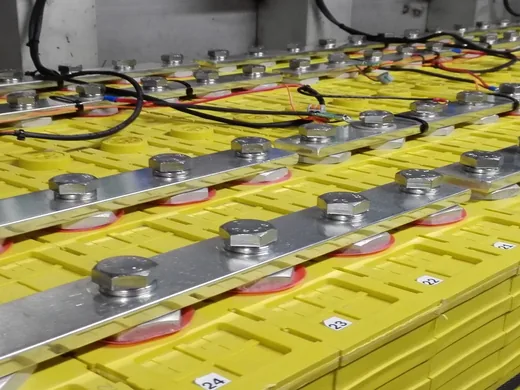
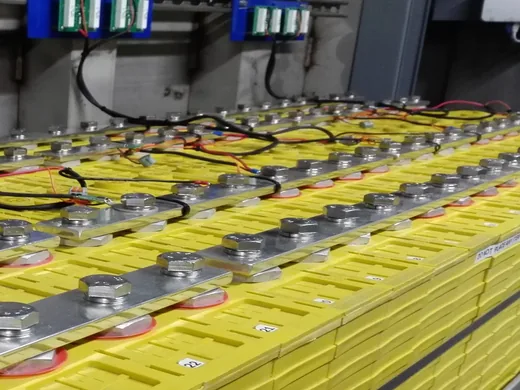
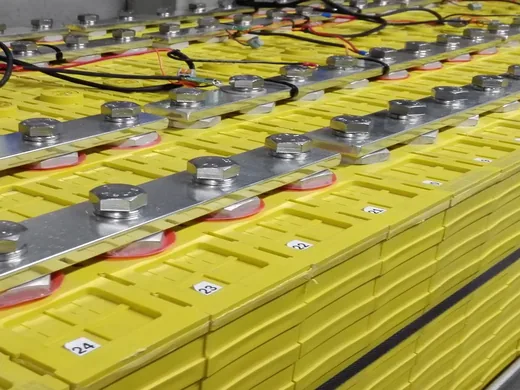
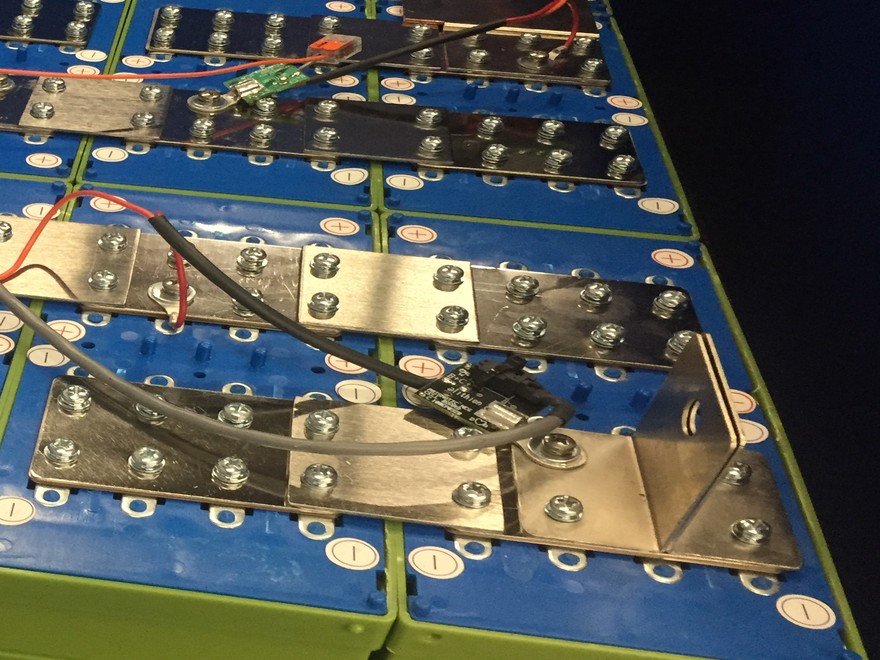
The bolted terminals are the practical difference from the smaller cylindrical cells. They handle the heavy current a drive pack pulls and make the pack serviceable, so a single cell can be replaced rather than the whole welded block.
Bolted terminals and serviceability
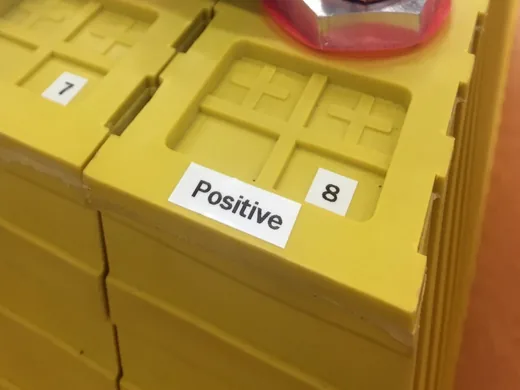
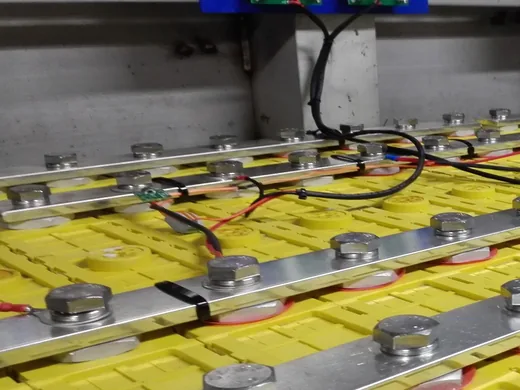
The threaded terminals are what set this format apart from the smaller cylindrical cells, and the difference is practical. A welded 18650 or 26650 pack is a sealed unit: if one cell fails the block is scrap. A 40135 pack bolts together through its end caps, so a single cell can be tested and replaced, and the heavy busbars a bolted joint allows carry the current a drive pack pulls without heating. That makes the format the natural choice where a pack must be both high-power and maintainable, such as a fleet of light electric vehicles or a portable power unit that gets worked hard and serviced in the field. The build sits between a small cylindrical pack and a prismatic one, and so does the cell.
Small Storage
The high-power storage side
The same cell suits small storage jobs that need power more than capacity, such as a portable power station or a pack that has to supply a heavy momentary load. The high-rate discharge and the LFP safety margin fit a battery that gets moved and worked hard. Series-parallel builds scale the pack to the voltage and runtime a given tool or vehicle needs.
Data
Datasheet
| Model | CE-4013 (40135) |
|---|---|
| Nominal voltage | 3.2V |
| Rated capacity | 20Ah |
| Energy | 64Wh |
| Charge voltage | 3.65V |
| Discharge cutoff | 2.0V |
| Continuous discharge | 60A (3C) |
| Peak discharge | 100A (5C) |
| Cycle life | ≥2,000 cycles |
| Weight | ≈490 g |
| Size | 40 × 135 mm |
| Terminals | Threaded stud |
| Operating temperature | Discharge -20~60°C / Charge 0~45°C |
| Certification | UN38.3 / CE / RoHS |
Pack configurations
| 16S | 51.2V · 1.02kWh: light e-motorcycle drive pack |
|---|---|
| Series-parallel | scooters, small utility vehicles |
| High-rate | 3C continuous for power duty |
Build
Assembling a 40135 pack
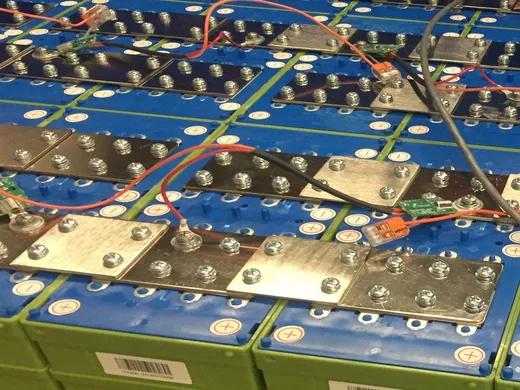
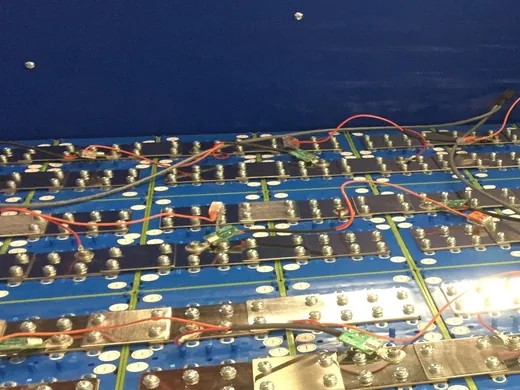
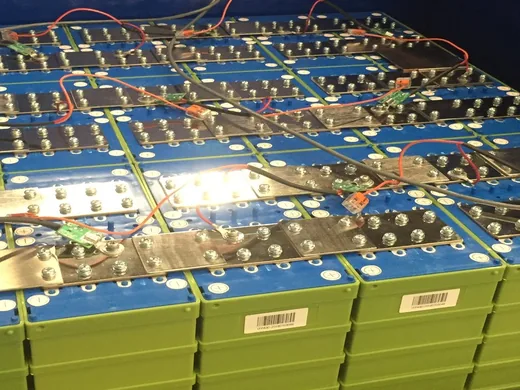
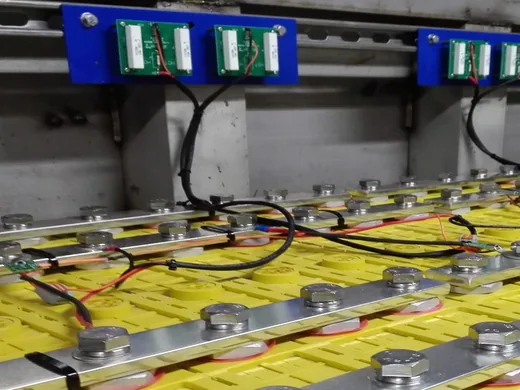
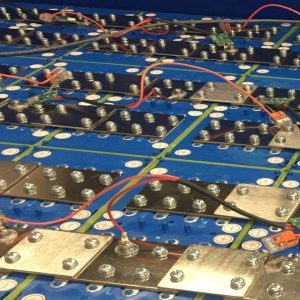
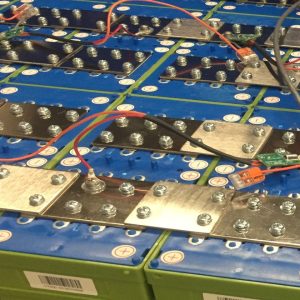
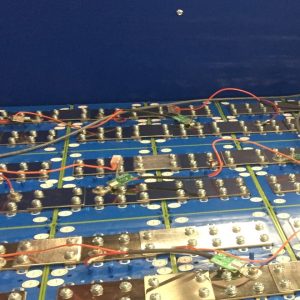
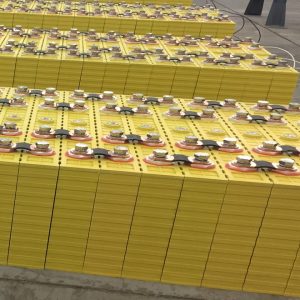
These cells bolt together through threaded end caps with busbars, like a small prismatic pack. Torque the terminals to the datasheet figure and check the joints with a millivolt reading after the first hard run. Size the BMS to the pack’s real discharge current with surge headroom, and include a low-temperature charge cutoff on a vehicle that sits outside in winter. Charge to 3.65 volts per cell, store at 30 to 50 percent, and every cell traces to its factory test record.
Temperature, charging and storage are the same discipline as the smaller cylindrical cells, scaled to the current. Charge to 3.65 volts per cell on an LFP profile, keep the low-temperature cutoff active on a vehicle left outside, and hold spare packs at 30 to 50 percent charge. Discharge runs from minus twenty to sixty degrees, and the bolted joints let a builder run the heavy cable a high-power pack needs. Delivered capacity meets the 20-amp-hour rating on the graded test, and every cell carries a code to its factory test record for the life of the pack.
Reviews
There are no reviews yet.