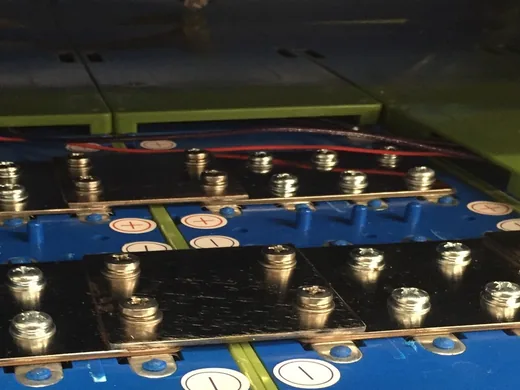
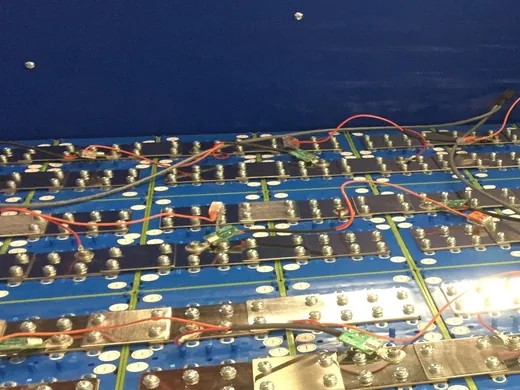
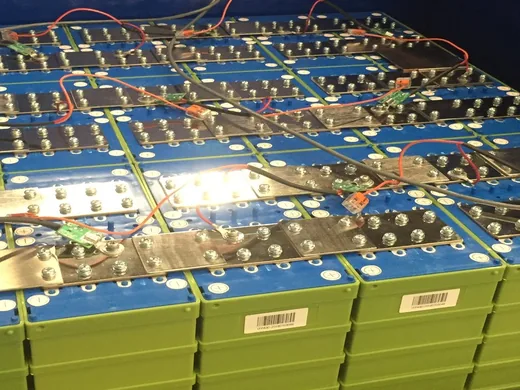
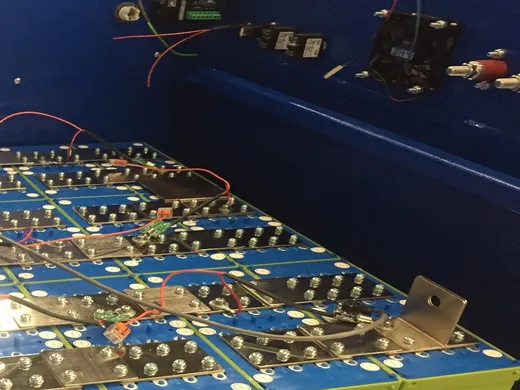
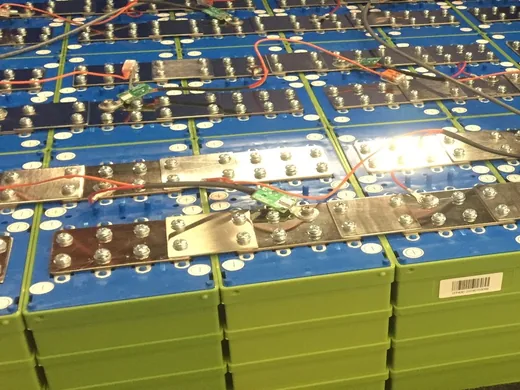
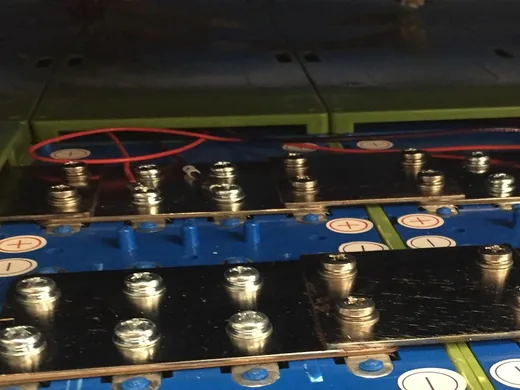
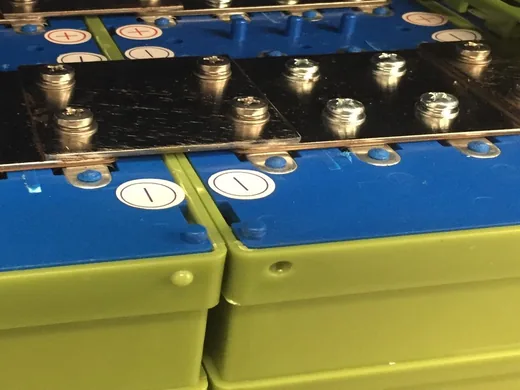
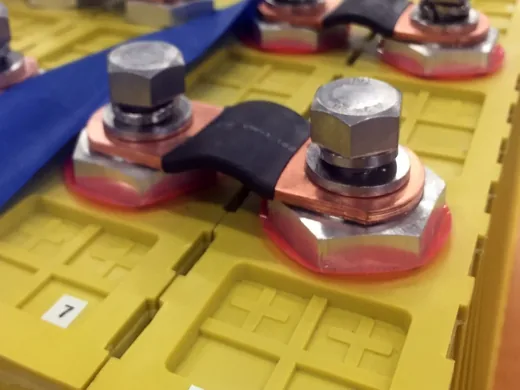

The CE-3270 is a 3.2V 32700 LiFePO4 cell, 6 amp-hours, 19.2 watt-hours, rated past 3,000 cycles. It is the largest of the common cylindrical cells and the one that fills most solar lights and small tool packs. Four in series make a 12.8V pack, the standard for a solar lamp.
Solar Lighting
The cell in a solar lamp
A solar garden or street light charges from a small panel by day and runs an LED through the night, one full cycle every day for years. That daily deep cycle is the duty the 32700 was made for. At 3,000-plus cycles it lasts roughly eight to ten years of nightly use, well past the lifespan of the lead or NiMH cells it replaces, and its flat 3.2-volt discharge keeps the LED brightness steady from dusk to dawn rather than dimming as the cell drains.
A 4S pack of these cells holds 12.8 volts and about 77 watt-hours, which runs a several-watt LED head through a long winter night with reserve for a cloudy day behind it. Larger poles parallel more cells for more autonomy.
Sizing a solar-light pack
A solar light is sized from its nightly load and the worst weather it must ride out. A several-watt LED head running twelve hours draws a modest amp-hour count at 12 volts, which a 4S pack of these cells covers with reserve, and adding parallel groups buys the extra nights an installer specifies for cloudy stretches. The daily full cycle is what makes cycle life the deciding number: at 3,000-plus cycles the pack outlasts the luminaire’s own rated life, so the light is not returning for a battery swap halfway through its service. The flat discharge holds LED brightness steady until the pack is nearly empty rather than dimming through the night, which is the visible difference from the lead and NiMH cells these packs replaced.
Power Tools
The high-rate side
The same cell serves cordless tools and portable power banks that want steady current under load. The 32700 delivers 2C continuous, so a 6-amp-hour cell supplies 12 amps without sagging, and the LFP safety margin suits a pack that gets knocked around a worksite. E-bikes, scooters and small RVs use the same cell in larger series-parallel packs.
Data
Datasheet
| Model | CE-3270 (32700) |
|---|---|
| Nominal voltage | 3.2V |
| Rated capacity | 6Ah |
| Energy | 19.2Wh |
| Charge voltage | 3.65V |
| Discharge cutoff | 2.0V |
| Continuous discharge | 12A (2C) |
| Peak discharge | 18A (3C) |
| Cycle life | ≥3,000 cycles |
| Weight | ≈140 g |
| Size | 32 × 70 mm |
| Operating temperature | Discharge -20~60°C / Charge 0~45°C |
| Certification | UN38.3 / CE / RoHS |
Pack notes
| 4S | 12.8V · 77Wh: solar lamp pack |
|---|---|
| 4S3P | 12.8V · 230Wh: high-autonomy lighting |
| Tool packs | 2C continuous for cordless tools |
Build
Assembling a 32700 pack
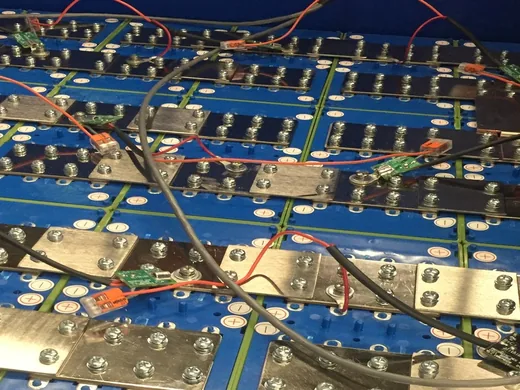
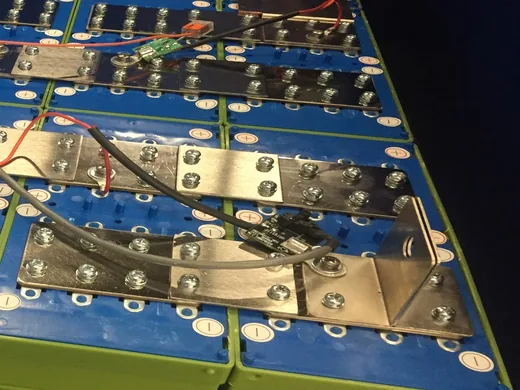
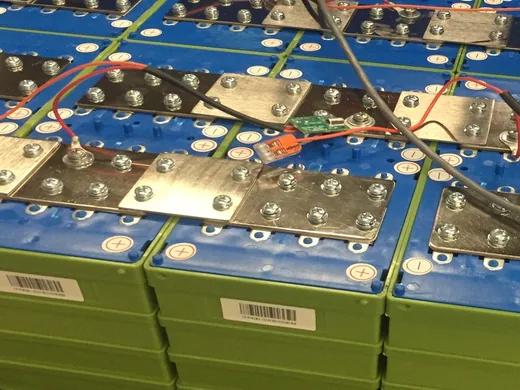
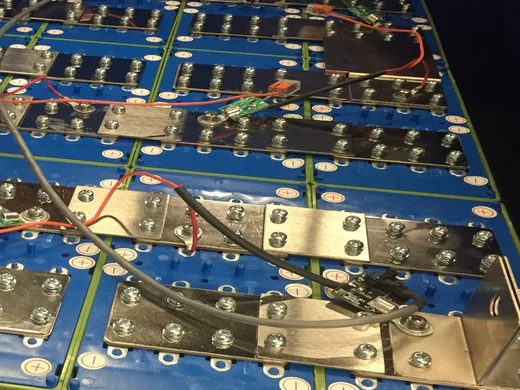
These cells weld or clip into a holder with a BMS. Four in series make the 12.8-volt lamp pack, which a regular LFP charger fills to 14.6 volts. Match cells on capacity, which factory-batch cells already are, charge to 3.65 volts per cell, and store standby stock at 30 to 50 percent. Every cell carries a code to its factory test record.
Charging and storage follow the small-cell rules. A 4S pack charges to 14.6 volts on a standard LFP charger, and a solar controller set to an LFP profile runs the daily cycle without an equalization stage, which lead controllers must have deleted. These cells discharge from minus twenty to sixty degrees, so a lamp keeps lighting through a cold night, and charge only above freezing, which a controller manages on a pole that frosts over. Standby stock rests at 30 to 50 percent charge, and delivered capacity meets the 6-amp-hour rating on a 2C test. Every cell carries a code to its factory test record.
Reviews
There are no reviews yet.