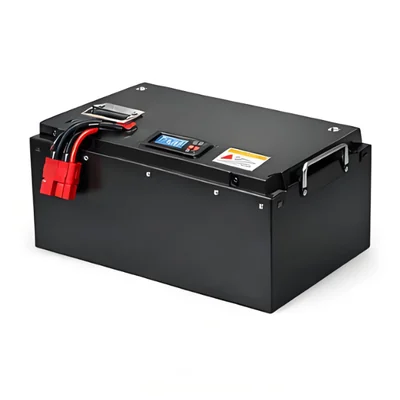
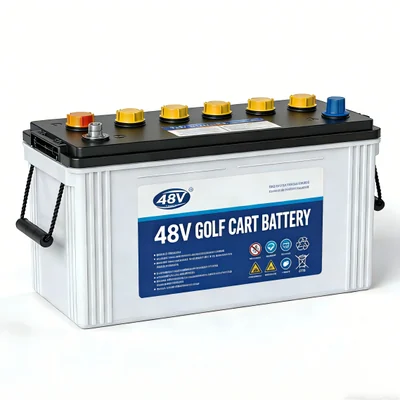
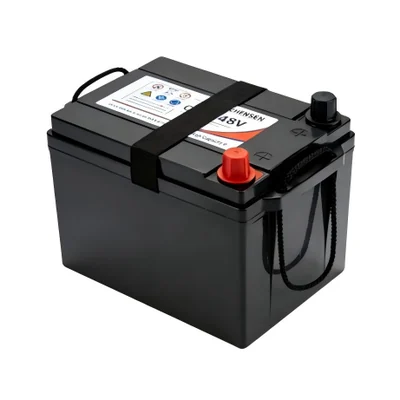
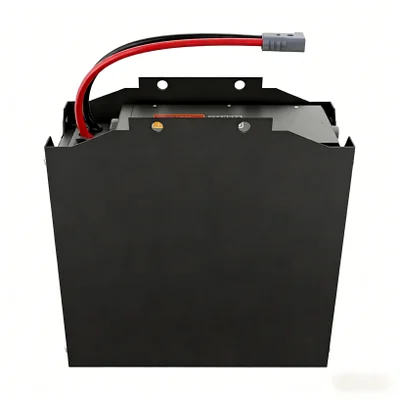
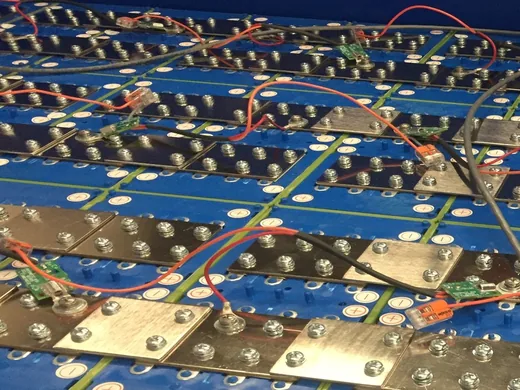
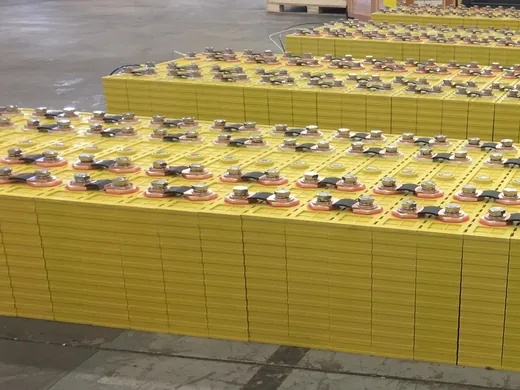
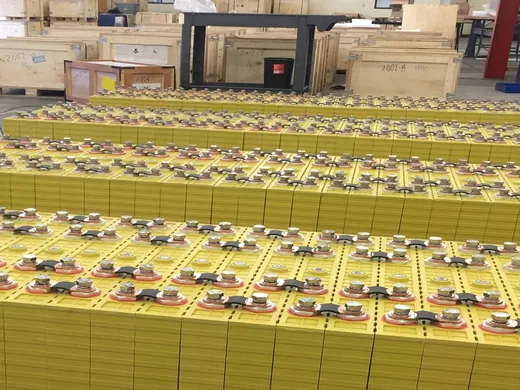
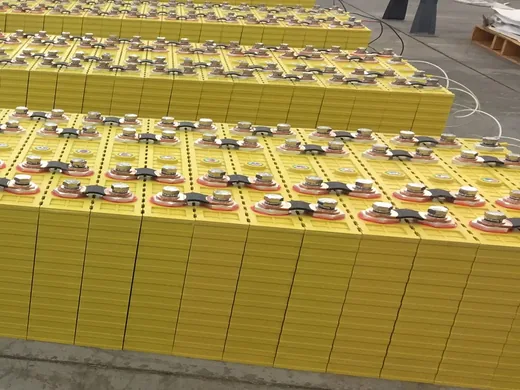
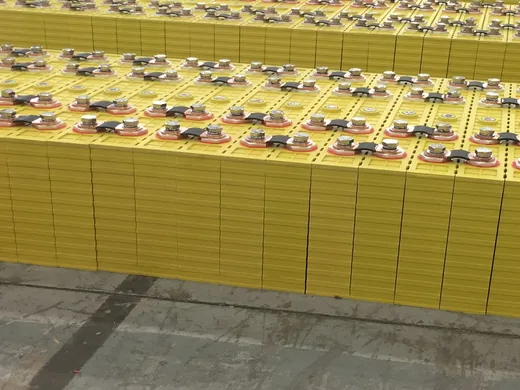
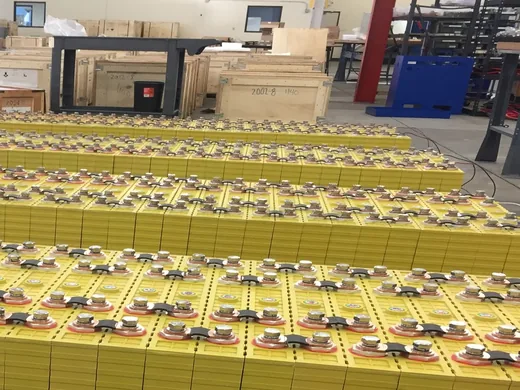
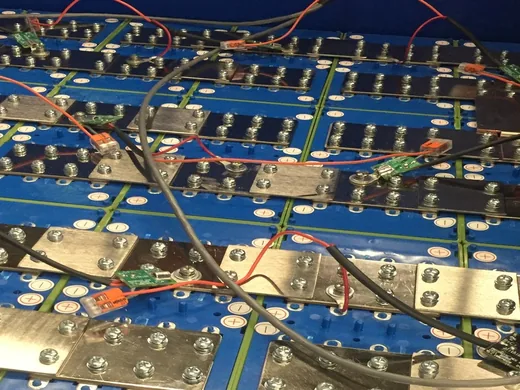
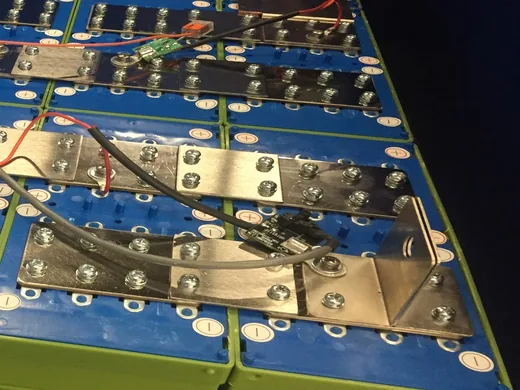
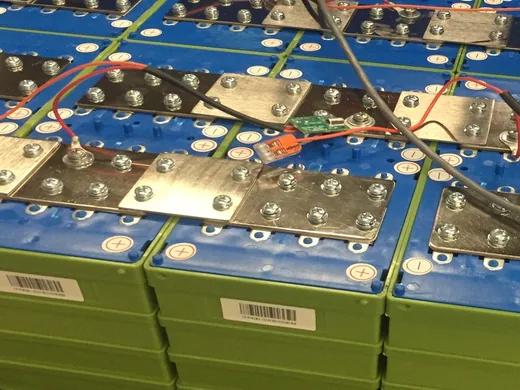
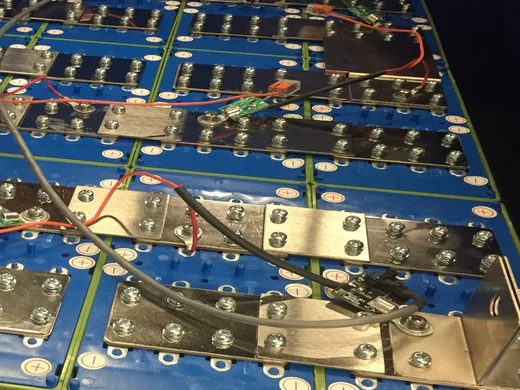
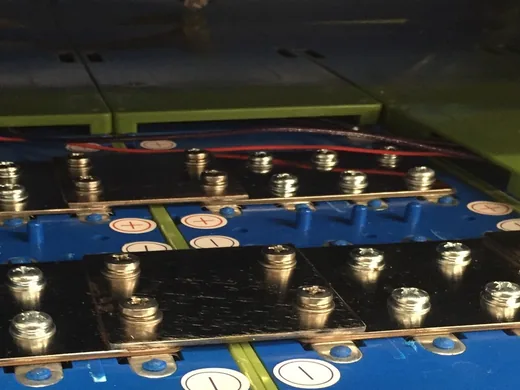
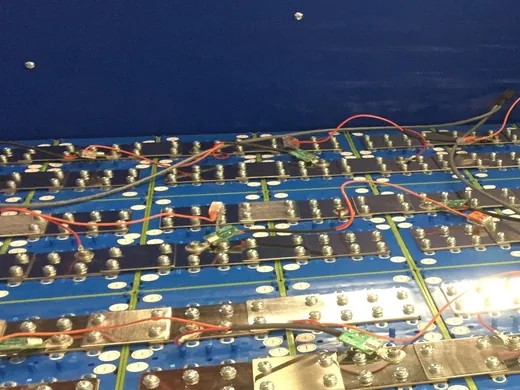
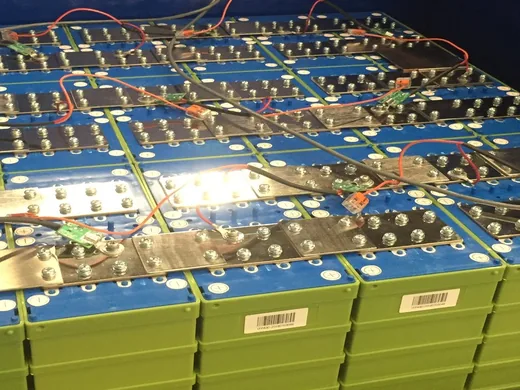
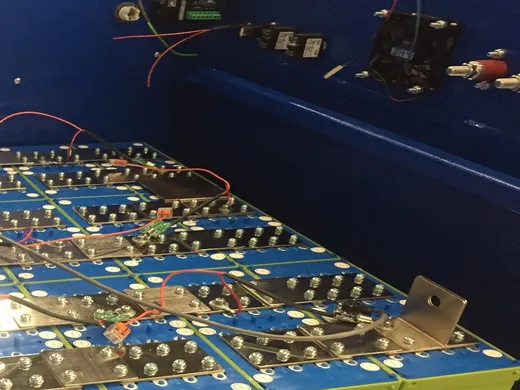
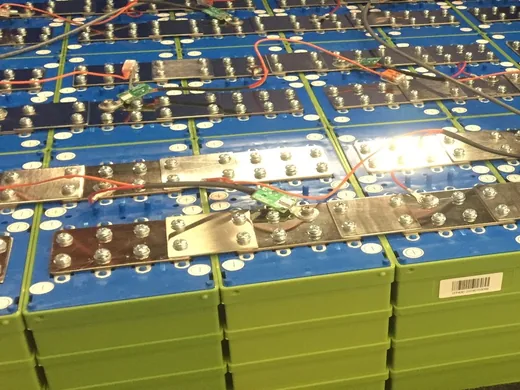
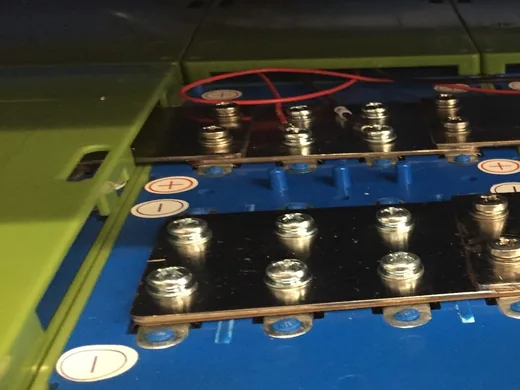
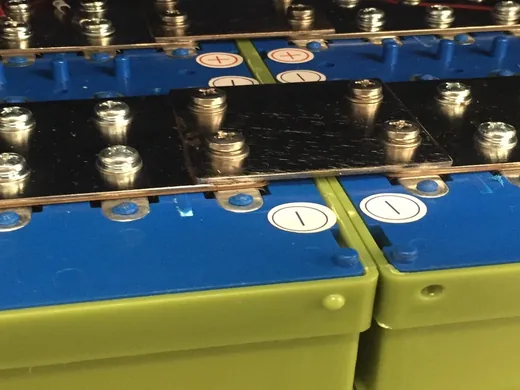
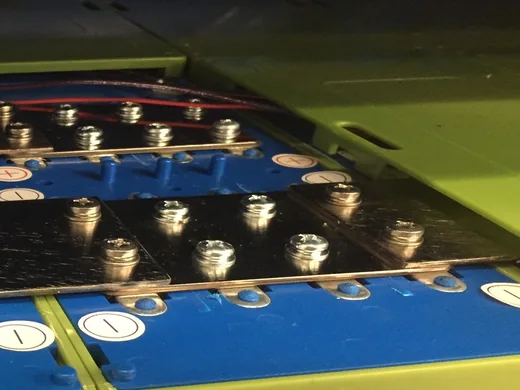
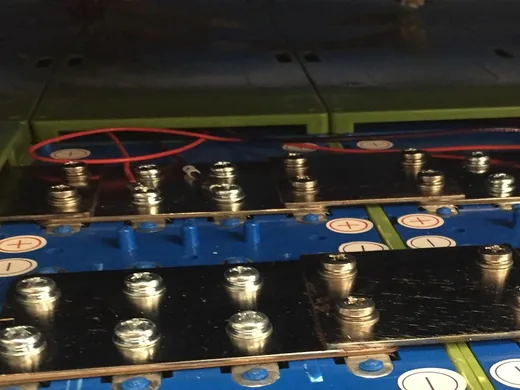
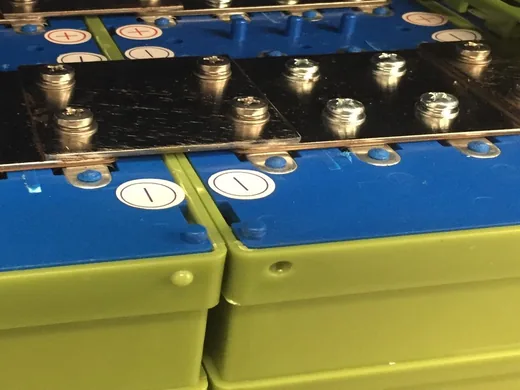
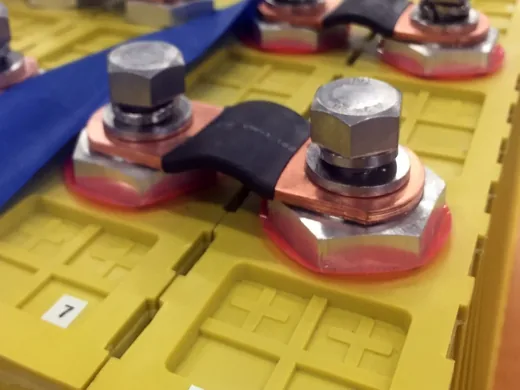
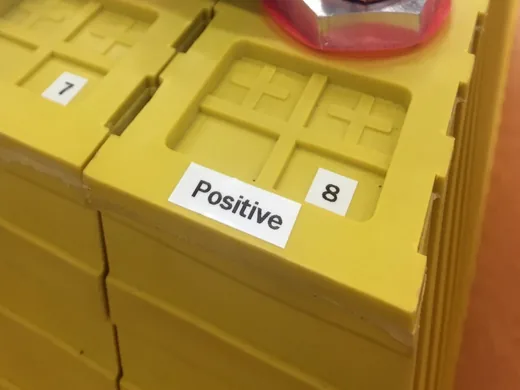
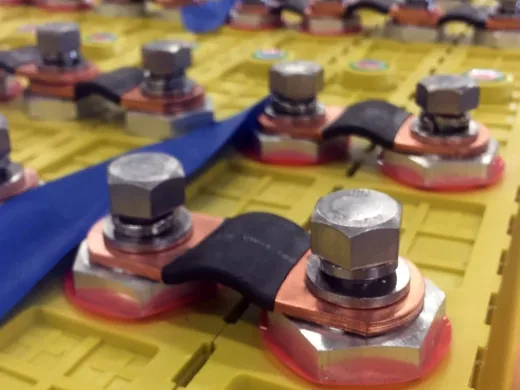
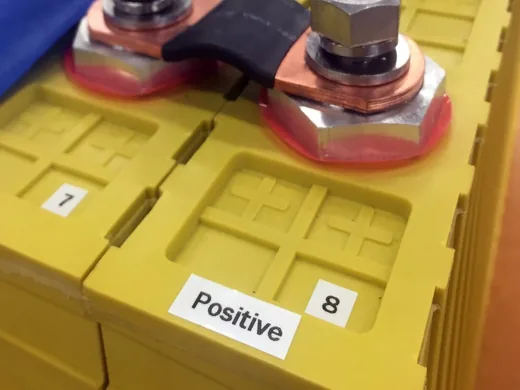
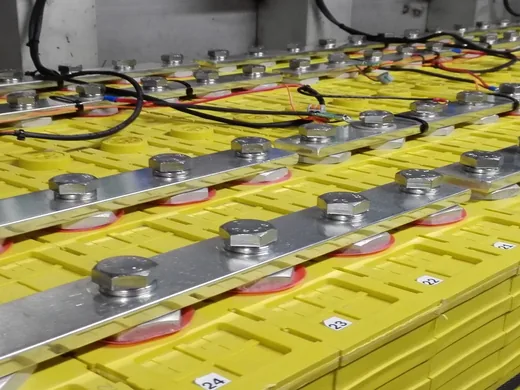
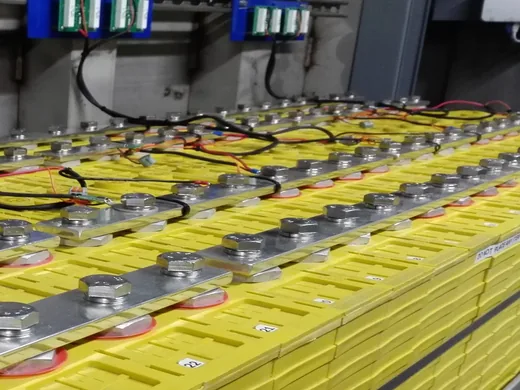
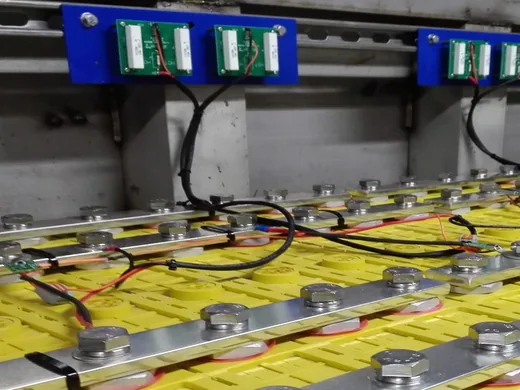
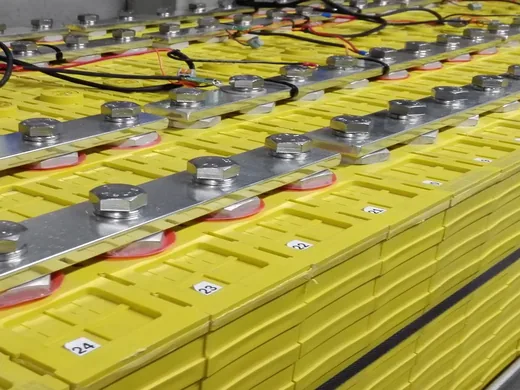
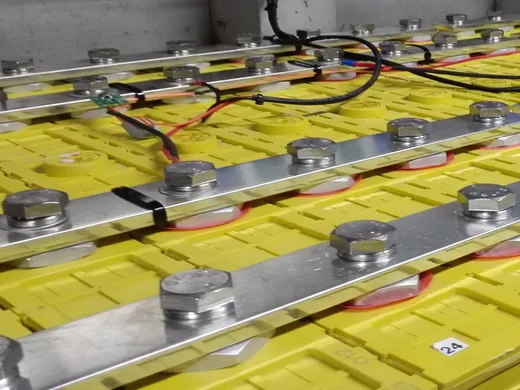
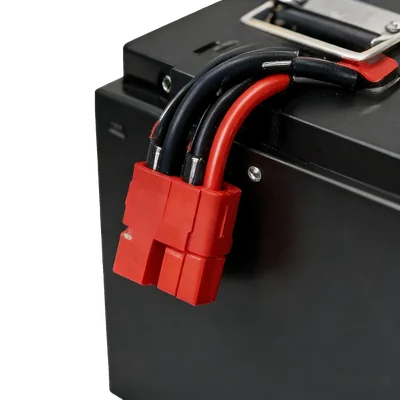

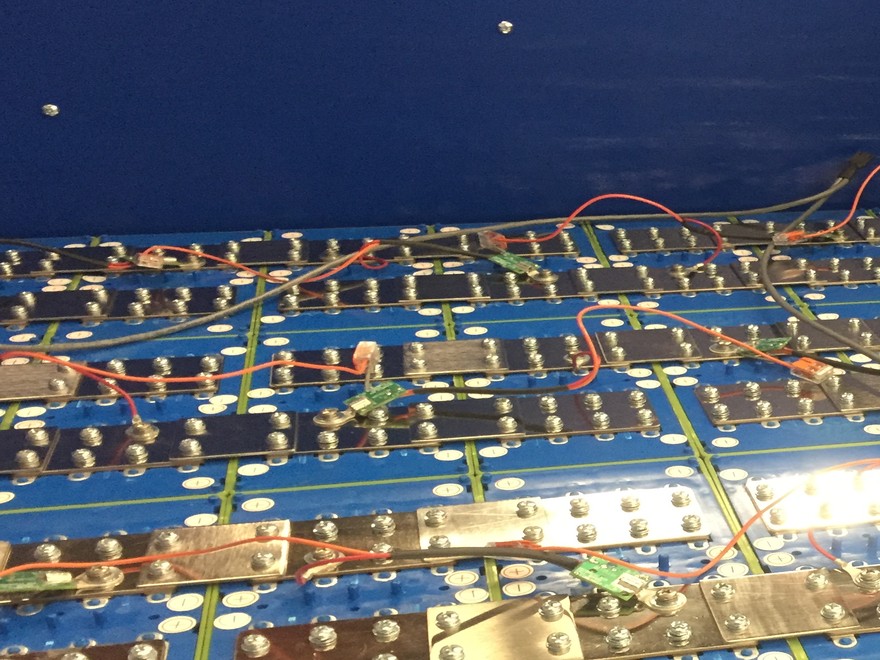
Follow one pallet jack through a warehouse day and the battery requirement writes itself. The CE-86 is the cell that requirement lands on: 3.2V, 86Ah, 275.2Wh, about 1.7kg, M6 studs, built to be doubled up into the 24V packs that walk pallets from six in the morning until the dock lights go out.
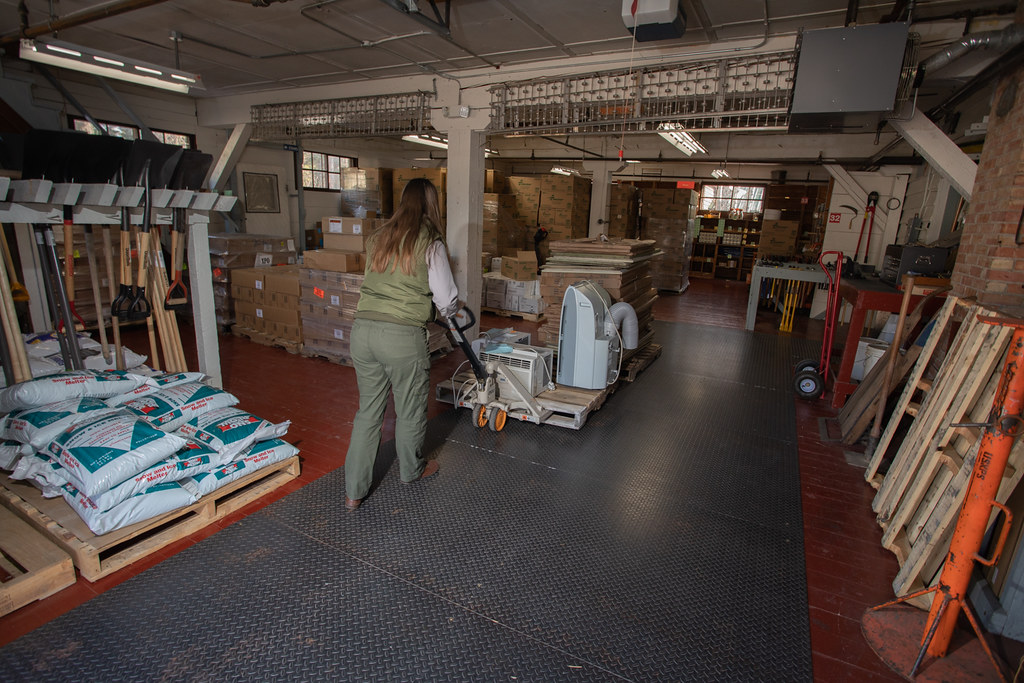
Shift Log
A warehouse day, measured in amp-hours
06:00. The morning wave. Trucks dock, pallets come off, the jack works lift-and-walk continuously. Published duty figures for this machine class put a 24V 156Ah lithium pack at 6 to 8 hours of consecutive runtime; a 2P8S bank of CE-86 holds 172Ah and starts the day above that line.
11:30. Half the reserve spent, and here the chemistry earns its keep. An LFP pack holds its voltage nearly flat through the middle of discharge. Lift speed at half charge feels like lift speed at full, where the old lead block had already gone soft.
12:00. Lunch, and the pack drinks. Lithium tolerates opportunity charging that lead never did: thirty minutes on the charger during the break puts a meaningful slice of the morning back, no memory penalty, no gassing room required.
18:00. Second shift takes the same machine. Industry sizing guidance is blunt about this case: double-shift and high-frequency operations specify 200Ah and up. That is the 2P8S build’s territory at 172Ah with lunch-break topping, or a 3P8S build’s at 258Ah without it.
22:00. Machines park, chargers click on. A 2-hour fast charge, the figure published for this battery class, has every pack full long before the 06:00 wave returns, and the cycle counter ticks once more against a ≥4,000-cycle rating that outlives the truck.
Numbers
The cell behind the shift
| Model | CE-86 |
|---|---|
| Nominal voltage | 3.2V |
| Rated capacity | 86Ah (0.5C, 25°C) |
| Energy | 275.2Wh |
| Charge voltage | 3.65V |
| Discharge cutoff | 2.5V |
| Continuous discharge | 86A (1C) |
| Peak discharge | 172A (2C pulse) |
| Cycle life | ≥4,000 cycles @ 80% DOD |
| Weight | ≈1.7 kg |
| Format | Aluminum prismatic (batch datasheet) |
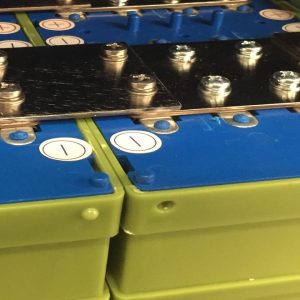
| Terminals | M6 stud |
| Operating temperature | Discharge -20~60°C / Charge 0~45°C |
| Certification | UN38.3 / CE / RoHS |
Pack configurations
| 8S | 25.6V · 86Ah · 2.2kWh: light walkie duty, tugger carts |
|---|---|
| 2P8S | 25.6V · 172Ah · 4.4kWh: full-shift pallet jacks, the standard build |
| 3P8S | 25.6V · 258Ah · 6.6kWh: double-shift and cold-store machines |
| 4S / 2P4S | 12.8V · 86 / 172Ah: marine house banks and 12V machines |
Cold Store
The freezer aisle question
Discharge holds to -20°C, which keeps a jack working the freezer aisle on the reserve it carries. Charging is the guarded step: below 0°C the BMS must refuse current, or the pack must carry heater film that warms the cells first. Cold-store fleets specify one or the other at purchase, and the chargers live outside the cold room where the packs warm as they fill.
What the charging room gets back
Lead-acid fleets pay for a room most people never see: a ventilated charging bay, sized and fanned for the hydrogen that flooded batteries gas at the end of every charge, with wash-down provision for acid and a watering schedule on the wall. Lithium retires the whole arrangement. LFP packs vent nothing in normal service, take their opportunity charges at the parking spot where the machine already stands, and the floor area the old charging room occupied goes back to racking. Facilities engineers count that reclaimed floor as part of the battery’s price case, alongside the watering labor that stops appearing on anyone’s timesheet.
Boats collect the same dividend in a smaller room. The 4S branch of this cell, 12.8V at 86 or 172Ah, drops into sailboat and workboat house banks where a sealed, position-tolerant battery beats a vented lead bank on every line of the survey; the batch datasheet carries the case dimensions for the battery box.
Fit & Build
Assembly and the lead-acid tray
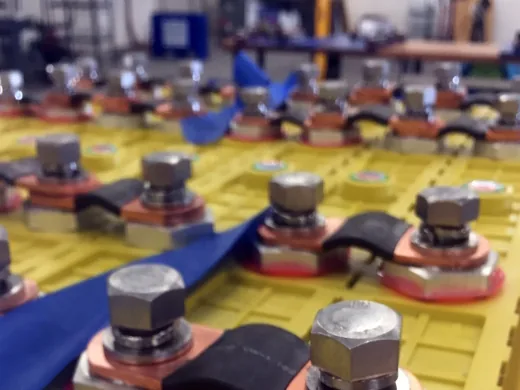
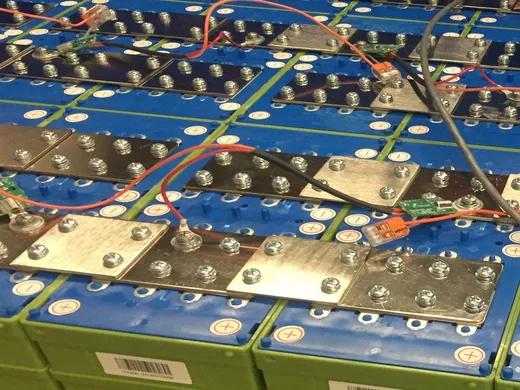
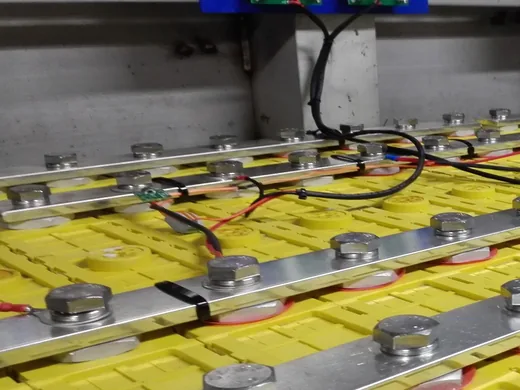
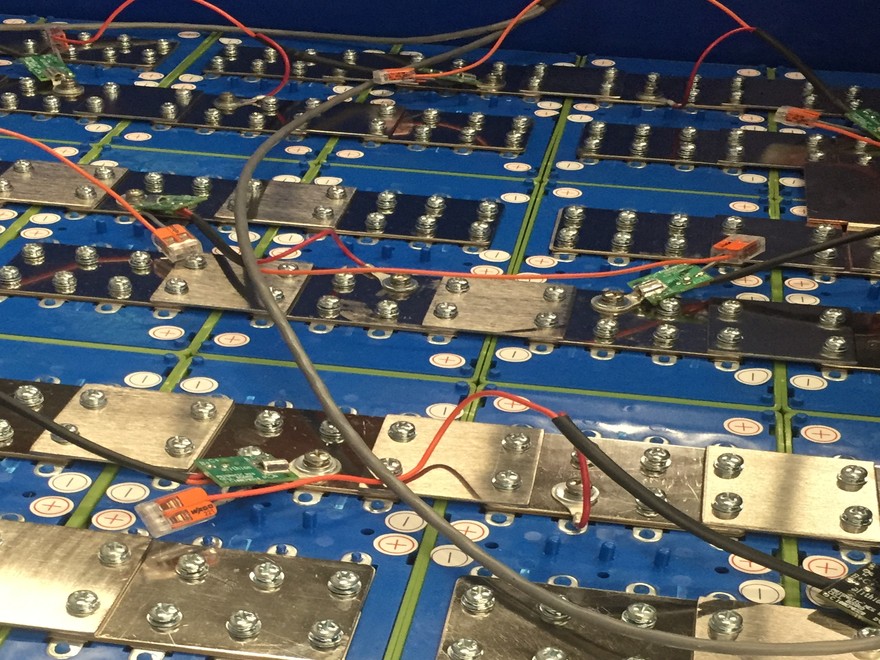
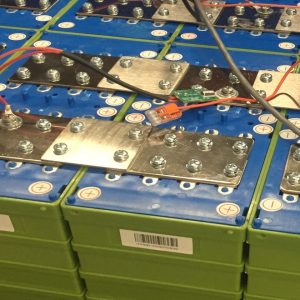
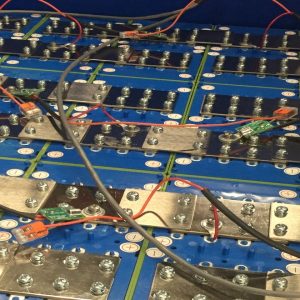
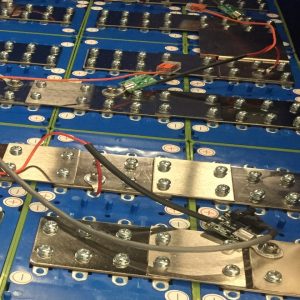
Lead trays built for this machine class carry ballast the lithium pack does not need; a 2P8S build weighs about 28kg where the lead block it replaces weighs near 100. Counterweight plates make up the difference where the truck’s tipping calculation requires it, a detail the batch datasheet covers. Assembly follows the family drill: parallel top-balance at 3.65V, series connection, a 100 to 150A BMS with per-cell voltage, overcurrent and low-temperature charge protections, M6 studs at about 8 N·m, end-plate compression, millivolt joint check after the first shift.
Fleets that cannot stop for lunch run the two-pack rotation instead: one pack on the machine, one on the bench charger, swapped at the shift bell through a side-pull tray. The arithmetic is simple and total, a machine that never waits on electrons, at the price of one spare pack per truck; high-throughput docks price that spare against an hour of stopped conveyor and order it without a meeting. The bench charger doubles as the fleet health monitor along the way, logging every charge curve and flagging the pack that starts filling faster than its brothers, which is the earliest signature of lost capacity.
Marine buyers take the 4S branch of the table: 12.8V at 86 or 172Ah for house banks, with the same sealed-terminal hardware and the same batch paperwork.
QR codes on every cell tie to factory test records; orders ship from one batch, matched on capacity and internal resistance, delivered capacity at or above plate on a 0.5C test. Batch sheets travel on request.
Reviews
There are no reviews yet.