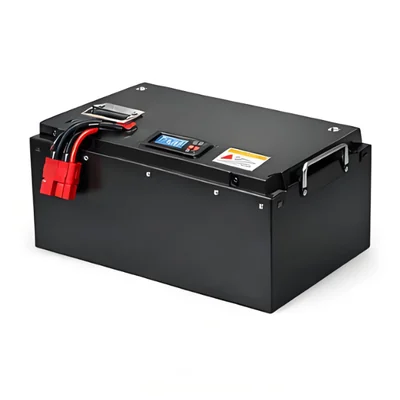
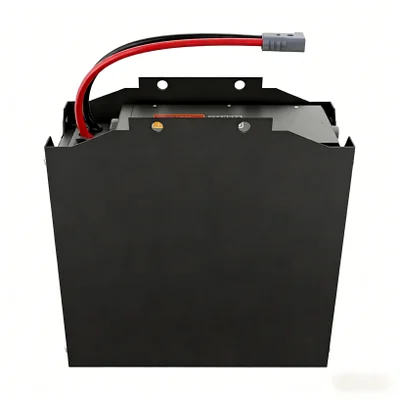
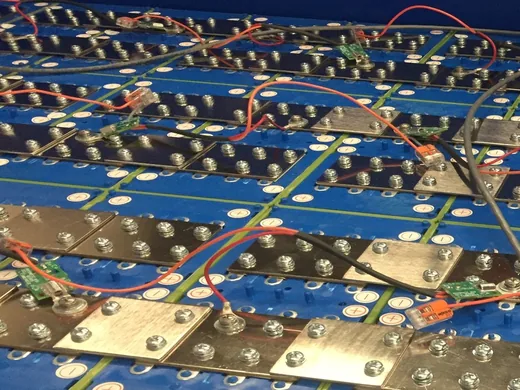

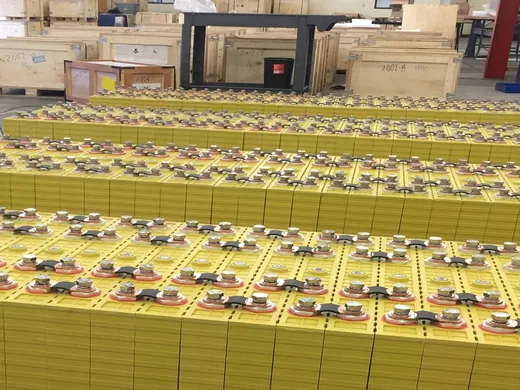
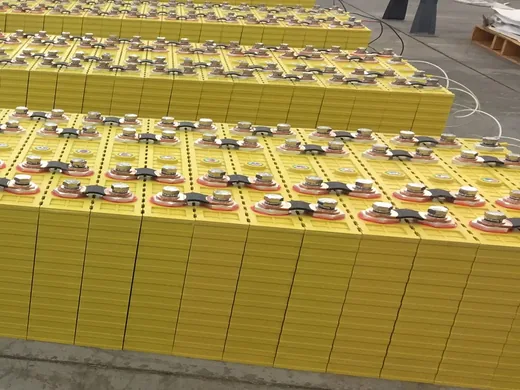
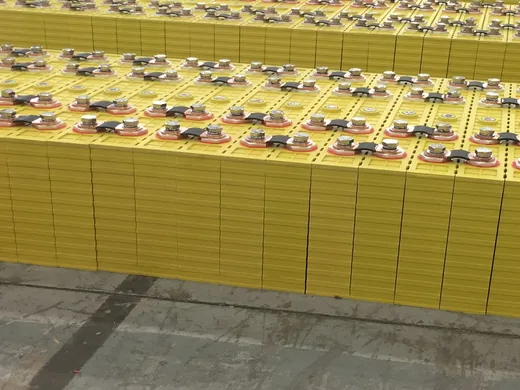
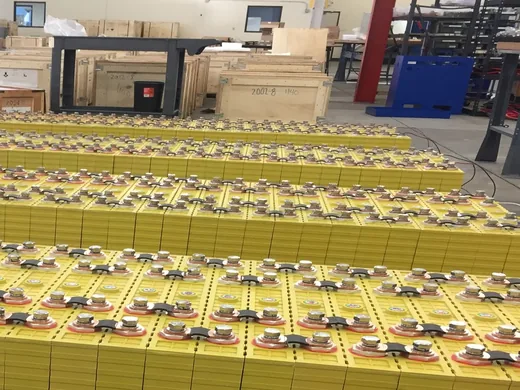
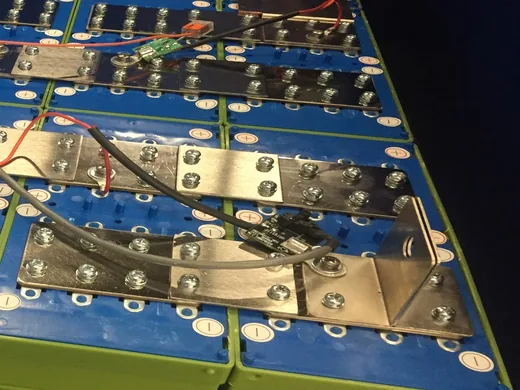
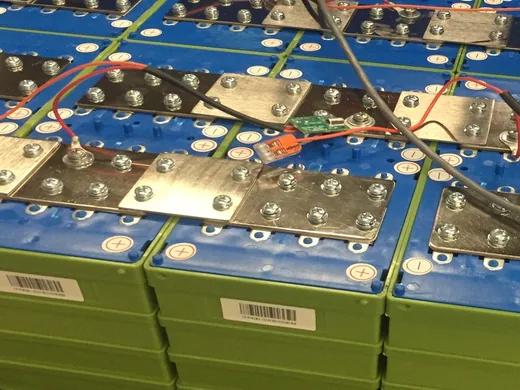
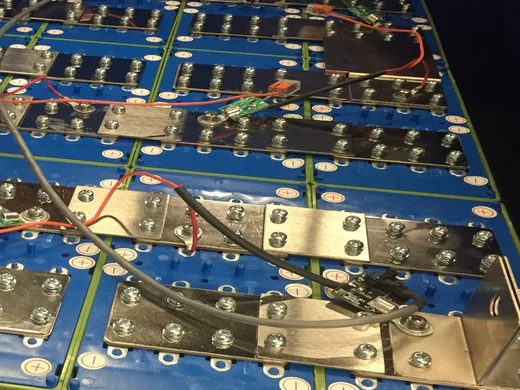
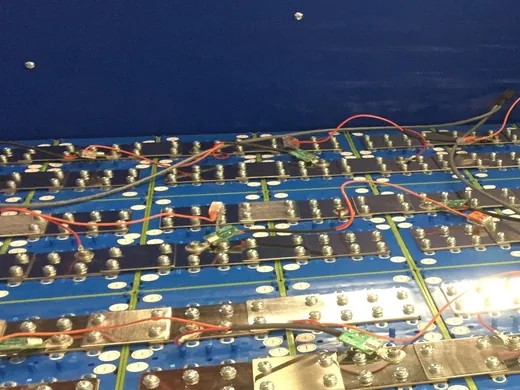
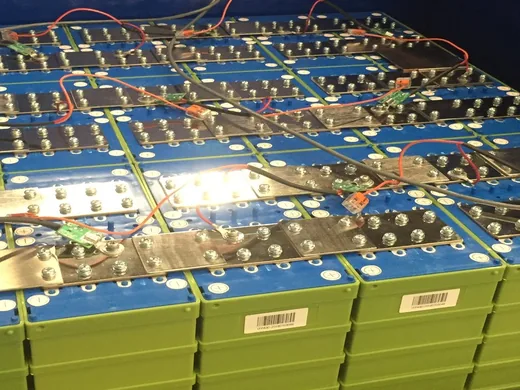
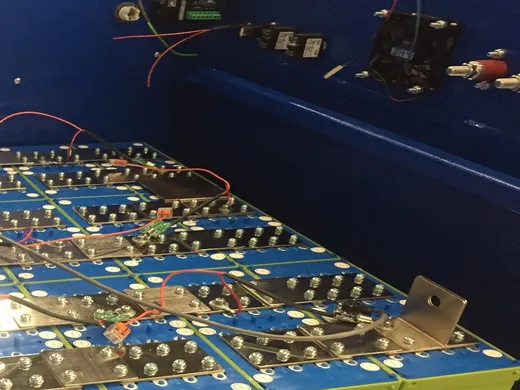
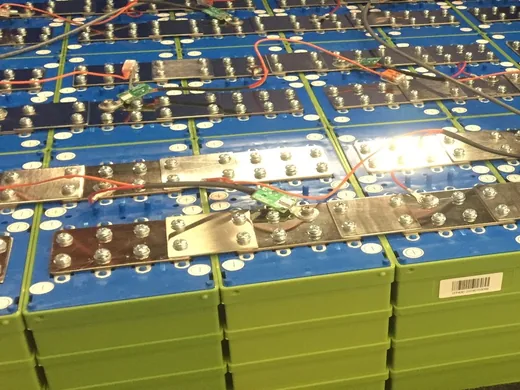
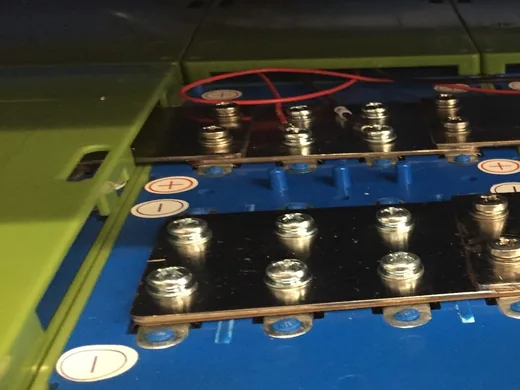
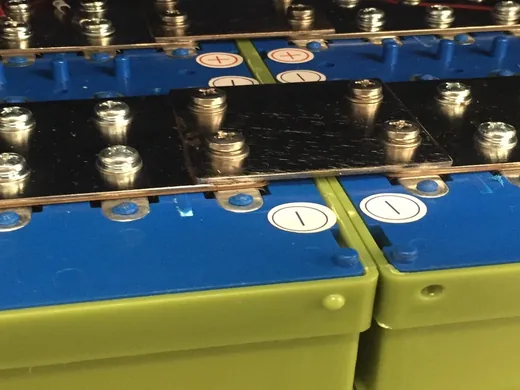
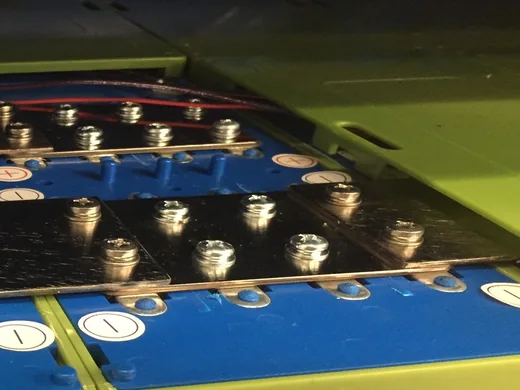
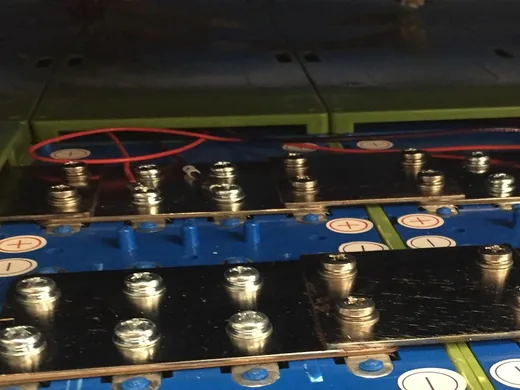
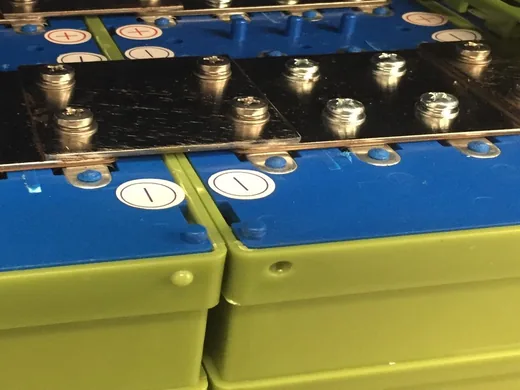
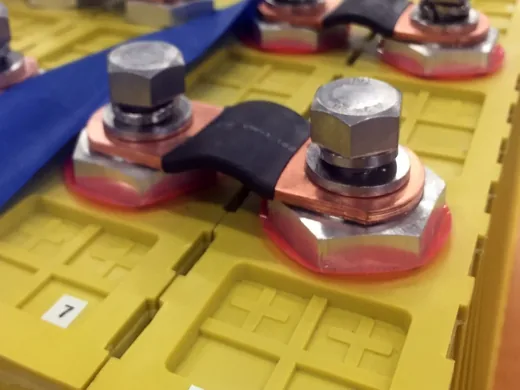
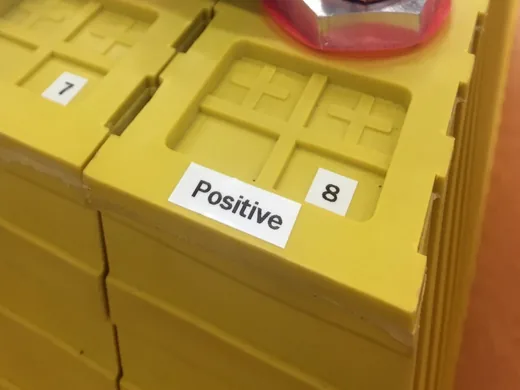
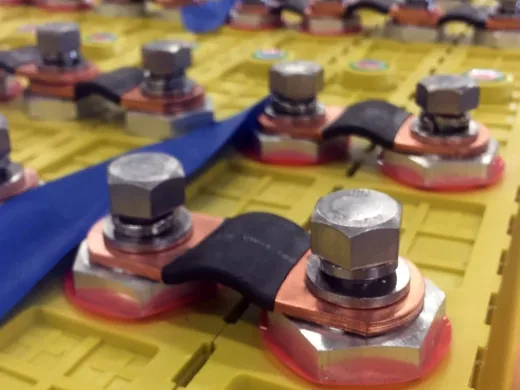
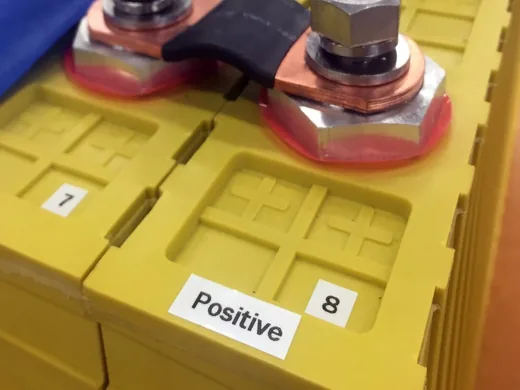
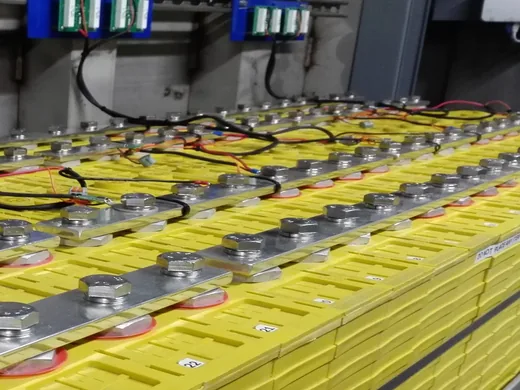
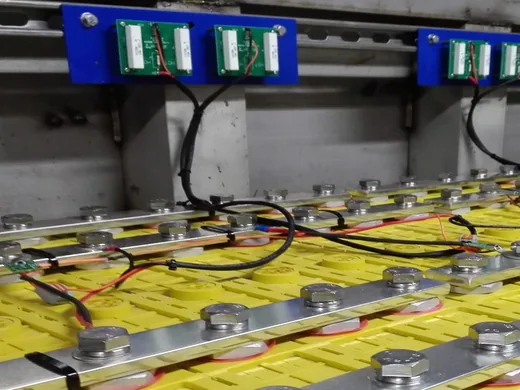
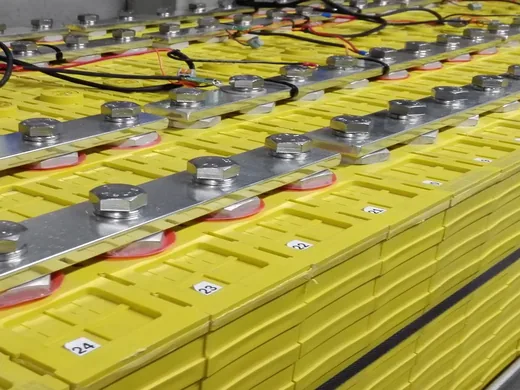
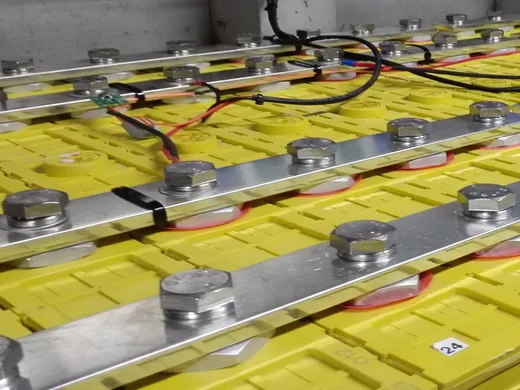
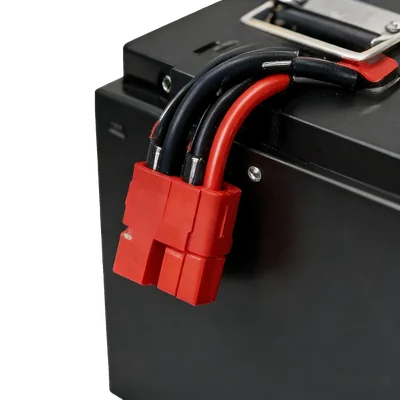

Take apart the battery of a flagship electric scooter and you find a stack of cells in exactly this class. The CE-72 carries 3.2V and 72Ah, 230.4Wh in roughly 1.45kg on M6 studs, and it exists for the light-vehicle world: scooters, mopeds, cargo trikes, swap packs, small AGVs.
Benchmark
What a production scooter pack teaches
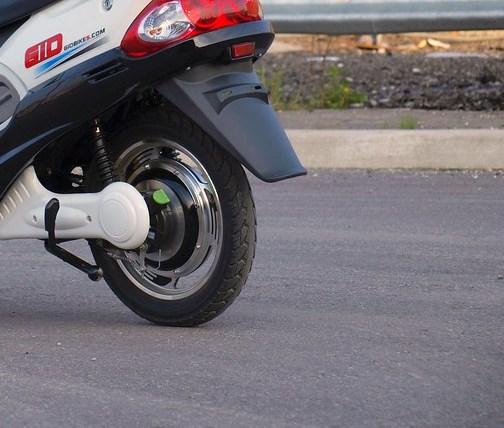
VinFast’s Klara S and Feliz S, both volume-production machines, ride on 3.5kWh LFP packs, are rated 120 to 198km per charge by market, and top out at 78km/h on 3kW hub motors. Those are published figures, and they set the benchmark for what a serious scooter pack looks like today.
Now count cells. Fifteen CE-72 in series make a 48V-class pack of 3,456Wh. That is the flagship pack, cell for cell. A 22S build reaches the 72V platform at 5,068Wh, energy the production market has not shipped yet, and a 20S string lands the 64V middle ground at 4,608Wh. One compact prismatic format spans the whole light-EV voltage ladder.
Duty
Loads, range and the swap economy
A 3kW hub motor at 48V pulls about 63A at full output. The CE-72’s 72A continuous rating carries that with margin in a 1P string, and the 144A pulse figure absorbs launch and hill-start spikes without sag. Range follows energy: at the 40 to 55Wh per kilometre a commuter scooter consumes, a 15S pack reads 63 to 86km of hard riding, and eco riding stretches past 100.
Battery-swap fleets work the same cell harder. A courier pack cycles daily, sometimes twice daily, which makes cycle count the whole economic story: at 2,000 cycles to 80% health, a daily-swap pack runs better than five years before retirement, and the QR code on every cell keeps each pack’s history auditable for the fleet ledger.
Small AGVs and service robots borrow the same math at 24V, where an 8S build holds 1.84kWh and the 1C rating covers lift motors and drive wheels together.
Anatomy
Where the cell sits in the machine
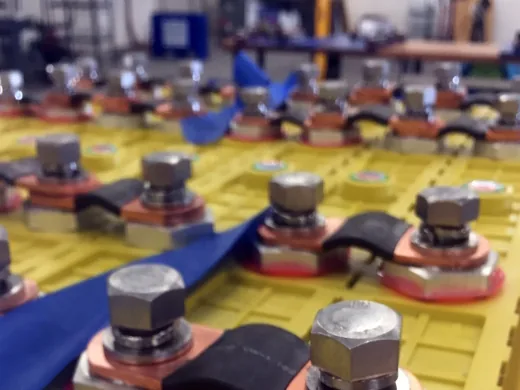
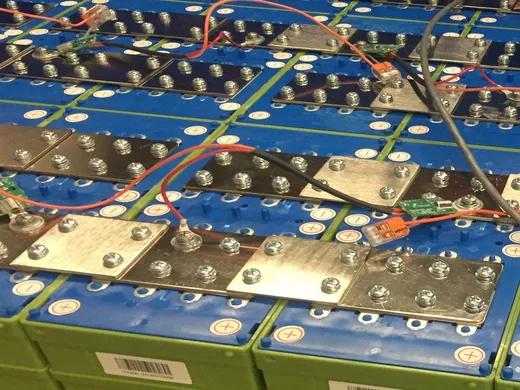
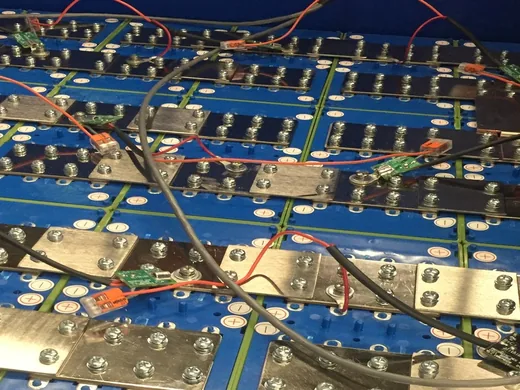
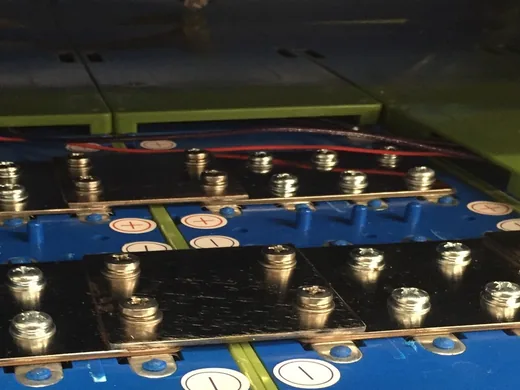
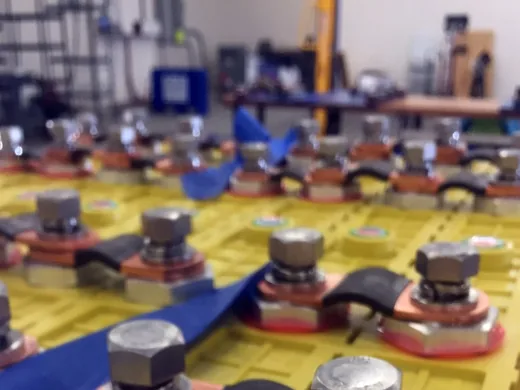
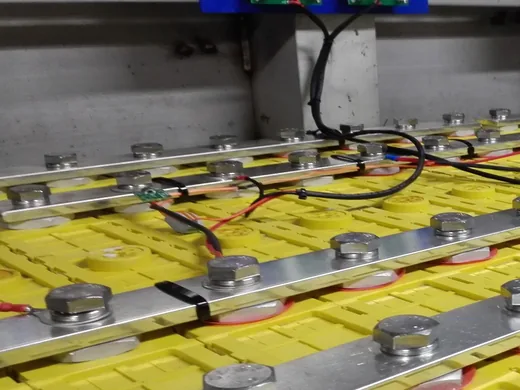
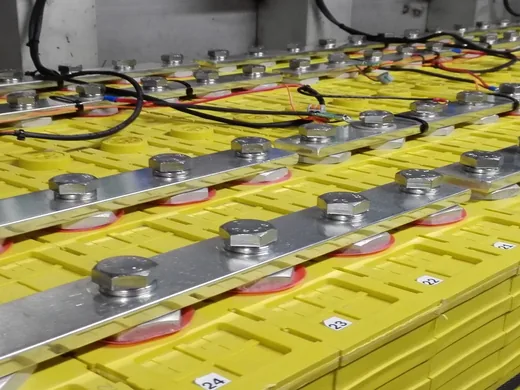
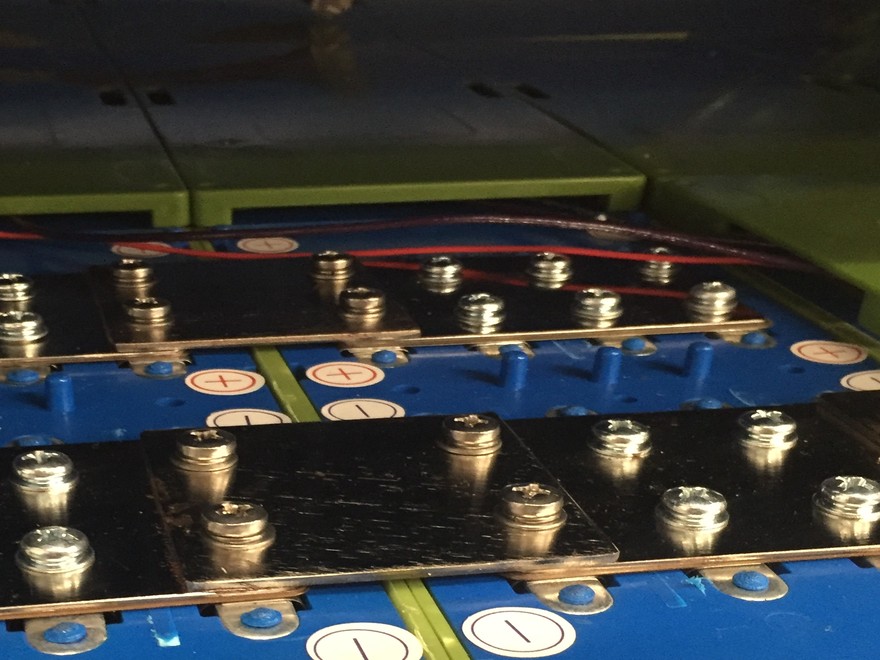
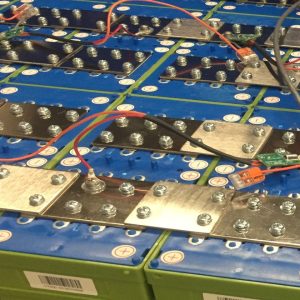
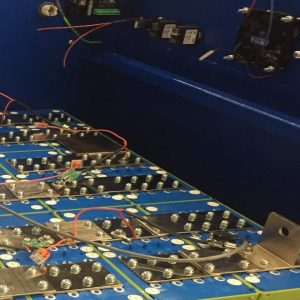
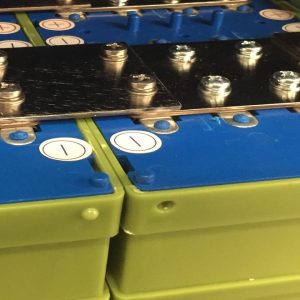
Scooter packs live under the seat or floor, boxed with a BMS, a contactor and a heater film in cold markets. The prismatic format stacks flat in those bays, and light compression between end plates keeps the stack stable through road vibration. Terminal hardware is M6; busbars torque to about 8 N·m; every joint gets a millivolt check after the first full-load ride.
Fixed pack or swap pack?
Light-EV fleets split into two battery philosophies, and the CE-72 serves the first. Fixed packs carry the day’s whole range in one large onboard battery, charge overnight at the depot, and want exactly this cell: high capacity, one deep cycle a day, four thousand of them in the rating. Swap networks run the opposite math, small 48V packs in the 20 to 30Ah class rotating through cabinets several times a day, and the smaller cells earlier in this catalog serve that trade. A courier company choosing between the two is really choosing between depot charging space and cabinet rental; the cell class follows the choice.
The charger question nobody asks until it smokes
A 15S LFP pack charges to 54.75V. The lead-acid chargers sold for nominal 48V vehicles push 57 to 59V at the top of their cycle, several volts above the limit, and a converted scooter that keeps its old charger will drive the BMS into disconnect at every single charge, or worse where the BMS is generous. Conversions budget for a proper LFP charger with the pack, 54.75V cutoff, 10 to 20A for an overnight depot fill, and the problem never exists. The same arithmetic applies at 64V and 72V platforms with their own cutoffs.
Sheet
The specification sheet
| Model | CE-72 |
|---|---|
| Nominal voltage | 3.2V |
| Rated capacity | 72Ah (0.5C, 25°C) |
| Energy | 230.4Wh |
| Charge voltage | 3.65V |
| Discharge cutoff | 2.5V |
| Continuous discharge | 72A (1C) |
| Peak discharge | 144A (2C pulse) |
| Cycle life | ≥4,000 cycles @ 80% DOD |
| Weight | ≈1.45 kg |
| Format | Aluminum prismatic (batch datasheet) |
| Terminals | M6 stud |
| Operating temperature | Discharge -20~60°C / Charge 0~45°C |
| Certification | UN38.3 / CE / RoHS |
Pack configurations
| 8S | 25.6V · 1,843Wh: AGVs, service robots, 24V machines |
|---|---|
| 15S | 48V-class · 3,456Wh: scooters, swap packs, e-mopeds |
| 20S | 64V-class · 4,608Wh: mid-platform two-wheelers |
| 22S | 70.4V · 5,068Wh: 72V-platform motorcycles and trikes |
Build
Building a vehicle pack
Top-balance the set in parallel at 3.65V before series assembly. Vehicle BMS choice runs on real current: a 48V commuter build sizes at 80 to 100A continuous with per-cell voltage protection, overcurrent protection, a low-temperature charge cutoff for winter mornings, and CAN output where the dashboard reads state of charge. Chargers follow the LFP profile, constant current to 3.65V per cell and a tail to 0.05C; fleet chargers that stop at 3.45 to 3.5V per cell trade a few percent of range for calendar years. Store spare packs at 30 to 50% charge.
Shipping runs on the cell’s energy class. At 230.4Wh apiece these cells travel as Class 9 lithium goods under UN38.3 test cover, by road and sea as standard; a completed vehicle pack ships under the vehicle maker’s own certification once installed. Export orders receive the test summary with the commercial documents, the sheet every freight forwarder asks for first.
Every cell ships QR-coded against its factory test record, batch-matched on capacity and internal resistance. Fleet quantities come from single production batches so packs age evenly across the fleet, and the batch sheets are available against the codes.

Reviews
There are no reviews yet.