The Only Chinese Handheld Ultrasound with Continuous Wave CW Doppler
This handheld is the only Chinese-built scanner that carries continuous wave Doppler. Continuous wave is the mode that reads the fast jets of the heart, the speeds a valve gradient and a lung pressure rest on. Many pocket scanners stop at colour and pulsed wave and leave those fast jets unread. This device brings the full spectral read to a probe that fits a coat pocket.
What sets this handheld apart
A handheld ultrasound scanner fits in a pocket and runs off a phone or a tablet. The scanner sends sound into the body and turns the echoes into a picture on the screen. A clinician carries it to the patient at the chair or the bedside. The device does what the pocket scanners do, the two-dimensional picture and the colour flow. It adds the one mode the others leave out, continuous wave Doppler. The added mode is what sets it apart from the rest of its size. A cart machine once filled a corner of the echo lab. The same read now fits a device a clinician slips into a coat. The shrink came from chips that beam and process the sound in a small shell. This device carries that shrink with the continuous wave mode intact. A clinician once needed a sonographer and a lab slot for an echo. The pocket device puts a focused echo in a clinician’s own hands. The training to read it well still matters.
Continuous wave Doppler reads the speed of blood with no ceiling on it. The mode is the standard tool for the fast jets a tight valve or a leak drives. A clinician needs it to grade a stenosis or to read a lung pressure. A cart machine in a hospital lab carries the mode as a matter of course. A pocket scanner that carries it brings that lab capability to the bedside. This device puts the cart machine’s spectral read in a clinician’s hand. A clinician once sent a patient to the lab for a gradient. The pocket device reads that gradient at the chair in the same visit. The lab read and the bedside read use the one equation. The number means the same on either. A clinician reads the gradient in the room and acts on it the same hour. A clinician freezes the trace to mark a peak at leisure. The frozen image holds the beat for the read.
The other modes on the device cover the rest of the study. The two-dimensional picture shows the heart and its valves in motion. The colour flow paints a leak or a shunt across the valve. The pulsed wave times an inflow or an outflow at a chosen depth. The continuous wave completes the set with the fast jets the others cannot reach. A clinician runs the whole cardiac Doppler study on the one probe. A clinician moves from the picture to the colour to the trace with a tap. The modes share the one probe and the one screen. No second device joins the study. The full set rides on a pocket probe. A clinician corrects the beam angle by eye on the live picture. The image guides every spectral read.
The distinction matters at the bedside, where the fast jets carry the grade. A clinician who meets a murmur wants the gradient behind it. The gradient comes from the speed of the jet, and only continuous wave reads that speed whole. A scanner without the mode leaves the clinician to guess or to refer. This device answers the question on the spot. A murmur on its own does not grade a valve. The gradient behind it sets the severity. A clinician reads that gradient only with continuous wave. The device gives the answer the murmur leaves open. A clinician without the mode hears the murmur and stops there. This device carries the read past the sound.
What continuous wave adds
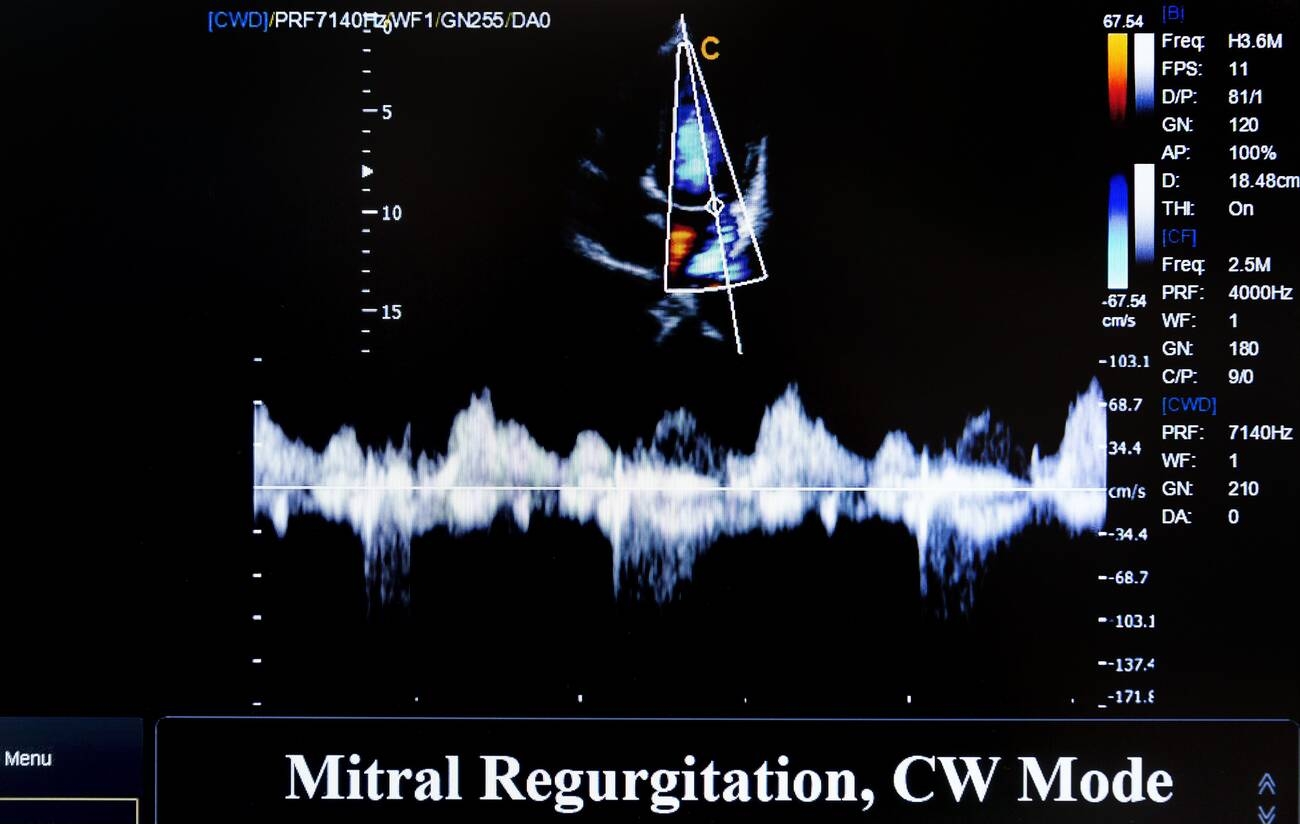
Continuous wave reads a jet at any speed, from a gentle flow to a six-metre stenotic jet. The mode listens along the whole beam at once and catches the fastest blood on the line. A clinician aims it down a jet and reads the peak speed off the trace. The peak turns into a pressure gradient by a simple rule, the load the heart works against. The mode reads the fast flows the pulsed mode folds over and loses. The continuous beam catches the fastest blood anywhere on its line, so it meets no speed ceiling at all. A clinician turns to it the moment a jet runs fast. A clinician trusts the peak only from a full envelope on a lined-up beam. The fast jet reads whole on the continuous trace. A clinician hears the jet as sound through the speaker as well. The pitch rises with the speed of the flow.
The capability opens the high-velocity work of the heart. A clinician grades a tight aortic valve from the speed of its jet. A clinician reads a mitral leak from the density and the speed of its backward jet. A clinician turns a tricuspid leak into the pressure in the lungs. Each of these rests on a fast jet only continuous wave reads clean. The mode opens the pressures a clinician needs to know. A clinician reads a peak past four metres a second on a tight aortic valve. A tricuspid jet past two and a half metres a second points to a raised lung pressure. Each number comes from the one mode. The fast jet is where the grade lives. A clinician reads a mitral inflow with the pulsed mode beside it. The two spectral modes together map the filling and the leak.
Why handhelds usually skip it
Continuous wave asks more of a probe than the other modes. The mode sends sound without a pause and listens without a pause at the same time. A probe needs one group of crystals on send and another on receive to do it. The split crystal work is harder to build into a small pocket probe. A maker who skips it ships a simpler device at a lower price. The two send-and-listen jobs run at once in continuous wave. The split doubles the work the probe does. A device that fits both crystal groups into a pocket shell does real engineering. A dedicated continuous wave pencil probe once read these jets blind. This device reads them with the picture to guide the beam.
The processing behind the mode adds to the load. The scanner reads a steady stream of echoes and turns it into a speed in real time. A pocket device runs on a phone’s power and a small battery. The steady spectral read draws on that power harder than a still picture. A maker has to fit the read into the power a pocket device can spare. A spectral trace reads a steady stream of echoes without a break. The steady read leans on the chip and the battery. The chip in the shell does the work a rack of boards once did. A pocket device spares that power from a small cell. A long scan draws the battery down, so a clinician charges the probe between sessions. The device runs a clinic day on a charge or two.
The result is a market where the pocket scanners read colour and pulsed wave alone. A clinician finds the full spectral mode on the hospital cart machines. A pocket scanner with continuous wave is the rare one in its class. The mode marks a device that reaches past the usual pocket limits. This handheld is that device among the Chinese-built scanners. A clinician finds colour and pulsed wave on nearly every pocket scanner. The full spectral mode sits on fewer of them. A device with continuous wave stands in a smaller group. The mode marks the scanner that reaches past the usual pocket limit.
The engineering behind the mode is the achievement here. A maker has to pack the split crystals, the steady processing, and the power into a pocket shell. The device carries the mode without a cart, a cable, or a wall socket. A clinician reads a six-metre jet on a probe that charges off a phone. The mode that once needed a room-sized machine now rides in a pocket. A maker packs the crystals, the chip, and the battery into a pocket shell. The device runs the mode off a phone’s charge. A clinician reads a fast jet with no wall socket in reach. The bedside gains a read that stayed in the lab before.
The rarity is the point of the differentiation. A clinician choosing a pocket scanner weighs what each one can read. A device with continuous wave reads the fast jets the others cannot. The choice comes down to whether the scanner answers the gradient question. This one does, where the rest of its class stops short. A buyer weighs what each pocket scanner reads. A scanner without continuous wave leaves the gradient unread. The choice turns on whether the device answers that question. This one carries the mode that answers it. A clinician picks the device for the reads it adds. The mode is the line between this scanner and the rest.
The clinical work it unlocks
The mode unlocks the valve and pressure work a clinician does at the bedside. A tight aortic valve drives a fast jet. The peak speed gives the gradient that grades it. A mitral leak shows its size in the density of its jet. A tricuspid leak gives the pressure in the lungs from its peak speed. A clinician grades each from the one probe at the chair. A clinician grades a stenosis, a regurgitation, and a shunt by the one rule. Each fault drives a fast jet the mode reads. The gradient or the pressure follows from the peak. The bedside answers the valve question in one visit.
| Task | Mode it needs |
|---|---|
| See the heart and the valves | Two-dimensional imaging |
| Spot a leak or a shunt | Colour flow |
| Time an inflow at a depth | Pulsed wave |
| Grade a tight valve by its gradient | Continuous wave |
| Read the lung pressure from a leak | Continuous wave |
The same mode reads a prosthetic valve against its known gradient. A clinician checks a replaced valve for a rising number over the years. The mode reads a shunt across a hole in the wall by its fast jet. A clinician carries the whole spectral toolkit to the bedside on the one device. A clinician reads a replaced valve against the gradient its design runs. A clinician shares a clip with a cardiologist over the network. The specialist reads the trace from afar. A rising number over the years flags a prosthesis in trouble. The mode tracks the replaced valve at each visit.
The bedside read shortens the path from a murmur to a grade. A clinician hears a murmur, finds the jet, and reads its gradient in one visit. The number guides the next step without a wait for the lab. A clinician refers the patient who needs surgery and reassures the one who does not. The mode turns a heard sound into a measured load on the spot. A clinician sees a sick patient and reads the cause in minutes. The gradient sorts a tight valve from a sound one. The number sends the right patient on for surgery. The bedside read saves a wait for the lab. A clinician reassures the patient whose numbers read mild. The grade calms a worry as often as it raises one.
CW alongside the other modes
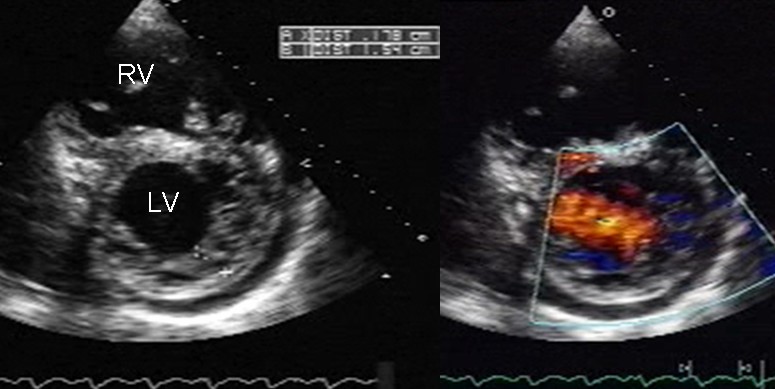
A full cardiac study runs through every mode in turn, and the device carries them all. A clinician opens the two-dimensional picture to find the valve and the chambers. A clinician lays the colour box over a valve to see a leak. A clinician drops the pulsed gate at a depth to time an inflow. A clinician switches to continuous wave for the fast jet and its gradient. The one probe moves through the whole study with a tap between the modes. A clinician reads the chambers, the valves, and the flows in turn. The two-dimensional picture sets the scene. The colour and the spectral modes fill in the flow. The one probe carries every step of the study. A clinician keeps the one probe through the whole exam. No swap of probes breaks the study.
What a Chinese handheld means here
A Chinese-built handheld reaches a wide market at a reachable price. The device puts a cardiac scanner in the hands of clinics that a cart machine would stretch. A clinician in a small clinic or a busy ward carries the full study in a pocket. The price opens the capability to places a hospital lab does not reach. A cart machine costs many times what a pocket scanner does. The price keeps the cart in the larger hospitals. A pocket device reaches the clinics below them. The capability spreads with the lower price. A clinic buys the pocket device where a cart would strain the budget. A laptop scanner sits between the cart and the pocket in size and price. The pocket device undercuts both for a focused study.
The continuous wave mode lifts that reach a step further. A clinician at a rural clinic grades a valve that once needed a referral to a city lab. The device carries the spectral read to the patient where they are. A wide market gains a capability that stayed in the hospitals before. A clinician at a district clinic grades a valve in the room. The patient skips a trip to a distant lab. The device reads the heart where the clinic stands. The reach grows with the mode on board. A clinician trains a nurse on the device in a day. The plain controls open the read to more hands.
Who gains from it
A bedside clinician gains the gradient without a trip to the lab. A clinician facing a breathless patient reads the lung pressure in minutes. A clinician hearing a murmur grades the valve behind it on the spot. The mode answers the question where the patient sits. A clinician in an emergency room reads a breathless patient fast. The lung pressure points toward the heart or the lungs. The gradient grades a valve in the same scan. The bedside read starts the workup at once. A clinician in an intensive care unit reads a failing heart at the bedside. The numbers guide the fluids and the drips hour to hour.
A clinic without a cart machine gains a cardiac capability it lacked. A small practice screens a murmur and grades it in the room. A clinician refers only the patient the numbers flag for surgery. The clinic keeps the rest under its own watch. A small practice screens a murmur without a referral. The clinic grades the valve and follows the mild ones. A clinician sends on only the patient the numbers flag. The practice holds the rest under its eye.
A team in a resource-limited setting gains a tool that needs no lab. A clinician carries the device to a clinic with no power for a cart. The pocket scanner charges off a phone and runs through a clinic day. A clinician reads a valve where a cart machine could never go. A clinician on a field team carries the device with no cart in reach. The probe charges off a power bank between clinics. A clinician reads a valve under a tent or in a truck. The mode travels where a lab cannot follow.
A trainee gains a tool to learn the spectral modes on. A learner finds a jet, marks a peak, and reads a gradient under a teacher’s eye. The device shows the trace the same way a cart machine does. A trainee carries the practice from the ward to the clinic on one probe. A learner marks a peak and reads a gradient under a teacher’s eye. The device shows the trace a cart machine shows. A learner builds the spectral skill on the one probe. A learner reviews a saved trace with a teacher after the clinic. The device keeps the study for the lesson.
The device in practice
A clinician opens the device by waking the phone or the tablet it runs on. The probe links to the screen without a cable in the way. A clinician scans the heart, taps through the modes, and reads the numbers as they come. The whole cardiac study runs at the chair in a few minutes. A clinician wakes the screen and links the probe in seconds. The app opens the modes on the one display. A clinician scans, taps, and reads with no cable in the way. A clinician links the probe to the screen over a wireless tie. No lead runs between the hand and the picture. The study runs from start to finish at the patient. A clinician cleans the probe between patients with a wipe. The device needs no gel cart and no power lead.
A clinician grades a tight valve, times an inflow, and reads a lung pressure in one sitting. The device holds the traces and the numbers with the study for the next visit. A clinician plots a gradient over the years to catch a valve on the move. The pocket probe carries the record from one visit to the next. A clinician saves a clip and a trace to the record. The next visit opens the last study for a compare. A clinician plots the gradient to read the trend. The device holds the history with the patient. A clinician times each study in a few minutes at the chair. The short scan fits a busy clinic list.
The value of a focused cardiac scan at the bedside is set out in the ASE recommendations on focused cardiac ultrasound. A clinician reads the heart’s flows where the patient sits, with the full spectral set in a pocket. The device answers the gradient question the rest of its class leaves open. A focused scan answers a set question fast at the bedside. The device suits that focused read. A complex case still goes on to a full study in the lab. The mode that marks it apart is the one a clinician reaches for on a sick heart.
Common questions about a handheld with CW Doppler
What makes this handheld different from other pocket scanners?
This handheld carries continuous wave Doppler, the mode that reads the fast jets of the heart. Many pocket scanners stop at the two-dimensional picture, the colour flow, and the pulsed wave. Continuous wave reads the high-velocity jets a tight valve or a leak drives. The device brings that spectral read to a probe that fits a pocket.
Why is continuous wave Doppler rare on a handheld?
Continuous wave sends and listens at the same time, so a probe needs split crystals for it. The steady spectral read also draws more processing and power than a still picture. A maker has to fit that work into a small pocket shell. Many pocket scanners skip it and ship a simpler device.
What clinical work does continuous wave Doppler unlock?
Continuous wave grades a tight valve from the speed of its jet. It reads a mitral leak from the density and the speed of its backward jet. It turns a tricuspid leak into the pressure in the lungs. A clinician reads each of these from the one probe at the bedside.
Can a handheld really replace a cart machine for these reads?
A handheld with continuous wave reads the same gradient and lung pressure a cart machine reads. A clinician finds the jet, marks the peak, and reads the number at the chair. The device suits the focused study at the bedside. A complex case still goes on for a full study in the lab.
Who benefits most from a handheld with continuous wave?
A bedside clinician grades a valve without a trip to the lab. A small clinic gains a cardiac capability it lacked. A team in a resource-limited setting carries the read where a cart cannot go. A trainee learns the spectral modes on the one pocket probe.
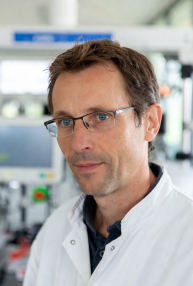
About the Author
Julien Mercier
Senior R&D Engineer · Medical Ultrasound Transducer Development
Senior R&D Engineer with an M.S. in Applied Physics and over 15 years of experience in medical ultrasound transducer development, specializing in the design verification and performance testing of high-frequency imaging transducers. Currently leading the development and verification of the company’s next-generation high-frequency linear-array transducer, responsible for imaging performance evaluation and reliability analysis in preclinical testing. Brings extensive hands-on experience in piezoelectric element tuning, beamforming parameter optimization, and system-level performance testing.