
RISC-V MCU Production Readiness in 2026
Production readiness asks whether a part can carry a real product from the first build through a decade of shipments. For RISC-V microcontrollers in 2026, the honest answer is not a single yes or no. It is a different answer on each of the things readiness is made of: silicon in volume, a stable instruction set, a working toolchain, a deep enough software ecosystem, a supply that lasts, and a path through safety qualification where the product needs one. RISC-V sits in a different place on each. A design that wants RISC-V in 2026 is asking which of those places its own product has to stand on.
Readiness is several separate questions
The mistake is to treat the question as a single switch. Readiness is not one setting a part is either on or off. Each measure stands on its own. Mass production says nothing about the depth of the software around the part. A frozen instruction set says nothing about whether two vendors’ chips boot the same way. A design that reads one high mark and assumes the rest has misread the question.
So each axis has to be checked against what the specific product demands. The same phrase, production-ready, covers a consumer toy and a brake controller alike. Behind it sits everything from a cheap in-stock part with a working compiler to a safety case, a decade of supply, and a documented field record. The axes below come one at a time, each marked for where RISC-V stands in 2026. Treating the answer as one number is how a project gets surprised in month six, when a needed library turns out not to exist, a second source cannot be found, or a safety auditor asks for evidence the part lacks. The axes are independent. A project that scores them separately at the start meets none of those surprises late. The point of the exercise is to ask the awkward questions while they are still cheap to answer. Checking the cheap axes first means a doomed part is ruled out in an afternoon. The axes come in the rough order they pay back the cost of checking.
The silicon is already in volume
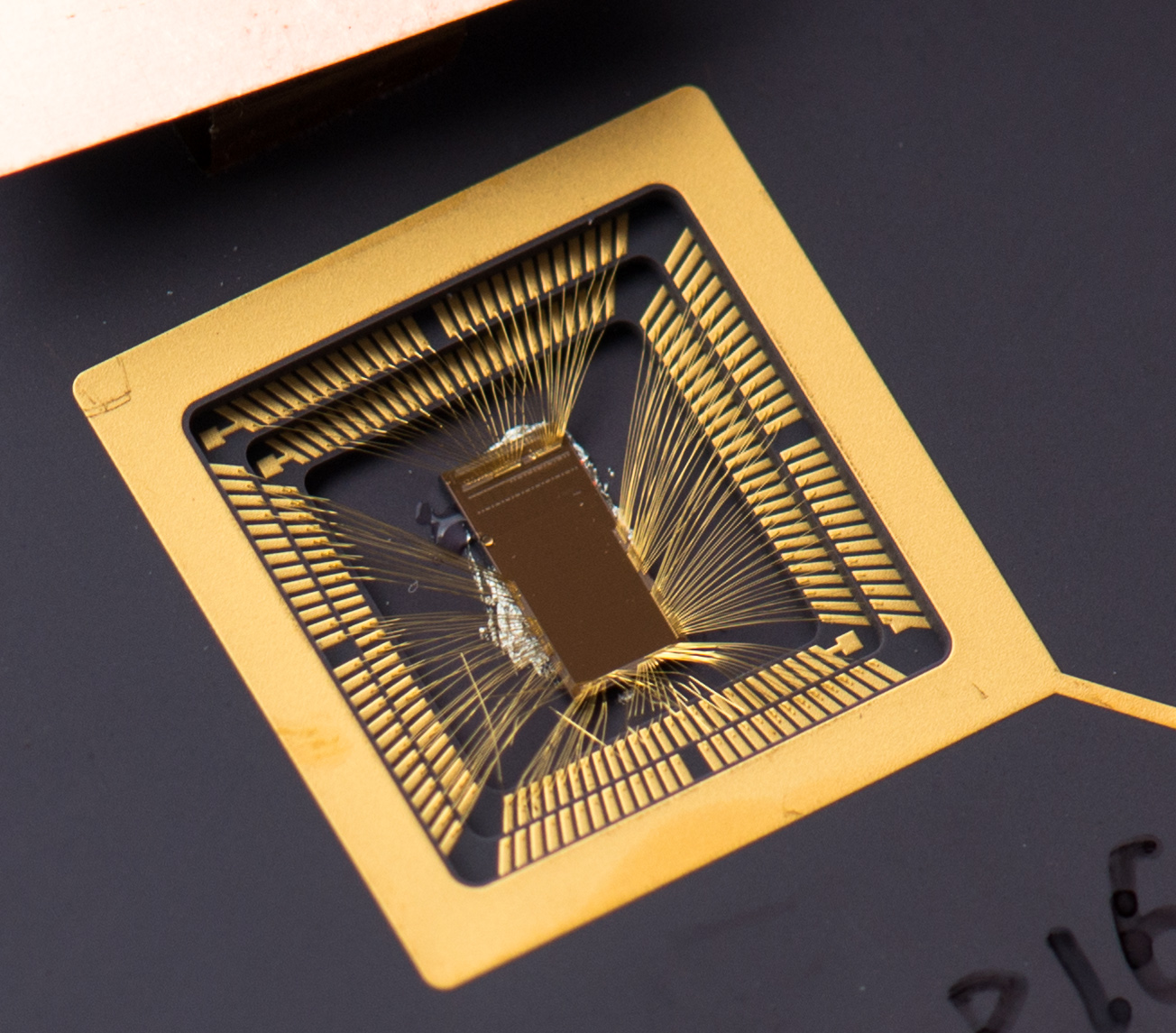
On the first axis, silicon, RISC-V has already answered. The RISC-V cores that ship in the largest numbers are the hidden ones a parts list never shows. RISC-V started as a research instruction set at Berkeley and turned into the controllers hidden inside other chips: the management cores in a solid-state drive, the sequencers in a graphics processor, the housekeeping blocks in a wireless system-on-chip. These unlabelled cores make up the bulk of the volume. A modern flash storage controller runs several of them to schedule reads and manage wear. Power-management chips use one to sequence their rails. Inside a wireless SoC, a core handles the link layer beneath the radio. The pattern repeats across the industry: where a fixed-function block once sat, a small RISC-V core now runs firmware, because a licence-free core costs nothing to instantiate and can be shaped to the job. That hidden layer is where readiness was proven without anyone announcing it. A core that wakes a drive, meters power, or runs a radio link has to be correct, frugal, and manufacturable in the hundreds of millions. RISC-V cores have met that bar in shipping product for years. The visible microcontrollers inherit that proof.
Reported figures are large enough to settle the point. RISC-V International notes that NVIDIA alone shipped more than a billion RISC-V cores in its 2024 products, with ten to forty of them inside a single chip. Andes Technology, one of the core vendors, reports its licensees shipping over sixteen billion SoCs with its RISC-V cores, more than two billion in a single recent year. Qualcomm passed a billion RISC-V-based devices. These ship in phones, drives, and consumer goods a buyer already owns. The reason the count climbs so fast is the licence model: a chip designer adds a RISC-V core and owes no per-unit royalty for it, so the architecture spreads into every corner of a die where a small controller earns its place. For the readiness question, the size of that number is the answer on this axis. A core shipping in the billions has been through every manufacturing and reliability wall a part can hit, many times, at many foundries. The risk that such a core will not yield, will not run, or will not survive the field is the risk a mature part carries, which is to say a small one. The architecture cleared that bar quietly, inside products already on the market, before the question of microcontroller readiness was ever asked out loud. By the time a designer in 2026 asks whether RISC-V is ready, the answer has been sitting in a billion drives, phones, and radios for years. The silicon question was settled in volume long before it became a question anyone asked on a datasheet. A buyer reading that datasheet in 2026 is the last to be told what the foundries already proved. The shape of that adoption rewards one more look. The cores went into the highest-volume products a chip maker builds: the storage controllers, the graphics processors, the radios that ship by the hundred million, where a part that misbehaves is caught and killed long before launch. An architecture that clears that filter at that scale has had its reliability tested harder than a datasheet ever describes.
The visible parts came next. A designer can buy a RISC-V microcontroller off a distributor’s shelf today, from sub-dollar general-purpose chips through Wi-Fi and Bluetooth radios to motor and sensor controllers. Those specific families come up one at a time elsewhere. What matters for the readiness question is that the catalogue exists, the parts are stocked, and the prices undercut a good deal of what a comparable established part costs, since the open instruction set carries no per-chip licence fee. Availability follows from the same openness. More than one company can build a part to the same instruction set without anyone’s permission, so a buyer is rarely locked to a single source the way a proprietary core can lock one. The catalogue spans from chips that cost a few cents in reels to connected parts with a radio built in. A distributor stocks the popular ones the way it stocks any commodity microcontroller, often at a price that surprises a newcomer. The cheapest RISC-V microcontrollers sell low enough to win sockets that a few years ago went to fixed-function logic or an eight-bit part. Those prices come from a market with many builders and no licence toll, the same openness that keeps the parts in stock across more than one source. A design that needs a cheap microcontroller in quantity finds RISC-V options on the same distributor shelves as every other commodity part, at lead times a buyer recognises.
The silicon axis, then, reads high. The parts are real, the volumes are real, and the manufacturing is proven. A product that only needs to buy a working RISC-V chip in quantity has had its answer for a while.
The instruction set does not move
The second axis is the instruction set itself, and it is as settled as the silicon. The base integer instruction set and its core extensions were ratified years ago and are frozen. A frozen base means the integer, multiply, atomic, and compressed instructions a microcontroller relies on are fixed, so code compiled against them keeps running as the silicon turns over and as new parts arrive. A team is not building on a moving target.
The set only gains new instructions, and never changes the old ones. New capability arrives as a named extension a part either implements or leaves out. A build selects the extensions its target carries. A small microcontroller typically runs the integer base with multiply and compressed instructions, a profile compact enough to fit a low-cost core. Floating point, vector math, and the rest sit in their own extensions for the parts that need them. The naming makes the contract explicit: a part documents which letters it implements. The toolchain is told the same string, so what the compiler emits matches what the silicon runs. A part also implements a privileged layer for the things an operating system needs: the machine-mode control registers, the timer, the trap handling. That layer is specified too, so a kernel ported once to RISC-V finds the same machine underneath on the next compliant part. The pieces a microcontroller leans on, the integer core, the few extensions, and the privileged layer, are the settled parts of the architecture.
RISC-V has a 32-bit and a 64-bit base width. A microcontroller almost always uses the 32-bit base. A microcontroller draws on only a handful of extensions, all well understood: multiply and divide, atomic operations for an operating system, compressed sixteen-bit encodings that shrink code size, and optional single-precision floating point. Bit-manipulation and cryptography extensions have been ratified for the parts that want them. A design reads a part’s extension string the way it reads any other line on a datasheet and sets one compiler flag to match. The mechanism is plain, and it has held still long enough to trust. This stability is the quiet strength under everything else. A design commits years of firmware to an instruction set. The value of that firmware depends on the set holding still. RISC-V holds still at the base. The argument over RISC-V’s maturity is not an argument about the instruction set, which is finished in the parts a microcontroller uses. That point is easy to lose when the noise around RISC-V is loud. Underneath every compliant part runs the same instruction set, the way it did five years ago and the way it will in five more. A vector extension and other heavier additions exist for the application processors and the parts that crunch signals. A microcontroller leaves them out and loses nothing it needs. The base plus a couple of letters is the whole contract a small part has to honour. That contract is closed. A team building on it inherits a foundation that will read the same in a decade as it does now.
The standard stops there
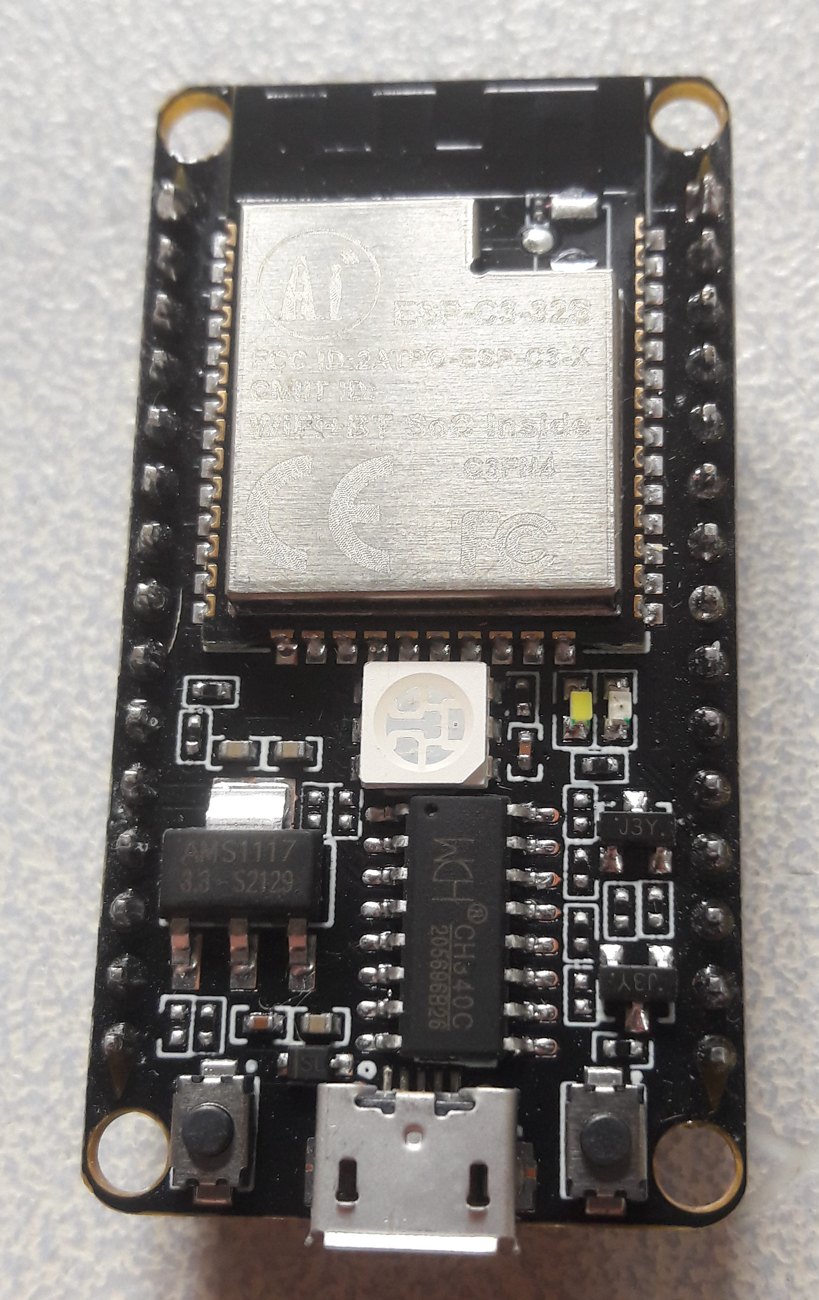
The standard stops at the instruction set. Above it, the chip is the vendor’s own. The interrupt controller, the timers, the memory map, the debug interface, even the way the part comes out of reset are designed by each maker on its own terms. Two RISC-V microcontrollers can run the same compiled C and still need different startup code, different peripheral drivers, and a different debug setup. The instruction set is the common ground. Almost nothing above it is shared. That gap is the real shape of RISC-V’s 2026 maturity story. It is why moving a design from one RISC-V vendor to another costs more than the shared instruction set makes it look. These specifics matter. RISC-V defines how interrupts reach the core and leaves the controller that routes them to the implementer, so the routing block is different on different parts. Debug uses a ratified specification that parts implement to different depths, so a debug probe and its software are matched to the chip more carefully than habit expects. Some vendors add their own custom instructions on top of the standard extensions, which speeds their parts and binds code to them at once. Each of these is workable inside one vendor’s documentation and tools. Together they are why a RISC-V design carries more vendor-specific work than the shared instruction set first suggests. A team meets the gap head-on when it tries to reuse work. A board-support package, a bootloader, or a peripheral driver written for one vendor’s part assumes that vendor’s memory map and interrupt model. Dropping it onto another vendor’s chip means rewriting the parts that touch the hardware. What has to be rebuilt is the hardware-facing layer, since the instruction set itself carries over untouched.
Tools settled, ecosystem still filling in
Above the instruction set, every vendor builds its own world.
The toolchain is the part that quietly got finished. Mainline GCC and LLVM compilers both target RISC-V, so a team builds with the same tools it already uses on other architectures. The debugger, the on-chip programming interface, and the common real-time operating systems all run on RISC-V parts today. Standing a build environment up still takes real work, which a separate guide in this set covers. The pieces are familiar ones. OpenOCD and GDB drive on-chip debugging over the standard JTAG connection. The development environments are mostly the Eclipse-based tools a firmware team already runs. Build systems such as PlatformIO list RISC-V parts beside every other target. A developer who has shipped firmware before finds the desk unchanged, with the same editor, the same debugger window, and the same kind of flash-download step.
What is still filling in is the layer above the compiler. The tested drivers, the middleware, the worked reference examples, and the third-party tools tuned to one specific part are the depth that a long-established architecture accumulates over many years. That depth takes time to grow. RISC-V is years into growing it. The work shows up first where the volume is, in connectivity and low-cost control, since that is where the parts and the demand concentrate.
The fragmentation above the instruction set shapes this layer too. Because each vendor’s peripherals and interrupt model differ, a driver or an example written for one part rarely drops straight onto another. Each vendor answers this with its own software development kit, its own hardware abstraction layer, and its own board-support code, which work well inside that vendor’s world. A team that settles inside one vendor’s kit finds enough to ship a product.
The operating-system layer has filled in well. Zephyr treats RISC-V as a first-class target and runs on parts from several vendors; FreeRTOS and other small kernels have RISC-V ports in wide use. Above the kernel, the picture thins by vendor. A team picks a part, takes that vendor’s software development kit, and works inside it: its drivers, its hardware abstraction layer, its example projects. The kit is usually solid for the chips it covers. Friction arrives when a design wants a library the vendor never wrote, or wants to carry code from one vendor’s part to another’s, where the missing common layer shows itself as porting work. A safety-critical build draws on fewer qualified compilers and certified component sets on RISC-V than on the longest-established architectures. That set grows each year. The trajectory matters as much as the snapshot. Each year more vendors ship parts and more of the layers above the instruction set get written, so a gap found in 2026 often closes within the life of the product being designed, drawn shut by the volume already shipping pulling the tool makers and the middleware in.
Ready for some designs, waiting for others
So the 2026 answer turns on the product. A high-volume consumer device, a cost-driven controller, a connected gadget that lives on Wi-Fi or Bluetooth: these ship on RISC-V today, because the silicon is cheap and available and one vendor’s tools carry the whole job. The families that suit that work are taken up one by one in separate articles. Their readiness question is closed. A team prototypes, builds, orders, and ships them with the same ease a long-established microcontroller brings.
A design with heavier obligations reads the axes differently. A part that has to clear automotive qualification, carry a functional-safety case, or draw on a deep bench of certified middleware finds a smaller catalogue of RISC-V options, growing every year on the production volume already flowing through the architecture. That kind of product puts a team in front of a line that is still moving. Some of those obligations are closing faster than others. Functional-safety work on RISC-V cores is under way at several vendors. Certified cores and qualified tools have started to appear. The catalogue is thinnest at the top bars, a top automotive safety level or a long aerospace programme, where a cautious team still reaches for the architecture with the longer field record. A moderate safety bar in a medical or industrial design is the easier one to meet on a RISC-V part in 2026.
Supply is its own axis, and it reads well for the volume parts. Several vendors build RISC-V microcontrollers. The open instruction set means a competitor’s part is not blocked by a licence, so no single source can corner the field. A design still checks that its chosen part is stocked, second-sourced where the product needs it, and backed by a longevity commitment, the same way it would for any architecture. Put concretely, the products shipping on RISC-V in 2026 are the ones a cost or volume or connectivity argument already points to: the appliance controller, the sensor node, the wireless tag, the remote, the toy, the smart-home device. These are designs where one vendor’s tools cover the work and the saving on each part compounds across a large run.
All of this reads from parts a buyer can already order and volumes a vendor has already shipped. RISC-V crossed from promise into production some years back, on the strength of the hidden cores first and the visible microcontrollers after. That the architecture works in a product is long since proven. What 2026 settles is how wide the band of products is that RISC-V suits without reservation. That band grows every year. Its edge is the only thing a design still has to locate for itself. The architecture passed its own test in volume years ago. A design in 2026 weighs only where its own product sits against an edge that moves a little further out each year.
The decision comes down to a single reading: how much a product leans on the ecosystem above the chip. The less it leans, the more ready RISC-V already is for it. High-volume, cost-driven, and connectivity products lean least, and carry their RISC-V silicon and build tools today. The cost of a wrong bet sits above the silicon, in the work of one vendor’s ecosystem and the porting bill a later change would bring. RISC-V is production-ready for a widening band of designs in 2026. The band grows wider every year on the volume already shipping.
| Source | Reported figure | Note |
|---|---|---|
| NVIDIA, 2024 products | over 1 billion RISC-V cores | 10 to 40 cores inside a single chip |
| Andes Technology licensees | 16 billion-plus SoCs, cumulative | over 2 billion in 2024 alone |
| Qualcomm, by late 2023 | 1 billion-plus devices | embedded RISC-V control cores |
| Industry total | tens of billions of cores | mostly hidden embedded controllers |
Are RISC-V MCUs ready for production in 2026?
For a widening band of designs, yes. Cost-sensitive, high-volume, and connectivity products ship on RISC-V microcontrollers today, with cheap parts in stock and a working toolchain behind them. Three areas are still maturing: cross-vendor portability, the depth of third-party software, and the catalogue of safety-qualified parts. Each improves year by year.
How many RISC-V cores ship in practice?
Billions a year, and the bulk of them are embedded cores hidden inside other chips, the kind a buyer never selects by name. RISC-V International notes that NVIDIA alone shipped over a billion cores in its 2024 products. Counted across every vendor, the running total reaches into the tens of billions.
Is the RISC-V instruction set stable enough to build firmware on?
Yes. The base integer instruction set and its core extensions were ratified years ago and are frozen. New capability arrives as separate named extensions a part may add, so firmware compiled against the base keeps working across silicon generations. The instruction set is the settled part of the picture.
What is the biggest gap holding RISC-V back?
Standardization above the instruction set. Peripherals, interrupt controllers, debug, and boot behaviour are not standardized across vendors, so two RISC-V parts that run the same compiled C still need different startup code, drivers, and debug setup. Porting a design between RISC-V vendors costs more than the shared instruction set suggests.
When does a design pick RISC-V in 2026?
When cost, availability, or the freedom to customise matter more than ecosystem breadth, and the team can work inside one vendor’s tools. The more a product leans on a deep third-party ecosystem, or on safety-qualified parts and a long field record, the more of the RISC-V catalogue it finds still filling in.