Degradation is the slow loss of capacity in an aging battery. A LiFePO4 pack holds nearly its full energy when new. Ten years later it holds a little less, because the cells fade over time. This page forecasts that fade for a LiFePO4 pack, year by year, out to the ten-year mark. The forecast rests on how the chemistry ages with time and with use. The numbers are estimates, since the exact figure depends on how the pack is stored and worked. The shape of the fade is steady enough to plan around, even where the exact percentage stays unknown. A forecast trades false precision for an honest range.
Degradation shows up in two readings. The first is capacity, the energy the pack can hold, which drops a few percent a year. The second is internal resistance, which climbs a little as the cell ages. A faded pack holds less energy. Its cells warm a touch more under load. The capacity figure is the one a forecast tracks, since it sets the runtime a user sees. The resistance change stays small for a LiFePO4 cell across its whole life, so capacity carries the story.
Not every dip in capacity is degradation. A cold cell delivers less for the moment, then returns to full once it warms. A nearly empty pack shows little until it takes a charge. Permanent fade is the slow loss that no charge brings back. The forecast tracks that permanent part, the capacity that ages away for good.
A forecast turns the slow fade into a number a buyer can use. It answers one question. How much capacity remains after ten years. The answer guides whether a pack suits a long job. It also points to when a pack may be due for a replacement. A LiFePO4 pack is built for a long life, so the ten-year figure stays high. The forecast puts a number on that life, drawn from how the cells age in storage and in service.
A single lifespan number hides more than it tells. A single ten-year number covers a pack in good shape and a worn one alike. The forecast opens up that one number into a curve. It shows the capacity at year two, year five, and year ten, under the conditions the pack meets. A reader plans against the whole curve. A lone figure on a box hides the path that leads to it. The ten-year mark is a useful checkpoint, since it covers the working life of a portable pack.
The two clocks of aging
A pack ages on two clocks. Calendar time is the first clock, the years that pass whether the pack runs or sits. Use is the second clock, the cycles a pack runs as it charges and discharges. Both clocks turn at once for a pack in service. A pack that sits in storage ages on the calendar clock alone. A pack in daily use ages on both clocks together. A shelf pack and a working pack share the same calendar all the same. The calendar runs at one pace for every pack.
This forecast follows the calendar clock. The cycle clock has its own count, set by how many full charges a pack runs across its life. A separate forecast handles the cycle side of the story. The calendar side is the one that matters for a pack that spends its time in storage or in light duty. The years pass for every pack, used or idle, so the calendar clock never stops. The calendar reading is the floor under every pack.
What drives calendar fade
Calendar fade runs on three things. The first is temperature, the heat the cells sit in. The second is the state of charge held during storage. The third is time itself. Battery University reports that elevated temperature hastens permanent capacity loss. The same source notes that not all lithium systems behave alike. A LiFePO4 cell sits at the stable end of that range, so it holds its capacity well over the years. The three drivers work together, since a hot pack held full fades on two counts at once.
Temperature is the strongest lever on calendar fade. Heat speeds the chemical reactions that age a cell. Every ten degrees of extra heat roughly doubles the rate of loss, by a long-standing rule of thumb. A cell kept cool ages slowly across the years. The forecast leans hardest on the temperature the pack lives in, since heat moves the figure more than any other input. A sealed box in the sun ages a pack fast.
Heat finds a pack in everyday places. A car boot in summer climbs well past the air outside. A sealed cabinet in the sun traps warmth around the cells. An attic or a metal shed bakes through the afternoon. A pack in any of those spots ages at the fast end of the curve. The forecast asks one thing of the owner, to keep the pack away from the heat.
State of charge is the second lever. A cell held at a high charge for months fades faster than one held part-charged. The high voltage of a full cell stresses its chemistry over long idle spells. Storage near half charge is gentle on the cell. The full charge a pack reaches for daily use does no harm in use. The harm comes from sitting full and idle for weeks at a time. A pack stored near half charge, in a cool place, ages at the low end of the forecast.
Time is the third lever, and the steadiest. A new cell loses a few percent early, as its chemistry settles in the first year or two. The yearly loss then drops to a low, steady rate for the long middle years. The curve bends down quickly at first, then flattens for a long slow decline. The forecast follows that shape, a quick early drop into a gentle drift. The early loss is normal, baked into the cell from its first charge. By the fifth year the yearly drop is small and even.
LiFePO4 holds up well in long storage. Its chemistry stays stable over long spells on the shelf. A quality LiFePO4 cell carries a calendar life past ten years. The cell fades slowly enough that the ten-year mark still leaves much of the capacity in place. This stability is the reason a LiFePO4 pack suits a long, low-duty life, like a backup that sits ready for years. The same trait makes the ten-year forecast a confident one. A steady chemistry is a chemistry a buyer can forecast.
The ten-year forecast in numbers
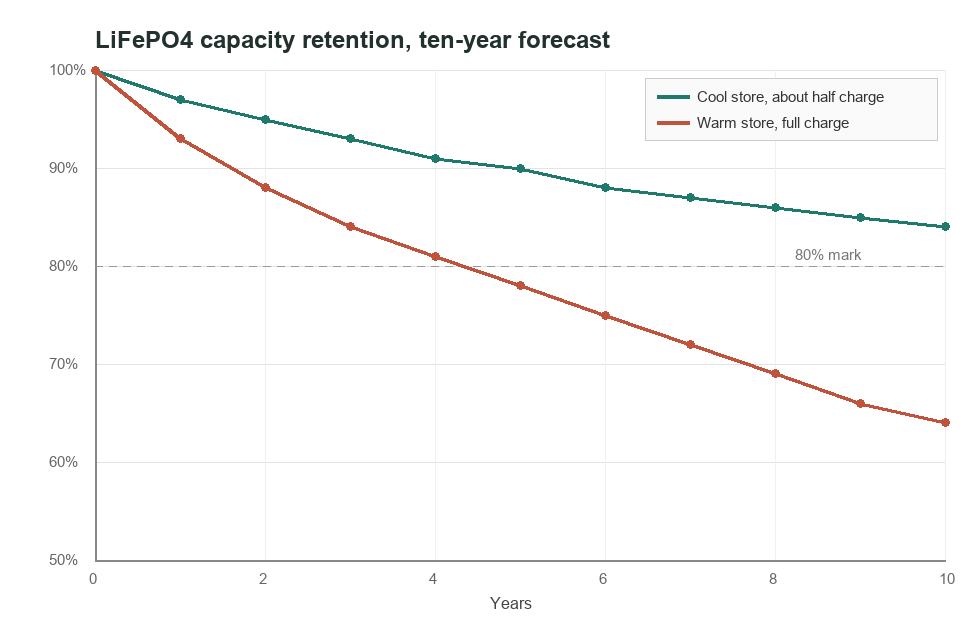
A ten-year capacity forecast for a LiFePO4 pack, drawn to illustrate the curve. The cool, half-charged line holds about 84 percent at ten years. The warm, full line holds about 64 percent. The dashed line marks the 80 percent point. The figures are an estimate from typical LiFePO4 calendar-aging rates.
The forecast puts the fade in numbers. A typical LiFePO4 pack at room temperature holds near 80 percent of its capacity at ten years. The figure rests on a calendar fade of roughly two to three percent a year, eased by the slow LiFePO4 curve. Storage conditions move the figure up or down, as the table lays out. The forecast is an estimate, since each pack lives a different ten years. The table reads the same fade at a set of years, from the first to the tenth.
The fade does not run in a straight line. A LiFePO4 pack loses a few percent in its first year or two, as the cells settle. The yearly loss then drops to a low, steady figure for the long middle years. A straight-line guess reads the fade wrong, since the real curve bends down early and flattens after. The forecast follows that bend. The bend is the whole reason a flat estimate misses the late years.
A sound forecast rests on a few honest inputs. The first input is the storage temperature, the single strongest driver of calendar fade. A pack that lives in a cool room ages at the low end of the curve. The second input is the charge held during long idle spells, since a pack parked near half charge fades slower than one left full. The third input is the duty, the share of the ten years the pack spends working against the share it spends idle. A backup pack that sits ready for the better part of the year ages on the calendar clock. The fourth input is the cell quality, since a well-made LiFePO4 cell holds the slow curve better than a budget cell. The forecast takes those inputs and reads a figure off the curve at the ten-year point. The table sets the figure for each set of inputs. The figure is a forecast, since no two packs live the same ten years. The value of the forecast is the shape it gives the decision. A buyer who plans a ten-year job sizes the pack for the faded figure, so the pack still covers the job in its tenth year. The inputs are easy to read for any pack. The temperature is the room it lives in. The charge is the level it rests at. The duty is the work it does in a year. The quality is the grade of cell inside. A reader who knows those four can place a pack on the curve and read its tenth year. Each input is a plain fact about the pack. A reader checks the room it sits in, the level it rests at, the work it does in a year, and the grade of cell inside. Those four facts place the pack on the curve at the ten-year point. The four inputs are the whole forecast in plain terms.
A worked case makes the curve concrete. A buyer puts a 5,000-watt-hour LiFePO4 pack in a cool garage. The pack rests near half charge between weekend trips. It runs light loads, well under its rated current. Those habits sit it on the upper line of the forecast. At year five the pack holds near 90 percent, close to 4,500 watt-hours. At year ten it holds near 84 percent, close to 4,200 watt-hours. The numbers walk straight off the curve at each year. The same pack kept in a hot shed, left full, and worked hard would read near 64 percent at ten years, close to 3,200 watt-hours. The habits set the gap between those two endings, far more than the cells do. The same cells, treated two ways, reach two different tenth years.
Ten years is a fair window for a portable pack. It covers the span a buyer keeps a station before an upgrade. It sits inside the calendar life of a quality LiFePO4 cell, so the pack reaches the mark with capacity to spare. The forecast at ten years answers the question a long-term buyer asks. A pack that still holds 80 percent at ten years has years of duty left in it. Ten years is the question the curve answers.
Forecast capacity retained by year (LiFePO4, illustrative)
Year
Cool store, half charge
Warm store, full
0
100%
100%
1
97%
93%
2
95%
88%
4
91%
81%
6
88%
75%
8
86%
69%
10
84%
64%
What a ten-year-old pack looks like
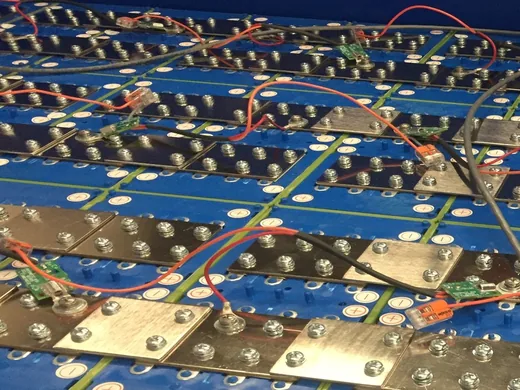
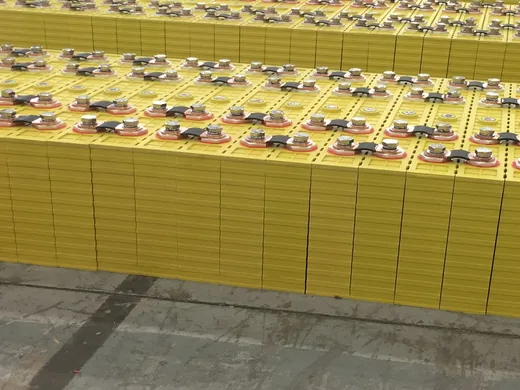
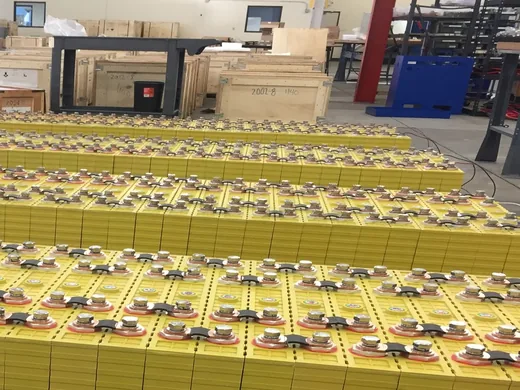
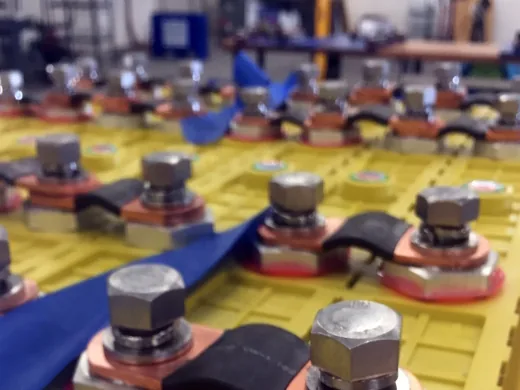
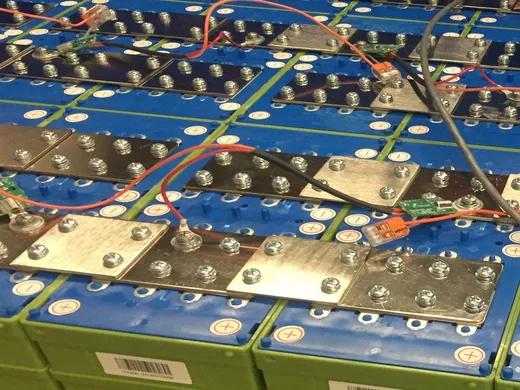
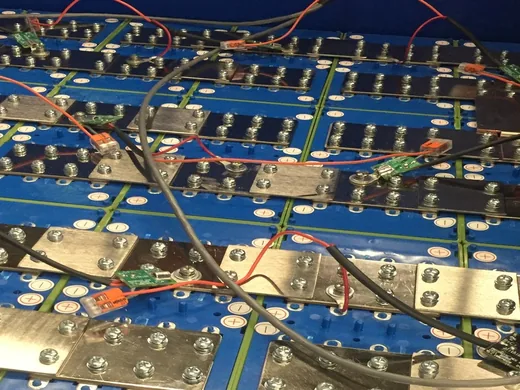
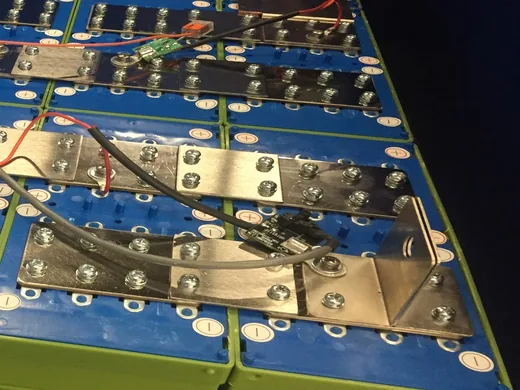
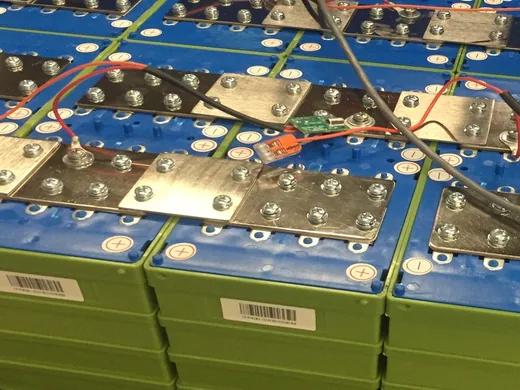
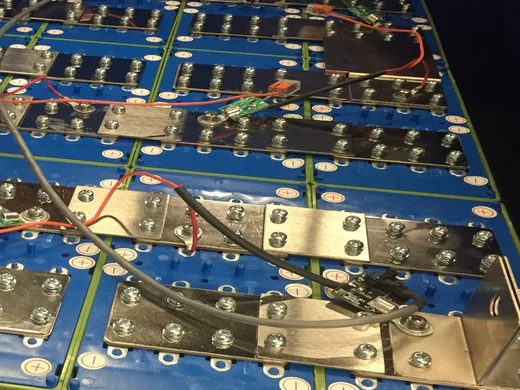
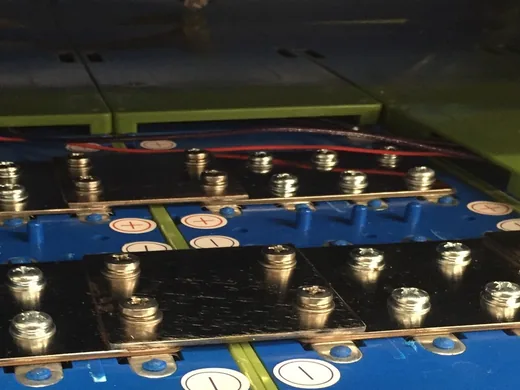
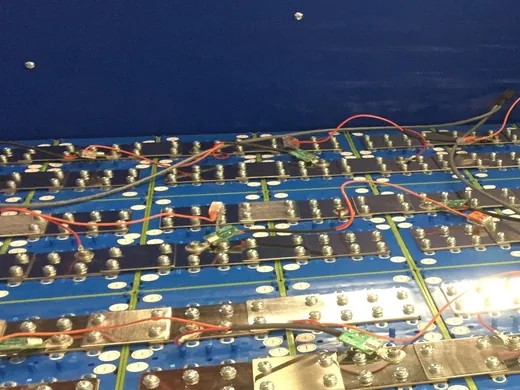
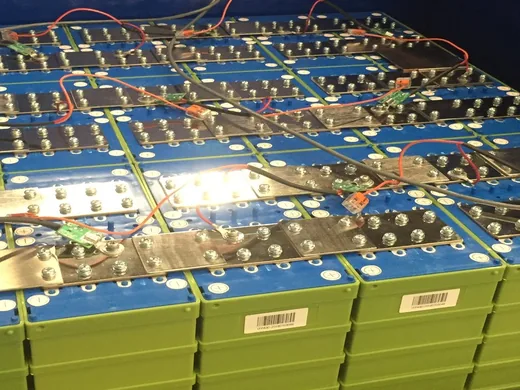
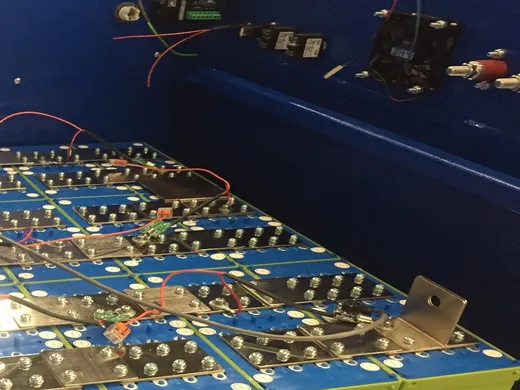
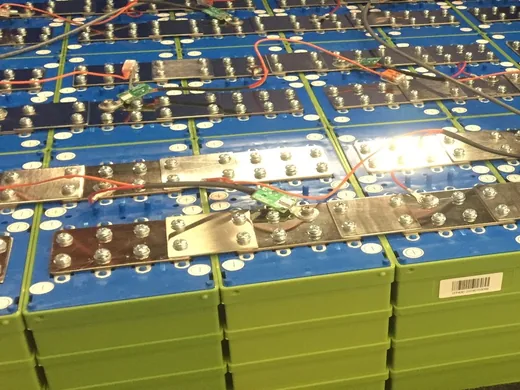
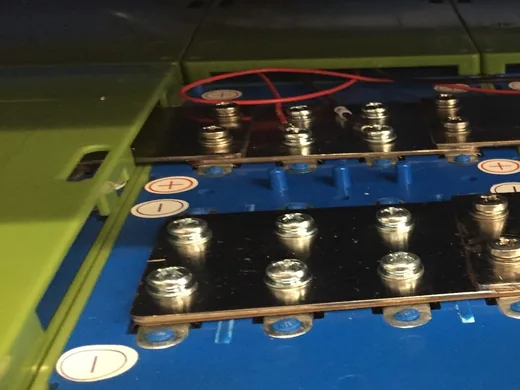
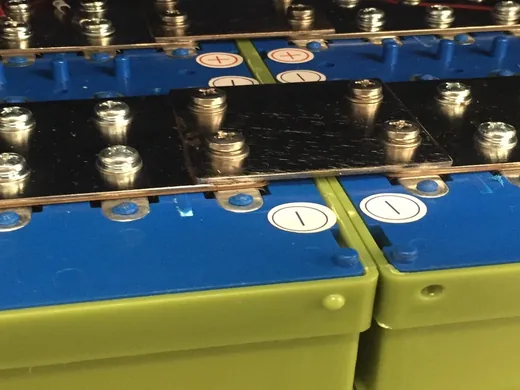
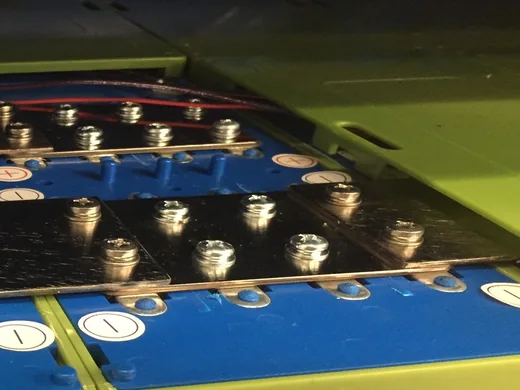
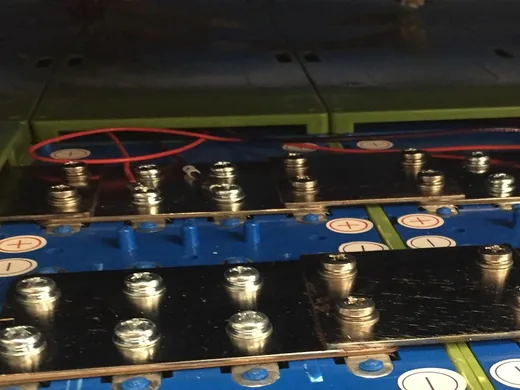
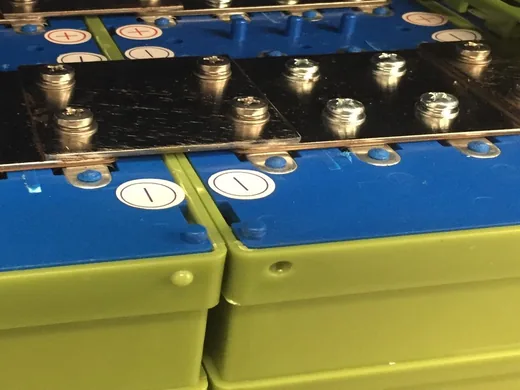
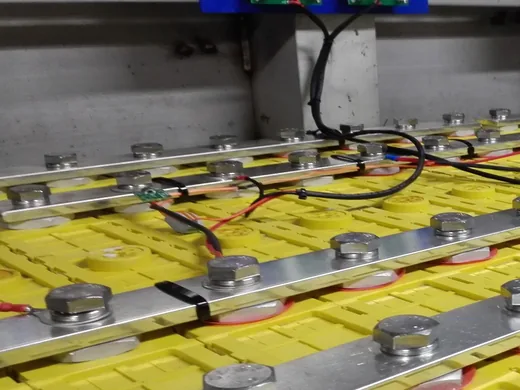
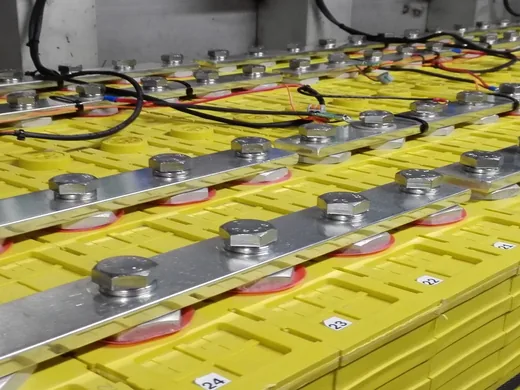
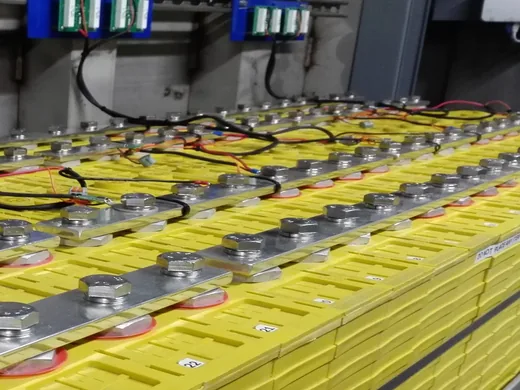
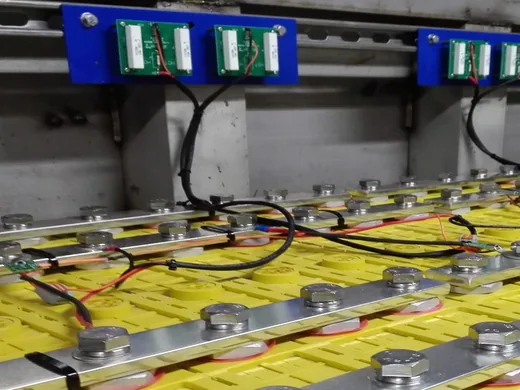
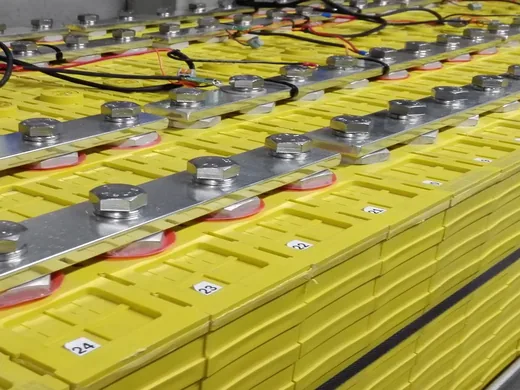
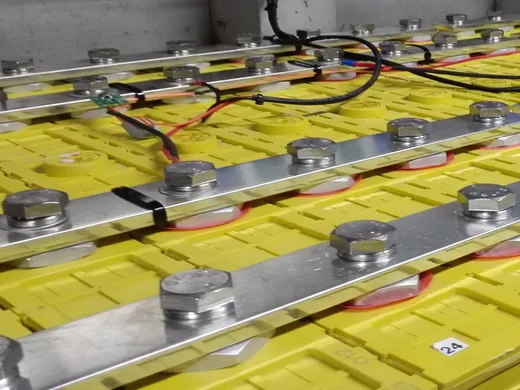
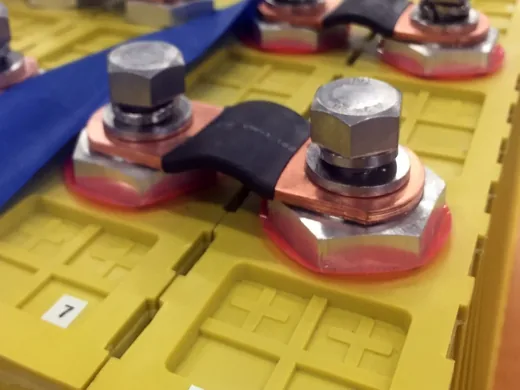
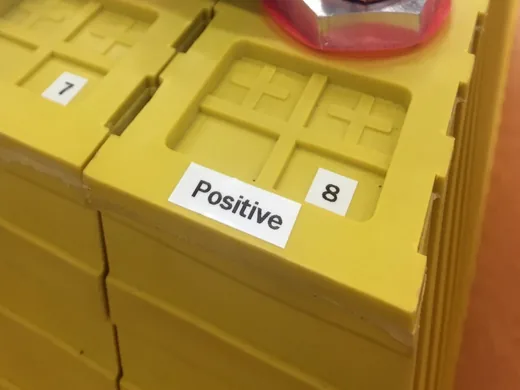
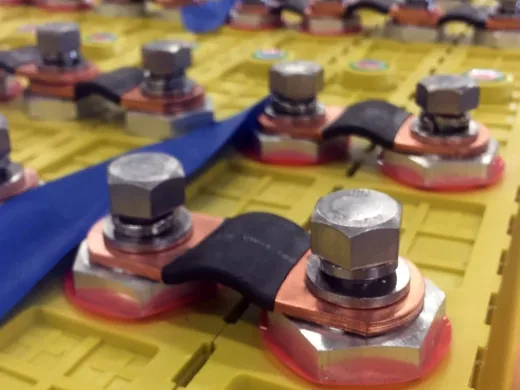
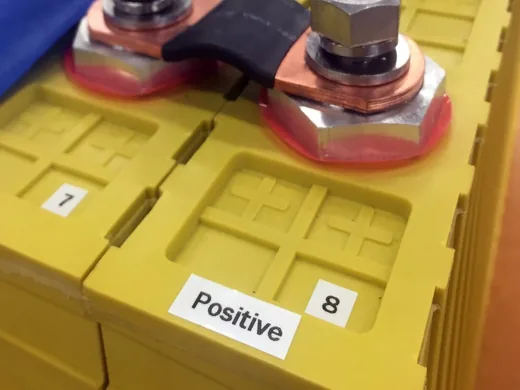
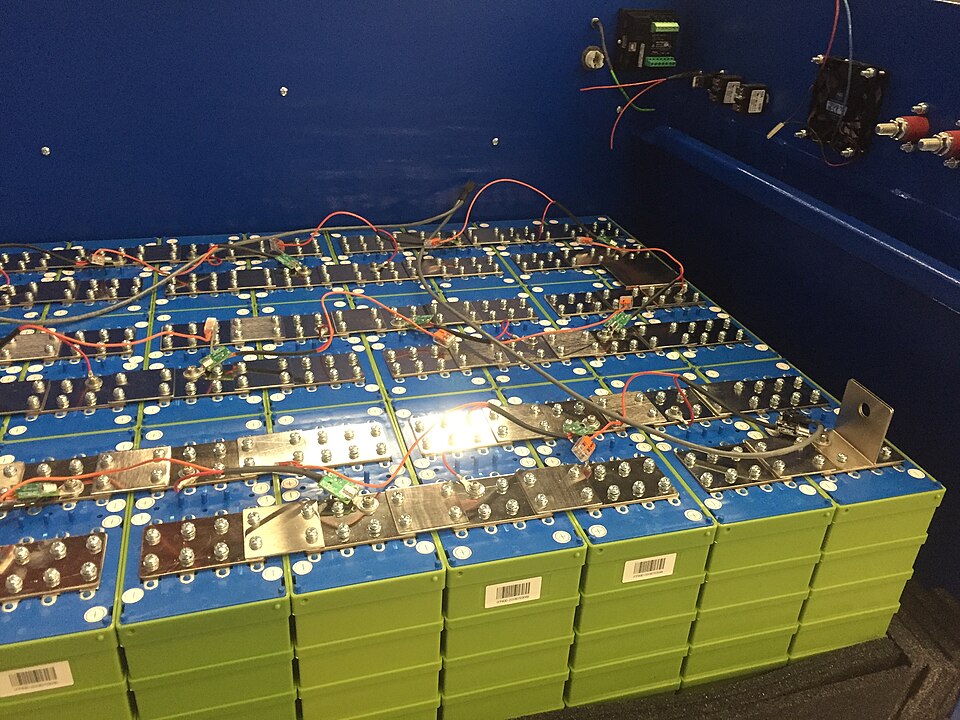
A real LiFePO4 battery bank in service, built from 400-amp-hour prismatic cells set in series and parallel. The metal bars across the terminals are the busbars. The red wires are the balance and sense leads that run to the management board. The barcodes are the maker cell labels. Cells like these hold much of their capacity past ten years in a cool, careful install.
A LiFePO4 pack at ten years still does its job. It holds around 80 percent of its first-day capacity in a cool, careful life. A pack that ran 5,000 watt-hours when new runs near 4,000 after ten years. The runtime drops by the same fraction, so a job that filled an evening now falls a little short of it. The pack charges and discharges as before. A ten-year-old LiFePO4 pack is still a working pack. It carries on for years more past that mark. The pack still holds a strong tank of energy at the ten-year point.
The change is gentle enough to miss day to day. A user notices it as a slightly shorter evening, or a charge that runs down a touch sooner. The internal resistance sits a little higher, so the pack warms a shade more under a heavy load. The peak power holds up well for a LiFePO4 cell, since its resistance rises slowly. The pack of year ten feels much like the pack of year one, with a smaller tank behind it. The wear lives in the size of the tank.
A worn pack still covers much of what it did. A 5,000-watt-hour pack down to 4,000 still runs a fridge overnight, charges a run of devices, and powers an evening of light and screens. A pack bought with a little headroom carries its full duty well past ten years. A worn pack with headroom still finishes the day’s work. The faded figure is the one to plan the long jobs around.
Heat is the enemy of a long-lived pack.
How to slow the fade
A few habits hold a pack near the top of the forecast. The first is a cool storage spot, out of the sun and away from heat. Temperature is the strongest driver, so a cool home buys the pack the slowest fade. A pack kept cool ages at the slow end of the curve for its whole life. A shaded shelf indoors beats a hot car boot by a wide margin. The storage spot is the first choice an owner makes for the pack.
The second habit is the storage charge level. A pack put away for weeks rests best near half charge. A long spell at full charge adds to the fade, so a pack left full and idle ages faster. A pack stored near the middle of its range sits gently for months on end. Many packs hold a storage mode that parks them near half charge on their own.
The third habit is steady, moderate use. A pack worked gently, at a fraction of its rated current, stays cool in service. A pack run at an easy pace holds its capacity longer. The current a pack draws sets how warm it runs. The daily habits add up across ten years, so an easy life shows in the tenth-year figure. A pack that never runs hard barely feels its own current.
The fourth habit is a full charge only when it is needed. A pack charged to full just before a job spends little time sitting full. The charge habit and the storage habit work together to slow the fade. A short top-up just before use keeps the pack off a long full rest. A pack that is cool, rested near half, and worked gently reads at the top of the ten-year forecast.
The fifth habit is a check now and then. A pack read once a year shows its drift early. A fade ahead of the forecast turns up in time to act on it. A quick capacity test, or a glance at the pack’s own report, tells the tale. A pack watched across the years holds no surprises at year ten. The yearly check takes only a few minutes.
Forecasting a pack of your own
A reader can place a pack on the forecast with a few answers. The first answer is the temperature the pack lives in, cool or warm. The second is the charge it rests at, full or part. The third is the work it does, heavy or light. Those three answers point to a spot on the curve.
The answers map to a figure on the curve. A cool, half-rested, lightly-worked pack reads near 84 percent at ten years. A warm, full, hard-worked pack reads near 64 percent. A pack of mixed habits reads in the broad middle, near 80 percent. The forecast gives a band of figures, since each pack lives its own ten years.
The forecast pays off at the buying stage. A buyer who needs 4,000 watt-hours in year ten sizes the pack for that faded figure. A pack rated near 5,000 watt-hours new lands near 4,000 after a careful ten years. The pack covers the job on its first day and on its last. A forecast read at the start saves a short pack at the end.
A note on the estimate
A forecast is a careful guess from the curve. It draws on how LiFePO4 cells age across many studies and many packs. A given pack may beat the figure or fall short of it by a few points. The number earns its keep as a planning tool, read as a band and checked against the pack over the years. A range with honest conditions named is the best a forecast can give. A planner reads the band and plans for its lower edge.
Mistakes in a degradation forecast
A few mistakes throw a forecast off. The first is treating the fade as a straight line. The real curve drops fast early, then slows, so a straight-line guess reads the late years too low or the early years too high. A forecast that follows the curve lands closer to the truth. The curve is the honest picture of how a cell ages.
The second is ignoring the calendar clock. A pack judged by cycles alone misses its calendar age, since the cycle count stays low in storage. The calendar fade adds up year by year on the shelf. A pack that sits idle still ages, so the calendar clock belongs in every forecast. The cycle count alone tells half the story for a pack in long storage.
The third is storing a pack hot and full. A pack left full in a hot space ages at the fast end of the curve, because heat and a high charge both drive the fade. A forecast built on cool, half-charged storage falls apart in a hot shed. The storage conditions have to match the forecast behind the number. A pack and its forecast have to live in the same place. A hot, full shelf is the hardest place a pack can wait out its years.
The fourth is trusting a single bare number. A ten-year figure means little without the temperature, the charge, and the duty behind it. The same pack reads 84 percent or 64 percent, by the conditions of its ten years. A forecast carries its conditions, or it carries no weight.
The fifth is forgetting that a forecast is an estimate. The curve gives a careful guess, drawn from how LiFePO4 cells age. A real pack may beat the figure or fall short of it. The forecast is a planning tool, read as a band and checked against the pack over time. A number with honest conditions behind it beats a bare promise. A forecast with its conditions named is a tool a planner can lean on.
Common questions
How much capacity does a LiFePO4 battery keep after 10 years?
A LiFePO4 pack holds about 80 percent of its capacity after ten years at room temperature, nearer 84 percent in a cool half-charged store, and toward 64 percent in a warm full one. The figure rests on a calendar fade of roughly two to three percent a year. The slow LiFePO4 curve eases the loss in the later years.
Does a LiFePO4 battery age in storage?
Yes. A pack ages on the calendar clock whether it runs or sits, since the chemistry drifts slowly over time. Calendar fade runs on temperature and the stored charge level. A pack in long storage holds up best in a cool place near half charge. The years count for every pack, used or idle.
Does temperature affect LiFePO4 lifespan?
Yes. Heat is the strongest driver of calendar fade. Every ten degrees of extra storage heat roughly doubles the rate of capacity loss, by a long-standing rule of thumb. A pack kept cool ages at the slow end of the forecast. Battery University reports that elevated temperature hastens permanent capacity loss.
How is a battery’s capacity in ten years forecast?
Read three conditions: the storage temperature, the charge level it rests at, and the work it does. Those point to a spot on the LiFePO4 fade curve at the ten-year mark. A cool, half-rested, light-duty pack reads near 84 percent at ten years. A warm, full, hard-worked one reads near 64 percent. The forecast is a band, drawn from how the cells age.