How Many Ultrasound Probes A Breeding Farm Needs Livestock
How many ultrasound machines a breeding farm needs comes down to one question before any other: whether to own a machine at all or to hire a contractor to bring one. The answer turns on how many animals a farm scans and how often, far more than on the price of any machine. The number to own, where a farm owns at all, is almost always one, the harder call being the own-or-hire itself.
Own or hire
Two ways stand open to a farm that needs its animals scanned. It buys a machine and scans them itself, or it hires a contractor who comes with a machine and does the scanning. The choice between them is the whole of the how-many question for nearly every farm. The farm weighs the one against the other on the work it has, the days a year it would scan against the cost of a box it would own. The sum is the same on every farm, the answer different on each.
The hire keeps the cost to a fee a head. A contractor charges a small sum for each animal scanned, the farm paying only for the scanning it has done. No machine sits idle between the jobs, no money is tied up in a box on a shelf. The farm that hires owns nothing and pays as it goes. A contractor’s bill is for the days he works and no others, a cost a farm can see and plan and pay from the scanning’s own return. The hire keeps the money in the farm’s pocket until the scanning is done.
The own puts a machine in the farm’s own hand. A farm that buys a machine scans when it likes, as often as it likes, with no contractor to book and wait for. The cost is the price of the machine up front and the learning to use it, paid back over the scanning the farm then does for itself. The machine in a farm’s own shed is ready the hour an animal is, no waiting on a contractor’s round or a day he can spare. A farm that scans on its own clock keeps the read in its own hand.
The farm that hires
A farm that scans now and then hires the work done. A flock scanned once a year for its lamb count, a small herd checked for its pregnancies a few times, has no call to own a machine of its own. The contractor comes that day, does the lot, and leaves, the farm paying only for that day’s work. A few hundred ewes counted of an autumn, a handful of cows checked at a yard, is the whole of a small farm’s scanning year, a morning’s work done by a contractor for a fee a head. No machine is bought for a job done once.
The contractor brings more than a machine. A scanning contractor scans for a living, a thousand animals a day under his belt and an eye trained on more wombs than a farmer would read in a lifetime. The hire buys that skill along with the machine, the count or the call made by a hand that does nothing else. A farmer scanning his own stock a few times a year never builds the eye a contractor has, the read surer from the man who does it all day every day, an eye a few scans a year would never build. The hire buys an eye the farm could not grow on its own light scanning.
The hire suits the farm whose scanning fits a day or two a year. A sheep farm scanned the once for its lamb counts, a small herd checked at the year’s breeding, fills a contractor’s morning and needs him no more till the next year. The machine that sat idle the other fifty weeks would never earn its price on a farm like that. The lamb count of a flock is a once-a-year job by its nature, the ewes scanned in the weeks before lambing and not again. A machine bought for that one job would scan a week and sit the rest of the year, its price never earned on so little work.
The farm that hires keeps its money for the rest of the work. A breeding farm has a hundred things to spend on, the scanner low on the list when a contractor does the job for a fee. A farm scans by hire until the scanning grows past what a contractor’s visits can cheaply cover, the own put off till then. The money a small farm would sink in a machine sits better in its ewes or its ground, the scanning hired for a fee until the day the farm’s own work would keep a machine busy. A farm hires while hiring is the cheaper way.
The farm that owns
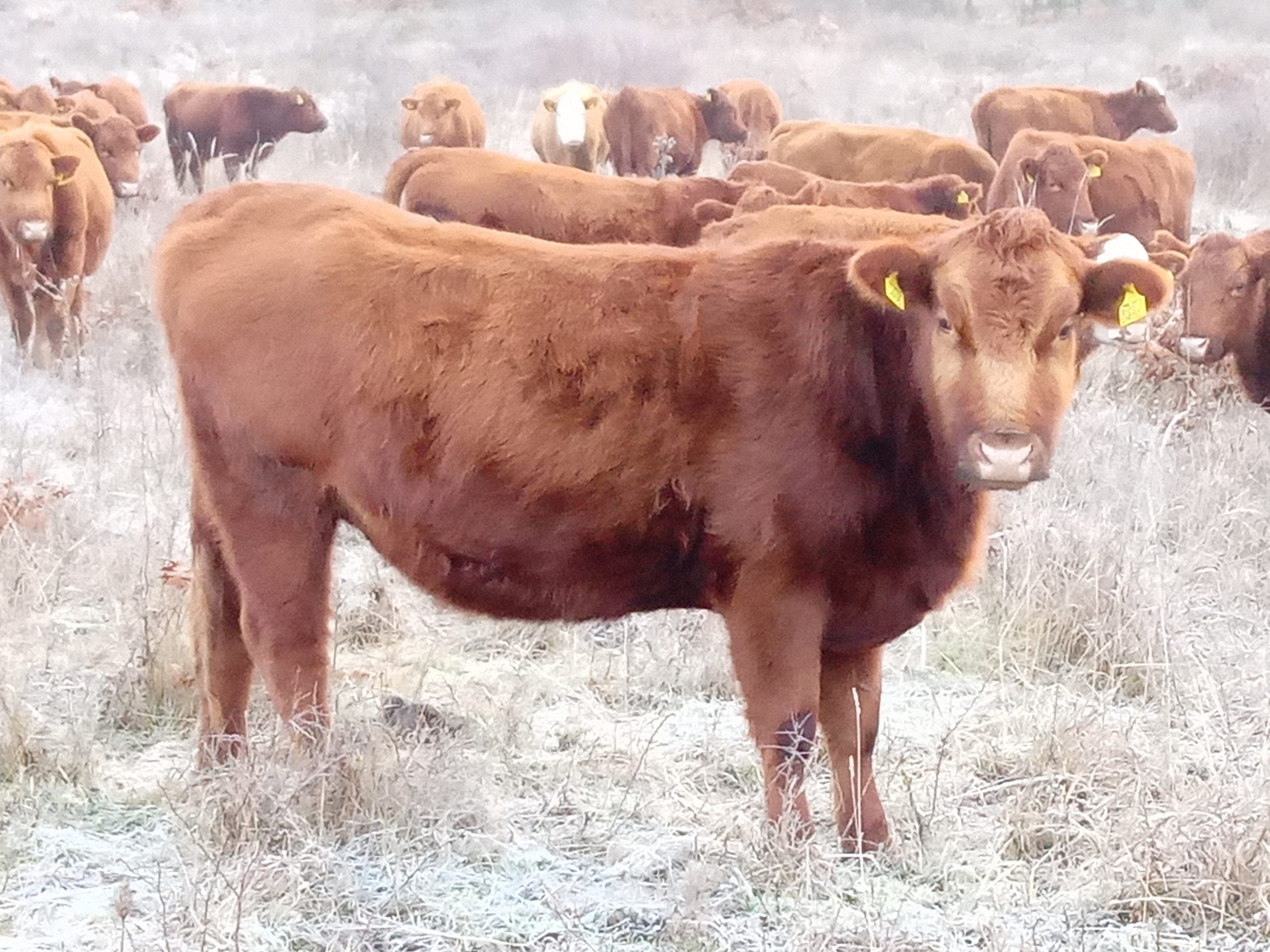
A farm that scans week in and week out owns its own machine. A dairy timing its breeding scans its cows on a schedule the year round, a pig unit checks every batch of sows a month after each mating, a big flock and a busy stud read their stock again and again through the season. Scanning of that kind cannot wait on a contractor’s diary, the read needed on the day the animal is ready, a day a contractor’s diary may not match. The farm that scans on its own clock owns the machine that lets it. The cost of the machine is set against the call-out fees a year of weekly scanning would run to, fees that climb past the price of a machine in a season or two on a unit that scans that often. A farm scanning its own stock every week buys the machine and stops paying the fees, the read in its own hand whenever it wants it. The machine earns its price in the scanning a busy farm does day after day, never idle long enough to waste it.
The dairy is the clearest case for owning. A modern dairy reads its cows’ ovaries and pregnancies week in and week out, the timed breeding it runs on built on a scan always to hand. A dairy of any size scanning its own herd owns a machine, the read a constant enough part of the work to keep a machine of its own. A dairy scans every week the year round, the cows read for their ovaries and their pregnancies on the schedule the breeding runs to. A herd of fifty or a herd of five hundred scans on the same weekly clock, the size of the herd no part of the call to own.
The pig unit owns for the same reason. A unit running batches checks every group of sows a month after mating, week after week through the year, the scanning a fixed beat of the unit’s clock. A pig unit of any size owns its machine, the batch checks a regular enough part of the week to keep a machine on the unit. A pig unit reads a batch every week, the sows of each group checked a month past their mating and again a few weeks on. The scanning falls on the unit like the feeding, a job of every week, a machine of its own the only way to keep it up.
The big flock and the busy stud come to own as well. A flock large enough to scan over many days, a stud reading its mares again and again through the spring, finds a contractor’s repeated visits dearer than a machine of its own. The scanning that runs long or runs often is the scanning a farm comes to own for. A stud with a yard full of mares reads each through her cycle and her early pregnancy, a season of scanning that would cost a fortune in a contractor’s repeated calls. The breeding operation that scans its stock again and again owns the machine the repeats would otherwise pay for many times over.
The line between hire and own is the frequency of the work. A farm crosses it when its scanning turns from a day or two a year into a weekly part of the work, the fees of the one growing past the price of the other. The farm reads its own calendar of scanning to know which side of the line it sits. A farm near the line works the sum both ways, the fees of its scanning against the price and the keep of a machine. The farm that scans just enough to wonder is the one that runs the numbers closest, the answer plain at the two ends and close to call in the middle.
One machine does the work
The farm that owns owns just the one machine, never a fleet. One scanner does the work of one pair of hands. A farm scans one animal at a time down its herd or flock. A single machine reads a whole dairy, a whole pig unit, a whole flock, run through one after another by the one vet or stockman holding it. A second machine reads no faster on a farm with one pair of hands to hold it, the work bound by the scanner more than the machine. One hand, one machine, is the shape of the scanning on all but the largest farms.
The how-many question answers itself for nearly every farm. A farm needs as many machines as it has scanners working at once. Almost every farm scans with one hand at a time. The number is one, the real question the own-or-hire that comes before it. A farm asking how many machines it needs has almost answered itself, the count one as soon as it scans with one hand. The how-many dissolves into the own-or-hire, the only number that matters whether it is zero or one.
Own when the scanning never stops
The scanning that never stops is the scanning a farm owns a machine for.
The backup that keeps a unit running
A unit that cannot stop scanning plans for a machine down. A dairy or a pig unit running its breeding on a weekly scan is stuck the week its one machine breaks, the batch unread and the timing slipped. The cost of a machine down in a breeding week is the reason a busy unit thinks past the one machine. A breeding week missed is a batch of cows or sows off their timing, a slip that ripples down the months to a hole in the calving or the farrowing. The cost of a week’s scanning lost is why a unit that breeds on the scan cannot let its one machine be its only one.
The backup is a spare machine on a big unit, or a maker and a contractor a smaller one can call on fast. A large unit keeps a second machine against the day the first goes down, ready for the week the work cannot wait. Either way, a unit that breeds on the scan plans for the week its machine might fail. A maker who sends a loaner inside a day saves a small unit the cost of a second machine, the backup had as a promise of fast help, no second box to buy. A unit reads the support behind a machine as part of what it buys, the cover for a breakdown weighed with the machine itself.
One machine, many probes
A mixed farm needs the probes, the same one machine to carry them all. A farm running cattle and sheep and pigs scans each with its own probe, a long rectal probe for the cattle, a belly probe for the sheep and pigs. The one handheld carries them all, the probe swapped for the animal on the same machine.
The probe makes the machine fit the species. The rectal linear reaches inside a cow or a mare, the convex or belly probe reads a sheep or a pig from the outside, the one machine taking whichever the day’s animals need. A farm buys the probes its stock calls for and the one machine to carry them. A mixed farm scans a cow through the rectum in the morning and a sow on the flank in the afternoon, the one machine taking the rectal probe and then the convex without a second box. The probes are the cost of the species, the machine bought once for all of them.
The machine choice itself is a study of its own. The frequency, the image, the build, the battery, the screen a farm reads in a sunlit yard: the picking of the right handheld is set out elsewhere, the same choosing a clinic makes for its own work. The how-many question here is the count of machines, the choosing of the one machine its own subject.
The mixed farm owns one machine and the probes for its stock. A farm that breeds cattle, sheep, and pigs scans them all on the one handheld through the year, the rectal probe for the cows in the crush, the belly probe for the ewes and the sows. One machine and a handful of probes read the whole of a mixed farm’s breeding. The farm that runs more than one species owns no more machines for it, only more probes to fit the one. The cattle, the sheep, and the pigs all come to the same handheld, each on the probe its body asks for.
What it costs to own
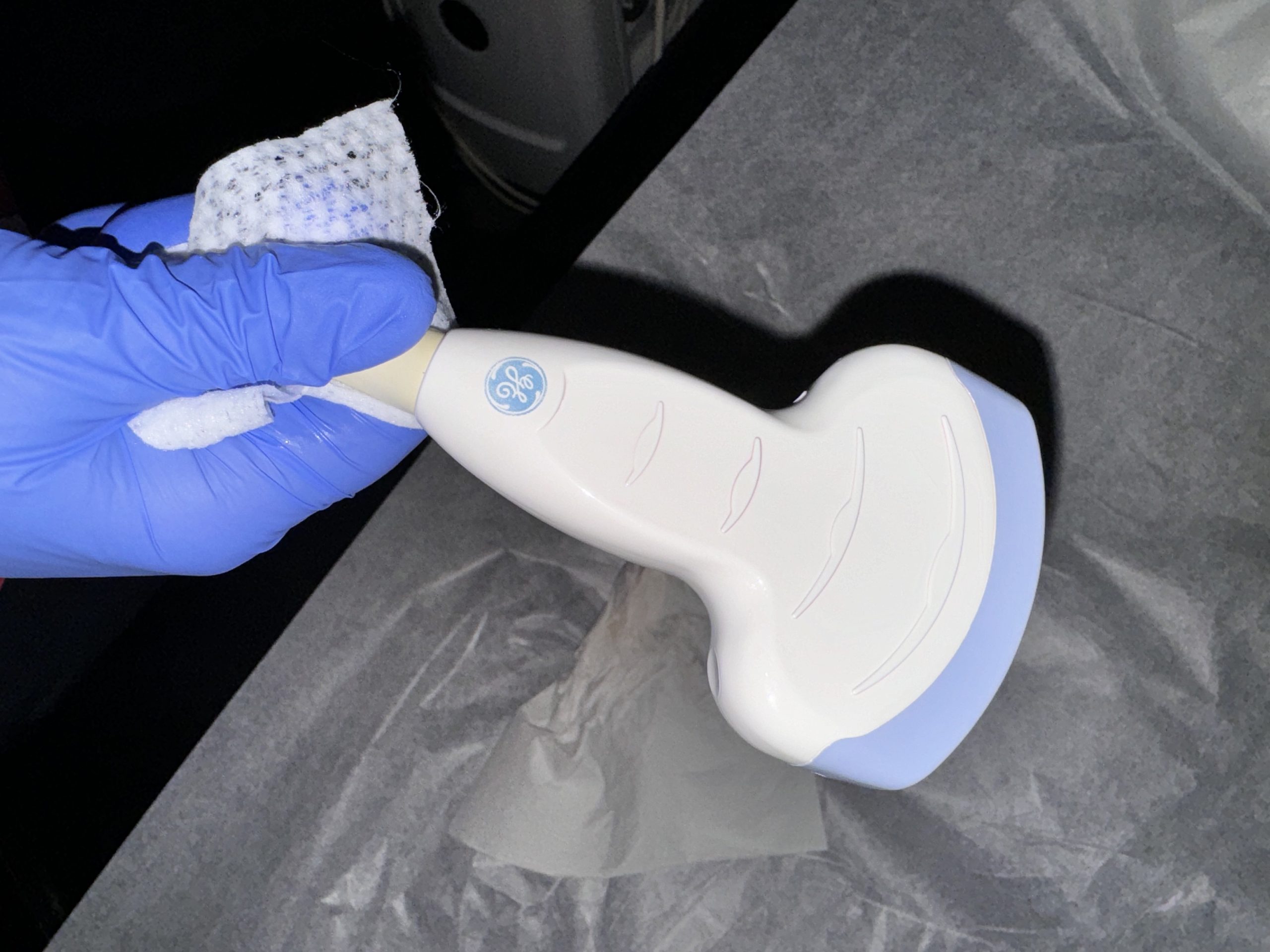
The machine costs its price and a little to run. A handheld is bought once for a sum a farm weighs against its scanning, then costs a little a year in a probe replaced or a battery renewed. The cost of owning is the price up front and a small keep, set against the fees a farm would pay to hire the same scanning done. The price of a handheld is a sum a farm can name, paid once and set against years of use. The keep of it is light, a probe or a battery now and then, the running cost a small thing beside the price up front.
The fees a farm saves pay the machine back. A unit scanning its own stock every week would pay a contractor a fee for each of those animals every week, the fees of a year run well past the price of a machine on a unit that scans that much. The machine bought stops the fees, the saving paying its price back in a season or two. The fee a contractor charges a head is small, the number of heads a busy unit scans a year large, the two multiplied a sum that soon dwarfs a machine. A unit that scans by the thousand a year pays in fees what would buy a machine and keep it for years.
The own pays only past a certain weight of scanning. The more a farm scans, the more it saves by owning, the fees it does not pay climbing past the price of a machine once the scanning runs to the weekly. A farm that scans little never gets there, its few fees a year well short of the cost of owning.
The machine earns more than the fees it saves. A farm with its own machine scans on the day the animal is ready, the breeding timed and the misses caught when they happen, the read of more use to the farm than the fee it costs. The own buys the timing as much as it saves the fee. A misread caught the day it happens, a cow rebred the week she comes up open, is money the own makes by the scan being always to hand. The machine on the farm is the timing, the timing the breeding, the breeding the whole of the farm.
The sum is a plain one for a farm to run. The fees of a year of the farm’s scanning, set against the price of a machine and the learning to use it: the bigger the scanning, the sooner the machine pays. A farm runs that sum on its own numbers and reads its answer off it, own or hire. A farm that runs the sum honestly rarely gets it wrong, the fees and the price plain numbers a stockman can add. The answer is in the farm’s own records, the days it scanned last year the best guide to the days it will scan the next.
When a farm needs more than one
A few farms run to more than one machine. A unit so large it scans two sites at once, or a single site so big one machine cannot read it in the time the work allows, runs a second machine and a second hand. The number climbs past one only where the scanning runs in two places at the same hour. A large operation may run two crews on two sites of a morning, a machine and a scanner in each, the work split to read all the stock in the time it has. The second machine is a second pair of hands going at once, the work split across two crews to read all the stock in the time it has.
The backup is the other reason for a second machine. A unit that cannot stop scanning keeps a spare against a breakdown, a second machine kept as a guard against the day the first fails, idle until that day comes. The spare sits ready for the week the first machine fails, a cost a busy unit carries against a worse one.
For almost every farm, though, the number is one. A farm scans with one hand, owns one machine, and keeps a way to a backup if it cannot stop. The how-many comes down to one machine and the plan behind it, the harder question always the own-or-hire that sets whether the farm owns at all. The talk of two machines is for the few units big enough to need them, two sites or a spare against a break. The farm reading this is almost surely a one-machine farm, its real choice the own-or-hire, the count of machines settled at one.
The vet and the contractor
The contractor and the vet practice own machines of their own. A scanning contractor runs a machine for every scanner he puts on the road, a vet practice a machine for every vet who scans on its rounds. Their number is the count of their scanners, a machine in every working hand at once. The contractor’s fleet is the number of rounds he runs at once, a machine for every scanner out on the road of a busy day. A practice that scans for its clients owns a machine for each vet who carries one, the count of machines the count of hands.
The contractor’s machines serve the farms that hire. A contractor owns the machines so the farms need not, his fleet the count of the scanners he sends out, each farm on his round paying a fee and owning nothing. The farm that hires leans on the contractor’s machines, the own-or-hire on the farm’s side the mirror of the contractor’s own choice to own a fleet and scan for many. The contractor’s business is owning the machines so the farms need not, his fleet on the road serving every farm that keeps none of its own. A farm without the scanning to justify owning leans on a man whose whole trade is the scanning.
Matching the buy to the farm
The number of machines a farm needs is read off its own scanning. A farm that scans a day or two a year hires a contractor and owns none, a farm that scans week in and week out owns one and plans a backup, a rare farm scanning two places at once owns two. The count follows the work the farm does, more than the size of the farm by itself.
The first call is always own or hire. A farm reads its own calendar of scanning, the days a year it scans set against the cost of a machine, and lands on the side the sum points to, the weight of its own scanning the thing that decides. The sum is the same on every farm, the fees of its scanning set against the price of a machine, the answer falling out of a farm’s own days of work. The farm reads its calendar and lets the numbers say own or hire.
The machine a farm owns, where it owns one, is one, with the probes its stock needs and a plan for the day it fails. The whole of the how-many is that: own or hire on the weight of the work, one machine where a farm owns, a backup where it cannot stop. A breeding farm reads its answer off its own scanning, the count of machines the simplest part of the choice once the own-or-hire is made.
Common questions about ultrasound machines on a breeding farm
How many ultrasound machines does a breeding farm need?
Almost always one, where it owns a machine at all. A farm scans one animal at a time down its herd or flock, so one machine in the one working hand reads the whole farm. The harder question is whether to own a machine or hire a contractor to bring one, the count of machines the simple part once that is settled.
Should a farm own a scanner or hire a contractor?
It depends on how often the farm scans. A farm that scans only a few days a year is better to hire a contractor, who brings the machine and the skill for a fee a head. Owning pays once the scanning runs to the weekly, the call-out fees of a year soon past the price of a machine. The frequency of the work decides it.
When does it pay to own an ultrasound machine?
When the scanning runs to a weekly part of the work. A dairy timing its breeding, a pig unit checking its batches, a large flock or busy stud scans its stock again and again through the year, the fees of all that scanning soon past the price of a machine. A farm scanning that often owns its own and stops paying the fees.
Does a mixed farm need more than one machine?
No, it needs more than one probe. A farm running cattle, sheep, and pigs scans each with its own probe, a long rectal probe for the cattle and a belly probe for the sheep and pigs, all carried on the one handheld. One machine and a handful of probes read the whole of a mixed farm’s breeding.
When does a farm need a second machine?
When it scans two places at once, or when it cannot afford to stop. A unit so large it reads two sites at the same hour runs a second machine and a second hand. A unit that breeds on a weekly scan keeps a spare against a breakdown, a backup for the week its machine fails. For almost every other farm, the number is one.

About the Author
Julien Mercier
Senior R&D Engineer · Medical Ultrasound Transducer Development
Senior R&D Engineer with an M.S. in Applied Physics and over 15 years of experience in medical ultrasound transducer development, specializing in the design verification and performance testing of high-frequency imaging transducers. Currently leading the development and verification of the company’s next-generation high-frequency linear-array transducer, responsible for imaging performance evaluation and reliability analysis in preclinical testing. Brings extensive hands-on experience in piezoelectric element tuning, beamforming parameter optimization, and system-level performance testing.