GigaDevice GD32V Stock and Ecosystem Maturity
Two questions decide whether a RISC-V microcontroller is ready for a product: can a design buy it in quantity, and have the tools and the community matured around it. The GigaDevice GD32V answers both through one part, the GD32VF103. That part came from a company with a long history in memory and in Arm microcontrollers. Its supply rests on that company’s distribution. Its ecosystem grew over years of field use. The GD32VF103 is where the line started and where it stays strongest.
GigaDevice and the GD32V line
GigaDevice is a Chinese fabless semiconductor company, founded in 2005 and based in Beijing. Its first business was flash memory. Serial NOR flash put the company on the map. Its flash chips ship on boards across the whole industry. A great many designs carry a GigaDevice flash part on the bill of materials. The company sits among the larger SPI flash suppliers in the world. It listed on the Shanghai exchange in 2016. GigaDevice moved into microcontrollers in 2013. The first GD32 parts ran Arm Cortex-M3 cores. Those parts followed the STM32 layout closely. The GD32 line grew into hundreds of part numbers over the next decade. It spread across value, mainstream, and high-performance tiers. GigaDevice then opened a second microcontroller line on a RISC-V core. That line carried the GD32V name. It put a RISC-V core inside the GD32 frame the company already shipped. The peripherals, the packaging, and the tooling carried over from the GD32 world. GigaDevice today ranks among the top SPI NOR flash suppliers worldwide. Its catalogue also runs to NAND flash and to memory modules. A GD32 automotive line followed for cars. Beijing remains the company’s base. Each move built on the volume skills the flash business taught.
The flash heritage shapes the supply story. GigaDevice runs large volumes through established foundries. Its parts reach designers through a wide distribution network. Catalogue distributors carry GigaDevice across their shelves. A buyer who stocks GigaDevice flash already knows the channel. Lead times and ordering follow a known pattern. The GD32 microcontrollers travel that same route to market. Distributors that carry the memory carry the controllers beside it. That reach hands the GD32V a broad supply base from launch. GigaDevice began with that network already built. The flash channel carried the new controllers from the first day. Volume manufacturing is the company’s core skill. The flash business proved that skill at scale years ago. Supply credibility is the first mark in the GD32V’s favour. Mouser, Digi-Key, and LCSC all list GigaDevice parts. Pricing on the GD32VF103 sits near a dollar in volume. Many designs already trust a GigaDevice flash chip on the same board. That trust carries over to the controller. Volume and reach travel together here.
The GD32V arrived in 2019. GigaDevice introduced it in the year the RISC-V base instruction set reached its frozen form. A frozen base let hardware and software settle on common ground. The timing put the part among the first commercial RISC-V microcontrollers a buyer could order. Few vendors had shipped a RISC-V MCU at that point. GigaDevice reached the market early. Years of field use sit behind the part now. Makers picked it up through cheap boards. Students met it in courses and labs. Product teams built it into real designs. Public code accumulated across that time. The part gathered a track record the slow way. In RISC-V, six years of field use is a long record. That history is the root of the part’s maturity. Nuclei grew its own core line over the same years. GigaDevice refined the part through several silicon revisions. Each year added more shared code and more guides. Time alone built much of what this part now offers. In RISC-V, a 2019 launch already counts as old.
The GD32VF103 in detail
The GD32VF103 is the part the line is built on. It runs a Bumblebee core at 108 MHz. The Bumblebee core is a Nuclei N200-series RISC-V design. Nuclei System Technology is a Chinese RISC-V IP vendor, founded in 2018. GigaDevice and Nuclei developed the core together. The two companies branded the result Bumblebee. The core supports the RV32IMAC instruction set. That set covers integer, multiply, atomic, and compressed instructions. An ECLIC interrupt controller sits beside the core. It handles fast, prioritised interrupts. A SysTick timer and on-chip debug round out the core block. The design reads as a clean, conventional 32-bit microcontroller core. Nothing about it asks a developer to learn a new model. Nuclei labels the specific core an N205. Its debug module follows the RISC-V standard. A unique 96-bit identifier sits in each chip. Boot configuration follows a BOOT pin at reset. Every part of the core block has a documented counterpart. The core block follows the Nuclei reference closely. A developer reads it against the public core manual. The match keeps surprises out of bring-up.
The core carries a two-stage pipeline. A branch predictor and an instruction prefetch unit feed it. A single-cycle hardware multiplier handles multiplication. A hardware divider handles division. An acceleration unit supports heavier computation. The part reaches up to 153 DMIPS at full clock. A CoreMark run scores around 360 points. GigaDevice measured that as a step above its own Cortex-M3 line. The numbers place the part in the general-purpose performance tier. Nuclei’s own SoC documentation lists the GD32VF103 at 108 MHz with up to 128KB of on-chip flash and 32KB of SRAM. The flash runs at zero wait states. Code executes at full clock straight from flash. The memory map follows the GD32 arrangement. Its SRAM holds a working set and a stack with room to spare. The core carries several low-power modes for battery work. A sleep mode trims current between events. The clock tree feeds the peripherals from the same 108 MHz source. A PLL multiplies a reference up to the core clock. These figures cover a broad span of control and sensing tasks. The part runs a small RTOS comfortably. It holds a protocol stack and application logic in the same flash. The performance leaves headroom for growth across a product’s life. A 2.6 to 3.6 volt rail powers the part. An operating range of minus 40 to 85 degrees covers industrial use. Both an internal oscillator and an external crystal feed the clock. mtime and mtimecmp registers drive the system tick. Nuclei rates the core near 1.4 DMIPS per megahertz.
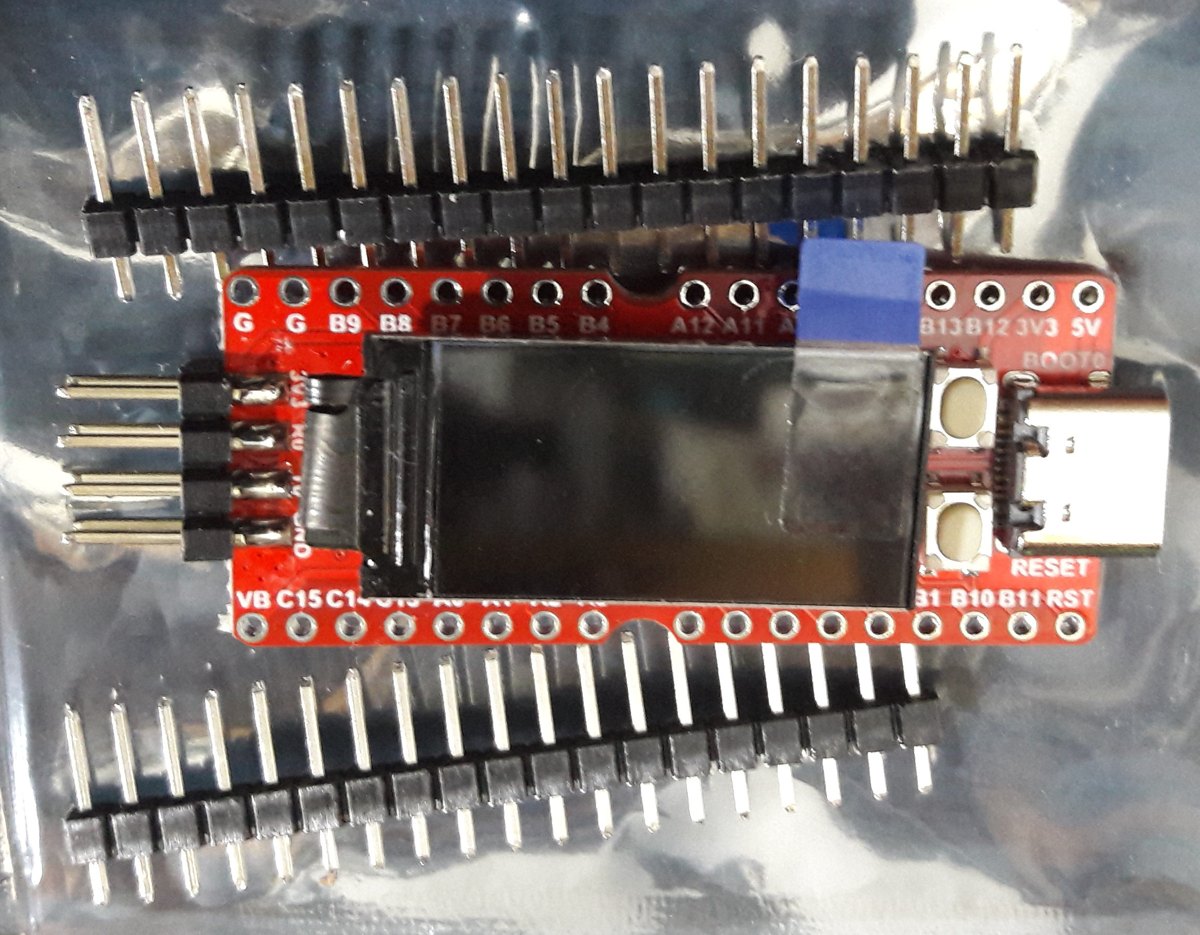
The peripheral set follows the GD32 pattern closely. USB OTG full-speed sits on the part. Two CAN controllers handle field buses. Several USART and UART channels cover serial links. Three SPI blocks and two I2C blocks reach sensors and memory. Two 12-bit ADC units sample analog inputs across many channels. DAC outputs drive analog signals. A bank of timers covers PWM, capture, and timing. Two DMA controllers move data without the core. A real-time clock keeps time. A watchdog guards against a hang. GPIO counts run from 18 pins to 80 by package. The pin layout follows the GD32F103 footprint. A board drawn for a GD32F103 takes the GD32VF103 with small edits. The register map reads like the GD32 Arm parts. A header on a Longan Nano even reads B9, A12, and the rest, in the GD32 port style. A GD32 developer recognises the whole layout. USB OTG works as device or host. Two watchdogs guard the system, one of them windowed. A backup domain keeps the clock alive on standby power. Pin remapping moves functions between pads. Each block traces to a documented register set.
The Longan Nano carried the part to a wide audience. Sipeed built the board around the GD32VF103CBT6. A 0.96-inch colour IPS LCD sits on the front. A USB-C connector handles power and programming. A microSD slot reads cards. An RGB LED and two buttons round out the board. A four-pin JTAG header exposes the debug interface. The board sold for a few dollars through maker channels. An acrylic case shipped with some versions. It put the GD32VF103 into thousands of hobby and teaching projects. Teachers used it in courses. Hobbyists drove its LCD in demos. The board seeded a base of users and shared code. Much of the public GD32V material traces back to it. Other vendors built GD32VF103 boards as well. A bare breakout exposes every pin. Sipeed shipped versions with and without the case. AliExpress and Taobao carried the board widely. Cheap hardware spread the part fast. Clones of the Longan Nano appeared as well. A few carried larger displays. Others shipped as a bare board with no screen.
The part holds a clear place in any catalogue. It offers a 32-bit RISC-V core with a full GD32 peripheral set. Memory tops out at 128KB of flash and 32KB of SRAM. A 108 MHz clock drives it. Packages run from a 36-pin QFN to a 100-pin LQFP. An industrial operating range covers the usual span. These specifications suit a broad range of embedded work. Motor control, sensor hubs, and small instruments all fit. The GD32VF103 covers the general-purpose tier on a RISC-V core. A GD32 user reads its peripheral mix at a glance. The part asks for no special handling. It behaves like the GD32 parts beside it. The chip handles sensor logging on its analog blocks, small display work on its LCD-driving headroom, field-bus nodes on its two CAN controllers, and device or host roles on its full-speed USB port. Each use leans on a documented peripheral.
One part, held for years
The GD32V line centres on the GD32VF103. That one part held the GD32V name on its own for years.
The toolchain and community
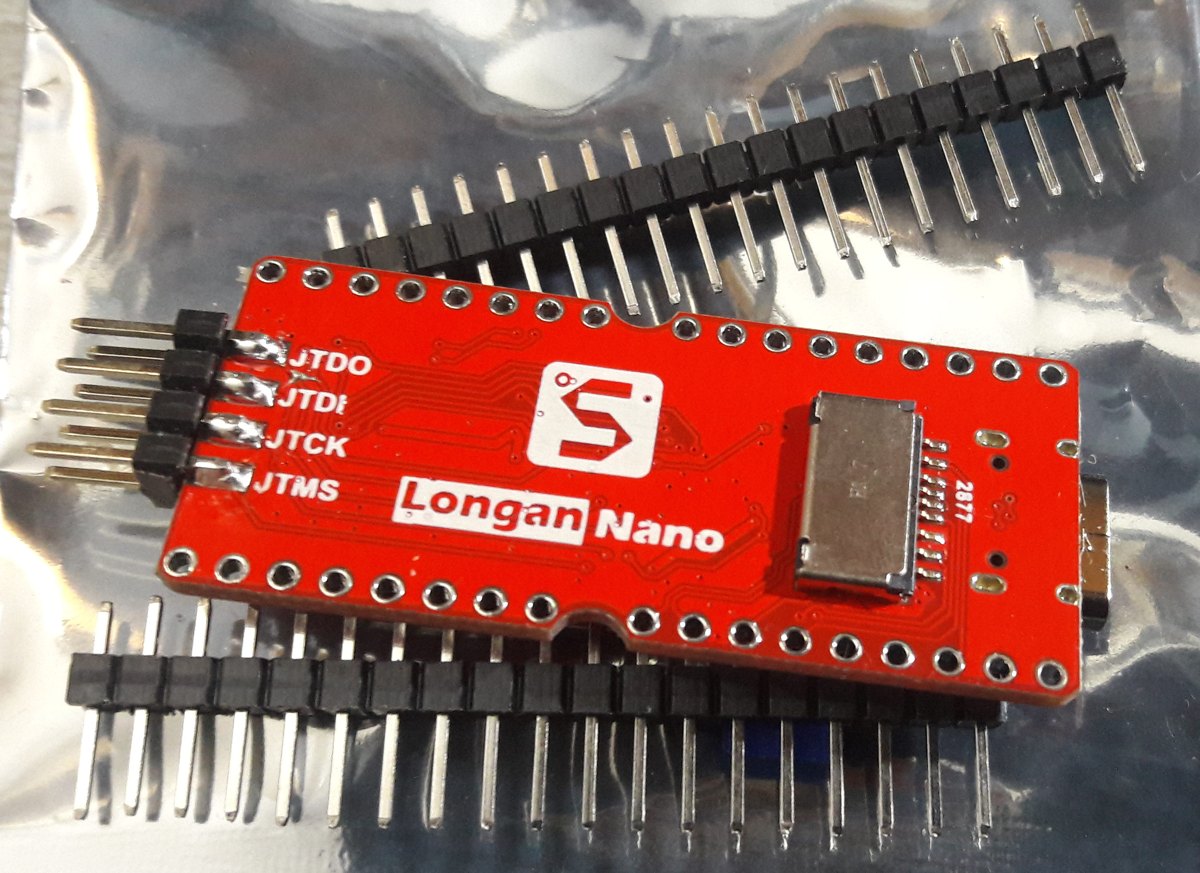
The toolchain came from the core vendor. Nuclei maintains an SDK for the GD32VF103. Nuclei Studio wraps that SDK in an Eclipse environment. The compiler is a standard RISC-V GCC build. GigaDevice ships a firmware library in the GD32 style. A Nuclei fork of OpenOCD drives the debug session. GDB attaches over the JTAG header on the board. A team builds, flashes, and steps through the part the way it works any RISC-V chip. The vendor maintains the pieces. Support holds across SDK releases. The headers and the startup code match the core block. A new project starts from a working example. The setup reaches a blinking LED in an afternoon. The flow holds no surprises for a RISC-V developer. Nuclei Studio bundles the GCC, the debugger, and the SDK together. A toolchain prefix of riscv-nuclei-elf marks the compiler. Output lands as an elf, a bin, or a hex file. OpenOCD scripts ship for the Longan Nano. Everything installs from one package.
Open-source support grew around the part early. A community GCC toolchain targets the GD32VF103. The flashing tools talk to the chip over the on-board JTAG. A USB DFU bootloader flashes the part over USB-C. PlatformIO carries the part through a community platform. Zephyr lists the Longan Nano as a supported board. RT-Thread reaches the part as well. FreeRTOS ports run on it. The early launch gave these projects years to settle. A developer who prefers an open flow has a working path to the silicon. A command-line build drops to a few files and a makefile. The open tools track the vendor SDK closely. The choice of tools runs wide for a part at this price. A maker and a product team meet on the same chip. Rust reaches the part through a community hardware crate. A longan-nano board crate sits on top of it. Embedded Rust developers run real projects on the chip. dfu-util flashes a build over the USB port. Several languages reach the same silicon.
Documentation reaches a usable depth. GigaDevice publishes a datasheet for the GD32VF103. A user manual covers the peripherals in detail. Nuclei documents the Bumblebee core and the SDK. The core manual sits in a public repository. A developer finds register details in the published material. Worked examples ship with the SDK. Peripheral drivers come ready to call. A first bring-up follows a documented path. The application notes cover the common tasks. English material reaches a wide reading audience. The written record carries the weight a mature part needs. A team rarely hits a wall the docs leave unanswered. GigaDevice posts the files on its MCU site. Nuclei hosts the SDK docs online. A reference manual runs to hundreds of pages. Errata sheets list the known silicon quirks. Reading material covers the part end to end. A quick-start guide opens the SDK download. A pinout diagram ships with the datasheet. Sample code compiles out of the box. An answer usually sits one page away.
The community left a long trail of guides. Blog posts walk through the first build on a Longan Nano. Tutorials light an LED and drive the LCD. Example projects read the microSD card. Forum threads cover the rough edges a newcomer hits. Public repositories hold drivers and demos. A beginner reaches a running program in an afternoon. Shared code shortens the next project. A question often finds its answer in an existing thread. The material spans several languages. Six years of users left a great deal behind. That body of work is itself part of the ecosystem maturity. A newcomer rarely starts from a blank page. Awesome-list repositories gather the GD32V links in one place. Video walkthroughs cover the first flash. Schools posted lab handouts built on the board. Old forum answers still apply to the part. A search turns up a working example for nearly any task. Stack Overflow holds GD32V questions and answers. GitHub hosts dozens of GD32VF103 projects. A maker shares a new driver now and then. Knowledge keeps building around the part.
Stock and sourcing
Supply rests on GigaDevice’s distribution. The chip reaches designers through the network that carries GigaDevice flash. Catalogue distributors stock the common GD32VF103 packages. A volume order follows standard purchasing channels. The major distributors list the part by name. The vendor’s scale gives the chip a solid supply floor. A design that commits to the GD32VF103 reads its sourcing like any established part. The flash business proved GigaDevice can ship at volume. Pricing sits in the low range for a 32-bit part. The part competes on cost and availability together. A purchasing team finds the chip where it expects to. LCSC lists the part at single quantities and at full reels. JLCPCB stocks it for assembly runs. A reel covers a production build. Smaller quantities suit a prototype. Both ends of the order book reach the part. Arrow and Avnet reach the part through their catalogues. A distributor data sheet lists the lead time. Stock numbers show on the major search sites. A buyer checks them the usual way. Quotes come back in a day or two. A standard part number eases the order. A familiar vendor name speeds the internal approval.
The maker boards tell a rougher supply story. Longan Nano stock has come and gone at the hobby retailers. A project that needs finished boards in quantity plans around that. The bare chip holds steadier availability than the board. A design that buys the GD32VF103 direct sits on firmer ground. A second source for the exact part stays thin. One vendor stands behind the GD32V silicon. The Nuclei core is licensed IP. The GigaDevice part is the only path to this exact chip. A team weighs that single-source position with care. A stock buffer covers a short supply gap. A fallback part on a second footprint covers a larger one. The risk reads like any sole-supplier decision. A GD32F103 sits ready on the same footprint as a fallback. A move to the Arm part costs a recompile and a port. That option lowers the single-source exposure. A team that plans it ahead sleeps easier. The footprint match makes the plan cheap. GigaDevice fabs the silicon through outside foundries. That spreads the wafer source across more than one site. Capacity rests on a large supply chain. A shortage hits this part the way it hits any other.
| Part | Flash | Package | Pins |
|---|---|---|---|
| GD32VF103C8 | 64 KB | LQFP48 | 48 |
| GD32VF103CB | 128 KB | LQFP48 | 48 |
| GD32VF103TB | 128 KB | QFN36 | 36 |
| GD32VF103RB | 128 KB | LQFP64 | 64 |
| GD32VF103VB | 128 KB | LQFP100 | 100 |
Reading the maturity
The maturity reads in two parts. The GD32VF103 itself is a settled part. Its documentation runs deep. Its toolchain reaches a real working depth. Its community left years of guides and shared code. Its supply rests on a large vendor’s network. The part carries the marks of a mature microcontroller. A design can prototype it, build it, order it, and ship it on known ground. The first read is a strong one. A buyer gets a proven part with a record. In a controller, field hours carry real weight. Six years of them sit behind this one. A bug found early got fixed long ago. The current part runs on years of such fixes. Maturity of this kind comes only with time. A datasheet revision history shows the part settling. Each errata fix closed a known gap. The current silicon carries those fixes. A design starts from the settled version.
The line stays narrow in breadth. The GD32VF103 anchors the family on its own. GigaDevice later added a wireless RISC-V part, the GD32VW553, with Wi-Fi and Bluetooth. The RISC-V family ends near those two parts. A designer who needs a wide ladder of RISC-V parts inside one vendor looks further. The GD32V covers a focused band of the market. Depth sits in one strong part. The Arm GD32 line carries the wide breadth. A team that wants RISC-V across many tiers reads the catalogue with care. The GD32VW553 opened a wireless path in 2023. Future GD32V parts may widen the line. For now the family stays compact. A single strong part defines the line today.
The fit follows from those two reads. The GD32VF103 serves several cases on solid ground. It fits a design that wants a proven, available RISC-V part, a GD32 team crossing to RISC-V, a maker on a Longan Nano, a product that needs one well-supported controller, and a student meeting a real RISC-V core. It rewards a design that wants exactly this part. A motor controller fits the timers and the CAN. A data logger fits the ADC and the microSD example. A teaching board fits the Longan Nano. A small instrument fits the LCD headroom. Each maps to a strength the part already holds. A hobby project meets the part on a four-dollar board. A product meets it as a bare chip on a reel. Both reach the same silicon. The path scales from one board to a production run.
The decision rests on what a design needs from the line. The more it needs a single proven part, the better the GD32VF103 fits. A need for a wide family of RISC-V options points a design elsewhere. The CH32V and other low-cost RISC-V lines run through separate articles in this series. A team picks the GD32VF103 for its stability and its supply. It picks the part for the GD32 familiarity it carries. It picks the part for the years of field record behind it. The GD32VF103 holds its place as a documented, available RISC-V microcontroller from a large vendor. Its ecosystem reached maturity the slow way, through years of real use. The part stands on that record today. Cost, supply, and familiarity decide nearly every part pick. The GD32VF103 answers all three at once. The part rewards a team that reads its own needs first.
What core does the GD32VF103 use?
It uses a Bumblebee core, a Nuclei N200-series RISC-V design that GigaDevice and Nuclei developed together. The core runs at 108 MHz, supports the RV32IMAC instruction set, and pairs with an ECLIC interrupt controller. It reaches up to 153 DMIPS and scores around 360 on CoreMark.
Is the GD32V ecosystem mature enough for production?
For the GD32VF103, yes. The part shipped in 2019, so the toolchain, the documentation, and the community have had years to settle. Nuclei maintains the SDK and an Eclipse-based studio, and open-source GCC, PlatformIO, and Zephyr all reach the part. The depth sits in one well-supported part.
Can I buy the GD32VF103 in volume?
Yes. GigaDevice ships through a wide distribution network built on its flash business, and the major catalogue distributors carry the common packages. The bare chip holds steadier stock than the finished maker boards. A single vendor stands behind the silicon, so a design plans a stock buffer as it would for any sole-source part.
How does the GD32V relate to the GD32 Arm parts?
The GD32V shares the GD32 peripheral set, the packaging, and the pin layout. Its core is a RISC-V design. A board drawn for a GD32F103 takes a GD32VF103 with small edits. The register map reads in the familiar GD32 style for a team that already knows the Arm parts.
What is the Longan Nano?
The Longan Nano is a low-cost Sipeed development board built around the GD32VF103CBT6. It carries a 0.96-inch colour LCD, a USB-C connector, a microSD slot, and a JTAG header. The board put the GD32VF103 in front of thousands of makers and seeded much of the shared code around the part.