Compressed air systems inevitably produce condensate during operation. The compressor draws in atmosphere and compresses it, water vapor concentration rises accordingly. When temperature drops, water vapor condenses into liquid water — and that water has to go somewhere, or it produces problems that range from mild nuisance to regulatory shutdown.
Where Condensate Comes From
Atmosphere itself contains moisture. Shanghai summer relative humidity can exceed 85%, even dry northwest regions still have water vapor in the air. The compressor draws this air in and compresses to 7 bar, volume shrinks to about one-eighth of original, water vapor concentration becomes eight times original. Air leaving the compressor is very hot — oil-flooded machine discharge typically 75–95°C — at this point air can still hold this moisture. The problem happens at the aftercooler, where compressed air drops to around 40°C and large amounts of water vapor condense out.
Condensate has several main generation points. The aftercooler outlet is the biggest, accounting for 60–70% of system condensate. The air receiver is the second concentration point — flow velocity drops in the tank, residence time lengthens, cooling continues, more water separates out. Piping also produces condensate, especially outdoor-run pipes. Winter mornings the pipe surface temp might only be a few degrees, compressed air inside meets cold, water condenses on pipe walls, runs down to low points and collects. Dryers and filters separate out condensate during processing.
What Happens If You Don’t Drain
Pipe corrosion is the most common problem. Most plant compressed air piping uses galvanized or seamless steel pipe, water sitting long-term at low points, iron reacts with water and oxygen to form rust. GB 50029 “Compressed Air Station Design Code” requires carbon steel pipe minimum wall thickness 2.5mm, but badly corroded pipes can lose half their wall thickness in three to five years. Rust scale breaks off and runs downstream, blocks small holes in pneumatic elements, scratches sealing surfaces. Cut open old plant piping and look inside, rust deposits can be 2–3mm thick, effective diameter already shrunk significantly.
Pneumatic equipment failures often trace back to condensate. Water gets into a cylinder, oil film on the piston rod gets washed off, metal directly rubbing, wear accelerates. Solenoid valve spools are precision fit; water carrying debris gets in, sticking is just a matter of time. SMC, FESTO and other pneumatic component makers’ technical manuals state supply air quality requirements clearly: dew point must be below minimum ambient temp, oil content below 0.1mg/m³, fail to meet spec and warranty is void.
Product quality issues are even more headache. Paint line compressed air carries water, paint surface gets pinholes, orange peel, blistering, rework rate goes up. Electronics plant pick-and-place machines use compressed air for blowing and positioning, high moisture causes components to get damp, soldering gets cold joints. Food plant packaging processes use compressed air for bottle blowing and sealing, GB 14881 has clear requirements for compressed air, test fails and the whole batch needs handling.
Poor drainage upstream means downstream equipment suffers. Refrigerated dryer design capacity is based on certain inlet moisture content, inlet moisture over spec, evaporator ices up, compressor overload protection trips. Filter elements soaking in water, resistance rises fast, an element that should last a year needs changing in three to four months. Some plants skip pre-dryer drainage to save trouble, rely entirely on the dryer, result is the dryer gets repaired two or three times a year.
Air receiver bottom water accumulation is a hidden danger. TSG 21 “Safety Technical Supervision Regulation for Stationary Pressure Vessels” requires periodic inspection of pressure vessels, internal corrosion is a key inspection item. Tank bottom soaking in water long-term, inner wall paint peels then corrosion accelerates, elliptical head and shell weld seams have stress concentration and are also high-rust areas. Inner wall honeycomb rust pits, inspection directly judges scrap. Replacing a 10m³ receiver plus installation runs $3,000–4,000, plus production delays.
Where to Set Drain Points
Aftercooler outlet must have a drain — this location has the most water. Some aftercoolers come with built-in separator and drain port. Receiver bottom needs a drain — the tank lowest point is designed for water collection, many receivers ship with a drain valve, but the manual ball valve they provide often gets forgotten. Recommend switching to automatic drain.
Pipe drain point placement relates to pipe routing. Horizontal pipe should maintain 0.5–1% slope toward drain points, set one drain point every 30–50 meters. Where pipe direction changes, diameter changes, before uphill runs, all need drain consideration. Branch end points, dead corners — these places have poor airflow and water easily accumulates. Some plants for convenience tap branch lines from the main pipe top, water can’t even get into the branch, result is the branch end has clean air but water stayed in the main pipe. Correct approach is to branch from the main pipe side or top, with a pocket collection pipe at main pipe bottom connected to a drain.
Drain Types and Characteristics
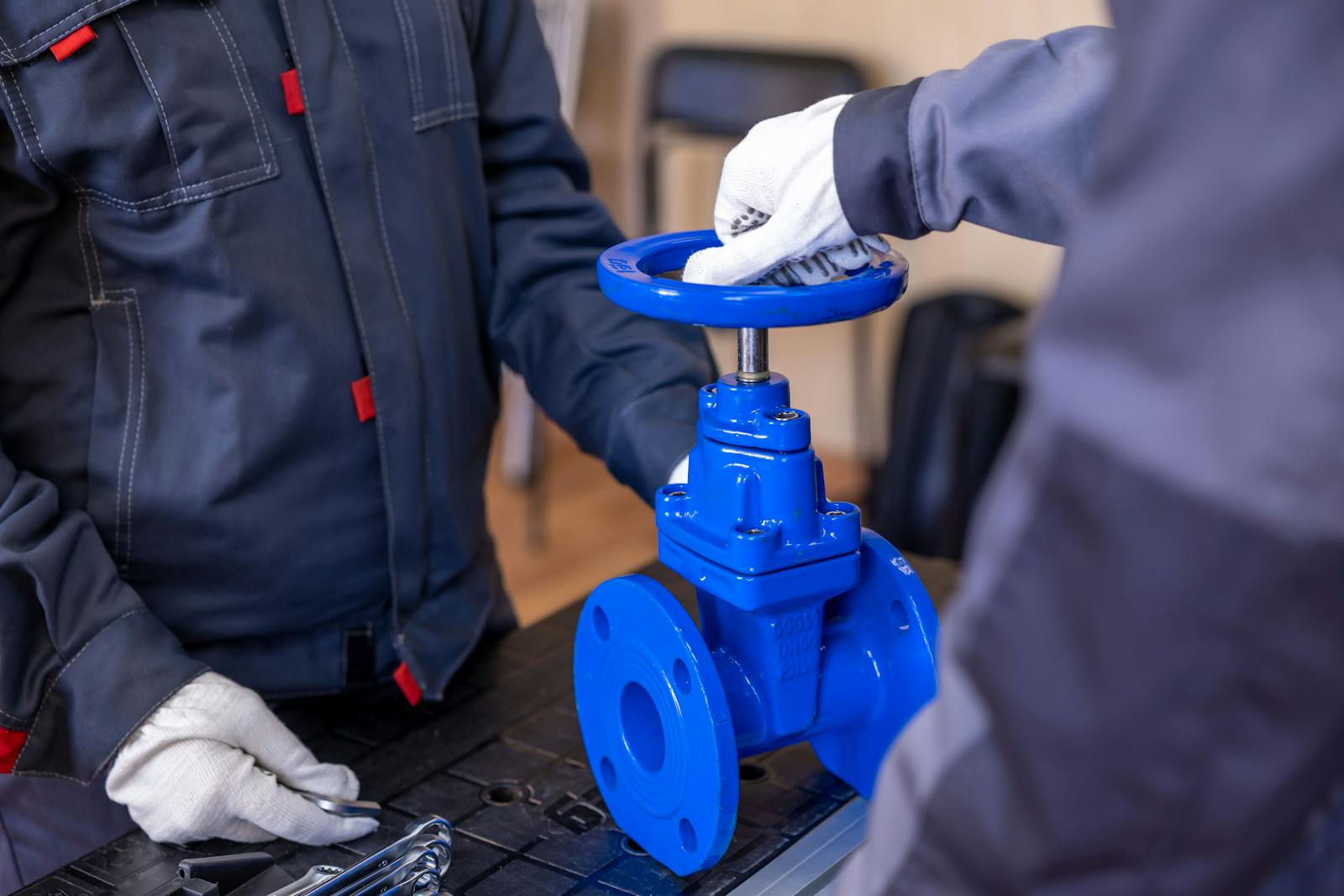
Manual drain valve is simplest — a ball valve or needle valve, opened periodically to release water. Low cost but entirely depends on people’s memory and responsibility. Suits small air usage, low requirements, or as backup for automatic drains.
Float-type automatic drains work on buoyancy. Inside is a float; when water level is low the float drops and seals the drain port, water level rises and the float lifts, drain opens and releases water. No power needed, operates by mechanical action. Downside: there’s a sealing surface between float and seat, debris and oil contamination from compressed air sticks to it, float becomes sluggish. When pressure fluctuates a lot, the float may activate frequently, seal surface wears faster. This type needs periodic disassembly and cleaning.
Electronic timed drains use a solenoid valve with timer for automatic drainage. Set interval (like 30 minutes) and drain duration (like 3 seconds), on schedule the solenoid opens and releases water. More reliable than float type, doesn’t stick easily. Problem is it activates on schedule whether there’s water or not. When there’s lots of water it doesn’t drain completely; when there’s little water it also releases compressed air. Tested timed drains release compressed air over a year that converts to $70–100 in electricity.
Electronic level-sensing drains add level detection to timed drains — drains when there’s water, doesn’t activate when there’s none. Capacitive probe senses liquid level height in the cavity, reaches set value and the solenoid opens to drain, closes automatically when done. Saves more air than timed type, smarter. Cost is also higher, needs power, installation location is limited. Probe soaked long-term in oily condensate, surface gets coated with oil film, sensitivity may drop; needs periodic wiping.
Zero-loss drains are designed to drain only water, not air. Working principle similar to level-sensing type, difference is in the drain mechanism. Some use large-diameter valve with slow release, lets water flow out while keeping air in as much as possible; some use a diaphragm pump to extract water, gas doesn’t follow. Energy saving effect is excellent, can save over 80% air loss compared to timed type. Price is highest — one zero-loss drain costs as much as several timed type. Mainly used where air quality requirements are high, large air usage, continuous operation.
How to Select Drains for Different Locations
Aftercooler outlet and receiver bottom have high water volume. Float type with diligent maintenance works; don’t want hassle then use electronic level-sensing type. These two locations are the big ones, worth getting better drains. Main pipe low points have medium water volume, electronic timed type is basically enough. If timing parameters are hard to set, lean toward “short duration, high frequency” — every 15 minutes for 2 seconds is better than every hour for 10 seconds. Filter water volume is small, factory-supplied manual valve is enough, high automation requirements then switch to small electronic timed type. Dryer matching drains usually come configured from factory.
Condensate Treatment Before Discharge
Compressed air condensate isn’t pure water. Oil-flooded screw machine condensate contains lubricating oil, typically 300–2000mg/L concentration, machines in poor condition can be over 10,000. Oil-free machines also aren’t completely oil-free — intake air has trace oil vapor, condensation also concentrates it. Besides oil there’s dust particles, pipe rust debris, mixed together it’s typical oily wastewater.
GB 8978 “Integrated Wastewater Discharge Standard” has clear limits for petroleum pollutants — Category 1 max 5mg/L, Category 2 10mg/L, specifics depend on receiving water body classification. Condensate with hundreds to thousands mg/L oil dumped directly into sewer is illegal. Regions with strict environmental enforcement, getting fined for this also lands you on the environmental blacklist.
Oil-water separator is the standard treatment approach. Equipment isn’t complicated — uses density difference between oil and water for separation, light oil floats and gets skimmed, emulsified oil gets filtered through adsorbent material. Market has plenty of oil-water separators targeting compressed air condensate, treatment capacity from tens to hundreds of liters per hour, outlet oil content can drop below 20mg/L, good ones can get within 10mg/L, basically meets discharge standards. Separated waste oil quantity isn’t much — maybe just a few liters per month, accumulate and handle as waste oil.
Small air usage situations can also use centralized collection. Collect condensate from various drain points through piping into a barrel, periodically have a qualified hazardous waste handling company haul it away. Costs more than oil-water separator but avoids equipment maintenance hassle. Oil-free compressors have an advantage in condensate treatment — totally oil-free machine condensate contains no lube oil, only trace oil and particles originally in the air. Some regions can discharge directly, most cases simple filtration meets standards. With environmental requirements getting stricter, this is also a selling point for oil-free machines.
Daily Management Points
Drain system isn’t install-and-forget. Every day take a look whether automatic drains are working normally — ones with transparent viewing windows check for abnormal accumulation, ones without windows listen for activation sounds. Manual drain valves must be assigned to someone, best included in shift handover content, previous shift drained and signed, next shift continues.
Weekly find time to check whether drains are showing clogging signs. Float types can manually press the test lever to see if action is smooth, electronic types observe drainage smoothness. Y-strainers or screens in pipe sections before receiver and filter drains, clean those out too. Monthly do a systematic check, walk through all drain points, test drain function, record approximate drain volume.
Pay attention to abnormal situations. Drain volume suddenly increases — rule out seasonal factors, then check dryer operating parameters, see if refrigeration effect dropped and dew point rose. Drain volume suddenly decreases or stops — nine times out of ten the drain is clogged or broken, not that water stopped generating. Color of what drains out also worth noting: normal condensate has slight milky white from emulsified oil, turning rust red means pipe corrosion worsening, turning black and smelly means somewhere has stagnant water not flowing long-term.
Annual major inspection coordinates with overall compressor system maintenance. Replace drain wear parts that need it — solenoid valve diaphragms, float seals, screens are all consumables. Drains used three to four years with declining performance, just replace with new ones. Doesn’t cost much.