









ASE Echocardiography Guidelines What Handheld Probes Can Perform
A focused cardiac study is a short, goal-directed look at the heart that answers one set question at the bedside. The American Society of Echocardiography draws the scope of that study, the questions it should answer and the training it asks for. A clinician runs the focused exam on a handheld inside that scope. The read names a finding or grades it to a point a clinician can act on. A handheld carries the focused study to the patient in a few minutes.
What a focused cardiac study is
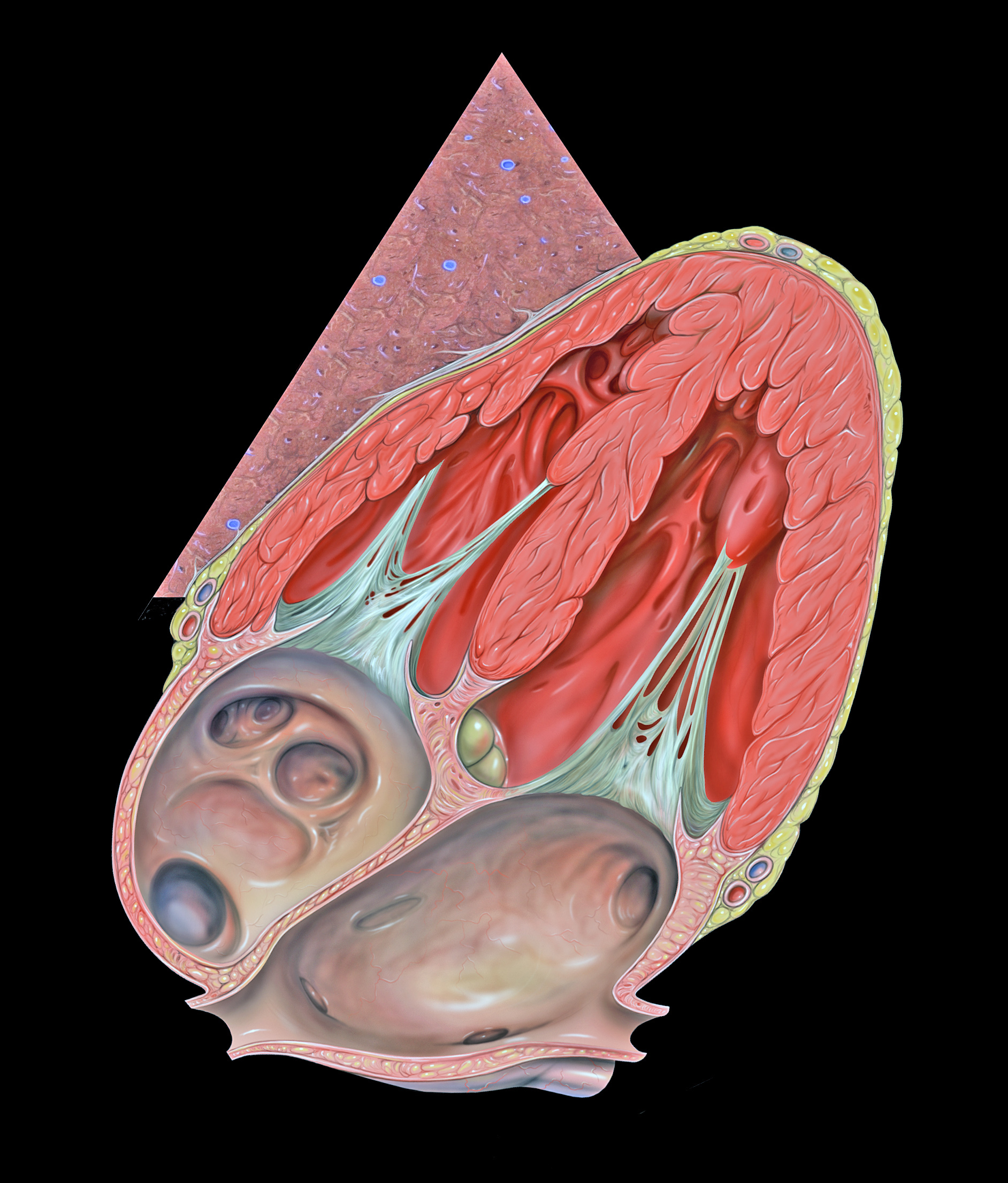
A focused cardiac study asks a clear question and reads the views that answer it. A clinician runs it with the question already in mind. How well does the pump squeeze? Is there fluid around the heart? Is the right side strained? The read settles the question and stops there. A clinician acts on the finding where the patient sits, in the same visit. A clinician brings a question to the probe and leaves with an answer in hand. The question itself comes from the patient, from a breathlessness or a low blood pressure that needs a cause. A clinician scans with that question fixed, so the views and the order follow from it. A focused study is goal-directed by its nature. A clinician picks the views from the question and reads only those. The aim is a fast answer to the one thing that matters now.
The study carries its own name in the report. A clinician labels it a focused exam, so the next reader knows the scope it covered. The name sets what a reader should expect from the read. A clinician treats the focused study as a first pass at the question. The pass catches the finding that needs a deeper look. A clinician carries that finding forward with the read. A clinician runs the focused study as a screen, a quick read that sorts the urgent from the routine. The screen sends the worrying heart on for a closer study. A clinician passes the finding along with the views that showed it. A clinician runs the screen first on every patient with a cardiac question. The screen settles the simple cases on the spot. A clinician sends the case that needs more on with the focused views attached.
The focused study sits between the stethoscope and the deeper laboratory study. A clinician carries it to the patient where a cart machine would wait. The handheld runs the focused read at the chair, the ward, or the clinic room. A clinician answers the cardiac question on the spot. The reading guides the next step the same hour, before a formal study is booked. A clinician folds the focused read into the clinical exam, alongside the pulse and the listen. The scan extends the hands and the ears with an eye on the moving heart. A clinician reads the heart the listen alone leaves in doubt. The scan answers the question the stethoscope opens. A clinician carries the read into the same visit.
The scope the ASE draws
The American Society of Echocardiography writes the recommendations that govern a cardiac ultrasound study. The body sets out the views, the measurements, and the grades a complete study covers. It recognises the focused exam a handheld runs at the bedside. The recommendations on focused cardiac ultrasound name what a focused study should look for and report. A clinician who follows them runs a read a colleague can trust. The recommendations place the focused study inside the wider practice of echocardiography. A clinician brings that recognised scope to the pocket probe. The society works with the European imaging body on shared recommendations. A clinician follows the same criteria across the two. The shared line lets a read travel between centres.
The recommendations treat the focused study as a study in its own right. A clinician runs it as a recognised exam with a named scope. The guidance sets its views, its findings, and the way to report them. A clinician reads to that named standard at the bedside. The focused exam earns its place in the practice by meeting it.
The recommendations draw a clear line around the focused study. A focused exam reads a few questions well at the point of care. A clinician answers a question like a weak pump or a fluid around the heart. The read grades the finding to a point. A clinician keeps the focused read inside that line. The scope protects the patient from a read stretched past what it can carry. A clinician who respects the line reports only what the focused exam can support. The line keeps the bedside read trustworthy for the next clinician who acts on it. A clinician reports a finding the focused exam can stand behind. The scope keeps a reader from reading a grade into a study that cannot carry it.
The scope follows the training a clinician holds. A clinician reads inside the competence the recommendations describe. The guidance names a path toward that competence. A clinician grows the scope with practice and teaching over time. The recommendations grow with the evidence. The guidance keeps pace with what a pocket probe can do. A clinician with more training reads a wider focused study to the same standard. The scope is a personal one, set by the hours a clinician has put in. A clinician reads the views the training has covered and adds more with time. The personal scope grows with each signed-off skill.
A clinician checks the current version for the latest scope. The recommendations take in each step the handheld devices make. A clinician reads the guidance a colleague reads, so two clinicians work to the same line. The shared standard keeps a focused read honest across hands. A clinician brings that one scope to the pocket probe. The guidance lets a focused read travel with the patient from one clinician to the next. A reader down the hall knows what the label means and trusts the read.
The questions a focused study answers
A focused study works through a set list of questions. A clinician runs the views in a fixed order for a full sweep. The pump, the pericardium, the right heart, and the vena cava each get a look. A clinician adds a colour sweep over the valves for a gross leak. The set takes a few minutes at the chair. A clinician keeps the order the same so the sweep stays complete under pressure. A clinician sweeps the heart and the great vein behind it in one run. The set covers the questions a crisis raises fast.
Each question carries a yes-or-no shape. Is the pump weak? Is there fluid in the sac? Is the right heart strained? A clinician answers each from a standard view in turn. The answers add up to a picture a clinician can act on at the bedside. A clinician reads the set as a whole, since one answer steers the read of the next. A weak pump with a swollen right heart tells a different story from a weak pump alone. A clinician reads the answers as one set. The pattern across the views points to the cause.
The questions stay simple on purpose. A clinician reads a finding and names it, or grades it to a rough point. The focused set leaves the fine measure to a deeper study. A clinician keeps each answer inside the question it came from. The table below sets out the questions and the sign that settles each. A clinician reads each sign as a flag, a prompt to act or to look closer.
| The question | What a clinician looks at | What flags it |
|---|---|---|
| Is the left ventricle weak? | The squeeze on the long-axis and four-chamber views | Under half its blood out each beat |
| Is there fluid in the sac? | The dark rim around the heart, on more than one view | A wide rim that presses a chamber |
| Is the right heart strained? | The right ventricle sized against the left | As large as the left |
| Is the body over-filled or dry? | The vena cava and its swing on a breath | Wide and still marks high filling |
| Is a valve grossly faulty? | A colour sweep over each valve | A bright backward jet marks a leak |
A clinician runs the same set the same way on every patient. The fixed order keeps a question from going missing on a busy day. A clinician saves a clip from each view for the record. The next reader picks up the same sweep. A clinician times the set to the urgency of the question in front of them. A crashing patient gets the quick sweep that answers the crisis. A stable patient gets the same sweep at an easier pace.
A focused study slots into the set protocols a team runs in a crisis. A shock protocol takes the heart, the lungs, and the big vessels in one sweep for the cause of a low blood pressure. A clinician runs the cardiac part of it on the handheld at the bedside. The protocol gives the whole team one order to follow. A clinician reads the heart’s answer into the team’s next move. The same probe serves the arrest call, a quick look for heart motion in the pause between compressions. A clinician keeps that look short to spare the chest its rest from compressions.
What a focused read claims
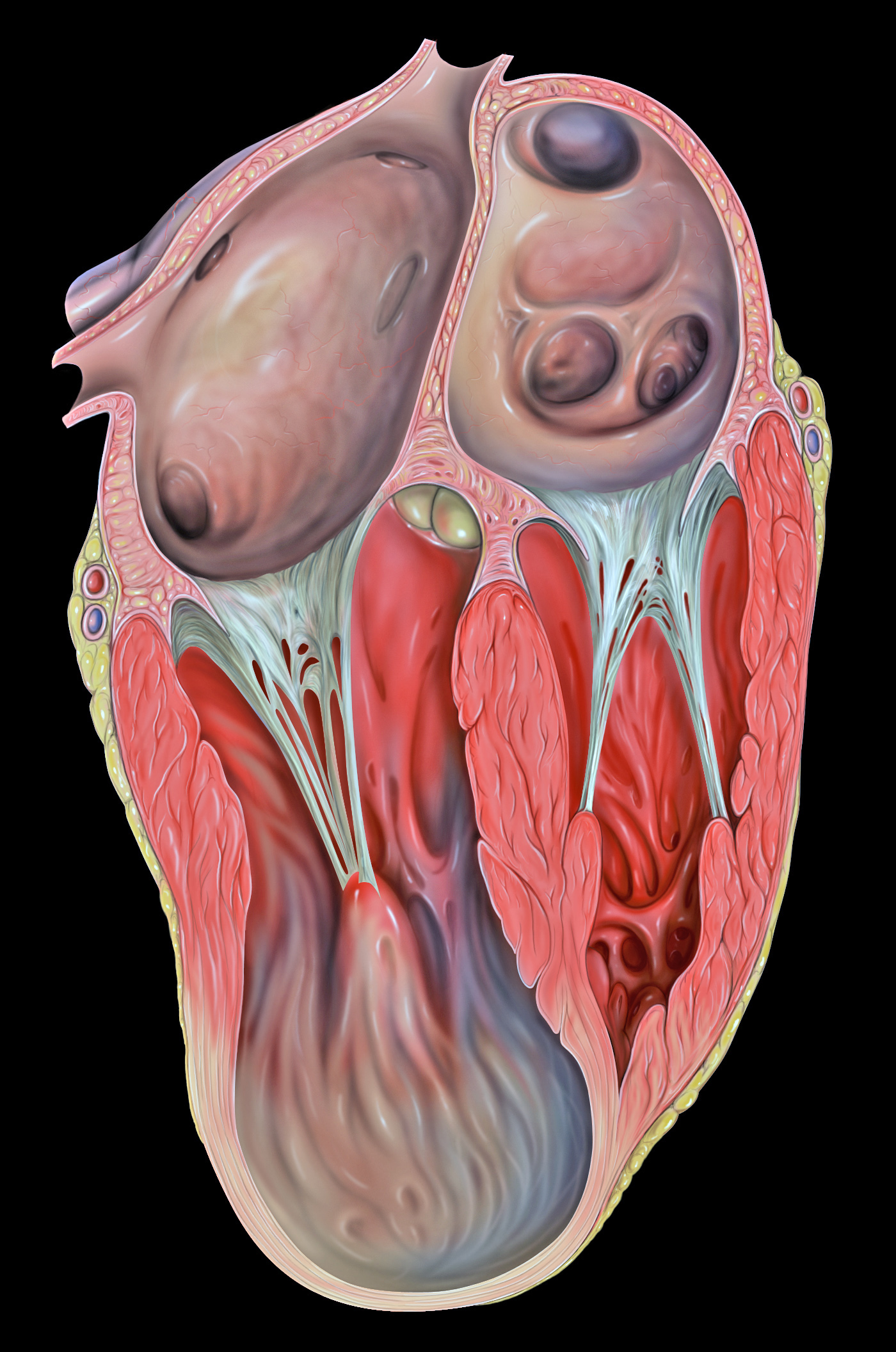
A focused read claims a finding and grades it to a point. A clinician names a weak pump, a fluid, or a strained right heart. A clinician calls a pump normal or reduced from the look of the squeeze. The eye sorts the heart into a few broad bands. A clinician carries a clear finding straight into the care at the bedside. A finding that needs a precise figure goes on to a deeper study. A clinician flags a weak pump for a measured fraction in that study. The grade fits the question, no finer than the question needs. A clinician reads a gross valve fault on the colour, a leak or a tight valve at a glance. The precise valve grade goes on to a full Doppler study. A clinician reads a stiff heart’s gross sign and flags the filling for a deeper read. The focused read names what the bedside shows and carries the rest forward. A clinician matches the depth of the claim to the question the patient raises. A clinician reads the focused study as a set of yes-or-no calls, each tied to a view. The calls add up to a plan a clinician acts on at once. A clinician leaves the decimal grades to the deeper study and moves on the broad ones now. The plan rests on those broad calls, each one clear enough to act on at the bedside.
The claim stays honest about its limits. A clinician marks the focused read as focused in the report. The label tells the next reader the scope it covered. A clinician notes the question the study answered. The note carries the finding and its limit together. A clinician writes a clean record a colleague can build on. The honest limit keeps the read trustworthy down the line.
A clinician reads each finding to the level the question needs. A weak pump in a crashing patient needs only a yes. A clinician names it and moves on the answer. A pericardial fluid needs a rough size and a look at the squeeze. A clinician answers the drain question from that look. The focused read fits its depth to the moment. A clinician spends the seconds where the crisis needs them and no longer. A clinician answers the urgent question to the depth it needs. The deeper grade waits for the case that earns it.
A clinician hands a complex question to a deeper study. A poor window or a tangled anatomy calls for the full read. A clinician refers the case that sits past the focused scope. The recommendations mark that referral as the safe step. A clinician reads to the limit and hands on the rest. A clinician sends a faint, hard-to-read scan on for a clearer study. The referral is a part of the read, not a failure of it.
A clinician fits the depth of the read to the question every time. A crisis takes a quick yes at the bedside. A clinician carries the focused read as far as the question allows. A finer grade goes on to the deeper study for the case that needs it. The handheld answers the bedside question to a clear standard. A clinician keeps the claim and the question in step.
Training and competence
The recommendations ask for training behind the focused exam. A clinician learns to capture a clean view and to read it right. The scan and the read each take practice. A clinician builds them under a teacher’s eye over time. A clinician practises on the standard views the guidance names. The hand learns to find a clean window on a real chest. The eye learns to tell a true finding from an artefact. A clinician learns the capture and the read together. The hand and the eye grow with the same scans over months.
Competence covers the limits as much as the reads. A clinician learns what a focused exam answers and where it stops. A clinician who knows the limit refers the case that needs a deeper study. The recommendations tie the focused read to that judgement. A clinician reads inside the training they hold. A clinician who reaches past it risks a wrong call on a sick heart. The limit is a part of the skill, learned alongside the views. A clinician learns to read an artefact for what it is, a trick of the beam. A side lobe or a near-field haze can mimic a finding. A clinician checks a finding on a second view before calling it. The habit keeps a focused read clear of an overcall.
A clinician logs the scans toward the count a programme sets. A teacher signs off the reads that pass. The log builds the record of a clinician’s competence. The skill grows with the count and the feedback. A clinician carries the training from the ward to the clinic on the one probe. A clinician reviews a saved clip with a teacher after the shift. The feedback sharpens the next read.
The handheld serves the clinician who knows its scope. A clinician grows the scope with practice and deeper teaching. A clinician calls a study limited with no shame in it. The honest call sends the patient to the right read. A clinician reads inside the scope the training set. A clinic builds its own readers on the device it already owns. The skill spreads scan by scan across a team. A clinic runs a quick audit of its focused reads against the deeper studies. The check shows the team where its reads hold up. A clinician learns from the cases the audit flags. The audit keeps the team’s reads honest over time.
Calling a study limited
A clinician calls a study limited when the window is poor. The honest call sends the case the bedside cannot settle on for a deeper read. A clinician marks the limit in the note and moves on.
Documenting to the standard
A clinician documents the focused read the way a deeper study is recorded. The note says what the study covered and what it found. A clinician marks the limit of the focused read in the report. A clinician saves the views and the loops the read rests on. The record lets a colleague check the read later. A clinician notes the window each finding came from, so the next scan matches it. A clinician writes the read in plain terms a colleague can act on. The note ties each finding to the view that showed it.
A clinician scans the same way each time for a study that compares. A clinician times and dates each study for the record. The note carries the device and the views used. A clinician keeps the focused study with the patient’s file. The standard keeps the bedside read honest across hands. A clinician hands a read the next clinician can pick up and trust. A clinician marks a study with the patient, the date, and the question it answered. The label makes a read easy to find and to compare later. A clinician saves the loops so a colleague reads the same heart the same way.
Where the focused study fits
The focused study sits as one tier of cardiac ultrasound. A clinician runs a goal-directed read at the point of care. The pocket probe carries the views a focused study needs. A clinician answers the cardiac question where the patient sits. A clinician scans, reads, and acts in the one visit. The tier serves the question that cannot wait for a booked slot. A clinician runs the focused read as the first cardiac look on a sick patient. The read sorts the heart question from the rest of the workup early. A clinician carries a clear answer into the plan within minutes.
A clinician reads on a cardiac phased-array probe. The narrow footprint slips between the ribs to the chambers. A clinician picks the cardiac setting for the focused exam. The handheld holds every view the focused set needs. A clinician runs the read on a phone’s charge through a clinic day. A clinician wakes the probe and scans within seconds. A clinician cleans the probe with a wipe between patients. A clinician cleans the probe with a wipe between patients.
A clinician carries the focused exam in a pocket to the patient. The handheld runs the read a cart machine once held. A clinician answers a cardiac question at the chair, the ward, or the clinic. A clinician reaches a patient a cart cannot. The focused exam travels to the field on a charged probe. A clinician at a remote post reads a heart that once meant a long referral. A clinician on a home visit reads a heart in a front room. The price of a pocket probe opens the read to a clinic a cart machine would price out. A clinician brings the focused study to the patients a lab never reached.
A focused finding leads into the deeper read. A clinician who finds a sign reads it further or refers it on. A clinician links the focused finding to the wider workup. The focused exam is the first step in the cardiac read. A clinician moves from the screen to the plan in one sitting. A clinician carries the finding forward with the views that showed it. A clinician reads a focused sign and asks the next question of the heart. The trail runs from the bedside screen to the deeper study in clear steps.
A clinician runs the focused exam to the scope the recommendations draw. The read answers the bedside question to a clear standard. A clinician documents it for the next reader. The focused study holds its place inside the wider practice. A clinician carries the standard to the patient on a pocket probe. A clinician reads the heart where the question is raised, to a read a colleague can trust.
Common questions about focused cardiac ultrasound
What does the ASE say a handheld probe can do?
The American Society of Echocardiography recognises a focused cardiac exam a handheld runs at the bedside. A clinician reads the left ventricle, the right heart, a pericardial fluid, and the vena cava with it. The focused exam answers a set question and grades a finding to a point. A clinician carries a precise measure on to a deeper study.
What is a focused cardiac ultrasound exam?
A focused cardiac exam is a goal-directed look that answers one question at the point of care. A clinician reads a few standard views for a weak pump, a fluid, or a strained right heart. The read names a finding or grades it to a point. A clinician acts on it where the patient sits.
What training does a focused exam need?
A clinician learns to capture a clean view and to read it to the standard. The scan and the read each take practice under a teacher’s eye over time. A clinician learns the limits of the focused exam as much as the reads. The recommendations name a path for the competence the read needs.
How does a clinician document a focused study?
A clinician records the focused read the way a deeper study is recorded. The note says what the study covered, what it found, and where it stopped. A clinician saves the views and the loops the read rests on. The record lets a colleague check the read later.
When does a case go on to a deeper study?
A clinician refers a case the focused exam cannot settle. A poor window, a tangled anatomy, or a finding that needs a precise grade goes on to the deeper study. A clinician reads to the limit of the focused scope and hands on the rest. The recommendations mark that referral as the safe step.

About the Author
Julien Mercier
Senior R&D Engineer · Medical Ultrasound Transducer Development
Senior R&D Engineer with an M.S. in Applied Physics and over 15 years of experience in medical ultrasound transducer development, specializing in the design verification and performance testing of high-frequency imaging transducers. Currently leading the development and verification of the company’s next-generation high-frequency linear-array transducer, responsible for imaging performance evaluation and reliability analysis in preclinical testing. Brings extensive hands-on experience in piezoelectric element tuning, beamforming parameter optimization, and system-level performance testing.