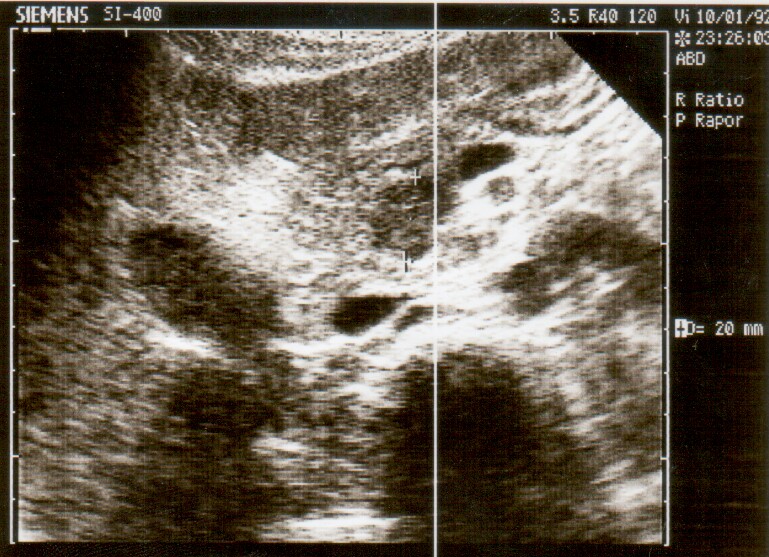
An ultrasound scan; whether the image arrives by cable or radio decides how reliably it reaches the screen.
A wireless ultrasound probe has to get its image to a screen, and there are two ways it can do that: over the air by WiFi, or down a short USB-C cable to the phone in the other hand. The names suggest the whole trade. WiFi buys freedom from the cable at the price of depending on a radio link that the air can disturb; USB-C buys a connection that almost never falters at the price of a tether between the probe and the screen. Neither is simply better, and a buyer who treats the choice as wired-is-old and wireless-is-modern has missed the point, because the question is not which is newer but which kind of reliability and which kind of freedom the work truly needs. The ablest handhelds offer both and let the clinician choose per task, and the choice rewards understanding rather than defaulting to whichever word sounds more advanced.
One link frees the hand and trusts the air; the other tethers the hand and trusts the wire.
Why the cable is so stable
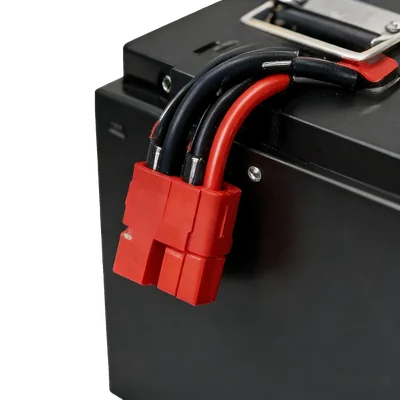
The reason a USB-C connection almost never drops is that it is a direct electrical path with nothing in between, no shared band to congest, no distance to fade across, no other devices competing for the same air.
When the image travels down a wire, every frame arrives in order and on time because the wire carries far more data than the stream needs and answers to nothing else, so there is no congestion to wait out and no interference to ride through. The latency is as low as the technology allows, since the signal does not have to be packaged for a radio, broadcast, received, and reassembled, and the picture moves with the hand as immediately as a cabled probe ever did. The cable also carries power, so the phone can feed the probe and the device may need little or no battery of its own, which removes a whole category of worry about running flat mid-session. For a clinician who needs the picture to be there, steady and prompt, every time, with no thought given to bands or congestion or signal bars, the cable simply works, and that dependability is its own strong argument. The cost of all this is the cable itself, which is the next part of the story. A wired link also sidesteps the regulatory thicket a radio brings, since a cable emits nothing into the air and answers to none of the spectrum rules a wireless transmitter must satisfy, one less approval to hold and one less thing to go wrong in a country with crowded airwaves.
A wire has no band to share and no distance to lose, so it delivers the same steady picture every time.
What the cable costs in freedom
The tether that makes USB-C so reliable is also its limitation, and the limitation is felt sharpest in exactly the situations a handheld was meant to make easier.
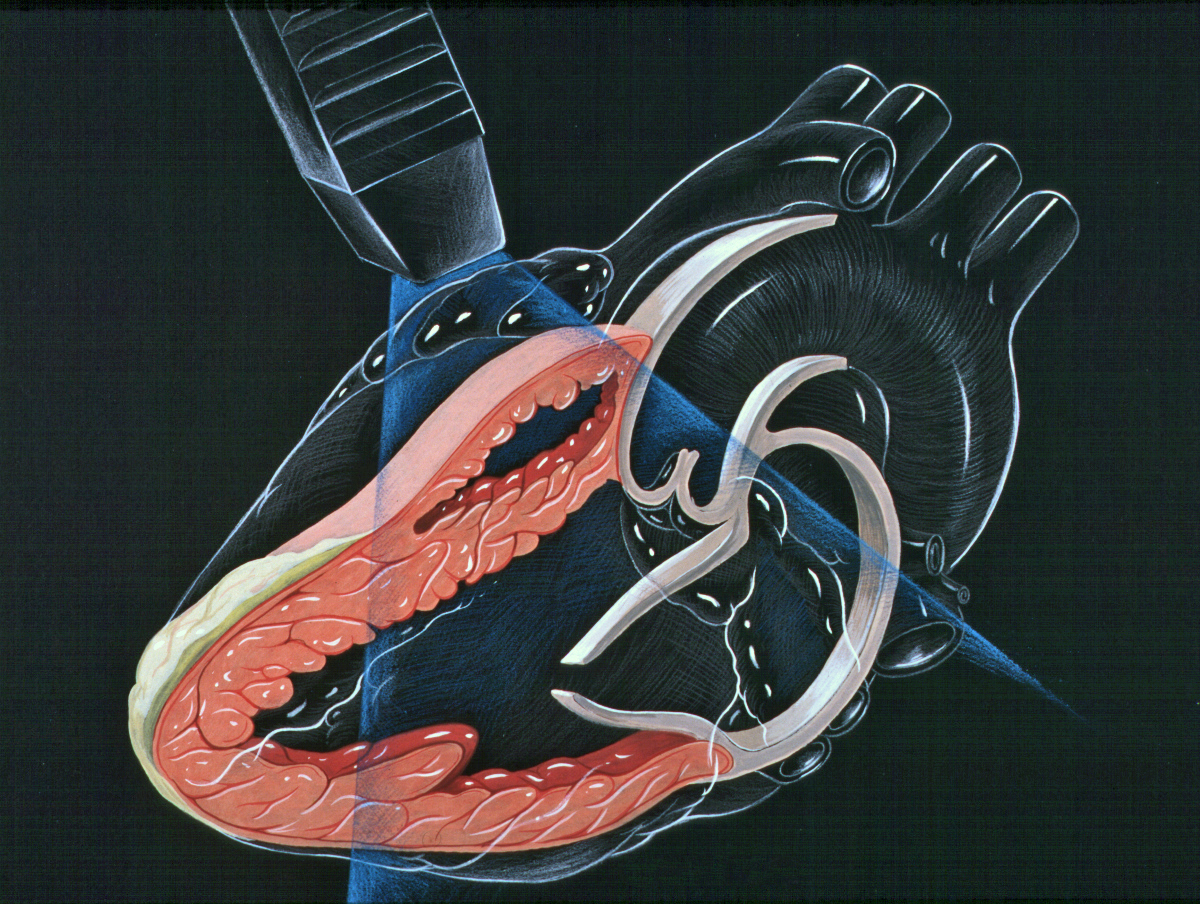
An echocardiogram; a wired link delivers a moving study without the dropouts a radio can suffer.
A cable ties the probe to the phone at a fixed short distance, so the operator cannot set the screen down across the room and scan, cannot hand the phone to a colleague while keeping the probe in place, and cannot reach awkward angles where the cable fights the movement. In a sterile or draped procedure the cable is worse than an inconvenience, since a wire running from the patient to a phone is one more thing to keep sterile and one more path for contamination, where a wireless probe under a sterile sheath leaves the screen entirely outside the field. The connector itself is a wear point and a compatibility trap, since the phone has to have the right port, a USB-C device will not plug into an older socket, and a connector flexed thousands of times eventually loosens or fails in a way that a radio never does. The cable can also simply be in the way, catching on bed rails and equipment, and a clinician working at speed in a crowded space often wants nothing physically joining the two hands. The wire that guarantees the picture also pins the operator to a posture and a proximity the wireless link removes, and that loss of freedom is the real price of the cable’s reliability.
The same tether that steadies the picture is the thing that gets in the way when the hands need to move.
Where WiFi earns its keep and where it strains
The wireless link inverts every term of the trade, buying the freedom the cable denies at the cost of the certainty the cable guarantees, and understanding when each matters is the whole of the decision.
WiFi lets the probe and the screen move independently, so the phone can sit on a stand while the operator scans two-handed, pass to a colleague, or stay clean outside a sterile field while the probe works within it, and for procedures and awkward positions that freedom is not a luxury but the reason the handheld form exists. The price is that the radio link can be disturbed in ways the cable cannot, by a congested band, by distance, by another device, so the wireless connection that is flawless in a quiet room can stutter or drop in a busy ward, and the clinician has to trust a link that depends on conditions outside the device. A well-engineered wireless probe narrows that gap with dual-band radios and a direct connection that keeps the link clean and prompt, so a good wireless link strains only at the edges where a poor one fails in the middle. The wireless probe also has to carry its own battery, since it cannot draw power down a cable it does not have, which ties this choice to the question of battery life and scan time. The freedom is real and so is the dependence, and a buyer choosing wireless is choosing to manage a radio link in exchange for cutting the cord. A clinician who has scanned a restless patient at the bedside, free to move the screen and step around the bed without a wire snagging, understands the appeal at once, and a clinician who has watched a wireless picture stutter in a radio-soaked ward understands the cost just as quickly.
Why the best answer is often both
Because the two links are strong in opposite situations, the ablest handhelds do not force the choice but support both, letting the clinician use the cable when reliability matters above all and the radio when freedom does.
A probe that can run wired or wireless lets the operator plug in for a long, fixed, detail-critical study where a dropped frame would be costly, and unplug for a bedside check, a procedure under drape, or an awkward reach where the cable would fight, so the same device adapts to the task rather than imposing one mode on every job. This dual capability is harder to build, since the probe needs both a radio and a wired data path and the power management to suit each, and a maker that offers both genuine modes has done more engineering than one that offers a single link and calls it sufficient. A buyer comparing handhelds should ask not only whether a probe is wireless but whether it can also run wired when the moment calls for it, since a probe locked to WiFi cannot fall back to the cable’s certainty when the air turns hostile, and one locked to a cable cannot cut free when the work demands it. The ablest probe is the one that lets the clinician answer the reliability-versus-freedom question fresh for each exam rather than once at purchase. Having both links is the device refusing to make the buyer pick a side they will sometimes regret.
The battery thread that ties the two together
The choice between cable and radio is not only about stability and freedom but about power, since the two links treat the probe’s battery very differently, and that difference quietly shapes a working day.
A USB-C connection can carry power as well as data, so a wired probe may draw current from the phone and need little or no battery of its own, which means it can run as long as the phone lasts and never stops to recharge, a real advantage for a busy fixed station. A wireless probe has no such lifeline and must carry a battery that powers the beamformer, the processing, and the radio all at once, so its scan time is bounded by what that battery holds and the heat it can shed, and a long session may outlast a single charge. This is why the link choice and the battery question cannot be separated, since choosing wireless means accepting a finite scan time and planning for charging, while choosing wired trades that freedom for a power supply that does not run down. A maker that has engineered the wireless mode well gives the battery enough capacity and the electronics enough efficiency that a normal session finishes on one charge, while one that has not leaves the clinician watching a battery indicator instead of the patient. The cable and the radio are, in the end, two ways to move an image and also two ways to power a probe, and a buyer weighing them is weighing endurance as much as connection. The freedom of the radio is paid for partly in the discipline of the battery.
The wire feeds the probe while the radio drains it, and a working day is shaped by which one the clinician chose.
What the buyer should weigh
The right link depends less on which technology is fashionable than on the kind of work the probe will do, and a buyer who matches the connection to the task chooses better than one who follows the trend.
A clinic doing long, stationary, detail-heavy studies in a fixed room may value the cable’s unbroken certainty above all and find the tether no burden, while one doing bedside checks, field work, and draped procedures will feel the cable as a constant obstacle and the wireless freedom as the whole point. The honest questions are whether the probe supports the link the work needs, whether a wireless link is engineered well enough to be trusted in the actual environment rather than a quiet demonstration room, and whether a wired option exists as a fallback when conditions turn against the radio. A maker confident in its wireless link will let a buyer test it in a busy space and walk the screen away, and one confident in its versatility will offer both modes rather than insisting a single link suits every job. It also pays to ask what the wired mode requires of the phone, since a probe that needs a particular port or a particular handset narrows the screens it can use, while one that runs wireless to almost any device frees the buyer from that lock as well. The buyer who has decided what reliability and what freedom the work requires can read past the marketing and pick the link, or the pair of links, that fits, since the connection is not a badge of modernity but a tool matched to a task. Choose the link to fit the work rather than bending the work to fit the link.
The connection is a tool, not a trophy, and the right one is whichever the day’s work genuinely asks for, so the probe that lets the clinician switch between the two fits the widest range of days and frees the buyer from guessing wrong at the moment of purchase.
About the Author
Julien Mercier
Senior R&D Engineer · Medical Ultrasound Transducer Development
Senior R&D Engineer with an M.S. in Applied Physics and over 15 years of experience in medical ultrasound transducer development, specializing in the design verification and performance testing of high-frequency imaging transducers. Currently leading the development and verification of the company’s next-generation high-frequency linear-array transducer, responsible for imaging performance evaluation and reliability analysis in preclinical testing. Brings extensive hands-on experience in piezoelectric element tuning, beamforming parameter optimization, and system-level performance testing.