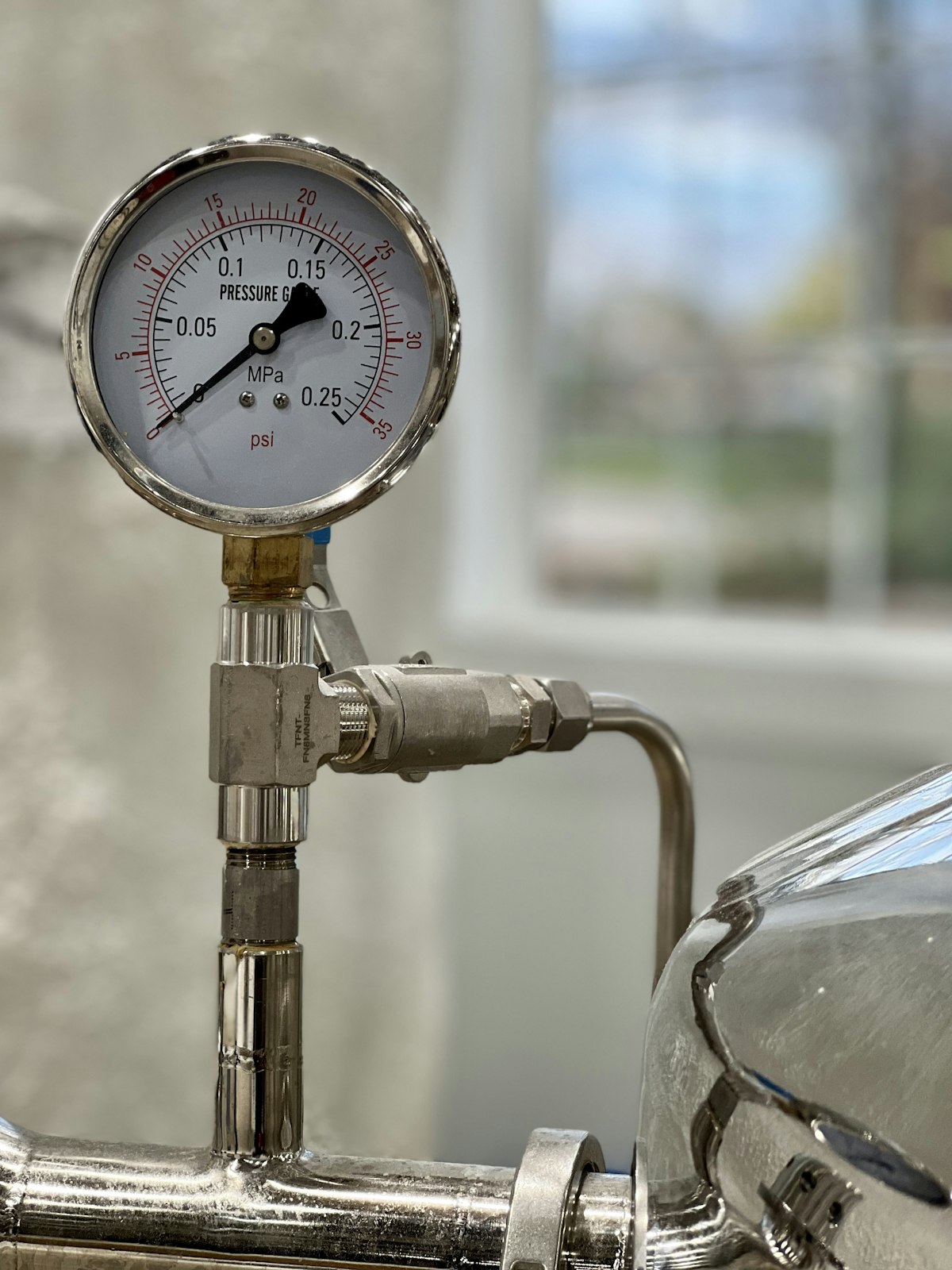
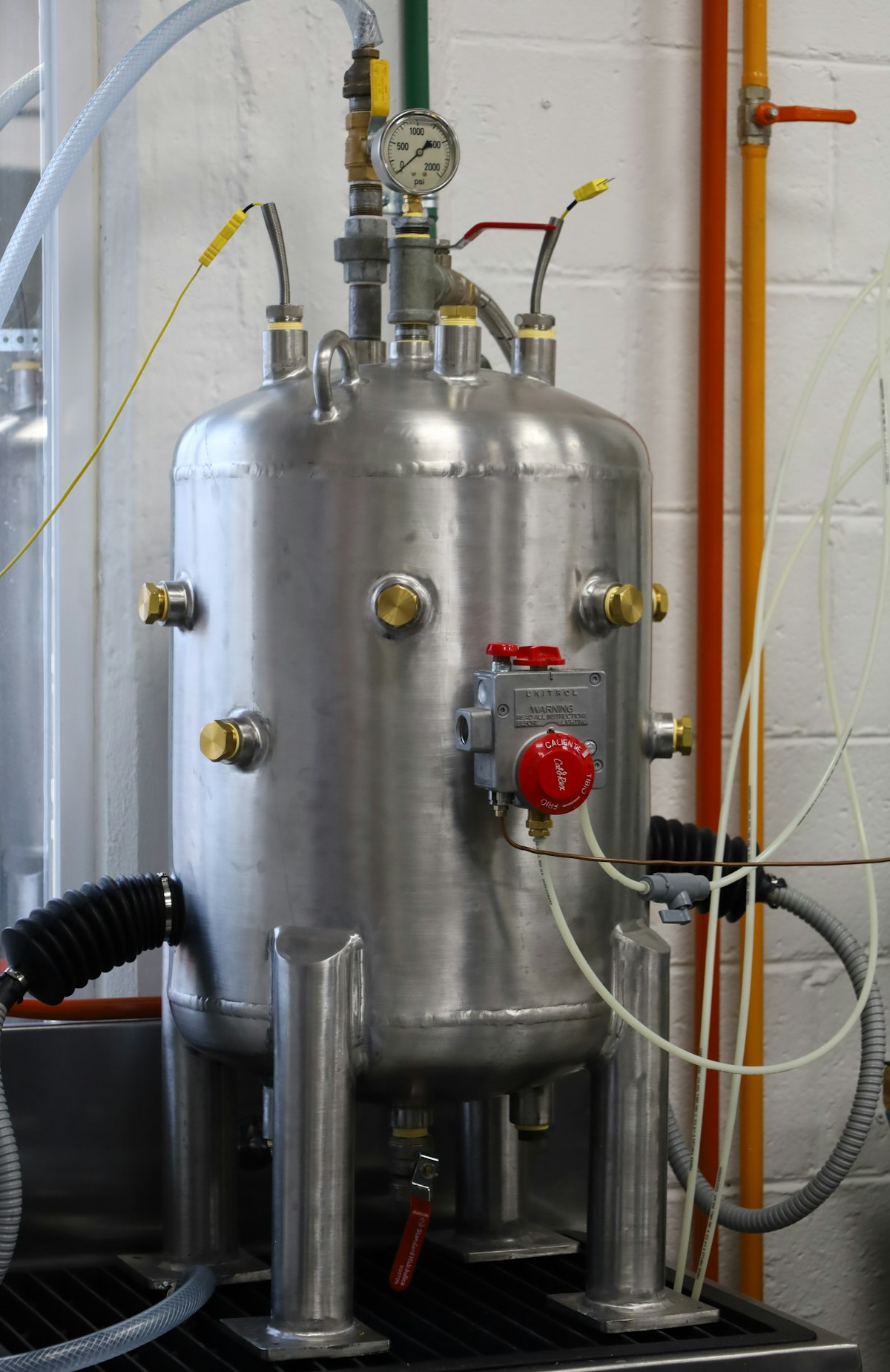
Air receivers are pressure vessels regulated under the same codes as boilers, reactors, and heat exchangers. API 510 is the in-service inspection code most US facilities reference. OSHA enforces workplace safety around pressure equipment without publishing a vessel-specific inspection schedule, which leaves facility managers guessing until they ask their insurer. Europe operates under PED 2014/68/EU as the framework directive, with each member state setting its own inspection timeline and enforcement details. Australia and New Zealand share AS/NZS 3788.
How Often
The API 510 numbers everyone quotes are a 5-year ceiling for external inspections and a 10-year ceiling for internals. Those are maximums, not defaults. Getting approved for a 10-year internal interval requires documented low corrosion rates across multiple previous inspection cycles, clean and dry service conditions, and an inspection organization willing to sign off on stretching the gap that far. A receiver that has never had an internal inspection doesn’t have the historical thickness data to support a 10-year interval. First-time internals happen at 5 years or shorter. Sometimes 3 years if the most recent external turned up surface corrosion or evidence of poor condensate management.
California’s DOSH pressure vessel program runs annual external inspections. Twenty receivers on a single site means twenty inspections per year, twenty scheduling rounds with the state inspector, twenty billing cycles. Texas, for the same equipment at the same pressure doing the same job, allows dramatically less frequent inspections if the facility qualifies for an owner-user program with a qualified inspector on staff. Two identical tanks in identical service separated by a state line can face inspection burdens that differ by a factor of five.
Insurance carriers run their own schedules. Hartford Steam Boiler follows one timeline. FM Global follows another. Zurich follows a third. None of them synchronize with the state inspection program or with the facility’s internal API 510 program. A single receiver at a facility in Ohio could accumulate three inspection reports in one calendar year from three organizations that don’t share findings and sometimes contradict each other.
Germany runs internal inspections at 5 years with a pressure retest at 10. France does externals at 4 years, internal plus retest at 10. The UK adopted PSSR 2000, which replaced fixed intervals with a written examination scheme per vessel drafted by a competent person. Most UK air receiver schemes settle around a 2-year interval. Australia risk-ranks each vessel under AS/NZS 3788 and inspects on a frequency that corresponds to the ranking: annual for high risk, 2 to 3 years for medium, up to 5 years for low.
Equipment fabricated to one country’s code and relocated to another jurisdiction needs requalification. An EN 13445 tank shipped to the US requires ASME certification or an equivalency review. The engineering assessment and documentation work for this frequently costs more than purchasing a new domestically stamped tank.
External Inspection
The tank stays pressurized. No shutdown required. The bottom of the shell near the drain connection is where corrosion starts on almost every air receiver that develops problems. Condensate pools there. The liquid is not clean water. It contains compressor oil carryover, rust scale, and atmospheric dust that passed through the intake filter. This mixture is mildly acidic and attacks steel. Tanks with disciplined drain programs still corrode at the bottom. Tanks without drain discipline corrode faster and worse. Inspectors know this and go to the tank bottom first.
Saddle supports create a crevice between the support and the shell that traps rainwater and debris. Paint fails at the contact line before it fails anywhere else on the tank. Corrosion propagates under the saddle into a zone that can only be seen by lifting the tank off its supports. Almost nobody lifts the tank outside of a major turnaround.
Weld seam intersections where the longitudinal seam crosses the circumferential seam are metallurgically complex. Two weld passes overlapping, two heat-affected zones interacting, residual fabrication stresses concentrated at one junction. Fatigue cracks from pressure cycling initiate at these locations. Air receivers experience thousands of pressure cycles per year as compressors load and unload.
Safety valve calibration status comes down to the tag on the valve. Date tested, date due. If the calibration has expired, the valve has no regulatory standing as a protective device. US practice calls for annual calibration. A broken lead seal or tamper wire indicates someone has been adjusting the setpoint, and the inspector will ask who did it and when.
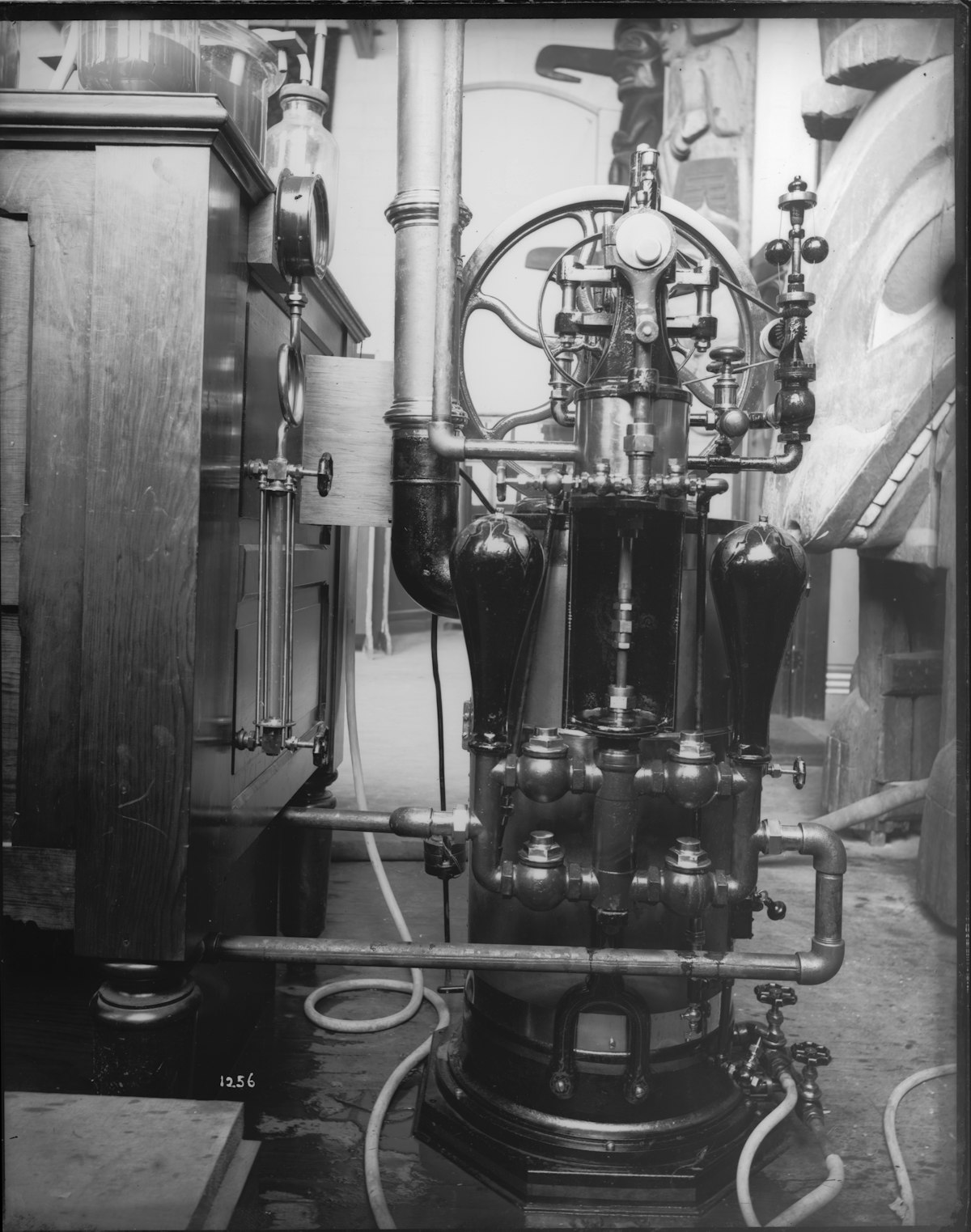
Pressure gauges get compared against a reference standard during the inspection. One failure mode that a static comparison does not catch is a plugged connection tube. Over months of service, oil sludge fills the siphon tube between the tank and the gauge, hardens, and locks the needle at whatever pressure reading it displayed when the tube plugged. The gauge shows a fixed number unrelated to the pressure inside the tank. The inspector taps the gauge face. The needle does not move. Dead gauge.
The drain valve gets opened during the inspection. If it turns freely and condensate comes out, the valve is working. If the handle requires a pipe wrench to break the stem loose, the inspector now knows how often this valve gets operated between inspections without asking a single question. Float-operated automatic drains fail without any outward sign. The float sticks in the closed position. The tank bottom fills with water. The drain body and piping are all still there and connected. Everything looks correct from the outside.
Operating records. Large facilities with computerized maintenance systems produce logs on demand. Small shops have a spiral notebook in a toolbox somewhere with entries that trail off after two weeks, or entries showing the same pressure reading in the same handwriting across forty consecutive days. Inspectors know what retroactively completed logbooks look like.
Internal Inspection
The tank comes offline. Pressure bled to zero. Isolated from supply piping with a blind flange or a disconnected spool piece. A closed ball valve does not qualify as isolation. Ball valves leak past the seat. A tank isolated behind a closed valve can slowly repressurize over hours to a level capable of injuring someone inside. Blind flanging takes more time and effort. The pipefitters complain about it. The confined space entry permit requires it.
Confined space entry in the US is governed by 29 CFR 1910.146. Atmospheric testing inside the vessel for oxygen concentration, combustibles, and toxic contaminants. Written entry permit signed by the entry supervisor. An attendant stationed at the manway opening whose sole function is monitoring the entrant. The specific hazard that catches entrants on air receivers is oxygen displacement from residual nitrogen in systems that use nitrogen for purging or blanketing. Nitrogen displaces oxygen without any sensory warning. The entrant becomes lightheaded. From that point the timeline is measured in seconds.
Cleaning the tank interior before the inspector arrives changes the quality of the examination. Oil film and loose rust scale obscure the metal surface and mask pitting. A steam clean or solvent wash exposes bare steel. Facilities that skip cleaning receive a report noting “examination limited by surface deposits,” which means the inspector could not see the metal properly and the tank will come back for reinspection on a shortened cycle.
The inside of an air receiver runs wet. Compressed air enters the tank warm, cools, and releases moisture. Condensate collects at the bottom with oil and particulate. A few weeks of operation in a humid climate with poor air drying can leave an inch of standing liquid in the tank bottom. Pitting corrosion concentrates metal loss into small-diameter cavities that bore deep into the steel while the surrounding surface appears undamaged. A single pit can eat through 80% of the wall thickness at its location while an ultrasonic measurement two inches away returns nearly original thickness.
Ultrasonic thickness gauges send a sound pulse through the steel from the exterior surface and measure echo return time, converting it to a thickness value. Measurements follow a grid pattern across the shell and heads, with the grid spacing tightened in areas of visible corrosion or known trouble spots. When previous inspection records exist, the current measurements enable corrosion rate calculation.
Hydrostatic testing is triggered by specific conditions, not performed as a routine part of every internal inspection. Post-weld-repair verification requires it. The test medium is water. A receiver at a midwestern US facility in the 1990s was subjected to an unauthorized pneumatic test and fragmented, scattering steel across a 300-foot radius. ASME test pressure is 1.3 times design pressure.
Agencies, Reports and Between Inspections

An inspection performed by someone without recognized credentials has no regulatory standing. In the US, the National Board of Boiler and Pressure Vessel Inspectors commissions individual inspectors. EU member states designate Notified Bodies, listed in the NANDO database. Australia requires JAS-ANZ accreditation. A passing inspection produces a report and a compliance sticker applied to the tank. Auditors and regulators check for the sticker first.
API 510 requires report retention for the life of the equipment. PED requires a minimum of 10 years. Reports get lost during office relocations, maintenance software migrations, and employee departures. Thickness data accumulated over years of inspections, the entire basis for corrosion rate projections and remaining life estimates, disappears.
Condensate draining is the most neglected maintenance task on air receivers across every industry, facility size, and geography. The drain valve sits at the tank bottom, often in a cramped location. Opening it manually sprays oily water onto the floor and the operator. So it gets postponed. Done weekly instead of per shift. Cracked open for two seconds instead of held open until clean air comes out. Water level inside the tank rises. Corrosion rate increases. The next internal inspection reveals pitting that would not exist if someone had drained the tank on schedule.
OSHA penalties for operating past expired inspection certification can exceed $150,000 per violation, with escalation for willful or repeated offenses. EU member state fines range from a few thousand to tens of thousands of euros depending on jurisdiction and severity. An uninspected tank involved in a service failure moves the matter from administrative fines to criminal prosecution. UK Health and Safety at Work Act provisions allow imprisonment of up to 2 years for individuals held responsible. Insurance carriers can void coverage for equipment operating outside its inspection certification, leaving the company exposed to uninsured losses.