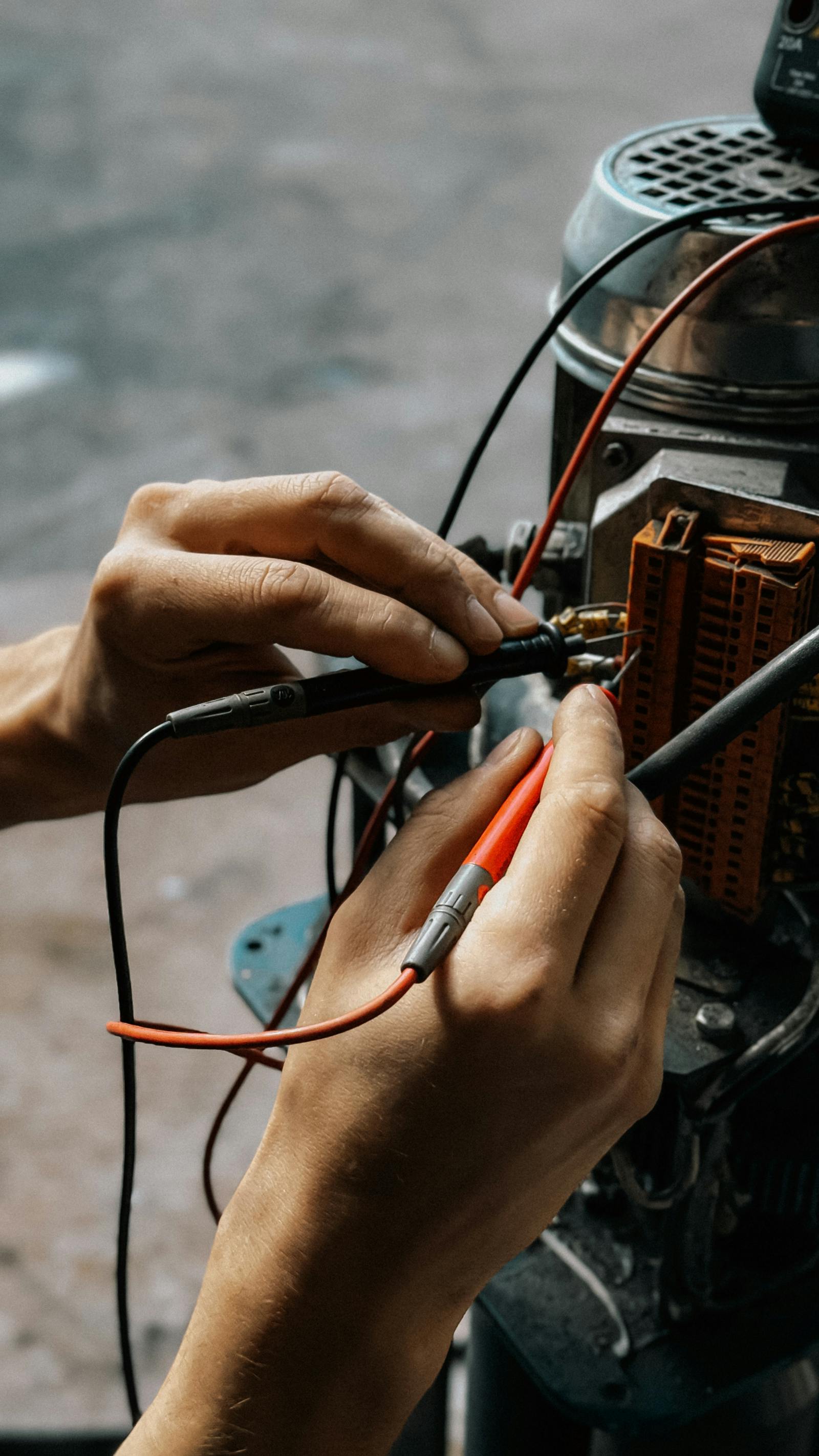
Chemical plant compressed air systems are different from regular factories. Flammable and explosive environments, corrosive gases, heavy dust, high ambient temperatures, and strict process air quality requirements all compound to make selection, siting, and operation considerably more demanding than general industrial installations.
Flammable and Explosive Environments
Chemical production areas are classified by explosion protection rating per IEC 60079 standard — Zone 0, Zone 1, Zone 2. Before siting the compressor station, get the plant explosion zone map from safety. Vast majority of chemical plants build compressor stations in non-hazardous areas. Explosion-proof equipment is way too expensive — a 100 hp explosion-proof screw machine runs $40,000 and up versus $18,000–20,000 for the standard model. When compressed air piping crosses hazardous areas, wall penetrations get sealed tight with fireproof sealant. Piping gets anti-static grounding under 10 ohms. During acceptance, take a megger and actually measure. Don’t just look at paperwork.
Some old plant sites have legacy issues. When the compressor station was built, explosion zoning wasn’t even a concept. Now reclassification puts the location inside Zone 1 or Zone 2. Run into this, only option is explosion-proof machine. Atlas Copco’s GA VSD series has a Zone 2 explosion-proof version, seen pretty often. Cable, junction boxes, control cabinet all need to be swapped to explosion-proof versions. Bits and pieces add up to another $25,000.
Corrosive Gases
Trouble with acid gases is they don’t break equipment immediately. They work slow. Intake air with even just a few ppm of hydrogen sulfide or hydrogen chloride, after a year or two rotor coating starts peeling. Bearings covered in rust spots. Oil circuit corroded everywhere. Chlor-alkali plants especially watch out. Trace chlorine gas floating in the air is the norm. Equipment has problems, you call the manufacturer, manufacturer pulls out warranty terms. Black and white writing says intake must not contain corrosive components. Repair costs on you.
Air intake position selection: get a wind rose diagram, put intake on upwind side of prevailing wind direction. Per SH/T 3024, height at least 20 feet above ground. Avoid low-lying layers where heavy gases accumulate. If there’s a known pollution source nearby, horizontal distance at least 165 feet. One factory took a shortcut, built compressor station less than 100 feet from the wastewater treatment station. Hydrogen sulfide drifted over. Compressor needed major overhaul in under two years. Later spent over $30,000 rerouting the air intake pipe.
Intake pretreatment depends on what you’re dealing with. Organic solvent vapors, activated carbon works well. Acid and alkaline gases need chemical media. Filter differential pressure rises to 2 inches of water, change it. Cooling water often gets overlooked. Chemical plant circulating water has all kinds of treatment chemicals. High chloride content, copper coolers won’t last long. Sample and test every quarter. Watch pH, chloride, total hardness.
Dusty Environments and High Temperature
Chemical plant dust isn’t the same as regular dust. Catalyst dust contains metal oxides — hard, gets into the airend and it’s like a grinding wheel. Compressor station building as positive-pressure sealed enclosure is basic practice. Fresh air filtered then pushed in. Maintain indoor pressure 0.1–0.12 inches of water above outdoor. Fresh air filter select F7 grade or higher bag filter. Compressor’s own air filter in high-dust environments has noticeably shortened life — change at 1,000-something hours instead of 3,000–4,000.
Chemical plants have heat sources everywhere. Reactors, distillation columns, heat exchangers. Summer noon outdoor 100°F. Close to these equipment, local temperature can reach 115°F+. Screw compressors are sensitive to intake temperature. Manufacturer catalog output capacity is calculated at specific intake temperature. Actual ambient higher, output capacity needs a discount. Selection must be calculated at hottest conditions. Using annual average is digging yourself a pit. Air-cooled machines struggle in high temp environments past 105°F. Water-cooled adapt better — cooling water at 95°F still runs fine.
Compressor station ventilation needs to be sufficient. 75 hp screw machine running full load puts out roughly 45 kW of heat to dissipate. Station with several units, heat stacks up. Inlet and outlet follow low-intake, high-exhaust pattern. Some factories didn’t consider this when designing — air inlet and exhaust at same height on the wall. Hot air swirling inside, can’t get out. Summer, units take turns high-temp shutting down.
Process Air Quality Requirements
Instrument air has strictest requirements. Whether pneumatic control valves and emergency shutdown valves can actuate reliably directly relates to production safety. Pressure dew point, particles, oil content all have targets. Meeting this standard requires desiccant dryer. Difference between heatless and micro-heated regeneration is purge air loss. Heatless has high purge consumption. Micro-heated saves air but equipment is complex and expensive. Large flow systems, micro-heated more economical. Small flow, heatless is enough.
Process air, each application has its own requirements. Some material conveying only needs −4°F dew point. Some purging is oil-sensitive but dew point can be relaxed. Common problem: design firms using one-size-fits-all approach, configure everything to highest standard, pile of aftertreatment equipment, operating costs scary high. Many applications don’t need that level. Figure out each use point’s requirements before deciding on scheme. Saves a lot of money.
Breathing air must have its own independent system. Some factories try to cut corners by running a pipe from instrument air. Absolutely not. Breathing air compressor must be oil-free. Aftertreatment includes catalytic oxidizer to remove carbon monoxide, activated carbon tower for oil vapor and odors, dryer, precision filters. Outlet also needs CO monitor and dew point meter for real-time monitoring. Things involving human safety can’t be skimped on.
Compressed Air Main Uses
Instrument Air. Stability matters more than anything. Large chemical plant with a thousand-plus pneumatic valves waiting for air. Supply cut for few seconds and process parameters might go out of control. Set up independently. Supply pressure 75–85 psi. Receiver capacity sized at minimum three minutes of maximum consumption. Cold northern areas, outdoor piping with moisture inside will freeze. Quite a few plants up north require dew point −40°F or below. Online dew point meters, install two. Vaisala dew point meters have good stability.
One plant had instrument air consumption of 530 CFM with receiver only 175 cubic feet — equals twenty seconds of buffer. During compressor switchover, pressure frequently dropped through floor. Pneumatic valves going haywire. Process parameters fluctuating. Later added a 350 cubic foot receiver and problem was solved. Whoever designed it originally never did this math.
Process Air. Pneumatic conveying systems sensitive to flow fluctuation. Conveying dense phase material, flow suddenly drops and you might plug the pipe. Surge tank on supply main can alleviate this. Applications requiring oil-free, choose oil-free machine — no other way. Coatings, food additives, electronic-grade chemicals, trace oil contamination affects product quality. Small flow use oil-free screw or oil-free scroll. Large flow use centrifugal. Oil-free screw machines cost more than double oil-flooded screw.
Breathing Air and Safety Air. Cylinder bank pressure 2,200 to 4,400 psi. Capacity calculated based on maximum number of people needing air in emergency. Chemical plant safety codes require at least fifteen minutes of emergency evacuation air for all plant personnel. This system normally goes unused. But must have it. Some plants install breathing air system then nobody touches it for years. When actually needed, discover bottles have long since leaked down to zero.
General Utility Air. Air tools, cylinder drives, equipment blowdown. Dew point −4°F, oil content below 1 mg/m³ sufficient. Main header 100–115 psi. End points with insufficient pressure, add local boosters.
Explosion-Proof Compressors
Compressor station in Zone 1 or Zone 2, no avoiding explosion-proof machine. Zone 1 requires equipment protection level ExdIIB T4 or higher. Imported equipment needs ATEX or IECEx certification. Contract must clearly stipulate providing original certification certificates. Some small manufacturers can’t produce certificates or certificates are fake. Only discovered during acceptance. Equipment can’t be returned, money can’t be recovered.
Motor is the focus. Flameproof motor encloses spark-producing parts in a housing that withstands internal explosion pressure. Increased safety motor prevents spark generation by raising insulation class and limiting temperature rise. Control system, two approaches. One: field control box and VFD all explosion-proof, stays in hazardous area. High equipment cost. Other: move control system to safe area, only start-stop buttons and indicator lights at field location use explosion-proof models. Saves considerable money.
Maintenance must be performed by personnel with explosion-proof electrical operation certification. Work permit before maintenance. Site combustible gas concentration tested and passed. Parts can only be OEM or equivalent explosion-proof rated. Unauthorized modifications void the whole machine’s explosion-proof certification. One factory had a motor burn out, found a regular motor and installed it. Safety inspection discovered. Fines plus production shutdown for rectification. Loss was dozens of times more than buying the OEM motor.
Compressor Station Siting
Distances between compressor station and various hazardous sources are regulated by NFPA and API codes. Fire separation distance from Class I/II hazardous process equipment not less than 80 feet. From flammable gas storage not less than 50 feet. Orientation: air intake placed upwind of prevailing direction. Compressor station far from use points means high piping investment and high pressure drop losses. Some plants to keep compressor station in safe area, run piping several hundred feet. Pressure drop loss of a few psi. Compressor discharge pressure raised accordingly. One year, tens of thousands of extra kWh.
Station buildings mostly single story. Ceiling height based on equipment. Roof exhaust skylights for natural ventilation. Floor treated for oil penetration resistance. Oil collection trench around compressors. Equipment surrounding maintenance aisle width not less than 4 feet. Some plants stuff compressor stations packed full. Changing an air filter requires squeezing in sideways. Major overhaul, crane can’t get in.
Piping
Carbon steel pipe is cheap. Normal environment, works fine. Weakness is poor corrosion resistance. Galvanized slightly more corrosion resistant than carbon steel. But threaded only, can’t weld. Stainless steel pipe corrosion resistant, smooth inner wall, low pressure drop. Instrument air and breathing air piping, recommend stainless steel. Material 304 or 316L. 316L has better chloride resistance. Aluminum alloy pipe has been used more in recent years. Light, corrosion resistant, push-in fittings install fast. Can’t handle strong acids or bases.
Flow velocity too fast, big pressure drop. Too slow, waste pipe material. Main header velocity 25–33 feet per second. Welding is critical. Stainless steel pipe during welding needs argon purge inside the pipe. After installation, do strength test and leak test. Strength test uses water at 1.5× design pressure. Pipe support spacing per code — carbon steel horizontal one support every 10–16 feet. Some construction crews space supports too far apart. Pipe sags, water accumulates, winter it freezes and cracks.
Redundancy Design
Chemical production has high continuity requirements. Compressed air interrupted even for seconds can cause problems. Pneumatic valves lose air source and go to fail position. Safety interlock valves’ fail position is typically closed. Under some conditions this triggers chain reactions. Unit configuration basic principle is N+1. Production needs 1,750 CFM. Two 1,050 CFM units theoretically enough. Safe approach is three units. Receiver capacity must ensure during switchover time pressure doesn’t drop below critical value.
Instrument air has highest importance. Recommended independent configuration separate from general production air. Production air has problems, instrument air keeps supplying. Two units as mutual backup. Dryers also two, one running one standby, automatic failover. Receiver capacity sized at three to five minutes of instrument air maximum consumption. Many plants don’t hit this number. Real switchover happens and discover it’s not enough. Operators scrambling.
Compressor power fed from two bus sections with automatic transfer switch. Either bus loses power, auto-switch to the other. Control system CPU modules with dual redundancy. Communication links dual network. These redundancy measures look like they cost money. Total math, it’s worth it. Compressor system down once, how much does that cost.
Nitrogen is common medium at chemical plants. Compressed air cuts out, can temporarily substitute. Emergency tie-in valve between instrument air main and plant nitrogen network. Normally closed. Emergency, open it. High pressure cylinder banks are another approach — bank of bottles through regulator valve stepped down then fed into instrument air main. Can hold for few minutes to tens of minutes. Bank pressure checked periodically. Some plants install cylinder banks and call it done. Years go by, nobody checks. When actually needed, discover bottles lost pressure long ago.
Critical pneumatic valves get handwheels. Lose air source, can manually operate. Handwheel is only the last line of defense. Main reliance is still on front-end redundancy design to keep air supply uninterrupted. Don’t count on handwheels to save the day.