The RL78 is Renesas’s family of low-power 8- and 16-bit microcontroller, a line built around drawing as little current as a design can spare. A battery product, a meter that has to last years on a cell, a sensor that wakes, reads, and sleeps, reaches for a part like this. The RL78 holds its place in those designs on three things: the current it draws awake, the sleep modes that cut that current, and the speed it wakes from them. Reading the RL78 as a low-power part means reading those three together.
What the RL78 is
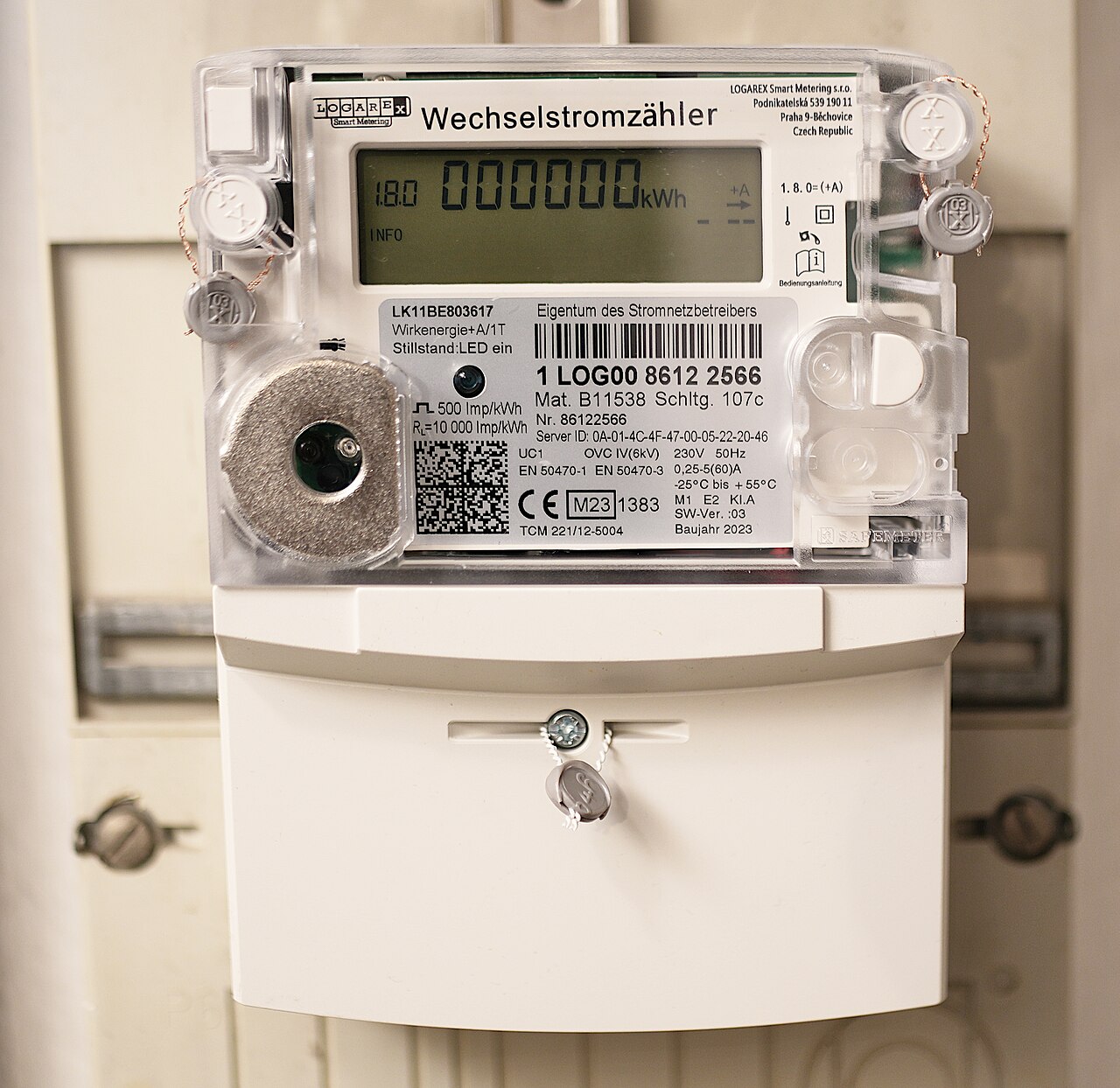
A modern smart electricity meter with a segment LCD, the kind of low-power product the RL78 suits. A meter like this wakes for each measurement, holds its display, and sleeps between, the MCU’s low standby current setting how long it runs on its budget.
The RL78 runs a 16-bit core of Renesas’s own design, the line drawn from the heritage of two older families, the NEC 78K and the Renesas R8C, merged after the two companies joined. Renesas markets it as an 8- and 16-bit part, the core sitting in the low-power class between a plain 8-bit and a full 32-bit. It clocks to thirty-two megahertz, holds flash and RAM on chip, and carries the analog and timing peripherals a control job leans on. Renesas calls the line its true low-power platform, the current draw the trait it sells the family on. The part runs across a wide supply range, from one-and-six-tenths volts up to five-and-a-half, the low floor a help on a cell whose voltage sags toward the end of its charge. A separate data-flash block stores settings and logs with no external EEPROM, a meter’s readings or a product’s calibration held through a power loss. On-chip oscillators, a low-voltage detector, and a watchdog round out the housekeeping a part running untended on a battery needs. The core runs a CISC instruction set with a hardware multiply-and-divide unit, the arithmetic a metering or a sensor calculation needs done without a long software routine. The CISC encoding packs a program into less flash than a plain load-store core would, the code density a help where the flash size sets the cost.
The toolchain comes from Renesas. The e2 studio environment and the older CS+ build for the part with the CC-RL compiler, with IAR a paid alternative. Renesas lists the family, its parts and their documents, on the RL78 product pages. A team new to the RL78 finds the parts, the tools, and the application notes in one place there. The Smart Configurator generates the peripheral and clock setup from a graphical view, the register-level code written by the tool. An E2 or E2 Lite emulator programs and debugs the part over a few pins. The same flow covers the whole RL78 line, a team’s habits carried from one sub-family to the next.
The RL78 sits in a crowded field of low-power parts. A design weighs it against the low-power lines of other makers, the choice turning on the exact current figures, the peripheral fit, and the supply. The RL78 brings a long record in metering and in battery products, a part proven in designs that count every microamp. A buyer reading it for a fresh low-power design reads the numbers that follow against the job in hand. Some RL78 parts carry a self-test library to the IEC 60730 standard for home-appliance safety, the checks a regulated product leans on built into the part. A buyer in a safety-bound market reads that alongside the low-power figures, the two together the case for the part.
The low-power story
Three sleep modes carry the RL78’s low-power case.
The current awake is the first figure. The RL78 draws on the order of tens of microamps for each megahertz it runs, from about thirty-seven and a half on the newer families to nearer sixty-six on the older. A design that runs slow draws little, the current scaling with the clock. A control loop that wakes for a short burst of work and sleeps the rest of the time spends the bulk of its current budget in the burst, the clock and the run time the figures a designer trims. A designer sets the clock no higher than the work needs, the run current following the clock down. A job that runs at a few megahertz draws a fraction of what the same part draws flat out, the saving a setting away and costing nothing.
The sleep modes cut the current when the work is done. HALT mode stops the CPU and leaves the peripherals and the real-time clock running, the current dropping toward a microamp while a timer or a counter keeps its place. STOP mode shuts nearly everything down and holds the RAM, the current falling into the hundreds of nanoamps, the part waiting on an interrupt to wake. The RAM keeps its contents through STOP, the part picking up where it left off on wake with no reload from flash. A design picks the mode that fits the gap between tasks, the deeper sleep for the longer wait. A low-voltage detector watches the supply through these modes and a real-time clock keeps the time, both able to run while the core sleeps. A low-speed sub-clock runs that real-time clock at thirty-two kilohertz through the sleep modes, the time kept on a trickle of current while the main clock is off. Renesas documents the modes and the current figures on its RL78 features page. The table below sets the modes against what each leaves running and the current each draws.
The RL78 low-power modes, with figures from the RL78/G class as a guide. Exact numbers vary by family, clock, and voltage. Source: Renesas RL78 documentation.
Mode
What stays running
Typical current
What it is for
Run
CPU and peripherals
~37.5 to 66 µA/MHz
Full operation
HALT
Peripherals and the real-time clock; CPU stopped
~0.57 µA with RTC and LVD
An idle gap with a fast CPU restart
SNOOZE
One peripheral, the ADC or a serial port; CPU asleep
The peripheral’s own draw, the CPU run current saved
Sampling or receiving without waking the CPU
STOP
SRAM retained; nearly all else off
~230 nA
The deepest sleep between rare events
The SNOOZE mode is the one a low-power designer leans on. It lets a peripheral do its work with the CPU still asleep, the ADC taking a reading or the serial port catching a byte while the core draws nothing. The CPU wakes only when the work amounts to something, a reading past a threshold or a full frame received, the routine traffic handled with the core off. A data transfer controller pairs with SNOOZE, moving each sample the ADC takes into a buffer with the CPU still asleep, the core waking only when the buffer is full. A design gathers a run of readings between CPU wakeups, the average current lower for every wake saved. A sensor that samples ten times a second and acts once a minute keeps its CPU asleep through almost all of those samples, the SNOOZE mode the reason the average current stays low. The average current is the figure a battery life turns on, the peak a smaller part of the story. A design that spends a thousandth of its time awake and the rest in a sleep mode runs on an average close to the sleep current, the cell behind it lasting years.
The speed of the wake matters as much as the depth of the sleep. A slow wake undoes a deep sleep, a part that takes milliseconds to come back burning in the wake what the sleep saved. The RL78 wakes from its sleep modes in microseconds, the core ready to work almost as soon as the event lands. A design that wakes often reads that wake time closely, the saving real only when the part comes back fast. Renesas built the family around that balance, the deep sleep and the quick wake held together, the on-chip high-speed oscillator ready in microseconds. A part wakes from STOP on a chosen set of events, an external pin, a real-time clock alarm, a comparator crossing its threshold, the design picking which may break the deepest sleep. A part that wakes, runs a short routine, and sleeps again spends its energy in three parts, the wake, the run, and the leak in sleep, a designer trimming each.
Where low power matters
The metering market is the RL78’s home ground. An electricity, gas, or water meter runs for years on a cell or on a tight power budget, the MCU awake for a moment of measurement and asleep the rest. The RL78 carries a family with an LCD driver on chip for the meter’s display, the part driving the segments while the core sleeps between readings. A design in this market reads the RL78’s record there as evidence the part can hold the job. A meter counts more than its readings: it watches for tamper, it logs to the data flash, it drives a display, it talks on a communication line, and it does all of this on a power budget built to last. The RL78 carries the pieces a meter needs close to the core, the LCD driver, the timers, the data flash, the low standby current, the part shaped to the job over years of metering designs.
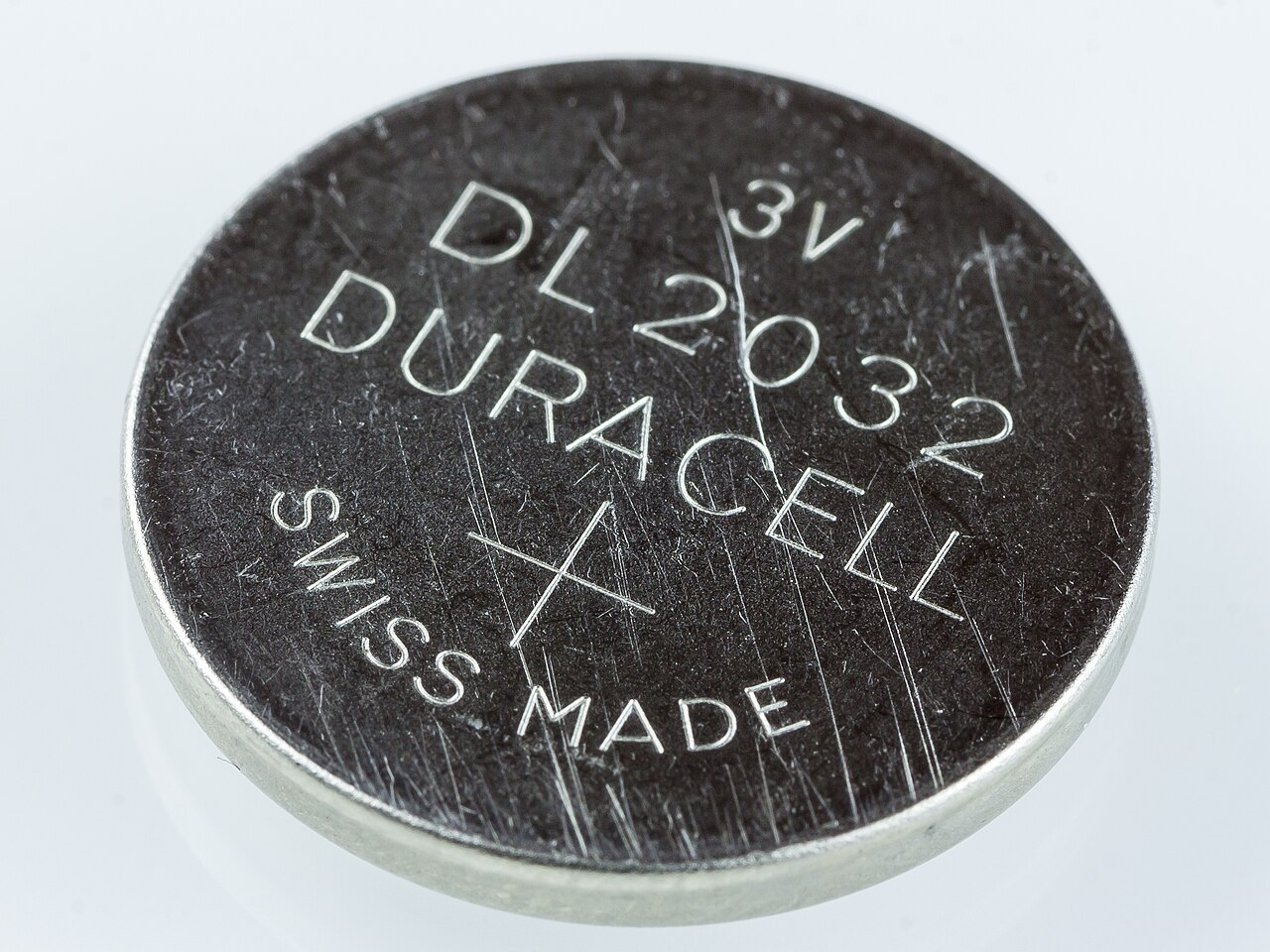
The battery and sensor world asks the same of a part. A wireless sensor node, a wearable, an alarm sensor, a medical patch, each wakes to measure, sends a result, and drops back to sleep for a long stretch. A part that draws nanoamps asleep and wakes fast to a low run current stretches the life of the cell behind it. The RL78 fits the pattern, the SNOOZE mode and the low standby current the traits these designs lean on the hardest. A smoke alarm watches for years on a cell, waking to test itself and dropping back to a trickle. A glucose meter or a patch reads on demand and sleeps between, the cell sized for a long life. A key fob wakes on a button and sends a code, asleep the rest of its days. Each of these is a short wake in a long sleep, the shape the RL78 fits well, the average current the number that sets the cell’s life. A coin cell holds a fixed charge, and the life of the product is that charge divided by the average current the design draws. Cutting the average current, by sleeping deeper and waking less, buys the years a battery product is sold on.
The families for a low-power job
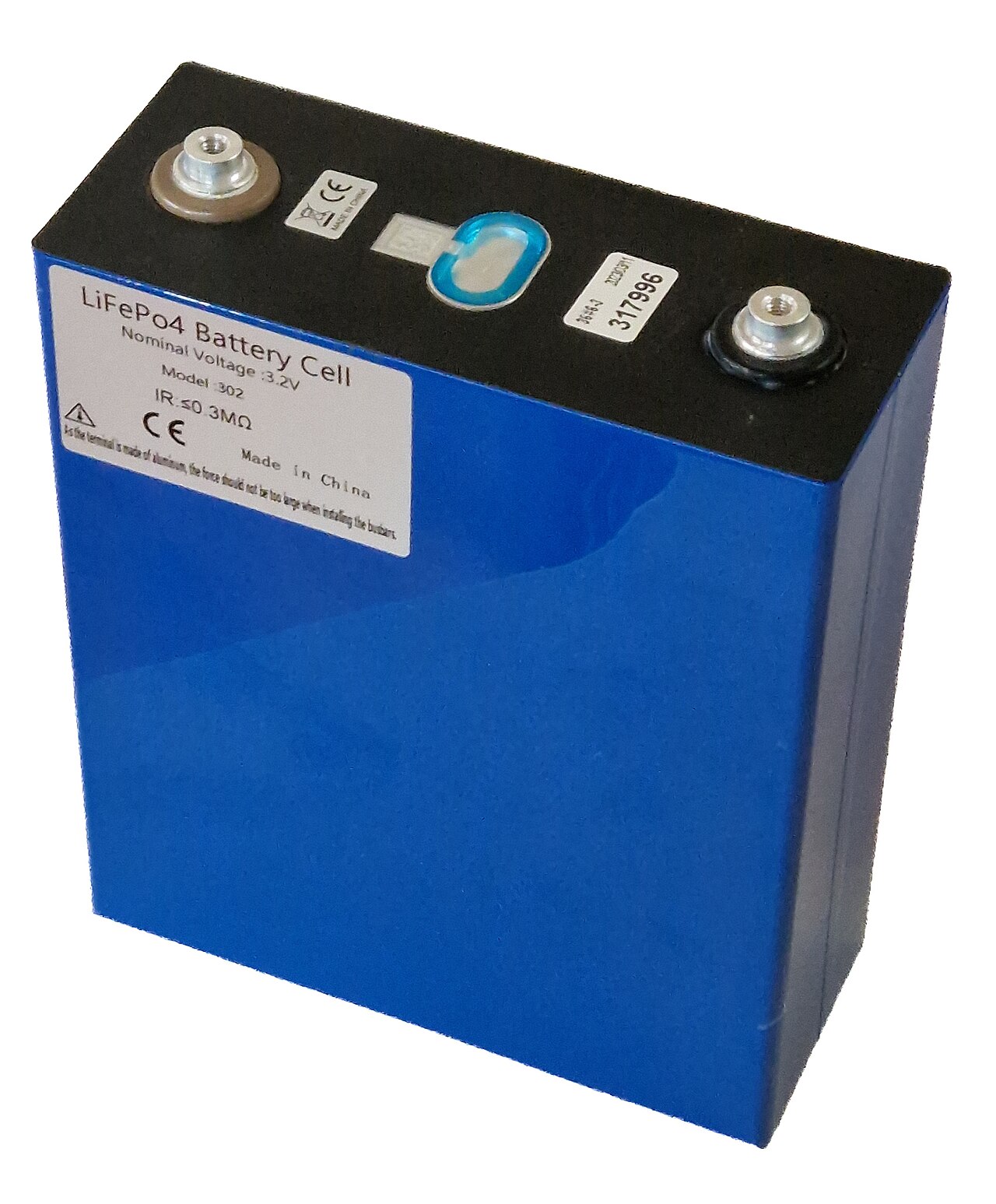
A 3-volt lithium coin cell, the power budget a low-power MCU lives within. The cell holds a fixed charge. A design’s life is that charge divided by its average current, the figure the RL78’s sleep modes pull down.
The RL78 splits into sub-families, each shaped to a kind of job. The RL78/G parts are the general-purpose line, the broad middle a great many low-power designs start from. A buyer with a plain battery control job reaches into the /G line first, the part sized to the pins and the memory the design needs. The /G line spans small parts in a few pins up to larger ones with more flash and more peripherals, a design moving within the line as it grows. The newer /G generations pushed the run current down and the peripheral set up, a fresh design starting there for the longer life ahead of it. A /G part with the right pin count and flash covers a plain sensor, a remote control, a small appliance board, the line broad enough that a design rarely leaves it for want of a feature. The newer RL78/G22, G23, and G24 carry the latest of the low-power work, the G24 reaching toward digital-power and motor jobs with faster timers and comparators.
The RL78/L line carries the LCD driver, the family a meter or a display-bearing product reaches for. The driver runs the glass while the core sleeps, a display held with no load on the CPU. A handheld instrument or a utility meter with a segment display sits well on an /L part, the low-power story and the display in one chip. The driver runs a fixed number of segments, the count a part is chosen by, a four-digit meter and an eight-digit instrument sized to different /L parts. A glance at the display costs the core nothing, the driver holding the glass on its own. A meter that updates its reading once a second wakes the core for that moment and leaves the segments to the driver, the glass lit with no current spent on it between updates.
The RL78/I line leans toward sensor and precision-analog work, with the analog front end a measurement design wants. A sensor product that has to read a small signal cleanly looks here, the part carrying the converters and the references close to the core. The line keeps the low-power traits of the family while adding the analog a sensing job needs. A higher-resolution converter, an internal reference, an amplifier on chip, each spares a sensor design an outboard part and the noise a long trace adds. The /I parts hold the run and sleep currents of the family, the analog added with the low-power case kept whole.
The RL78/D and RL78/F lines serve motor and automotive designs, the parts built to the temperature range and the qualification those markets demand. A low-power motor control or an automotive body function picks from these, the family carrying the quality grade a car design has to meet. A buyer matches the sub-family to the job before the exact part number, the low-power core common to them all. An automotive part carries the wider temperature range, the qualification to the automotive standard, and the long supply a car program demands. A motor part adds the timers and the comparators a drive stage needs. A buyer in these markets reads the grade and the qualification first, the low-power core a constant under them.
Sourcing the RL78
The RL78 comes from Renesas alone. No second maker builds a drop-in RL78, so a design carries that single source as a fact of its supply, the part stocked at many distributors and built by one company. A buyer plans around it, holding a buffer against a shortage and watching the lifecycle of the exact part the design uses. Renesas serves long-life markets, the automotive and the industrial among them, and holds its parts in production on the horizon those markets need. A buyer designing for a ten-year product reads that record as part of the part’s fitness, the supply horizon as real a spec as the current draw. The RL78 reprograms its own flash in the field as well, a firmware fix carried to a deployed product over its communication line, the data flash holding the settings across the update.
The common RL78 parts sit in stock at the broad-line distributors, an order for a /G part filled on a normal lead time. The depth thins on the specialised parts, an /L with a particular LCD configuration or an automotive-grade /F run on a longer wait. A buyer checks the on-hand quantity, the lead time, and the lifecycle status of the exact part, the package and the temperature grade pinned down, before the design leans on it. A part chosen early in its life on a line a maker keeps for years is the safer foundation for a product with a long run ahead. A buyer signs up for the change notices on the exact RL78 part a design uses, an end-of-life call landing in time to plan a move. The single source makes that watch matter more, no second maker to fall back on if a part goes short. A buffer of stock sized to the lead time, a watch on the status, and a design kept inside the broad /G line where a near part can stand in, each softens the single source the RL78 carries.
Common questions about the RL78 in low-power designs
Is the RL78 an 8-bit or a 16-bit microcontroller?
Renesas markets the RL78 as a low-power 8- and 16-bit family. The core is a 16-bit design, sitting in the low-power class between a plain 8-bit part and a full 32-bit one. A buyer treats it as a low-power general-purpose MCU, the bit width a side point.
What makes the RL78 low-power?
A low run current, on the order of tens of microamps for each megahertz, and three sleep modes that cut it further. HALT leaves the peripherals running with the CPU stopped, STOP drops to the hundreds of nanoamps with the RAM held, and SNOOZE lets a peripheral work while the CPU stays asleep. A fast wake from those modes keeps the saving real.
What is the SNOOZE mode?
SNOOZE lets a peripheral, the ADC or a serial port, run while the CPU stays asleep. The core wakes only when the work matters, a reading past a threshold or a full frame received, so the routine sampling and receiving happen with the CPU off. It is the mode that keeps the average current low in a design that wakes often.
Which RL78 family fits a low-power design?
The RL78/G line is the general-purpose start for many battery jobs. The RL78/L adds an on-chip LCD driver for meters and displays, the RL78/I adds the analog front end for sensing, and the RL78/D and RL78/F serve motor and automotive work. A buyer matches the sub-family to the job, the low-power core shared across them.
Can the RL78 be second-sourced?
No. Renesas owns the RL78. No other maker builds a drop-in part. A design carries the single source by holding stock and watching the part’s lifecycle, or by choosing an architecture with a second source where the supply risk is too high. Renesas serves long-life automotive and industrial markets, which works in a long-running design’s favour.
How long does Renesas keep an RL78 part in production?
Renesas serves automotive and industrial markets, where a product runs for a decade or more, and holds its parts in production for the long lives those designs need. A buyer confirms the lifecycle status of the exact part and watches the change notices, the single source making that watch the way to manage the supply.