

Which 36V Lithium Battery Is the Best?
EM3ev 36V King Shark, Samsung 50E cells, $287 for 20Ah.
That is the answer if you are building an e-bike. Forum consensus for years. Nothing has changed.
Why
The packs come apart. Most vendors seal theirs in epoxy. When cell 23 out of 40 dies in year four, you throw away the whole pack. EM3ev uses screws. Open it, find the dead cell, replace it. $15 instead of $300.
The nickel strips connecting cells are visible once you open the case. If you have a spot welder or can solder nickel strip, you can replace individual cells. The BMS is a separate module that unplugs. If BMS fails, swap it without rebuilding the pack. Luna Cycle and most other vendors pot their internals in epoxy or shrink wrap everything so tight that getting inside damages something. Their construction handles water and vibration better. The downside shows up when anything fails internally.
The person running EM3ev has been at this since 2011. Forum members vouch for them. Look at the threads on endless-sphere or electricbike.com. Count mentions. Count complaints versus recommendations. The ratio tells you what you need to know.
Ships from China. Two to three weeks. Returns are complicated. If that matters, Luna from US warehouse.
Luna Cycle
US warehouse. Similar quality. Higher price. Stock problems for years. When they have it and you want domestic shipping, fine.
Unit Pack Power
Old forum threads say good things. Those threads are from 2019-2021. Recent threads say different things. Capacity short, BMS failures first year. Something changed in their supply chain. The positive reviews are outdated.
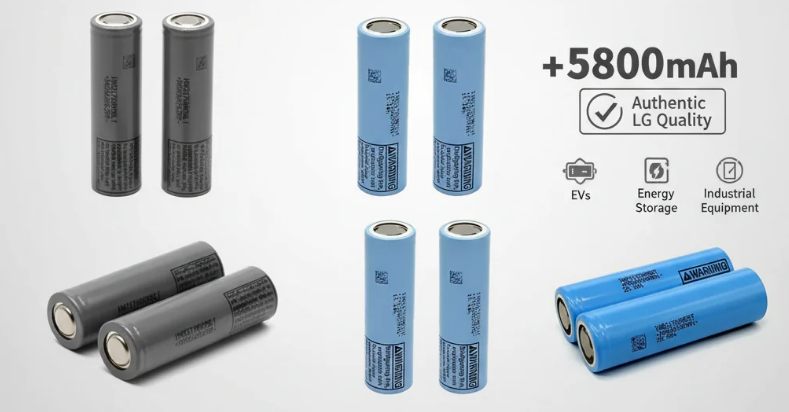
Premium Samsung and LG cells deliver consistent performance and longevity
Cells
Samsung 50E is the current standard. 21700 format, 5000mAh per cell. The 10S4P configuration gives 20Ah total, 720Wh. Most commuters get 40-60 miles.
LG MJ1 comparable. Samsung 30Q better for high discharge applications, rated for 15A continuous versus 9.8A for the 50E. Matters for high power builds with 1500W+ motors. For typical 500W-750W commuter builds, the 50E capacity advantage wins.
Samsung 35E is the 18650 equivalent if you need the smaller format. 3500mAh per cell. Older packs use these. The 21700 format has mostly taken over for new builds because energy density is better.
Generic cells from unknown factories cost half as much. Capacity optimistic by 10-20%. Cycle life worse. Internal resistance higher. Quality control inconsistent enough that two cells from same batch might not match. One weak cell limits the whole pack and degrades faster than the others, making the problem compound over time.
Cell Comparison at a Glance
Samsung 50E
Format: 21700
Capacity: 5000mAh
Best for: Commuter builds
Discharge: 9.8A continuous
Samsung 30Q
Format: 18650
Capacity: 3000mAh
Best for: High power builds
Discharge: 15A continuous
Samsung 35E
Format: 18650
Capacity: 3500mAh
Best for: Compact builds
Discharge: 8A continuous
Counterfeits
Amazon and eBay flooded with fakes. Wrappers look identical. Printing matches. Some counterfeiters even add inert material to match weight.
Real 18650 cells weigh 45-50 grams. Under 40 grams is fake. Anything claiming 5000mAh+ for an 18650 is fake. Chemistry maxes around 3600mAh. If listing says 6000mAh or 9000mAh, walk away.
Samsung cells have date codes on wrapper. Counterfeiters often get format wrong. Verification databases exist online.
The counterfeit problem matters even buying complete packs. Vendor claiming Samsung cells might be using fakes and not know it. Or might know and not care. This is why supply chain matters more than price.
Buy from EM3ev, Battery Hookup, Docan Power. Higher price compared to marketplace listings reflects verified supply chain.
⚠️ Counterfeit Warning Signs
18650 cells under 40 grams are fake. Anything claiming 5000mAh+ for an 18650 is fake. Chemistry maxes around 3600mAh. If listing says 6000mAh or 9000mAh, walk away.
BMS
The EM3ev Smart BMS has Bluetooth. Check cell voltages from phone. Temperature monitoring. Low-temp charge lockout. Cell-level fusing.
Cell-level fusing: each cell has its own fuse. Cell shorts internally, fuse blows, isolates that cell. Current cannot dump into neighbors. Heat stays contained.
Budget BMS boards skip the fusing. One bad cell takes down the pack or starts fire.
Bosch Shimano Yamaha
Complete e-bikes with these motor systems need OEM batteries. Aftermarket packs can work. Bosch pushes firmware updates that brick third-party batteries. The $539-739 for OEM is worth avoiding that problem.
OEM batteries communicate with motor controller. Aftermarket packs output voltage and current without this communication layer. Can cause error codes. Can cause reduced performance. Can cause premature shutdowns.
Some third-party vendors claim Bosch compatibility. Maybe works. Maybe works until next firmware update. Maybe causes subtle problems over time. The risk calculation depends on how much you trust the vendor and how much the OEM price hurts.
Shimano and Yamaha less aggressive than Bosch about enforcement. Same basic issue applies.
DIY conversion builds have no OEM option. That is where EM3ev fits.
Cold
Lose a third of range below freezing. 60-mile summer battery becomes 40-mile winter battery. First winter riding catches people off guard.
Do not charge below freezing. Lithium plates onto anode. Permanent damage. Each cold charge takes capacity away. People destroy packs charging in unheated garages through winter. They notice in spring when battery holds half what it used to.
Bring inside before charging. Wait an hour for it to warm up. If BMS has low-temperature charge lockout, that feature exists for a reason.
Riding in cold is fine. Battery works, range is reduced. The damage happens during charging.
Some people use insulated covers during rides. Neoprene sleeve or similar. Pack generates heat during discharge, insulation keeps heat from escaping. Larger packs handle cold better because they generate more heat. A 20Ah pack warms itself during first mile or two. A 10Ah pack might stay cold the whole ride.
Cold Weather Guidelines
Never charge below freezing. Lithium plates onto anode causing permanent damage.
Bring battery inside before charging. Wait an hour for it to warm up.
Riding in cold is fine. Battery works with reduced range. The damage happens during charging.
Consider insulated covers. Larger packs handle cold better because they generate more heat.
NMC vs LiFePO4
E-bikes: NMC. Lighter.
Golf carts, solar storage: LiFePO4. Heavier, lasts longer. Weight does not matter when battery sits in one place.
NMC: 1000-1500 cycles. LFP: 3000-5000 cycles, premium cells 10,000+.
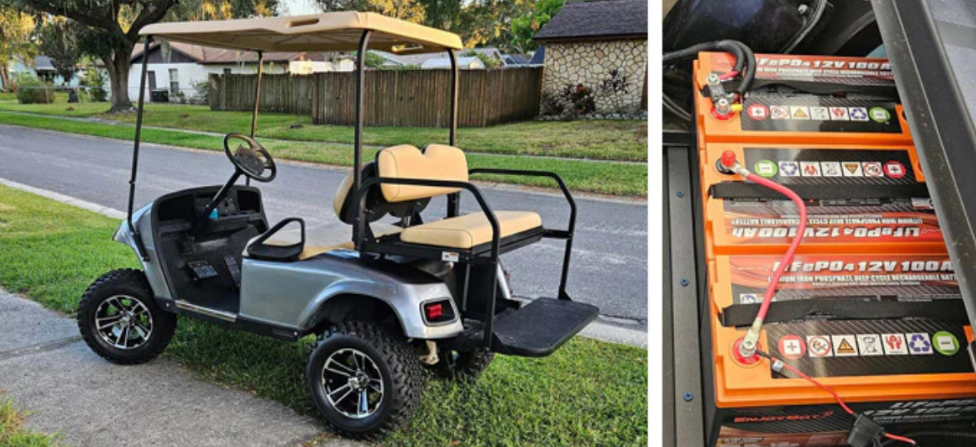
Golf carts benefit tremendously from lithium conversion with improved range and performance
Golf Carts
DC House 36V 100Ah LiFePO4 pack, $800-1000. Eco Battery Gen3 105Ah kit around $2200.
Lead-acid gives 15 miles. Lithium gives 25-45 miles. Weight drops from 300 pounds to 70 pounds. Hills that slowed the cart disappear. Acceleration improves. The handling difference is noticeable with that much weight removed.
Lead-acid voltage sags under load, reducing power as battery depletes. Lithium holds voltage nearly flat until pack is almost empty. The performance difference surprises first-time converters.
The Eco Battery kit includes everything needed. For DIY approach, the same EVE LF280K cells used in solar storage work here. Twelve in series for 36V.
Solar Storage
Same LiFePO4 chemistry. DC House or DIY with EVE cells.
EVE LF280K cells $50-70 each from Docan Power in Houston. Twelve cells in series plus JK BMS plus bus bars plus enclosure runs around $1200 for 10kWh. Commercial systems $3000-5000 for same capacity.
DIY requires proper tooling. Large format cells store enough energy to cause injury if shorted. Correct torque on bus bar connections prevents resistance heating. Cell-level fusing protects against cascading failures. Not afternoon project for someone without electrical experience.
CATL cells comparable to EVE. Both appear in vehicles from major automakers. Grade A cells from any legitimate manufacturer work fine. The country of origin matters less than supply chain integrity.
Docan ships with QR codes that verify cell authenticity. Worth paying the premium over unknown sources.
Power Tools
Makita XGT or Ryobi 40V. "40V Max" is marketing. Nominal voltage is 36V. Same battery, different measurement. Fully charged 10-cell pack hits 42V, which rounds to 40V for the label.
Makita tabless cells spread current across entire electrode surface. Less hot spots. Sustained power output. A circular saw cutting through hardwood draws heavy current for extended periods. Traditional cells develop hot spots where tabs connect, forcing thermal throttling. Tabless cells spread the load. Saw maintains full power longer. Professional use.
Ryobi costs less. Works for homeowner use. Lawn care lineup runs on same batteries. Mowers, blowers, trimmers, chainsaws. Weekend users will never hit the limits where Ryobi shows its weaknesses.
Aftermarket tool batteries half to two-thirds of claimed capacity. Protection circuits often missing. $40 saved buys a battery that fails early and possibly damages the tool. Brand tools deserve brand batteries.
Charging
Standard chargers fine. 4-6 hours full charge.
80% instead of 100% extends life. Grin Satiator allows custom voltage limits. $300.
Storage: 50-60% charge, not 100%.
Physical Damage
Drops can damage cells internally without visible external damage. Pack that got dropped hard might work initially, develop problems later. Treat dented case as potentially damaged.
Weight and Mounting
20Ah 36V NMC pack weighs 5-6 pounds. Triangle bag in frame keeps weight low and centered. Rear rack puts weight higher, affects handling on climbs and turns.
Voltage Sag
Under heavy load, voltage drops temporarily. Generic cells sag more than Samsung or LG. Older packs sag more as internal resistance increases with age. For commuting at moderate assist, sag rarely noticeable.
Range
720Wh gets 40-60 miles. Varies by rider weight, terrain, assist level, temperature.
15 mile each way commute: 20Ah is plenty. 30 mile each way with hills: consider larger configuration or charge at work.
Typical Range Expectations
How Long
Quality NMC pack with moderate use: 4-6 years. Moderate use means daily commuting, partial discharges, charging at room temperature.
At some point every battery needs replacement. Cells degrade even with perfect treatment. If pack that delivered 20Ah new is now delivering 14Ah, probably time.
Most people upgrade bike before battery wears out. The battery outlasts their interest in that particular bike.
NYC Fires 2023
Budget packs with inadequate BMS protection. Generic cells, minimal fusing, sometimes physical damage that went unnoticed. City now requires UL 2271 certification. California follows 2026.
UL 2271 testing covers overcharge, short circuit, crush, impact, thermal cycling. Costs vendors tens of thousands. Budget operations skip it.
Forum Threads
electricbike.com, endless-sphere.com, r/ebikes.
Count how many times EM3ev gets mentioned by owners. Count complaints versus recommendations.
UPP: old threads positive, recent threads complaints. Sort by date, pattern is visible. Something changed around 2021-2022.
Luna: quality respected, stock issues criticized. When they have what you need, fine choice.
Random Amazon brands: threads asking "is this any good" followed by threads asking "why did my battery die."
The forums have seen thousands of batteries over years. Members have tried every vendor, every configuration, every price point. Some have been riding e-bikes for a decade, been through multiple batteries from multiple vendors. When consensus forms around EM3ev, it means something. Not marketing, not paid reviews. Years of accumulated experience from people who actually use these batteries daily.
There is a pattern in how forum recommendations evolve. New vendor shows up with low prices. Early buyers post positive reviews. More people buy based on those reviews. A year or two later, tone changes. Complaints start appearing. Positive reviews already buried. New buyers keep coming based on outdated information.
EM3ev and Luna have been around long enough to have gone through multiple product cycles without complaints piling up.
Other Vendors
Battery Hookup sells surplus and recovered cells for DIY builders. Not complete packs. B grade cells from legitimate manufacturers, did not meet automotive specs for capacity matching. Work fine for DIY projects. Cheaper than A grade.
They specialize in cells that got rejected from EV production. Capacity might be 4800mAh instead of rated 5000mAh. Internal resistance slightly higher than spec. For automotive applications where thousands of cells need tight matching, these get rejected. For a DIY e-bike pack where some variation is acceptable, they work fine.
Docan Power in Houston. Large format LFP cells. EVE and CATL with QR verification. Domestic shipping, which matters for large heavy cells.
Alibaba and AliExpress have direct-from-factory pricing. No warranty recourse. Lithium batteries cannot legally ship back to China. If pack arrives wrong, you have no recourse beyond hoping vendor sends replacement.
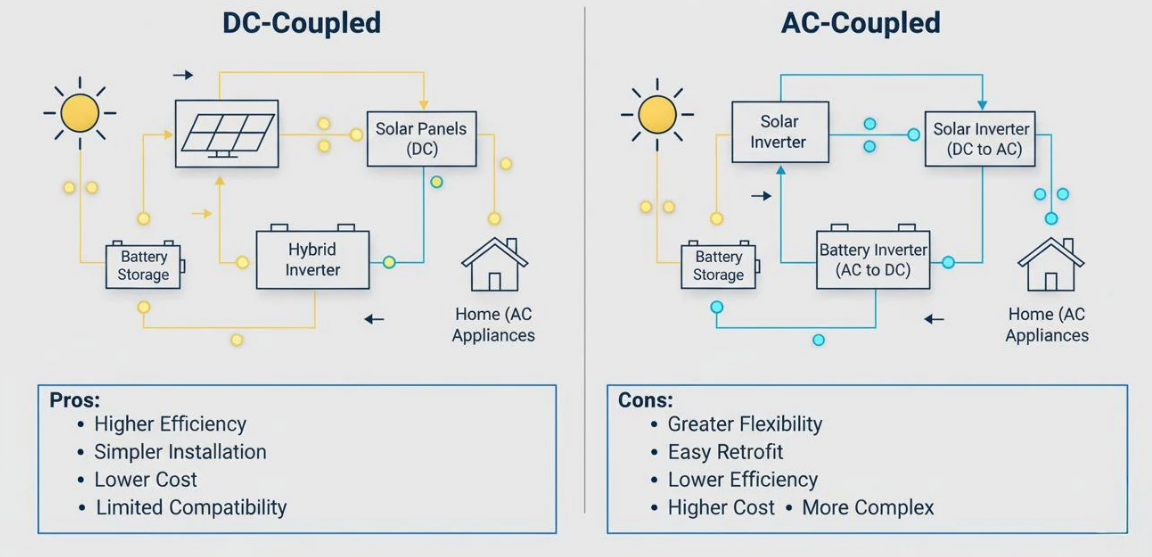
Solar Batteries
Specific Technical Details
10S4P means ten cells in series, four parallel groups. Ten series determines voltage. Samsung 50E runs 3.6V nominal, ten gives 36V. Four parallel determines capacity. Each 50E holds 5000mAh, four gives 20,000mAh or 20Ah.
LiFePO4 runs 3.2V nominal. Need twelve cells for 36V instead of ten. Packs physically larger.
Fully charged 36V NMC pack actually hits 42V. That is where "40V Max" marketing comes from.
10S4P Configuration Breakdown
The Repairability Question
Five years in, some cells degrade more than others. Sealed pack: nothing to do. Capacity drops, eventually replace whole thing.
EM3ev pack: open it, test cells with capacity meter, replace weak ones. Pack becomes as good as new for $30-50 in cells. Nobody thinks about this when buying. Everyone thinks about it in year four when pack holds 60% of original.
The capacity meter testing takes an evening. Discharge each cell through a load, measure how much energy comes out. The cells that deliver noticeably less than others are the weak links. Replace those, balance the pack, back in business.
This is the calculation that most buyers miss. Two packs with identical cells and BMS. One sealed, one not. Same performance for first three years. Year four is when the difference shows up.
Price Math
EM3ev $287. Some Amazon pack $140.
$140 pack needing replacement in two years: $70/year.
$287 pack lasting five years: $57/year.
That assumes cheap pack does not strand you or catch fire.
Cost Per Year Comparison
Budget Amazon pack ($140): Typical 2-year lifespan = $70/year
EM3ev pack ($287): Expected 5-year lifespan = $57/year
Quality costs less over time. And the budget calculation does not account for being stranded with a dead battery or safety risks.
The Answer
EM3ev 36V King Shark with Samsung 50E cells if building or converting e-bike.
OEM battery if complete Bosch or Shimano bike.
LiFePO4 from DC House or DIY with EVE cells if golf cart or solar.
Makita XGT if professional tools. Ryobi 40V if homeowner.
Budget packs from unknown vendors are how people end up in threads asking what went wrong.