

Garage. The conversation can end here for most houses and it would be the right answer.
The garage has concrete underneath, the panel is usually right there or through one wall, fire inspectors have seen a thousand garage installs and know exactly what to check, and when the thing needs service in year six or year ten the tech walks in through the garage door instead of asking if the dog bites. None of this is complicated. None of this requires engineering creativity. The garage just works, which is why somewhere between 80 and 90 percent of residential batteries end up there.
What makes the other 10 to 20 percent interesting is that those jobs force actual thinking about tradeoffs.
Temperature Matters More Than Installers Admit
Most sales presentations skip the thermal discussion entirely or compress it into one slide with a green zone and a red zone. That's a mistake. Temperature is the single largest factor determining whether a battery lasts seven years or fifteen years, and installation location is the single largest factor determining temperature.
The chemistry inside lithium cells has a comfort zone around 20 to 25 degrees. Run warmer and a layer on the anode called the SEI thickens faster than it should. That layer growth consumes lithium ions permanently. Run colder and charging becomes dangerous because lithium plates out as metal instead of tucking into the graphite structure where it belongs. Battery management systems handle the cold problem by refusing to charge below freezing. The hot problem has no equivalent safety cutoff. The cells just quietly degrade faster.
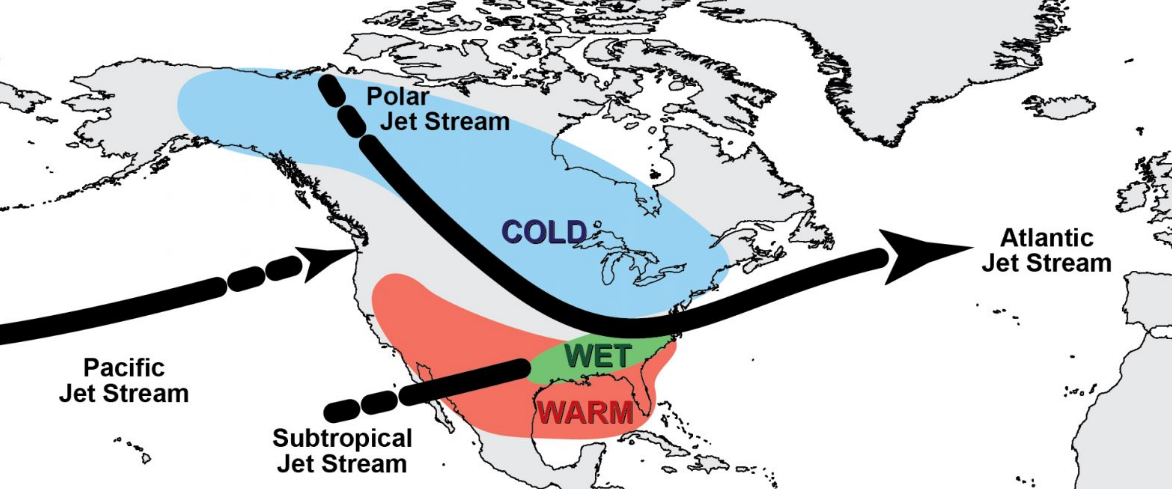
Temperature management begins with understanding your local climate patterns
How much faster depends on how much hotter. The relationship is exponential rather than linear, which makes intuition unreliable. A battery running at 35 degrees does not degrade 40 percent faster than one running at 25 degrees. It degrades roughly twice as fast. Push to 45 degrees and degradation runs roughly four times faster. These multipliers come from accelerated aging tests that cell manufacturers conduct during product development. The tests compress years of operation into months by holding cells at elevated temperatures and measuring capacity fade.
The multipliers explain why wall orientation matters so much for exterior installations. A battery on a south-facing wall in Phoenix might see enclosure temperatures above 50 degrees for hours every summer afternoon. The same battery on the north wall of the same house might peak at 38. That 12-degree difference, sustained across five or six months of summer for ten or twelve years, produces dramatically different lifetime energy delivery. The north-wall battery might still be performing well when the south-wall battery has degraded past usefulness.
Cold Garages in Cold Places
The charging lockout situation surprises people the first winter.
The scenario: unheated garage in a place like Duluth or Burlington or Edmonton. Temperature drops to minus 10 overnight. Battery management system sees cold cells, refuses to charge to prevent lithium plating. Sun comes up, solar production begins, battery sits there with 40 percent state of charge from the night before, completely functional but unable to accept the energy flowing from the roof. Monitoring app shows production climbing and storage stuck. Homeowner assumes something broke.
Nothing broke. The battery did exactly what it should do to protect itself. The installation put it somewhere that made self-protection a problem.
Self-heating batteries exist now and they solve this cleanly. The pack includes heating elements that kick in when cell temperature approaches the charging threshold. Burns a couple hundred watt-hours warming the cells, then charges normally. Tesla has this, Enphase has this, FranklinWH has this. The energy cost is trivial compared to losing months of charging capability.
The alternative is putting the battery somewhere heated. Basement near the furnace. Utility room inside the building envelope. Anywhere the thermostat keeps things above about 5 degrees through the night.
Basements
Basements generate more installer arguments than any other location type.
The thermal argument is strong. Ground-coupled construction sits at something like 13 to 15 degrees year round in most climates. No cooling needed, no heating needed, cells happy forever. This is genuinely attractive for battery longevity.
The problem is that ground-coupled construction also means ground-adjacent construction, and ground means water. Not every basement, but enough basements that the question deserves serious investigation before committing.
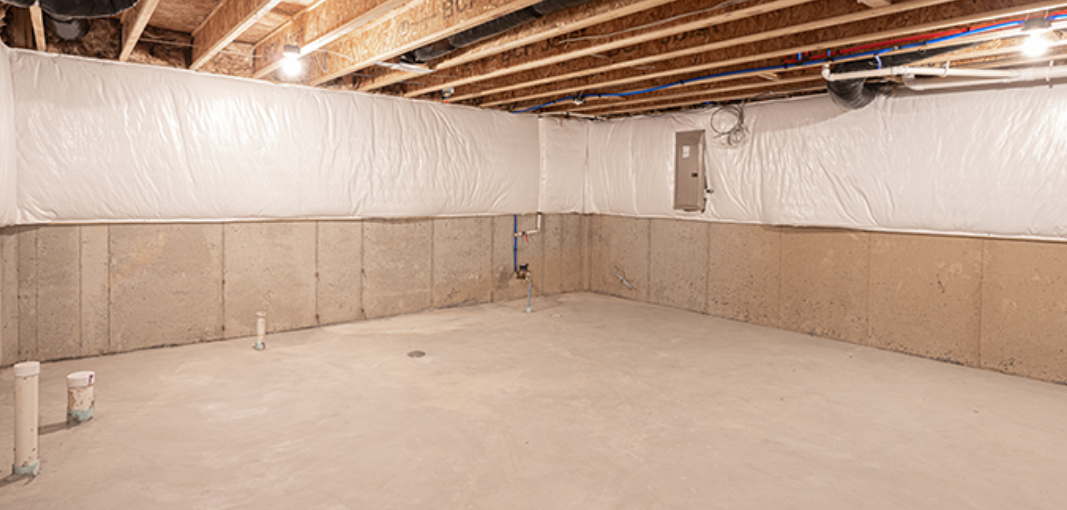
A well-maintained basement with controlled humidity can be an ideal installation location
A 90-year-old farmhouse with fieldstone foundation and dirt-floor crawlspace has no business holding battery electronics. Water will find its way in. Maybe every spring during snowmelt, maybe during heavy rains, maybe just through persistent humidity that keeps surfaces damp. The battery enclosure has vents and cable penetrations. Moisture gets inside eventually. Corrosion starts on the BMS board. Communication errors show up in the app. Fault codes that clear after restart but keep coming back. Warranty claim denied because the installation site failed moisture requirements buried in the fine print.
A 1990s house with poured concrete foundation, sump pump, dehumidifier running year-round, finished basement with controlled humidity around 45 percent—this is a completely different situation. This basement is probably a better location than the garage. Stable temperature, controlled moisture, protected from weather.
The determining factor is not "basement or not basement" but rather "this specific basement in its current condition assessed across seasonal variation." A site visit in July tells you nothing about what happens in April. A dry basement during drought years might flood during wet years. History matters.
Exterior Walls
Outdoor installation works now in ways it did not work five or eight years ago. IP65 and IP67 enclosures keep weather out. Active thermal management handles a wider temperature range. Warranties cover outdoor placement from manufacturers who used to prohibit it.
Wall orientation still matters enormously.
North walls stay close to ambient temperature because they catch almost no direct sun. Morning and evening glancing light, never the full force of midday radiation. Enclosure temps track air temps within a few degrees.
South walls cook. Hours of direct sun every day from late morning through mid-afternoon during summer. The wall absorbs radiation and warms well above air temperature. The enclosure bolted to the warm wall warms further. Internal temps can exceed ambient by 15 degrees or more. That means a 33-degree day produces an enclosure interior above 48 degrees, which lands the cells squarely in the accelerated degradation zone.
East walls get morning sun when the air is still relatively cool. West walls get afternoon sun when the air is hottest. This makes west walls nearly as bad as south walls for thermal loading.
Shade helps any orientation. An overhang, an awning, a pergola, a dedicated shade screen—anything that blocks direct radiation on the enclosure surface drops peak temperatures meaningfully. The cost of shade structures is small compared to the value of the lifetime energy difference.
The installers who put batteries on south or west walls without mentioning shade are either not thinking about thermal degradation or not prioritizing it. The south wall was easier for conduit routing. The west wall was closer to the panel. Short-term installation convenience traded against long-term system performance.
Attics
No.
Summer attic temperatures exceed 55 degrees in moderate climates and 65 degrees in hot climates. No residential battery chemistry handles this. The cells cannot charge or discharge at those temperatures—thermal protection shuts everything down. The battery becomes a hot expensive brick during exactly the summer afternoons when backup power matters most.
Winter attic temperatures in cold climates drop below freezing for months. Charging lockout becomes seasonal rather than occasional.
Any installer who suggests attic placement lacks either knowledge or integrity. This is not a gray area.
The Chemistry Situation
The entire residential market shifted to lithium iron phosphate chemistry over the past few years. Tesla Powerwall 3 is LFP. Enphase is LFP. FranklinWH is LFP. Sonnen is LFP. BYD is LFP. The older nickel manganese cobalt chemistry still exists in some legacy products and in specialized applications, but new residential installs overwhelmingly use LFP.
The shift happened because LFP is safer and lasts longer, and both of those things matter for products sitting inside or against people's homes for a decade or more.
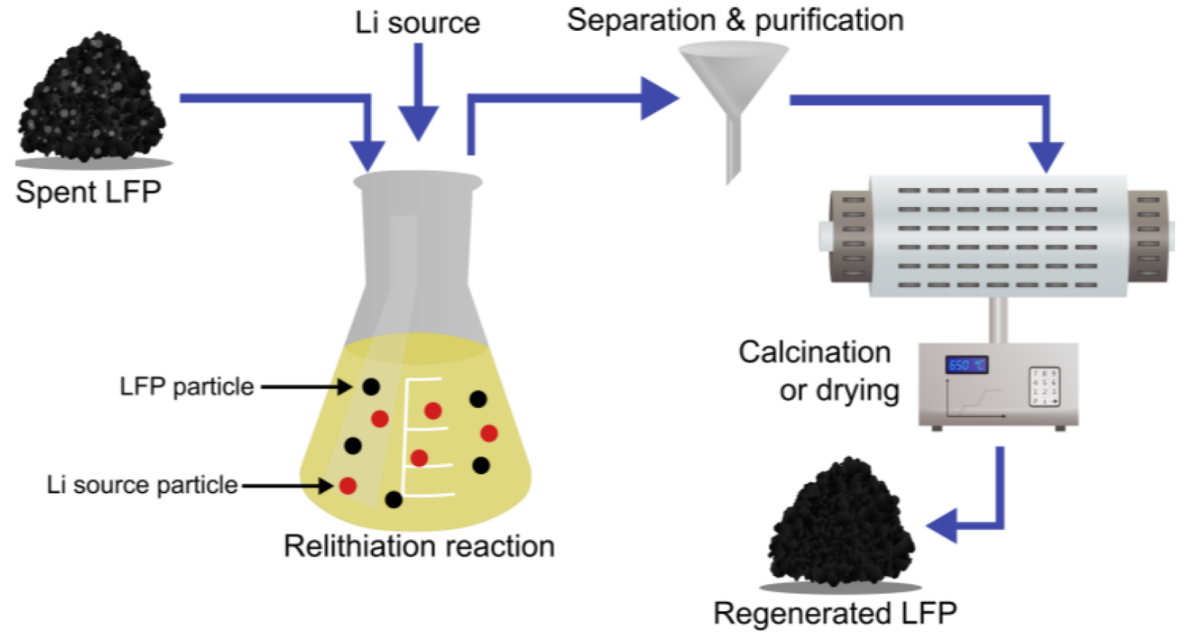
Lithium iron phosphate (LFP) chemistry has become the industry standard for residential storage
Thermal runaway in LFP chemistry starts around 270 degrees. Thermal runaway in NMC chemistry starts around 210 degrees. Sixty degrees of additional thermal margin means fire events are less likely to start and less severe when they do occur. Fire departments developed their lithium battery anxiety mainly from NMC incidents in vehicle crashes—high energy release, difficult suppression, toxic gas production. LFP behaves better in failure scenarios.
Cycle life favors LFP substantially. Four thousand cycles to 80 percent capacity retention is routine for LFP cells, sometimes more. NMC cells typically manage fifteen hundred to two thousand cycles to the same threshold. For daily solar self-consumption cycling, the difference means LFP lasts roughly twice as long before capacity fade forces replacement.
NMC discharges better in cold conditions due to lower internal resistance. This matters for backup power applications in very cold climates where batteries must deliver high current during winter outages. The niche exists but has narrowed considerably.
Codes and Clearances
NFPA 855 governs most residential installations in the United States. Twenty kilowatt-hours maximum per unit. Eighty kilowatt-hours aggregate in garages, outdoor locations, detached structures. Forty kilowatt-hours aggregate in interior utility closets.
Going over these thresholds pushes the installation into commercial code territory with requirements for fire suppression, engineered ventilation, fire-rated walls, and fire department notification. The cost jump is significant. Most residential jobs stay under the limits.
Clearance distances get checked during inspection. Ninety centimeters between units. Ninety centimeters from doors and windows. Ninety centimeters of working space in front of the installation. These are minimums that inspectors actually measure.
The combustion appliance separation requirement catches some utility room installations. Gas water heaters and furnaces need specified distances from batteries. Compact mechanical rooms sometimes cannot fit everything with compliant spacing. Either the battery goes somewhere else or existing equipment gets relocated.
Wiring Distance
Short cable runs cost less and lose less energy. This is straightforward but sometimes gets ignored during site planning.
Low-voltage DC circuits suffer worse percentage losses than high-voltage circuits for the same power level and wire gauge. A 48-volt system loses four times the percentage that a 192-volt system loses under equivalent conditions. Longer runs need heavier wire to stay within acceptable voltage drop limits.
Industry practice targets total voltage drop under 3 percent from the array through the charge controller to the battery. Exceeding this wastes noticeable energy and can trigger BMS faults during high-current operation.
Runs under about 8 meters usually fit within standard installation pricing. Runs between 8 and 25 meters may add several hundred dollars for heavier conductors. Runs over 25 meters can add over a thousand dollars depending on routing complexity and required conduit work.
Putting the battery close to the panel keeps runs short. Garages where the panel already lives on the wall achieve this naturally. Basement installations on the opposite side of the house from the electrical infrastructure face cable cost penalties that sometimes offset thermal benefits.
Salt Air
Coastal installations within a couple kilometers of shoreline face accelerated corrosion from salt-laden air. Terminal connections corrode. Circuit board traces accumulate salt deposits. Enclosure fasteners rust.
Marine-grade hardware is mandatory for coastal jobs. 316 stainless fasteners. Conformal coatings on boards. Properly sealed enclosures with rated cable glands.
Even with protection, coastal batteries age faster than inland batteries. Figure 10 to 12 years of service life instead of 15. Payback calculations for beachfront properties should reflect the shorter lifespan.
Choosing an Installer
The battery brand matters less than installation quality and service support.
Tesla, Enphase, FranklinWH, BYD, Sonnen, Generac—all of these make products that work. Specifications cluster together because underlying cell suppliers overlap. No brand has decisive technical superiority.
Installation quality varies enormously. The same battery installed by different crews performs differently. Correct mounting, proper torque, appropriate wire sizing, code-compliant clearances, accurate configuration—these factors determine long-term outcomes.
Service support varies enormously. When problems develop in year five or year eight, response time and technical competence determine how long the system sits disabled and whether the fix actually works.
References from jobs completed three or more years ago provide useful signal. Recent installs show only that a crew can complete a job, not that the job was done well or that support will exist when needed. Call the older references. Ask what happened when something went wrong.
Location decisions deserve careful evaluation before contracts get signed. Moving a battery after installation costs almost as much as the original installation. Getting the location right the first time pays off for the entire service life of the system.