
What is a Battery Pouch Cell?
Pouch cells use aluminum laminate film instead of metal cans. That single material choice explains why your smartphone weighs what it weighs and why Korean battery companies still exist.
Strip the steel shell off a cylindrical cell. Replace it with flexible film thinner than paper. Energy density climbs 15-20%. Weight drops 40%. The aluminum laminate adds almost nothing to total mass while blocking moisture and oxygen well enough to keep the electrolyte stable for years.
Prismatic cells sit in aluminum boxes. Cylindrical cells hide inside steel tubes. Both formats sacrifice volume and mass to packaging that stores zero energy. Pouch cells minimize that sacrifice.
The market share numbers make no sense if you only consider technical merit. Pouch cells hold 25-35% of electric vehicle batteries. Prismatic cells dominate China at 70-77%. Tesla runs on cylindrical. The format with the best energy density lost to formats with worse energy density. Understanding why requires looking past the spec sheets.
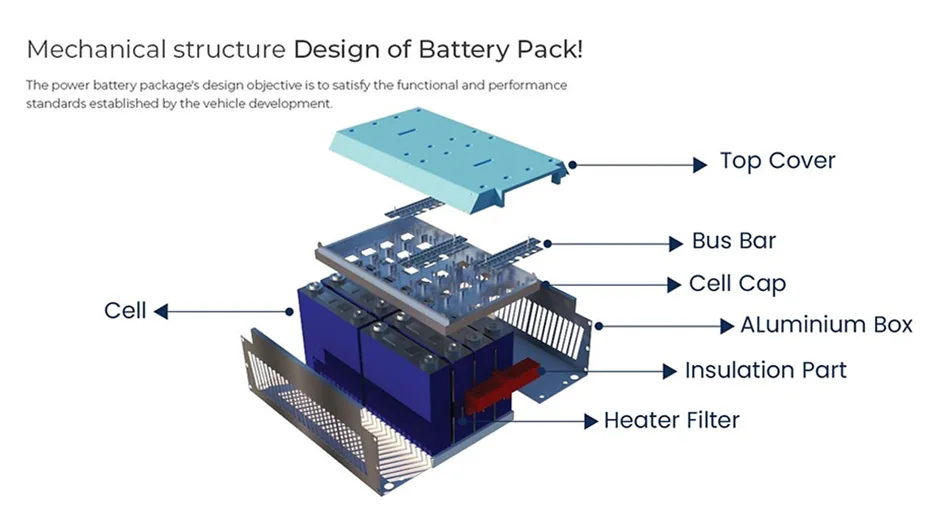
Aluminum Laminate Film
DNP and Showa Denko make 70% of the world's aluminum laminate film. Both companies are Japanese.
The film has three layers. Nylon on the outside resists puncture. Aluminum foil in the middle blocks water vapor and oxygen. Polypropylene on the inside enables heat sealing and survives contact with battery electrolyte.
Total thickness runs around 100 micrometers. The aluminum layer alone is roughly 40 micrometers. That thin metal barrier must have zero pinholes across production volumes measured in billions of square meters per year. One pinhole per million square meters is too many. Water vapor passes through polymer layers at rates that eventually matter even with excellent barrier coatings. The aluminum stops that migration cold. Any gap in the aluminum defeats the purpose.
Manufacturing this film at scale demands pinhole-free aluminum across billions of square meters per year. Water infiltration at parts-per-million levels generates hydrofluoric acid inside the cell. The acid eats electrodes. Capacity fades. Cycle life collapses.
Japanese suppliers accumulated thirty years of process know-how protected by 300+ patents. Chinese domestic suppliers sell film at half the price. The quality gap remains wide enough that automakers reject domestic film for demanding applications.
Ten percent of Chinese domestic consumption comes from domestic suppliers. Ninety percent comes from imports. That ratio has barely moved in five years of aggressive localization efforts.
Imported film costs 30 yuan per square meter. Domestic costs 15 yuan. Price reveals quality when customers pay double for the same raw materials. If domestic film performed equivalently, nobody would pay the import premium. The premium persists.
The bonding between layers matters as much as the layers themselves. Delamination during cell assembly ruins yield. Delamination during cell operation causes failure. Adhesive formulations and lamination processes determine whether the three layers act as one material or separate under stress. Japanese suppliers have tuned these processes through decades of iteration. Chinese suppliers are working through the same learning curve at compressed timelines.
CATL chose prismatic cells. BYD chose prismatic cells. The supply chain math pointed toward aluminum boxes with domestic suppliers rather than aluminum laminate film controlled by foreign competitors. Technical inferiority became acceptable when supply security entered the calculation.
Stacking
Pouch cells contain electrode stacks or electrode windings. Large automotive cells use stacking almost exclusively now.
Stacked cells layer individual sheets of cathode, separator, and anode in precise alignment. Every sheet sits flat. Every sheet experiences identical mechanical conditions during charge and discharge. Lithium ions travel equal distances whether entering at the stack center or the edges. Internal resistance drops roughly 5% compared to wound configurations. That 5% shows up in efficiency and cycle life.
Wound cells roll continuous electrode strips into flattened coils. The inner windings curve tighter than outer windings. Current distribution becomes uneven. Temperature gradients form during fast charging. The electrode material on inner curves experiences more mechanical stress over thousands of cycles than material on outer curves. Degradation proceeds unevenly. Cell capacity becomes limited by the weakest region rather than the average.
The manufacturing economics favor winding for small cells and stacking for large cells. Winding uses simpler equipment. A continuous process runs electrodes through rollers and winds the finished jellyroll in seconds. Stacking requires cutting individual sheets, aligning them precisely, and building stacks layer by layer. More steps. More equipment. More opportunities for defects.
SVOLT stacks electrode sheets at 0.125 seconds per layer. That speed makes stacking cost-competitive with winding for high-volume production. Earlier generations of stacking equipment ran at 0.3-0.5 seconds per layer. The speed improvement came from better vision systems for alignment, faster handling robots, and improved material flow through the production line. Industry projections put stacked cell capacity at 845 GWh by 2027.
The stacking-versus-winding question resolved years ago for large-format cells. Winding persists in small consumer electronics where simpler equipment economics still favor rolled electrodes. Phone batteries wind. Car batteries stack. The physics of large electrode areas and fast charging demands stacking.
Swelling
Pouch cells bulge when internal gases accumulate. Electrolyte decomposition produces gas. Lithium plating produces gas. The flexible aluminum laminate stretches outward.
Rigid metal packaging hides the same gas generation. Pressure builds inside steel or aluminum enclosures until venting occurs or containment fails.
Visible swelling provides warning. A bulging pouch cell signals degradation before catastrophic failure. Smartphones swell and stop working. They rarely catch fire. The billion-plus pouch cells shipped into consumer electronics annually have established failure modes that favor soft shutdown over violent rupture.
Flexible packaging offers minimal puncture resistance. External protection structures add mass and complexity at the pack level. The cell-level safety advantage trades against system-level packaging requirements.
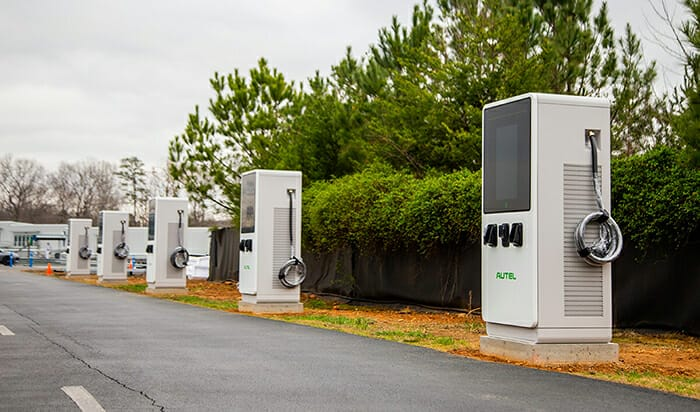
Korea
LG Energy Solution and SK On built their strategies around pouch cells when Chinese competitors scaled prismatic production.
Premium automotive customers pay for range. Range correlates with energy density. Energy density favors pouch packaging. Korean suppliers targeted customers willing to pay premiums for specifications that prismatic cells could not match.
LG supplies General Motors, Volkswagen, Ford. SK On supplies Hyundai, Kia, Ford trucks. Their NCM811 high-nickel pouch cells enable 800V architectures with 18-minute fast charging on Hyundai IONIQ and Kia EV6 platforms.
Pouch cells have large surface area relative to volume. During 5C or 6C charging, internal temperatures spike. Cylindrical cells packed in dense arrays trap heat between neighbors. Prismatic cells concentrate heat in thick electrode stacks. Pouch cells spread thermal load across flat aluminum laminate surfaces. Heat rejection rate determines whether fast charging kills the cell early or works for years.
SK On developed Z-folding stacking that produces cells with cobalt content low enough for aggressive pricing while maintaining high-nickel chemistry. Manufacturing innovation matters as much as chemistry specification. Many companies can write NCM811 on a datasheet. Fewer can produce it profitably at scale with consistent quality.
Farasis Energy held the top domestic pouch cell position in China for seven years running. Mercedes-Benz bought 2.64% of the company. Farasis cells at 285 Wh/kg power Mercedes EQS and EQE variants in Europe.
The partnership continued through four consecutive years of Farasis losses totaling 4.3 billion yuan. Mercedes kept buying cells from a money-losing supplier. The technology relationship held value beyond quarterly financials.
AESC supplies every Nissan Leaf. Zero thermal events across 800,000+ vehicles. That safety record matters when a single battery fire video can crater brand perception overnight.
Aircraft
Electric vertical takeoff and landing aircraft need energy density above 300 Wh/kg, power density above 1.5 kW/kg, and cycle life beyond 2000 flights.
Cylindrical cells waste 15-20% of volume to steel shells and packing gaps between round objects. For aircraft where every kilogram determines payload capacity and range, 15-20% overhead fails immediately.
Prismatic cells carry aluminum enclosure mass that stores no energy. The rigid rectangular form fits poorly into curved fuselage sections.
Farasis signed a $1 billion exclusive supply agreement with eVTOL developer AutoFlight in July 2025. The cells deliver 350 Wh/kg with 5C fast charging and 10,000 flight cycle durability. Pricing runs $800-1000 per kWh.
Automotive pouch cells compete on thin margins against prismatic cells with Chinese manufacturing scale advantages. eVTOL pouch cells command seven to nine times the price of automotive cells. Gross margins reach 35-40%.
Aviation battery certification takes years and costs tens of millions of dollars. Once a cell design achieves certification for a specific aircraft platform, switching suppliers requires recertifying the entire system. First movers lock in customers for program lifetimes spanning decades.
Consumer drones already run on pouch cells almost exclusively. Weight sensitivity at small scale eliminates alternatives. As drone payloads grow from cameras to cargo to passengers, the physics scales with the application.
Cylindrical and prismatic cells cannot reach eVTOL specifications regardless of electrode chemistry improvements. The packaging overhead consumes too much of the mass and volume budget. Aircraft care about energy per kilogram above all else. Pouch cells win that metric.

Solid-State
Solid electrolytes will replace liquid electrolytes. The transition timeline remains uncertain. The packaging implications do not.
Liquid electrolytes flow into every gap between electrode and electrolyte surfaces. Contact happens automatically. Solid electrolytes do not flow. Maintaining contact requires mechanical pressure across the entire interface area. Without pressure, gaps open between solid particles. Lithium ion transport across gaps is orders of magnitude slower than through continuous solid contact. A cell with poor interface pressure has high resistance, poor rate capability, and short cycle life.
Pouch cells transmit applied pressure uniformly through flexible aluminum laminate film. Every point on every interface sees equal compression. Apply force to the outside of a pouch cell and the flexible packaging distributes that force across the electrode stack. The packaging accommodates solid-state chemistry requirements without modification.
Metal cans and boxes concentrate applied pressure at edges and corners. Interface contact varies across electrode area. Some regions see adequate compression. Others do not. The geometry of rigid containers fights against uniform pressure distribution. Placing pressure plates inside the container adds mass and complexity. The rigid walls themselves become obstacles rather than enablers. Rigid packaging works against solid-state chemistry requirements.
Companies planning solid-state battery production in cylindrical or prismatic formats have not worked through the interface pressure problem. When solid-state batteries reach commercial scale, pouch packaging becomes necessary rather than optional. The format choice gets made by physics.
Semi-solid-state batteries already ship at 330-400 Wh/kg. These products replace part of the liquid electrolyte with solid components while retaining enough liquid to maintain interface contact without extreme applied pressure.
The liquid fraction fills gaps that solid-to-solid contact would leave open. More than 15 pilot lines for full solid-state chemistries operate globally. The transition from semi-solid to full solid requires solving the pressure distribution problem.
Harvard researchers produced pouch cells completing 6,000 cycles with minute-scale charging. QuantumScape prototypes retained 95% capacity after 1,000 cycles in Volkswagen testing. The technology works in laboratory formats relevant to production. Scaling from laboratory to gigawatt-hours remains the challenge, and that scaling challenge is easier with pouch formats that already accommodate the pressure requirements.
Technology roadmaps converge on 2027-2030 for commercial solid-state deployment. Companies that skipped pouch cell development to chase prismatic volume will face capability gaps when solid-state arrives. Building pouch manufacturing expertise takes years. The equipment is different. The process controls are different. The failure modes are different. Starting from scratch while competitors have decades of accumulated experience is not a winning position.
CATL and BYD see this. Their R&D investments and pilot line announcements over the next three years will reveal how they plan to address the format transition. Market share in liquid electrolyte batteries does not guarantee position in solid-state batteries. The companies that dominated prismatic liquid cells may not dominate pouch solid-state cells.
Silicon anodes compound the advantage. Silicon stores roughly ten times more lithium than graphite per unit mass. Silicon expands 300% during charging. Rigid metal enclosures constrain that expansion, generating mechanical stress that cracks silicon particles and degrades capacity. Pouch cells accommodate expansion through elastic deformation of flexible packaging. The aluminum laminate stretches. The electrode stack swells. The cell survives.
Pouch cells captured 51% of silicon anode battery shipments in 2024. The format fits the mechanical requirements that high-energy-density anode materials impose. As silicon content in anodes increases from 5% to 20% to 50% and beyond, the packaging advantage grows with it.
Markets
Pouch cell markets span $48-69 billion and should exceed $100 billion by 2032. Growth rates between 9.7% and 11.6% annually exceed cylindrical and prismatic segment growth.
Asia-Pacific holds 55% of value. Korea leads automotive pouch supply. China dominates consumer electronics. Japan controls upstream materials. The regional specialization reflects supply chain realities that took decades to develop.
North America represents 27%, boosted by $3+ billion in government incentives. The Inflation Reduction Act forced manufacturing localization. LG, SK, and Panasonic all build or plan North American capacity. Domestic content requirements override pure economics. Whether North American production costs can compete with Asian production costs over the long term remains unclear. The incentives create artificial competitiveness that may or may not persist through policy changes.
Europe consumes heavily through German automotive demand. Volkswagen, BMW, and Mercedes specified pouch cells for premium vehicles. Korean suppliers captured that demand. European cell manufacturing announcements have produced little output despite years of stated ambitions. The gap between announcement and execution suggests that building battery manufacturing capability from scratch is harder than anticipated.
Format share projections put pouch cells at 50%+ by 2030 versus 24-35% today. That implies 17.5% compound growth, faster than cylindrical or prismatic. Whether those projections materialize depends on solid-state timing, eVTOL scale-up, and manufacturing cost evolution. The projections assume things go well for pouch technology. Delays in solid-state commercialization or slower-than-expected aviation electrification would produce lower numbers.
Dry electrode technology changes the cost equation. Conventional electrode manufacturing coats metal foils with slurry, then evaporates solvent in massive ovens. Dry electrode processing eliminates solvent. Production speeds increase 7x. Costs drop 10-20%. Factory footprints shrink 50%. Energy consumption falls 90%. The elimination of solvent handling and drying ovens simplifies plant design substantially.
Tesla acquired Maxwell Technologies for dry electrode capability. Progress has been slower than announced timelines suggested. Dry cathode production reached Cybertruck vehicles in 2024. The technology works. Scaling continues. Other manufacturers watch Tesla's progress and invest in parallel development. LG and Samsung SDI both have dry electrode programs.
When dry electrode manufacturing matures, cost differentials between pouch and prismatic cells narrow. Prismatic cells gain nothing from dry electrodes that pouch cells do not also gain. The competitive gap shrinks. Pouch cells with dry electrodes compete more evenly against prismatic cells on cost while retaining energy density advantages.
Battery pack costs should drop below $100/kWh in 2025 and approach $80/kWh by 2030. Each price reduction expands the market where pouch cell premiums remain tolerable relative to performance gains.
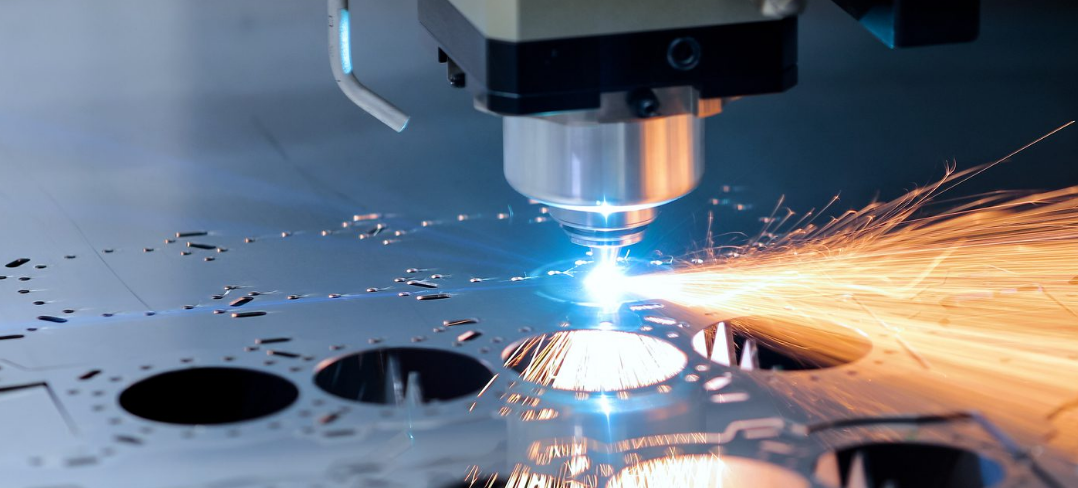
Position
Format selection depends on supply chain security, manufacturing capabilities, customer requirements, and margin structures. Technical specifications alone predict nothing about market outcomes.
Pouch cells achieve the highest energy density and lowest weight among production formats.
Prismatic cells offer cost and performance balance with Chinese supply chains. That combination drove dominance in the largest EV market.
Cylindrical cells provide the lowest manufacturing costs and best cell-to-cell consistency. Tesla built competitive advantage on those attributes.