

Lithium battery fires tripled between 2022 and 2025. The UK now sees three incidents daily. New York logged 277 in 2024. These numbers will get worse before they get better because global battery demand is projected to hit 4.7 terawatt-hours by 2030, and nothing in the current trajectory suggests safety infrastructure will scale accordingly.
Temperature Changes Everything
Gasoline burns at roughly 1,500°F. Lithium batteries can exceed 5,000°F.
This single fact explains most of what makes battery fires so destructive. Consumer safety materials tend to focus on charging habits and certification marks, but the temperature differential is the more fundamental issue that fire departments have had to grapple with. The suppression math tells the story: 20,000 gallons of water for a battery fire versus 2,000 for gasoline of comparable scale. Departments trained on conventional vehicle fires have been forced to completely rethink their approach.
The Moss Landing facility fire in January 2025 closed Highway 1 for three days and forced 1,200 residents to evacuate. Toxic metal contamination spread into surrounding soil. The Air Busan incident that same month destroyed an Airbus A321 because of a single power bank in an overhead bin. South Korea banned overhead storage of power banks within days.
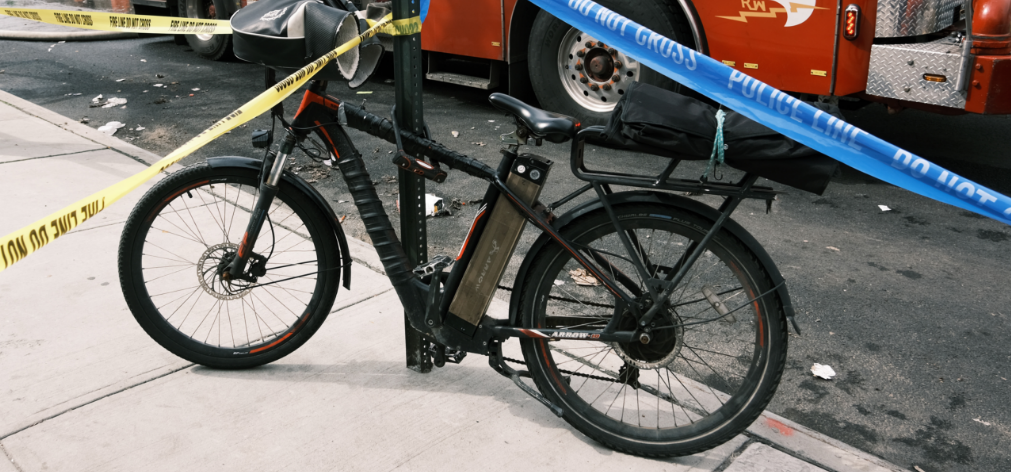
E-bikes have become the leading source of consumer battery fires, with incidents doubling between 2022 and 2024
E-bikes dominate consumer fire statistics. UK incidents doubled from 181 to 362 between 2022 and 2024. Nearly half of London's battery fires involved e-bikes. The pattern holds across Australia, the US, anywhere e-bike adoption has accelerated.
Why e-bikes specifically? The explanations vary depending on who is asked. Some investigators point to battery quality, noting that the e-bike market is flooded with cheap imports using cells that would never pass automotive-grade testing. Others blame charging behavior, since e-bikes tend to get plugged in and forgotten for days. Still others emphasize that e-bike batteries experience vibration, impact, and temperature swings that stationary devices never encounter. Probably all three factors contribute. The relative weighting remains disputed among researchers.
The Separator Problem
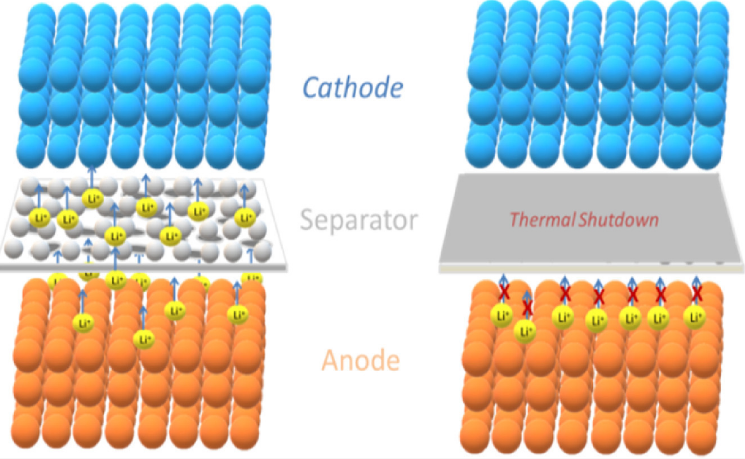
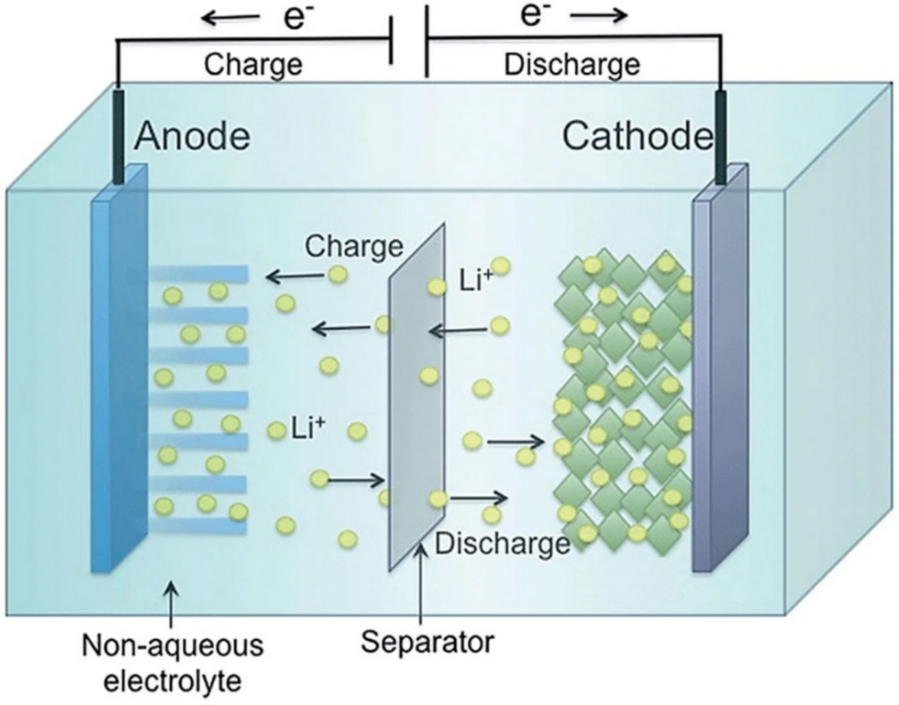
Inside every lithium-ion cell, a polymer membrane keeps anode and cathode apart. This separator measures microns thick. Breach it, and the electrodes contact directly. The resulting short circuit converts stored chemical energy into heat almost instantaneously.
What happens next depends on factors that remain difficult to predict. Sometimes batteries swell, vent gas, and stabilize without ever igniting. Sometimes flames appear within seconds. Fire investigators have examined batteries from similar production runs, subjected to similar damage, that produced completely different outcomes. One battery might vent harmlessly while an apparently identical unit from the same manufacturing batch explodes.
Physical damage crumples internal structures and can force electrode contact. Overcharging plates metallic lithium onto anodes in dendrite formations that can take weeks or months to pierce the separator.
Physical damage crumples internal structures and can force electrode contact. Overcharging plates metallic lithium onto anodes in dendrite formations that can take weeks or months to pierce the separator. Manufacturing defects create additional pathways to failure. Metal particle contamination during electrode coating is particularly dangerous because it creates conductive bridges that bypass the separator entirely. Quality control at reputable manufacturers catches most contamination. Budget manufacturers let more defective cells through.
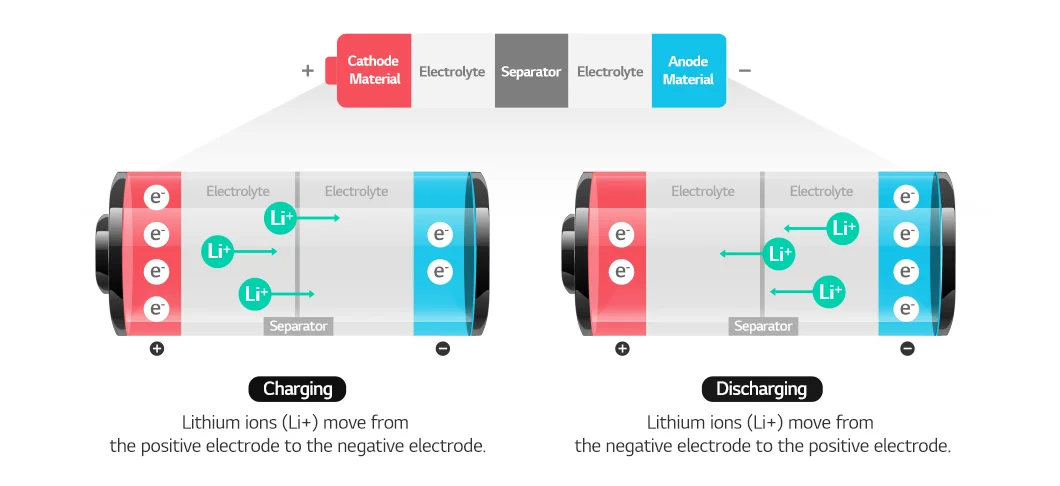
The internal structure of lithium-ion batteries includes critical safety components measured in microns
The hurricane flooding pattern caught investigators off guard. After Helene and Milton in 2024, electric vehicles in flooded garages started catching fire hours or days after waters receded. Saltwater corrosion had formed conductive pathways invisibly inside battery packs while vehicles sat in apparently normal condition. The Florida State Fire Marshal's office reported cases where no ignition source could initially be identified because the damage had occurred internally, silently, progressively.
Warning Signs
Swelling means gas buildup inside the cell. Internal decomposition produces gases that push against the casing. Any bulging indicates active failure in progress, not mere aging.
Unusual heat during normal operation signals elevated internal resistance. Something inside the cell is converting electrical energy to thermal energy at abnormal rates. The Fire Safety Research Institute documented worst-case transitions from warm to burning in under sixty seconds. Most failures progress more slowly. But the existence of rapid-onset cases means unusual heat should never be dismissed.
Chemical smells indicate electrolyte venting. The organic solvents in lithium battery electrolyte produce distinctive sweet or acrid odors when they escape through compromised seals. Hissing sounds mean pressure release. Popping or crackling suggests internal structural collapse. These sounds typically precede ignition by seconds rather than minutes.
Performance decline gets ignored despite being the earliest detectable warning. A battery delivering half its original runtime has degraded in ways that affect thermal stability, not just capacity. The same chemical changes that reduce energy storage also reduce the margin between normal operation and thermal runaway.
Certification
UL, ETL, or CSA marks indicate a product survived laboratory abuse testing. Nail penetration tests drive metal objects through cells. Crush tests apply mechanical force. Thermal exposure tests subject batteries to elevated temperatures. Products that pass possess safety margins absent from uncertified alternatives.
Certified products fail less often than uncertified products by measurable margins. But certification has become something of a talisman that consumers look for so they can stop thinking about battery safety. Laboratories cannot simulate every real-world failure mode. They cannot simulate the cumulative effects of three years of minor impacts, temperature cycling, and gradual degradation.
The aftermarket ecosystem presents a more serious problem. Third-party replacement batteries flood online marketplaces, using recycled cells, inadequate battery management systems, and casings that fit mechanically without matching the thermal specifications of original equipment. A 2024 FDNY investigation found non-original batteries in the majority of e-bike fires examined.
The fires were not primarily caused by defective original equipment. They were caused by consumers replacing depleted packs with cheap alternatives that introduced failure modes the original designs had specifically engineered against.
Some investigators argue that certification systems were designed for a world of fewer, more uniform products and cannot scale to address current market fragmentation. Others maintain that certification remains the most practical safeguard despite its limitations. The debate has not resolved.
Charging Habits
Hard surfaces dissipate heat. Soft surfaces trap it. The temperature difference between a phone charging on a wooden desk versus a pillow can exceed 20°F. This differential is enough to shift a marginal battery from stable operation into dangerous territory.
Disconnect devices at completion. Batteries held at full charge degrade faster than batteries cycled normally. The FDNY reported e-bike fires occurring after devices remained plugged in for days past completion. Not hours. Days.
Temperature Boundaries
Below 32°F, lithium ions cannot intercalate properly into graphite anode structures. Instead, metallic lithium plates directly onto electrode surfaces in dendrite formations. The damage is invisible at the time. A battery charged in a cold garage may function normally for weeks before those dendrites grow long enough to trigger thermal runaway.
Above 105°F, degradation accelerates exponentially. A battery operating at 120°F degrades approximately eight times faster than one at 70°F. This relationship explains why devices charged in hot cars or near heating vents fail at disproportionate rates.
Original chargers deliver correct voltage and current profiles. Aftermarket units often deviate from specifications in ways that stress batteries. The Lebanon Fire Department traced multiple residential fires to chargers with incorrect wattage ratings. Consumers continue buying cheap chargers anyway because the savings are immediate and visible while the risk is deferred and probabilistic.
Temperature boundaries matter more than most people realize. Below 32°F, lithium ions cannot intercalate properly into graphite anode structures. Instead, metallic lithium plates directly onto electrode surfaces in dendrite formations. The damage is invisible at the time. A battery charged in a cold garage may function normally for weeks before those dendrites grow long enough to trigger thermal runaway.
Above 105°F, degradation accelerates exponentially. A battery operating at 120°F degrades approximately eight times faster than one at 70°F. This relationship explains why devices charged in hot cars or near heating vents fail at disproportionate rates.
Never charge overnight. Never charge while away from home. The thermal runaway incidents documented in commercial aviation during 2024 uniformly involved unattended operation.
These guidelines conflict with the way most people actually use battery-powered devices. Overnight charging is convenient. Convenience has driven consumer electronics design for decades. Changing behavior at scale would require either compelling incentives or terrifying consequences concentrated enough to override convenience preferences.
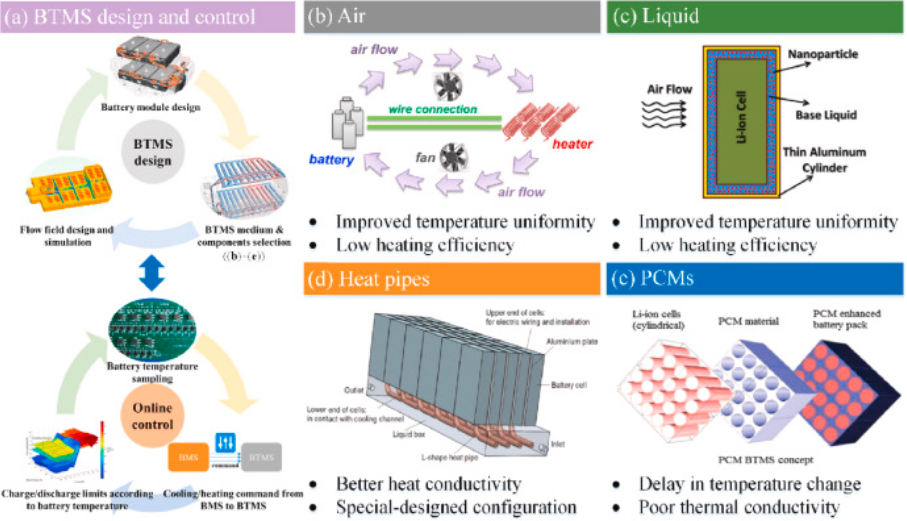
The location of battery charging in relation to exit routes can mean the difference between a survivable incident and a fatal one
Spatial Design
A battery fire in a detached garage destroys property. The same fire blocking an apartment's only exit kills people.
The FDNY prohibits charging near doors and windows accessing fire escapes. The regulation emerged from analysis of casualty patterns in actual incidents. Fire investigators reviewed cases and identified proximity to egress routes as the critical variable distinguishing fatal fires from survivable ones.
Moving charging from bedroom to kitchen requires no special equipment, no additional expense. It transforms potential fatality into potential property loss.
Two feet minimum between batteries prevents cascading failure. Heat from one burning cell raises adjacent cells to ignition temperature within minutes. Batteries stored touching each other transform single-cell failures into pack-wide conflagrations.
New York's Charge Safe, Ride Safe program increased outdoor charging cabinet availability. Between 2023 and 2024, outdoor e-bike fires increased while indoor fires decreased. Total fire count did not drop significantly. But fatality risk dropped because outdoor fires do not trap occupants.
Long-term storage recommendations call for approximately 30% charge state, away from heat sources, never in vehicles during summer. Interior car temperatures exceed 140°F regularly. Batteries stored in hot cars age months in days.
Suppression
The advice that water should never be used on lithium fires circulates widely. It is wrong for the batteries most people actually own.
The confusion stems from conflating two different chemistries. Lithium-metal batteries are non-rechargeable cells used in some medical devices and military equipment. They contain substantial quantities of metallic lithium that reacts violently with water. These batteries require Class D dry powder extinguishers.
Lithium-ion batteries are rechargeable cells in phones, laptops, e-bikes, and electric vehicles. They contain lithium in ionic form rather than metallic form. They respond well to water-based suppression.
Lithium-ion batteries are rechargeable cells in phones, laptops, e-bikes, and electric vehicles. They contain lithium in ionic form rather than metallic form. They respond well to water-based suppression. Most consumer devices use lithium-ion.
Water works because thermal runaway is fundamentally about heat. Internal exothermic reactions continue regardless of whether visible flames exist. Smothering agents cut oxygen and extinguish flames. The internal reactions continue. Temperatures rise. Reignition follows. FAA testing documented halon knocking down flames within seconds, only for flames to return seconds later because halon provided no sustained cooling.
Fire departments have had to develop entirely new protocols for lithium battery fires, which behave fundamentally differently from conventional fires
Sand absorbs heat and slows propagation between cells. Fire departments now submerge battery packs in sand after suppression to prevent reignition. The Onset, Massachusetts fire in January 2025 saw batteries reignite during overhaul after the fire had been declared controlled.
The quantities required exceed intuitive expectations. A single EV fire may require 20,000 gallons applied over hours. Three fire departments coordinated on the March 2024 Illinois highway incident involving one vehicle. Residential fire extinguishers cannot achieve suppression. They buy evacuation time.
Toxic Gases
Thermal runaway releases hydrogen fluoride, hydrogen cyanide, and carbon monoxide. A burning EV battery pack can release 2 to 20 kilograms of hydrogen fluoride depending on capacity. Concentrations above 30 parts per million cause immediate respiratory damage.
This hazard gets buried in most safety guidance. The emphasis on fire reflects the visibility of flames. Smoke makes compelling footage. Invisible toxic gases do not. But in enclosed spaces, the gas hazard may pose greater immediate risk than thermal effects.
These gases do not trigger intuitive avoidance. Smoke causes coughing and eye irritation that prompt evacuation. Hydrogen fluoride at dangerous concentrations may produce no immediate sensation until exposure has already caused serious harm. Evacuation distances should extend 100 feet upwind minimum for residential fires and 300 feet for vehicle fires. Indoor fires concentrate toxic gases rapidly. A battery fire in a closed room can reach dangerous levels within minutes. The safe response is immediate evacuation.
Disposal
Lithium batteries do not belong in household trash. Compression in garbage trucks crushes cells, triggering immediate thermal runaway inside enclosed compartments filled with combustible waste. Durham, North Carolina lost two garbage trucks to battery fires in 2024.
The National Waste and Recycling Association attributes over 5,000 annual facility fires to improperly discarded batteries. Roughly 95% of lithium batteries never reach proper recycling channels. The infrastructure to handle current volumes barely exists. Infrastructure for projected 2030 volumes does not exist at all.
Tape all terminals before disposal. Deliver to Call2Recycle locations, participating retailers, or municipal hazardous waste facilities. The friction involved explains why compliance remains low.
Batteries in drawers and storage boxes present ongoing risk. Two to three years or 500 charge cycles represents typical lifespan. Beyond this, degradation affects stability even during passive storage. The dead battery sitting in a drawer for years is not safely inert. It is aging, degrading, occasionally failing.
Regulation
Fire codes were written for wiring failures and appliance malfunctions. The framers did not anticipate energy storage devices distributed throughout residential spaces in quantities numbering in the billions.
Someone charging six e-bike batteries in a studio apartment violates no building code in most jurisdictions. The resulting fire is foreseeable, preventable, and entirely legal until it actually occurs.
The FDNY inspected 585 e-bike shops in 2024. Seventy-three percent received summonses. Charging in blocked exits, inadequate spacing, no suppression equipment. If commercial compliance rates hover around 27%, residential rates are presumably far lower.
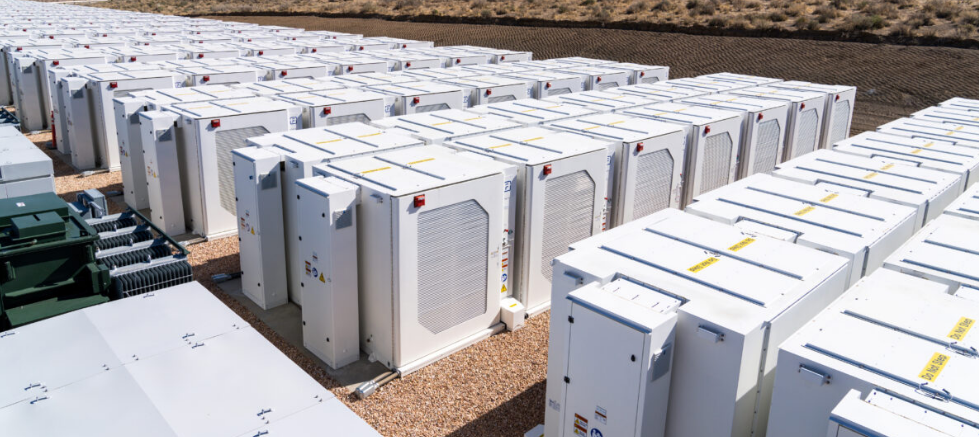
Insurance markets have moved faster than regulators, with coverage costs for battery storage facilities rising fifty-fold between 2019 and 2024
Insurance markets have moved faster than regulators. Coverage costs for battery storage facilities rose fifty-fold between 2019 and 2024. Insurers now mandate suppression systems and thermal monitoring as coverage conditions. The private sector is writing fire codes while the public sector debates.
Whether public regulation catches up before a mass-casualty event depends on factors including media attention and political priorities. Fires in wealthy neighborhoods tend to produce faster regulatory response than fires in immigrant communities or low-income housing.
Prevention
Quality matters. Certification matters. Original equipment matters. These choices reduce individual failure probability even though they cannot eliminate aggregate risk. The certified battery from a reputable manufacturer is not immune to failure. It fails less often.
Charge deliberately. Use hard surfaces. Disconnect at completion. Use original chargers. Respect temperature boundaries. Monitor actively rather than walking away.
Key Prevention Guidelines
Location matters more than most other factors. Charge away from exits. Maintain separation between batteries. A fire that does not block egress is survivable.
Heed warning signs. Swelling, unusual heat, chemical smells, strange sounds, rapid performance decline. Devices showing these symptoms should exit service immediately. Not next week. The window between warning and catastrophe may be shorter than assumptions suggest.
Dispose properly. Tape terminals. Use certified collection. Stop leaving dead batteries in drawers for years.
The battery fire epidemic reflects deployment that has outpaced safety infrastructure, regulatory frameworks, and public understanding. Prevention means reducing personal risk within a system that has accepted substantial aggregate risk as the price of portable power. The physics of lithium battery failure does not accommodate wishful thinking. It does not care about convenience preferences. It operates according to thermodynamics and electrochemistry regardless of what users believe or prefer.