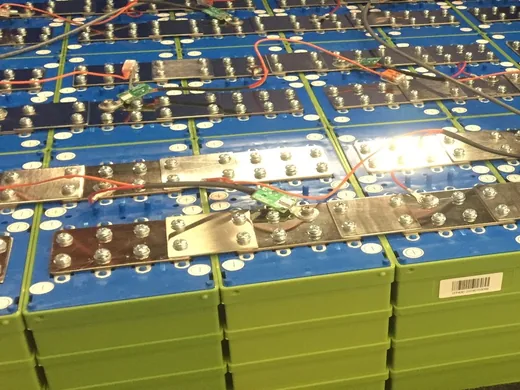
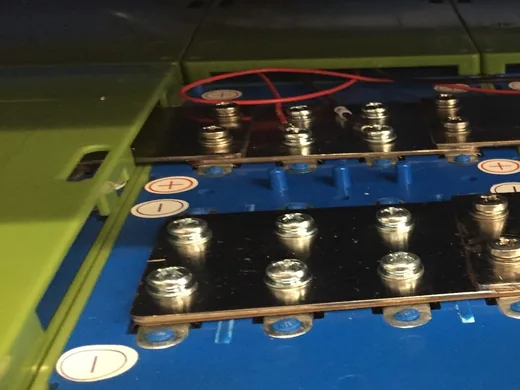
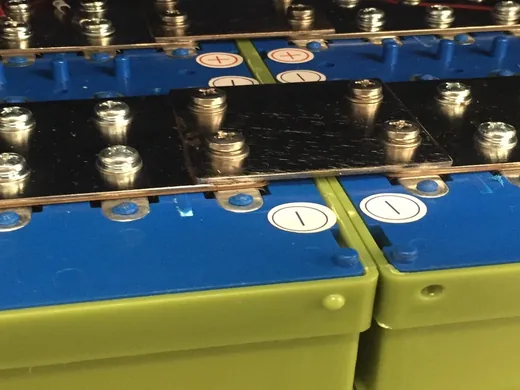
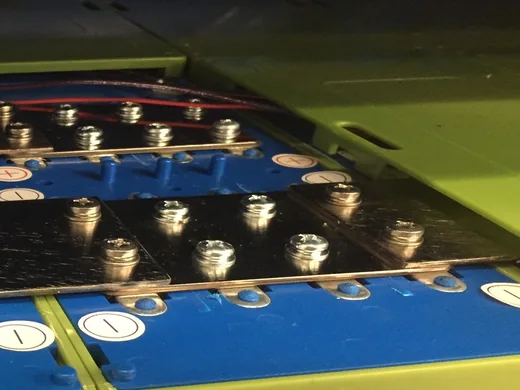
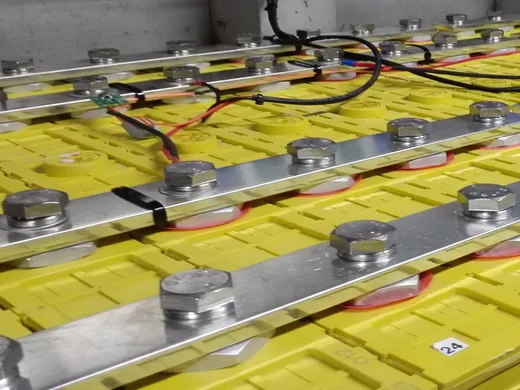
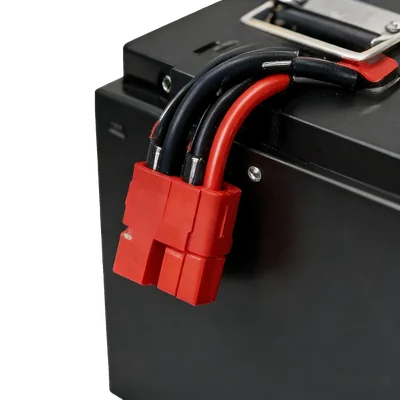

BYD drove a steel nail through a battery cell on live television in March 2020. The Blade battery barely warmed up. The ternary lithium cell next to it exploded. That fifteen-second clip has been watched millions of times and argued about ever since.
The argument misses the point. Whether nail penetration testing represents realistic abuse scenarios matters far less than the underlying chemistry that produced those divergent outcomes. Lithium iron phosphate and nickel-manganese-cobalt are different materials. They fail differently. One releases oxygen when it overheats. The other does not. Everything else follows from that single fact.
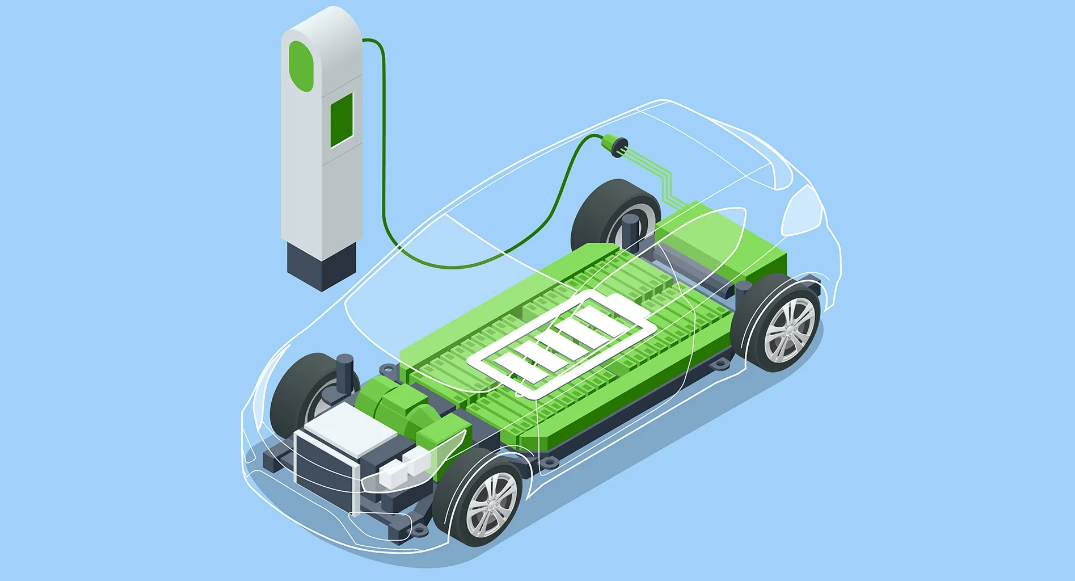
Electric vehicle battery technology
Oxygen
A battery fire is not like other fires. Smother a gasoline fire with foam and you cut off the oxygen supply. The fire dies. Try the same approach on a burning NCM battery pack and nothing happens, because the fire generates its own oxygen internally.
NCM cathodes contain nickel in an unstable oxidation state. Heat pushes nickel toward stability, and stability means releasing the oxygen atoms bound in the crystal lattice. That oxygen reacts with vaporized electrolyte. The reaction generates more heat. More heat releases more oxygen. The feedback loop accelerates until temperatures exceed 800°C and cells start rupturing from internal pressure, spraying burning material onto their neighbors.
Firefighters who have worked NCM battery fires describe a distinctive frustration. Water cools the exterior while the interior keeps burning. Foam cuts off atmospheric oxygen while internal oxygen keeps the reaction going. Some departments now recommend pushing burning EVs into containment pools and leaving them submerged for 24 hours. Others recommend letting the fire burn out on its own while protecting surrounding structures.
LFP has a different crystal structure. The olivine lattice binds oxygen with phosphorus rather than nickel. Phosphorus-oxygen bonds are stronger. Much stronger. The decomposition temperature sits nearly 100°C higher than NCM. When LFP does decompose, it releases far less energy and no oxygen at all.
The consequences play out in fire statistics that insurance companies and fire departments track but rarely publicize. LFP fires spread more slowly, reach lower peak temperatures, respond to conventional firefighting, and almost never reignite after initial suppression. The Australian Tesla Model Y incident that battery engineers keep citing involved LFP cells. Twelve cells out of 106 were affected. Zero thermal propagation to neighboring modules. Thirty-five minutes to full suppression. Compare that to NCM fire reports describing hours of continuous water application, multiple reignition events, and total vehicle destruction as the baseline outcome.
The Nail Test Politics
CATL responded to BYD's nail demonstration with a press release questioning the test methodology. Nail diameter affects results. Penetration speed affects results. State of charge affects results. Puncture location affects results. CATL had internal data showing their own cells sometimes passing nail penetration under controlled conditions, though they declined to release that data publicly.
Two months after BYD's demonstration, China's updated battery safety standard made nail penetration optional rather than mandatory. The timing invited speculation about lobbying influence. CATL denied involvement in the standards revision process. Industry observers remained skeptical.
The technical criticisms had merit. Nail penetration does show poor reproducibility across testing labs. The same cell model can pass on Monday and fail on Thursday depending on subtle procedural variations. Regulators prefer tests that produce consistent results regardless of which lab runs them.
None of that changes the underlying material properties. LFP tolerates internal short circuits better than NCM because LFP has higher thermal stability and releases no oxygen during decomposition. BYD picked a dramatic demonstration that showcased their chemistry advantage. The demonstration was not fraudulent. The demonstration was not representative of all possible failure scenarios either. Both things can be true simultaneously.
The abuse testing that does appear in regulatory standards tells the same story through different methods. Crush testing. Overcharge testing. Thermal exposure testing. Forced thermal runaway propagation testing. LFP outperforms NCM across the board. The specific test methodology matters less than the consistent directional results.
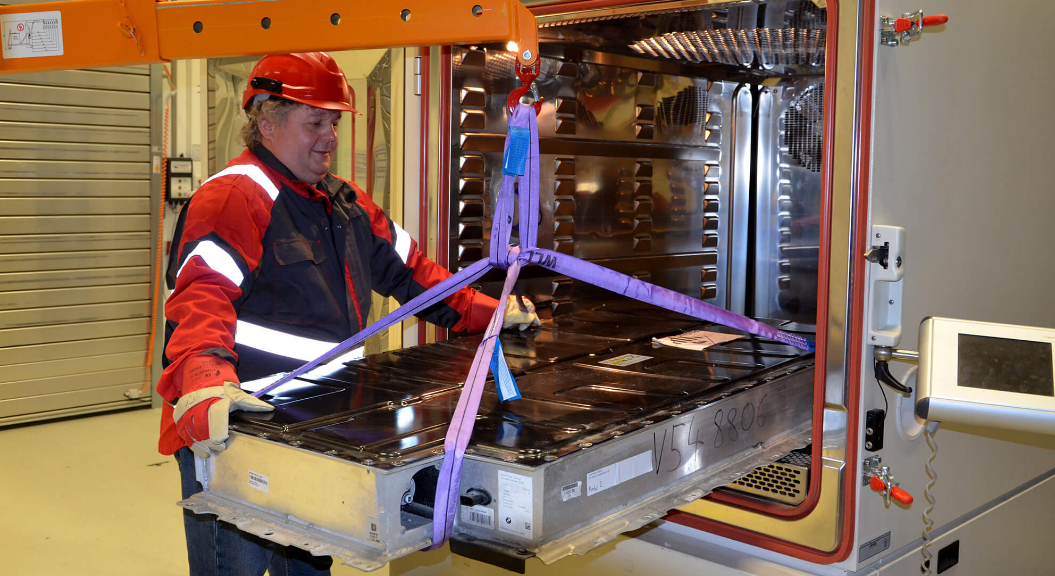
Battery testing laboratory
Fires Keep Happening
Search Weibo or Douyin for BYD fire videos and you will find them. A Han EV burning two days after a crash test. A Fuzhou showroom gutted when a display vehicle caught fire. A Seal igniting in a Jakarta parking lot after sitting untouched for three days. A fatal collision in Guangxi where the driver could not escape a post-crash fire.
BYD sold 3.84 million vehicles last year. A failure rate of 0.001% would still produce 38 incidents. At that sales volume, zero fires is a statistical impossibility regardless of battery chemistry. The question that matters is whether Blade-equipped vehicles catch fire at higher or lower rates than competitors.
Nobody publishes that data. Not BYD. Not Tesla. Not any manufacturer. Not any regulator. The insurance industry has it and guards it closely. Automotive journalists have requested fire incident rates normalized by vehicle population for years. The requests go unanswered.
What investigation reports do reveal is that most BYD fire incidents trace to components other than the Blade cells. The Thai ATTO 3 fire came from starter battery wiring. A 2024 recall of nearly 100,000 vehicles targeted controller capacitors. Manufacturing quality control failures and integration defects cause fires even when the underlying battery chemistry performs as designed.
BYD's 2025 cumulative recalls exceeded 200,000 vehicles for various issues. That number reflects production scale as much as quality problems. Toyota recalled over a million vehicles in the United States alone last year. Recalls indicate that manufacturers are finding and addressing problems, not that products are unusually dangerous.
The comparison that matters is between EVs and internal combustion vehicles. Norwegian, Swedish, and Australian studies consistently find EV fire rates four to twenty times lower than gasoline vehicle fire rates. Within the EV category, LFP outperforms NCM. Within LFP, no manufacturer has demonstrated a statistically significant safety advantage over any other manufacturer. The chemistry does the heavy lifting.
Cold Weather
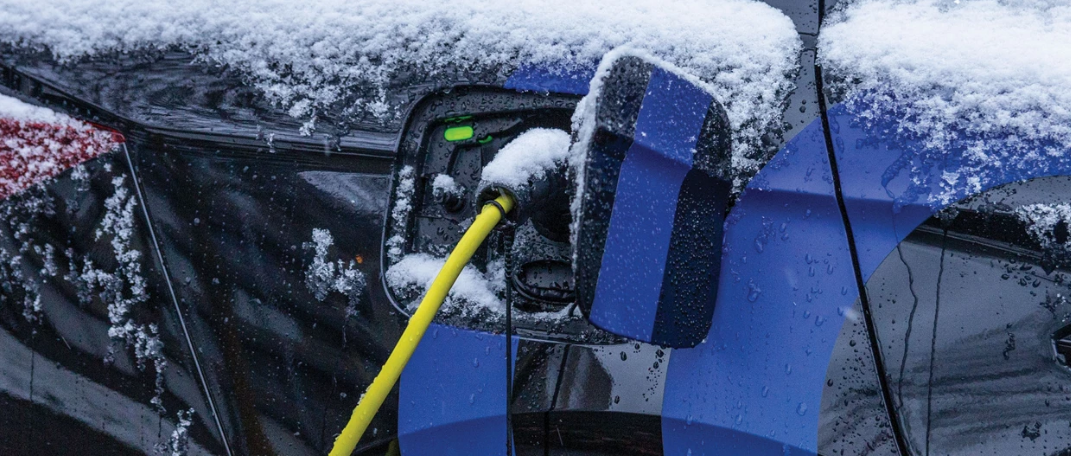
Winter driving conditions affect battery performance
LFP batteries lose more capacity in freezing conditions than NCM batteries. This is not marketing spin or competitor propaganda. This is lithium ion transport physics. Colder electrolyte means slower ion diffusion. LFP's already-modest energy density drops further when the thermometer hits minus 20°C.
Winter range reduction runs 20 to 30% for LFP against 10 to 15% for NCM. Charging slows dramatically as battery management systems restrict current to prevent lithium plating. Preheating requirements stretch into tens of minutes on frozen mornings before the car will accept normal charge rates.
Drivers in Bangkok or Dubai will never notice this limitation. Drivers in Stockholm or Harbin structure their lives around it.
The cold weather disadvantage deserves mention because skipping it would be dishonest. A comprehensive safety assessment includes operating conditions where the battery performs less impressively. LFP owners in northern climates trade winter convenience for the thermal stability advantages that matter during the rare failure scenarios where chemistry determines outcomes.
High temperature performance tilts the opposite direction. Middle Eastern fleet testing showed LFP retaining capacity at 45°C ambient conditions where NCM degrades faster. BYD sells well in Southeast Asia and the Gulf states because the product fits the climate.
Aging
NCM batteries become less safe as they age. Capacity fade reflects cathode degradation. Degraded cathodes enter thermal runaway at lower temperatures than fresh cathodes. A five-year-old NCM cell with 80% remaining capacity has a narrower thermal margin than a new cell.
LFP batteries maintain their thermal stability throughout their service life. The olivine crystal structure does not become less stable as lithium cycles in and out. A worn LFP cell still passes the same abuse tests as a factory-fresh cell. This characteristic rarely appears in marketing materials because it only matters in failure scenarios that most drivers never experience.
For used vehicle buyers, the aging safety profile changes the calculus. Buying a three-year-old NCM vehicle means buying a battery with reduced thermal margin. Buying a three-year-old LFP vehicle means buying a battery with the same thermal margin as new. The safety advantage compounds over vehicle lifetime.
BYD's warranty runs eight years and 500,000 kilometers, recently extended to 250,000 kilometers in European markets. These terms exceed industry norms. Shenzhen taxi fleets have logged 300,000 kilometers on early Blade packs with minimal degradation. The engineering supports the warranty.

Electric vehicle charging infrastructure
What the Competition Offers
CATL's Shenxing battery uses the same LFP chemistry as the Blade. The safety profiles match. CATL competes on charging speed rather than thermal stability because thermal stability is table stakes for LFP. Both companies benefit from the same underlying material advantages.
The companies compete fiercely anyway. BYD uses Blade batteries exclusively in their own vehicles and has begun supplying outside manufacturers including Toyota. CATL supplies everyone except BYD. Market share data shows CATL leading globally while BYD leads in China. Neither company's dominance traces to safety differentiation.
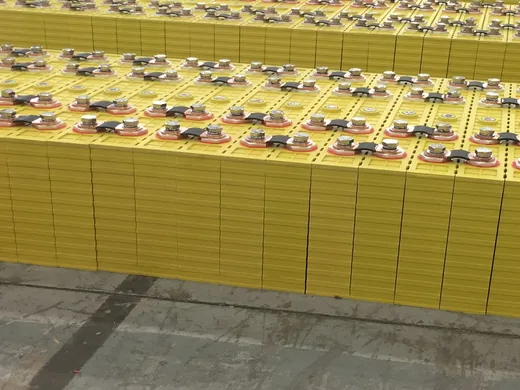
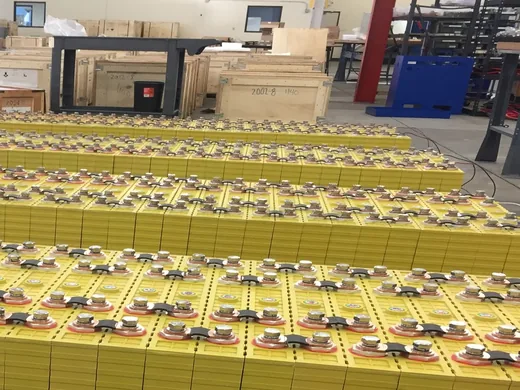
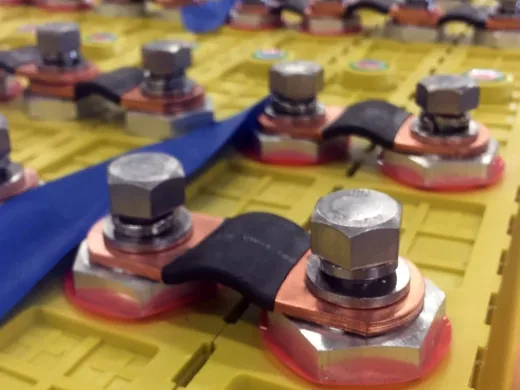
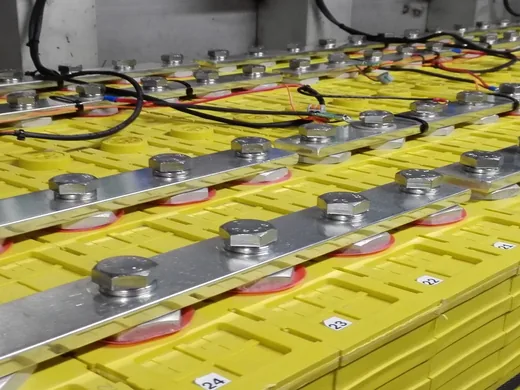
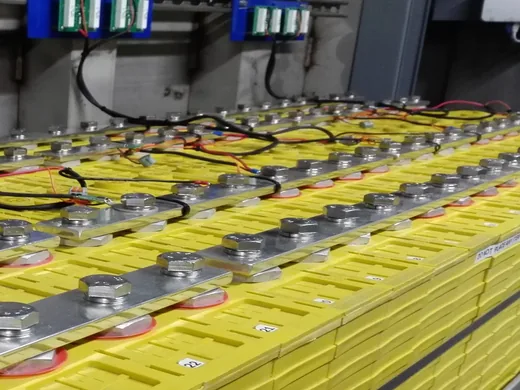
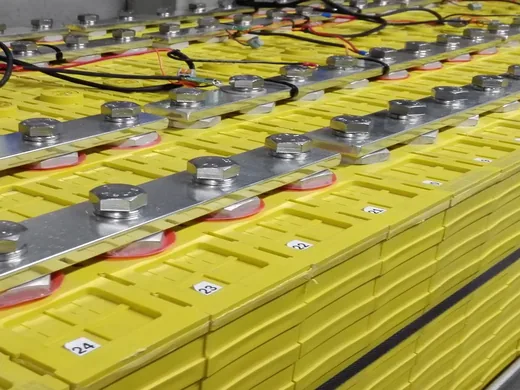
Against conventional block-type LFP batteries, the Blade geometry offers structural advantages. The elongated cell format enables cell-to-pack architecture without intermediate modules. Space efficiency improves. Mechanical rigidity improves. Energy density at pack level reaches competitive territory against NCM despite LFP's inherent disadvantage at cell level.
Solid-state batteries occupy a different category entirely. The technology remains years from commercial deployment. Manufacturing costs run roughly eight times higher than conventional lithium-ion. Laboratory results show promise. Factory results remain unproven. For consumers making purchase decisions today, solid-state is irrelevant.
Regulations Tightening
China's updated GB 38031-2025 standard extends thermal runaway containment requirements from five minutes to two hours. Bottom impact testing addresses road debris strikes. Post-cycling short circuit testing catches aging-related failures. These requirements take effect in July 2026 for new vehicle models.
BYD claims existing Blade technology already meets the 2025 requirements without modification. CATL claims the same for their no-thermal-propagation cells. Smaller manufacturers face harder paths forward. Meeting stricter standards requires investment that strains balance sheets. Consolidation appears likely as weaker players fall behind.
European regulators have signaled interest in requirements similar to China's new framework. American regulations lag. Insurance industry concerns about EV fire claims create pressure regardless of regulatory timelines.
The direction is clear. Stricter thermal propagation standards are coming globally. Manufacturers whose batteries cannot demonstrate two-hour containment will eventually find markets closing to them. LFP chemistry positions both BYD and CATL well for this regulatory trajectory. NCM manufacturers face harder engineering challenges.
Answering the Question
The Blade battery is safe. The lithium iron phosphate chemistry provides thermal stability advantages that NCM cannot match through engineering alone. No oxygen release during decomposition. Higher thermal runaway initiation temperatures. Lower peak temperatures when failures occur. Slower fire propagation. Easier suppression. Better aging characteristics.
Fires still happen. Quality control failures, integration defects, collision damage, and manufacturing variability create incidents regardless of underlying chemistry. No battery technology delivers zero risk. BYD's marketing claim about eliminating spontaneous combustion was reckless overreach.
The relevant comparison is not perfection. The relevant comparison is alternatives. Against NCM batteries, the safety margin is substantial and documented. Against other LFP batteries, the margin is marginal or nonexistent because the chemistry rather than the manufacturer determines thermal behavior.
Cold weather performance disadvantages warrant consideration for buyers in northern climates. Resale value implications of longer cycle life warrant consideration for buyers planning to keep vehicles beyond typical ownership periods. Service network coverage varies by market and affects repair timelines when problems occur.
On the specific safety question, the answer is straightforward. The Blade battery offers thermal stability advantages over NCM alternatives. Those advantages matter in the rare failure scenarios where battery chemistry determines outcomes. For most drivers who never experience battery failures, the advantages remain invisible. For the small percentage who do experience failures, the chemistry difference can determine whether everyone exits the vehicle safely.