
Which Battery is Best for an E-Scooter?
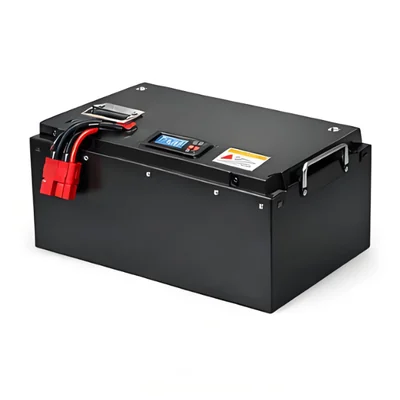
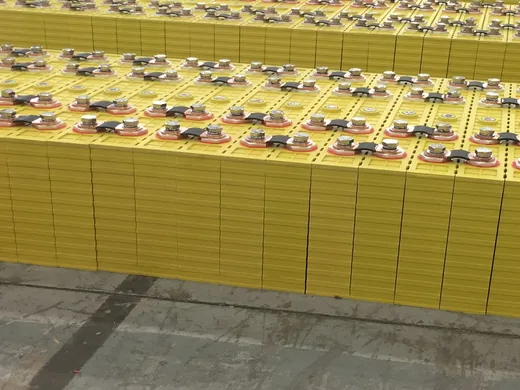
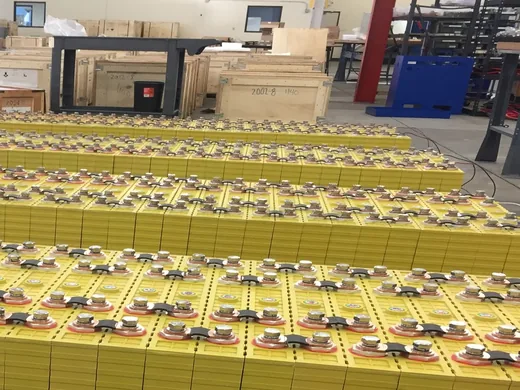
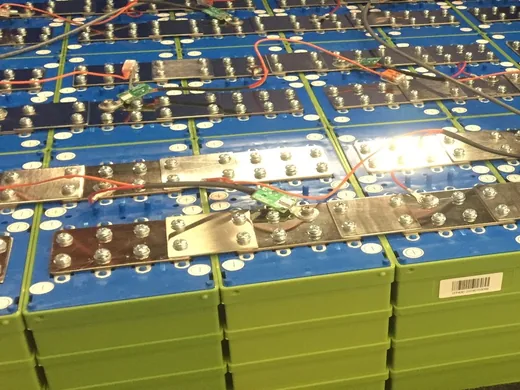
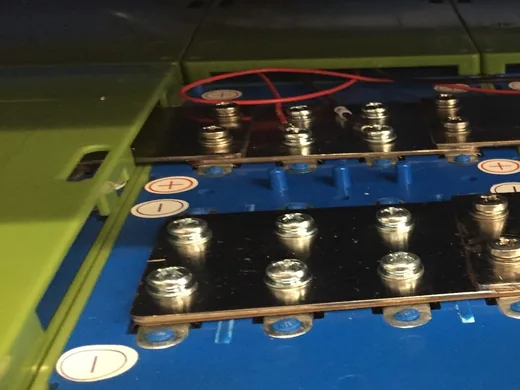
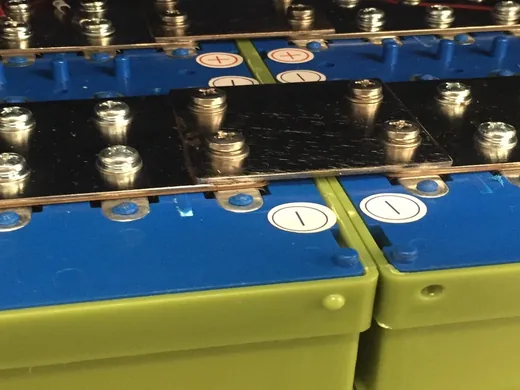
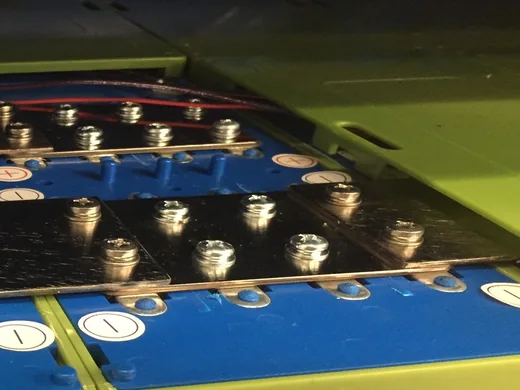
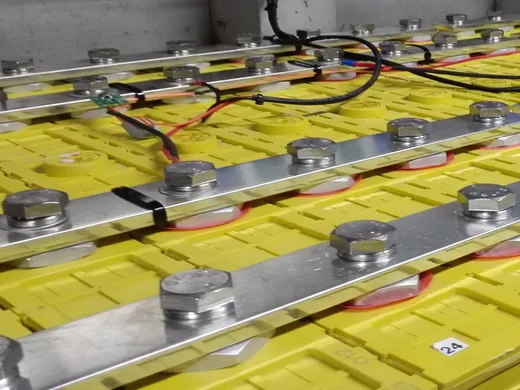
LiFePO4.
Why the e-scooter industry spent years pretending otherwise, why buyers keep falling for spec sheet theater instead of looking at the numbers that determine whether the scooter lasts a decade or burns down an apartment.
The Fire Problem
New York City had over 200 e-scooter and e-bike fires in 2023. Six people died. Not injured. Died. Burned to death in their apartments because a scooter battery decided to become an incendiary device at 3 AM.
London saw similar numbers. Singapore passed emergency legislation. Insurance companies started refusing coverage. Fire departments issued warnings that read like they were describing IEDs rather than consumer electronics.
The common thread? NMC and LiPo batteries. The chemistries that dominate the market because they make spec sheets look good.
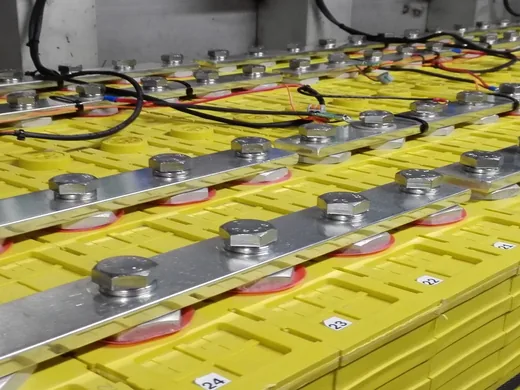
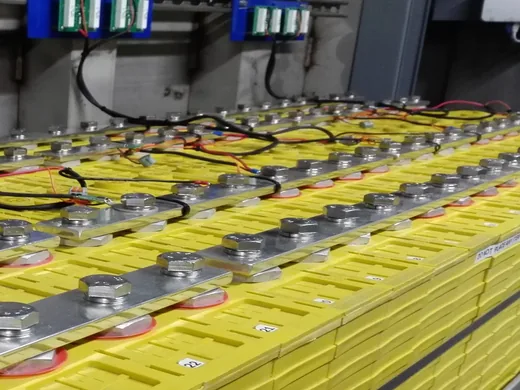
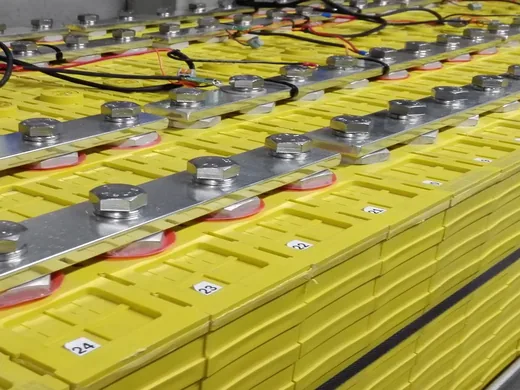
LiFePO4 fires are rare. When they happen, the battery smolders. It does not explode. It does not shoot flames across a room. It gives people time to get out. The chemistry lacks the oxygen-release mechanism that turns other lithium batteries into self-sustaining infernos.
This alone should end the debate. It does not, because the industry makes money selling lighter, sexier, more marketable products. Dead customers do not file complaints. Surviving family members rarely understand battery chemistry well enough to sue the right defendants.
Most of these fires start during charging. The scooter sits in a hallway or living room, plugged into a wall outlet, and something goes wrong inside the pack. A cell develops an internal short. The BMS fails to catch it. Temperature rises. The cell vents. Adjacent cells overheat from the thermal bloom. The cascade accelerates. By the time smoke becomes visible, the pack has seconds left before flashover.
The apartments that burn tend to be small. The scooters charge near the entrance because that is where the outlet is. When the fire starts, it blocks the exit. People die in their bedrooms because they cannot reach the door.
This keeps happening. The news covers it for a day. Then everyone goes back to comparing range numbers.
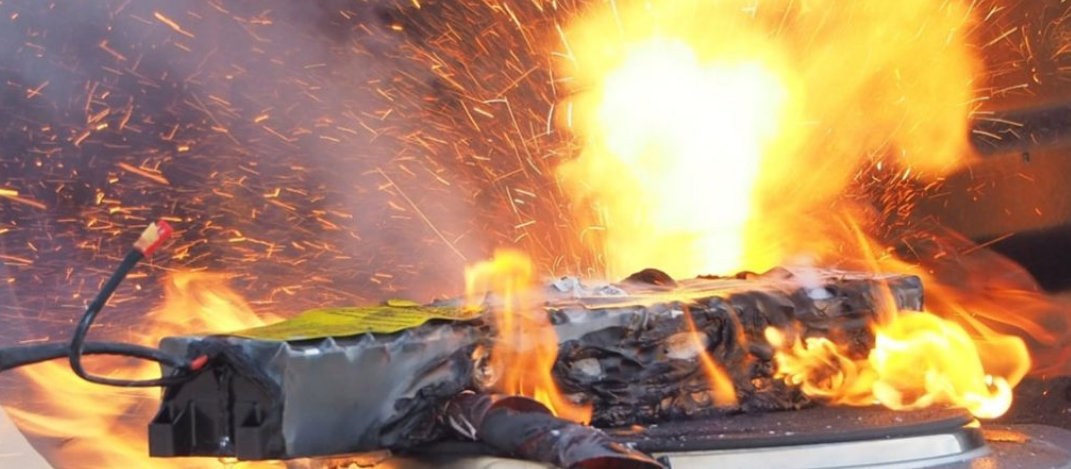
Battery fires can escalate rapidly
Why the Industry Pushes Inferior Chemistry
Follow the money.
An NMC battery pack costs roughly the same to manufacture as LiFePO4. NMC weighs less and stores more energy per kilogram. Marketing can print bigger range numbers and lower weight numbers on the box. That sells scooters.
Range sells scooters. "40 miles!" sounds better than "25 miles!" Nobody reads the fine print explaining that 40 miles assumes a 150-pound rider on flat ground with no wind at moderate speeds. Tested range runs 50 to 60 percent of the advertised number regardless of chemistry. 40 miles on the box beats 35 miles on the box, even when both scooters deliver 22 miles on the street.
Weight sells scooters too. "Only 28 pounds!" sounds portable. "35 pounds" sounds heavy. Never mind that the rider will push the scooter on its wheels 99% of the time and carry it maybe twice a month. The spec sheet number matters more than the lived experience.
LiFePO4 loses both comparisons. Lower energy density means either heavier packs or shorter range. The chemistry cannot win a spec sheet competition against NMC.
So manufacturers build with NMC. Reviewers compare specs. Buyers chase numbers. And apartments burn down.
The review ecosystem makes this worse. YouTube reviewers get free scooters from manufacturers. They publish range tests and speed tests and hill climb tests. They do not publish long-term reliability data because they move on to the next free scooter before problems develop. They do not publish fire safety comparisons because nothing burns during a two-week review period.
The comparison sites rank by specs. Sort by range, NMC wins. Sort by weight, NMC wins. Sort by "will this kill me in my sleep," nobody offers that filter.
Manufacturers respond to incentives. The incentives reward spec sheet performance. The incentives do not penalize fires that happen months after purchase to customers who never leave reviews because they are too busy dealing with insurance claims or funerals.
"The industry has successfully convinced buyers that a few kilograms matter more than fire safety and a decade of service life. This is marketing triumph over engineering reality."
What LiFePO4 Does That NMC Cannot
The thermal stability comes from bond strength in the crystal structure. Phosphate-oxygen bonds refuse to break and release oxygen even under severe abuse. No oxygen release, no self-sustaining fire. The chemistry will not explode even if punctured, overcharged, or externally shorted.
NMC starts venting oxygen around 200 degrees Celsius. From there, the reaction feeds itself. Heat releases oxygen, oxygen accelerates combustion, combustion generates more heat. Thermal runaway hits somewhere around 300 degrees and the pack becomes a blowtorch.
The cycle life gap matters almost as much. Good LiFePO4 cells last 3,000 to 5,000 charge cycles before meaningful degradation. NMC manages 500 to 800 with typical use patterns. A daily commuter burning 250 cycles per year kills an NMC pack in two to three years. The same rider gets a decade from LiFePO4.
This is not a marginal difference. This is the difference between buying one scooter and buying three scooters over the same ownership period.
The Weight Thing
Yes, LiFePO4 is heavier. About 3 to 4 kilograms more for equivalent capacity.
Here is who that matters to: people who carry their scooter up stairs every day. Fourth-floor walkup, no elevator, twice daily. That person will feel 4 extra kilos. That tradeoff exists. If that describes the use case, NMC makes some sense despite everything else.
Here is who it does not matter to: everyone else.
The scooter has wheels. It rolls. The motor moves it. Whether the battery adds 6 kilos or 9 kilos to a 20-kilo scooter changes nothing about the riding experience. The weight only matters during the brief moments when the rider picks it up.
Most buyers overestimate how often they will carry their scooter. Most buyers also overestimate their commitment to the gym, their likelihood of using kitchen gadgets, and their interest in learning languages. The scooter ends up rolled everywhere except the occasional stair climb that happens less often than anticipated.
The industry has successfully convinced buyers that a few kilograms matter more than fire safety and a decade of service life. This is marketing triumph over engineering reality.
The portable scooter category does exist for a reason. Xiaomi built a business on folding scooters light enough to carry onto a train. Ninebot sells millions of units to people who need to stash a scooter under a restaurant table or in an office corner. These are toys. Fun toys. Useful toys for certain lifestyles. Toys nonetheless.
The mistake is treating a toy's engineering constraints as universal requirements. A scooter that needs to weigh 28 pounds to fit a particular use case does not prove that all scooters should prioritize weight. Most scooters serve as primary transportation, not last-mile accessories. Primary transportation should not catch fire.

Battery chemical composition
Cycle Life
Spec sheets show range. Spec sheets show weight. Spec sheets show top speed and motor power and charge time.
Spec sheets do not show how many charges the battery survives before it starts dying.
This omission is not accidental. NMC packs last 500 to 800 cycles with normal use. LiFePO4 lasts 3,000 to 5,000. If buyers understood this, the comparison would look different.
A daily commuter charges maybe 250 times per year. Five days a week, occasional skipped days, occasional double charges. Call it 250.
At 250 cycles per year, an NMC pack starts degrading meaningfully by year two. Range drops. Voltage sag worsens. By year three, the pack needs replacement. By year four, the scooter is barely functional without a new battery.
At 250 cycles per year, a LiFePO4 pack reaches 500 cycles in year two with full capacity intact. 750 cycles by year three, still fine. 1,000 cycles by year four, maybe 95% capacity remaining. The pack hits 2,500 cycles in year ten and still works acceptably.
The price difference between NMC and LFP scooters might be $200. The price of a replacement NMC battery is $300 to $400. The "cheaper" NMC scooter costs more by year three.
Manufacturers know this. They just hope buyers do not do the math.
Voltage Matters More
While everyone argues about battery chemistry, a more immediately impactful spec gets ignored.
52V beats 48V. Noticeably. Especially on hills. Especially for heavier riders. Especially as the battery discharges.
Voltage sag kills the riding experience on cheaper scooters. A 48V pack at half charge might deliver only 42V to the motor. The scooter that felt strong at full charge now labors up the same hill it cruised an hour earlier. Higher voltage systems maintain power deeper into the discharge curve. A 52V pack at 50% still delivers useful voltage.
The industry settled on 48V because regulations get annoying above 50V. Building codes. Shipping rules. Liability concerns. Manufacturers chose the path of least paperwork rather than the best rider experience.
Buyers who can live with the minor hassles should look for 52V systems. The performance gap is obvious from the first ride.
BMS: The Part Nobody Understands
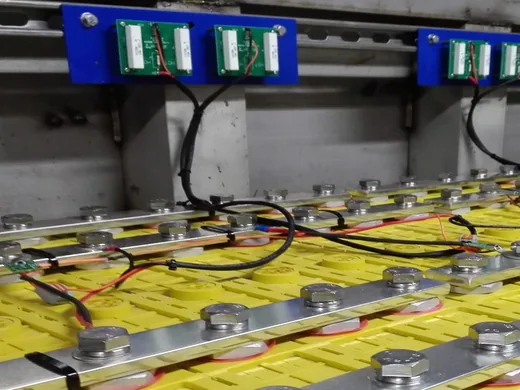
The battery management system matters. A lot. Quality BMS monitors individual cells, actively balances charge between them, refuses charging outside safe temperatures, cuts power when anything goes wrong. Cheap BMS skimps on all of this.
Buyers cannot evaluate BMS quality from spec sheets. The proxy: buy from companies with reputations to protect. Apollo. Dualtron. NIU. Segway. These brands eat the cost of quality BMS because warranty claims and brand damage cost more than better components.
Budget brands cut wherever buyers cannot see. BMS is invisible. BMS gets cut.
Charging Habits
NMC owners need to baby their batteries. Keep the charge between 20% and 80%. Avoid full charges except monthly for calibration. Never discharge to zero. The chemistry degrades faster at the extremes.
LiFePO4 tolerates sloppier treatment. Full charges cause minimal damage. Deep discharge rarely triggers the plating that kills cells. The 20-80 rule helps marginally. Violating it does not halve the pack lifespan the way it does with NMC.
This matters for how people use scooters. Sometimes the commute requires a full charge. Sometimes the battery drains to empty before reaching home. LFP handles these situations. NMC suffers from them.
Cold charging damages all lithium batteries permanently. Below freezing, lithium plates onto the anode instead of intercalating properly. The plated lithium never rejoins the electrode structure. Capacity lost to cold charging stays lost. Store scooters indoors during winter. Wait for the battery to warm up before plugging in. This single habit prevents more damage than any other behavioral change.
Brands
Samsung SDI, LG Energy Solution, and Panasonic make quality cells with published specifications that match tested performance. When a scooter manufacturer names one of these suppliers, the buyer knows what the pack contains.
Generic cells from anonymous factories vary wildly. Some perform fine. Others have high internal resistance, inconsistent capacity, and thermal characteristics that stress the BMS. Counterfeits marked with Samsung or LG logos come from who knows where.
Premium scooter brands name their cell suppliers because the quality reflects on them. Apollo uses Samsung. Dualtron uses LG. NIU sources from CATL. Budget brands hide this information because revealing it would reveal the cost-cutting.
The Amazon marketplace deserves particular skepticism. Scooters priced 40% below name brands get their savings from somewhere. Usually that somewhere is cells. Sometimes that somewhere is BMS. Occasionally that somewhere is structural integrity. The listing looks professional. The reviews look legitimate. The scooter looks like a deal. Two years later, the battery pack either dies or catches fire, and the seller has vanished into the marketplace fog.
What About Sodium-Ion?
CATL plans to mass-produce sodium-ion batteries by end of 2025. The chemistry matches LiFePO4 on cycle life, beats everything on cold weather performance, charges faster than any lithium option.
Yadea already sells sodium-ion scooters in China.
Worth waiting for? Maybe. Depends on timeline. First-generation products carry early-adopter risks. Western availability remains uncertain. Eighteen months is a long time to wait for transportation.
The safe play: buy LiFePO4 now, ride it for a decade, evaluate sodium-ion for the next scooter. The risky play: wait and see, keep paying for alternatives, hope first-gen sodium-ion lives up to promises.
Either way, sodium-ion reinforces the thesis. The industry will move toward safer, longer-lasting chemistry. LiFePO4 buyers are early adopters of the obvious direction. NMC buyers are holding onto the dying paradigm.
The Decision
Buy LiFePO4 unless carrying the scooter up stairs every single day makes the extra weight genuinely burdensome. Accept the lower range numbers. Accept the higher weight. Collect the decade of service life and the near-zero fire risk.
Look for 52V systems if performance on hills matters. Look for named cell suppliers. Look for UL 2272 certification. Ignore the spec sheet theater.
The industry will eventually figure this out. Insurance pressure and fire department pressure and regulatory pressure all push toward safer chemistry. Early adopters of LFP are not making a risky bet. They are arriving at the obvious conclusion before the spec sheet obsession burns down a few more apartment buildings.
The best time to buy a LiFePO4 scooter was three years ago. The second best time is now. The worst time is after the fire.
相关主题文章 (See Also):