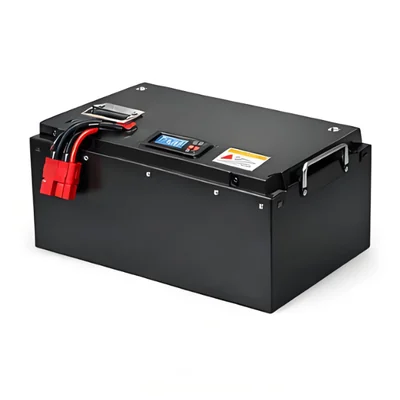
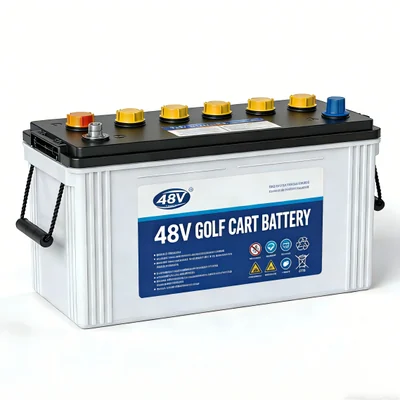
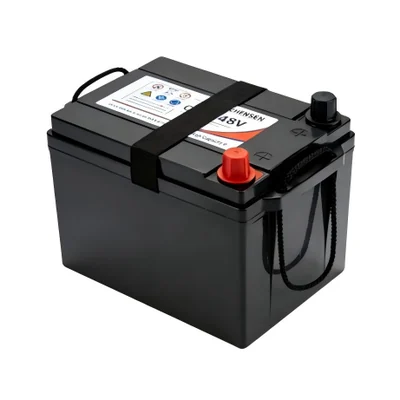
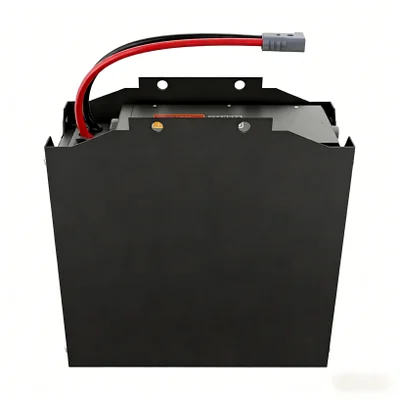
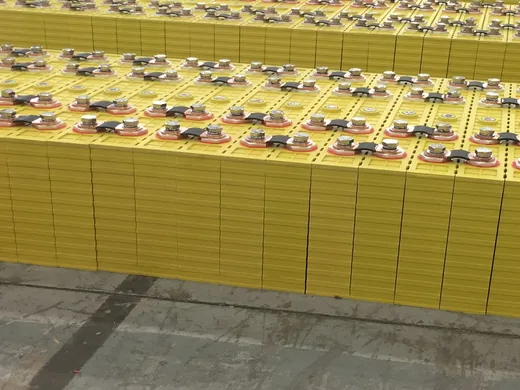
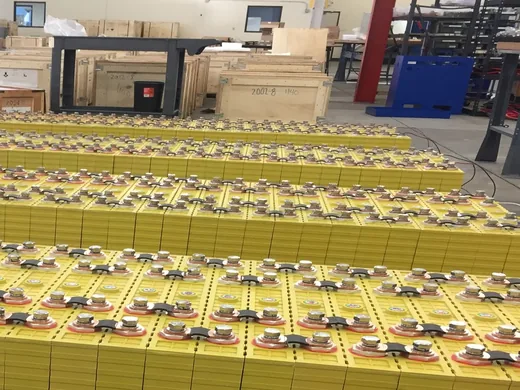
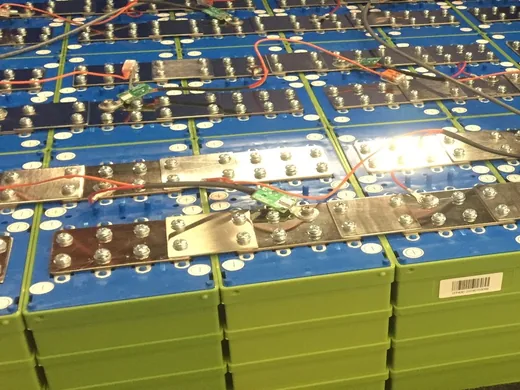
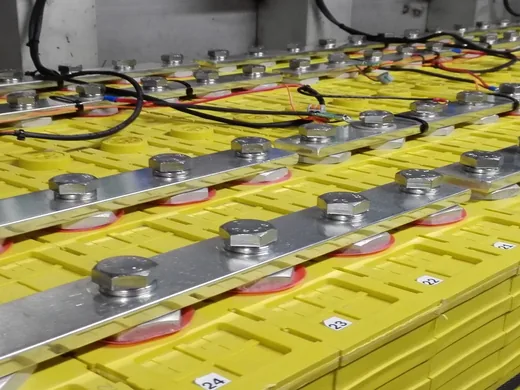
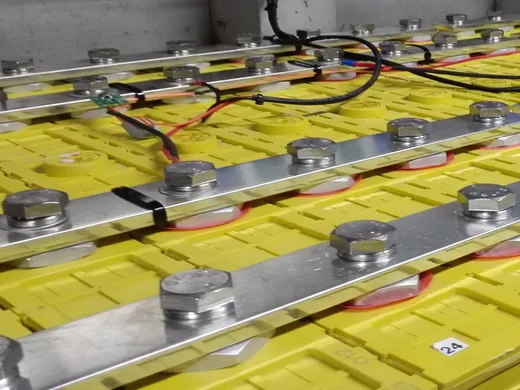
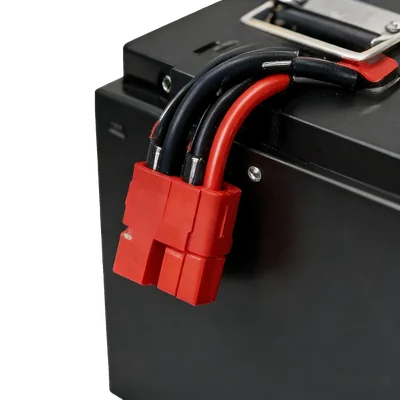


Electric motorcycle batteries in the US and European markets range from $1,500 to $16,000.
This price range is so broad it's almost meaningless. Comparing a NIU scooter battery to an Energica superbike battery is like averaging the engine repair costs of a Wuling Hongguang and a Porsche.
For most people considering a mid-to-high-end electric motorcycle, $6,000 to $12,000 is a more meaningful figure. That's roughly what it costs to replace the battery on a Zero or LiveWire.
The realistic battery replacement cost for mid-to-premium electric motorcycles like Zero and LiveWire
Why So Expensive
Automotive media constantly reports that battery costs have dropped to $115 per kilowatt-hour.
Zero sells a 3.6 kWh Power Tank for $3,200. Do the math: $889 per kilowatt-hour. Their smaller 2.4 kWh battery costs $1,599, which works out to $666 per kilowatt-hour.
Six times. Motorcycle battery costs are six times the automotive industry average.
Production volume is the main reason. Tesla produces more vehicles in a week than Zero has sold in its entire corporate history. When battery suppliers quote prices, annual orders of a million units versus ten thousand units get completely different price sheets.
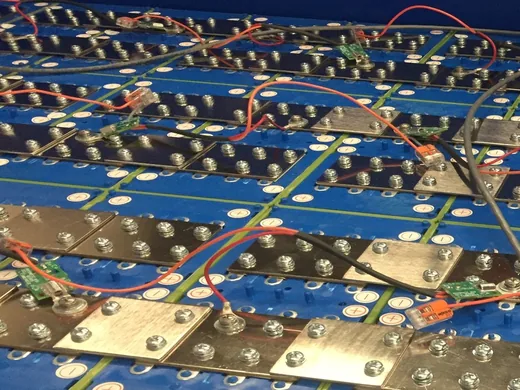
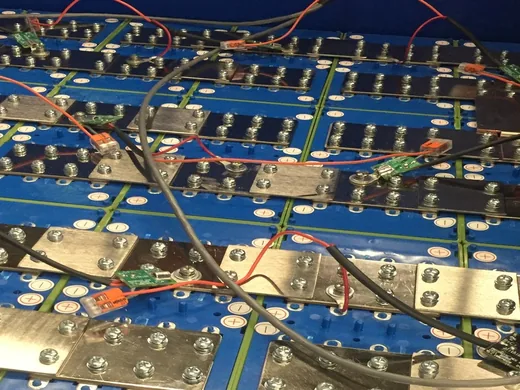
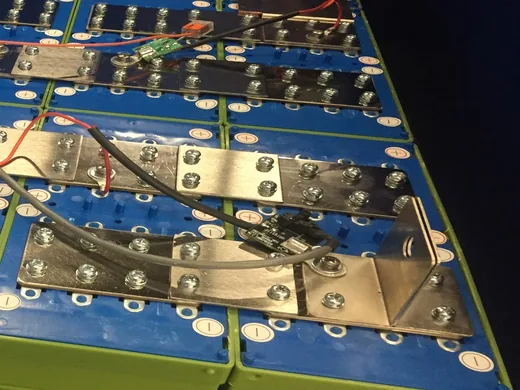
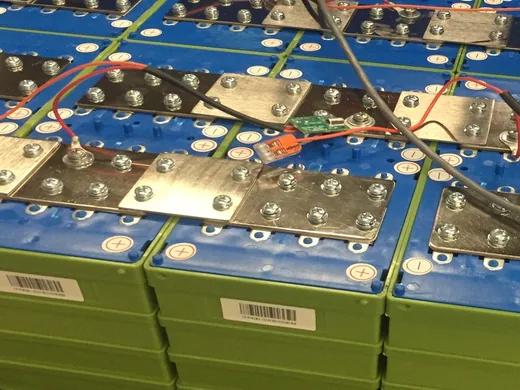
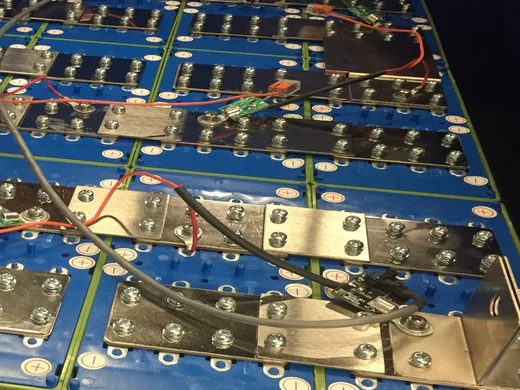
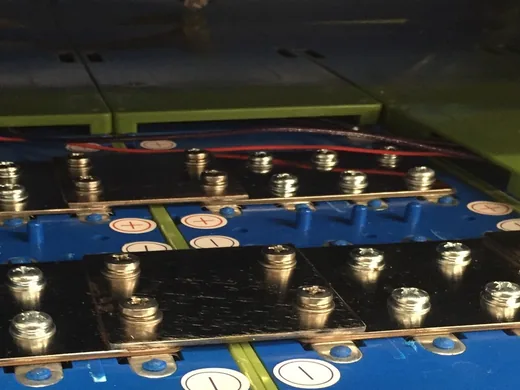
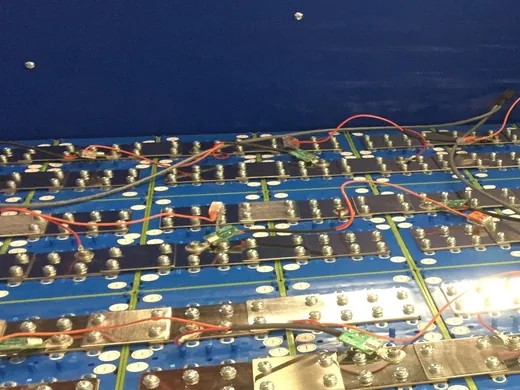
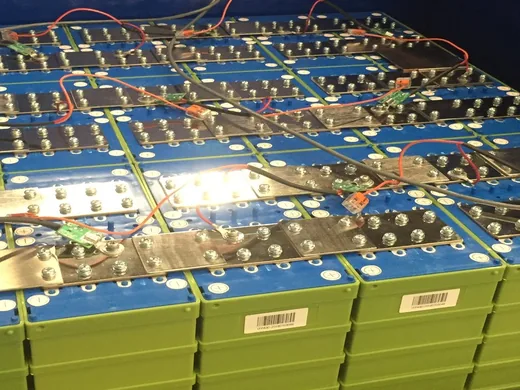
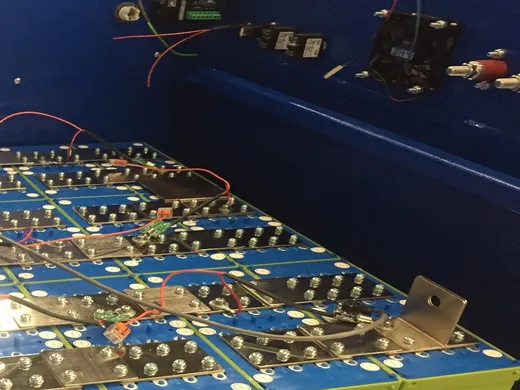
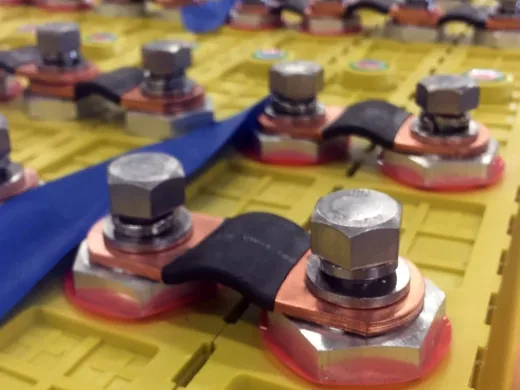
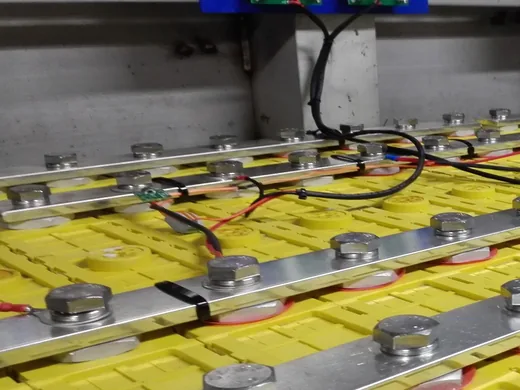
Packaging is also expensive. Motorcycle frames have irregular spaces, so batteries need custom shapes. Vibration is greater than in cars, requiring reinforcement. Cooling space is limited, so thermal management systems need redesigning. Engineering costs for each model get spread across thousands of units, not millions, so per-unit costs are naturally higher.
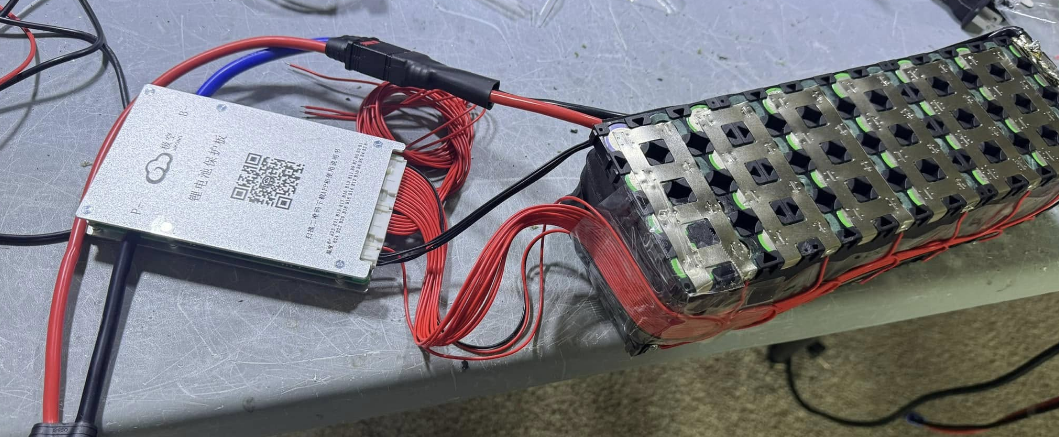
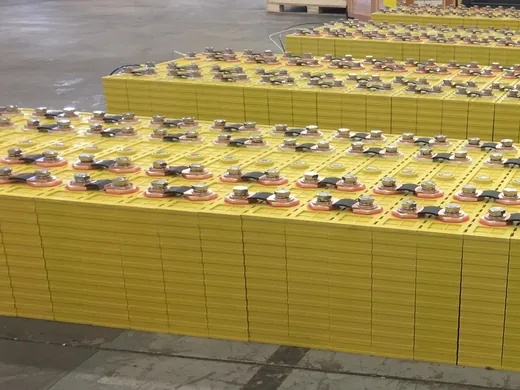
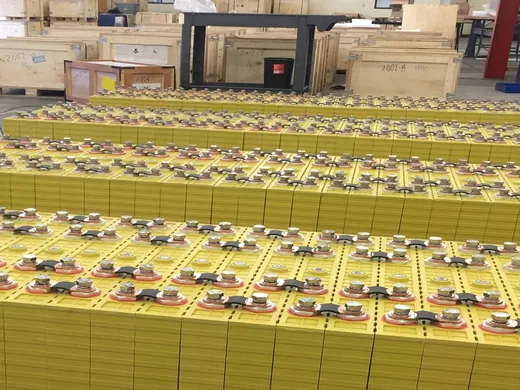
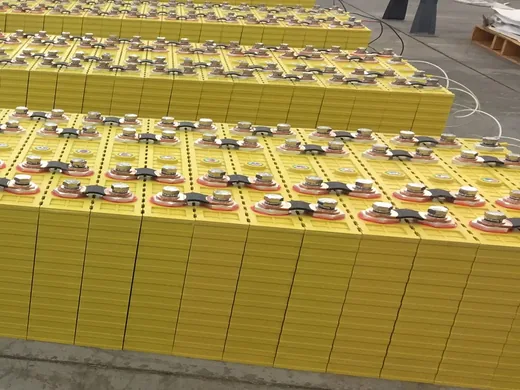
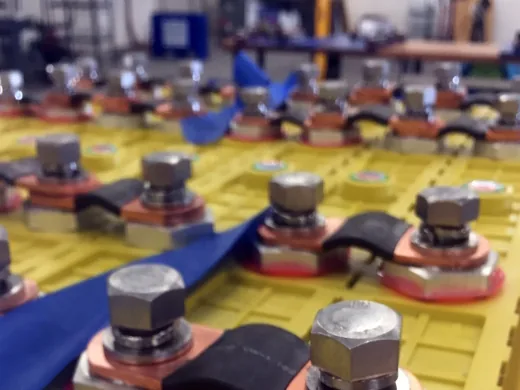
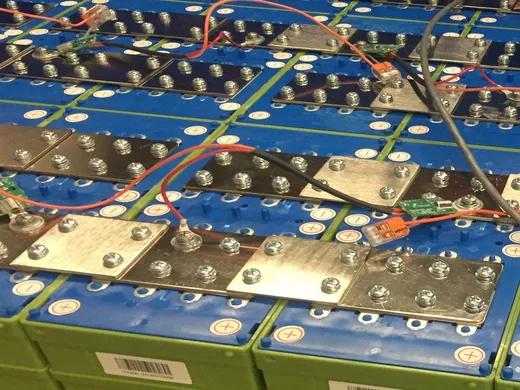
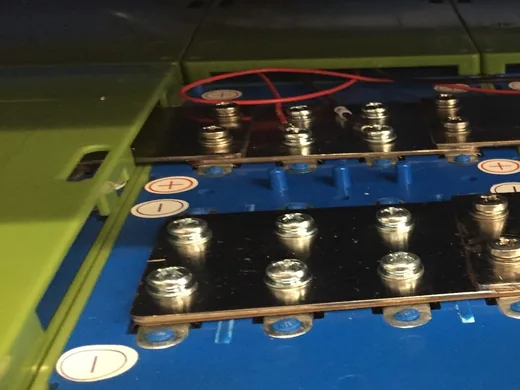
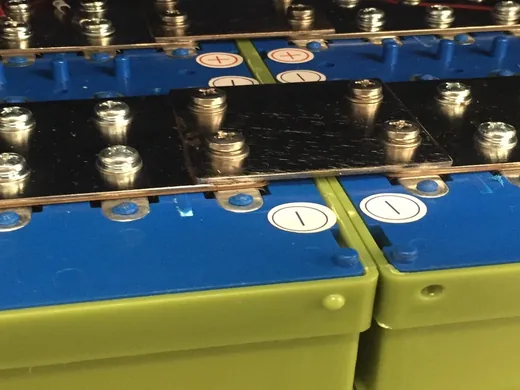
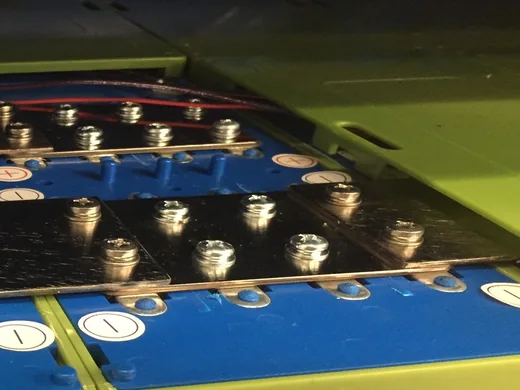
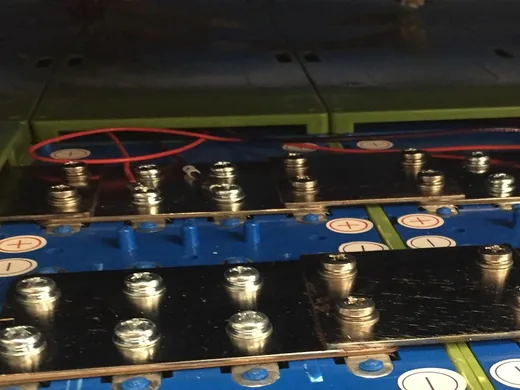
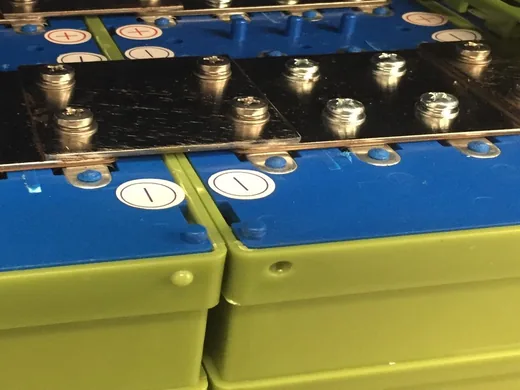
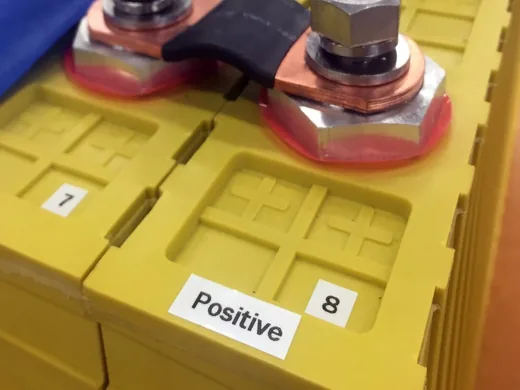
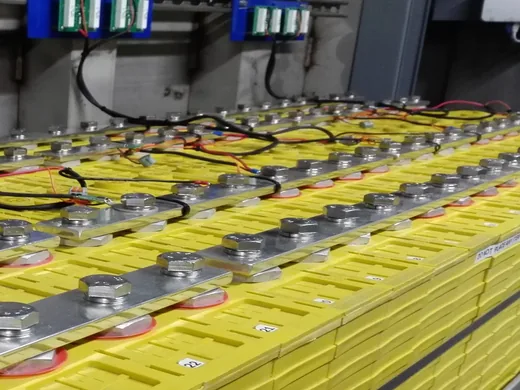
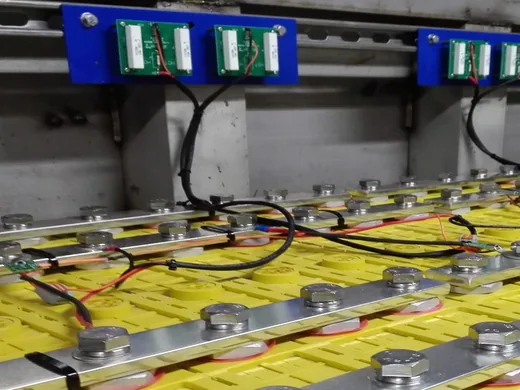
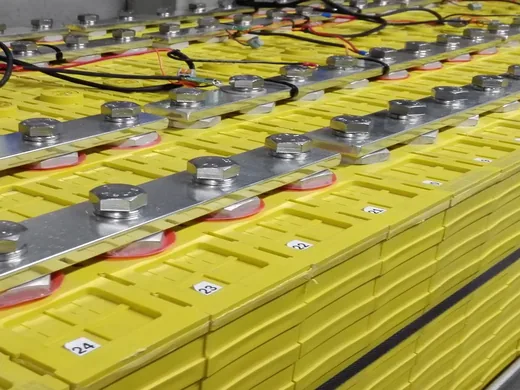
Battery packs require custom engineering for each motorcycle model
Zero at least publishes their battery accessory prices. Most manufacturers treat this like a state secret, leaving buyers to find out repair costs only when their bike breaks down.
From these numbers, you can work backward. An S or DS uses a 14.4 kWh battery, made up of four Z-Force modules. At individual module prices, that's $12,000. Full replacement through a dealer reportedly runs $6,500 to $10,000, somewhat cheaper than buying modules separately.
The flagship SR/S and DSR/X have 17.3 kWh batteries. Forum quotes cluster around $11,000 to $14,000. A California DSR owner posted their 2023 invoice: $12,400 all-in.
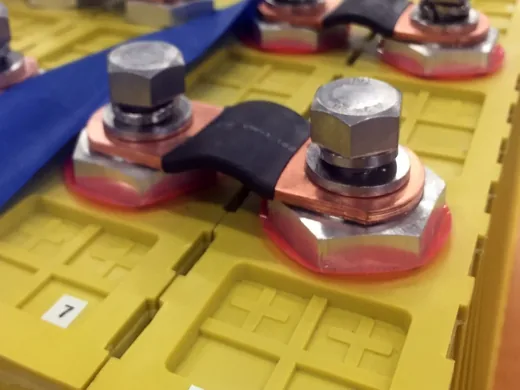
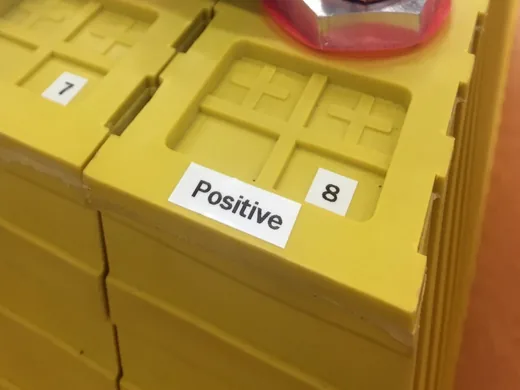
Zero's modular design has an advantage. The FX and FXE use two independent modules. If one fails, you can replace just that one. LiveWire and Energica have integrated battery packs. One bad cell means replacing the whole assembly.
About Battery Chemistry
Western manufacturers chose NMC. Chinese manufacturers chose LFP.
This divergence will produce interesting consequences in the coming years.
NMC has high energy density, 150 to 250 Wh/kg. LFP only manages 90 to 160. For the same range, LFP batteries weigh considerably more. For motorcycles, where weight affects handling, this difference matters.
LFP is much cheaper. BYD has reportedly pushed costs down to $44 per kilowatt-hour. A €2,799 NIU might have battery costs under $200.
LFP also lasts longer. NMC typically shows noticeable degradation at 1,000 to 2,000 cycles. LFP can reach 3,000 to 5,000. A daily commuter puts on about 300 cycles per year. This difference means NMC needs replacement consideration at year six or seven, while LFP might last until year twelve.
What happens when Chinese electric motorcycles enter the European market? Yadea or Vmoto offering 40% of the price, 80% of the performance, with batteries lasting twice as long. How will Western brands justify their premium?
"Our energy density is higher" becomes harder to defend. 10% more energy density, 100% higher price, 50% shorter lifespan. Consumers can do math.
LiveWire's situation is somewhat special.
Harley-Davidson spun it off as an independent public company in 2022. As a public company, financial data is available. 2023 revenue: $37 million. Loss: $99 million. Stock price down over 80% from its peak.
What does this mean for buyers?
Electric motorcycle batteries aren't generic parts. Will LiveWire still exist in ten years? If the company folds, what about replacement parts? Nobody knows the answer.
LiveWire ONE battery replacement runs about $8,000. 15.4 kWh Samsung cells. This price is mid-range for premium electric motorcycles.
Energica is a different story.
This is an Italian bike. Its competitors are Ducati and Aprilia, not Zero. Buyers want Italian design, supercar performance, heads turning on the street.
Eva Ribelle starts at around €29,930 in Europe. Ego+ RS exceeds $33,000. 21.5 kWh battery, over 400 km range.
Battery replacement is estimated at $13,000 to $16,500. Nearly half the original vehicle price.
Energica buyers don't sit down to calculate cost per kilometer. They're buying an experience. Questioning Energica's battery economics misses the point. They're not buying it to save money.
Buying from an Italian dealer is about 15% cheaper than US pricing. No transatlantic shipping, no import duties. If you're in Europe and want an Energica, there's no reason to order from America.
Scooters Are a Completely Different Market
Super Soco TC Max costs about €4,000. Battery replacement: €800 to €1,200.
NIU UQi GT starts at €1,999. Battery replacement under €600.
Govecs Schwalbe runs €5,100 to €6,990. One owner posted a receipt: battery €2,950 plus labor €850, total €3,800.
Spanish company Silence has a battery subscription model. S01 scooter €4,950 with battery, or €3,950 plus monthly subscription. Battery problems become the manufacturer's responsibility.
These prices are a completely different world from premium motorcycles. A €1,000 battery replacement on a €4,000 vehicle is normal maintenance expense. A $12,000 battery replacement on a $24,000 vehicle requires years of advance saving.
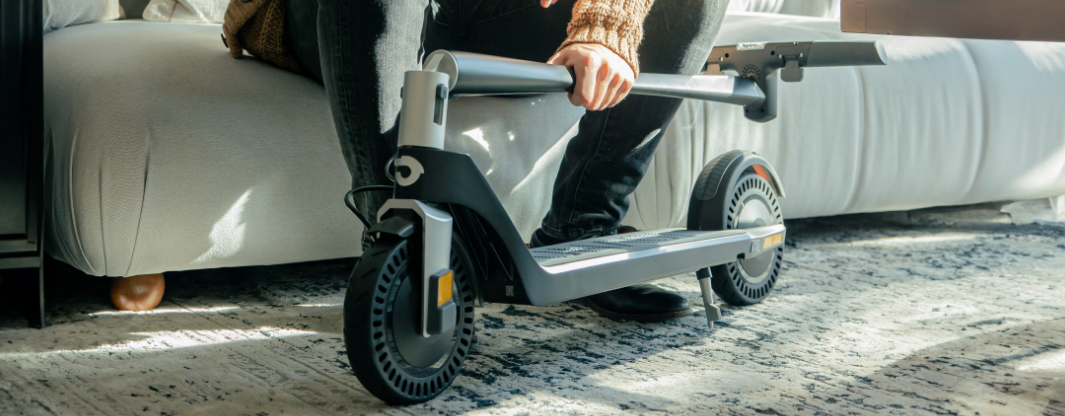
Electric scooters
Regional Price Differences
Regional price differences are worth discussing.
China produces battery packs at about $94 per kilowatt-hour. North America: $123. Europe: $139.
CATL and BYD together control about half the global market. Scale, government support, vertical integration, labor costs. Western competitors are disadvantaged on every dimension.
So European buyers pay about 50% more for equivalent battery capacity than Chinese domestic prices. Even when Chinese-made cells end up in European-brand vehicles, distribution, tariffs, and local assembly stack costs layer upon layer.
The BMW CE 04 illustrates this. An 8.9 kWh battery probably costs BMW €1,200 to €1,500 to produce. As a replacement part through dealers, it sells for €4,500 to €6,500. This markup reflects European labor, dealer margins, and warranty reserves. It won't change short-term.
About Warranties
Battery failures cluster in two time periods. Manufacturing defects in the first year or two, and natural degradation after eight to ten years. The middle period, years five through eight, actually has lower failure rates. Batteries that survive the early period generally last until gradual aging.
When buying, spend a few minutes reading the warranty terms and conditions. Are there exclusions like commercial use or unauthorized modifications? In warranty disputes, the fine print matters more than verbal promises from salespeople.
Prices Will Keep Falling
From 2010 to 2024, prices dropped 93%. Annual decline: 10% to 20%. 2022: $153 per kilowatt-hour. 2024: $115. Projected 2030: $80.
Lithium carbonate fell from $70,000 per ton to $15,000. Cobalt dropped by more than half. Raw material price drops translate directly to battery price drops.
This means battery replacement in 2030 could be 25% to 40% cheaper than today. Buy a bike in 2025, replace the battery in 2033, and the price will be considerably lower by then.
The problem with waiting is missing riding time. The joy of electric motorcycles is in riding them. If current technology and prices meet your needs, whether it's worth postponing for an uncertain discount is a personal judgment.
Do the Math Before Buying
Set aside 35% to 50% of the purchase price for future battery replacement. If prices drop, this becomes a windfall. If they don't, at least you won't be caught off guard.
Choose brands with history. Zero has operated for over fifteen years. BMW has been making motorcycles for over a century. Brand longevity doesn't guarantee anything, but it provides some reference. Between a company that's been running for three years and one for thirty, which is more likely to still exist in ten years?
Choose capacity based on daily commute distance. 7.2 kWh handles daily use within 50 miles. Buying 17 kWh for one or two long trips a year means paying for unused capacity now, and paying again for unused capacity when replacing the battery later.
The Numbers
These represent 30% to 50% of original vehicle price.
Warranties cover the first five years. Price trends favor future replacements.
Buyers who do the math ahead of time won't face surprises. Those who don't will find themselves in a difficult position years later. That's the difference.