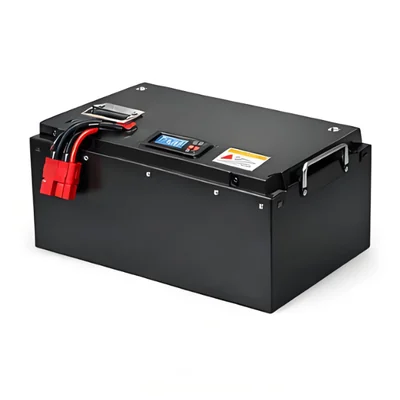
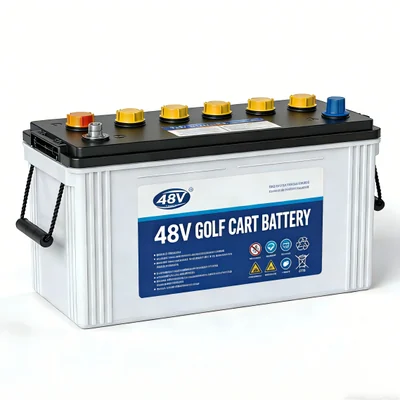
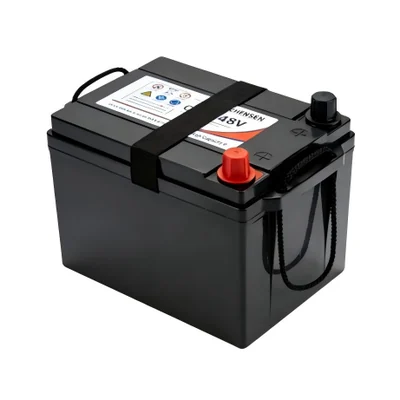
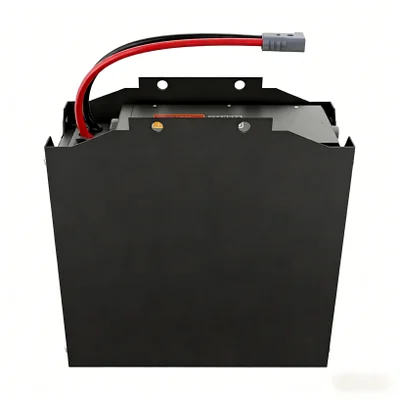
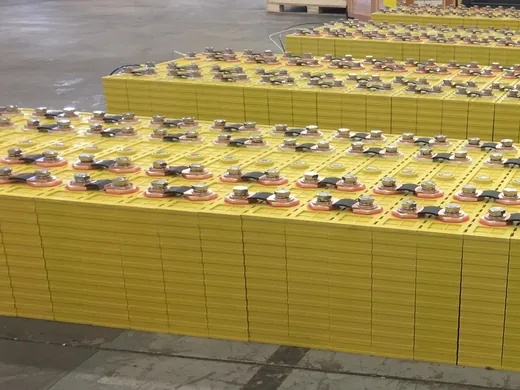
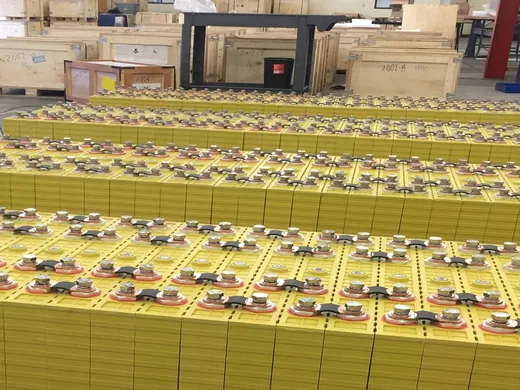
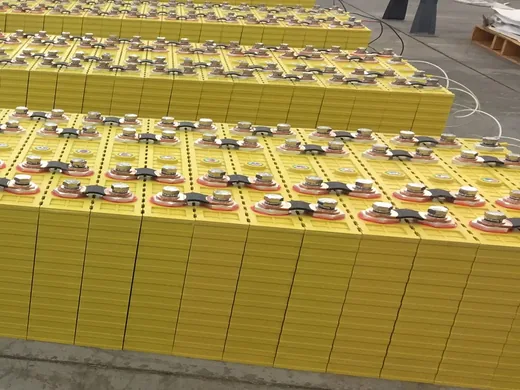
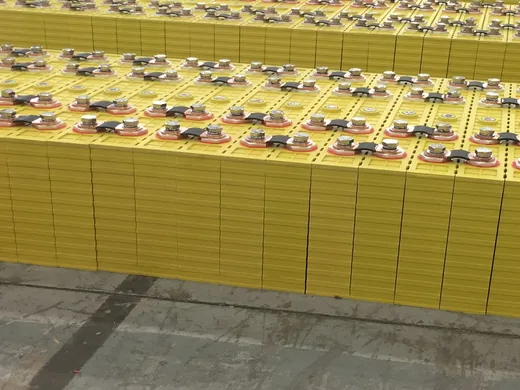
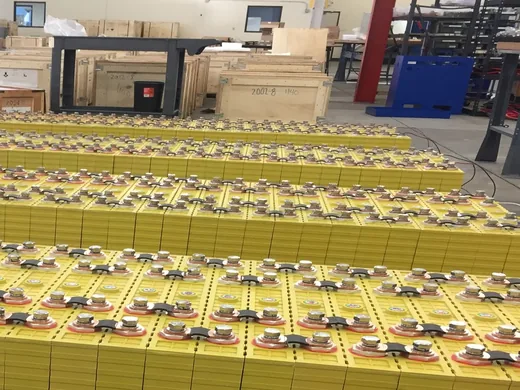
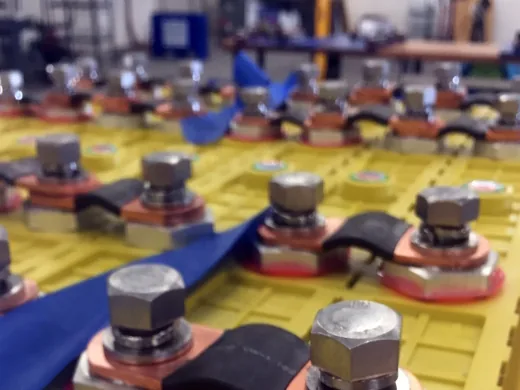
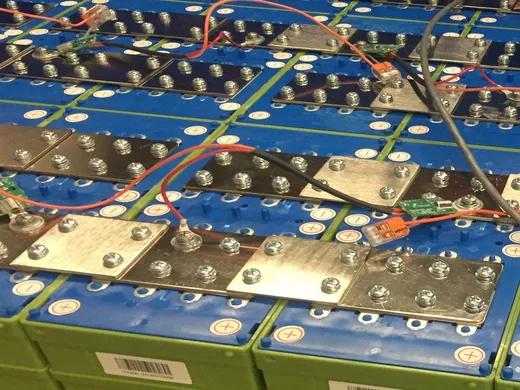
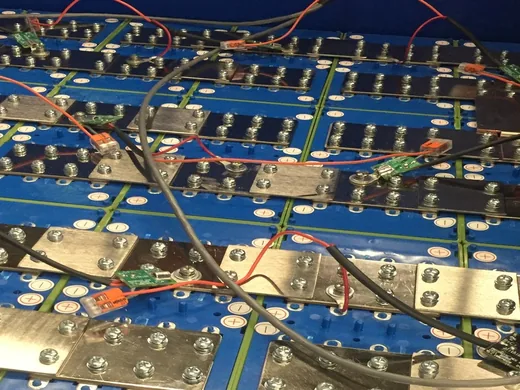
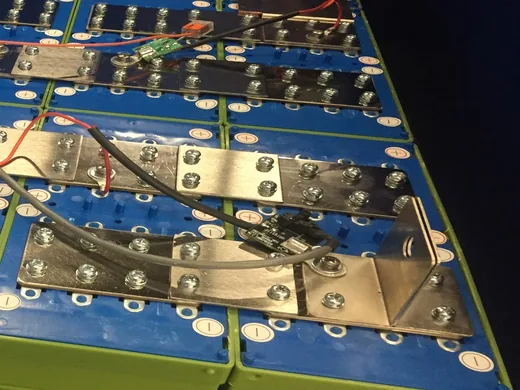
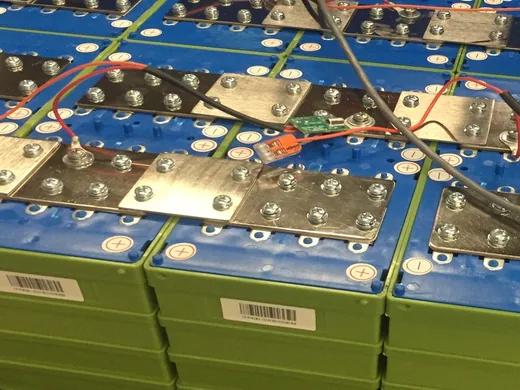
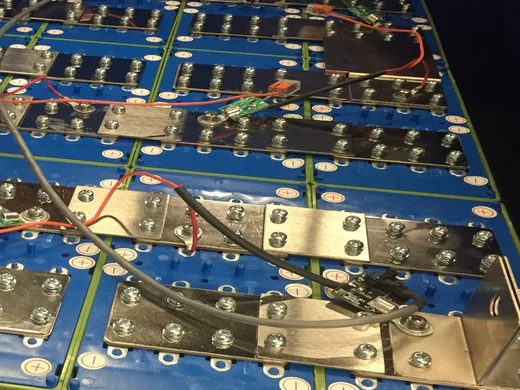
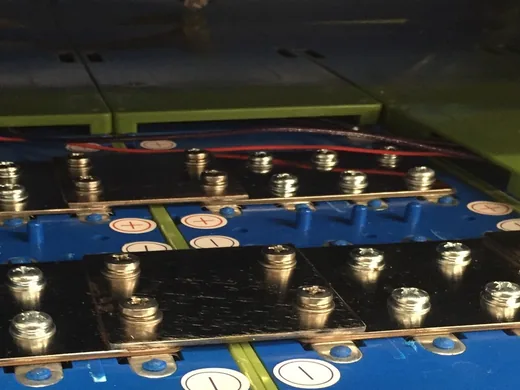
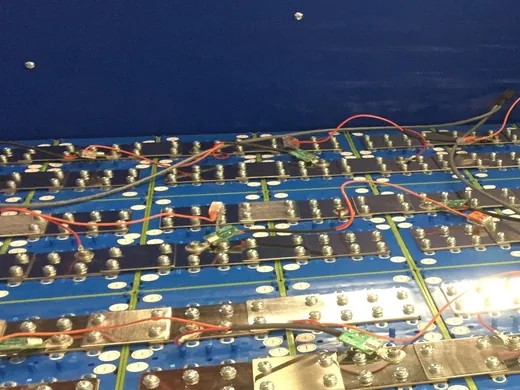
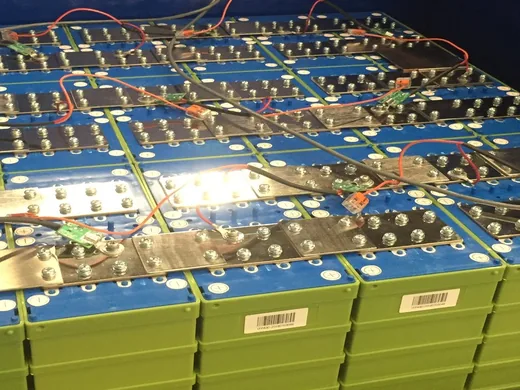
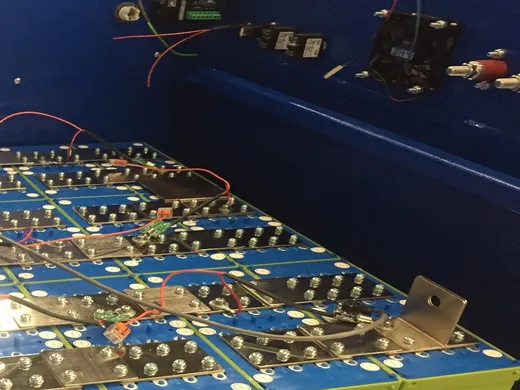
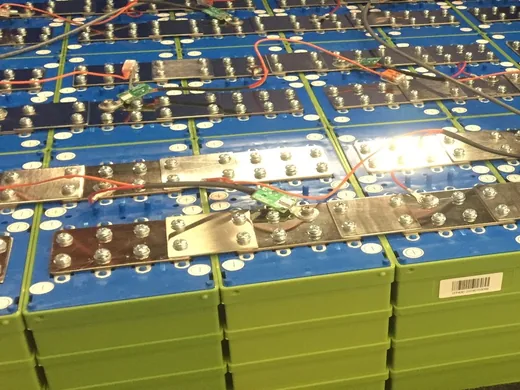
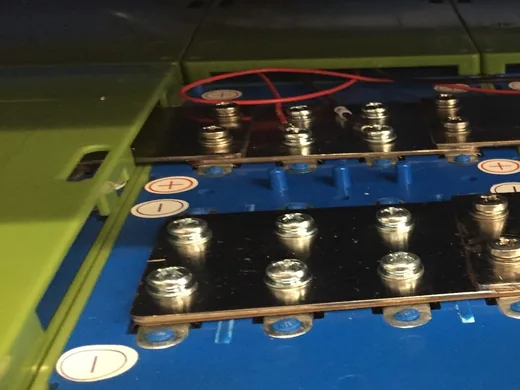
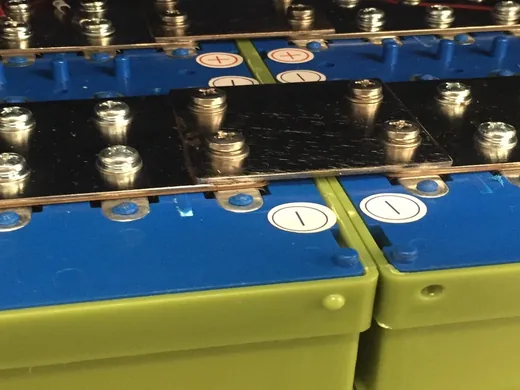
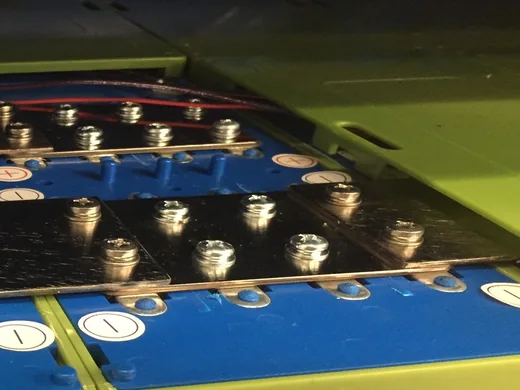
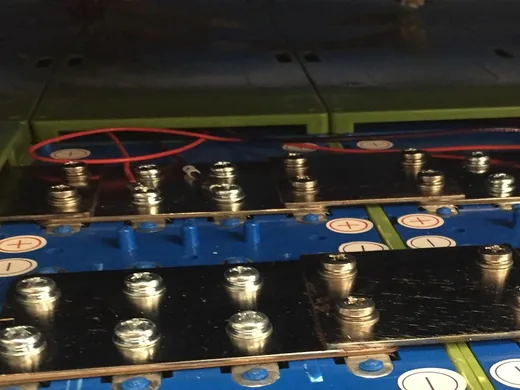
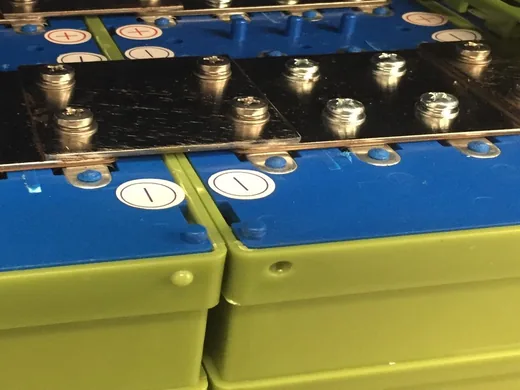
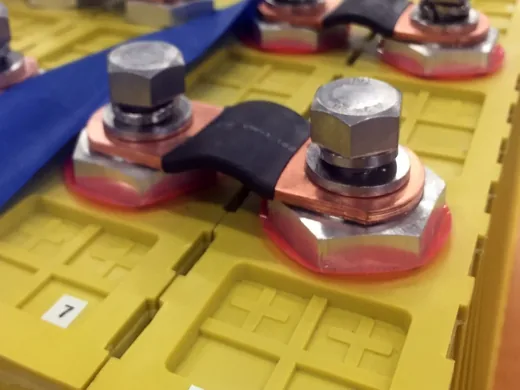
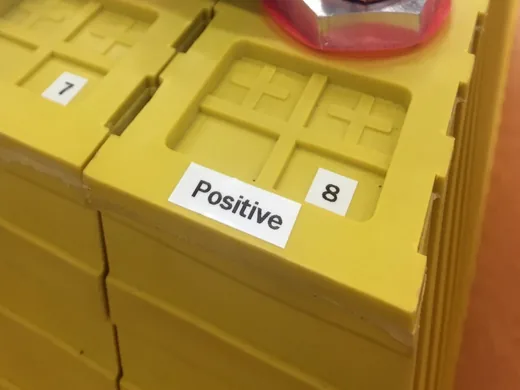
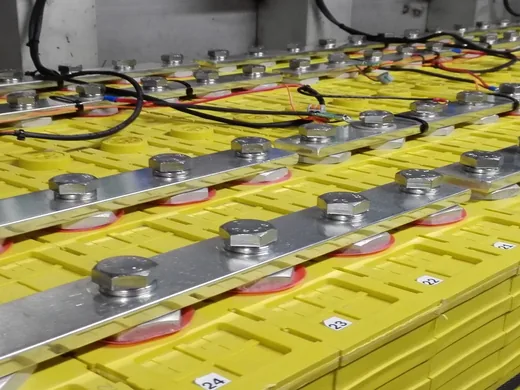
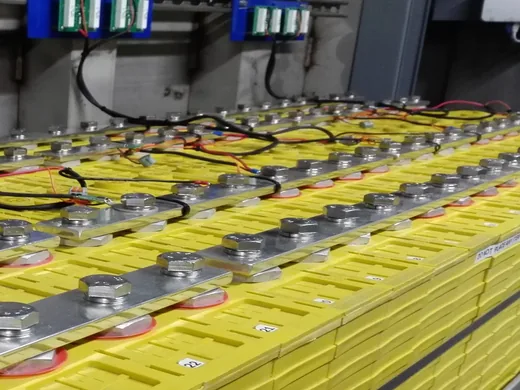
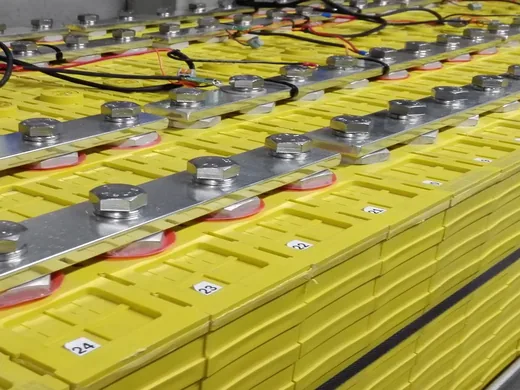


LiFePO4. Not because the spec sheets say so. The spec sheets favor NMC for most metrics that get quoted in buying guides. Energy density favors NMC. Weight favors NMC. Cold weather performance favors NMC. If battery selection were a spreadsheet exercise, NMC would win.
Battery selection is not a spreadsheet exercise. Battery selection is a bet on how a chemical system will behave over years of real use by a real person who will not follow the charging instructions, who will leave the bike in a hot garage, who will drain the battery dead and forget about it for a month, who will do everything the manual says not to do because that's what people do.
LFP tolerates all of it. NMC does not.
The Weight Thing
Walk into any bike shop and pick up two e-bikes. One has an NMC battery, one has LFP. The NMC bike feels different in the hands. Maybe 1.5 kg lighter, maybe closer to 2 kg depending on the specific packs. That difference registers immediately and creates an impression that persists through the entire sales conversation. The lighter bike seems more desirable.
Now imagine riding both bikes. Not picking them up, riding them. The weight sits on wheels and gets pushed by a motor. The 1.5 kg difference stops being noticeable within the first hundred meters. Acceleration feels the same. Cruising feels the same. Hills feel the same because the motor does the work. That weight difference that mattered in the shop has become irrelevant.
The industry knows this and sells NMC anyway because the moment of sale matters more than the years of ownership that follow. Light bikes move off showroom floors. That the battery will need replacement in three years while a heavier alternative would have lasted eight years doesn't factor into quarterly sales targets.
Some riders do need light weight. Apartment dwellers carrying bikes up four flights of stairs twice a day. People loading bikes into car trunks every weekend. Riders on technical trails where the bike gets lifted over obstacles. These use cases exist. The problem is that NMC gets recommended to everyone as though everyone lives in a fifth-floor walkup when most riders simply park the bike and ride it.
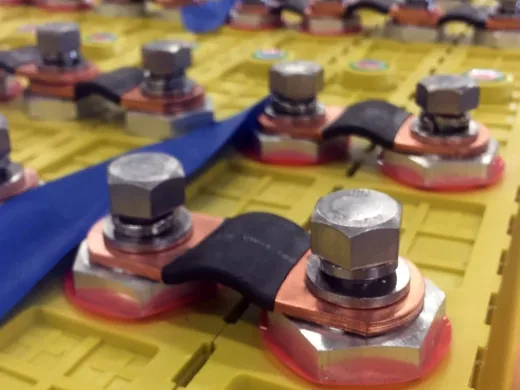
A 500Wh LFP pack weighs something like 4 to 4.5 kg depending on construction. A 500Wh NMC pack weighs maybe 2.8 to 3.2 kg. Call it roughly 1.5 kg difference as a middle estimate. That 1.5 kg buys years of additional service life, lower fire risk, and freedom from obsessive battery management. The trade seems favorable except when someone genuinely needs to haul the bike up stairs every day.
How Batteries Actually Die
The cycle life numbers on spec sheets describe laboratory conditions. NMC rated for 1,000 cycles. LFP rated for 3,000 cycles. These figures come from tests where batteries get charged and discharged under controlled temperatures with optimized charge rates and careful depth-of-discharge management. The numbers are accurate for those conditions and not very useful for predicting what happens when a real person owns the battery.
Real-world battery death happens through accumulated abuse that the cycle count doesn't capture.
Charging to 100% and leaving the battery there for days. Every day at full charge stresses NMC cathodes. The stress is small each day and it accumulates. People who charge overnight before a morning commute and then don't ride for three days have subjected their battery to exactly this stress pattern dozens of times per year. They don't know they're doing it. They think they're being prepared.
Discharging below 20% regularly. The low end of the charge range stresses NMC anodes. Riders who push until the battery dies because they didn't want to turn around have done damage that doesn't show up immediately and accelerates long-term degradation. The satisfaction of squeezing out every last kilometer costs money eventually.
Heat during charging. Batteries warm up while charging and that warmth accelerates chemical degradation. Charging in direct sunlight, charging in a hot garage in August, charging immediately after a ride when the pack is already warm from use. Nobody thinks about this. The battery sits in the sun because that's where the outlet is.
Cold during use. Winter riding when the pack temperature drops near or below freezing. NMC handles this better than LFP in terms of immediate capacity and both chemistries suffer some degree of stress from cold cycling.
None of these abuse patterns register on a cycle counter. A battery that has seen 300 gentle laboratory cycles and a battery that has seen 300 cycles of real-world abuse are in different states of health despite the identical count. The real-world battery might already be at 80% capacity while the laboratory battery still tests at 95%.
LFP chemistry responds to all of these abuse patterns more gracefully. Full charge causes less stress. Deep discharge causes less stress. Heat causes less stress. The chemistry doesn't care as much about the conditions. Riders who follow none of the recommended practices find their LFP batteries holding capacity years longer than NMC batteries owned by riders who followed every instruction.
This tolerance for abuse is the actual reason to choose LFP. Not the rated cycle count, which overstates the advantage under ideal conditions. The practical reality that most people will not baby their batteries and the chemistry that survives neglect wins over time.
The Part About Fires
E-bike battery fires make the news when they happen because they're violent and fast. A battery starts burning in a hallway and within minutes the escape route is gone. The fire spreads to furniture, walls, neighboring apartments. Water doesn't put it out. The battery reignites after firefighters leave. People have died this way.
These fires are not common. Millions of e-bikes operate without incident. The risk of any individual battery catching fire is low. The consequence when it does happen is severe enough that the risk deserves weight in the purchase decision.
NMC batteries catch fire more often than LFP batteries and burn more intensely when they do. The physics explains why. NMC stores more energy in less space, which means more energy available to release when something goes wrong. The cathode material contains oxygen that gets liberated during failure, feeding the fire from inside the cell. Once an NMC cell starts burning, it can push neighboring cells past their failure threshold, and the whole pack goes up in a cascade that nothing stops.
LFP cells can also fail and burn. The failure requires more extreme conditions to initiate. The burn is less intense. The cathode doesn't release oxygen the same way. A single LFP cell failure is less likely to cascade through the pack. Firefighters have an easier time with LFP fires than NMC fires.
The difference in fire risk shows up in the statistics. Fire departments in cities with lots of e-bikes have tracked the battery chemistries involved in fires. NMC dominates the count. LFP appears rarely.
Anyone living in an apartment where the bike charges inside the living space should weight this. Anyone with children sleeping down the hall from the charging station. Anyone whose charging spot shares walls with neighbors. Anyone whose garage attaches to the house. The probability of a fire remains low regardless of chemistry and the consequences of a fire depend on where it happens and how severe it is. LFP reduces severity.
People who charge outdoors, in detached sheds, or in locations where a fire would damage property without threatening lives have more flexibility. The stakes are lower.
What Cold Weather Means
LFP capacity drops when cold. The chemistry slows down at low temperatures and delivers less power. Below freezing the effect becomes noticeable. Somewhere around minus 10°C or colder the battery may struggle to deliver adequate power for normal riding.
This limitation is real and gets cited constantly as a reason to choose NMC. The citation often lacks context about who faces this constraint.
Temperature maps show that most of the global population lives in climates where freezing temperatures are either rare or limited to a few months per year. Most e-bike riders are not commuting through Minneapolis winters or cycling across Finnish tundra. Most riders experience cold weather as an occasional inconvenience rather than a defining constraint.
For riders in harsh winter climates who rely on e-bikes as primary transportation regardless of weather, NMC makes sense. The cold weather penalty from LFP is too severe to ignore when temperatures stay below freezing for months at a time.
For everyone else, the cold weather argument against LFP is solving a problem they don't have. A rider in Northern California or Texas or most of Europe experiences freezing temperatures rarely enough that the occasional reduced-capacity ride doesn't justify giving up LFP benefits across the other 95% of riding days.
Riders in moderate climates who worry about cold weather should ask how many days per year they ride in sub-freezing temperatures, how critical maximum range is on those specific days, and whether reduced capacity on perhaps a dozen cold days per year outweighs years of additional battery life. The answer for most riders is no.
Capacity Numbers and the Lies They Tell
Watt-hours measure battery capacity. Voltage times amp-hours equals watt-hours. A 48V battery with 14Ah capacity stores 672Wh. A 36V battery with 20Ah capacity stores 720Wh. The 36V battery has more capacity despite the lower amp-hour number because voltage matters.
Marketing materials often emphasize amp-hours without voltage context because bigger numbers look more impressive. A 20Ah battery sounds better than a 14Ah battery even though the comparison is meaningless without knowing the voltages involved. Spec sheets that list amp-hours prominently while burying voltage in fine print are designed to mislead. The salespeople using those spec sheets may not understand the deception themselves.
Calculate watt-hours. Compare watt-hours across different batteries. Ignore amp-hours as a standalone figure.
Range claims deserve even more skepticism than capacity claims. Manufacturers test range under conditions designed to maximize the number: light rider, flat terrain, low assist level, moderate temperature, no wind, smooth pavement. A 70 kg test rider on a flat bike path in 20°C weather using eco mode will travel much further than a 95 kg commuter climbing hills in a headwind using turbo mode. The advertised range reflects the test rider, not the commuter.
Real-world range under realistic conditions typically falls somewhere between 40% and 65% of the advertised figure depending on how aggressive the marketing was. A battery advertised for 80 km range might deliver 35 to 50 km for a typical rider on typical terrain. Planning around advertised range leads to getting stranded. Planning around half the advertised range provides a margin.
The relationship between capacity and real-world range depends on too many variables to predict precisely. Rider weight, terrain profile, assist level, wind, tire pressure, ambient temperature, how hard the rider pedals. Getting more capacity than strictly necessary makes sense. Batteries that routinely get drained to empty degrade faster than batteries that usually stop around 30% or 40% remaining. Buying 25% more capacity than calculated need provides both a range margin and a buffer that keeps the battery operating in a healthier part of its discharge curve.
Voltage Selection
Higher voltage systems deliver power more efficiently than lower voltage systems at equivalent wattage. A 48V system drawing 10A delivers the same power as a 36V system drawing about 13.3A. Higher current means more heat loss in wiring and connections. The efficiency difference is modest and real.
52V systems have gained popularity for this reason plus the flatter discharge curve. A 48V battery that has drained to 30% remaining capacity might sag to 42V or below under load, causing noticeable power reduction. A 52V battery at 30% capacity still delivers above 46V, maintaining stronger performance further into the discharge cycle. Riders who push their batteries hard notice this difference.
For most riders 48V represents a reasonable default. The ecosystem of motors and controllers optimized for 48V is mature and the efficiency is adequate. Riders who want hill climbing power or consistent performance throughout the entire discharge range benefit from 52V.
36V systems work for flat terrain and casual use. The lower voltage means slightly worse efficiency and slightly less power under load. These differences may not matter for riders whose demands are modest. Someone riding three kilometers to a train station on flat bike paths will never notice that 36V is doing anything less than 48V would.
Cell Quality and Why It Dominates Everything Else
Every battery pack consists of dozens or hundreds of individual cells wired together. The cells determine everything about real-world performance. Two battery packs with identical capacity ratings and identical stated chemistry can deliver different experiences based solely on which cells went inside.
Three companies manufacture the cells found in quality e-bike batteries: Samsung SDI, LG Energy Solution, and Panasonic. Each offers multiple cell models optimized for different applications. Samsung's 35E prioritizes capacity. Their 25R prioritizes power delivery. LG's M50 offers among the highest capacities available in the 21700 format. Panasonic's cells have a long safety track record, partly because they supplied early Tesla vehicles and any failure would have generated massive negative publicity.
Budget batteries use cells from manufacturers that lack the quality control and safety engineering of the major brands. These cells may test adequately when new and degrade unpredictably and lack the thermal protection characteristics engineered into brand-name products. Counterfeit cells branded with Samsung or LG logos have contaminated supply chains extensively enough that even careful buyers cannot be certain without access to testing equipment. The counterfeits look identical. The labels look identical. The only way to know is to test discharge curves and compare against known authentic samples.
The cell quality question overshadows chemistry choice in some ways. A well-built NMC pack using authentic Samsung cells will outperform and outlast a poorly-built LFP pack using off-brand cells. Comparing chemistry only makes sense when cell quality is held constant.
Asking about cell provenance when evaluating batteries provides meaningful signal about overall quality. Builders using genuine brand-name cells say so explicitly because it justifies their pricing. Vague answers about "equivalent" cells or "A-grade" cells without naming manufacturers suggest counterfeit or lower-quality components. The builder may not know what they're actually using. They may have been deceived by their own suppliers.
The Battery Management System
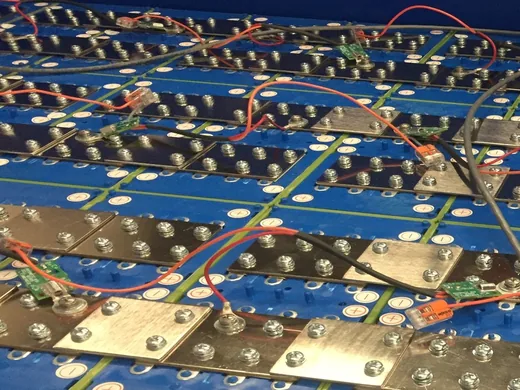
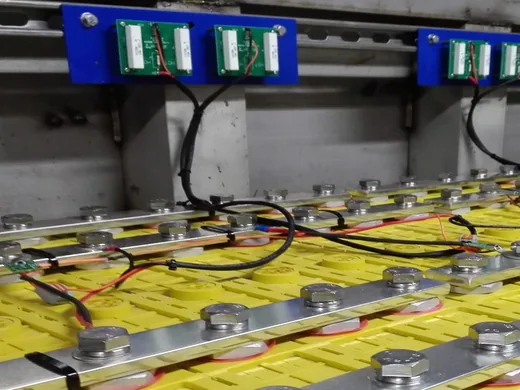
Between the cells and the outside world sits the battery management system, a circuit board that monitors cell voltages, manages charging, prevents overcurrent conditions, and protects against temperature extremes. BMS quality varies from systems that actively extend battery life to systems that barely prevent immediate catastrophic failure.
Cell balancing during charging is one job the BMS handles. Every cell in a pack drifts slightly over time, with some reaching full charge before others. Without balancing, the cell that reaches full charge first limits the pack's total capacity because charging must stop when any cell hits maximum voltage. Weak cells drag down the whole pack progressively. Good BMS designs balance cells continuously, ensuring that every cell in the pack reaches the same state of charge. Cheap BMS designs balance slowly or not at all.
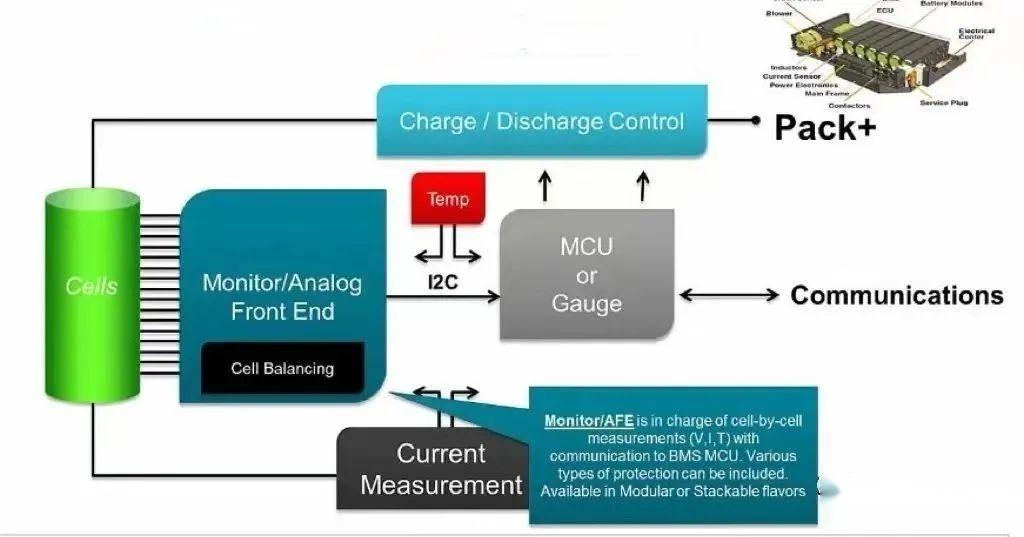
Temperature monitoring is another job. Charging below freezing causes permanent damage through lithium plating on anodes. The lithium deposits in metallic form instead of intercalating properly, reducing capacity and creating potential short circuit paths. Charging when overheated accelerates degradation through side reactions that consume electrolyte. A BMS that ignores temperature offers no protection against these failure modes. A BMS that monitors temperature and adjusts charging current or shuts down entirely when needed can add years to battery life.
The difference between a cheap BMS and a quality BMS costs perhaps $30 to $50 at manufacturing scale. Batteries that skimp on BMS quality save a trivial amount while eliminating protection that determines whether the pack lasts two years or ten years. Premium brands justify their pricing partly through genuinely better BMS components. The improvement is invisible until years later when the premium battery is still working and the budget battery is not.
Brands and Recommendations
Bosch PowerTube and Shimano STEPS are the safe choices for riders who want systems from established manufacturers with global support networks. Both companies have invested in battery management technology and both have track records across millions of units. The price premium is there and the peace of mind may be worth it for riders who prefer not to research deeply. Something goes wrong, there's a dealer network to handle it.
Giant's EnergyPak system deserves specific mention for documented longevity. The 800Wh pack reaches 2,300 cycles to 80% capacity in testing, exceeding any competitor. Riders who put serious mileage on their bikes get more value from EnergyPak than from any other integrated system. The ten-year rider, the daily commuter, the delivery worker putting 50 kilometers on every day, these are the people who benefit most from EnergyPak's longevity.
For aftermarket batteries and conversion projects, Luna Cycle and EM3EV have built reputations through years of quality construction using verified cells. Both companies publish detailed specifications and stand behind their products with meaningful warranties. A Luna pack costs more than an Amazon mystery pack and delivers more value over time.
The danger zone encompasses the flood of cheap batteries from brands that appeared recently and sell primarily through Amazon or AliExpress. Some of these may be adequate. Many contain counterfeit cells, inadequate BMS protection, or both. Distinguishing good from bad requires expertise most buyers lack. The brand that looks professional and has good reviews may be selling junk that hasn't failed yet because it's too new. The reviews will get worse in two years when the batteries start dying.
Unit Pack Power requires explicit warning. Both the U.S. Consumer Product Safety Commission and the U.K. Office for Product Safety and Standards have issued safety advisories about UPP batteries following documented fires and injuries. The company has declined to recall affected products. Anyone currently using a UPP battery should consider replacement. This is not an abstract risk. People have been hurt.
Price provides a rough quality signal. Batteries priced substantially below competitors with similar specifications are cutting costs somewhere. That somewhere is usually cells, BMS, or both. The savings are not worth the compromise.
Taking Care of Whatever Gets Purchased
Charging habits affect longevity more for NMC than for LFP, and both chemistries benefit from reasonable care.
Slow charging generates less heat than fast charging. The two-hour charge that seems convenient produces more thermal stress than an overnight charge at lower current. For batteries expected to last many years, slow charging whenever time permits pays dividends. The rider who always uses the fast charger because it came with the bike is paying a hidden cost in reduced battery life.
Avoiding storage at 100% charge reduces stress, particularly for NMC. Batteries that sit at full charge for days or weeks between rides degrade faster than batteries that sit at 50% or 60%. Charging before rides rather than after rides helps with this. Most people charge after rides because that's when they think about it. Flipping that habit extends battery life.
Avoiding storage at very low charge is also worth attention. Batteries that sit empty can fall into deep discharge states that cause permanent damage. The bike that gets parked at 5% and forgotten for a month may not recover fully. Parking the bike at 30% to 60% charge when it will sit unused provides a reasonable middle ground.
Temperature during charging and storage affects degradation rates. Room temperature is ideal. Hot environments accelerate degradation. Cold environments reduce immediate capacity and cause less long-term damage than heat. The garage that hits 45°C in summer is a worse storage location than the basement that never exceeds 25°C.
None of these practices matter as much as chemistry choice. LFP with careless charging habits outlasts NMC with careful habits in most real-world scenarios. Riders who have already chosen NMC for weight or cold weather reasons can extend the life of that choice through attentive care.
The Actual Answer
LFP for most riders. The weight penalty is real and acceptable. The cold weather penalty is real and irrelevant for most climates. The longevity advantage and safety advantage outweigh the compromises.
NMC for riders who carry bikes regularly, who need maximum winter performance in harsh climates, or who operate under weight constraints that LFP cannot satisfy.
Quality cells and quality BMS overshadow marketing claims. Brands that name their cell suppliers and provide detailed specifications deserve more trust than brands that hide behind vague claims.
Buy more capacity than calculated need suggests. The buffer provides both range safety and battery longevity by keeping operation away from stressful extremes.
Expect to replace the battery eventually regardless of chemistry. Plan for replacement cost when budgeting. A $3,000 bike with a $600 replacement battery in year four costs $3,600 over four years. Knowing that upfront prevents surprises.
The battery determines whether an e-bike provides reliable transportation for a decade or becomes a repair project within a few years. Every other component can be fixed cheaply. Getting the battery wrong costs real money.