

How Much Does an Electric Car Battery Cost?
The number everyone cites
BloombergNEF's December 2024 survey landed at $108/kWh for the global weighted average pack price. The figure gets repeated in earnings calls, analyst reports, and policy documents. It has become the industry's consensus anchor.
The methodology matters here. BloombergNEF aggregates contract data from cell manufacturers and automakers across 15 countries, weighted by volume. Large Chinese OEM contracts pull the average down. Low-volume European specialty contracts pull it up. The $108 number represents a statistical abstraction that no single buyer actually pays.
Chinese manufacturers operate in a different price regime. CATL quotes LFP cells at $53 to $56/kWh for volume contracts. BYD runs even lower, around $44/kWh for captive production. When industry veterans talk about batteries getting cheap, they mean Chinese batteries getting cheap. The cost curves in Korea, Japan, and nascent American production have flattened. Chinese production keeps dropping.
What does $108/kWh mean in practical terms? A 60 kWh pack costs roughly $6,500 at the factory gate. A 100 kWh pack runs $10,800. These are the numbers automakers plug into vehicle cost models. The battery share of total vehicle cost has dropped from north of 50% a decade ago to somewhere between 25% and 35% for most mainstream EVs. The shift happened faster than anyone projected in 2015.
Geography as destiny
Pack prices vary by region in ways that determine competitive outcomes.
| Region | Pack Price |
|---|---|
| China | $84/kWh |
| North America | $121/kWh |
| Europe | $131/kWh |
A 75 kWh pack costs $6,300 sourced from China. The same capacity from a German supplier runs $9,825. That $3,500 gap has to go somewhere. Either the Chinese-sourced vehicle underprices the European one, or the European automaker accepts thinner margins, or the European automaker sources from China and captures the difference.
Most European automakers have chosen the third option while publicly fretting about supply chain dependence. The contradiction runs through every discussion of European battery strategy. Executives announce billion-euro gigafactory investments in one breath and sign long-term Chinese supply contracts in the next. The investments make for good press releases. The contracts make for viable products.
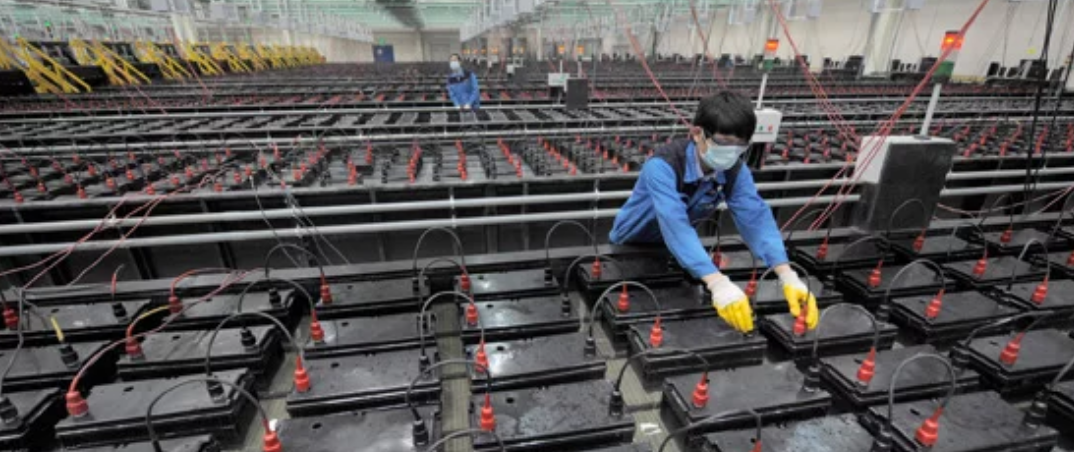
Geographic concentration of battery manufacturing in China has created significant cost advantages that European and American producers struggle to match.
The pricing gap reflects more than labor cost differentials. Chinese cell production benefits from integrated supply chains that cluster within a few hundred kilometers. Cathode materials, separators, electrolytes, and cell assembly happen in geographic proximity. Logistics costs stay minimal. Lead times compress. European and American production sprawls across continents with corresponding friction.
The dealer quote problem
Wholesale costs tell you what manufacturers pay. Retail replacement tells you what consumers pay. The relationship between these numbers varies from reasonable to predatory depending on the brand.
Tesla runs a relatively tight spread. Model 3 Standard Range pack replacement costs $10,000 to $15,000 in the United States, plus labor. The wholesale cost of a 60 kWh LFP pack sits around $5,000 to $6,000. Markup covers logistics, inventory, installation labor, and margin. The math works out to roughly 2x wholesale, which tracks with replacement part economics across the automotive industry.
Then you encounter the outliers.
BMW dealers have quoted iX owners north of $92,000 for pack replacement. The 111.5 kWh NMC pack has an estimated wholesale cost between $14,000 and $16,000 at current cell pricing. The implied markup exceeds 5x.
One interpretation holds that BMW has set replacement pricing to discourage out-of-warranty repairs entirely. Another interpretation involves margin extraction from owners with limited alternatives. Neither interpretation flatters the company.
Ford quotes $47,000 for F-150 Lightning extended range pack replacement. Mercedes wants around $50,000 for the EQS. Volkswagen charges about $27,000 for the ID.4 but engineered the pack for module-level repairs at $2,000 to $6,280 per module. The variation across brands exceeds what underlying cost structures would predict.
BYD offers the most interesting data point. Han EV pack replacement runs 70,000 to 85,000 RMB, which sounds expensive until you learn that original owners meeting usage conditions get lifetime warranty coverage. The replacement price exists primarily for second owners and commercial operators. BYD has calculated that absorbing warranty claims costs less than losing sales to battery anxiety. The calculation appears correct given their volume growth.
Chemistry choices and their consequences
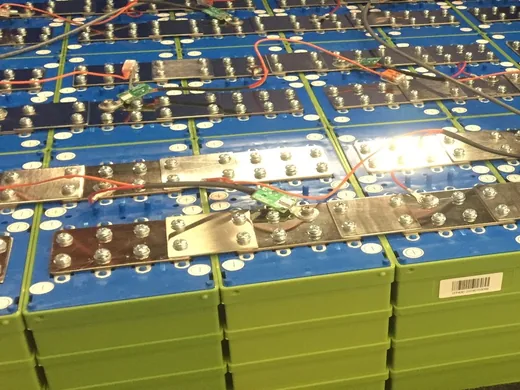
LFP cells price around $81/kWh at the pack level. NMC cells run closer to $128/kWh. The gap comes down to cathode materials. LFP uses iron and phosphate. NMC uses nickel, manganese, and cobalt. Iron is cheap and abundant. Cobalt is expensive and concentrated in the Democratic Republic of Congo.
Tesla shifted its Standard Range vehicles to LFP cells supplied by CATL. The decision traded roughly 10% to 15% of range for a 30% cost reduction. Energy density dropped from around 260 Wh/kg to 160 Wh/kg. For vehicles targeting 250 to 300 miles rather than 350-plus, the tradeoff made sense. Owners accepted the range hit. Most never drive far enough to notice.
The chemistry shift has accelerated across the industry. Chinese automakers put LFP in 75% of domestic production during 2024. European and American manufacturers have followed with varying degrees of enthusiasm. The holdouts cluster at the premium end where range anxiety marketing still moves inventory.
BYD's Blade Battery represents LFP pushed to its structural limits. The elongated cell format eliminates module-level packaging, boosting volumetric density while cutting parts count. Researchers at RWTH Aachen calculated Blade Battery material costs around €73.2/kWh, about 14% below Tesla's 4680 cells. The comparison understates BYD's advantage because BYD captures margin at every stage from raw material to finished vehicle. External suppliers extract nothing.
Blade Battery 2.0 specifications show 15% lower cost than the current generation, energy density at 210 Wh/kg, and 8C charging. Those numbers would bring LFP within striking distance of NMC energy density while maintaining the cost gap. NMC suppliers face a narrowing window of technical differentiation.
The raw material lottery
Battery cost discussions inevitably arrive at commodity prices. The path from lithium brine to finished cell runs through supply chains that have proven volatile.
Lithium carbonate traded at 88,000 RMB/ton in late 2024, then climbed to 150,000 RMB/ton by early 2025. A 70% swing inside 14 months. Contract structures smooth some of this volatility for cell manufacturers, but not all of it. The lag between spot price and cell cost runs two to four quarters depending on procurement arrangements.
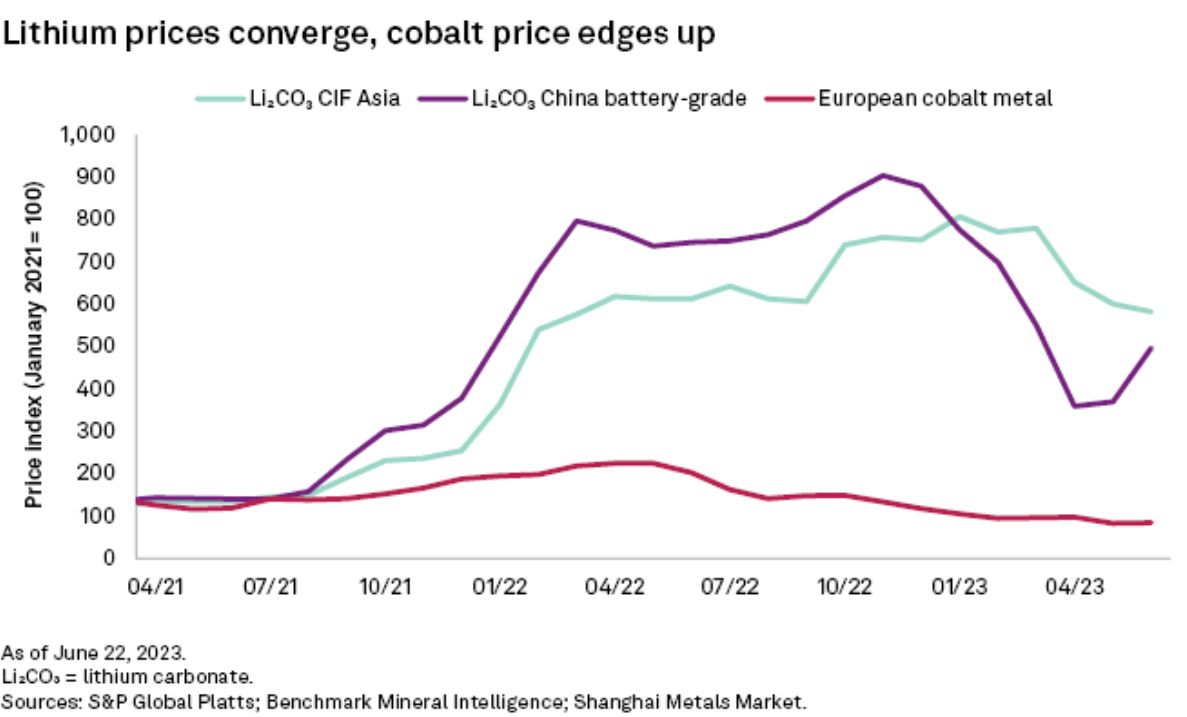
Raw material volatility, particularly in lithium and cobalt markets, continues to create uncertainty in battery pricing forecasts.
Cobalt has moved with even more violence. DRC export quotas cut available supply roughly in half. Prices spiked 335% to around $58,200/ton. The surge damages NMC economics disproportionately given cobalt's significant share of cathode costs. LFP chemistry contains no cobalt at all, which increasingly looks like a feature rather than a limitation.
Nickel offers no relief but no additional pain either. Indonesian production expansion has created persistent oversupply. Prices sit around $15,500/ton without obvious catalysts for movement in either direction.
The commodity picture reinforces the LFP trend. A chemistry that eliminates cobalt exposure and minimizes nickel exposure looks more attractive with each supply disruption. Automakers have learned that technical specifications matter less than procurement stability.
The replacement rate nobody talks about
Industry data puts pack replacement rates outside warranty at roughly 2.5%. The number deserves more attention than it receives.
Standard warranties run 8 years and 100,000 miles with degradation coverage below 70% capacity. Tesla fleet data shows average retention above 80% at 200,000 miles. Individual packs have survived past 400,000 miles with 70% remaining. The failure mode everyone fears, battery death stranding you on the highway, almost never happens. Batteries degrade gradually. Owners notice declining range over years, not sudden collapse.
Battery management systems deserve credit that they rarely receive. Temperature control prevents thermal stress during charging and driving. Charging algorithms taper current to limit overcharging. Discharge limits prevent deep cycling that accelerates degradation. The software wrapper around the cells matters almost as much as the cells themselves.
A buyer planning to keep a vehicle for 150,000 miles faces perhaps 1% to 2% odds of paying for pack replacement outside warranty. Expected cost lands in the few hundred dollar range when weighted by probability. The fear of battery replacement runs far ahead of the statistical reality.
This gap between perception and reality shapes purchase decisions in ways that may not be rational. Buyers who would accept a $3,000 transmission repair without much thought recoil from a $12,000 battery replacement that they have less than 2% chance of ever facing. The framing matters more than the math.
Third-party alternatives
The dealer-or-nothing assumption has started to break down.
Outfits like Greentec Auto and re/cell offer remanufactured packs at $115 to $145/kWh. A 75 kWh remanufactured pack runs $8,600 to $10,900 compared to $13,000 to $16,500 for OEM parts. The savings come with shorter warranties and some durability uncertainty. For vehicles already past their peak value, the tradeoff makes sense.
Module-level repair offers another path where pack architecture permits. A single failed module in a Volkswagen ID.4 costs $2,000 to $6,280 to replace rather than $27,000 for the full pack. Most battery failures originate in one or two modules rather than pack-wide degradation. Diagnosis capability matters. Technicians need to identify which modules have failed before attempting targeted repair.
Cell-to-pack and cell-to-body designs complicate module-level service. The integration that reduces manufacturing cost also reduces repair flexibility. BYD's Blade Battery delivers exceptional manufacturing economics precisely because it eliminates the modular structure that would enable partial repairs. The tradeoff favors the manufacturer over the aftermarket.
NIO and the subscription model
NIO structures battery economics around a choice that most automakers avoid offering.
Buying a 75 kWh pack outright costs 70,000 RMB. The 100 kWh version runs 108,000 RMB, recently reduced from 128,000 RMB. Monthly subscription rates land at 728 RMB for 75 kWh and 1,128 RMB for 100 kWh.
Over five years, subscription payments total about 83,000 RMB for the larger battery. Roughly 13,000 RMB more than purchasing the smaller pack outright. The premium buys several things. Subscribers carry no degradation risk. Upgrades to newer packs happen at the next swap station without capital outlay. NIO's 2,400-plus swap stations complete exchanges in three minutes.
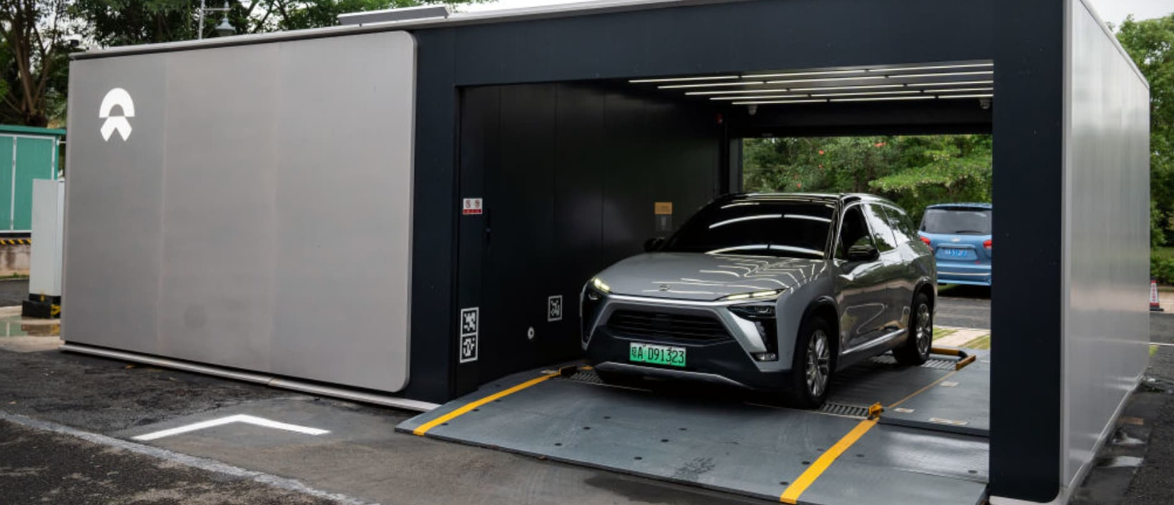
NIO's battery swap network represents a fundamentally different approach to EV ownership, decoupling the vehicle from its battery.
Owners who purchased packs in 2020 still own 2020-spec hardware. Subscribers access whatever NIO offers currently, including a 150 kWh solid-state option for extended trips. The ownership model locks in today's technology. The subscription model floats with the state of the art.
Whether the subscription premium justifies itself depends on assumptions about technology pace and personal usage patterns. NIO has structured the pricing to make the decision close rather than obvious. Both paths generate acceptable economics for different buyer profiles.
Where this leaves buyers
Pack prices will keep falling. BloombergNEF projects $69 to $80/kWh by 2030. At $75/kWh, a 75 kWh pack costs automakers $5,625. Consumer replacement at 2x wholesale would run $11,250, approaching major powertrain repair territory for conventional vehicles.
The current moment occupies an awkward middle ground. Wholesale costs have dropped enough to enable competitive vehicle pricing. Retail replacement costs have not followed proportionally. The spread creates anxiety that the underlying technology no longer justifies.
Buyers selecting vehicles today face choices that shape long-term battery economics more than most realize. LFP-equipped models cost less to produce and will cost less to replace. Vehicles designed for module-level service preserve repair options that integrated designs eliminate. Warranty terms vary enough to matter. BYD's lifetime coverage versus the industry-standard 8 years changes the risk calculation entirely.
The question everyone asks, how much does an electric car battery cost, has no single answer. The answer depends on which battery, bought by whom, installed where, serviced how. The range runs from $4,000 to $92,000 and every point between. Picking the right spot on that range comes down to decisions made at purchase rather than problems solved after.