Energy Storage Technology
What is a Stackable Battery?

Marcus Chen
January 11, 2026
A stackable battery is a modular energy storage unit that physically connects with identical units to form larger systems. Two modules give twice the capacity. Ten modules give ten times. Thirty seconds to grasp the concept. Longer to understand the engineering that makes it work without burning down houses.
The industry has settled on lithium iron phosphate chemistry for these products. Not because LFP offers the best energy density. It does not. NMC and NCA chemistries pack more energy per kilogram. LFP cells do not catch fire the same way. When an NMC cell fails catastrophically, the cathode releases oxygen. That cell can sustain combustion without external air. Videos of electric vehicle fires show this phenomenon: the battery keeps burning even when submerged in water. LFP chemistry lacks that failure mode. A failing LFP cell gets hot, maybe vents some electrolyte, and the fire triangle breaks without that internal oxygen source. For a product sitting in a garage next to the family car, that difference matters more than a few extra watt-hours per kilogram.
The Connection Problem
Here is what the marketing materials skip: the connection between modules is where stackable batteries fail.
Not the cells. Modern LFP cells from CATL, BYD, or EVE Energy come off production lines with tight tolerances. Manufacturing has matured. Cell-level failures happen and rarely cause system-level problems because the BMS catches them early.
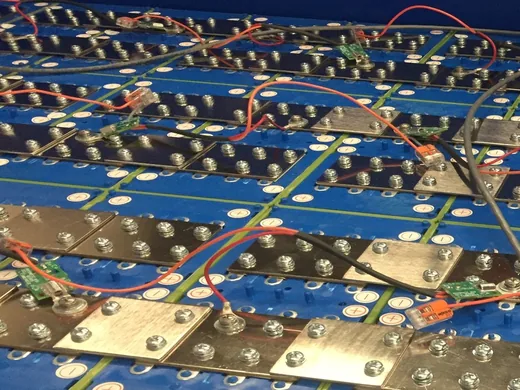
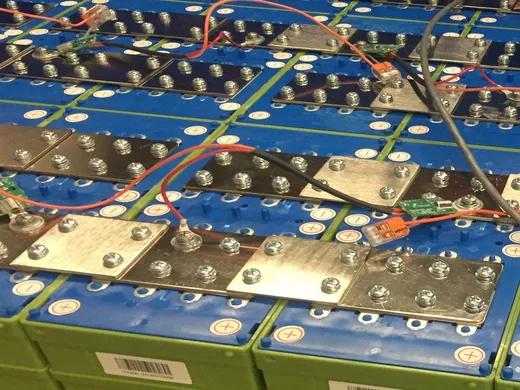
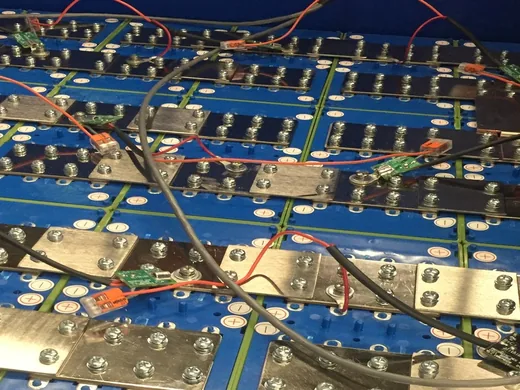
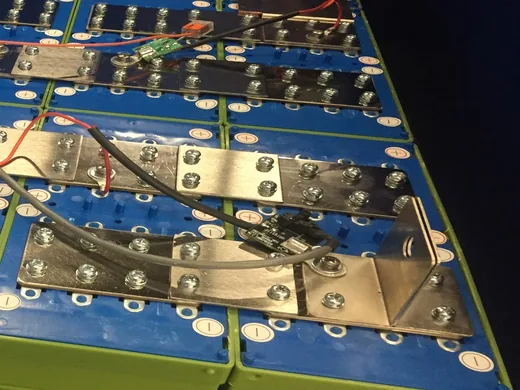
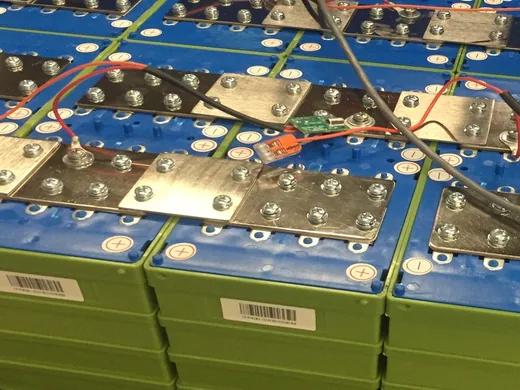
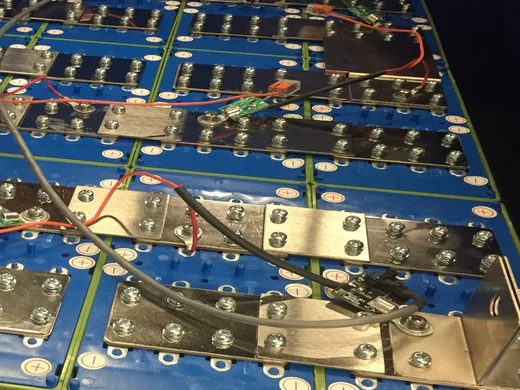
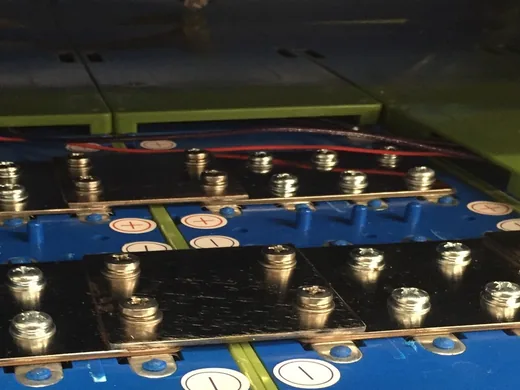
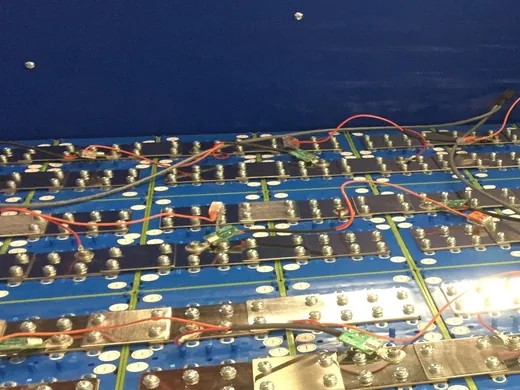
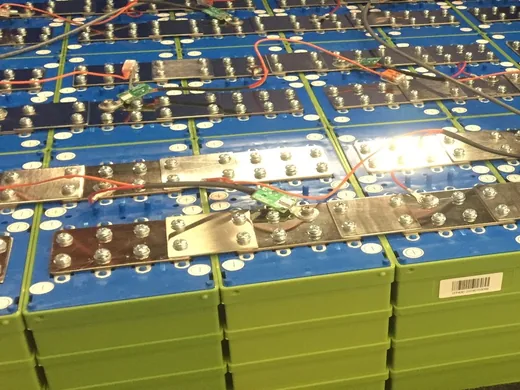
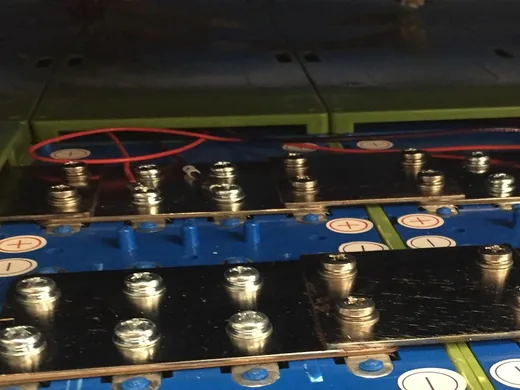
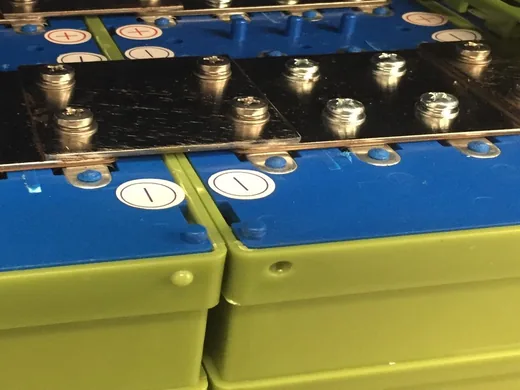
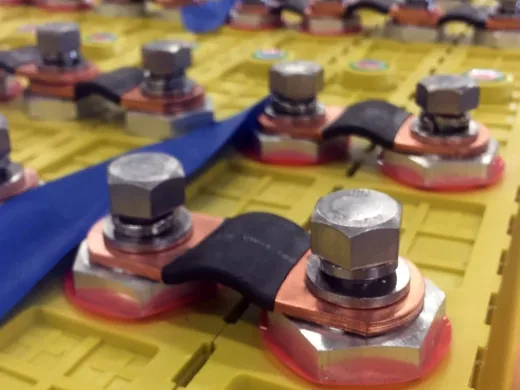
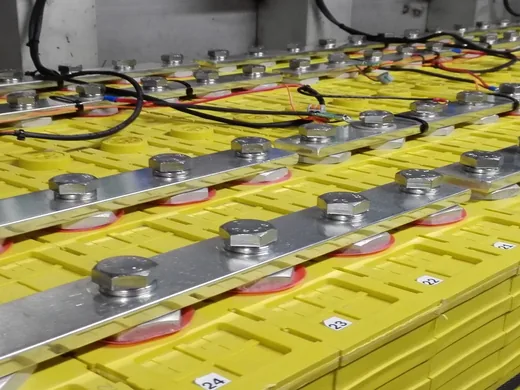
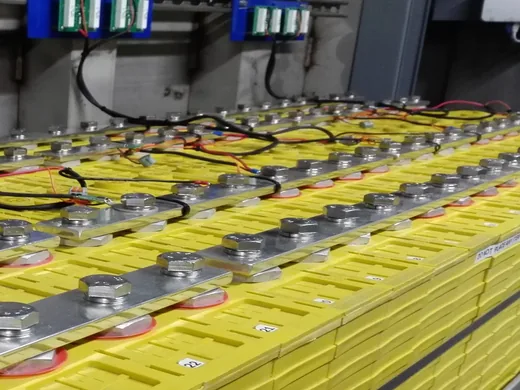
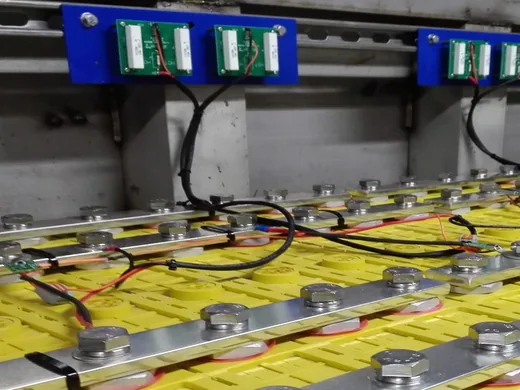
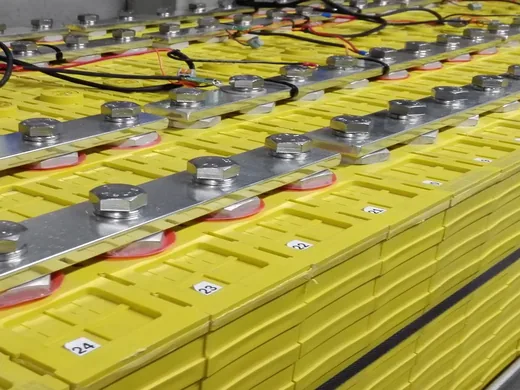
Connections between modules carry high current through contact points that experience thermal cycling every single day. Charge the battery, the contacts heat up. Discharge, they heat up more. Let the system sit overnight, everything cools and contracts. Repeat this cycle 3,000 times over eight years. Contact resistance creeps upward. Higher resistance means more heat at the connection. More heat means faster oxidation. Faster oxidation means even higher resistance. This failure mode is progressive and often invisible until something melts.
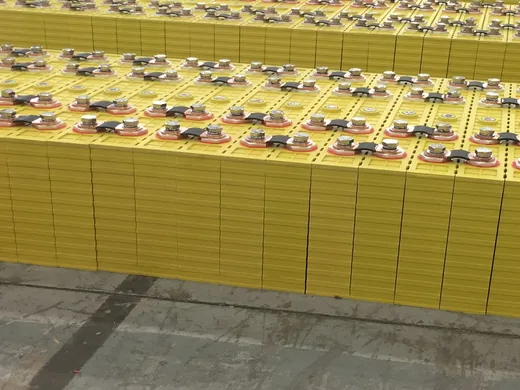
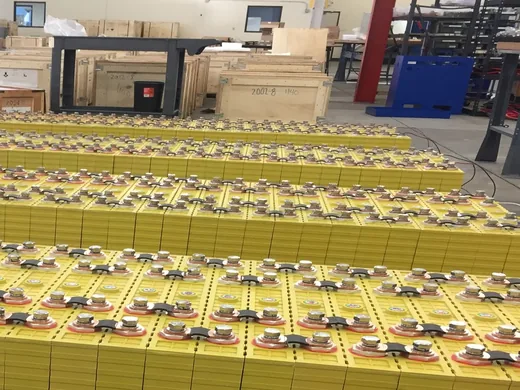
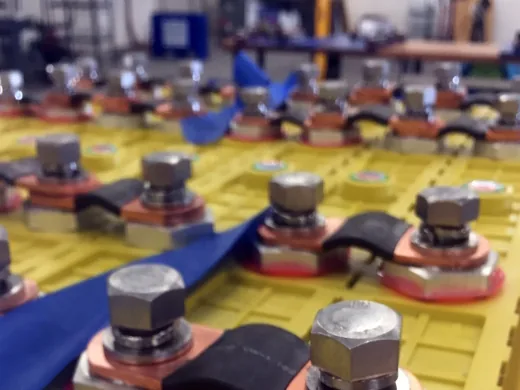
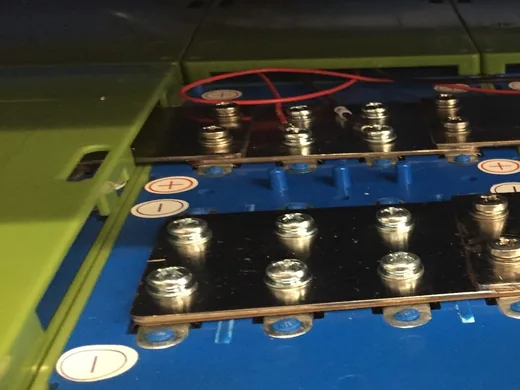
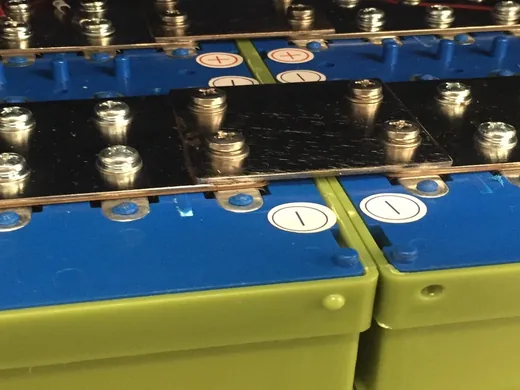
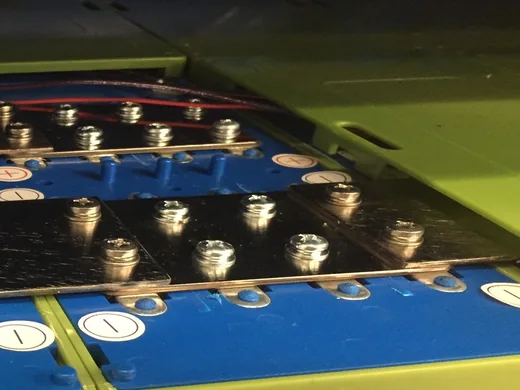
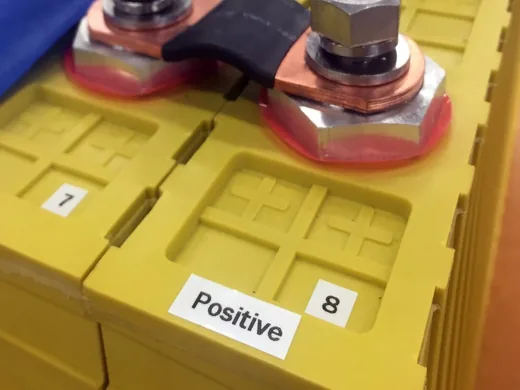
High-quality battery connections use gold or silver plated contacts to maintain conductivity over thousands of thermal cycles
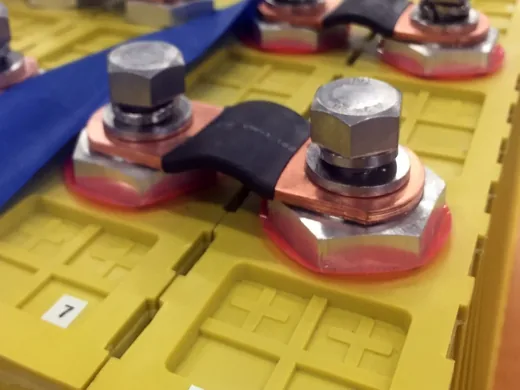
Premium manufacturers address this with gold or silver plated contacts, spring-loaded terminals that maintain pressure as materials expand and contract, and integrated busbars that eliminate cable connections entirely. BYD's Battery-Box Premium series uses a plug-and-play connection system that requires no tools and no cables between modules. Tesla's Powerwall 3 integrates the inverter directly, removing another potential failure point. Enphase went further with the IQ series, putting a microinverter on each battery module so there is no single high-current connection at all.
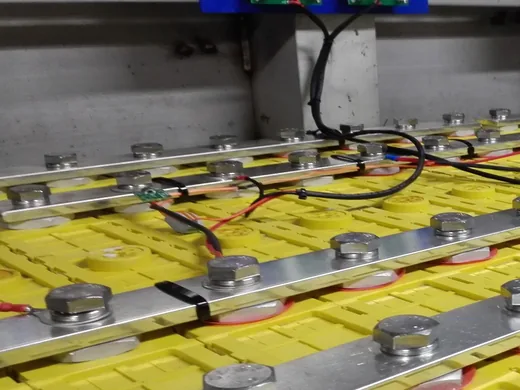
Budget manufacturers use bare copper terminals, cable connections with ring lugs, and torque specifications that installers may or may not follow correctly. An installer tightens the connection, checks it once, and leaves. Nobody returns in six months to re-torque after the initial thermal settling. Nobody checks again at year two when the cumulative cycling has worked the connection slightly loose. Five years later, the callbacks start.
Each module's BMS monitors its own cells. It cannot directly measure connection resistance to adjacent modules. Some systems infer connection health from voltage drops during high-current events. Most do not.
Data exists in the system logs if anyone thought to look. Consumer-grade monitoring apps show state of charge and daily energy flow, not millivolt deviations during discharge transients that might indicate a developing connection problem.
Homeowners discover the problem when the battery trips on overtemperature. Or when the inverter throws a communication fault because the voltage sag during high load exceeds tolerance. Or, in the worst cases documented in installer forums, when the smell of hot plastic reaches the kitchen.
One installer in Arizona described a callback where a four-module stack had developed visible discoloration at the connection between modules two and three. That homeowner had noticed nothing. Normal operation showed on the app. Daily desert temperature swings had worked that particular connection point harder than the others, and the resistance had climbed high enough that 20 amps of current was generating heat. Caught before failure. Fixing it required replacing the entire interconnect assembly because the busbars had warped.
This failure mode does not appear in specification sheets. Cycle life ratings assume the connections remain intact. Round-trip efficiency measurements happen in climate-controlled laboratories with fresh equipment. Real-world performance of a stackable battery system depends heavily on factors that no data sheet captures. Installation quality matters. Environmental conditions matter. Slow degradation of mechanical connections over thousands of thermal cycles matters most of all.
Series Strings and the Weakest Link
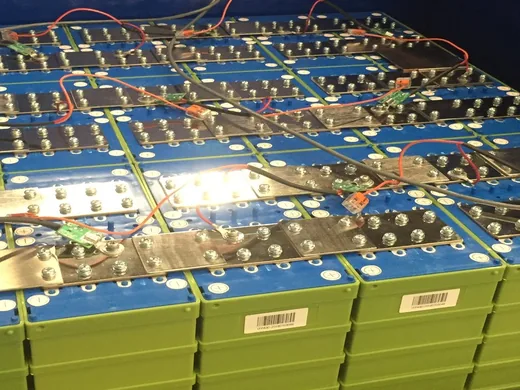
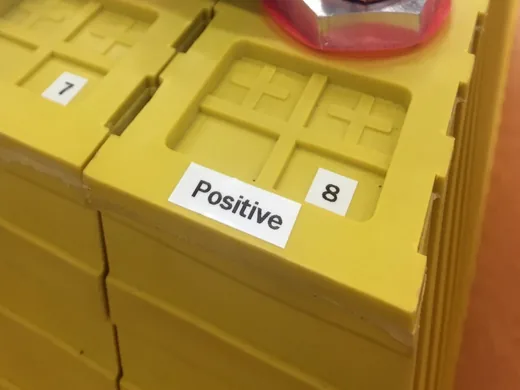
Stackable batteries connect in series, parallel, or both. Series connections add voltage. Parallel connections add capacity. Notation like 4S2P means four cells in series, two of those strings in parallel.
Series connections have a constraint that affects expandable systems: current flows through every module in the string. Whichever module has the lowest capacity limits the entire string.
Consider a system with three modules rated at 5kWh each and one older module that has degraded to 4kWh. That string does not deliver 19kWh. It delivers 16kWh. When the degraded module empties, the BMS shuts down the string to prevent over-discharge damage. Three healthy modules still hold energy that cannot be accessed.
This constraint creates a problem the marketing never mentions. Batteries degrade with use. A module installed today will have lost perhaps 10% capacity after five years of daily cycling. Adding a fresh module to that aged system means the fresh module operates throttled to match its older siblings. Fresh modules cannot contribute full capacity because the series string limits them.
Key Insight
The practical implication: expanding a series-configured system works best when done with modules of similar age. Adding one new module to a five-year-old system wastes some of that new module's capacity. Adding four new modules in a separate string, parallel to the existing string, preserves full capacity of both old and new.
Sales pitches never mention this. Brochures show a homeowner happily adding a single module to an existing stack, implying easy expansion with no catches. Reality involves nuance that complicates the marketing message. A five-year-old system with three modules at 90% capacity cannot accept a fresh module at 100% capacity without the fresh module being limited to 90%. Customers pay for 100%, get 90%, and nobody explains why unless they ask specifically.
Some installers have learned to stock older modules for expansion projects, matching age and wear to existing systems. Others simply install new modules and let the customers discover the limitation when the app shows less added capacity than expected. No industry disclosure standards exist for this issue.
Some manufacturers have figured this out. Enphase's architecture uses parallel connections between modules precisely to avoid this problem. Each module operates independently, contributing whatever capacity it has without constraining the others. Tradeoffs include lower system voltage, requiring more complex inverter design and slightly lower efficiency. Expandability actually works as advertised. When Enphase says add a module and get 5kWh more storage, that is what happens regardless of the age of existing modules.
Tesla took a different approach with the Powerwall 3 by discouraging expansion. It comes as a sealed 13.5kWh system. Adding capacity means adding another complete Powerwall, not stacking modules. This sidesteps the series degradation problem and abandons the granular expandability that defines the stackable category. Whether this represents pragmatic engineering or admission that true modularity creates more problems than it solves depends on who you ask.
The Real Cost Calculation
Price per kilowatt-hour on a specification sheet
A Tesla Powerwall 3 costs around $9,500 for 13.5kWh, roughly $700/kWh. A BYD Battery-Box Premium HVM with four modules costs about $6,000 for 11kWh, roughly $545/kWh. A stack of EcoFlow DELTA Pro units might run $800/kWh or more. Fortress Power offers its LFP-10 modules at roughly $450/kWh and requires a separate inverter.
These numbers are meaningless without context.
Powerwalls include an integrated inverter rated for 11.5kW continuous output. BYD requires a separate inverter costing $2,000 to $4,000 depending on capacity and brand. Pair that BYD with a SolarEdge Energy Hub and the total cost approaches the Powerwall. Pair it with a budget off-brand inverter from Alibaba and you save money now, gamble on support later. EcoFlow units are portable, include AC outlets and USB ports, and serve different use cases than either grid-tied system.

Professional installation costs can vary significantly based on electrical panel requirements and local permitting
Installation costs vary more than equipment costs. A straightforward garage installation with an existing 200A panel and available wall space might add $2,000. A complex installation requiring electrical panel upgrades, subpanel additions, trenching for conduit, and multiple permit inspections can add $8,000 or more. One homeowner in Massachusetts documented $14,000 in installation costs for a $10,000 battery system because the utility required a dedicated transformer and the town required firewall separation from the living space. Another in California faced a six-month permit delay because the fire marshal wanted to review the battery chemistry documentation personally.
Stackable designs affect installation cost directly. Lighter modules require less labor. A single installer can carry a 50kg Enphase IQ module up a flight of stairs. Moving a 130kg Powerwall requires two people and sometimes a hand truck or lift equipment. Integrated connections reduce wiring time. Adding capacity later means the initial installation can be sized smaller, with infrastructure oversized for future expansion. Installing conduit for three future modules costs almost nothing extra during initial installation. Running that conduit later means opening walls, patching drywall, and repainting.
Cost Comparison at a Glance
Tesla Powerwall 3 (13.5kWh, integrated inverter)
~$700/kWh
BYD Battery-Box Premium HVM (11kWh, 4 modules)
~$545/kWh
EcoFlow DELTA Pro (portable, AC outlets)
~$800/kWh
Fortress Power LFP-10 (inverter required)
~$450/kWh
What actually matters is lifetime cost per usable kilowatt-hour delivered. A $10,000 system that delivers 5,000 full cycles costs $2 per kWh cycled, ignoring time value of money. A $6,000 system that delivers 3,000 cycles before connection failures require replacement costs $2 per kWh cycled. Same effective price, very different upfront cost and lifespan. Cheaper systems tie up less capital and require replacement sooner. Which makes more sense depends on interest rates, tax incentives, and how long you plan to stay in the house.
Warranty terms reveal what manufacturers actually believe about their products. Enphase offers 15 years on the IQ batteries. Tesla offers 10 years on Powerwall. Sonnen offers 10 years or 10,000 cycles. Most Chinese manufacturers offer 10 years. Warranty enforcement for a company with no local service network remains untested in court. When a CATL-sourced battery pack from a no-name brand fails in year seven, who answers the phone? Warranty documents provide an answer. Whether that answer survives contact with reality is a separate question.
Applications in Brief
Residential solar storage remains the primary market. Store daytime solar production, use it after sunset, have backup when the grid fails. Value depends on local electricity rates and solar production. In California with time-of-use rates that swing from $0.25/kWh off-peak to $0.55/kWh peak, the arbitrage opportunity justifies battery investment within five to seven years. In states with flat rates and net metering, economics depend almost entirely on backup value and how much you fear outages.
Commercial installations chase demand charge reduction more than energy arbitrage. Peak demand charges on commercial electric bills often exceed total energy charges. A battery that shaves 50kW from monthly peak demand might save $500/month regardless of how much energy it stores or delivers. Warehouses with forklift chargers, manufacturing facilities with intermittent heavy equipment, and office buildings with elevator banks all create demand spikes that batteries can absorb.
Portable stackable systems from EcoFlow, Bluetti, and others serve camping, job sites, and emergency backup. These systems sacrifice efficiency and longevity for portability and convenience. Different product category, different buyers, different priorities. A contractor running power tools at a remote site cares about weight and outlets, not cycle life projections for 2035.
Making the Choice
Stackable versus fixed-capacity decisions depend on one variable: confidence in predicting future needs.
High confidence, buy fixed capacity and optimize cost. Low confidence, buy stackable and pay for optionality.
Most residential buyers should choose stackable. Energy needs change. Electric vehicles appear in driveways. Heat pumps replace gas furnaces. Teenagers move out or boomerang back. Rate structures shift. Adding capacity without replacing equipment has real value even if that capacity never actually gets added. Insurance against prediction errors costs something. Usually worth paying.
Brands that have earned trust through field performance are Tesla, Enphase, BYD, and Sonnen in North America. Each has thousands of units operating for years with publicly traceable reliability data. Newer entrants may offer better specifications on paper. Specifications do not catch fires or honor warranties. Track records do.
Tesla
Enphase
BYD
Sonnen