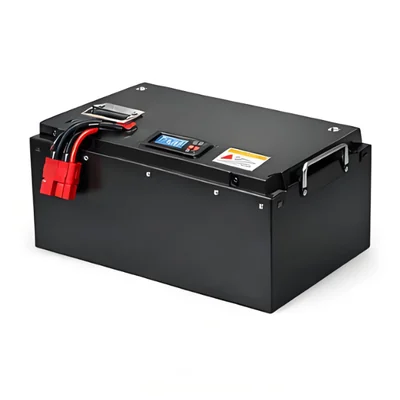
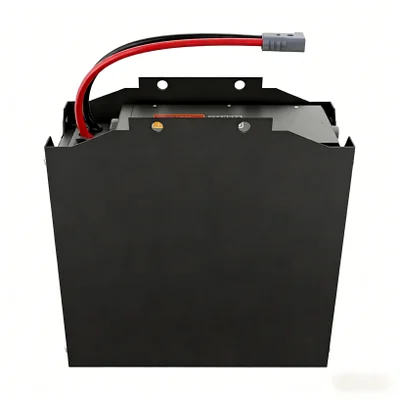
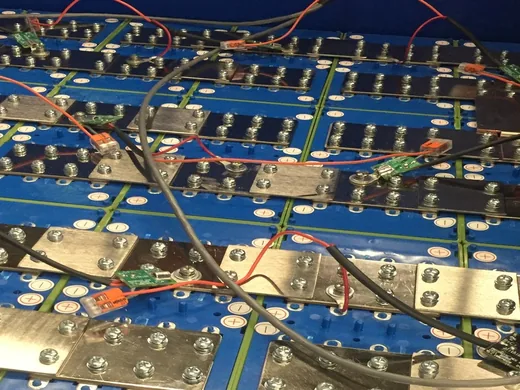
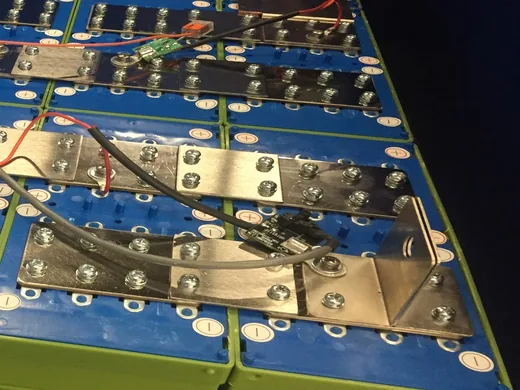
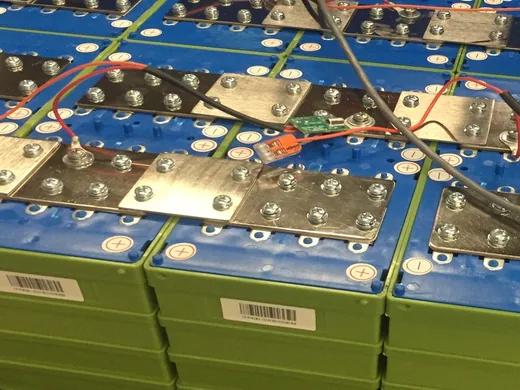
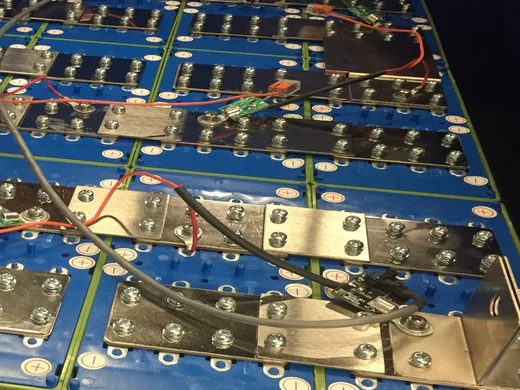
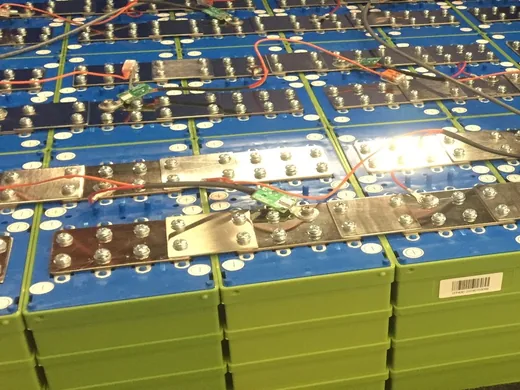
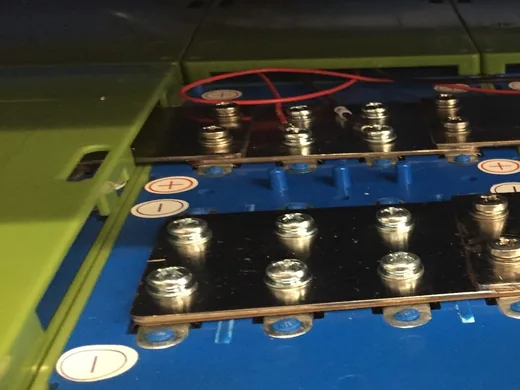
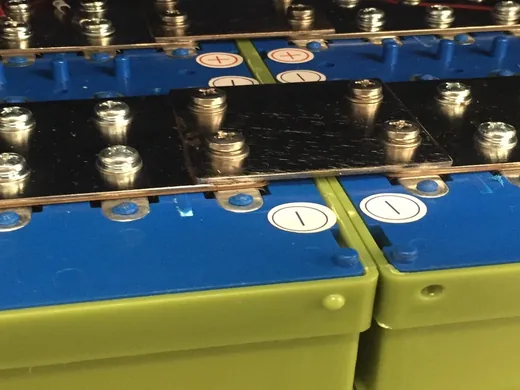
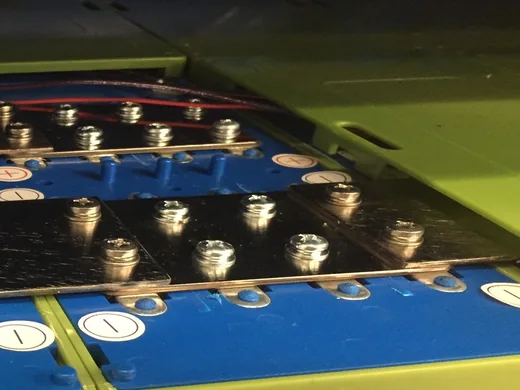
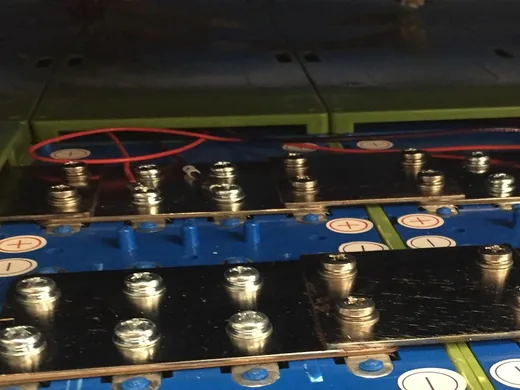
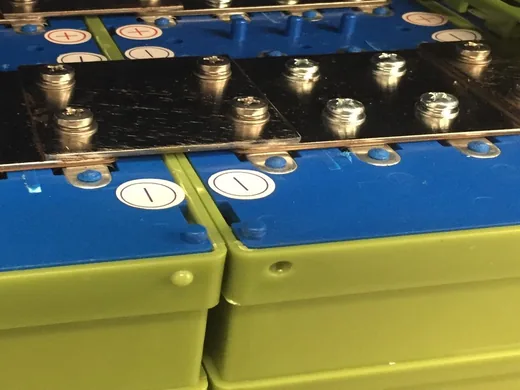
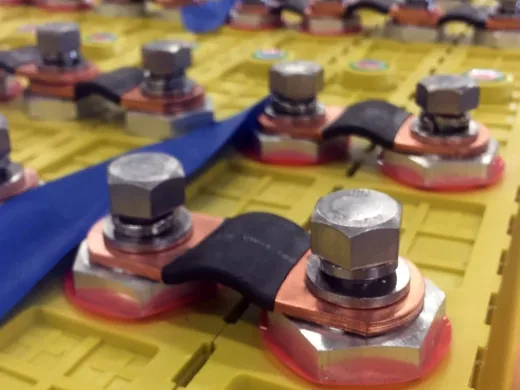
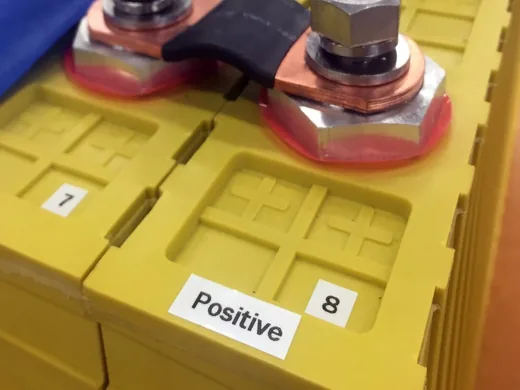
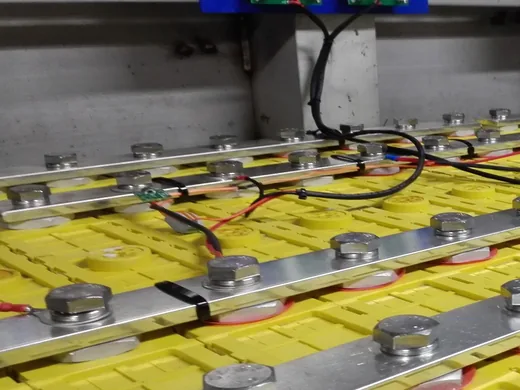
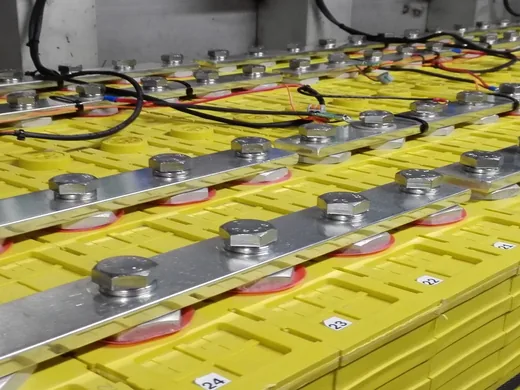
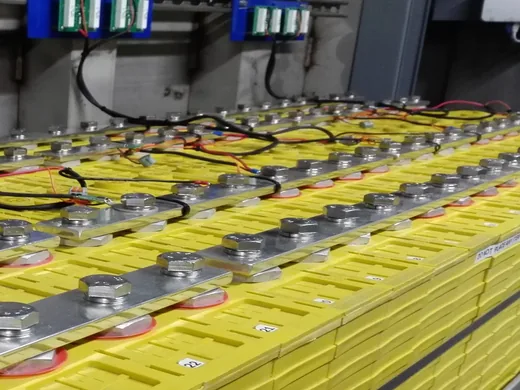
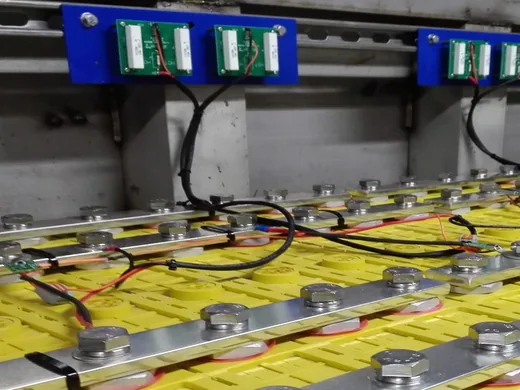
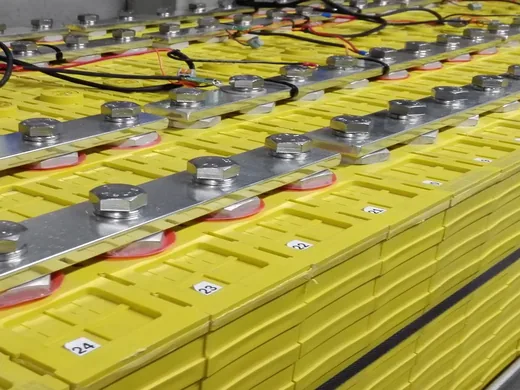
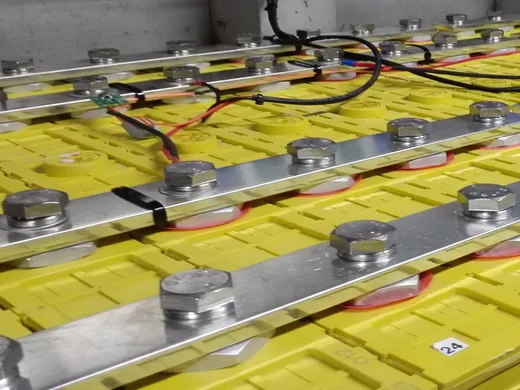
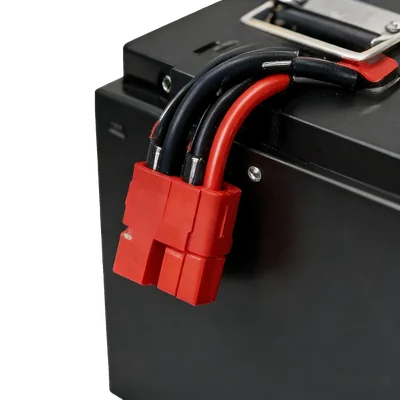


LiFePO4 as cathode, graphite as anode, organic electrolyte in between.
That description applies to millions of battery cells manufactured every day. It tells you what a lithium iron phosphate battery contains. It does not tell you why this particular chemistry went from academic curiosity to dominant market position in less than a decade, or why Tesla and BYD and Ford and General Motors all decided within a few years of each other to build their volume vehicle programs around it.
Most people buying electric vehicles have no idea what cathode chemistry their car uses. Most people buying home battery storage systems have no idea either. The manufacturers do not make it easy to find out. Spec sheets emphasize capacity and warranty length and app connectivity. Cathode chemistry appears in footnotes if it appears at all. This seems like an oversight. The cathode determines most of what matters about a battery. How much energy it stores. How long it lasts. How it behaves when something goes wrong.
The answer to what a lithium iron phosphate battery is has to do with oxygen. Specifically, with what happens to oxygen atoms when a battery gets hotter than it should.
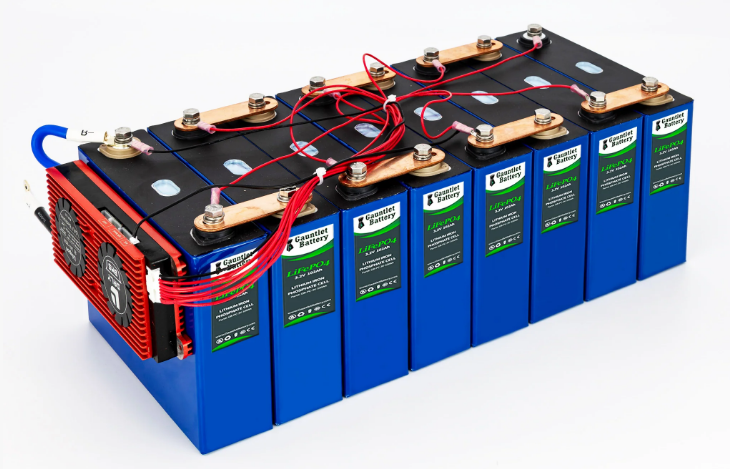
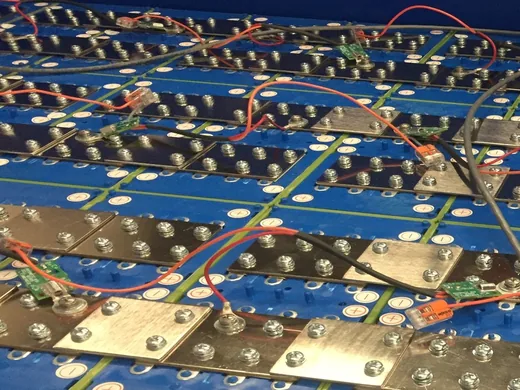
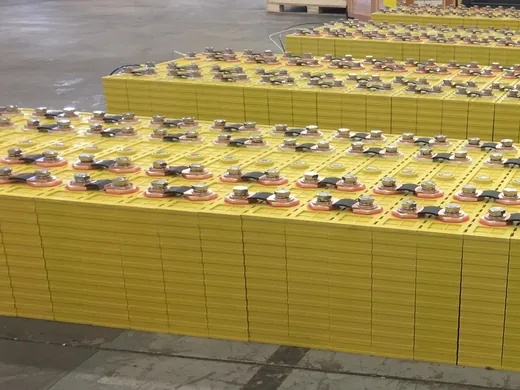
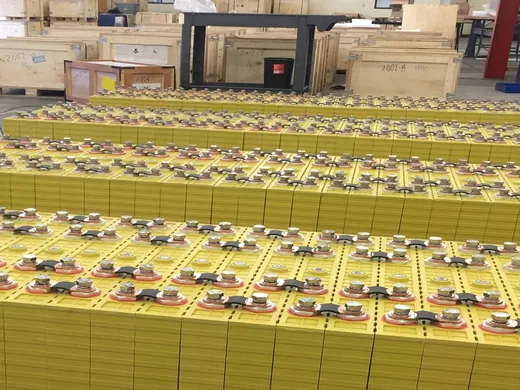
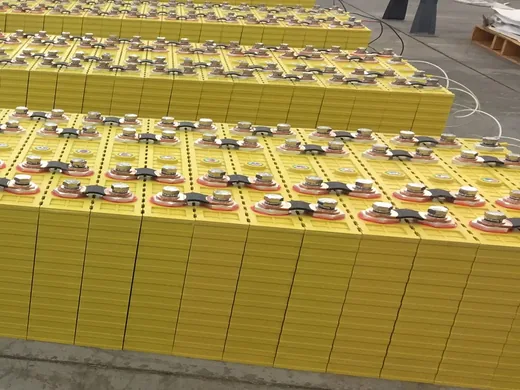
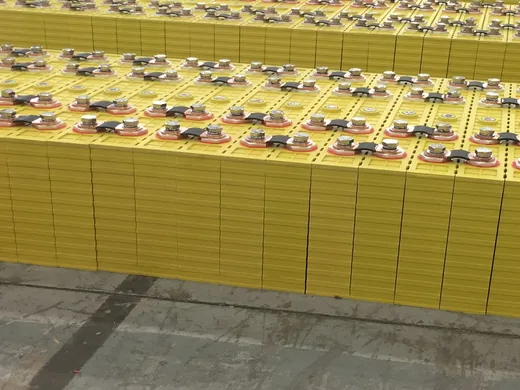
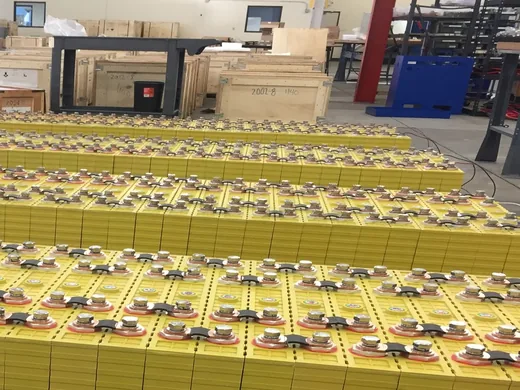
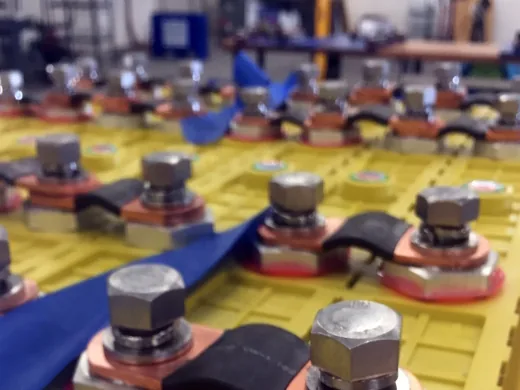
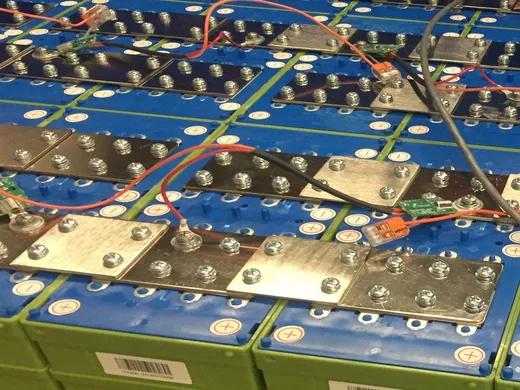
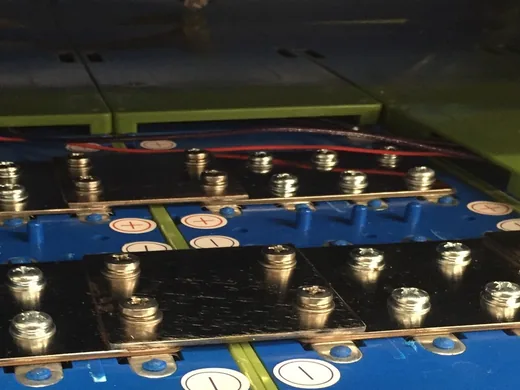
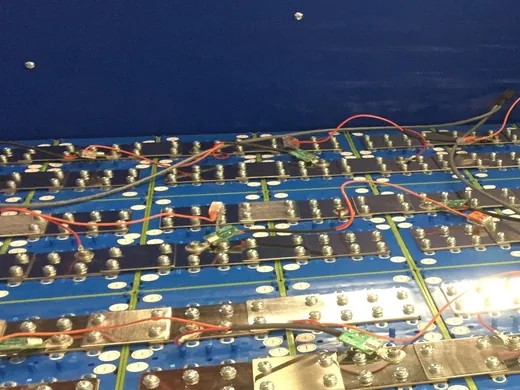
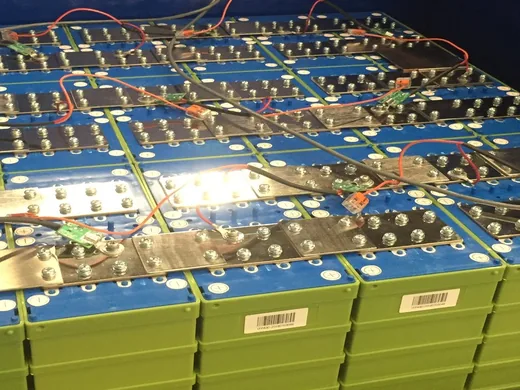
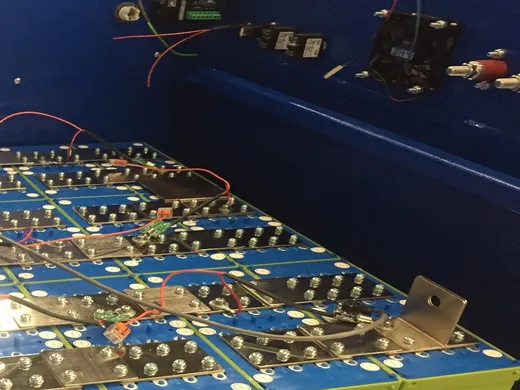
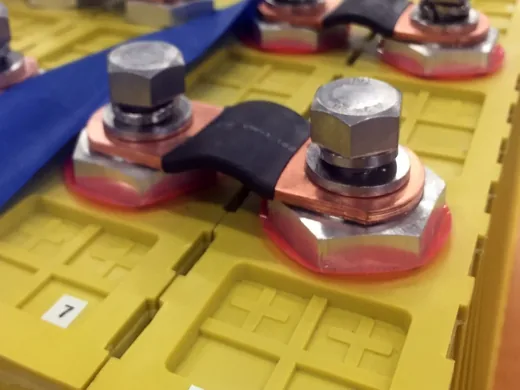
lithium iron phosphate battery packs
Oxygen
Every lithium battery cathode contains oxygen. Has to. The electrochemistry requires it. Oxygen atoms sit in the crystal structure, bonded to metals, participating in redox reactions that store and release energy. Most of the time these oxygen atoms do nothing interesting. The battery charges. Lithium ions move from cathode to anode. Discharge. Lithium ions move back. Oxygen stays put. Thousands of cycles. No drama.
Normal operation. Billions of charge-discharge cycles happen every day across all the lithium batteries in phones and laptops and vehicles and grid storage installations worldwide. The oxygen participates in electrochemistry and stays bonded to the cathode structure. Fine. Normal. Expected.
The question is what happens when temperatures rise beyond normal operating range. This is where the chemistry gets interesting, and where the differences between cathode materials start to matter in ways that show up in news headlines rather than technical papers. Worth noting that most coverage of electric vehicle batteries focuses on range and charging speed. The oxygen question gets overlooked.
NMC cathodes arrange oxygen in layers. Sheets of oxygen atoms with nickel and manganese and cobalt between them and lithium slipping in and out during cycling. The geometry packs lithium efficiently. More lithium per unit mass means more energy stored per unit mass means longer range in a vehicle means less frequent charging. This is why NMC attracted investment for so long. The numbers on the spec sheet looked good.
The geometry also creates a vulnerability that does not show up on spec sheets. The oxygen in layered oxides sits in configurations that become thermodynamically unstable at elevated temperatures. The exact threshold depends on formulation and state of charge and manufacturing quality and other variables. Somewhere between 150 and 200 degrees Celsius for most commercial NMC cells. Cross that threshold and the cathode structure starts coming apart. Oxygen leaves. Bad. Molecular oxygen enters the cell interior where organic electrolyte waits. Organic electrolyte is flammable. Oxygen plus flammable material plus heat produces fire. Fire produces more heat. More heat liberates more oxygen. The feedback loop accelerates. Cell temperatures can exceed 800 degrees. The technical literature calls this thermal runaway.
Lithium iron phosphate stores oxygen differently.
Phosphorus bonds to four oxygen atoms in a tetrahedral arrangement. These PO4 tetrahedra share only corners with their neighbors, never edges, never faces. Iron atoms occupy octahedral sites in the spaces between tetrahedra. Lithium ions move through channels that run along one crystallographic axis of the framework. Mineralogists call this arrangement olivine structure after a mineral found in volcanic rocks.
The phosphorus-oxygen bonds in this structure measure over 500 kJ/mol in dissociation energy. I had to look that number up. What matters is how it compares to the metal-oxygen bonds in layered oxide cathodes. The phosphorus-oxygen bonds are stronger. Strong enough that heating a lithium iron phosphate cell to 270 degrees Celsius produces degradation and capacity loss and eventually cell death, and does not produce oxygen release.
No oxygen release means no new fuel for combustion. No new fuel means the fire triangle stays incomplete even when heat and flammable electrolyte are present. No completed fire triangle means no feedback loop. No feedback loop means no cascade to 800 degrees.
BYD published video of nail penetration tests. Steel nail driven through a fully charged lithium iron phosphate cell. Nail penetration creates a direct short circuit through the cell. The lithium iron phosphate cell leaked electrolyte. Surface temperature rose to 60 degrees or so. Nothing else happened. The video is available online. Worth watching for anyone who wants to see what happens when different battery chemistries experience the same abuse conditions.
The Karlsruhe Institute of Technology published accelerating rate calorimetry data comparing the two chemistries under controlled laboratory conditions. Lithium iron phosphate remained stable to 230 degrees before thermal runaway onset. NMC triggered at 160 degrees. That 70-degree difference is the margin between a battery that might survive an abnormal thermal event and a battery that will not. Not coincidental that this margin corresponds to the difference in incident rates between the two chemistries.
Incidents
The Chevrolet Bolt recall is worth examining. It shows what happens when things go wrong at scale. The pattern repeats across multiple incidents with different manufacturers and different applications.
GM recalled every Bolt ever manufactured. Not some production runs. Not specific model years. Every single one. Battery fires in parked vehicles. Not crashed vehicles. Not vehicles being charged improperly or used beyond their specifications. Vehicles sitting in driveways and garages doing nothing at all.
The fires traced to manufacturing defects in cells supplied by LG Chem. Defects that created internal shorts. Internal shorts produced heat. Heat triggered thermal runaway. GM initially issued instructions for owners to limit charging and avoid parking indoors. Eventually GM recalled everything and replaced battery packs. The cost reached into the billions. GM sued LG. LG agreed to cover a substantial portion of the costs. The Bolt as a product line ended. GM announced it would discontinue the vehicle. The real issue was not the defect itself. Manufacturing defects happen. The real issue was the chemistry that turned a manufacturing defect into a fire.
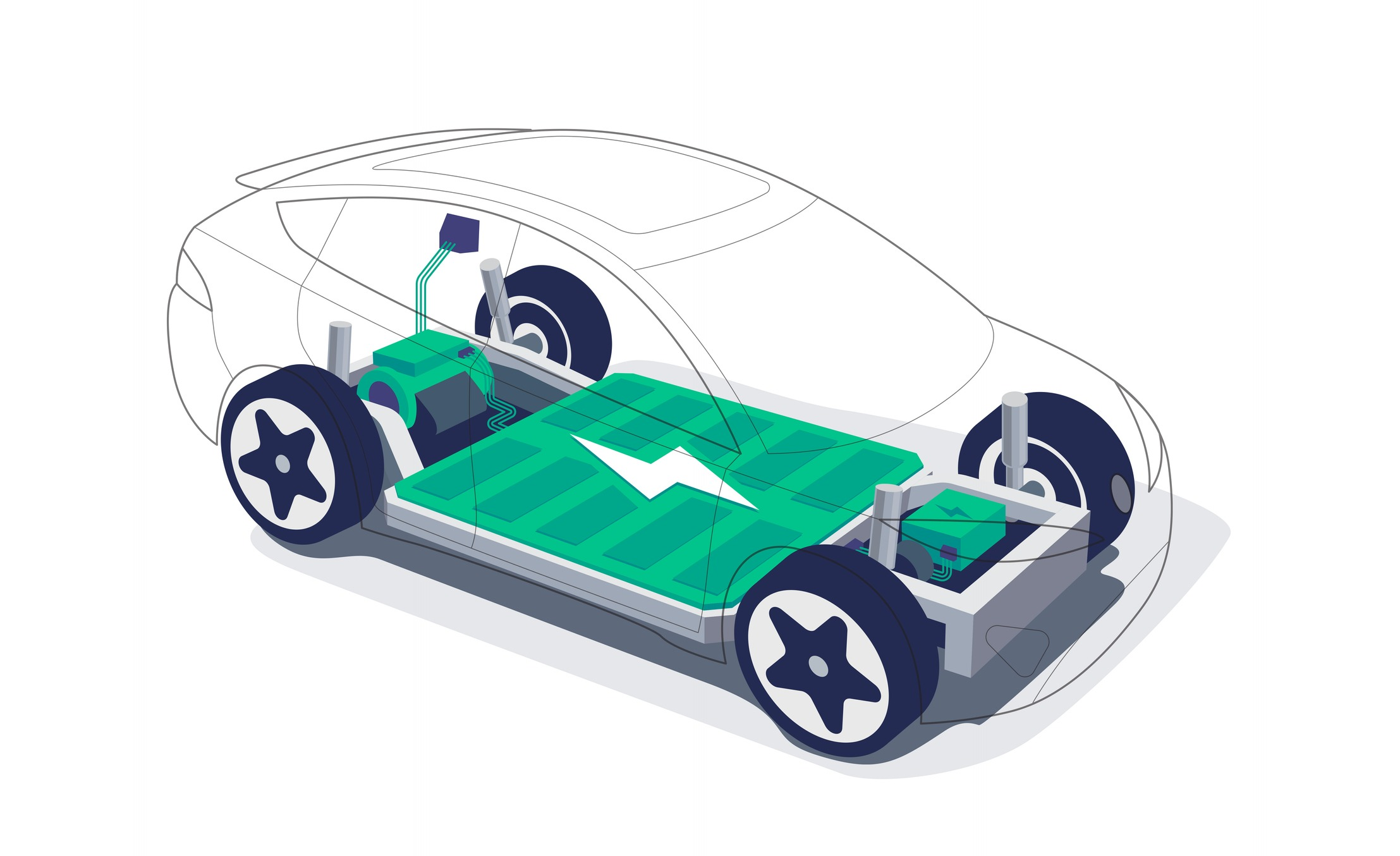
Battery safety considerations have become paramount in electric vehicle development and deployment
A manufacturing defect in cells led to a cascade that destroyed a product program and strained a major supplier relationship and consumed years of engineering resources. The underlying chemistry made the cascade possible. NMC cells that pass quality inspection can still contain latent defects. Latent defects can create shorts. Shorts can trigger runaway. The oxygen sits there in a metastable configuration.
The cells were not lithium iron phosphate.
Several grid-scale storage installations in South Korea caught fire over a span of a few years. Utility-scale battery installations. Industrial scale. Battery storage that supports electrical grids. Multiple incidents. The exact causes varied. The underlying vulnerability did not. Layered oxide cathodes contain oxygen in forms that can be liberated under thermal stress. Once liberated the oxygen feeds combustion.
The Korean incidents affected the industry. Insurance underwriters raised questions about battery storage risk. Permitting authorities looked more carefully at project proposals. Financing terms reflected increased perceived risk. Projects faced delays. Some projects were canceled.
Those cells were not lithium iron phosphate either.
A Tesla Model S burned after a crash in Florida some years back. Firefighters could not extinguish it with water. They let it burn out. The vehicle used NCA cells from Panasonic. NCA is another layered oxide chemistry. Similar oxygen storage mechanism to NMC. Similar thermal runaway behavior.
I am not claiming that lithium iron phosphate batteries never catch fire. Any battery can fail. Manufacturing defects happen in any factory. Abuse happens. People do things to batteries that engineers did not anticipate. Somewhere in the world a lithium iron phosphate cell has caught fire and will catch fire again.
The claim is narrower. The oxygen storage mechanism in phosphate cathodes makes thermal runaway harder to initiate and harder to sustain than in layered oxide cathodes. The atomic structure differs. The bond energies differ. The behavior under stress differs. This is chemistry, and while engineers can work around chemistry in some cases and mitigate chemistry in other cases, they cannot change the fundamental fact that phosphorus-oxygen bonds in tetrahedral configurations are stronger than metal-oxygen bonds in layered configurations, and that strength difference determines what happens when temperatures rise beyond normal operating ranges.
The incident data reflects the chemistry. Fleet operators who run electric buses noticed. Storage developers who finance projects noticed. Insurance underwriters who pay claims noticed. Eventually automakers noticed.
Market Shifts
Tesla puts lithium iron phosphate cells in the standard-range Model 3 and Model Y now. The cells come from CATL in China. A change for a company that built its brand on long-range vehicles using high energy density cells. Striking how quickly the industry consensus shifted once the incident data accumulated. Tesla still sells long-range versions with different chemistry for buyers who want maximum range. The volume models use lithium iron phosphate.
BYD uses lithium iron phosphate in everything it makes. Their Blade Battery design stretches cells to nearly a meter in length and uses them as structural elements within the pack. The design saves weight and space by eliminating separate structural components. The design relies on lithium iron phosphate's resistance to thermal propagation. Pack cells that close together with other chemistries and a single cell failure could cascade through the entire pack. With lithium iron phosphate the safety margin allows the design.
Ford announced lithium iron phosphate plans for future vehicles. General Motors announced lithium iron phosphate plans. Volkswagen announced lithium iron phosphate plans. The announcements came within months of each other.
Electric buses switched earlier than passenger cars. A bus carries forty passengers through city streets. A battery fire on a bus creates consequences beyond property damage. Transit agencies tend toward caution on safety. The energy density penalty of lithium iron phosphate matters less when the vehicle is already large. Buses do not need to be lightweight. Buses run fixed routes with predictable energy demands. Lithium iron phosphate's longer cycle life matters more when the vehicle runs all day every day for ten or fifteen years. Most electric buses now use lithium iron phosphate regardless of manufacturer or region. The fraction exceeds 90 percent by most estimates.
Grid storage switched around the same time. Utility-scale battery installations sit in purpose-built enclosures. Weight and volume matter little. The batteries do not need to be portable. What matters is cost per kilowatt-hour stored, cycle life, and fire risk. Lithium iron phosphate performs well on all three metrics. The Papago project in Arizona deployed over a gigawatt-hour of lithium iron phosphate storage. Tesla's Megapack product line uses lithium iron phosphate exclusively and has deployed tens of gigawatt-hours across multiple projects.
Residential storage followed. Tesla switched the Powerwall to lithium iron phosphate in 2024. The previous generation used NMC cells. Tesla did not announce this as responding to safety concerns. The announcement described improved features and new capabilities. The underlying change was cathode chemistry. Batteries installed in residential garages attached to houses where families sleep benefit from minimal fire risk.
Chinese domestic sales tilted toward lithium iron phosphate faster than other markets. Price played a role. Lithium iron phosphate costs less than high-nickel chemistries. The cost advantage compounds with scale. Chinese manufacturers achieved scale earlier than Western competitors. By late 2024 lithium iron phosphate accounted for the majority of electric vehicle battery production in China.
Energy Density
Less energy per kilogram. This part is real and will remain real.
The olivine crystal structure accommodates fewer lithium ions per unit mass than layered oxide structures. Physics. The theoretical specific capacity of LiFePO4 is 170 mAh/g. The theoretical specific capacity of NMC depends on formulation and exceeds 200 mAh/g for high-nickel variants. No engineering changes these numbers. They follow from atomic weights and crystal geometries. You cannot argue with atomic weights.
A vehicle with lithium iron phosphate cells carries more battery weight for the same range, or accepts less range for the same battery weight. How much more weight or how much less range depends on pack design and vehicle efficiency. Rough estimate: 15 to 20 percent range penalty compared to a similarly sized NMC pack. Maybe less in the latest designs. Not zero. Never zero.
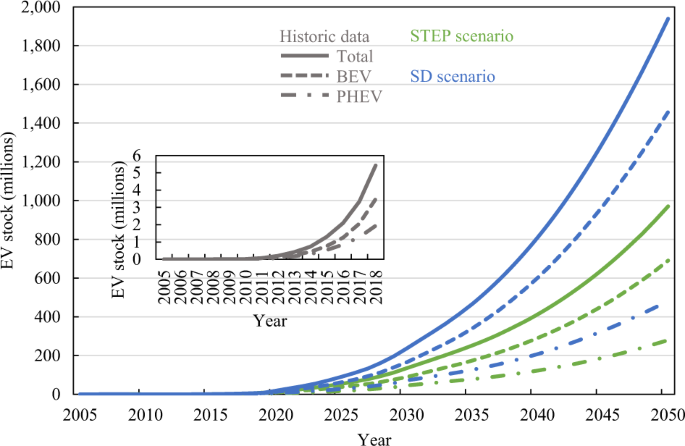
Despite energy density tradeoffs, lithium iron phosphate vehicles meet the daily driving needs of most consumers
Some buyers care about this. Buyers who regularly drive distances that exceed typical lithium iron phosphate vehicle range. Buyers who tow trailers that increase energy consumption. Buyers who live in areas with sparse charging infrastructure. Buyers who want maximum range regardless of whether they use it. For these buyers NMC or NCA may remain better choices.
Many buyers do not care. A Model 3 with lithium iron phosphate exceeds 270 miles of range. Most people do not drive 270 miles in a day. Most people do not drive 270 miles in a week. The vehicle handles daily commuting and weekend errands and occasional road trips. The range is enough. I suspect the range anxiety discussion that dominated early electric vehicle coverage says more about the people writing the coverage than about the actual needs of typical drivers, most of whom could count on one hand the number of times in the past year they drove more than 200 miles in a single day.
Cold weather creates problems specific to lithium iron phosphate. The chemistry loses capacity in cold temperatures more severely than NMC does. At minus 20 degrees Celsius a lithium iron phosphate cell may deliver only half its rated capacity. An NMC cell retains more. Charging below freezing creates additional problems. Lithium ions arriving at the anode do not intercalate properly into the graphite structure. They plate out on the surface as metallic lithium instead. This damages the battery. The damage accumulates with repeated cold charging. Dendrites form. The dendrites can eventually cause internal shorts.
Battery heating systems help. Preconditioning the battery before charging prevents the worst outcomes. The systems consume energy and add cost and complexity. Northern climates see less lithium iron phosphate adoption for this reason. Tesla ships different cell chemistries to different markets based partly on regional temperatures.
Cycle life runs longer with lithium iron phosphate. Several thousand full charge-discharge cycles before capacity degrades to 80 percent of original. NMC cells typically deliver one to two thousand cycles under comparable conditions. NCA often delivers fewer. The difference matters for high-use applications. Buses that run all day. Taxis that run all day. Delivery vehicles that run all day. For these applications the battery is a major capital expense that must be amortized over many years of operation. Longer cycle life means lower cost per mile over the vehicle's service life.
Private cars that sit in garages most of the time see less benefit from extended cycle life. A car driven 12,000 miles per year might complete 50 or 60 full charge-discharge cycles annually. At that rate an NMC battery lasts longer than the typical vehicle ownership period.
Manufacturing
China produces nearly all lithium iron phosphate cathode material currently manufactured worldwide. Nearly all. The concentration is worth pausing over. It shapes trade policy and supply chain strategy and investment decisions across the entire automotive industry.
CATL and BYD together account for more than half of global battery cell production across all chemistries. Their share of lithium iron phosphate specifically runs higher.
This did not happen by accident. Twenty years of industrial policy. Subsidies for domestic battery manufacturers. Protected domestic markets that favored local suppliers. Investment in upstream material processing. Coordinated development of the supply chain from mines to finished vehicles. The Chinese government identified batteries as strategic and acted on that identification consistently. Western governments, during the same period, did not.
The iron phosphate synthesis process scaled well in Chinese factories. The process requires careful control of particle size and morphology and carbon coating uniformity. It does not require exotic materials or extreme precision. Chinese manufacturers built capacity faster and cheaper than anyone else.
Western response came late. Ford licensed technology from CATL for a factory in Michigan. The arrangement attracted controversy. American factory producing American jobs using Chinese know-how owned partly by American investors. Tesla is building lithium iron phosphate production capacity in Nevada. Samsung SDI and General Motors partnered on a facility in Indiana. LG Energy Solution signed supply agreements for American-produced cells.
These projects will not reach full production before 2027 at the earliest. Scaling battery manufacturing takes time. Building supply chains for precursor materials takes time. Training workforces takes time. Debugging production processes takes time. The problem is that Chinese manufacturers had a twenty-year head start and continue to scale faster than Western competitors can catch up.
Until domestic Western production reaches scale, Chinese dominance persists. This creates trade policy complications that continue to affect the industry.
The raw materials favor lithium iron phosphate on cost. No cobalt. Cobalt comes primarily from the Democratic Republic of Congo under conditions that have attracted criticism. Child labor allegations. Unsafe mining practices. Environmental damage. Cobalt prices fluctuate with conditions in a single country.
No nickel. Nickel for batteries increasingly comes from Indonesia. Laterite mining for nickel destroys rainforest. Environmental groups have documented the damage. Nickel prices fluctuate with Indonesian export policies.
Iron is cheap and abundant and mined on every continent. Phosphate is abundant and mined in Morocco, China, the United States, and elsewhere. Lithium remains the cost driver. Lithium supply has its own complications. Lithium goes into every lithium battery regardless of cathode chemistry. The lithium exposure is the same whether the cathode contains iron or nickel or cobalt.
Technical Changes
Cell-to-pack integration changed what lithium iron phosphate could achieve at the system level. The change matters. It partially closes the energy density gap that has been lithium iron phosphate's main disadvantage since the chemistry was first commercialized.
Traditional battery packs assembled cells into modules. Modules contained maybe 8 to 12 cells each. Modules provided structural support and fire barriers between cell groups. If one cell entered thermal runaway the module boundaries could prevent the cascade from spreading. Modules also consumed space. All that structural material stored no energy. Packing efficiency suffered.
CATL and BYD developed designs that eliminate modules. Cells integrate directly into the pack structure. CATL's third-generation cell-to-pack design achieves packing efficiencies exceeding 70 percent. Conventional modular packs achieved 55 percent or less. The difference partially compensates for lithium iron phosphate's lower cell-level energy density. That is the whole point. If you cannot improve the cell you improve everything around the cell.
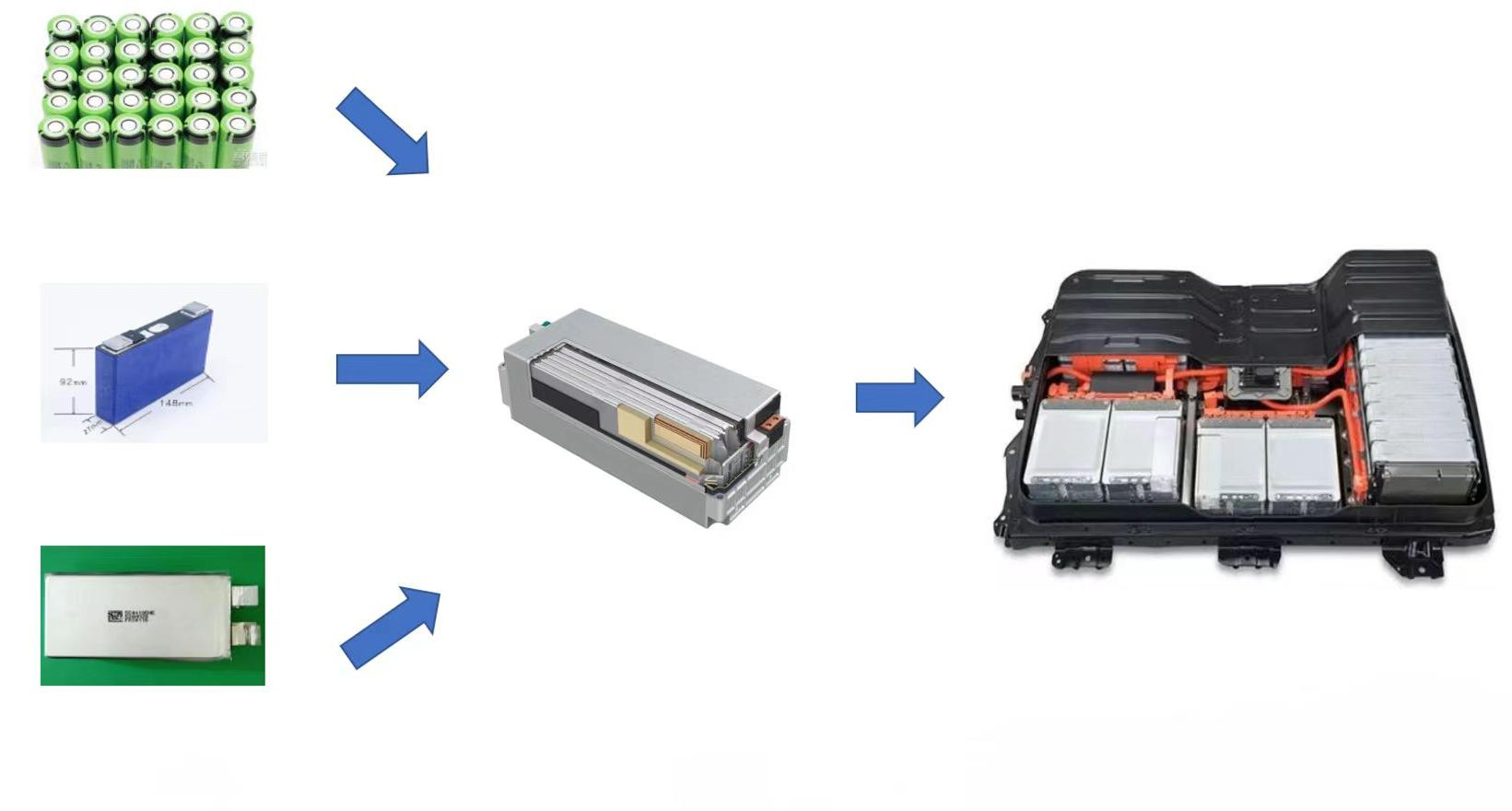
Cell-to-pack integration represents a fundamental shift in battery system architecture
Module elimination works with lithium iron phosphate. The chemistry resists thermal propagation. Remove the fire barriers. Pack the cells close together. A single cell failure does not cascade. The safety margin in the chemistry enables pack architectures that would not work with other chemistries. A disadvantage in one area enables an advantage in another area that partially offsets the original disadvantage. Interesting how often this pattern appears in engineering trade-offs.
BYD's Blade Battery takes the concept further. Cells stretch to nearly a meter in length. They span the full width of the battery pack. They serve as structural members contributing to vehicle rigidity. The battery pack becomes part of the vehicle chassis.
Charging speed improved through electrolyte engineering and electrode design. The olivine crystal structure creates one-dimensional channels for lithium ion transport. Ions can only move along one crystallographic axis. This was thought to limit charging rates. Early lithium iron phosphate cells charged slowly.
CATL's Shenxing product line demonstrated that engineering could work around the apparent limitation. Second-generation Shenxing cells accept 12C charging rates. Most of the capacity in minutes. How CATL achieved this involves proprietary formulations that the company has not fully disclosed.
LMFP substitutes manganese for some of the iron in the cathode. The substitution raises the average discharge voltage. Higher voltage means higher energy density for the same capacity. LMFP achieves 15 to 20 percent higher energy density than standard lithium iron phosphate while preserving most of the safety characteristics. CATL has commissioned over 100 gigawatt-hours of LMFP production capacity. Other manufacturers are scaling LMFP as well.
Electrochemistry Details
The discharge process in a lithium iron phosphate cell proceeds through a two-phase mechanism that differs from most other cathode materials.
When the cell discharges, lithium ions leave the graphite anode and travel through the electrolyte to the cathode. In most cathode materials the lithium inserts gradually into the crystal structure. Composition changes continuously. Voltage drops steadily as the cell discharges.
Lithium iron phosphate does not work this way. Two distinct phases coexist during discharge: lithium-poor FePO4 and lithium-rich LiFePO4. As lithium ions arrive at the cathode they convert FePO4 to LiFePO4. The boundary between the two phases moves through each particle. The voltage stays nearly constant across most of the discharge range. The electrochemical potential is determined by the two-phase equilibrium rather than by continuously varying composition.
This flat voltage plateau has practical consequences. Devices receive steady power output regardless of remaining capacity. Battery management systems have difficulty using voltage to estimate state of charge. Voltage barely changes between 20 percent and 80 percent. The systems must track charge in and out through coulomb counting instead.
The theoretical capacity of LiFePO4 is 170 mAh/g. Real cells achieve 150 to 165 mAh/g depending on manufacturing quality and electrode design. The gap between theoretical and practical capacity reflects the difficulty of fully using active material in a real electrode.
The low electronic conductivity of LiFePO4 created problems for early commercialization. The material is an insulator. John Goodenough's group at the University of Texas identified the compound in 1997. Commercial relevance took nearly two decades to arrive. Early cells performed poorly. Carbon coating solved part of the problem by creating conductive pathways on particle surfaces. Nano-sizing solved another part by reducing the distance lithium ions and electrons must travel within each particle.
Current manufacturing processes produce particles in the 100-500 nanometer range with thin carbon coatings that provide adequate electronic conductivity. The combination enables discharge rates that would not have been possible with the micron-scale particles used in early research.
Cost
Lithium iron phosphate cells cost less per kilowatt-hour than NMC cells at current production volumes. Noticeably less.
The cost advantage comes from multiple sources. Raw materials cost less. Iron costs a few dollars per kilogram. Nickel costs tens of dollars per kilogram. Cobalt costs more than nickel. The cathode material cost difference flows through to cell cost. This is not complicated accounting. Cheaper inputs mean cheaper outputs, all else being equal.
Manufacturing costs also favor lithium iron phosphate at scale. The synthesis process is less demanding than processes for layered oxide cathodes. Fewer steps. Lower temperatures. Less expensive precursors. Chinese manufacturers have driven costs down through process improvements and economies of scale.
Cell prices at the low end of the market reached $50 per kilowatt-hour in late 2024 for lithium iron phosphate cells from Chinese manufacturers. Pack-level costs run higher due to housing and thermal management and battery management systems. Vehicle-level costs run higher still. The cell cost is a fraction of the total battery system cost and a smaller fraction of the total vehicle cost.
NMC cell costs exceed lithium iron phosphate cell costs by 20 to 40 percent depending on specific formulations and production volumes. The gap has narrowed as NMC manufacturing scaled. The gap has not closed. The fundamental material cost difference persists.
Price competition among Chinese manufacturers has been intense. CATL and BYD compete for market share. Smaller manufacturers compete for the business that CATL and BYD do not pursue. Margins have compressed. Some manufacturers reportedly sell below cost to maintain factory throughput and market position.
Western manufacturers face higher costs. Higher labor costs. Higher energy costs. Higher regulatory compliance costs. Smaller scale. The cost gap between Chinese production and Western production exceeds the cost gap between lithium iron phosphate and NMC. A Western-produced NMC cell may cost more than a Chinese-produced lithium iron phosphate cell.
What It Is
A battery chemistry where the oxygen stays put when temperatures exceed design limits. That is the core of it. Everything else follows.
The phosphorus-oxygen bonds hold at temperatures that would decompose layered oxide cathodes. The cathode does not release oxygen to feed combustion. The thermal runaway feedback loop does not establish itself. I keep coming back to this point. It matters more than most of the other specifications that appear on data sheets and in marketing materials.
The energy density penalty exists. Roughly 15 to 20 percent less range for the same battery weight compared to NMC. Shrinking as pack designs improve. Still present.
The cold weather penalty exists. Capacity drops in freezing temperatures. Charging below freezing damages the battery without preheating. Northern climates require battery thermal management systems.
For applications where those penalties matter more than reduced fire risk, other chemistries remain available. Buyers who need maximum range can get maximum range. Buyers who need cold weather performance can get cold weather performance. The market offers choices. Real choices. Not just marketing variations.
For applications where reduced fire risk matters more than maximum range, lithium iron phosphate has become the default. Buses run lithium iron phosphate almost exclusively. Grid storage runs lithium iron phosphate almost exclusively. Residential storage runs lithium iron phosphate almost exclusively. The volume segments of the electric vehicle market are moving toward lithium iron phosphate.
Chinese automakers have adopted lithium iron phosphate for their domestic market. Western automakers are following. The chemistry that analysts dismissed a decade ago as unsuitable for vehicles now powers the majority of electric vehicles sold worldwide. That shift happened faster than most observers expected. The safety advantages turned out to matter more than the energy density disadvantages in most real-world applications.
Energy density comparisons on spec sheets favor NMC and NCA. They always will. The crystal structures determine this. Incident data favors lithium iron phosphate when temperatures exceed normal ranges. Manufacturers have access to both the spec sheets and the incident data, and the direction of their decisions over the past few years, the announcements and product launches and supply agreements and factory investments, indicates which data source they find more relevant when making decisions that commit billions of dollars and shape product lines for years to come.
The market has moved. It continues to move. The oxygen storage mechanism in the cathode determines behavior under thermal stress. The behavior under thermal stress determines real-world safety outcomes. The real-world safety outcomes have shifted purchasing decisions at scale. That is the story of lithium iron phosphate batteries.