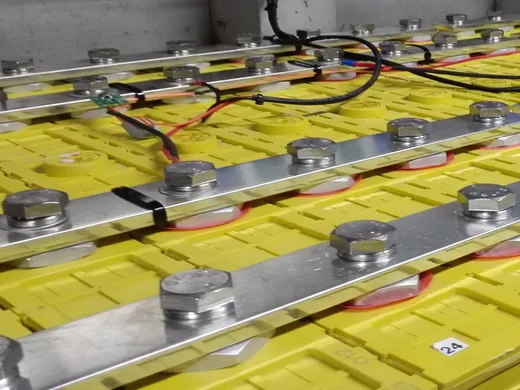
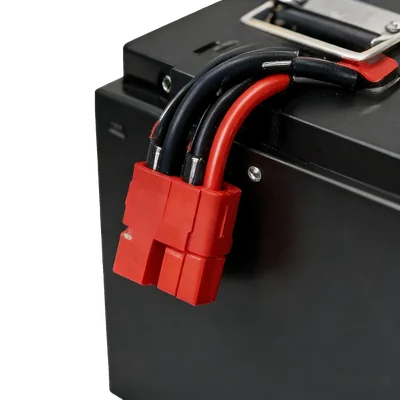


What is a 36V Lithium Battery?
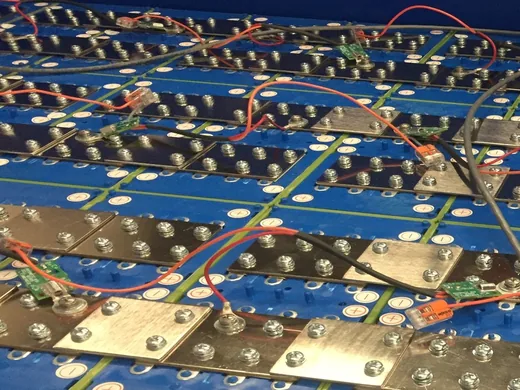
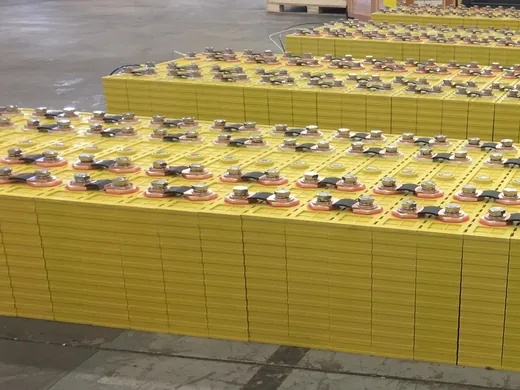
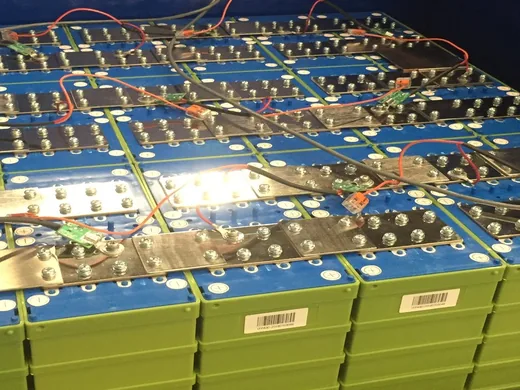
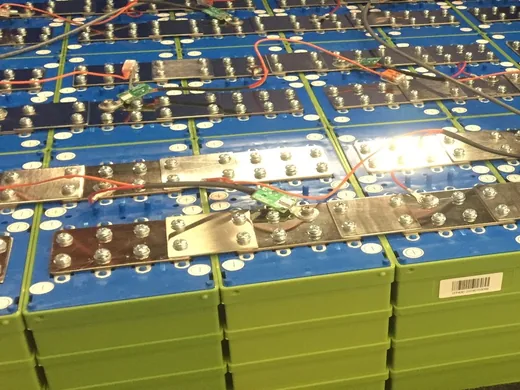
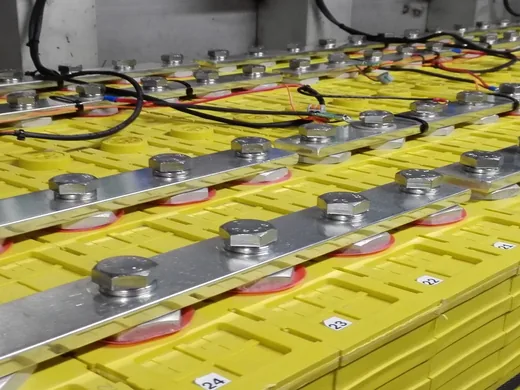
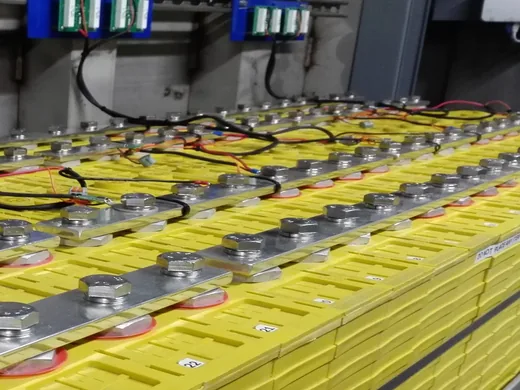
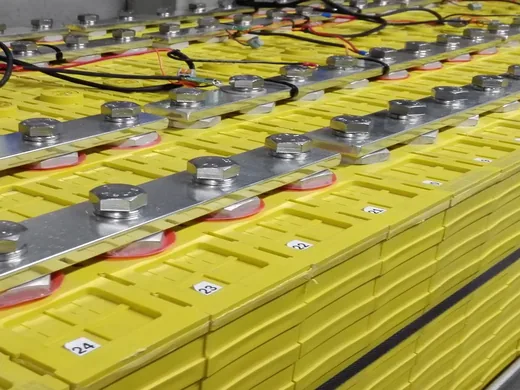
A 36V lithium battery is a pack of lithium cells wired in series to hit roughly 36 volts. The "36V" label is a holdover from lead-acid days when eighteen 2V cells made 36V. Lithium packs use either 10 ternary cells at 3.7V each (10S configuration, actual nominal 37V) or 12 LFP cells at 3.2V each (12S, actual nominal 38.4V). Neither lands on 36V exactly, but the name stuck because that's what the old lead-acid systems used, and nobody wanted to redesign controllers.
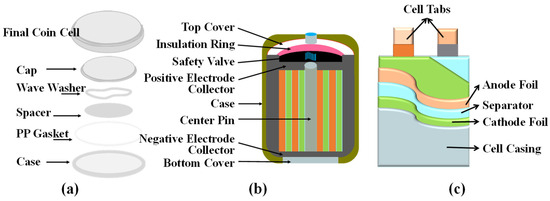
Why the Voltage Reading Never Shows 36V
Anyone who buys a "36V" battery and checks with a multimeter gets confused. Fresh off the charger, a 10S ternary pack reads 42V. After a ride that uses half the capacity, maybe 37V. Nearly dead, around 30-31V. The battery passes through 36V somewhere in the middle of its discharge curve but never stays there.
This voltage swing matters for one practical reason: on ternary packs, voltage tells you how much juice is left. At 40V, plenty of range remaining. At 36V, roughly half. Below 34V, start looking for a charger. The relationship isn't perfectly linear but close enough for estimating.
LFP packs break this logic completely. A 12S LFP pack sits between 39V and 39.6V for most of its usable capacity. The voltage curve is nearly flat from 20% to 80% charge. Checking voltage tells you almost nothing about remaining range. This flat curve drives battery management engineers crazy because accurate state-of-charge estimation requires tracking every amp-hour in and out, then running Kalman filters to correct for drift. Cheap LFP packs with basic BMS chips show garbage capacity readings. The percentage display lies constantly.
Budget extra for a smart BMS if buying LFP. The basic protection-only boards cost 80 yuan but can't estimate capacity worth a damn. A decent smart BMS with Bluetooth and cell monitoring runs 300-500 yuan. Worth it for the accurate readings alone.
The Ternary vs LFP Argument
Battery forums are full of arguments about which chemistry is better. Most of these arguments are useless because they ignore application specifics.
Ternary lithium wins on weight. A 360Wh ternary pack weighs 2.5-3kg depending on cell grade and case design. The same capacity in LFP runs 4-4.5kg. For e-bikes, that 1.5kg difference affects handling noticeably. Anyone who has pushed a dead e-bike home knows every gram counts.
Ternary also handles cold weather far better. At -20°C, ternary retains around 70-75% capacity and charges normally down to -10°C. LFP loses 40-50% capacity in the same cold and cannot safely charge below freezing. Lithium plates onto the anode and creates dendrites that eventually short the cell internally. Northern climate e-bike riders have no real choice; LFP becomes useless for half the year.
LFP wins on lifespan and safety. Quality LFP cells last 3000+ cycles without losing significant capacity. The olivine crystal structure stays stable up to 500°C, making thermal runaway nearly impossible. Ternary cells start venting around 200°C and the cathode releases its own oxygen to feed the fire. Every apartment e-bike fire video involves ternary cells.
The lifespan advantage matters most for expensive, stationary installations: golf carts, home storage, boats. Anywhere the battery costs thousands of dollars and replacing it is a hassle, LFP makes sense. A golf cart LFP pack lasts 10+ years. The equivalent ternary pack dies in 4-5 years with daily use.
The mistake people make is buying LFP for e-bikes to "be safe" and then hating the weight penalty every day, or buying ternary for home storage to save money and then worrying about fire every time they leave the house.
Where people get the choice wrong:
Urban e-bike commuters in warm climates: ternary makes sense. Weight matters, lifespan doesn't (most riders upgrade before the battery dies anyway), fire risk is manageable with outdoor charging.
The same commuters in cold climates: ternary is the only option. LFP is dead weight in winter.
Performance e-bikes and scooters: ternary, always. The power-to-weight ratio decides acceleration and hill climbing.
Home storage: LFP, no question. Fire risk inside a house outweighs any other consideration.
Golf carts: LFP. Weight reduction is nice but the real win is never thinking about the battery for a decade.
BMS Quality and Why It Gets Ignored
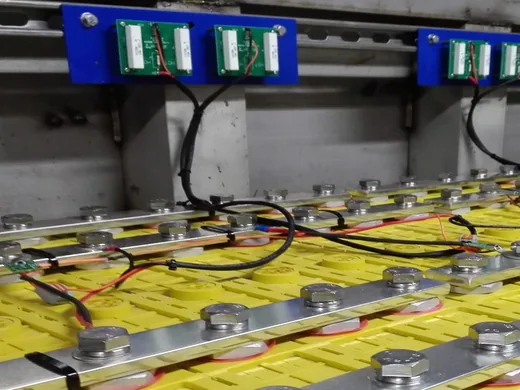
The battery management system determines pack lifespan more than cell quality does, but nobody talks about it. Marketing materials mention "intelligent protection" and move on. Teardowns reveal the truth: some packs use quality BMS boards from reputable suppliers, others use the cheapest boards available from factories that cut every corner.
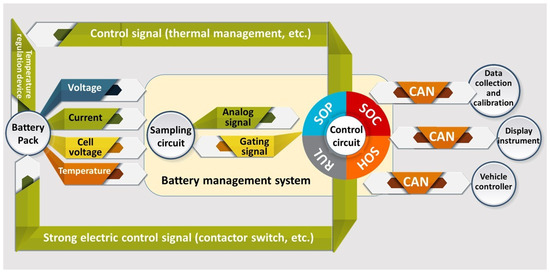
Protection response time separates good from dangerous. A short circuit across a fully charged 36V pack can dump 200+ amps before protection kicks in. Quality BMS responds in 50-100 microseconds. Cheap boards take 1-2 milliseconds, long enough for connectors to weld together and cells to start venting. The price difference between a fast-response MOSFET driver and a slow one is maybe 2 yuan per board. Manufacturers chasing margins cut it anyway.
Overcharge protection accuracy varies wildly. Spec sheets say the BMS cuts at 4.2V per cell for ternary. Cheap boards actually use a single voltage reference for the whole pack rather than monitoring each cell. Ten cells at 42V total looks fine even if one cell sits at 4.5V and another at 3.9V. That high cell gets cooked every charge cycle. By 200 cycles, it's noticeably degraded. By 500 cycles, it's the reason the pack feels weak.
Over-discharge protection has the same problem. The BMS should cut output at 3.0V per cell. Cheap boards watch total pack voltage (30V for 10S) and miss individual cells that drop dangerously low while others stay higher. One cell gets killed by deep discharge. The owner doesn't notice until total capacity tanks months later.
Cell balancing determines how long the pack stays useful. Even perfectly matched cells drift apart over hundreds of cycles. One cell ages faster, develops higher internal resistance, charges slower. Without balancing, that one weak cell limits the entire pack. Capacity appears to drop even though most cells remain healthy. The weak cell hits cutoff voltage first on discharge and hits charge voltage first on charge, so it cycles over a narrower and narrower range, accelerating its degradation further.
Passive balancing bleeds charge off high cells through resistors at 30-80mA. For a 100mV imbalance on a 10Ah cell, full equalization takes 30+ hours of connected charging. Slow but effective for small imbalances. Active balancing shuttles energy between cells at 1A or more, finishing equalization in 2-3 hours instead of 30. The circuitry costs 3-5x more and adds failure points.
Most e-bike packs use passive balancing because the cells stay reasonably matched and balancing current doesn't need to be fast. Most golf cart and large storage packs use active balancing because the higher cell count amplifies imbalance problems and faster equalization means more usable capacity.
Smart BMS vs hardware BMS: Basic hardware boards provide protection functions without any communication. No way to see individual cell voltages, no fault history, no capacity tracking. The battery either works or it doesn't. Fine for tools and cheap e-bikes where troubleshooting means replacement anyway.
Smart boards add Bluetooth or app connectivity. Real-time cell voltage monitoring catches failing cells before they take out the pack. The data shows which cell charges slower, which drops faster under load, which runs hotter. Obsessive owners check their cells weekly and catch problems before they spread. Most owners never open the app and get blindsided when the pack dies unexpectedly.
Some smart BMS boards support over-the-air firmware updates. Manufacturers can push fixes for protection threshold bugs or SOC estimation errors. Others lock the firmware and whatever bugs shipped stay forever.
The price difference runs maybe 150-250 yuan. Compared to a 1500+ yuan pack, that's nothing. Yet most budget packs ship with the cheapest possible BMS because consumers don't know to ask and don't know how to evaluate the answer if they did.
Charging and Degradation
36V packs use constant-current/constant-voltage charging. The charger pushes current (typically 2A for a standard e-bike charger, 0.5C relative to pack capacity) until the pack hits full voltage: 42V for ternary, 43.8V for LFP. Then it holds that voltage while current tapers off.
The first 80% charges relatively fast. The last 20% takes almost as long as the first 80% because current drops exponentially during the voltage-hold phase. Charging to 80% daily and doing a full charge occasionally extends pack life noticeably. Some newer controllers have this option built in.
Charger voltage must match chemistry. A 42V charger on an LFP pack undercharges by 10-15% every cycle, which is safe but wasteful. A 43.8V charger on a ternary pack overcharges every cell and accelerates degradation dramatically. The charger that came with the device matches the original battery. Replacement batteries might not match, so verify before plugging in.
Temperature during charging matters more than most users realize. Charging in direct sun on a hot summer day cooks cells and accelerates aging. Charging LFP below freezing causes lithium plating even if the BMS doesn't block it (cheap ones don't). Keep charging between 10-35°C when possible.
Cycle life numbers from marketing are fantasy. Manufacturers quote results from laboratory testing: constant 25°C, 0.5C charge rate, discharge to 80% DOD, repeat until capacity hits 80% of original. Real-world use involves temperature swings, occasional fast charging, deep discharges when the rider misjudges range, and long storage periods. Actual cycle life runs 30-50% lower than spec sheet numbers.
For ternary cells, marketing says 800-2000 cycles. Budget cells from unknown factories often fail by 500 cycles. Quality cells from Samsung, LG, Panasonic, or Molicel hit 1500+ cycles if treated well.
For LFP, marketing says 3000-5000 cycles. CATL published test data showing 85% capacity retention after 2000 cycles on their 280Ah cells, which is believable for quality cells. Random factory LFP cells might hit 2000 cycles or might fail at 800.
The cell grade matters enormously but consumers can't verify it. "A-grade CATL cells" could mean genuine top-bin cells or could mean rejected cells that someone slapped a label on. The only real protection is buying from reputable pack builders who have reputation to lose.
E-Bike Specifics
E-bikes dominate 36V battery sales, with tens of millions sold annually, mostly in China. Standard configurations run 36V 10-20Ah, providing 360-720Wh capacity and 40-70km range under ideal conditions.
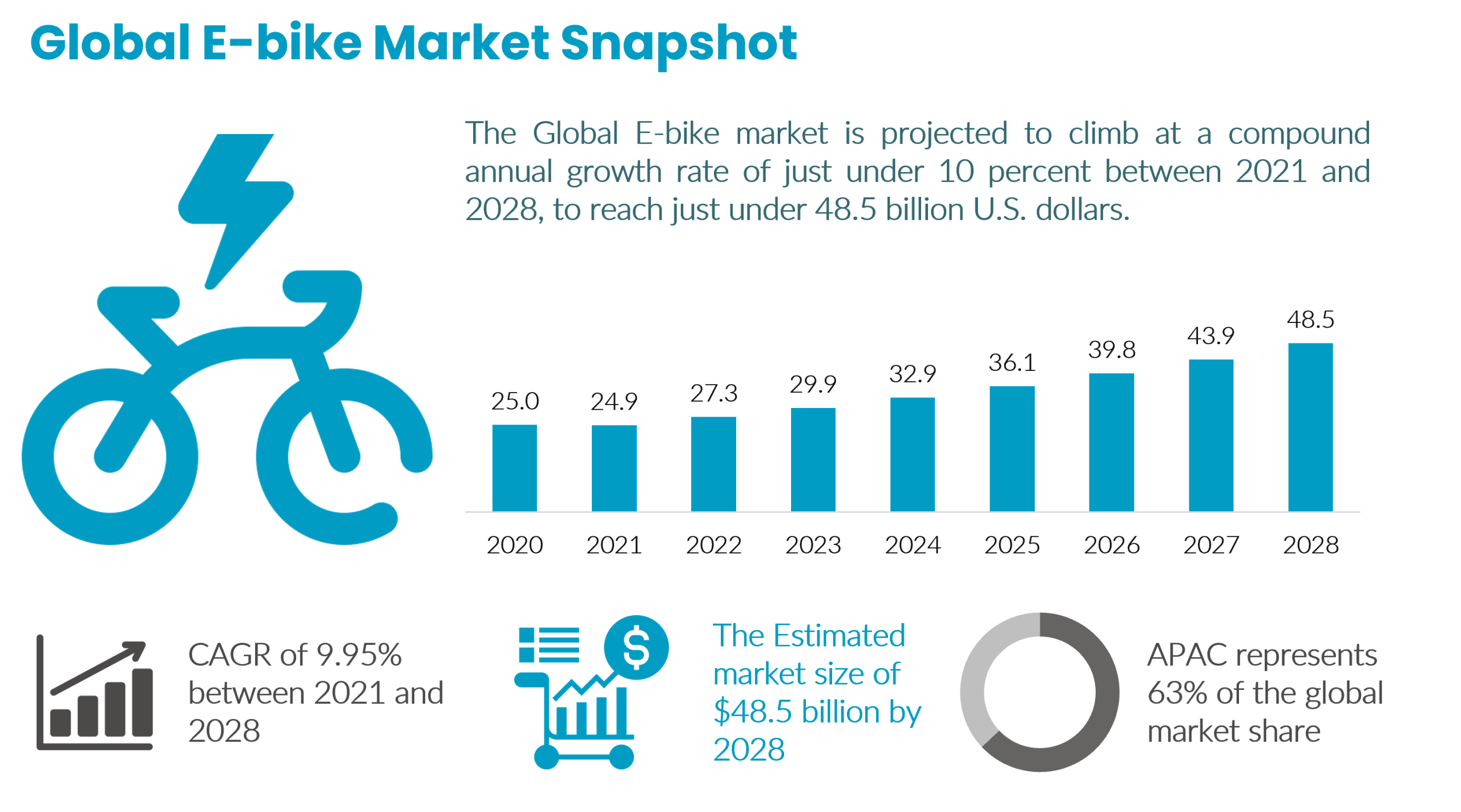
"Ideal conditions" means flat terrain, 65kg rider, no wind, moderate speed, no stops. Real urban riding with hills, traffic, and actual human weight cuts range 25-35% below advertised numbers. A 15Ah pack marketed for 50km realistically does 35km of actual city riding. Manufacturers test on test tracks, not in rush hour traffic with a 85kg rider and a backpack. The gap between marketing range and real range surprises almost everyone on their first battery.
Motor power and riding style affect range more than most people expect. A 250W motor cruising at 20km/h sips power. A 500W motor accelerating hard at every green light drains the pack twice as fast. Pedal assist mode stretches range 40-50% compared to throttle-only riding on the same pack.
The 36V vs 48V choice comes down to terrain and riding style. 36V systems cost less (roughly 15-20% cheaper for equivalent capacity), weigh less (lower cell count), and work fine for flat cities. The motor spins slightly slower at 36V, drawing less current for the same mechanical output, which means higher electrical efficiency on flat ground.
48V provides more torque for hills and feels punchier overall, but draws more current and stresses the electrical system harder. Controllers, motors, and wiring all need to handle higher peak currents. For hilly terrain, the extra torque avoids the motor bogging down on climbs and potentially overheating.
Neither voltage is objectively better. Flat city commuter buying a 48V system is overpaying for capability they won't use. Hill-country rider buying 36V to save money will hate every climb.
Voltage mismatch destroys components. 36V battery on a 48V bike: weak acceleration, can't climb hills, controller may fault out and refuse to run. 48V battery on a 36V bike: blown controller MOSFETs within seconds to minutes, possibly cooked motor windings if the controller doesn't die first. The matching requirement is absolute. People try it anyway, usually learning the hard way.
Battery weight runs 3-4.5kg for typical e-bike packs. Mounting location affects handling. Center-mounted batteries (common on mid-drive bikes) feel more balanced than rear-rack batteries that make the back end heavy and squirrelly on corners. The weight difference between a 10Ah and 20Ah pack (roughly 1.5kg) matters for handling, not just range. Lighter packs also mean easier removal for indoor charging in apartments without elevators.
Frame-integrated batteries look cleaner but create headaches for service and replacement. Proprietary shapes limit battery options to the original manufacturer. Rack-mount and bottle-style batteries fit multiple bikes and have broader replacement markets.
Charge time with a standard 2A charger runs 5-7 hours for a depleted pack. Fast chargers at 4-5A cut that to 2.5-3.5 hours but generate more heat and stress cells harder. Daily fast charging ages packs noticeably faster, maybe 20-30% shorter lifespan. Save fast charging for when time actually matters. The minor convenience of 3-hour charges isn't worth buying a new battery a year early.
Some newer e-bikes include charge current limiting in the firmware, automatically slowing charge rate to protect the battery even if a fast charger is connected. Others take whatever the charger pushes and let the cells suffer.
Other 36V Applications
Power tools at 36V exist for professional users who need more capability than 18V provides. Circular saws, rotary hammers, lawn equipment, chainsaws: these are applications where 18V tools bog down or runtime is inadequate.
The major brands compete on platform ecosystems rather than individual tool specs. A contractor with 20 Makita 18V batteries isn't switching to DeWalt for a marginally better circular saw. The battery investment creates lock-in, which manufacturers exploit through tool bundle pricing.
Makita addressed this by making their 36V tools accept two 18V packs, requiring no new battery format. Backward compatibility with the massive existing 18V ecosystem. DeWalt went the other direction with FlexVolt packs that reconfigure between 20V and 60V depending on the tool. Different strategies for the same problem.
Tool battery packs face much harsher duty cycles than e-bike packs: high discharge rates, full depletion, dropped on concrete, left in hot trucks. Pack lifespan runs shorter as a result. A tool battery that lasts 3 years sees far more abuse than an e-bike battery that lasts 5 years.
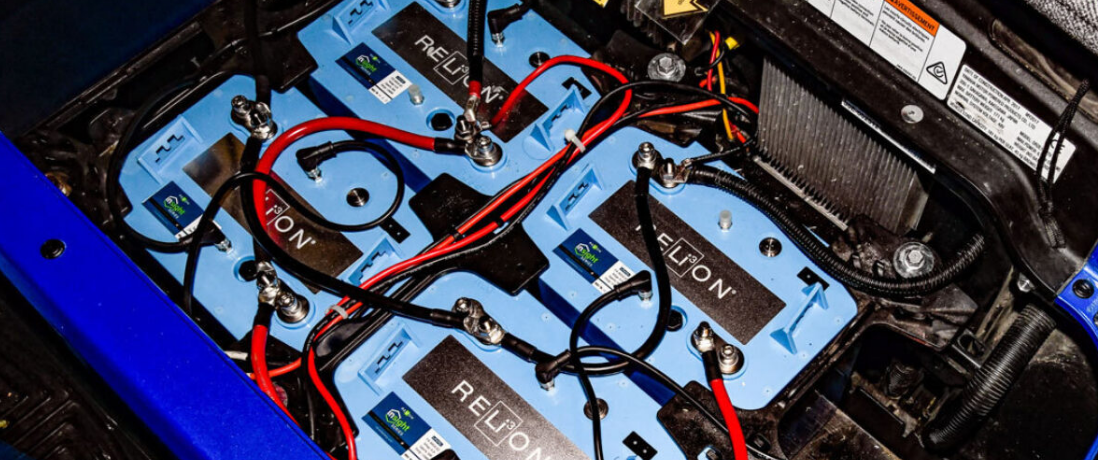
Golf carts are where 36V lithium really shines. Traditional carts run six 6V lead-acid batteries in series for 36V. Combined weight around 180-220kg. Charge time 8-12 hours. Requires periodic water top-ups and terminal cleaning. Lifespan maybe 4-5 years with daily use on a course.
LFP conversion drops weight to 45-60kg, cuts charge time to 2-4 hours, eliminates all maintenance, and lasts 10+ years. The weight reduction alone transforms handling: faster acceleration, shorter stopping distance, less turf damage on wet grass.
The upfront cost runs 2-3x lead-acid. Payback happens when the first lead-acid set dies and would need replacement anyway. By year 5, lithium is cheaper on total cost of ownership. Fleet managers figure this out quickly; individual cart owners often stick with lead-acid because the upfront number looks scary.
Standard golf cart LFP configurations run 36V 60-105Ah, providing 2160-3780Wh. Range of 30-56km, far more than any golf course needs, which provides buffer for battery aging. Some courses are switching to 48V lithium for the extra torque on hilly terrain, but flat courses have no reason to upgrade beyond 36V.
Storage and Handling
Store lithium packs at 30-50% charge, around 36-38V for a 10S ternary pack. Full charge accelerates calendar aging through chemical reactions that occur even at rest. Empty storage risks over-discharge if the BMS has any standby current draw, and deeply discharged cells may not recover.
Storage temperature affects aging rate significantly. A basement at 15°C beats a garage that hits 40°C in summer and -20°C in winter. Extreme temperatures stress cells even when not in use.
Check stored packs every 2-3 months. Voltage drift indicates self-discharge (normal, maybe 3-5% per month) or parasitic BMS draw (fixable by disconnecting). Sudden voltage drops suggest failing cells. Top up to 40-60% before returning to storage.
Swelling means stop immediately. A swollen pack has internal gas buildup from cell damage: overcharge, internal short, or manufacturing defect. The gas may be flammable. Do not puncture. Place in a fireproof container outdoors and contact hazardous waste disposal. Swollen packs occasionally catch fire hours or days after swelling first appears.
Other warning signs: charging temperature over 50°C, capacity that drops suddenly, voltage readings that bounce around, chemical smells, hissing sounds. Any of these means remove the pack from service until someone qualified can evaluate it. That usually means replacement, since consumer-level diagnosis can't catch internal faults.
Market Pricing and Cell Quality
Lithium carbonate prices crashed from 500,000 yuan/ton in late 2022 to under 100,000 yuan/ton by late 2024. Cell prices followed. Prismatic LFP dropped from over 1 yuan/Wh to 0.35-0.45 yuan/Wh. This collapse made lithium cost-competitive with lead-acid for the first time in budget applications. Two years ago, lithium conversion for a golf cart was a luxury upgrade. Now it's the obvious financial choice.
The commodity nature of lithium cells creates strange market dynamics. Spot prices for cells swing based on EV demand forecasts from China, mining permits in Australia and Chile, refining capacity in Indonesia. A pack builder quoting prices in January may face 15% higher input costs by March if lithium prices spike, or 15% lower costs if prices drop. Large buyers hedge with futures contracts. Small buyers take whatever price they get.
CATL and BYD control over half the global market and effectively set pricing. Quality from these tier-one manufacturers is consistent: cells meet spec, packs balance properly, failure rates stay below 1%. Their scale advantages in purchasing raw materials and operating factories make competing on cost nearly impossible for smaller players.
The thousands of smaller Chinese cell factories range from competent to dangerous. Some operate clean facilities with proper quality control and produce cells that rival tier-one quality at 15-20% lower prices. Others run minimal testing, ship whatever the production line makes, and hope failure rates stay low enough to avoid recalls. The cells look identical. The labels often lie. Fake CATL hologram stickers are easy to buy.
Pack builders can source cells from tier-one suppliers or from random factories offering 25-35% discounts. The pack looks identical from outside. A "genuine CATL cells" sticker means nothing. Only the failure rate differs, and failures don't show up until months of use, long after the return window closes.
The distribution chain adds more uncertainty. A cell leaves a factory in Shenzhen, gets sold to a pack builder in Dongguan, who sells packs to a brand in Shanghai, who sells to a distributor in Europe, who sells to a shop, who sells to a consumer. Each step adds margin and opportunity for substitution. The consumer has no visibility into what's actually inside their pack.
The safest approach for buyers: stick with brands that have reputation and customer base to lose. Unknown Alibaba sellers offering suspiciously cheap packs are sourcing cells from whoever quotes lowest that week.
The money saved gets paid back in early replacement or worse. Big brands can't afford fire scandals, so they actually test incoming cells and reject bad batches. No-name sellers ship whatever arrives.
Fast-charging capability (4C-6C rates) is spreading from EVs into smaller applications as thermal management improves. Cells that accept 4C charge rates generate significant heat and need more careful cooling than most e-bike frames provide. Fast-charging e-bike batteries exist but run hotter and age faster than slow-charging equivalents.
Solid-state batteries remain perpetually "5 years away" from mass production. Real products exist but cost 10x liquid electrolyte cells and don't yet offer enough performance advantage to justify the premium outside niche applications. Sodium-ion cells entered production in 2024 as a cheap, heavy alternative to LFP for stationary applications where weight doesn't matter. Energy density runs roughly 70% of LFP. Cost runs roughly 70% of LFP. For grid storage where cost per kWh dominates, sodium-ion may take significant share.
The 36V format persists because millions of existing bikes, tools, and carts use it. 48V gains share in new e-bike designs, especially performance models and cargo bikes where higher torque matters. Both ternary and LFP chemistries will continue serving their respective niches. The fundamental physics doesn't change, just the relative economics as material costs shift.