
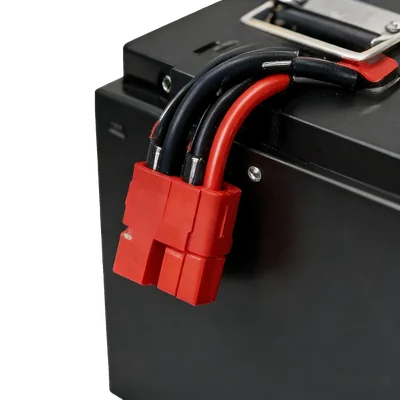


Can I Add a Battery to an Existing Solar System?
Yes. The technical part is solved. AC-coupled batteries bring their own inverter, connect to the main panel, and work with whatever solar equipment already exists. String inverter, microinverters, SolarEdge with optimizers, doesn't matter. The battery ignores all of it.
The harder question is whether the investment makes sense. That depends almost entirely on local electricity rates and available incentives. A battery in California under NEM 3.0 and a battery in Ohio with flat-rate net metering might as well be different products.
What creates urgency right now is the federal 30% tax credit. It disappears on December 31, 2025. Not phases down. Disappears. A $15,000 installation qualifies for $4,500 in tax reduction this year and $0 next year.
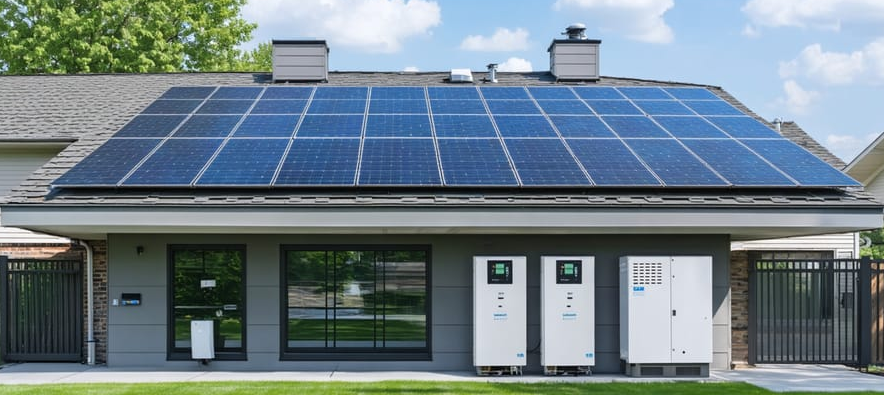
AC Coupling Is the Answer for Most Retrofits
The online debate between AC and DC coupling generates more heat than light. For most existing solar systems, AC coupling is the obvious choice.
AC coupling means the battery handles its own DC-to-AC conversion. Energy passes through extra conversion steps and loses maybe 6-10% along the way. The alternative, DC coupling, requires replacing the existing inverter with a hybrid unit. Unless that inverter is already failing, the replacement cost exceeds any efficiency gains.
The efficiency math works out clearly. On a 10 kW system producing 40 kWh daily, the difference between 92% and 96% efficiency amounts to 1.6 kWh per day. At $0.30/kWh, that's about $175 per year. A new hybrid inverter costs $3,000-6,000. The payback on efficiency gain alone runs 17-34 years. The inverter won't last that long. Neither will the battery.
Installers who push DC coupling on systems with functional inverters are either upselling or don't understand the math. The efficiency advantage sounds compelling in a sales pitch. On paper, it disappears.
String inverters typically survive about ten years. If the existing unit has five years left, AC coupling preserves that value. If it's eight years old and acting up, maybe DC coupling with a new hybrid inverter makes sense. The decision hinges on equipment age, not theoretical efficiency.
SolarEdge creates a special case. Owners with SetApp inverters can add SolarEdge Home Batteries through DC coupling and achieve 94.5% efficiency. The integration is native and the performance is real. Older SolarEdge systems with LCD displays can't connect to current battery products without upgrade kits. For those, AC coupling with a third-party battery is the only path.
Enphase microinverter owners have it easiest. The Enphase IQ Battery series connects through the IQ System Controller and talks natively to IQ6, IQ7, and IQ8 microinverters. No integration headaches. No configuration problems. Firmware updates coordinate automatically. Staying in the Enphase ecosystem costs more but eliminates the debugging that plagues mixed-brand installations.
LFP Batteries Won for Safety Reasons
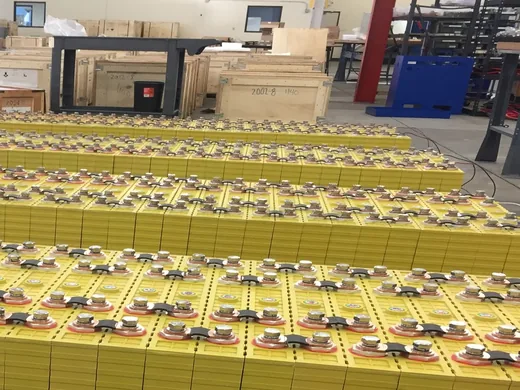
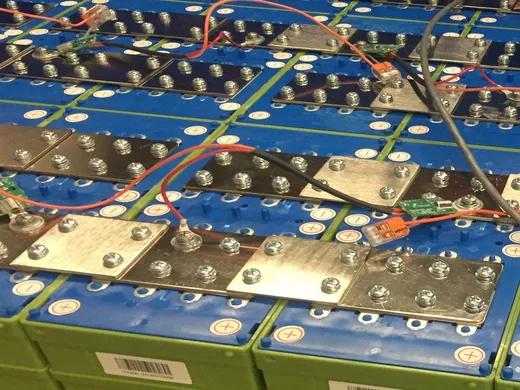
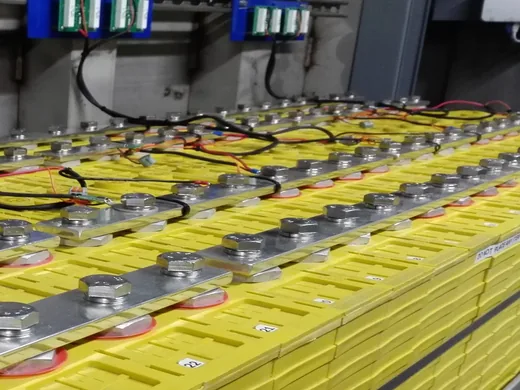
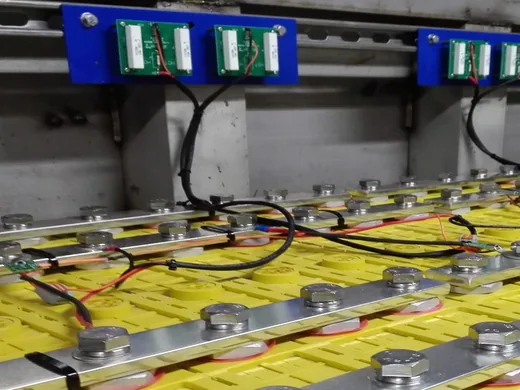
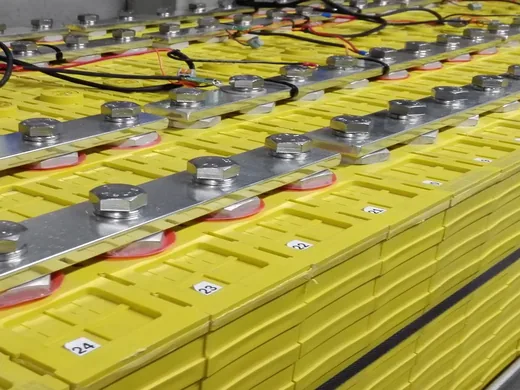
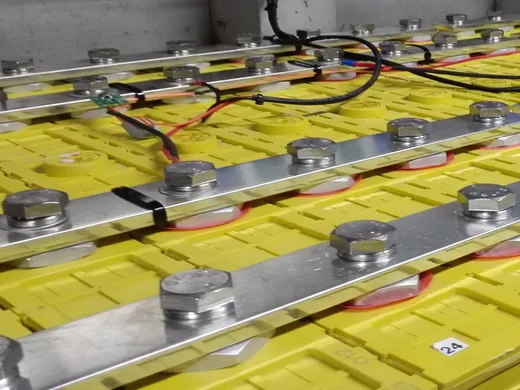
Lithium iron phosphate took over residential storage because it doesn't catch fire. That's the short version.
NMC batteries can experience thermal runaway. Puncture the cell wrong and it ignites. The failure mode is rare but spectacular when it happens. LFP cells don't have this problem. Damage them and they stop working. No flames. No elaborate cooling systems required.
Insurance companies noticed. Fire departments noticed. Building codes noticed. Some jurisdictions now require fire suppression equipment for NMC installations in attached garages. LFP faces no such requirements. The regulatory burden alone pushes installers toward LFP even before considering the technical advantages.
The safety advantage extends to longevity. LFP survives 6,000-10,000 full cycles before degrading to 80% capacity. NMC manages half that. For a battery that cycles daily, LFP lasts 16-27 years versus 8-14 for NMC. Calendar aging eventually limits both chemistries regardless of cycling, but the gap remains substantial.
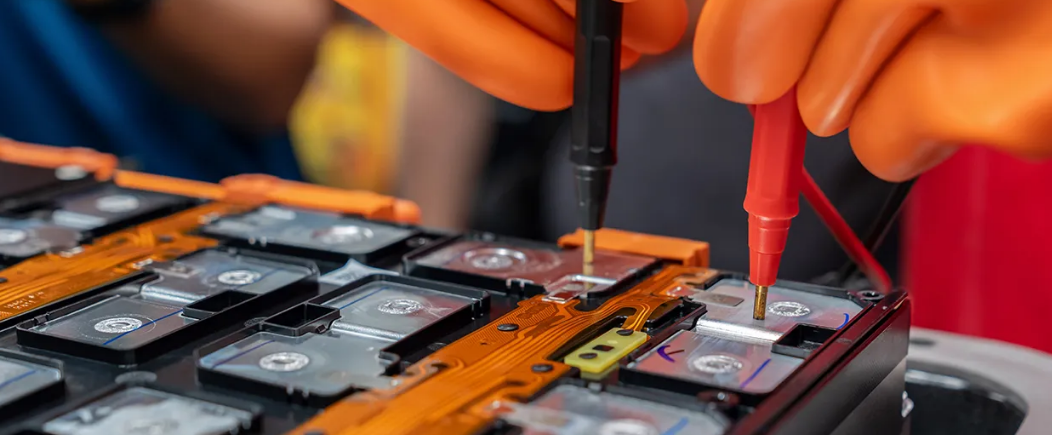
LFP also tolerates full discharge without penalty. NMC battery management systems enforce reserve margins to prevent damage from deep discharge. A nominally 13.5 kWh NMC battery might deliver only 11-12 kWh usable. LFP delivers its rated capacity.
The tradeoff is size. NMC packs more energy into less space. For installations where physical dimensions matter, usually apartments or small utility closets, NMC's density advantage becomes relevant. For a typical garage wall installation, it doesn't.
Some installers still recommend NMC. Ask why. If the answer involves space constraints, that's legitimate. If the answer involves anything else, get another quote.
Sodium-ion batteries keep appearing in trade publications. CATL promises 30% cost reductions using abundant materials. Residential products won't ship before 2026. Waiting means missing the tax credit while betting on technology that hasn't reached manufacturing scale. That bet has a poor track record in solar.
The Products
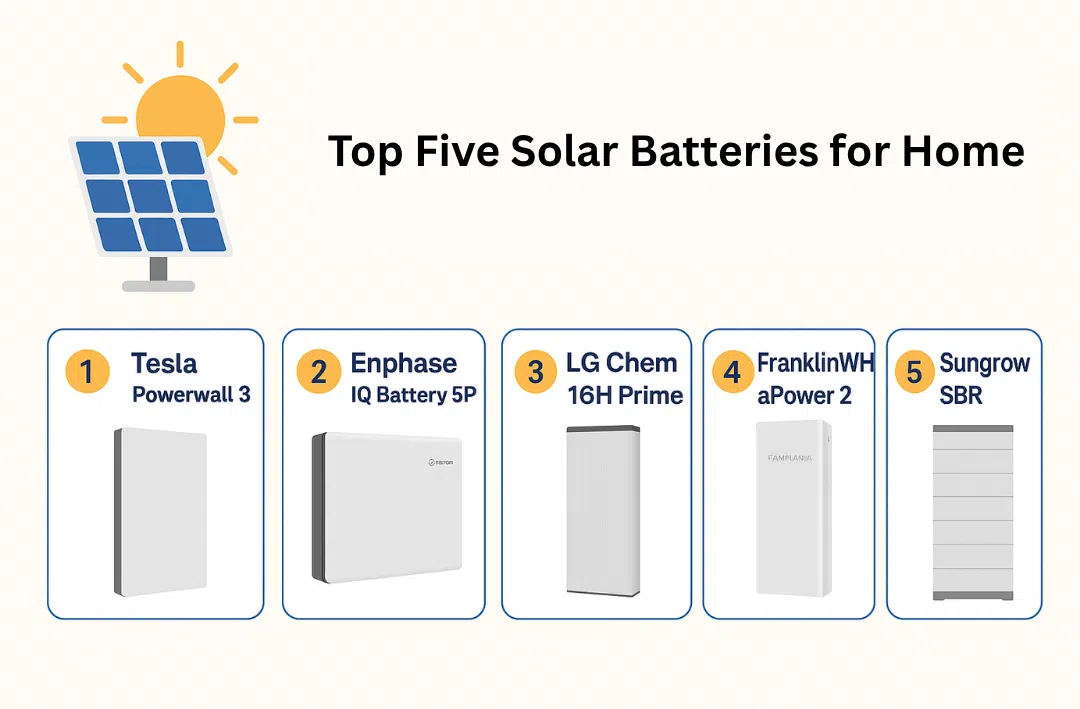
Tesla holds roughly 63% of the residential battery market according to EnergySage data. The dominance reflects real advantages, not just brand recognition.
Tesla Powerwall 3
Stores 13.5 kWh with an integrated inverter. The 11.5 kW continuous output rating leads the industry. This matters because central air conditioning draws enormous startup current that undersized batteries can't handle. Try to start a 3-ton AC unit on a 5 kW battery and it trips protection circuits. Powerwall handles it. Round-trip efficiency hits 97.5%, best available. A single Powerwall 3 costs about $15,400 installed. Add a second and the incremental cost drops to roughly $480/kWh because electrical work and permitting are already done. The scaling economics favor multi-unit installations. For homeowners wanting substantial capacity, this makes Powerwall hard to beat on price per usable kWh. One limitation: Powerwall 3 won't combine with older Powerwall 2 units in the same system. Existing Powerwall 2 owners face a choice between adding more Powerwall 2s while stock lasts or starting fresh with all Powerwall 3s.
Enphase IQ Battery 5P
Carries the longest warranty at 15 years. Each 5 kWh module stacks up to eight units. Passive cooling means no fan noise, which matters in garages where sound carries into living spaces. The $1,344/kWh installed cost places Enphase at the premium end. Microinverter owners who want clean integration often pay it rather than risk compatibility issues with other brands.
FranklinWH aPower 2
Rose to the fourth most-quoted brand through one feature: native generator integration. The aGate controller starts and stops generators automatically based on battery state. For homeowners with existing Generac or Kohler standby generators who want batteries to stretch fuel supply during extended outages, this coordination solves a problem that plagues other setups. Capacity is 15 kWh, output is 10 kW, pricing runs $925-1,180/kWh.
Generac PWRcell 2
Exists for Generac generator owners. The integration works. The NMC chemistry, 84% depth of discharge, and shorter cycle life make it hard to recommend otherwise. If generator integration isn't the priority, look elsewhere.
SolarEdge Home Battery
Achieves 94.5% DC efficiency but only works with SolarEdge inverters. Excellent for compatible systems. Irrelevant for everyone else.
Financial Returns Depend Entirely on Rate Structure
Time-of-use arbitrage drives most battery savings. Charge when electricity costs $0.25/kWh. Discharge when it costs $0.55/kWh. A 13.5 kWh battery cycling daily at that spread saves around $1,500 annually.
The math looks great until it hits reality. Not every utility offers time-of-use rates. And among those that do, the peak/off-peak spread varies from meaningful to trivial.
Flat-rate customers capture none of the arbitrage value. If the utility charges the same price regardless of time, buying cheap and selling expensive isn't possible. The price never changes. Self-consumption still has value when net metering credits fall below retail rate, but full retail net metering makes storage versus export a wash financially.
The difference between a 5-year payback and a never-payback situation often comes down to a single variable: does the utility offer time-of-use rates with a spread worth exploiting?
Homeowners should pull their utility's rate schedules before talking to installers. The information is public but usually buried in tariff documents that require patience to decode.
California under NEM 3.0 presents the strongest financial case anywhere in the country. Solar export compensation collapsed about 75% in April 2023 when the new rules took effect. Selling surplus power to the utility earns $0.04-0.08/kWh. Buying it back during evening peaks costs up to $3.50/kWh on the most extreme rate schedules. The spread is enormous. Batteries aren't optional in California anymore. They're economically mandatory. Attachment rates for new installations exceed 70%. Payback runs 5-7 years even without state incentives.

Massachusetts works differently. The ConnectedSolutions program pays battery owners $275/kW for summer performance, locked for five years. Participants earn $1,375-1,500 annually from program payments alone, separate from any electricity savings. The program subsidizes batteries for grid support. Payback hits 6-8 years.
States with full net metering and flat rates present weak economics. If the utility credits every exported kilowatt-hour at retail price regardless of time and charges the same rate around the clock, batteries provide no financial benefit beyond backup power. Payback may stretch to 15 years. Or never arrive at all. The math doesn't work, and no amount of optimizing changes that.
Backup Power Has Real but Hard-to-Quantify Value
Weather-related outages increased 78% between 2011 and 2021 according to Climate Central. Average homes lose power 4.8-7 hours annually, though regional variation is extreme. Some neighborhoods go years without a flicker. Others lose power every major storm.
Each extended outage risks tangible costs: spoiled food runs $200-500 depending on what's in the freezer, lost work productivity varies by profession, sump pump failure during storms causes basement flooding, frozen pipes burst in winter, medical equipment interruption creates emergencies. These costs never appear in payback spreadsheets. They're real anyway.
Remote workers face math that office commuters don't. A single lost workday during a power outage costs $200-500 in productivity, more for professionals billing hourly. Two or three outages per year affecting work can justify battery costs entirely independent of electricity savings. The battery becomes business equipment, not home improvement.
Medical equipment dependency creates a third category of buyer entirely. CPAP machines, oxygen concentrators, refrigerated medication, and dialysis equipment can't tolerate outages. For these households, the value of uninterrupted power has nothing to do with dollars. It's about health and safety. Payback calculations don't apply.
Homeowners considering batteries should be honest about which camp they fall into. Someone chasing economic return needs time-of-use rates and incentives to align favorably. Someone buying peace of mind during outages can ignore payback entirely. Someone with medical equipment shouldn't even look at the financial section. The mistake is mixing motivations. Buying a battery for economic reasons when economics don't support it leads to buyer's remorse. Buying for backup and then obsessing over payback period misses the point. Different motivations, different decisions, different expectations.
The Tax Credit and Other Incentives
The federal 30% Investment Tax Credit applies to standalone batteries of 3 kWh or greater. The Inflation Reduction Act made batteries eligible without requiring solar pairing.
The deadline is December 31, 2025. Systems must be operational by that date. This isn't a phase-down. The credit ends.
| Program | Incentive Amount | Eligibility |
|---|---|---|
| Federal ITC | 30% of system cost | Batteries 3 kWh or greater |
| California SGIP (General) | $150-200/kWh | General customers |
| California SGIP (Equity) | $850-1,100/kWh | Low-income, fire zones, PSPS areas |
| Tesla California DSGS | Up to $350/year per Powerwall | Tesla Powerwall owners |
| Massachusetts ConnectedSolutions | $275/kW annually (5 years) | Battery owners in participating utilities |
| Texas GVEC | $2,530 + $862.50/year | GVEC service area customers |
Installation Takes Longer Than Expected
Expect 6-12 weeks from contract to operational system. Physical installation takes a day. Everything else eats the rest.
Utility interconnection is where projects stall. The utility reviews applications, requests changes, schedules meter swaps, and eventually issues Permission to Operate. Some utilities finish in two weeks. Others take two months. Homeowners have no control over this timeline and no effective way to accelerate it. Calling the utility accomplishes nothing. The queue moves at its own pace.
Installers familiar with local utilities can sometimes avoid common rejection reasons by submitting cleaner applications. But even perfect paperwork sits in queue behind everyone else's paperwork.
Most installations need 200-amp electrical service. Homes built before 1980 often have 100-amp panels that can't handle solar plus storage plus modern appliances. Upgrades run $1,300-4,000 depending on panel location and local labor rates. The expense qualifies for the federal tax credit when bundled with storage installation, which softens the blow somewhat.
Professional installation is mandatory for warranty coverage. Tesla, Enphase, and FranklinWH all void warranties for DIY work. Beyond warranty issues, the permitting, inspection, and interconnection processes assume professional installation. DIY creates friction at every step.
One point gets lost in sales conversations: adding a battery doesn't automatically provide backup during outages. Grid-tied inverters shut down when they lose utility reference frequency. Without a backup gateway or automatic transfer switch, batteries store energy but won't release it during blackouts. Tesla, Enphase, and FranklinWH include this equipment standard. Generic batteries may not. Ask before signing.
The Bottom Line
Can a battery be added to an existing solar system? Yes. AC coupling solved the compatibility problem years ago. Any solar system from any era can accept a battery.
Should a battery be added? The answer splits homeowners into distinct camps, and too many people end up in the wrong one.
California and Massachusetts residents with time-of-use rates can achieve 5-8 year paybacks. The economics work regardless of backup value. For them, the decision is easy. The federal tax credit makes 2025 the obvious year to act.
Homeowners with flat rates and full net metering face entirely different math. Financial payback may stretch to 15 years or never arrive at all. The battery saves no money. It provides backup power and the psychological comfort of self-reliance during outages. Whether that justifies $7,000-12,000 after incentives depends on how often the power goes out and how much that disruption costs.
The mistake is buying a battery for economic reasons when the economics don't work, then feeling cheated when the savings never materialize. Or buying for backup and then obsessing over payback period. The two motivations lead to different products, different sizing, and different expectations.
The 2025 tax credit deadline creates real urgency for everyone. Given 6-12 week installation timelines, contracts signed after October risk missing it. For anyone who eventually wants batteries, 2025 is the year to move. Waiting until 2026 means paying 30% more for identical equipment.
Getting multiple quotes matters more for batteries than it did for solar. Installer pricing varies by $3,000 or more for identical equipment and equivalent work quality. Three quotes minimum. Five reveals the full market range.
Tesla Powerwall 3 handles most situations well. Enphase suits microinverter owners. FranklinWH addresses generator integration. The technical barriers are gone. The decision comes down to local rates, local incentives, and personal tolerance for power outages.