



Do I Need Battery with Solar Panels?
Grid-tied solar does not require batteries. The utility handles storage. Millions of American systems have run this way for years.
Off-grid is different. No grid means no power after dark.
The interesting cases are the people in between.
What Changed in California
April 2023, California implemented NEM 3.0 and cut export compensation by about three quarters. Midday solar surplus that used to fetch retail rates now sells for maybe four cents per kilowatt-hour. Evening consumption from the same grid costs thirty-five cents or more.
Battery attachment rates went from 11% to 79% within months.
The installers who had spent years explaining why batteries were optional started bundling them as default. The technology stayed the same. The policy flipped, and the arithmetic flipped with it.
New Jersey tells a different story. The state still has 1:1 net metering where every exported kilowatt-hour earns a credit at full retail price, usable whenever the homeowner wants. The grid works as free storage there, no degradation, no capital outlay, no maintenance schedule to track. A New Jersey homeowner debating batteries is having a fundamentally different conversation than someone in California with the same panels on the same type of roof.
Thirty-four states have some version of net metering on the books. A third are in active proceedings to revise those policies, and the revisions all point the same direction: reduced compensation, time-varying rates, sometimes demand charges applied to residential accounts. Utilities want out of the arrangement that made the grid function as free infinite storage. California went first. Others proceed according to their own regulatory timelines, but the trajectory is consistent.
Here is where the geography question gets counterintuitive. An observer would expect sunny California to need batteries less than cloudy New Jersey. More sun should mean more production, more exports, more value captured through grid storage. That logic made sense under old net metering rules. Under NEM 3.0 it inverts. Policy determines battery economics more than latitude does. An installer who talks about roof orientation and panel efficiency without discussing local rate structures is missing the variable that matters most.
The Outage Question Gets Personal Fast
A four-hour outage spoils the food in the refrigerator. Maybe two hundred dollars gone. Annoying but manageable.
A four-hour outage cuts power to a home oxygen concentrator, and now someone needs to get to a hospital or find another power source before the situation turns medical.
A four-hour outage during a storm stops the sump pump while water keeps rising in the basement. Remediation bills can hit five figures if the damage spreads to drywall and flooring.
Trying to assign a single dollar value per hour of backup misses how much the stakes vary by household. The same outage duration imposes costs that differ by a factor of a hundred depending on who lives in the house and what equipment they depend on.
Grid reliability trends add weight to these concerns. The Department of Energy projects 104 gigawatts of firm generation capacity retiring by 2030, and the replacement mix may not match the dispatchability characteristics of what it replaces. Wildfire seasons have extended into months that used to be safe. Hurricane intensities have increased. The Texas freeze of February 2021 left millions without power for multiple days in temperatures that dropped into single digits. Puerto Rico never got its grid back to pre-Maria stability. Of the 175,000 households there that installed solar in the aftermath, 160,000 added batteries. When reliability drops far enough, storage stops being optional.
The backup capacity question scales with consumption. A standard 13.5 kilowatt-hour battery provides roughly eleven hours for an average American home drawing thirty kilowatt-hours daily. Restrict to essential loads and that stretches past twenty-four hours. Run the air conditioning or charge an electric vehicle and duration compresses to maybe six hours or less. With solar recharging during daylight, a well-designed system can in theory run through a multi-day outage as long as daily production meets daily consumption. Overcast conditions undercut that math.
Most installations target critical load backup rather than whole-home. A dedicated subpanel serves the refrigerator, some lights, the wifi router, medical equipment if relevant, maybe a single HVAC zone. This approach costs substantially less than trying to run an entire house through an extended blackout while the air conditioning cycles and the electric dryer runs.
Vendor Math Has Gaps
The typical sales presentation divides battery cost by annual electricity savings and calls the result a payback period. Fifteen thousand dollars saved at twelve hundred a year shows 12.5 years. This calculation appears on brochures, in proposal documents, sometimes in news coverage that should know better.
Three problems.
First, the twelve hundred dollar annual savings figure assumes time-of-use arbitrage exists. Flat-rate territories with no peak-to-off-peak price variation offer zero arbitrage value. The number does not transfer across jurisdictions.
Second, the 12.5 year payback assumes the battery maintains rated capacity for the entire duration. Warranties guarantee 70% capacity retention at year ten. The battery saving twelve hundred in year one probably saves less in year eight as capacity degrades.
Third, the calculation ignores opportunity cost. Fifteen thousand dollars at even a conservative 4% for twelve years compounds past twenty-four thousand. The electricity savings have to beat that, not just recover the original outlay.
These gaps do not make batteries a bad investment. They make the simple payback number a poor evaluation method.
What the battery is doing matters more than the payback figure suggests. Backup, arbitrage, and grid services represent different propositions with different economics. A backup-only installation in a flat-rate territory where the grid rarely goes down may never produce positive financial return. The value there is insurance against events that might never happen, and pricing insurance depends on risk tolerance rather than arithmetic.
Arbitrage installations in time-of-use territories run different math. California, Arizona, and Hawaii see peak-to-off-peak spreads over thirty cents per kilowatt-hour. A household shifting twenty kilowatt-hours daily captures about six dollars, reaching twenty-two hundred annually. Payback compresses to six or seven years under those conditions. The calculation depends on what loads can shift. Refrigerators run all day regardless of rates. Laundry can wait.
Virtual power plant programs layer additional revenue. Massachusetts ConnectedSolutions pays two hundred seventy-five dollars per kilowatt annually. A ten kilowatt system earns twenty-seven hundred fifty per year just from participation. California and Texas have their own programs with varying terms.
The 30% federal tax credit applies through at least December 2025. Some states add their own incentives on top.
Stack all the value streams in a favorable territory and five-year payback becomes achievable. Chase only one or two in a less favorable location and the numbers stretch until return becomes unlikely.
Products
Tesla Powerwall 3 dominates market share. Thirteen and a half kilowatt-hours of usable capacity, eleven and a half kilowatts continuous output, around fifteen thousand four hundred dollars installed. The integrated design bundles inverter functionality and a gateway for system management into one package. Software is mature after years of iteration. Installers have experience with the product. Service infrastructure exists. The downsides come in the form of wait times that stretch during production crunches and limited room for price negotiation because demand generally exceeds supply.
Enphase took a different approach with modular five kilowatt-hour units that stack according to need. Installed cost runs sixty-five hundred to nine thousand per module depending on market and installer. The system integrates naturally with Enphase microinverter installations, which represent a meaningful share of the residential solar market. Per-kilowatt-hour cost exceeds Tesla but the format suits buyers who want to start with a smaller investment and expand later as budget allows or needs change.
Leading Battery Storage Solutions
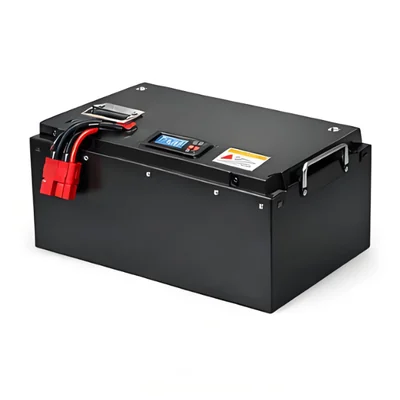
Integrated inverter • Mature software ecosystem
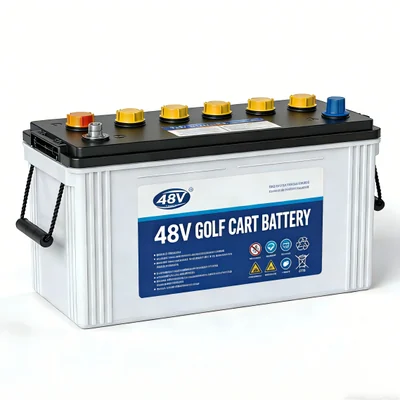
Microinverter integration • Scalable investment
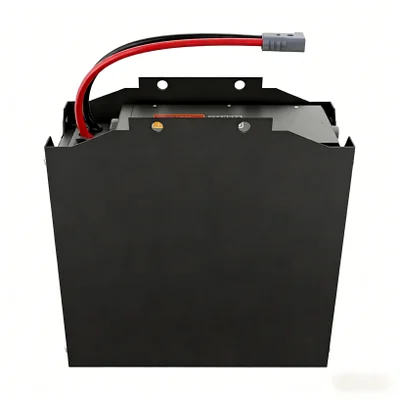
Smart electrical panel • Automatic load management
Budget-friendly option • Flexible installation
FranklinWH built its aPower 2 around whole-home backup capability. Fifteen kilowatt-hours and ten kilowatts output, with a smart electrical panel included that manages loads automatically during outages. Transfer switching operates fast enough that sensitive electronics do not notice the transition. Installed cost runs seventeen thousand five hundred to eighteen thousand, the highest among the major brands. The smart panel appeals to buyers who want the system to handle load prioritization without manual intervention.
BYD carved out the budget segment. The Battery Box requires a separate inverter, which drops system integration compared to the all-in-one designs. Per-kilowatt-hour cost undercuts the competition. The product suits buyers comfortable with a more involved installation process or those working with installers who have specific inverter preferences.
Warranties across these products cluster around ten to fifteen years with guaranteed minimum retention of 70% capacity. Systems keep working past warranty at reduced capacity. What happens to a battery after year ten depends on usage patterns, temperature exposure during operation, and manufacturing variation that warranties do not account for.
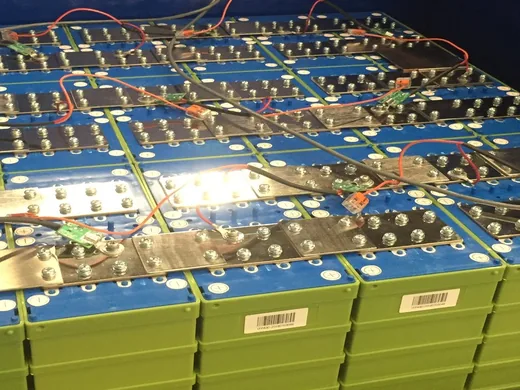
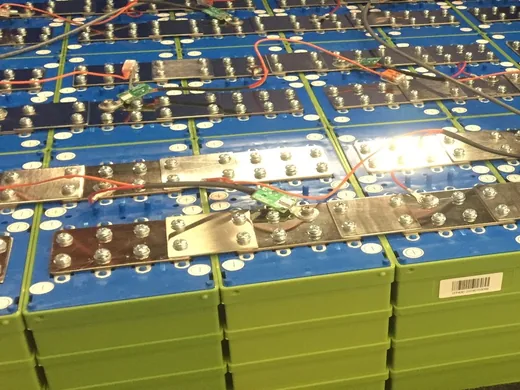
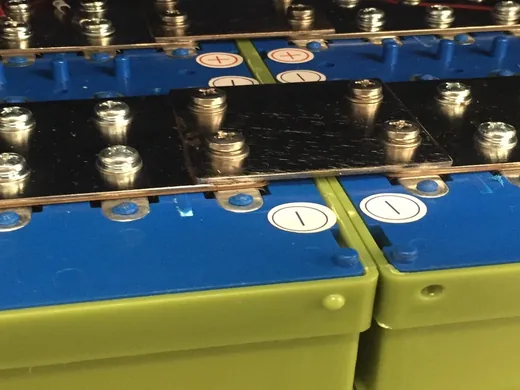
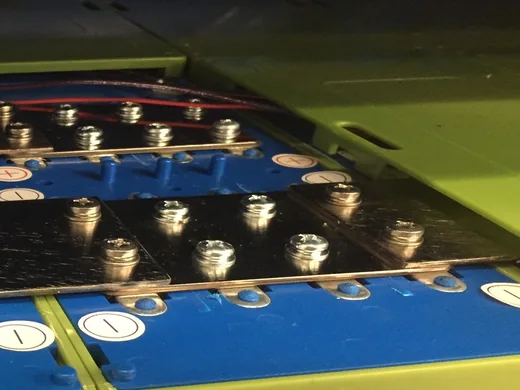
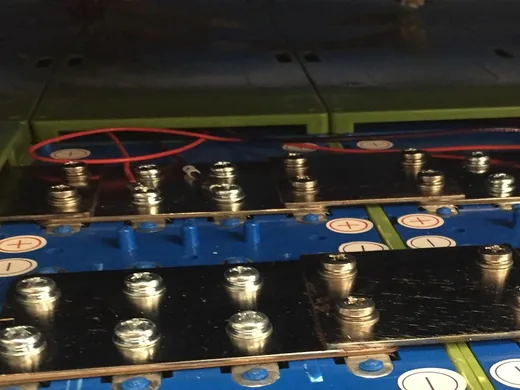
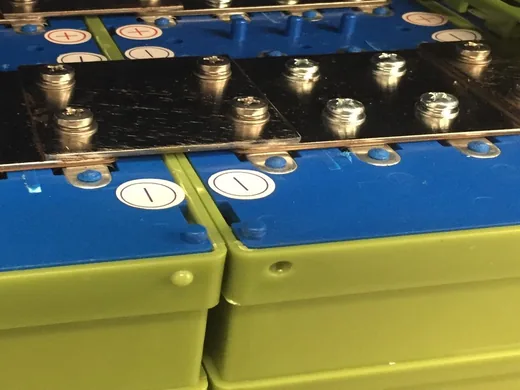
Lithium iron phosphate chemistry holds 85% of the residential storage market now, up from 48% in 2021. The shift away from nickel-manganese-cobalt happened for reasons that matter in daily operation. LFP thermal runaway occurs above 480 degrees Celsius, making fires rare. Cycle life runs six to ten thousand cycles, meaning daily use over fifteen years stays within the rated envelope. Cobalt content is zero, sidestepping supply chain dependencies and ethics concerns tied to Congolese mining operations. Energy density runs lower than NMC alternatives but for stationary storage mounted on a garage wall that tradeoff costs nothing practical.
Lead-acid still sells to budget DIY off-grid projects, under 5% of the market. Lower upfront cost disappears when replacement cycles and efficiency losses factor into the lifetime calculation.
Electric vehicles with bidirectional charging complicate planning for anyone considering both an EV and home storage. Ford F-150 Lightning, Tesla Cybertruck, Kia EV6 and EV9, Hyundai Ioniq models can all feed power back to a house during an outage. A hundred kilowatt-hour vehicle battery supports a typical American home for three to four days, which exceeds the capacity of any residential storage product available. A household that already owns or plans to buy one of these vehicles may not need a separate battery for backup purposes. The limitation is that the backup disappears when someone drives the car away. Industry projections put over a million V2H-capable vehicles on American roads by 2030.
Things That Come Up Later
Permitting varies wildly. Some jurisdictions treat batteries as minor electrical work. Others want fire department review, setback compliance, extended timelines. Four to twelve weeks from contract to operational system is typical but the range is wide.
Battery placement affects daily life more than people expect going in. Interior installation keeps equipment protected from weather but takes garage space. The cooling fans make noise. Wall-mounting on a shared wall with living space can produce audible sound during high-activity periods. A thirteen kilowatt-hour battery weighs around two hundred fifty pounds, which requires thinking about structural support.
Consumption patterns matter more than most sales conversations acknowledge. A household that uses most electricity in the morning before solar production peaks faces different economics than one with evening-heavy consumption. Refrigerators run constantly regardless of rate period. Laundry, dishwashers, EV charging can shift. The mix determines achievable savings.
Degradation curves differ by product in ways warranties do not specify. Some batteries decline gradually and predictably. Others hold steady for years then drop faster. Independent long-term testing data on residential units remains limited because most products have only been in the field for a few years.
Installer quality varies. High-voltage DC work has safety implications when done wrong. A Tesla-certified installer may not have much experience with FranklinWH. Manufacturer support quality matters when warranty claims come up. The residential storage market has already seen company failures that left customers stuck.
Software updates keep coming after installation. Tesla has pushed updates that changed backup reserve settings and peak shaving algorithms. The system behavior a year from now may not match what the sales materials described.
Who Should and Should Not Bother
Strong net metering, flat rates, stable grid history, no medical equipment dependence, no home business requiring continuous power, constrained budget. That combination points away from batteries. The grid provides storage at no cost in those circumstances. Outages are rare and carry low consequences when they happen. Arbitrage opportunities do not exist. The financial case does not work regardless of how the numbers get arranged.
Weak net metering, steep time-of-use rate spreads, outages that happen regularly or would cause serious problems if they did, medical equipment in the house, timing before tax credits potentially change. That combination points toward batteries. Export value has collapsed under reformed net metering. Self-consumption captures production that would otherwise be nearly worthless. Outage consequences justify backup investment. Incentive stacking brings payback into achievable range.
Most households do not sit cleanly at either pole. A strong net metering state with increasingly unreliable grid due to weather patterns presents a mixed case. A weak net metering state with rock-solid utility infrastructure and no TOU rates presents another. The decision requires working through the specific numbers rather than applying a formula.
Battery attachment rates ran under 10% in 2020. By 2025 the figure sits at 40% to 70% depending on market.
Some utilities are pushing residential demand charges, billing based on peak power draw rather than total consumption. A household that briefly pulls fifteen kilowatts when the air conditioner, EV charger, and stove all run at once pays based on that spike. Batteries can shave peaks by discharging during high-draw moments. Not all systems do this equally well.
Time-varying export rates are starting to appear. Rather than flat wholesale pricing for exports, some utilities pay based on hourly grid conditions. Exports during high-demand periods earn more than exports during midday solar glut. Batteries that can hold production and release it strategically gain value under these rules.
Vehicle-to-grid programs may eventually let EVs provide grid services for compensation. Regulatory frameworks remain undeveloped. Technical standards keep shifting. V2G revenue remains speculative for now.
The variables that determine whether a battery makes sense today cannot all be predicted. Future rates, future policy, future grid reliability, future technology costs, personal circumstances that shift over time. Some buyers want insurance against worst cases regardless of base-case economics. Others want the numbers to close under current conditions. Neither approach is wrong.
Buyers installing solar now should at minimum specify a hybrid inverter. The extra cost runs a few hundred to about a thousand dollars over a standard grid-tied inverter. The payoff is the ability to add batteries later without replacing equipment or rewiring the system. Battery costs have dropped eight to twelve percent annually. Net metering has weakened steadily. The probability that batteries will make financial sense in a few years exceeds the probability they make sense today for a lot of households. Hybrid inverters turn that uncertainty into an option preserved at low cost.
The Bottom Line
Whether to install batteries now depends on whether the local arithmetic closes today or not. The grid will not work as free storage forever. When that changes depends on where you live.