
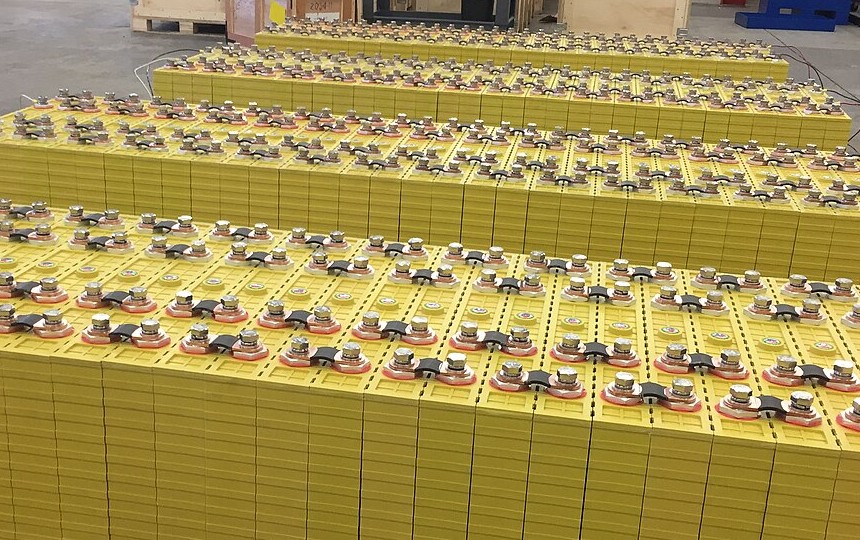
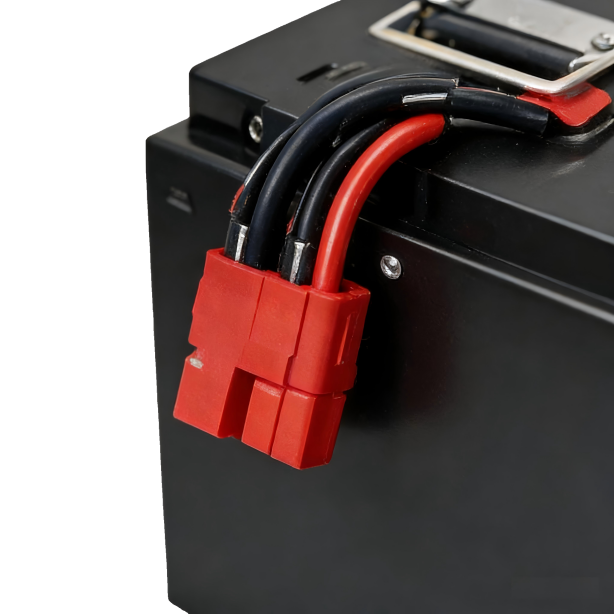


LFP chemistry gets you somewhere between 12 and 15 years if you don't screw up the installation. Most people screw up the installation without knowing it.
A Tesla Powerwall from 2017 still runs at 94% capacity. A cheap imported battery from the same year died within eighteen months. Both spec sheets looked similar. Both promised ten years.
The Installation Problem
A Nature study measured LFP degradation at different temperatures. Cells cycled hot lost capacity three times faster than cells kept cool. Not 30% faster. Three times faster.
Phoenix garages hit 50°C in summer. That's 122°F for anyone who hasn't internalized metric. Minnesota basements stay below 25°C year-round. Same battery, same brand, same usage pattern, same everything except where it sits. Phoenix installation dies around year seven. Minnesota installation runs past fifteen.
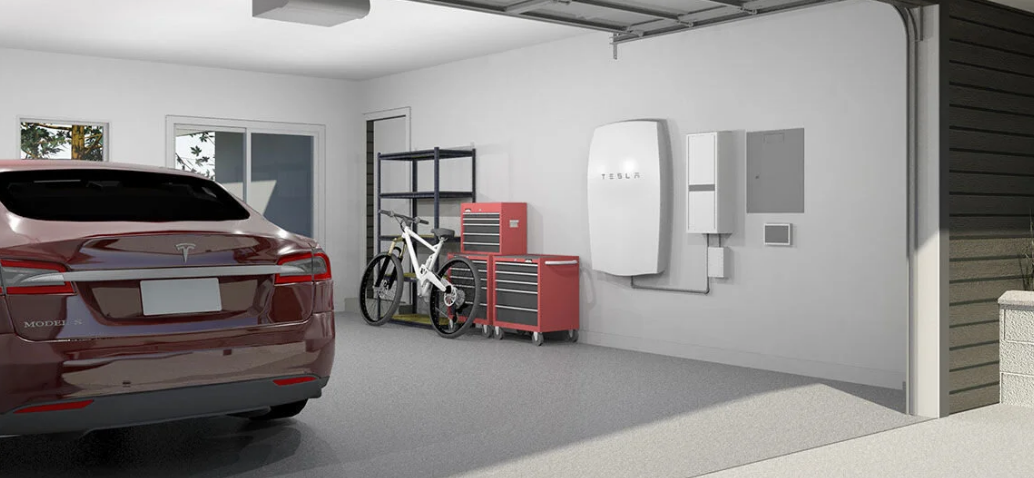
The battery is placed in the garage.
The temperature effect compounds. A battery running hot doesn't just degrade faster during hot periods. Heat damages the internal structure in ways that persist even after the battery cools down. A battery that spent one summer in a hot garage carries that damage forever. The next summer adds more damage. The damage accumulates. By year five the battery has aged like a battery that spent ten years in a basement.
Installers mount batteries in garages because garages have convenient wiring access. Main panel sits there. Conduit runs are short. Installation takes less time. Less time means lower labor cost means more competitive bids means more contracts won. The installer optimizes for winning the contract. The homeowner pays for that optimization eight years later when the battery dies early.
Running cables thirty extra feet to an interior closet adds maybe $500 to installation cost. That $500 buys five extra years of battery life.
Running cables thirty extra feet to an interior closet adds maybe $500 to installation cost. Five hundred dollars. That's roughly what people spend on a nice dinner out with drinks. That $500 buys five extra years of battery life. Five years of battery life represents $5,000 or more in avoided replacement.
Ask an installer about this tradeoff. Most will say the garage is fine. The garage is where batteries go. Everyone's battery goes in the garage. The manufacturer rates the battery for garage installation. The warranty covers garage installation. All true. All missing the point. The warranty covers replacement if the battery fails within the warranty period. The warranty doesn't extend battery life. A battery that lasts seven years in a garage would have lasted fifteen in a basement. The warranty doesn't compensate for those eight lost years.
Not the installer. Not the sales rep. Not the company website. The homeowner signs the contract with the battery going in the garage because the garage is where batteries go. Everyone's battery goes in the garage. Eight years later the battery dies. The homeowner assumes batteries just don't last that long. Posts about it online. Other potential buyers read the post and decide batteries aren't worth it. The installer knew the whole time. The installer chose not to explain because explaining would have meant losing the bid to the other installer who also wasn't going to explain.
Cold kills differently. Charging below freezing creates lithium plating. Metallic lithium deposits form on the anode. These deposits permanently reduce capacity and eventually cause internal shorts. One winter of charging at sub-freezing temperatures can destroy a battery that would otherwise run fifteen years.
Good battery management systems block charging below 32°F. Cheap systems skip this feature because the feature costs money and buyers don't know to ask. A buyer comparing quotes sees two systems at different prices and picks the cheaper one. Cheaper systems lack cold protection.
Minnesota installations exist where the buyer charged through February without knowing it was a problem. By spring the battery had lost 20% capacity. By year three it was dead. The buyer left a negative review about the brand. The brand had nothing to do with it. The battery management system should have blocked cold charging. It didn't because the manufacturer saved a few dollars per unit by leaving that protection out.
The spec sheet doesn't list "has cold charging protection" as a feature. The spec sheet lists energy density and cycle count and warranty length. The features that matter for longevity don't appear on spec sheets. The features that matter for longevity require asking questions that buyers don't know to ask.
Chemistry Selection
Tesla switched Powerwall 3 from NMC to LFP. Enphase switched. SolarEdge switched. LFP captured most of the utility-scale market by 2024. When every major manufacturer converges on one chemistry within three years, that convergence contains more information than any spec sheet comparison.
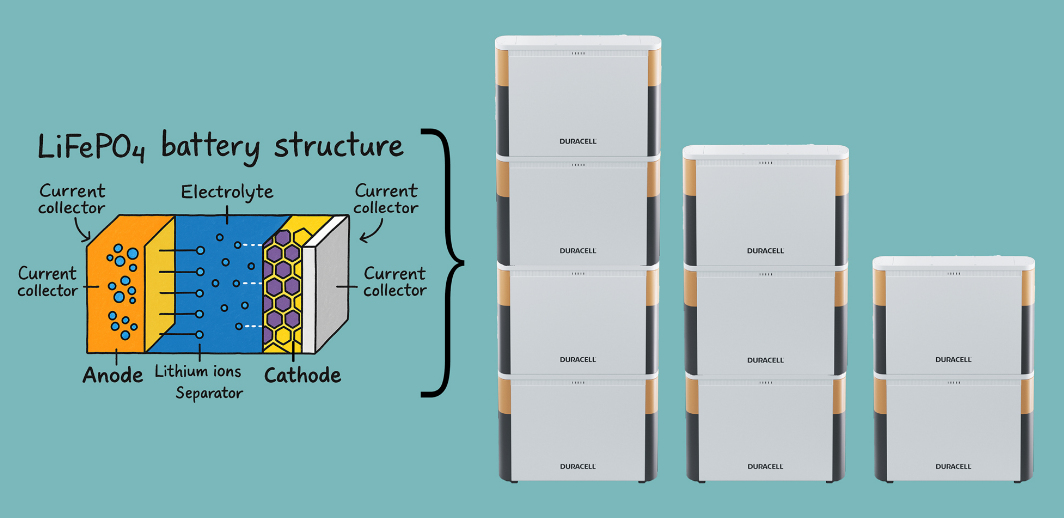
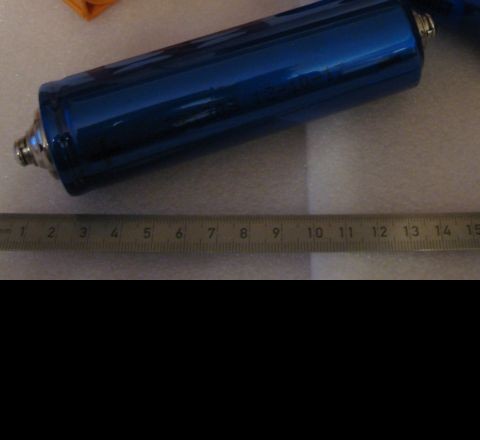
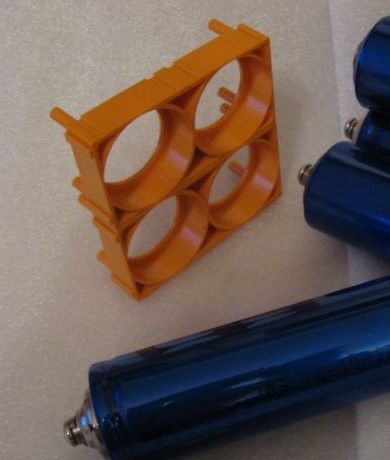
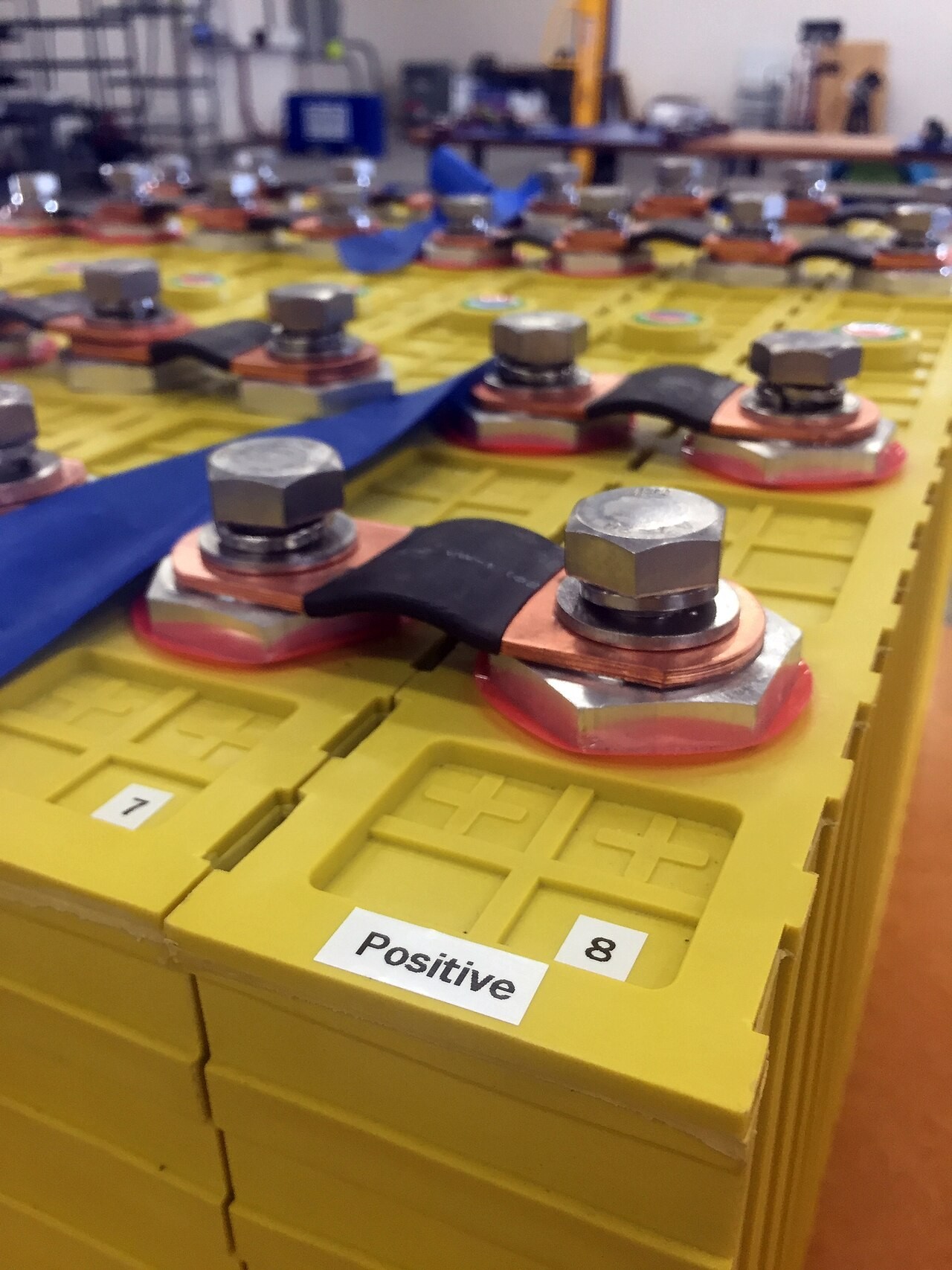
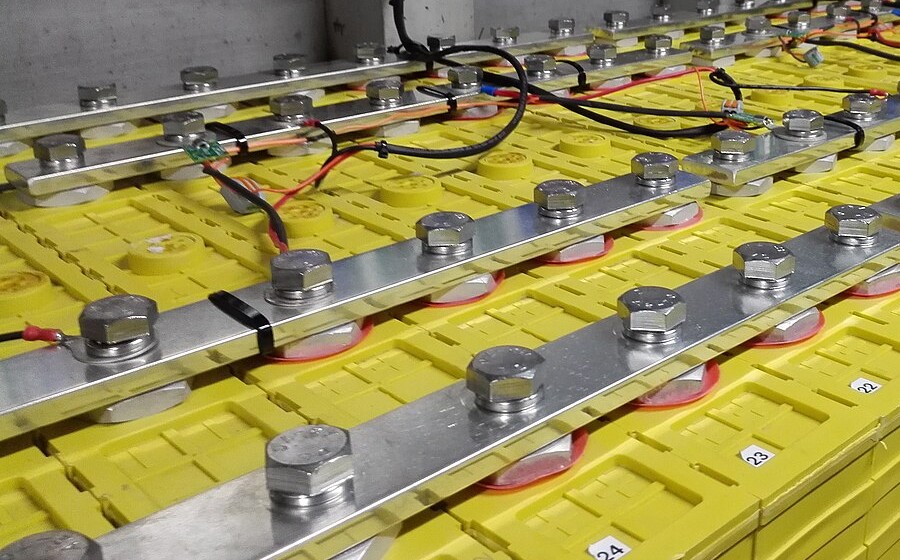
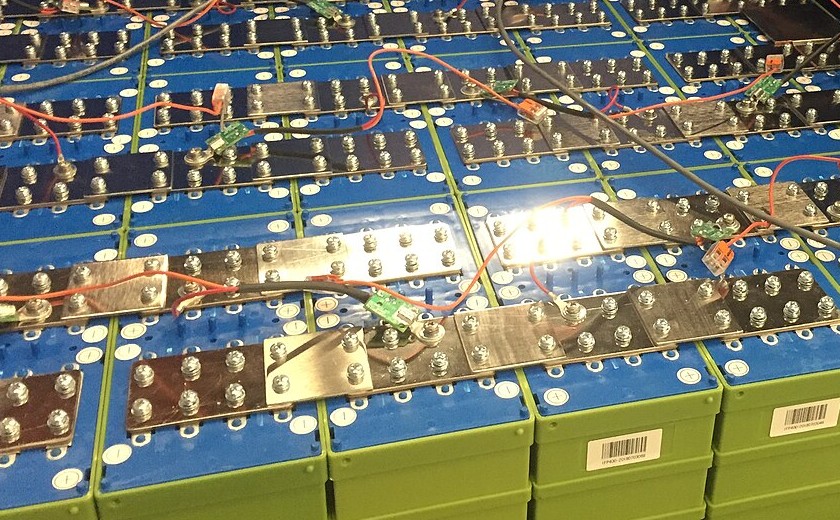
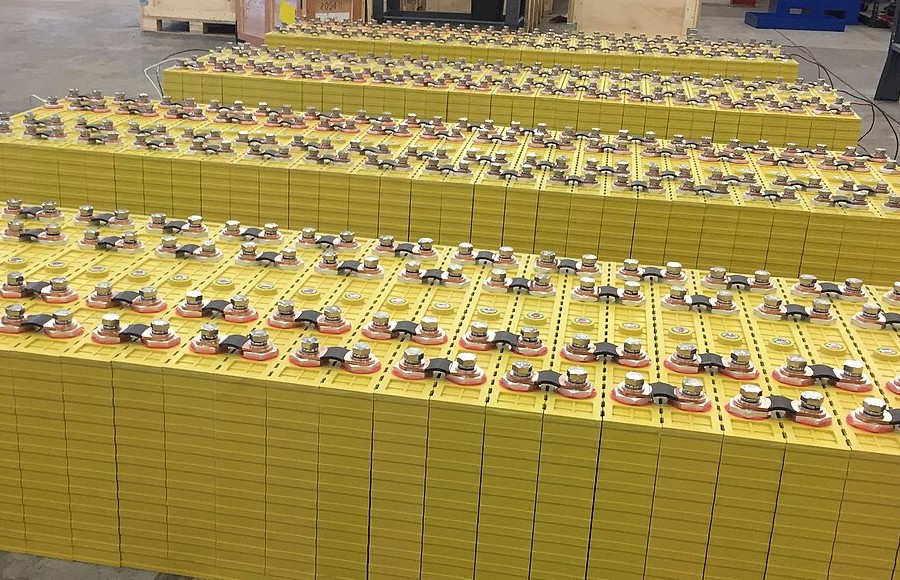
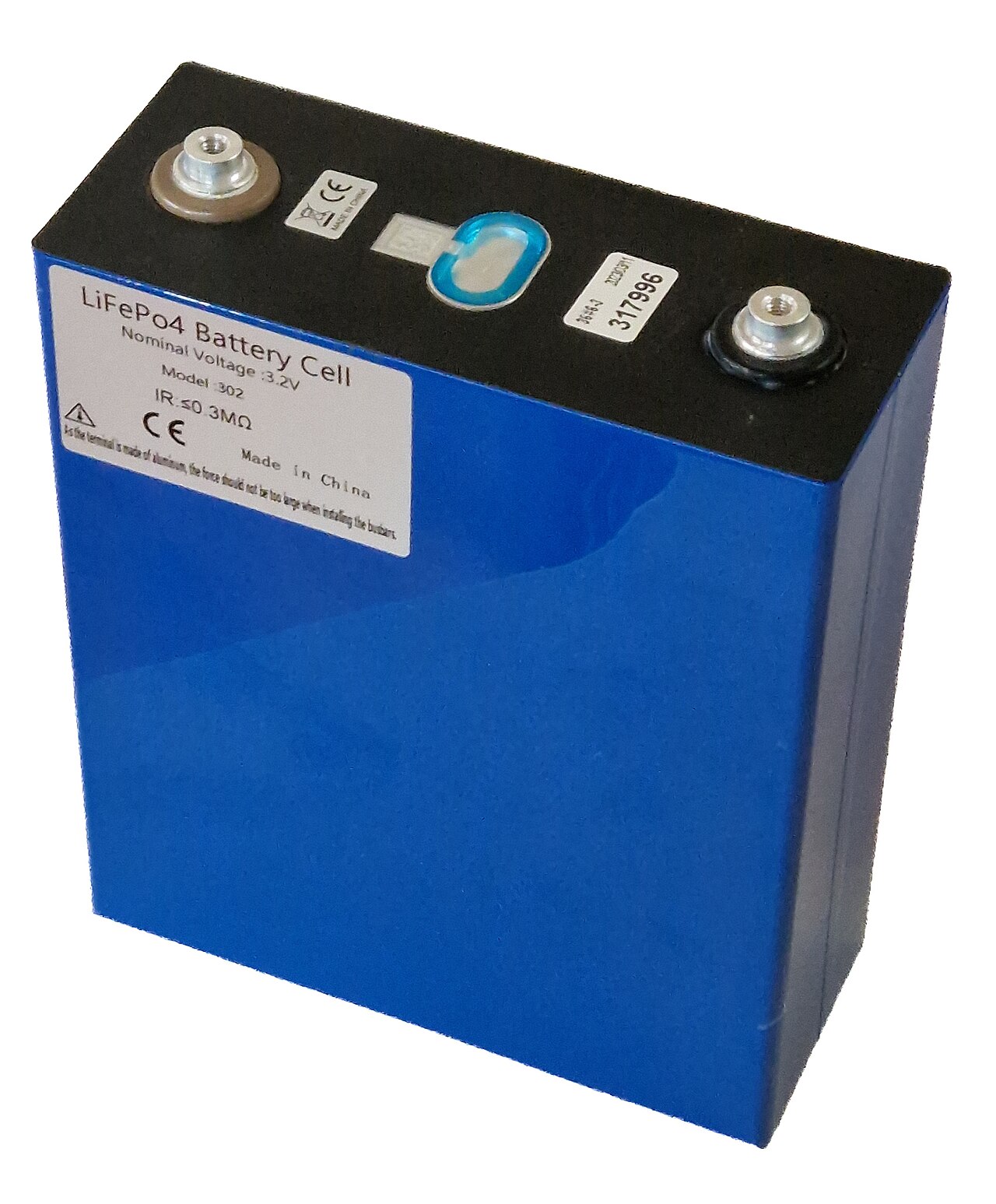
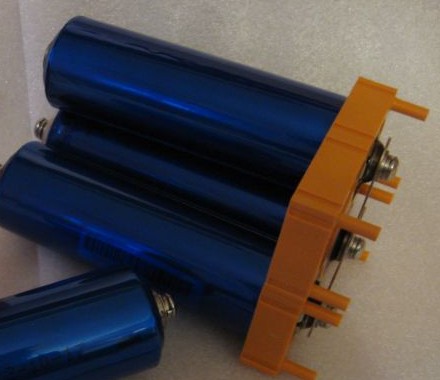
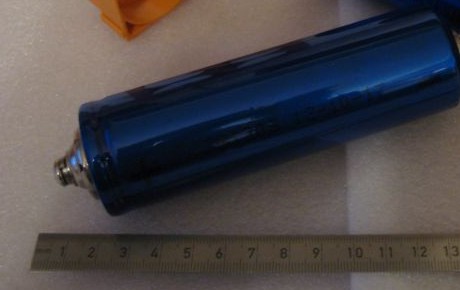
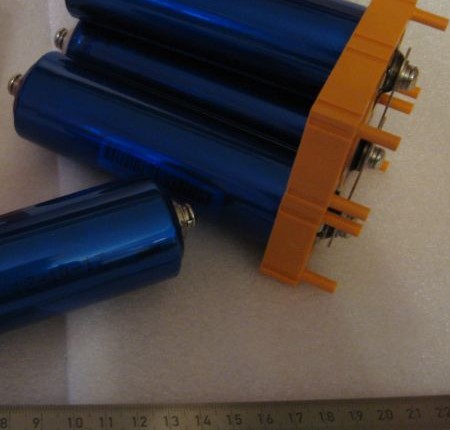
LFP (Lithium Iron Phosphate) chemistry has become the industry standard for residential energy storage.
Engineers at these companies ran the field failure data. Actuaries at their insurers ran the fire risk models. Accountants ran the warranty reserve calculations. All of them landed on LFP. Not because marketing said so. Because the numbers said so.
NMC offers higher energy density. That density advantage matters for electric vehicles where every kilogram affects range. For a battery bolted to a wall, weight and volume cost nothing. Energy density provides zero value while creating thermal runaway risk and shorter cycle life.
Why LFP Won
Fires got attention. Not many in absolute numbers. Enough to make insurance underwriters nervous. Enough to make manufacturers rethink chemistry choices. LFP doesn't catch fire the way NMC can. LFP doesn't release oxygen when it overheats. LFP fails boring instead of failing dangerous. Boring failure modes don't generate lawsuits. Boring failure modes don't generate insurance claims. Boring failure modes don't generate news coverage that scares potential customers away from the entire product category.
The chemistry difference shows up in calendar aging too. LFP loses under 2% capacity per year just sitting there. NMC loses more. For a backup system that only cycles during power outages, calendar aging dominates. A backup system might complete only a few dozen cycles over a decade. Calendar aging kills it long before cycle aging becomes relevant. LFP handles this better.
Field data from Powerwall 2 shows annual capacity loss around half a kilowatt-hour against 13.5 kWh rated. A battery crosses the 80% threshold around year twelve or thirteen at that rate. Most residential systems will see their inverters fail before their LFP batteries do. Inverters typically last ten to twelve years. Battery replacement becomes a decision point around the same time inverter replacement becomes necessary. System owners often replace both together because the labor cost of the second installation is lower when done with the first.
Anyone still pushing NMC for residential storage either carries NMC inventory or stopped paying attention around 2021.
Depth of Discharge
Forums obsess over this. Cycle to 50% depth and the battery lasts longer than cycling to 80%.
True in isolation. Irrelevant for most residential systems.
Cycling shallow yields more cycles than cycling deep. The numbers vary by manufacturer and temperature and charge rate and a dozen other factors. Shallow cycling might double the cycle count. Sounds like shallow cycling wins. Except the total energy throughput ends up roughly the same either way. Batteries survive more calendar years while doing identical lifetime work.
Residential grid-tied systems cycle once daily. At that rate, calendar aging exceeds cycle aging. Calendar aging means degradation from sitting at partial charge. Batteries lose more capacity from existing than from working. Optimizing depth of discharge optimizes a secondary degradation mechanism while ignoring the primary one.
A residential system cycling once daily for fifteen years completes roughly 5,500 cycles. LFP handles that easily at 80% depth of discharge. The battery will hit calendar aging limits before it hits cycle limits. Worrying about depth of discharge in this scenario misses the point.
Off-grid changes things. Systems cycling twice daily see more wear from cycling than from calendar aging. Oversizing makes sense there. A larger bank cycled shallower outlasts a smaller bank cycled deeper. For off-grid, the forums are right.
For everyone else, cycle to 80% without guilt.
Lead-Acid
Lead-acid costs half as much as LFP upfront. That pricing attracts budget-conscious buyers. Those buyers end up spending more.
Lead-acid tolerates only 50% depth of discharge. Cycle deeper and life collapses. At 50% depth, expect a couple thousand cycles. At 80% depth, expect a few hundred. A buyer who chose lead-acid for budget reasons also chose the smaller system that barely meets needs. That smaller system then gets discharged deeply because it's too small for actual usage patterns. That combination fails within two years.
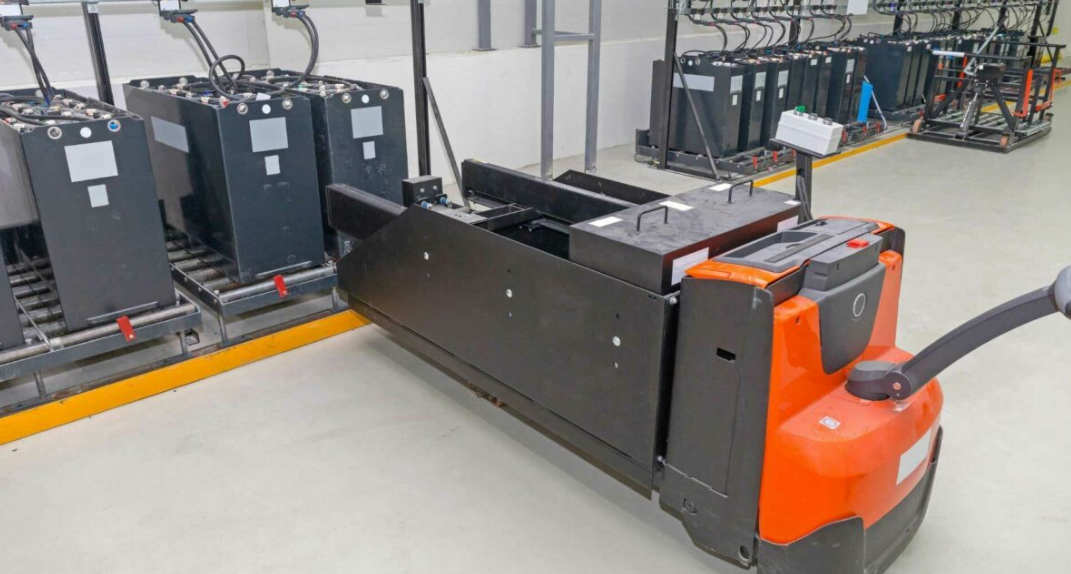
Lead-acid technology remains cheaper upfront but often costs more over the system lifetime.
Temperature sensitivity exceeds LFP by roughly double. A lead-acid battery in a hot garage loses half its expected life.
Maintenance adds another failure mode. Lead-acid requires checking electrolyte levels, equalizing charges, cleaning corrosion from terminals. Most residential owners skip this. Skipped maintenance accelerates failure. The manual says check monthly. The owner checks never. The battery dies early. The owner blames the battery.
Some installers push lead-acid because lead-acid means repeat customers. A system that fails at year three generates another sale at year three. A system that lasts fifteen years generates no repeat business for fifteen years. This isn't conspiracy thinking. This is how incentives work. An installer facing a choice between selling a product that generates repeat business and a product that doesn't will sell the product that generates repeat business unless something forces a different choice.
The buyer who saved $2,000 by choosing lead-acid over LFP ends up spending $4,000 on replacement batteries over ten years. The buyer who spent $4,000 on LFP ends up spending $4,000 total. Same money. Different outcomes. One buyer has a working system for fifteen years. The other buyer has a working system for three years at a time with replacement hassles in between.
Other Chemistries
Sodium-ion looks promising. CATL announced specs that would beat LFP if they hold up in the field. Cold performance solves a real problem for northern climates. Peak Energy deployed a grid-scale system in Colorado in September 2025. Real data emerges over the next two years. Until then, specifications remain claims. Manufacturers have incentives to overstate performance. Independent verification takes time.
Flow batteries last decades. Residential systems don't need decades of cycle life when homeowners move every 8 to 12 years on average. Flow batteries also achieve lower round-trip efficiency than lithium. Every kWh stored costs more to retrieve. Over thousands of cycles, that efficiency gap adds up.
Neither technology changes purchase decisions in 2025.
Everything Else
Federal tax credit drops from 30% to 22% in 2026. Panels run 25 to 40 years. Budget for one battery replacement around year 12 and one inverter replacement around the same time.
What Actually Happens
Residential LFP with decent temperature management lasts 12 to 15 years. Inverters often fail first.
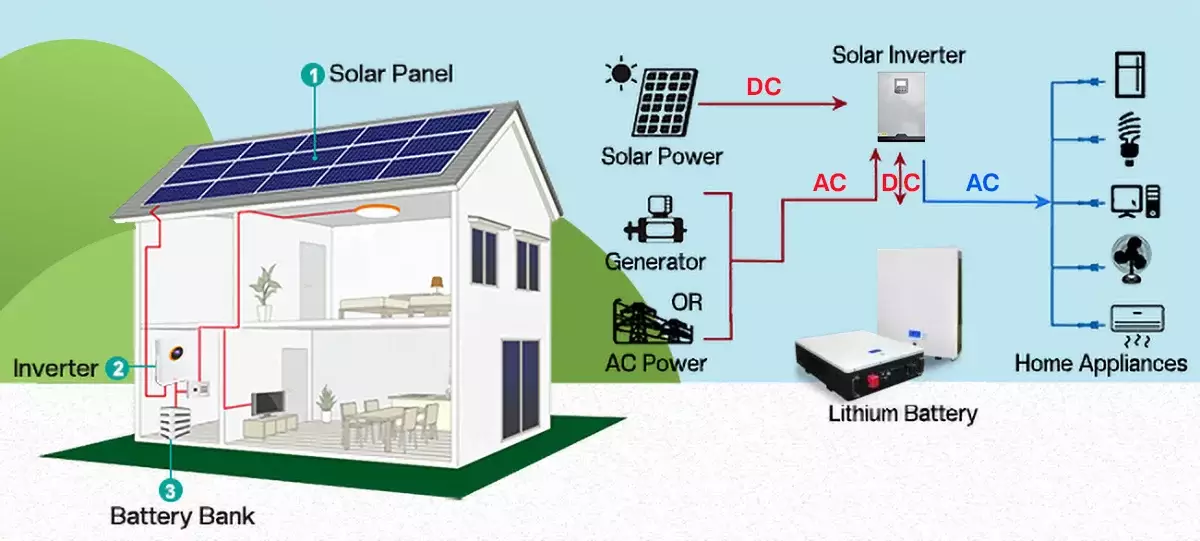
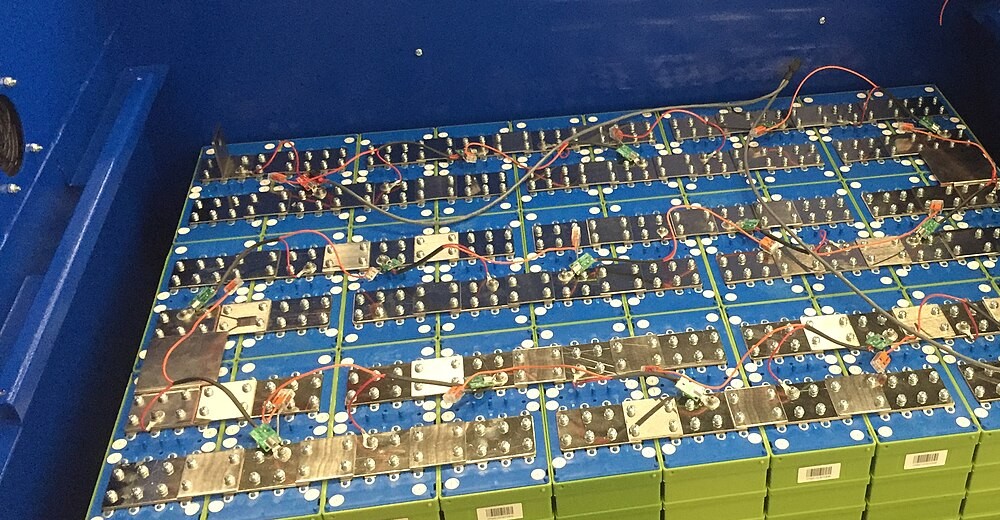
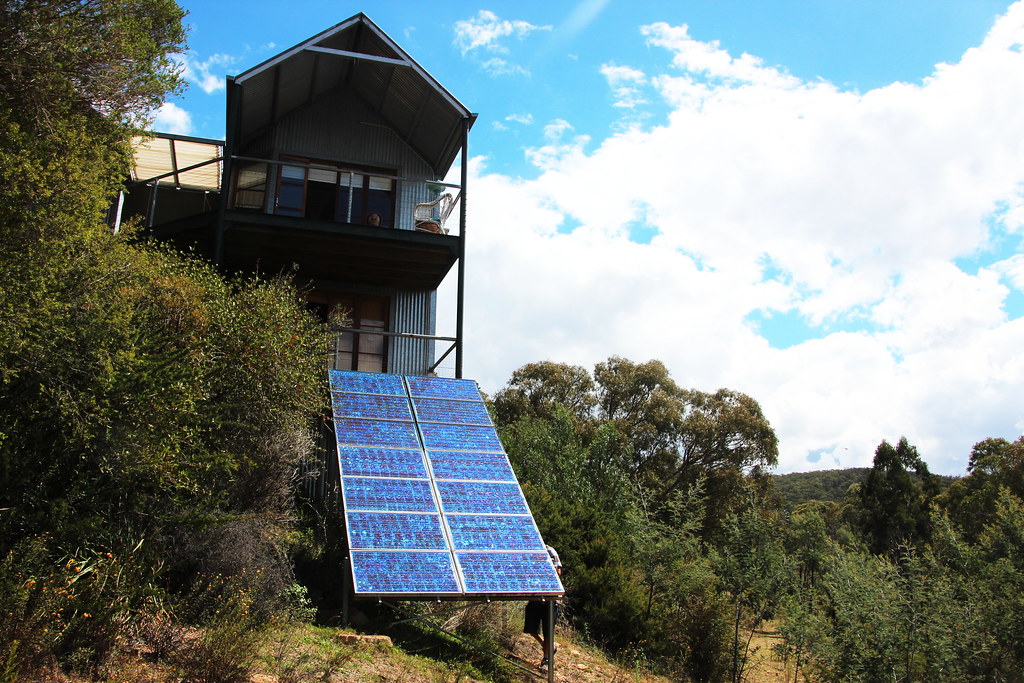
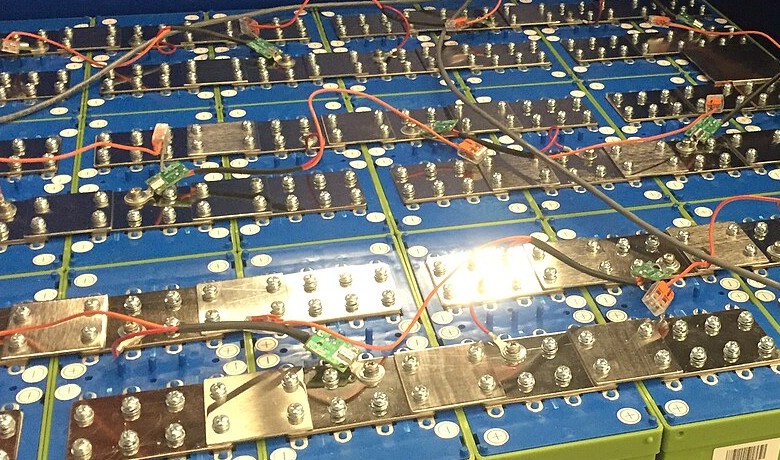
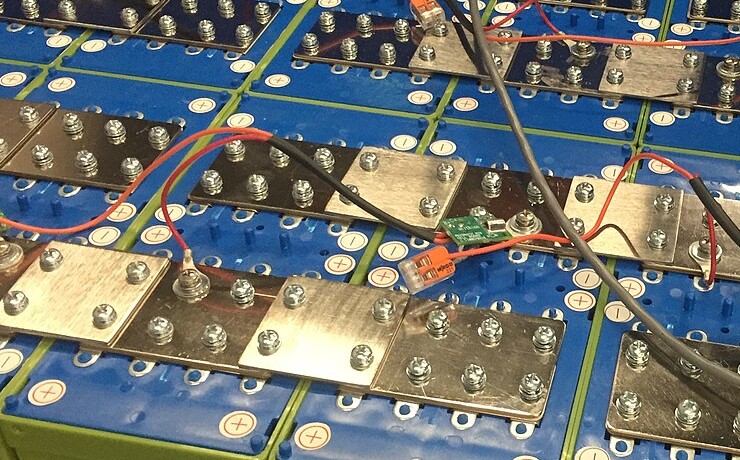
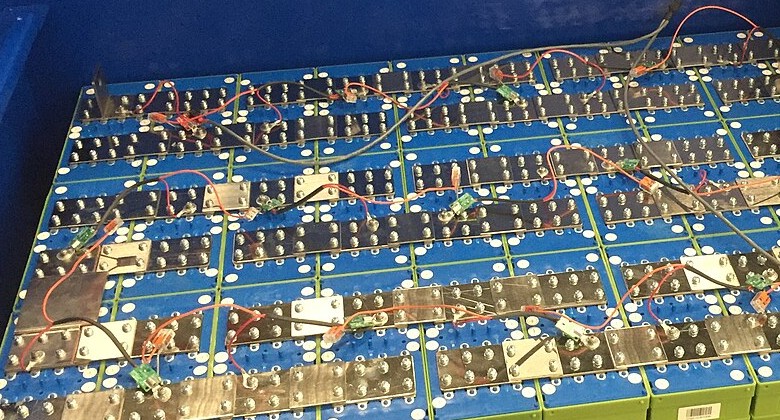
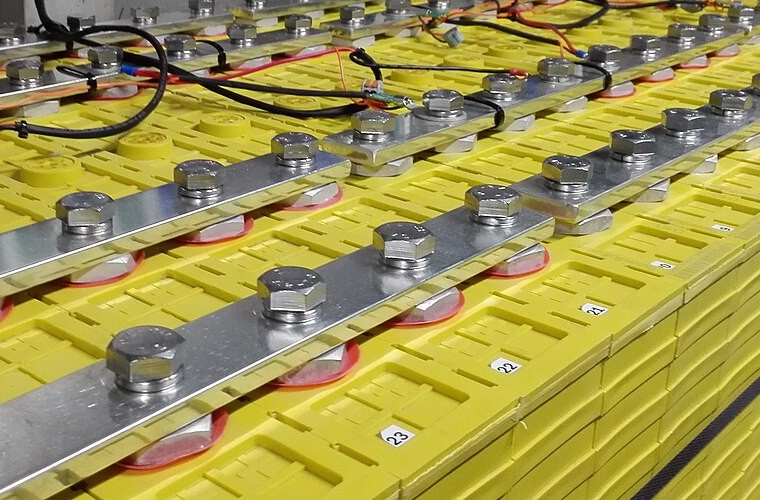
Home solar power system
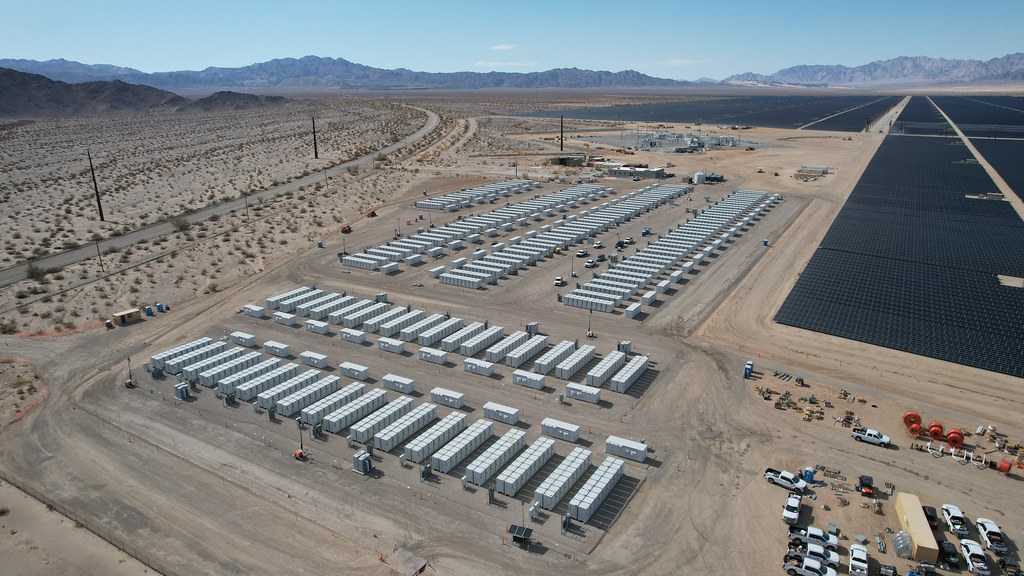
Commercial systems under professional monitoring exceed 15 years routinely. Hornsdale Power Reserve maintained 80 to 90% efficiency after seven years of intensive cycling. Professional installations have climate control. Professional installations have monitoring systems that catch problems early. Professional installations have maintenance schedules that actually get followed.
Off-grid systems face harsher conditions. Daily deep cycling plus suboptimal temperature management shortens life toward 8 to 10 years. Oversizing helps. A system designed for 30 kWh that only draws 15 kWh daily cycles shallower and lasts longer.
Most batteries that die early die because of where they were installed. Not because of cycling patterns. Not because of charge rates. Not because of brand.
Most batteries that die early die because of where they were installed. Not because of cycling patterns. Not because of charge rates. Not because of brand. Because someone put them in a hot garage to save $500 on installation labor.
The battery that died at year seven wasn't defective. The battery that died at year seven was installed in conditions that guaranteed it would die at year seven. The buyer who complains about battery longevity is usually complaining about installation decisions they didn't know they were making.