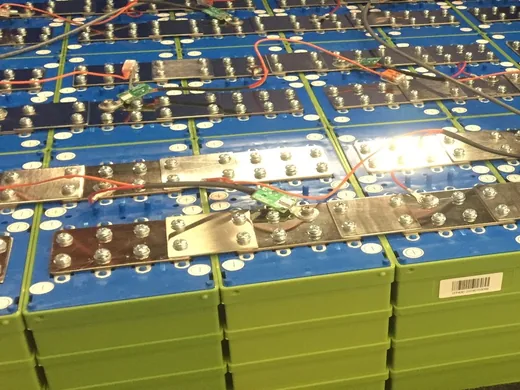



Actual Prices in the Current Market
Somewhere between $9,000 and $40,000 after tax credits. That range spans so wide it borders on useless.
What drives this spread? The definition of "whole home" varies wildly. Local installer availability matters more than most buyers realize. Electrical panel age can add thousands in unexpected upgrades. State incentive programs create regional disparities, with California buyers sometimes paying half what Texas buyers pay for identical equipment.
EnergySage published a median installed cost of $999 per kWh for late 2024. First time residential storage dropped below that psychological $1,000 threshold.
Medians obscure more than they reveal, though. A Tesla Powerwall 3 in Arizona might land at $850/kWh through a high-volume installer running a promotional deal. That same battery in rural Vermont, where the only qualified electrician operates 50 miles away, could hit $1,400/kWh.
Three forces drove the 2024 price collapse. Chinese factories crashed lithium iron phosphate cell costs. New market entrants compressed installer margins. Tesla's direct-sales pricing forced legacy solar companies to match or lose market share.
Whether these declines continue through 2025 remains uncertain. Tariff threats loom. Supply chain disruptions could reverse the trend within months.
What "Whole Home" Actually Requires
Most batteries sold as "whole home backup" cannot run an average American house through a summer afternoon.
Marketing departments slap that label on products handling refrigerators and lights. Air conditioning loads buckle them. Sales pitches rarely make this clear.
American households burn through roughly 30 kWh on a normal day. Phoenix in August with AC running constantly? Easily 60 kWh. A modest San Francisco apartment without air conditioning? Maybe 12 kWh.
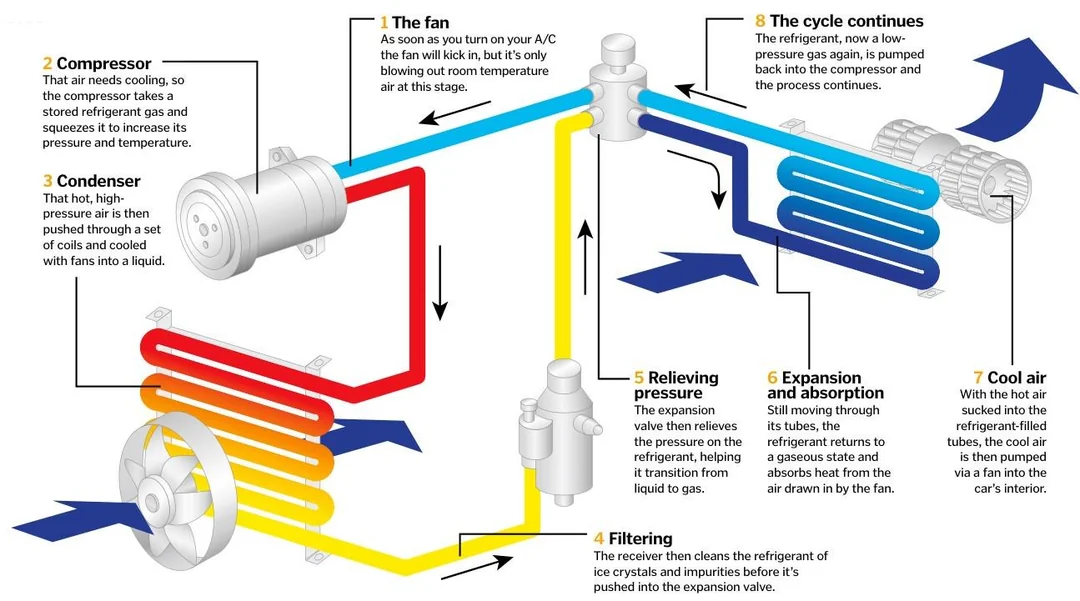
Central air conditioning alone draws 3 to 5 kW while compressors cycle
Central air conditioning alone draws 3 to 5 kW while compressors cycle. A 13.5 kWh battery powering nothing but AC would deplete in three to four hours. Add refrigeration, lighting, the WiFi router, and device charging, and runtime shrinks further.
Genuine whole-home capability requires 25 to 40 kWh as a starting point. Larger houses with electric water heating or daily EV charging push that floor higher.
At current pricing, authentic whole-home systems start around $25,000 before incentives. They climb past $50,000 for installations covering every circuit without compromise.
Tesla Powerwall 3
Tesla commands roughly 60% of the residential battery market. Competitors don't like admitting this.
The Powerwall 3 earns that position on specifications alone. 13.5 kWh capacity. 11.5 kW continuous output. Integrated solar inverter. MSRP sits at $9,200 for the unit itself. Installed through Tesla's direct channel, total cost runs $13,500 to $15,000 in most markets.
That 11.5 kW output figure matters because nobody else matches it at this price. Competing batteries in the same price range deliver 5 to 7 kW continuous.
Practical translation: a Powerwall 3 can start and run central AC, an electric dryer, and a well pump at the same time. Lesser batteries force homeowners into choices during outages. Which loads get power? Which family member's comfort takes priority?
Expansion pricing cements Tesla's position. Adding a second unit costs $5,900 at MSRP. That works out to $437 per kWh for incremental capacity. Walk away from Tesla's ecosystem and the upgrade path becomes more expensive. Enphase charges north of $1,500/kWh for equivalent expansion.
Where Tesla stumbles: warranty coverage runs only 10 years, trailing Enphase's 15-year protection. Customer service quality varies wildly between regions and representatives. Getting warranty claims processed can involve weeks of back-and-forth. Firmware updates occasionally introduce bugs that take months to patch.
Enphase
Enphase IQ Battery 5P units run $7,500 to $8,500 each installed, putting 5 kWh on the wall per unit. Building a 10 kWh system requires two units at $15,000 to $17,000 total.
Why pay that premium over Tesla?
Warranty length provides part of the answer. Fifteen years of coverage at 70% capacity retention beats Tesla's decade. A 35-year-old buying a forever home might value that extra protection. Someone eyeing a cross-country move within ten years would not.
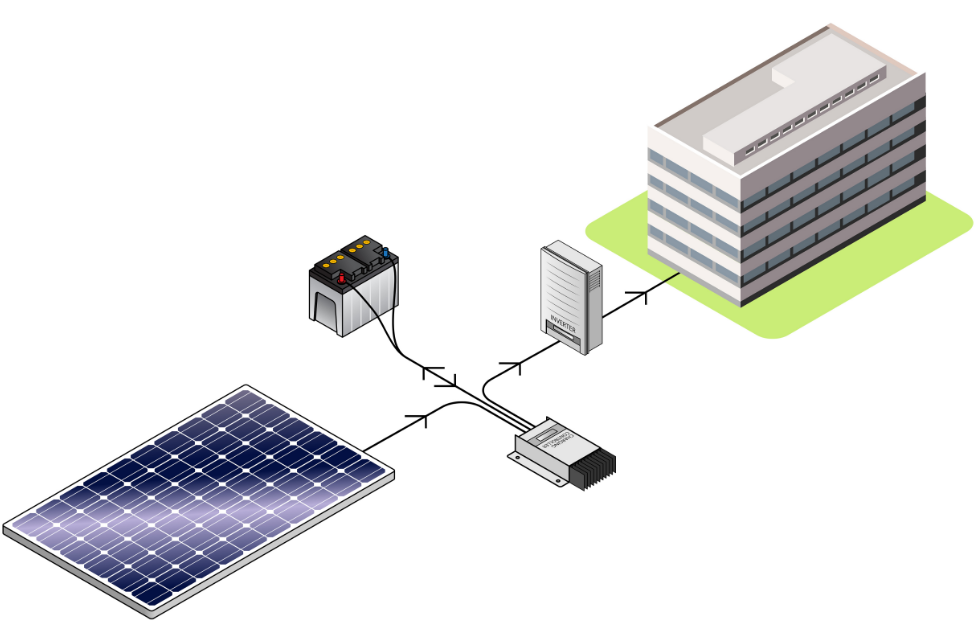
Integrated energy systems with microinverter technology
The genuine case for Enphase lies in integration with existing Enphase microinverter systems. Adding Powerwall to an Enphase solar array technically works. Per-panel optimization disappears during grid outages, though. Enphase battery maintains full panel-level intelligence regardless of grid status.
On rooftops with heavy shading from trees or neighboring structures, this translates to energy capture differences. Losing optimization during the exact moments when it matters most defeats much of the purpose.
Enphase batteries only make sense with existing Enphase solar or new Enphase systems being installed alongside the battery. Pairing an IQ Battery with string inverter setups wastes the integration premium.
Output limitations constrain the product further. Each 5P unit delivers 3.84 kW. Two units provide 7.68 kW combined. Central AC startup currents can spike to 4 or 5 kW alone.
FranklinWH
FranklinWH aPower 2 runs $17,500 to $18,000 for 15 kWh. Its signature capability: generator integration that actually functions smoothly rather than as a bolted-on afterthought.
When battery reserves deplete during an extended outage, FranklinWH automatically starts a connected generator, charges the battery to a specified level, then shuts the generator down. This cycling stretches fuel. Sleeping hours pass on silent battery power while the generator handles daytime heavy lifting.
aGate smart panel adds circuit-level control that rivals lack. Individual circuits can be prioritized, scheduled, or shed automatically based on remaining battery capacity. Pool pump running during an outage? That circuit shuts down automatically while kitchen and HVAC circuits stay live.
Generator hookup capability costs $3,000 to $8,000 before purchasing the generator itself. FranklinWH premium pricing bakes in capability that goes unused in typical suburban installations.
Florida residents who've weathered multiple hurricane weeks without grid power see this differently. Rural mountain dwellers accustomed to ice storms dropping power for days see this differently. Suburban buyers experiencing two or three short outages annually gain nothing from paying extra for this capability.
LG
LG RESU 16H Prime puts 16 kWh on the wall at $9,800 to $13,000 installed. On paper, the cheapest path to storage capacity.
DC-coupled architecture requires a compatible hybrid inverter. New installations need to budget $2,000 to $4,000 for that inverter. Retrofitting LG batteries to existing solar systems often requires replacing the current inverter entirely, erasing the cost advantage.
LG delivers only 7 kW continuous output. Adequate for essentials and moderate loads. Inadequate for simultaneous AC and large appliance operation.
RESU Prime makes sense in two scenarios. New construction projects where all components get specified together from the beginning. Complete solar system replacements where the inverter was already scheduled for swapping.
LG also sticks with NMC chemistry while competitors have migrated to LFP. NMC delivers only 1,000 to 2,500 cycles compared to LFP's 3,000 to 10,000. For a stationary application cycled daily, that difference translates to 3 to 7 years of service life versus 8 to 27 years.
Sonnen
Sonnen ecoLinx starts around $40,000 for 12 kWh. Climbs past $50,000 for larger configurations.
Target buyer profile: owns a Crestron or Savant automation system and wants energy management integrated at equivalent sophistication. ecoLinx speaks these protocols natively, appearing in home automation interfaces alongside lighting scenes and climate zones.
For seven-figure homes with six-figure automation investments, the Sonnen premium becomes rounding error. Outside that narrow context, the pricing makes no sense.
Hidden Costs
Battery hardware accounts for 50 to 70% of final project cost.
Panel upgrades bite hardest. Pre-1990 homes commonly have 100-amp electrical service. Modern battery systems paired with EV chargers and heat pumps demand 200-amp capacity. Upgrade costs range from $1,300 for a straightforward swap to $5,000 or more when service entrance needs relocation.
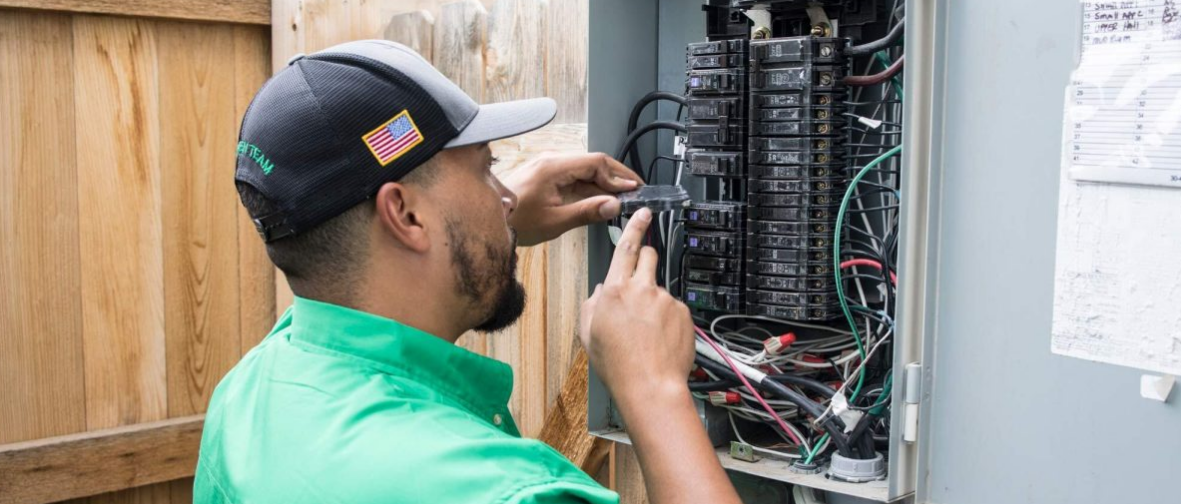
Electrical panel upgrades can add thousands to installation costs
Some older homes need complete rewiring before panels can be upgraded at all.
Critical loads subpanels add another layer. Battery systems need to know which circuits to power during outages. Isolating those circuits requires either a dedicated subpanel at $500 to $1,500, or smart panel technology like Span at $3,500 to $5,000.
Labor rates vary by a factor of two across markets. Coastal California and New York metros run $150 to $200 per hour. Texas and Arizona hover around $100 to $130.
Permitting fees range from $200 to $1,200 depending on local bureaucratic appetite. California capped battery permits at $450 through AB 1414 legislation. Surrounding process requirements inflate effective costs through mandatory revisions and resubmissions.
Interconnection timelines create hidden opportunity costs. Some utilities process battery applications in two weeks. Others maintain backlogs exceeding 90 days. Pushing installation across year boundaries affects tax credit eligibility.
30% Residential Clean Energy Credit represents the largest single cost reduction for most buyers. A $15,000 system generates $4,500 in federal tax liability reduction.
This credit disappears for homeowner-purchased systems after December 31, 2025. One Big Beautiful Bill Act passed in July 2025 terminated the provision. Systems must be installed and operational by year-end to qualify. No extensions.
Current lead times run 4 to 12 weeks for popular models. Contractor schedules in high-demand markets stretch longer.
A $15,000 system in 2025 costs $10,500 after the credit. Identical equipment in 2026 costs $15,000 out of pocket. Even if battery prices drop 10% through competitive pressure, 2026 cost lands at $13,500.
Credit requires sufficient tax liability to absorb. Retirees and others with minimal federal tax bills may not benefit fully.
State Programs
California's SGIP program offers aggressive battery subsidies. Accessing them requires navigating bureaucratic complexity.
General market participants receive $150 to $250 per kWh. Low-income households in high fire-threat districts can access $1,000 per kWh, potentially covering the entire system cost when layered with federal credits.
Funding runs out periodically. Waiting lists stretch for months. SGIP reservation requires installing a SGIP-eligible battery with a participating installer who knows how to file correctly.
New York's NYSERDA program delivers a flat $200/kWh statewide. Less generous than California peak incentives. More predictable and accessible.
Massachusetts ConnectedSolutions pays for demand response participation rather than equipment subsidies. Enrolled batteries earn $275 per kW in summer performance payments.
Texas, Arizona, and most other states offer minimal state-level support.
When Batteries Make Financial Sense
Payback calculations require honest inputs. Most online calculators use assumptions that flatter battery economics unrealistically.
Hawaii stands apart. Average rates above $0.40/kWh and time-of-use differentials exceeding $0.25/kWh between peak and off-peak periods deliver 5 to 7 year payback.
California under NEM 3.0 creates quasi-mandatory battery economics for solar owners. Without storage, exported solar earns only 25 to 30% of retail rates. System economics fall apart without storage.
| Market Type | Electric Rate | Payback Period | Economic Case |
|---|---|---|---|
| Hawaii | Above $0.40/kWh | 5–7 years | Strong |
| California (NEM 3.0) | $0.25–$0.35/kWh | 7–10 years | Quasi-mandatory |
| Medium-rate markets | $0.15–$0.20/kWh | 10–14 years | Marginal |
| Low-rate markets | Below $0.12/kWh | 35+ years | Resilience only |
Medium-rate markets around $0.15 to $0.20/kWh stretch payback to 10 to 14 years when calculating on rate arbitrage alone. Virtual power plant participation adds $200 to $500 annually, shaving a few years off.
Low-rate markets below $0.12/kWh rarely justify batteries through pure economics. A $10,500 system saving $300 annually takes 35 years to break even.
Resilience arguments operate on a different axis. Homeowners who've endured extended outages often assign value to backup capability regardless of payback calculations. Medical equipment dependencies, home-based businesses requiring continuous connectivity, and high-value freezer contents create legitimate non-economic justifications.
LFP Chemistry Won
Lithium iron phosphate has captured the residential storage market almost completely.
Tesla switched from NMC in Powerwall 2 to LFP in Powerwall 3. Enphase, FranklinWH, Sonnen, and EcoFlow all ship LFP. LG's continued NMC usage in RESU Prime makes the company an outlier.
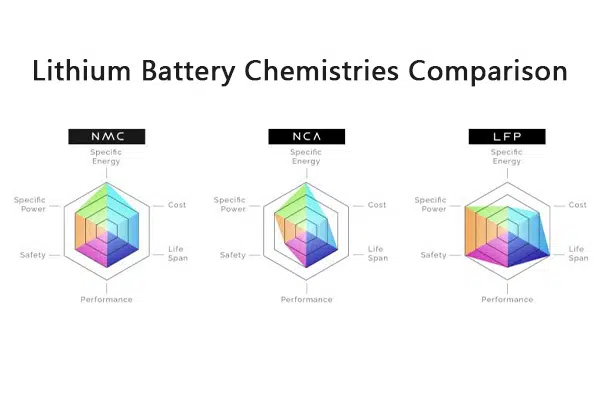
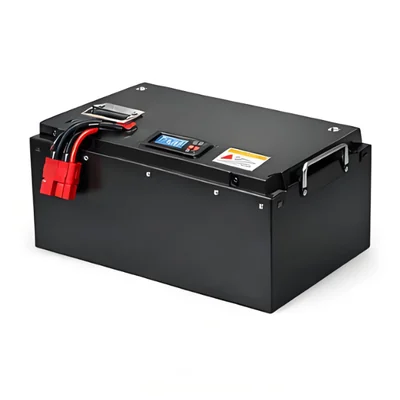
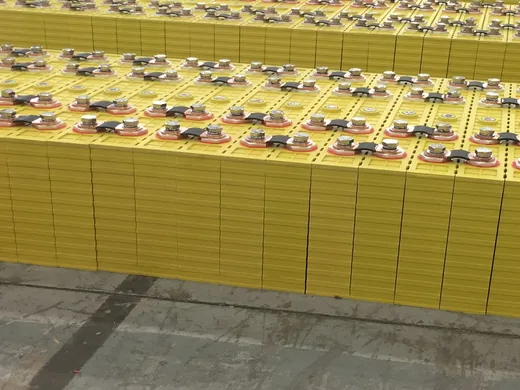
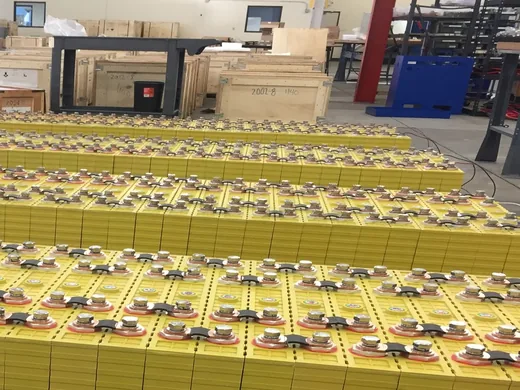
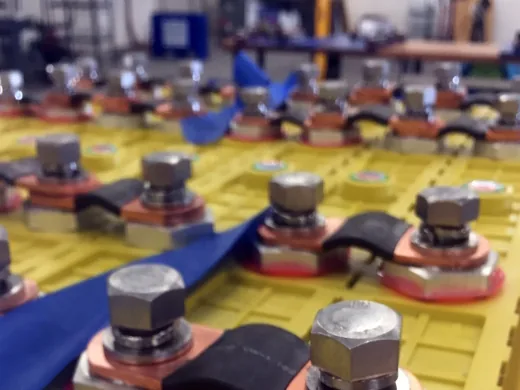
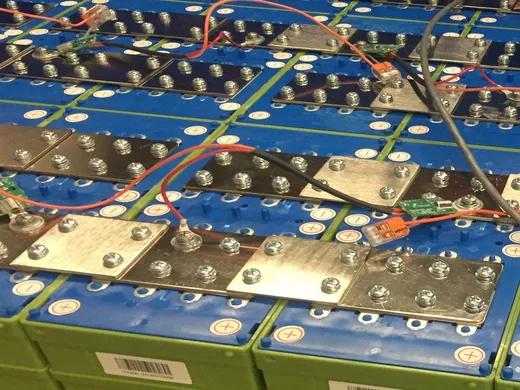
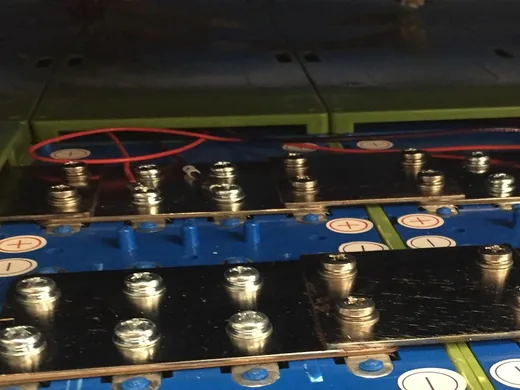
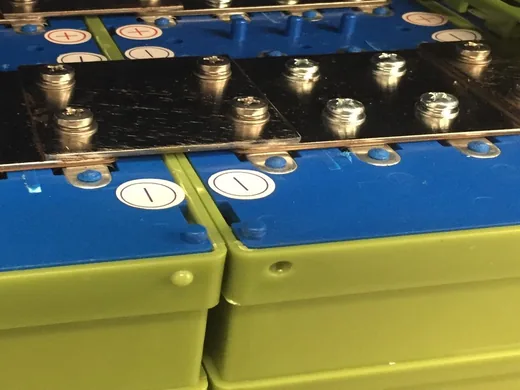
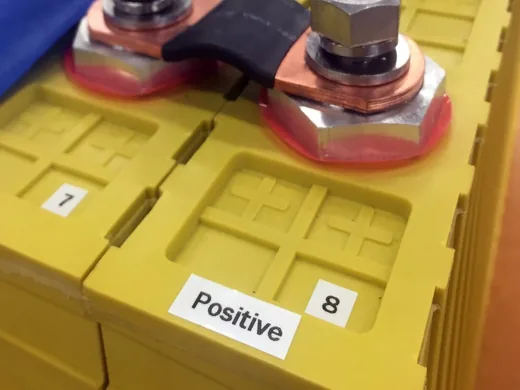
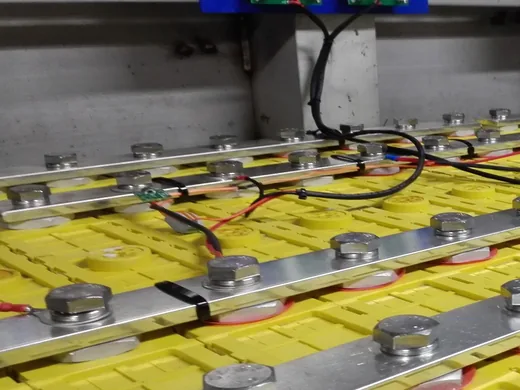
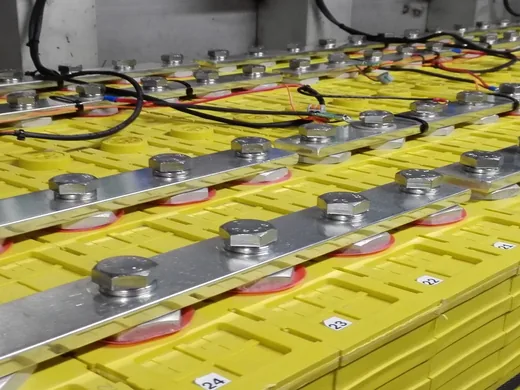
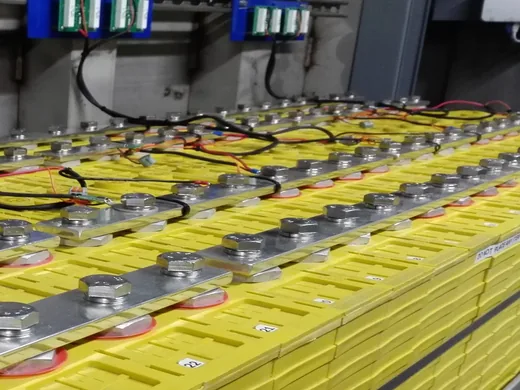
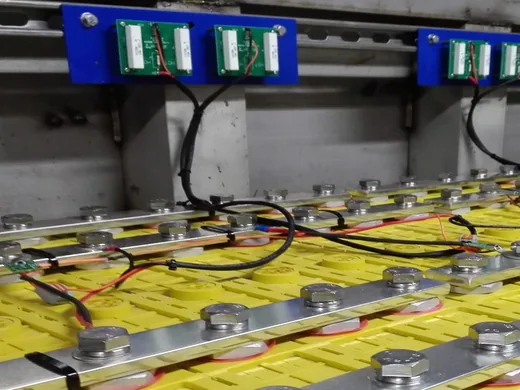
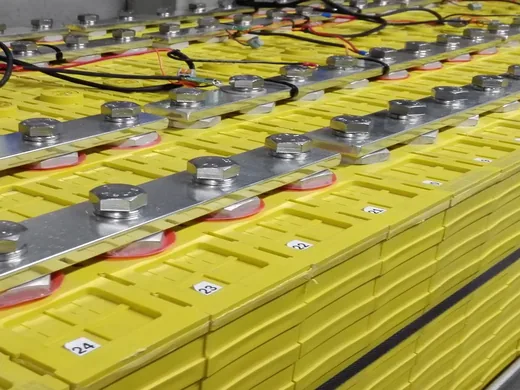
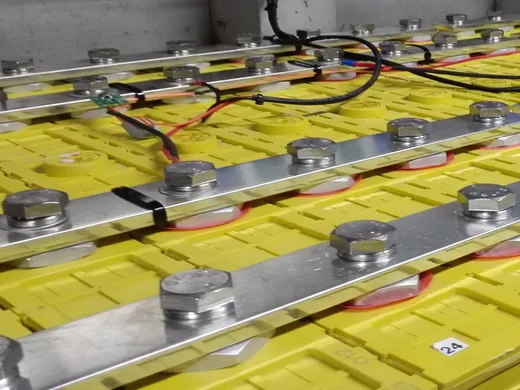
LFP battery chemistry offers superior safety and longevity
LFP advantages explain the industry migration. Cycle life runs 3,000 to 10,000 cycles versus NMC's 1,000 to 2,500. Higher thermal runaway thresholds provide inherent fire safety. Manufacturing costs have dropped 20 to 30% below NMC equivalents.
NMC's advantage lies in energy density: more kWh per kilogram and per cubic foot. LG leverages this for compact form factors.
Warranty terms vary in ways that compound over system lifetime. Tesla and FranklinWH guarantee 70% capacity retention at 10 years. Enphase extends to 15 years at the same threshold. LG promises only 60% retention at 10 years.
Recommendations
December 2025 tax credit expiration makes 2025 the buying window. Markets might move 5% in either direction. The tax credit provides a guaranteed 30% reduction that disappears entirely at year-end.