


Solar panels generate electricity when the sun shines. Wind turbines spin when wind blows. But electricity demand peaks in the evening, after sunset, when people return home and turn on appliances. British wind farms threw away nearly 10% of their potential output in 2024. Northern Ireland wasted 30%. The mismatch between generation timing and consumption timing has blocked renewable energy from replacing fossil fuels for decades.
Clean energy storage breaks that blockage. The technology captures surplus renewable electricity, holds it, and releases it later. Without storage, wind and solar hit a ceiling around 30-40% of grid supply before instability problems multiply. With storage, that ceiling disappears.
The term covers any system converting electricity into a storable form. Batteries convert it to chemical energy. Pumped hydro converts it to gravitational potential. Compressed air stores it as pressure. Hydrogen stores it as fuel. The conversion always loses some energy. The question is how much, for how long, at what cost.
Four numbers matter when evaluating any storage system. Power capacity, measured in megawatts, tells you how fast energy can flow in or out. Energy capacity, in megawatt-hours, tells you the total amount stored. Round-trip efficiency measures what percentage survives the storage cycle. Cycle life counts how many times the system can charge and discharge before wearing out. These metrics interact in complicated ways. A system with high efficiency but short cycle life may cost more over its lifetime than a less efficient system lasting three times longer.
How Batteries Actually Work
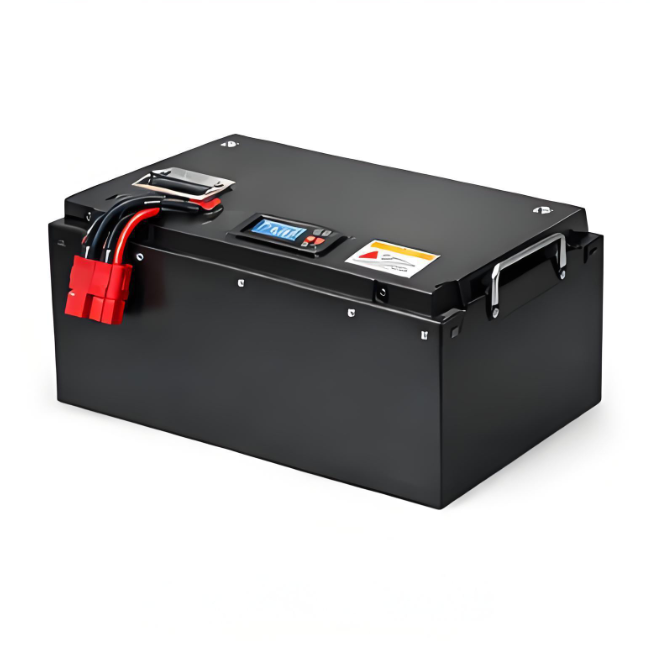
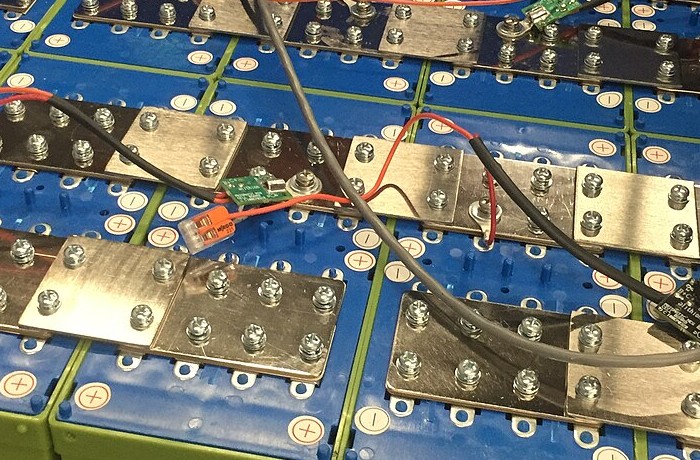
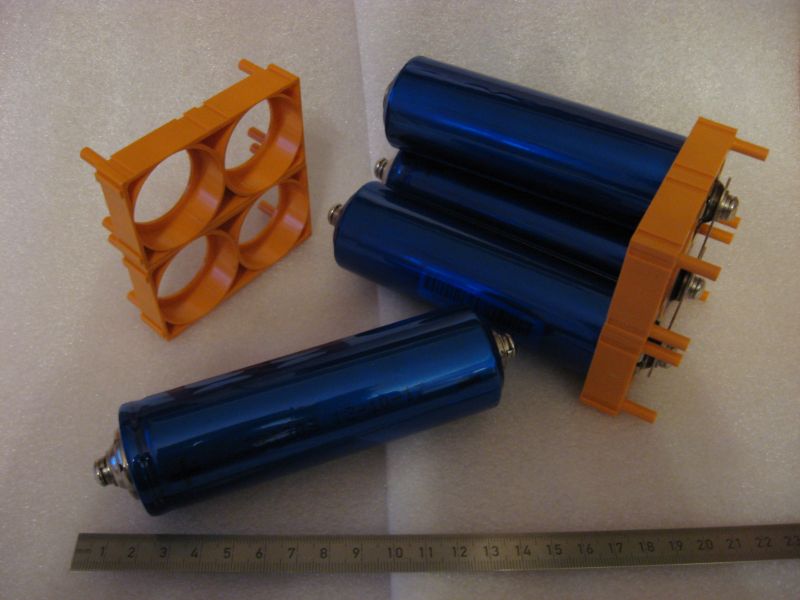
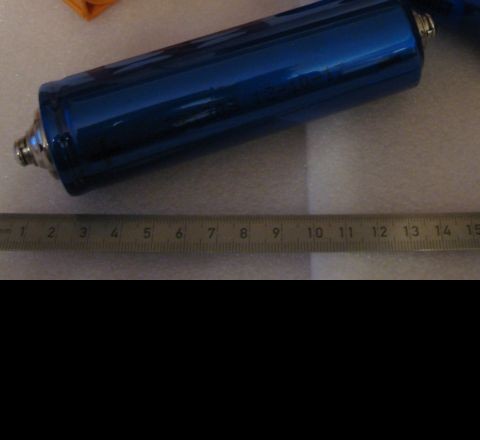
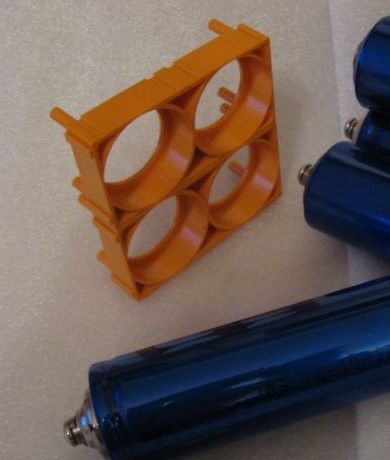
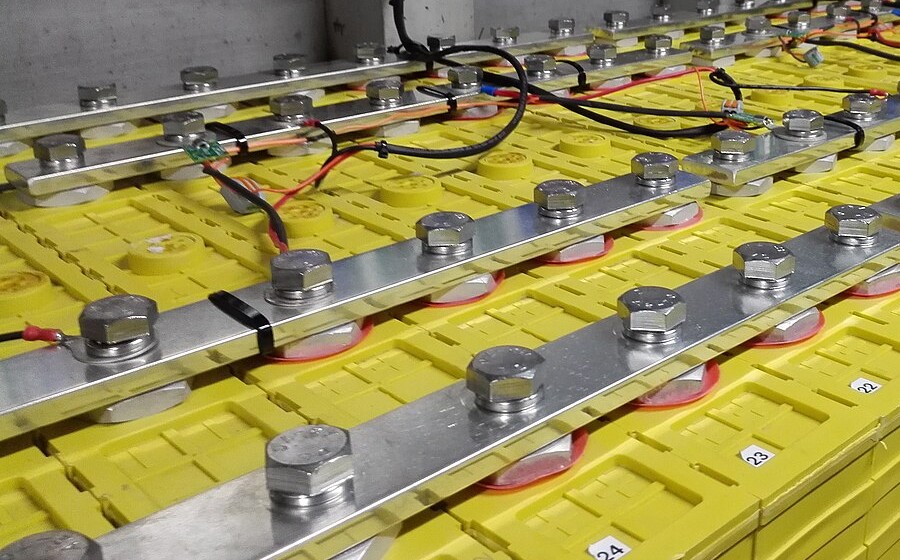
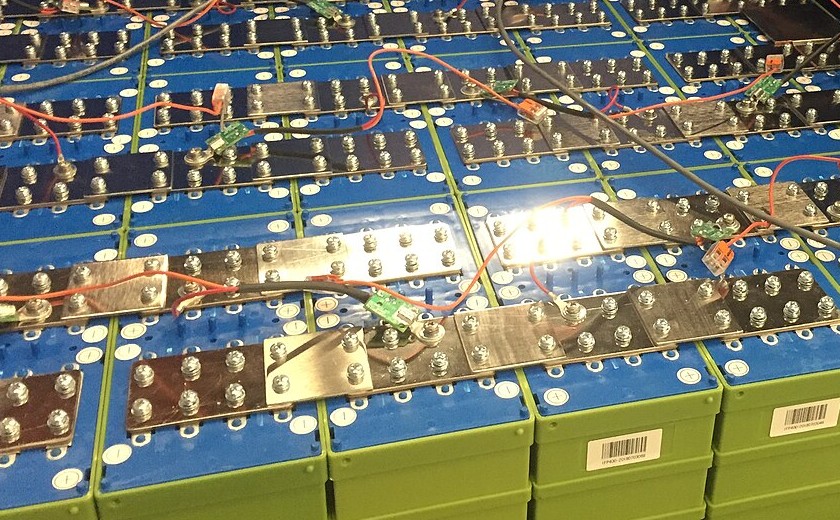
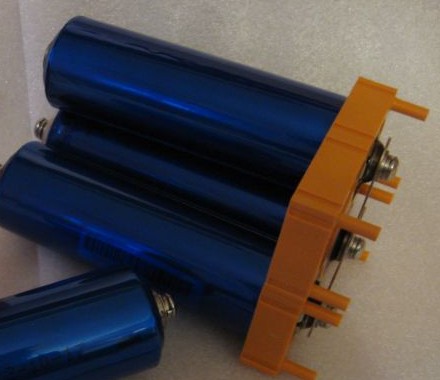
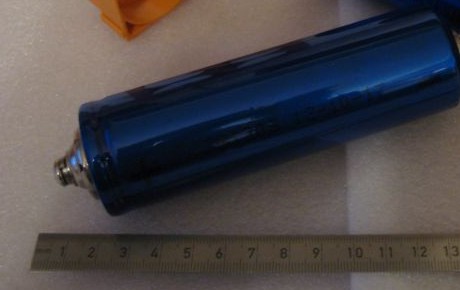
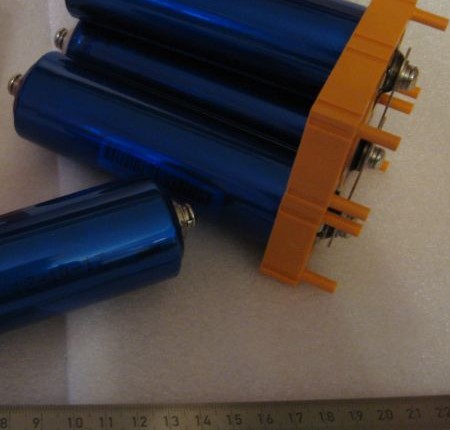
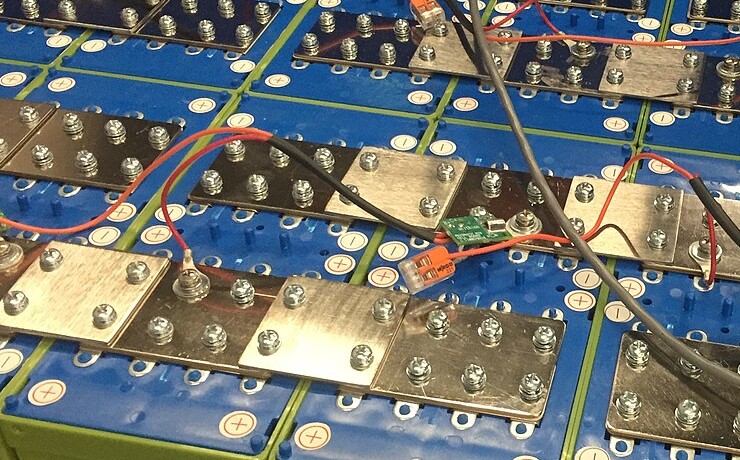
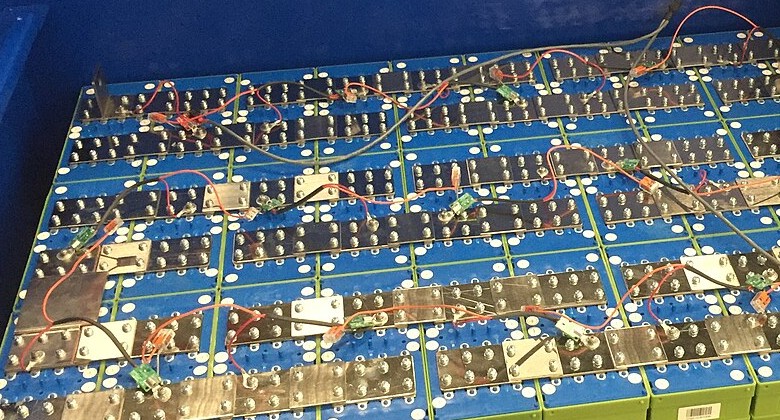
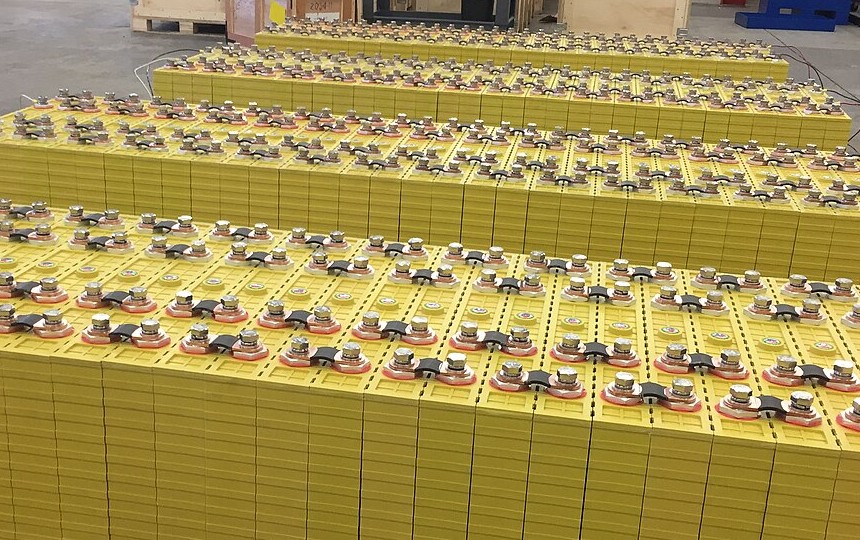
Lithium-ion batteries dominate the storage market at roughly 90% share. The mechanism is straightforward: lithium ions shuttle between two electrodes through a liquid electrolyte. Charging pushes ions from cathode to anode. Discharging lets them flow back, releasing electrons through an external circuit. The materials allow thousands of these cycles before degradation becomes unacceptable.
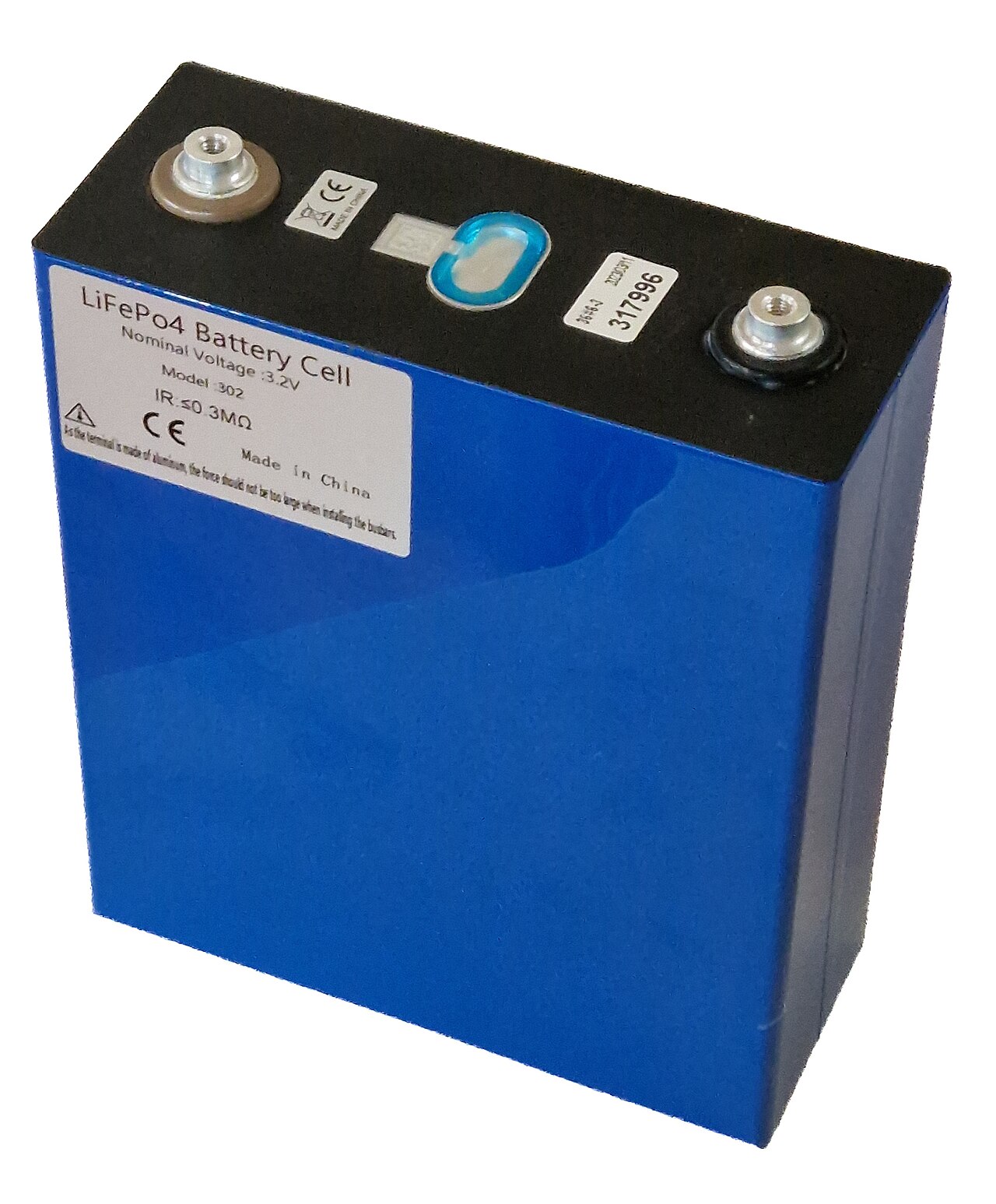
The cathode material determines most battery characteristics. Nickel-manganese-cobalt cathodes pack more energy per kilogram but cost more and present fire hazards. Lithium iron phosphate cathodes store less energy but resist thermal runaway better and last longer. The grid storage market made its choice.
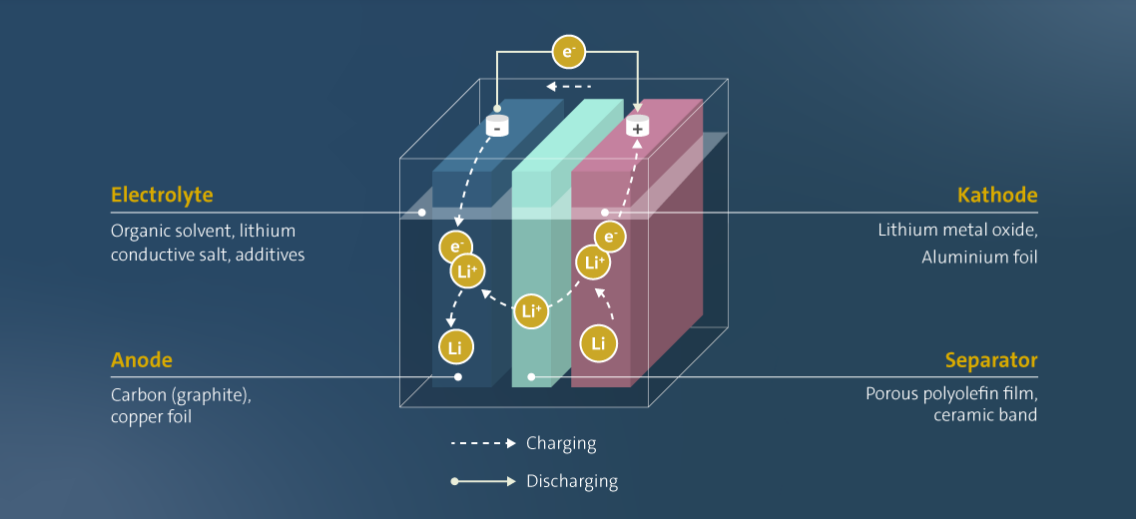
lithium-ion battery technology
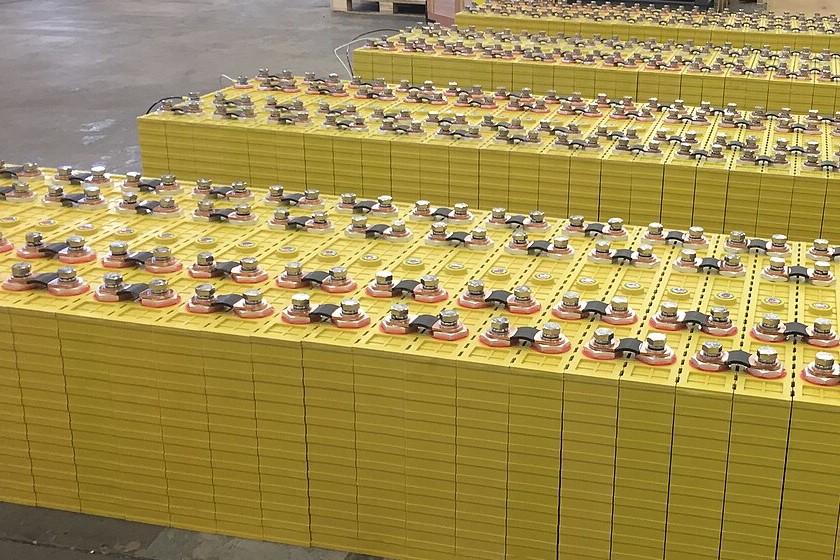
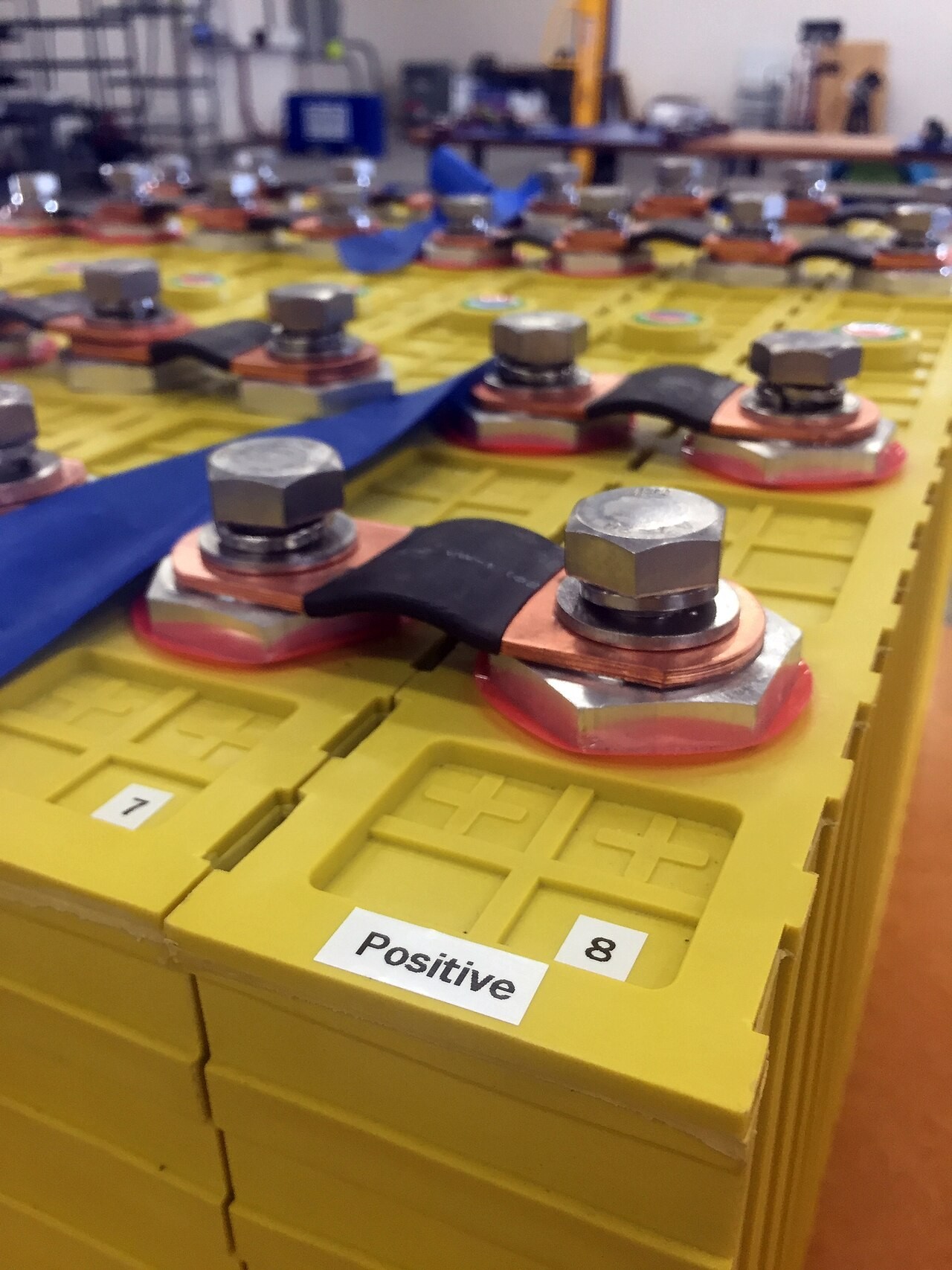
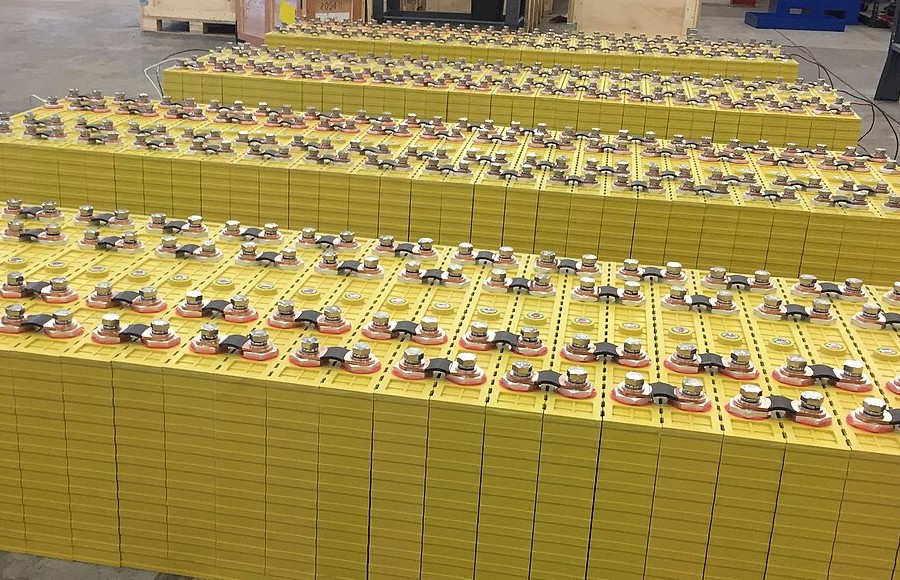
Lithium iron phosphate chemistry now accounts for 87-88% of grid storage installations, having displaced the nickel-cobalt formulations used in electric vehicles. The shift happened because stationary batteries face different constraints than vehicle batteries. Weight and volume matter little when a battery sits in a field. What matters is cost per kilowatt-hour stored, fire resistance, and cycle life. LFP wins on all three. Pack prices reached 81 dollars per kilowatt-hour in 2025. A decade ago, that number exceeded 400 dollars.
LFP still catches fire occasionally. Thermal runaway in one cell can cascade through an entire installation. The process starts when internal defects or external damage causes a cell to overheat. Above certain temperatures, the cathode releases oxygen, feeding an internal fire that spreads to adjacent cells. But the risk is manageable with proper spacing, cooling systems, and monitoring. CATL claims zero incidents across 256 gigawatt-hours deployed globally. Whether that claim holds up to independent scrutiny remains unclear.
The real limitation is duration. Building lithium-ion storage for 8 hours costs about twice as much as building for 4 hours. The relationship is nearly linear. Beyond 6 hours, other technologies become cheaper. The industry has settled on 4 hours as the standard configuration for grid-scale lithium-ion, matching the typical gap between afternoon solar peak and evening demand peak. Longer durations require different approaches.
The Alternatives Coming Online
Sodium-ion batteries have attracted attention because sodium is 400 times more abundant than lithium and distributed across more countries. Manufacturing can reuse lithium-ion production lines with minor modifications. Current cells hit 175 watt-hours per kilogram, below lithium-ion but adequate for stationary use. They work at minus 40 degrees Celsius, where lithium-ion fails. Cost projections suggest 25-40% savings once production scales. Commercial deployment should begin in 2026.
The sodium-ion pitch makes sense for regions worried about lithium supply chains. Chile, Australia, and China control most lithium production. Sodium comes from seawater and salt deposits found everywhere. For countries seeking energy independence, reducing reliance on geographically concentrated minerals matters. Whether sodium-ion delivers on its cost promises remains to be seen. The technology works. The manufacturing economics are unproven at scale.
"Storage technology is fragmenting by application. Short-duration needs through 4 hours will stay with lithium iron phosphate, with sodium-ion taking share as manufacturing scales."
Solid-state batteries replace flammable liquid electrolyte with solid material. Energy density approaches 500 watt-hours per kilogram. Fire risk drops to near zero because nothing inside can slosh around or leak. Mercedes-Benz put solid-state cells from Factorial Energy into production EQS vehicles in February 2025, the first road-legal application. Chinese researchers at the Institute of Physics recently cracked the interface contact problem that had limited performance. Ions moving between solid layers create stress at boundaries, gradually degrading the connection. The Chinese solution involved adjusting the crystal structure of the solid electrolyte to better accommodate ion flow.
Volume production probably starts 2027-2028. The technology will likely remain expensive for years, targeting premium applications rather than bulk grid storage. Solid-state may eventually dominate electric vehicles, where energy density justifies higher costs. For stationary storage, where weight is irrelevant, the economics point elsewhere.
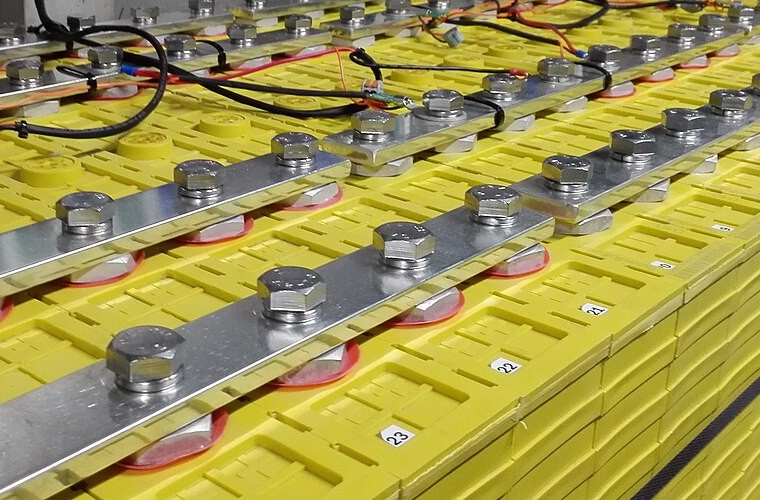
Flow batteries take a different approach entirely. Electrolyte solutions sit in external tanks, pumped through cells where reactions occur. Power depends on cell size. Energy depends on tank size. The two scale independently. Doubling storage duration means doubling tank volume, not doubling expensive electrochemical components. Vanadium flow batteries survive 15,000 cycles or more, three to five times lithium-ion lifespan. The electrolyte cannot burn. It just sits there, a liquid in a tank.
China commissioned a gigawatt-hour scale vanadium flow system in Xinjiang in late 2025, storing output from an adjacent solar farm. The installation cost more per kilowatt-hour than lithium-ion for 4-hour storage. But for 8-hour or 12-hour storage, the math reverses. The technology makes most sense for applications where lithium-ion economics weaken. Whether vanadium supply can scale remains a question. Most vanadium comes as a byproduct of steel production. A massive buildout of flow batteries would require dedicated vanadium mining.
Storing Electricity for Days or Weeks
Grid operators have managed short-term fluctuations for over a century. Demand rises in the morning, falls at night, spikes during heat waves. Traditional power plants ramp up and down to match. The harder problem is multi-day or seasonal storage. A week of cloudy, windless weather can drain any battery system sized for daily cycling. Winter electricity demand in northern countries exceeds summer demand, but solar generation inverts that pattern. Germany in January gets maybe four hours of weak sunlight. The country still needs heat and light.
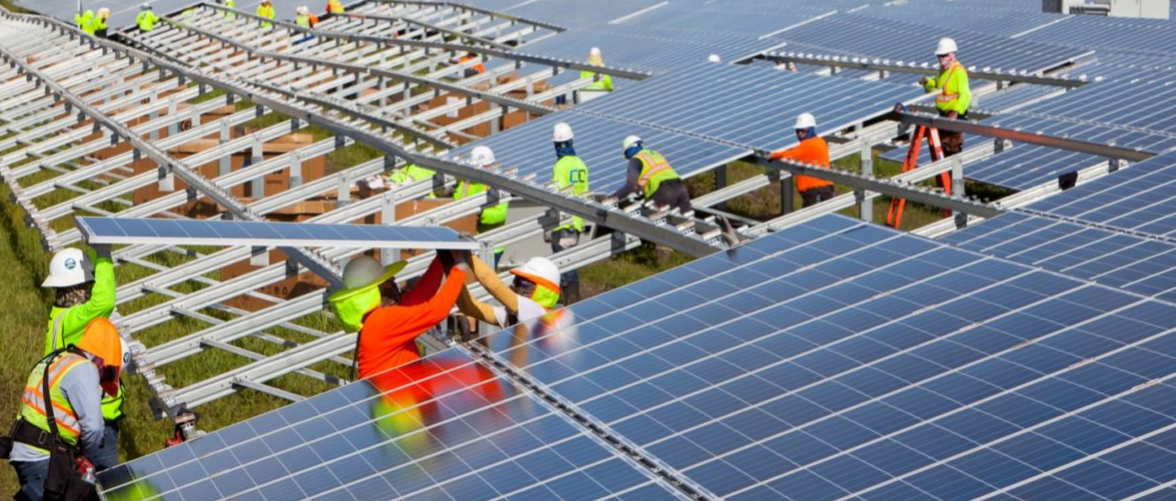
Large-scale solar installation
Pumped hydroelectric storage handles 94% of current long-duration capacity worldwide, about 200 gigawatts. Water gets pumped uphill when electricity is cheap, then flows back down through turbines when prices rise. Round-trip efficiency runs 70-85%. The physics work. The economics work. The problem is geography. Construction requires valleys that can be dammed, with substantial elevation change. Environmental review and permitting take 6-10 years. Rivers get disrupted. Fish populations suffer. Suitable sites are running out. The Alps are mostly built out. Scandinavia has limited remaining potential. Places like Kansas have no mountains at all.
Compressed air storage offers an alternative for flat terrain. The Hubei Yingcheng project in China, online since 2024, pushes air into depleted salt caverns at 300 megawatts capacity and 1,500 megawatt-hours storage. Construction took two years. Advanced systems capture compression heat for reuse during expansion, pushing round-trip efficiency from 50% toward 70%. Salt formations exist in many regions lacking hydroelectric potential. The US Gulf Coast has extensive salt deposits. So does Northern Europe. The technology is not new. Two plants have operated for decades. But costs have only recently become competitive, and suitable caverns require geological surveys to locate.
Iron-air batteries may prove the most consequential emerging technology. Iron rusts during discharge, releasing energy. Applied voltage reverses the rust, regenerating metallic iron. The reaction cycles thousands of times. Iron costs almost nothing. It is the fourth most abundant element in Earth's crust. No supply chain concentration. No political pressure points.
Form Energy has raised over 1.2 billion dollars betting on this chemistry. A California demonstration project, 5 megawatts and 500 megawatt-hours, should operate by late 2025. The pitch is 100-plus hours of storage at one-tenth lithium-ion cost. If the numbers hold, iron-air changes everything about long-duration economics. Skeptics note that rust reactions are slow, limiting power output per unit of material. The technology may work for baseload shifting over days but struggle with rapid grid response. Time will tell.
Hydrogen storage addresses the longest durations. Electrolyzers split water into hydrogen and oxygen using surplus electricity. Hydrogen stores indefinitely in pressurized tanks or underground salt caverns at roughly 0.30 dollars per kilogram. Fuel cells or turbines reconvert it to electricity months later. Round-trip efficiency runs only 30-45%, meaning more than half the input energy is lost. Critics call this waste unacceptable. But when the alternative is curtailing free solar generation in summer, those losses become tolerable. Hydrogen is probably the only technology capable of shifting energy across seasons at scale. Nothing else can sit in a cave for six months without degrading.
What Storage Does Besides Store Energy
The most valuable battery services often have nothing to do with bulk energy storage. Grid operators discovered this early. Batteries earn more money providing fast services than slowly discharging over hours.
Grid frequency must stay within tight bounds, typically 50 or 60 hertz with deviations measured in fractions of a percent. When generation exceeds demand, frequency rises. When demand exceeds generation, frequency falls. Traditional power plants maintained frequency through the physical inertia of spinning generators. Heavy rotating mass resists sudden speed changes. A coal plant turbine weighing hundreds of tons keeps spinning at nearly constant speed even when load fluctuates. Solar panels and wind turbines have no spinning mass worth mentioning. As they displace conventional plants, something else must stabilize frequency.
Batteries respond in milliseconds. The Hornsdale Power Reserve in South Australia, commissioned in 2017, cut frequency regulation costs from 470 dollars per megawatt-hour to 40 dollars. Response time dropped from 6,000 milliseconds to 100. The battery could inject or absorb power faster than any mechanical system. In 2022, the facility began providing synthetic inertia, using power electronics to mimic the stabilizing effect of rotating machinery. Software detects frequency deviations and commands instant power injection, creating the same damping effect as physical inertia. Batteries can now supply every service that traditional generators provided, often faster and cheaper.
The economic implications surprised the industry. A battery providing frequency regulation can earn more per megawatt-hour of capacity than one doing daily arbitrage. Markets pay premium prices for speed. Some batteries operate almost entirely in the frequency regulation market, rarely cycling through their full energy capacity. The business model works because the service is scarce and valuable. As more batteries enter these markets, prices will fall and the advantage will shrink. But for now, fast response pays.
Transmission infrastructure benefits similarly. Lines must handle peak flows, which may occur only a few hundred hours annually. Building transmission capacity for those rare peaks costs billions. Storage at congestion points absorbs excess generation during peaks and releases it during lulls, reducing maximum flows. Utilities can defer or avoid expensive line upgrades. A battery costing 50 million dollars might prevent a billion-dollar transmission project. The calculation depends on specifics, but the principle holds.
Market Geography
China installed 42.37 gigawatts and 101.13 gigawatt-hours of storage in 2024, up 130% from 2023. By mid-2025, cumulative capacity reached 95 gigawatts. The government targets 180 gigawatts by 2027. CATL holds 36.5% of the global storage cell market. BYD follows. Chinese manufacturers increasingly dominate international supply chains, a pattern familiar from solar panels and electric vehicles. A decade ago, Western companies led these industries. Today, Chinese firms manufacture most of the world's batteries, most of the world's solar panels, and most of the world's electric vehicles. Whether Western markets will accept this dependence or attempt to rebuild domestic manufacturing remains an open question.
The United States ranked second at 12.3 gigawatts and 37.1 gigawatt-hours in 2024. The Inflation Reduction Act created the first federal tax credit for standalone storage, 30% of project cost, stackable to 70% with various bonuses for domestic content, energy communities, and low-income areas. The policy aims to rebuild American battery manufacturing. Early results show some reshoring, but Chinese firms still supply most cells. California leads deployment at 13.4 gigawatts cumulative. The state mandated renewable portfolios decades before others and now needs storage to manage the resulting solar glut. Texas attracts projects through ERCOT market volatility that rewards flexible resources. Prices swing wildly in Texas. Batteries profit from the chaos.
Europe added 21.9 gigawatt-hours in 2024, led by Germany, Italy, and the United Kingdom. The market is shifting from residential toward utility scale. German households bought batteries paired with rooftop solar for years, chasing self-consumption and electricity independence. Now larger projects are catching up. The Middle East is growing fastest, with 381% growth projected for 2025. Saudi Arabia signed a 12.5 gigawatt-hour contract with BYD, the largest single storage deal on record. The Saudis have money, sun, and ambition. They want to export solar-derived hydrogen and need massive storage to stabilize production.
Global installations reached 175 gigawatt-hours in 2024. Projections for 2025 run to 247 gigawatt-hours. BloombergNEF forecasts 2 terawatts cumulative by 2035. These forecasts have consistently underestimated actual deployment. Five years ago, analysts did not expect today's scale until the 2030s.
Revenue and Profitability
Battery pack costs hit 70 dollars per kilowatt-hour in 2025, down 45% year-over-year, the lowest ever recorded for lithium-ion applications.
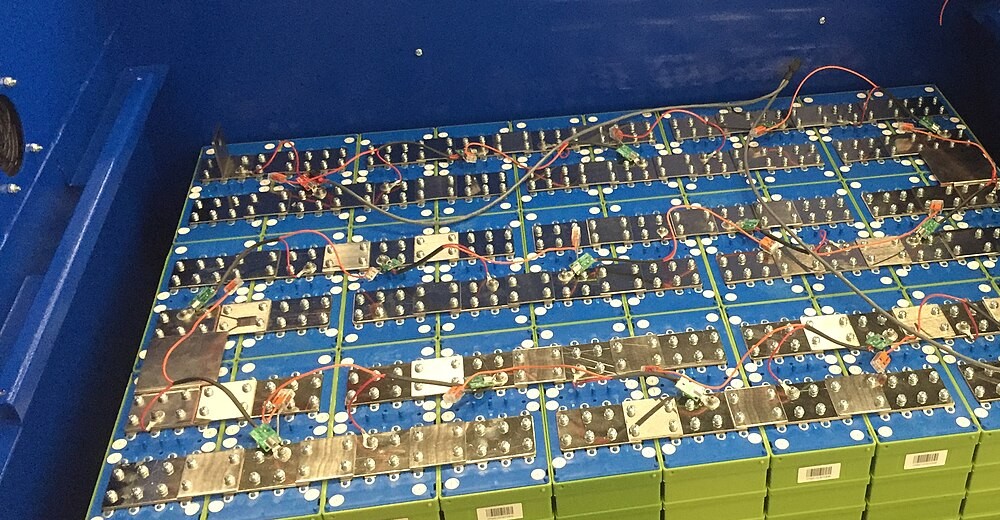
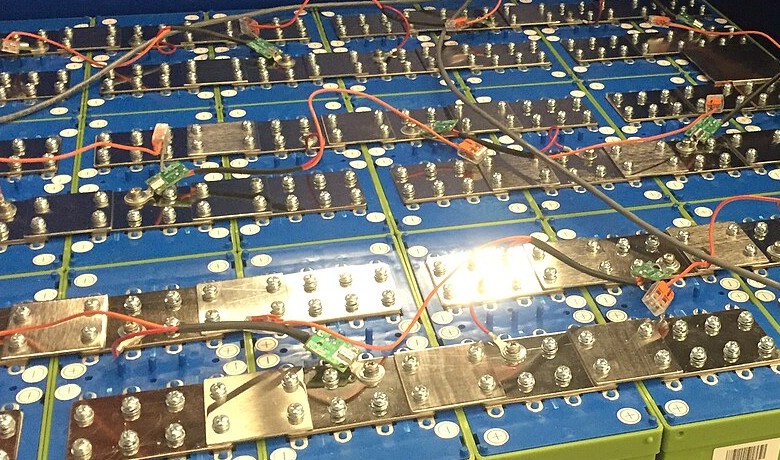
Grid-scale projects stack multiple revenue streams. Frequency regulation pays for rapid response. Energy arbitrage captures the spread between off-peak and peak prices. Capacity markets pay for availability during system stress. Transmission deferral contracts compensate for reducing infrastructure needs. A single installation can earn from all four simultaneously.
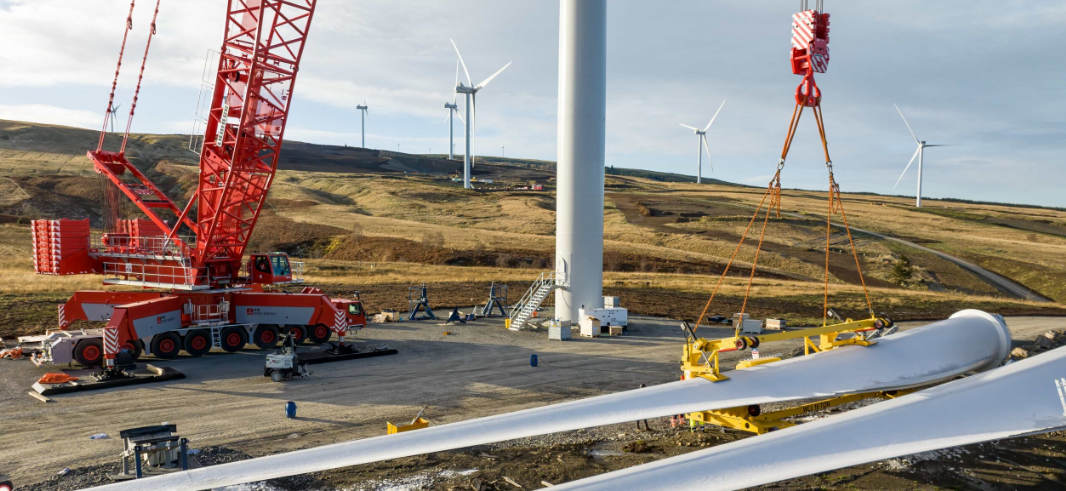
wind farm installation
Commercial and industrial users focus on demand charges. Many utilities bill businesses based on their highest 15-minute power draw each month. A battery that shaves peak demand from 1,000 kilowatts to 600 kilowatts cuts those charges substantially. Payback periods often run under five years.
Residential storage pairs with rooftop solar for household self-consumption. Over one million European homes had systems installed by 2024. Virtual power plant programs aggregate distributed batteries into grid resources, paying homeowners for participation.
Regulation and Safety
The European Union Battery Regulation, effective August 2023, imposes the strictest lifecycle requirements globally. Carbon footprint declarations become mandatory in 2025. Supply chain due diligence kicks in August 2025. By 2031, new batteries must contain minimum percentages of recycled lithium and cobalt. Digital battery passports will track materials from extraction through disposal.
Battery recycling capacity reached 1.6 million tons annually in 2025. China expects 3.5 million tons of retired vehicle batteries by 2030. Hydrometallurgical processes recover over 90% of lithium content. Research suggests 84% collection rates are needed to stabilize long-term material supplies.
Lithium-ion fire risk remains real despite improvements. Thermal runaway propagates fast. Battery management systems monitor cell-level voltage and temperature, flagging anomalies before cascades develop. Liquid cooling maintains safe operating temperatures. Physical barriers between modules slow fire spread. The industry has improved, but incidents still occur.
Where This Leads
Storage technology is fragmenting by application. Short-duration needs through 4 hours will stay with lithium iron phosphate, with sodium-ion taking share as manufacturing scales. Solid-state will target applications demanding maximum energy density and zero fire risk, mostly vehicles rather than grid storage. Flow batteries and compressed air will compete for the 4-12 hour range. Iron-air and hydrogen will fight over multi-day and seasonal storage. No single technology wins everywhere. The market is splitting into segments.
"The intermittency problem that seemed to cap renewable energy at supplementary status is being solved. Solar and wind can provide baseload power if storage bridges the gaps."
Policy is shifting from mandates toward market mechanisms. China abolished mandatory storage procurement for renewable projects in early 2025, signaling confidence that economics now justify deployment without compulsion. Early Chinese storage mandates forced developers to build batteries that sat idle most of the time, ticking boxes rather than providing value. The new approach lets markets determine when storage makes sense. Tax credits, capacity payments, and ancillary service markets will drive investment decisions.
The intermittency problem that seemed to cap renewable energy at supplementary status is being solved. Solar and wind can provide baseload power if storage bridges the gaps. The US Department of Energy projects 225-460 gigawatts of long-duration storage needed by 2060 for full decarbonization. That range reflects uncertainty about costs and technology development. The lower end assumes aggressive cost reductions in emerging technologies. The upper end assumes slower progress. Either way, the scale dwarfs current deployment.
Global capacity should reach 2 terawatts by 2035, valued above one trillion dollars. Manufacturing at that scale will require raw material supply chains that do not yet exist. Lithium mining must expand. Vanadium production must grow. Iron supply is less constrained, which argues for iron-air if the technology delivers.
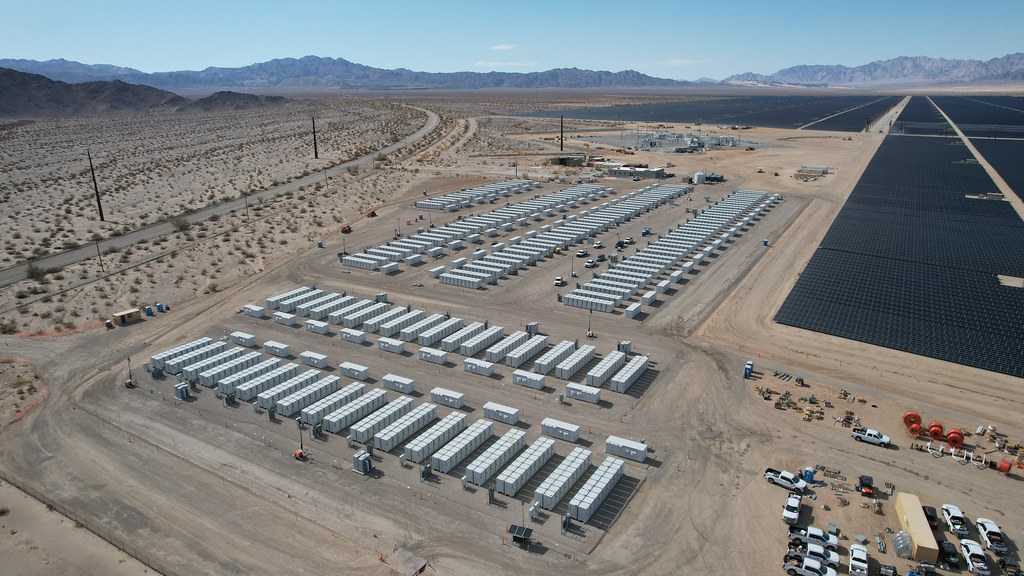
Storage technology is not glamorous. It sits in metal boxes in industrial lots, humming quietly. No one photographs batteries the way they photograph wind turbines. But storage determines whether renewable electricity can actually replace fossil fuels or merely supplement them. The boxes are multiplying fast.