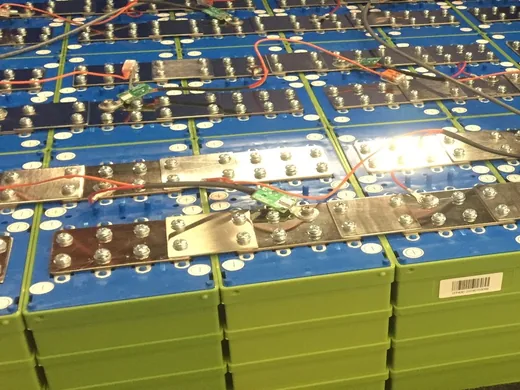


Propane generator. Four tanks. Done.
Everything after this sentence is explaining why that answer works and why the alternatives people obsess over mostly don't. Skip to the end if explanations don't matter.
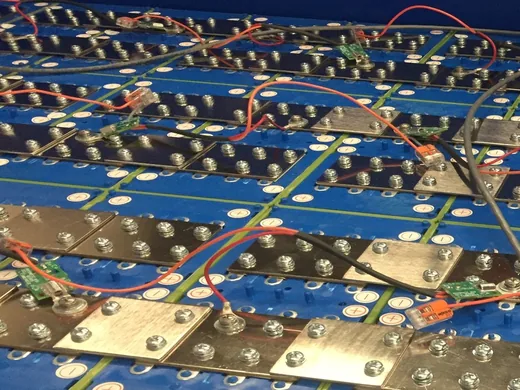
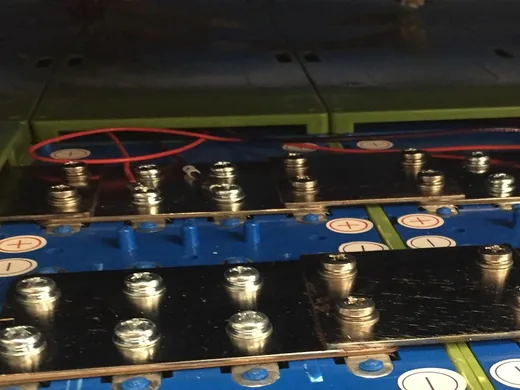
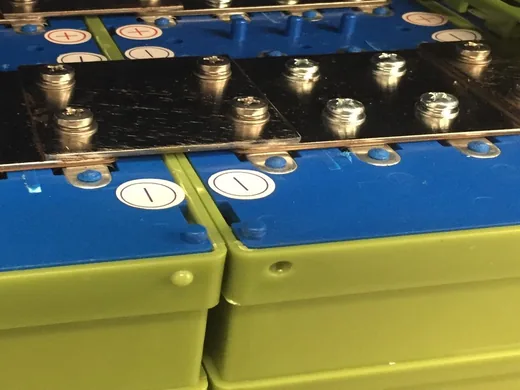
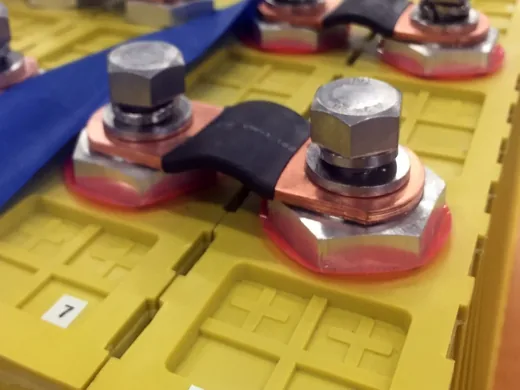
Batteries
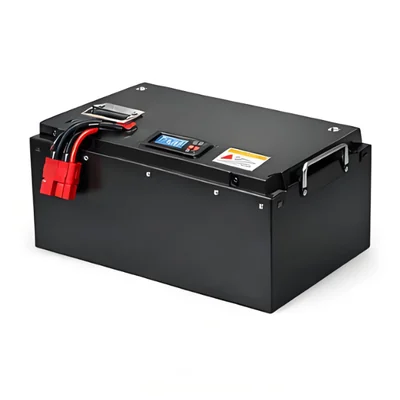
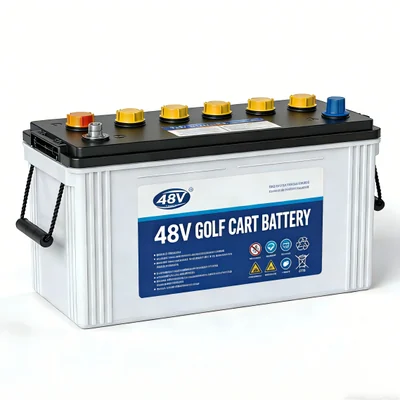
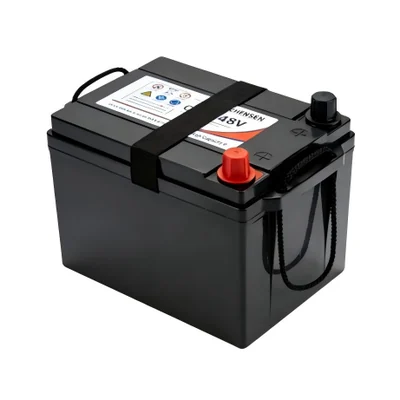
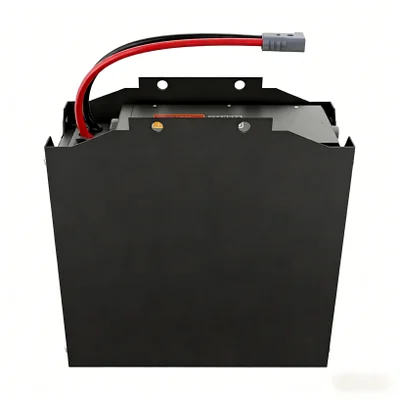
The marketing has gotten absurd. Sleek boxes with touchscreens and app connectivity and influencers unboxing them in spotless garages. "Never worry about power outages again" says the ad copy, showing a family happily watching TV while their neighbors sit in darkness.
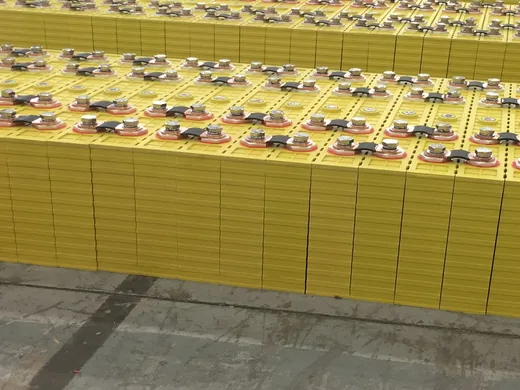
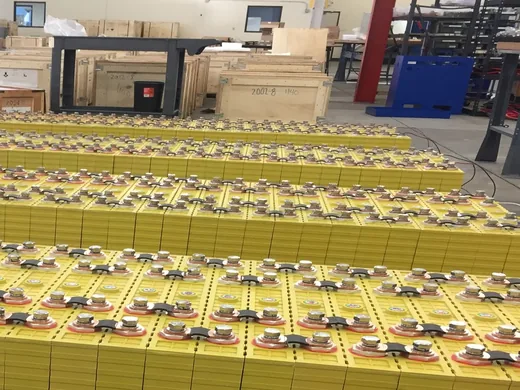
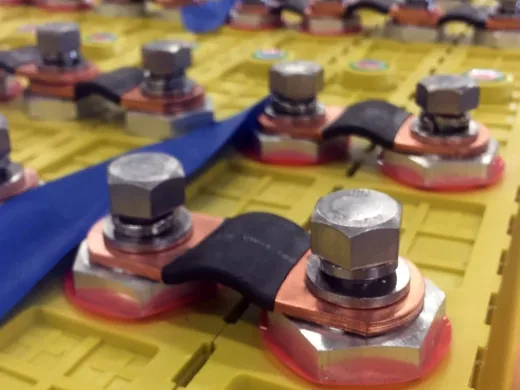
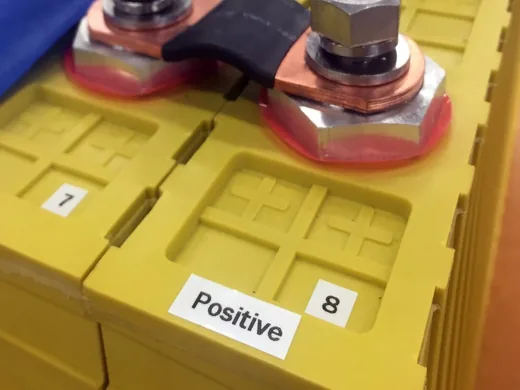
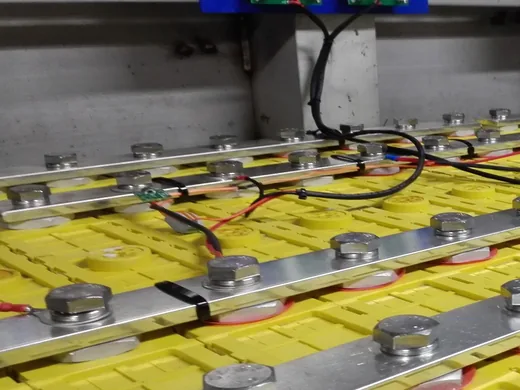
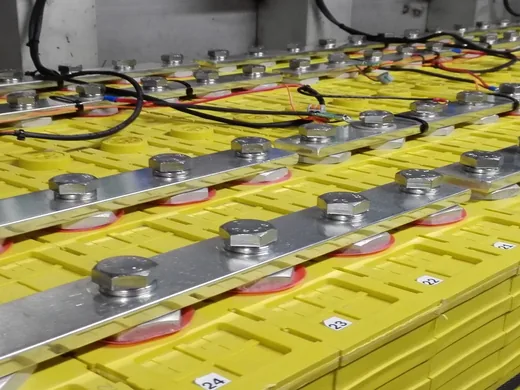
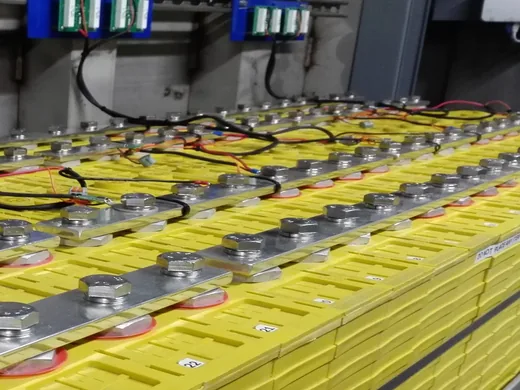
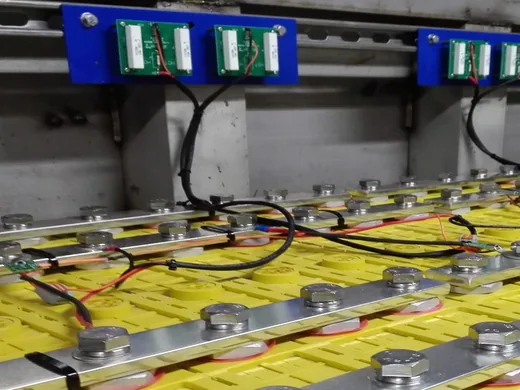
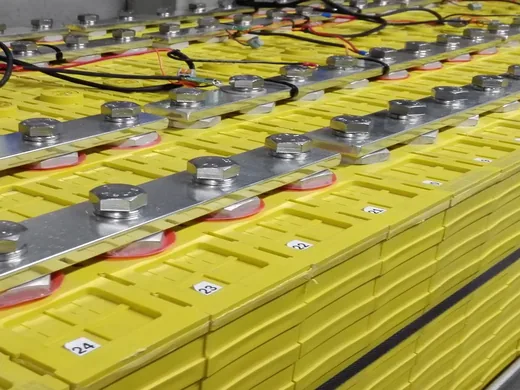
A 2,000 watt-hour battery holds roughly the energy in one gallon of gasoline. One gallon. That $800 price tag buys storage equivalent to what costs $3.50 at a gas station. Physics doesn't care about marketing budgets or how many YouTube reviewers got free units.
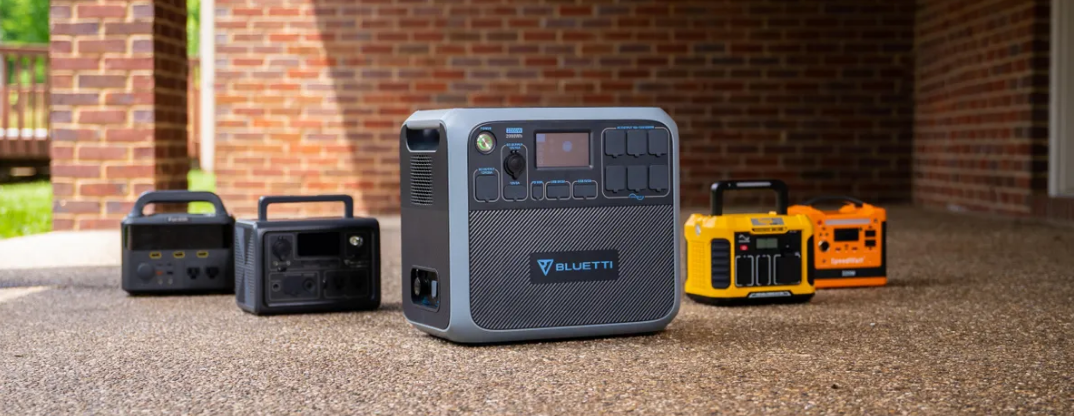
Run a refrigerator, router, some lights. Maybe twenty hours before the battery dies. Then what? Solar panels need sun. Wall outlets need grid power. Neither exists reliably during the winter storms that cause most extended outages in most of the country.
The Texas freeze lasted four days. Michigan ice storm ran over a week in places. California PSPS shutoffs have stretched multiple days when fire conditions persist.
People who bought power stations thinking they'd solved backup power learned otherwise when real emergencies hit. Some had generators as backup to their backup, which raises questions about what role the battery was actually supposed to play in their strategy. Others sat in cold houses scrolling phones until the phones died too, then sat in cold houses doing nothing.
Power stations work fine for camping. Weekend at the cabin, tailgate at the stadium, road trip phone charging. Honest products for honest use cases. The problem is extrapolating from "good for camping" to "good for emergencies" when the duration requirements and load profiles are completely different.
Nobody camps for a week straight running a refrigerator, router, CPAP machine, and sump pump. That's what emergencies sometimes require.
Apartment dwellers can't run generators on balconies or in shared spaces. Van lifers need something that works while the vehicle moves. Fair enough. Specific constraints justify specific solutions. But suburban homeowners with attached garages and yards buying $2,500 battery systems because YouTube convinced them generators are outdated technology? That's marketing victory over common sense.
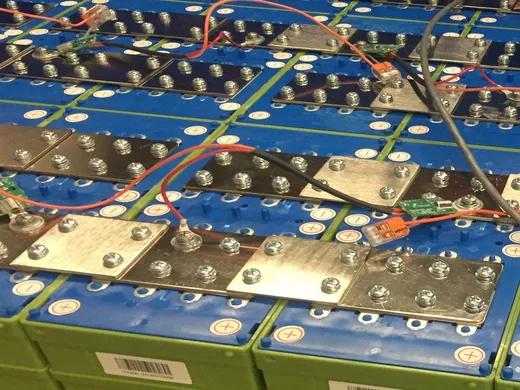
The battery technology has genuinely improved. Lithium iron phosphate chemistry fixed the old problems with degradation and fire risk. Current units last longer and don't spontaneously combust. Credit where due. Better technology doesn't change the fundamental storage limitation though. A battery holds what a battery holds, and what the largest consumer units hold is roughly equivalent to a couple gallons of liquid fuel after accounting for all the conversion steps.
Some people run generators to charge batteries to run the house. Adds complexity and conversion losses compared to running the generator to run the house directly. The middle step raises questions. What exactly does the battery contribute to that sequence besides another failure point and another thing requiring management attention?
Cold makes everything worse. Batteries lose significant capacity below freezing. The power station rated for twenty hours at room temperature might deliver twelve to fourteen when the battery itself got cold overnight in an unheated garage. Winter storms knock out power most frequently in most regions. The seasonal mismatch between when batteries perform worst and when outages happen most deserves more attention than it gets from the marketing materials.
The Gasoline Situation
Hardware stores sell cheap generators during storm season. Display racks in parking lots. Four hundred bucks drives home 5,000 watts of theoretical capacity. Seems obvious.
Then the generator sits in the garage for three years. Storm warning comes. Pull cord produces nothing useful. Maybe the engine cranks but won't catch. Maybe flooding the carburetor helps temporarily before it dies again. Maybe the whole thing is just done and now there's an expensive paperweight in the corner.
Gasoline spoils. Not overnight, but faster than most people expect. Six months in a container, maybe eight if temperatures stayed moderate and the container stayed properly sealed, and the volatile compounds start evaporating while oxidation produces gums and varnishes that coat carburetor internals. The liquid remaining might smell approximately correct but doesn't burn correctly anymore.
Small passages in carburetors clog. Jets don't flow as designed. Floats stick. The whole fuel delivery system that worked perfectly with fresh fuel stops working with fuel that aged past its useful life.
Fuel stabilizers help. Sta-Bil, PRI-G, similar products. They slow the degradation and extend usable life to maybe twelve or eighteen months. They work when used correctly. Adding stabilizer requires remembering to do it every time fuel goes into storage. Rotating stock requires actually using and replacing stored fuel on a schedule. Draining carburetors after each use requires following through every single time.
Most people don't maintain this discipline because it requires ongoing attention to equipment that gets touched twice annually at most. When the third year rolls around and the storm finally hits, all the theoretical maintenance that should have happened didn't happen. The generator isn't defective. The fuel system isn't poorly designed. Human behavior around gasoline storage defeated what was otherwise reliable equipment.
Regional emergencies compound the problem. Power goes out across a wide area. Fuel stations lose power too, which means pumps don't work. Even stations with backup power run dry within a day or two as everyone with a generator shows up simultaneously. Lines stretch for blocks. That carefully stored gasoline at home? Already transformed into carburetor varnish months ago.
Some owners swear by draining the carburetor after each use and running the engine dry so no fuel sits in the system during storage. This actually works pretty well. It also requires doing it every single time, which loops back to the discipline problem. Procedures that work perfectly when followed perfectly don't help when they get skipped three times out of four because it was raining or cold or late or something else came up.
Why Propane Works Better
Fill a tank in 2018. Use it in 2028. Works identical to fresh. No stabilizers required. No rotation schedule to maintain. No varnish forming inside fuel system components during storage. The chemistry is stable at normal temperatures indefinitely in a sealed container.
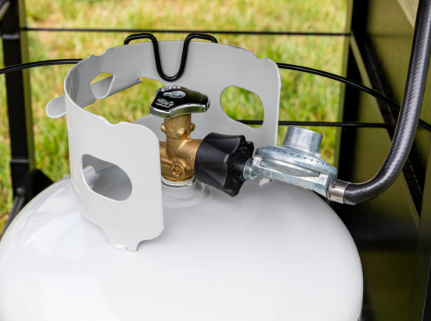

That single characteristic makes propane superior for backup equipment that sits unused for extended periods between emergencies. Nothing else about propane is better than gasoline. Energy density is lower. Cost per BTU is roughly comparable. Availability during emergencies varies by region. The storage stability advantage alone outweighs everything else for this specific application.
Tradeoff exists and deserves acknowledgment. Propane contains less energy per unit volume. Same engine produces roughly 15% less power running propane compared to gasoline. A generator rated 7,500 watts on gasoline drops to around 6,500 watts on propane.
For emergency backup purposes, nobody cares about this reduction in practice. Nobody needs peak theoretical output during most emergency situations. What matters is the engine starting reliably after sitting untouched for two or three years between storms. Propane delivers that reliability in ways gasoline cannot given realistic expectations about how most people actually behave around maintenance tasks.
Tank management is simpler too. Standard 20-pound propane tanks cost around $35 to $45 new. Exchange programs at gas stations and hardware stores charge $18 to $25 per swap. Four tanks stored in a shaded outdoor area away from the house provide thirty to forty hours of runtime at moderate load on a typical mid-sized generator. Check dates occasionally. Otherwise forget they exist until needed.
One weakness remains: running out during extended outages means finding somewhere that's open and has stock. Exchange locations may be closed, depleted, or inaccessible during regional emergencies. Having four tanks rather than two creates buffer. Refilling after each use rather than leaving them partially empty for next time matters more than people realize until they're caught short on day two of an extended outage.
Some propane suppliers deliver to residential locations and fill tanks on site. Costs more than exchange programs but puts more fuel in the same tank and eliminates trips during stressful situations. Worth investigating for anyone serious about maintaining adequate reserves.
Dual-Fuel Splits the Difference
These generators run on either gasoline or propane with a selector switch or valve mechanism. Store propane for the guaranteed start after years of storage. Keep a small gasoline reserve if maximum output matters for some specific heavy load.
Westinghouse WGen9500DF runs about $1,200. Does 9,500 watts on gasoline, 8,500 on propane. Built-in CO sensor shuts things down if exhaust concentration gets dangerous. Runs around twelve hours at quarter load on either fuel.
Champion makes a 7,500 watt version for around $900. Less output, lower price, same dual-fuel flexibility. DuroMax sells a tri-fuel unit that adds natural gas as a third option for homes with existing gas service.
None of these match Honda's engineering reputation. The Honda EU2200i inverter generator costs $1,100 for 1,800 watts and only runs gasoline. Whisper quiet. Clean power suitable for sensitive electronics. Expected service life measured in decades of regular use.
Different situations justify different choices. Someone expecting to run a generator frequently, valuing quiet operation, maintaining fuel diligently should consider Honda or equivalent premium inverter units. Someone wanting reliable emergency backup without ongoing maintenance attention should consider dual-fuel with propane storage.
For most households, the cheaper generator plus propane storage outperforms the premium generator alone for emergency purposes. The money saved goes toward more fuel reserves or other preparedness items.
Price difference between mid-tier and premium generators runs $500 to $700. That's a lot of propane tanks.
The Expensive Options
Tesla Powerwall installations run twelve to twenty thousand dollars depending on capacity configuration and local labor rates. Whole-home standby generators from Generac or Kohler land in similar territory after the unit, installation, electrical work, permits, and inspections all get totaled up.
Both work for their intended purposes. The price tag runs roughly ten times what a propane setup costs. Whether that multiplier makes sense depends entirely on circumstances that vary dramatically between households.
Battery systems pencil out when combined with solar panels generating more electricity than the household consumes during peak sun hours, and time-of-use electricity rates that vary significantly between expensive peak afternoon hours and cheap overnight hours. Charge from solar or cheap overnight rates. Discharge during expensive afternoon peaks. Capture value from rate arbitrage day after day. The backup functionality becomes almost a bonus feature on top of the daily economic benefit.
Without solar panels, without rate structures that reward time-shifting consumption, the battery payback period extends past the warranty period. The math doesn't work for pure backup applications in most utility service territories. Some regions have rate structures making batteries economically attractive. Most don't.
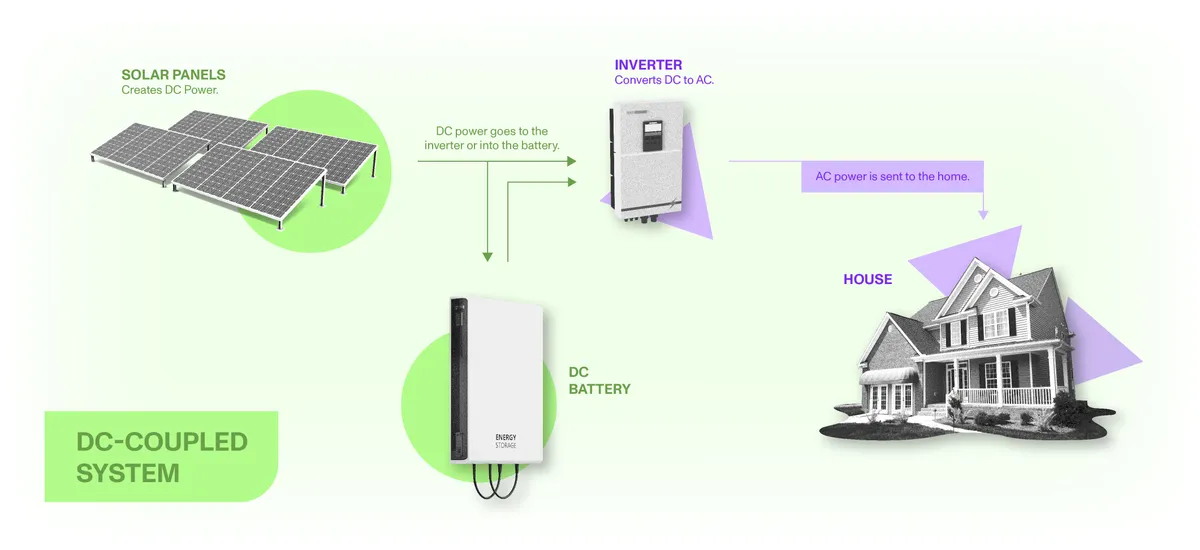
Standby generators make sense for frequent extended outages, medical equipment that cannot tolerate interruption under any circumstances, or households where someone being home to start a portable unit cannot be guaranteed. Natural gas pressure typically continues when electricity fails. The generator starts automatically within seconds of detecting an outage. No human intervention required. No going outside in dangerous conditions.
Someone losing power six or eight times annually for extended periods has different requirements than someone losing power once or twice annually for a few hours. The premium options address the former situation appropriately. Most households fall into the latter category based on utility reliability statistics.
Marketing for battery systems and standby generators alike emphasizes worst-case scenarios. Pictures of dark houses during storms. Testimonials about frozen pipes and spoiled refrigerator contents. Fear sells. The emotional resonance works on psychological levels. Whether the fear-based purchase makes economic sense for the buyer's actual probability and duration of outages requires more honest analysis than most marketing encourages.
A fifteen hundred to two thousand dollar investment in portable equipment handles the actual outage patterns most households experience. Spending ten times that buys marginal improvement for scenarios that may never occur, or may occur so rarely that the additional cost per avoided incident becomes absurd on a per-event basis.
Startup Surges
Nameplate wattage on equipment shows steady-state power consumption during normal operation. Motors don't start at steady state. They spike hard before settling down.
A refrigerator runs at 150 watts. Compressor startup hits 1,000 to 1,200 watts for a fraction of a second before dropping back to running load. Window air conditioner runs at 1,200 watts. Compressor startup hits 3,000 to 3,500 watts. Well pumps, sump pumps, any equipment with an electric motor exhibits similar patterns.
Generator sizing has to accommodate these surges or the unit trips on overload protection the instant a motor kicks on. A generator rated 3,000 watts looks sufficient for 2,000 watts of running load. The 3,500 watt startup surge from a window AC says otherwise. The unit trips and everything goes dark and the AC never started anyway.
Most basic-load scenarios for residential backup need 5,000 to 6,000 watts of rated capacity. Not because that much equipment runs constantly. The running load might only be 2,500 watts. But startup surges need headroom above running load, and the highest single surge gets added to the running total when sizing equipment.
Inverter generators handle surges somewhat better than conventional generators at the same rated capacity. The electronic power conversion smooths delivery in ways mechanical governors can't match. A 2,200 watt inverter generator sometimes manages loads that would trip a 3,000 watt conventional unit.
For anyone uncertain about their specific calculations, the answer is straightforward. Buy more generator capacity than initial estimates suggest. The price difference between a 5,000 watt unit and a 7,500 watt unit runs maybe $150 to $200. Spending that additional money removes any uncertainty about whether the equipment handles actual loads.
Undersizing to save $150 creates risk of discovering the shortfall during an emergency when options for fixing it don't exist.
Carbon Monoxide
Generator exhaust contains carbon monoxide at concentrations lethal in enclosed or poorly ventilated spaces. Somewhere between 85 and 100 people die annually in the United States from portable generator CO poisoning. The number varies slightly depending on source and counting methodology. The number hasn't declined meaningfully despite warning labels, safety campaigns, and education efforts spanning decades.
Twenty feet minimum from any door, window, or ventilation opening. Exhaust pointed away from the structure rather than toward walls where it can pool and find cracks. Never inside a garage even with the big door open and fans running. Never on a covered porch where the roof traps exhaust. Never near HVAC air intakes that can draw contaminated air into ductwork.
Carbon monoxide is colorless and odorless. Symptoms of exposure mimic flu or hangover: headache, dizziness, nausea, confusion. Victims frequently don't recognize what's happening until too impaired to respond appropriately. Death comes from falling asleep and never waking because exposure continued through the night.
The fatalities usually involve someone who understood the risks perfectly well but made an exception due to circumstances. Storm raging. Rain too hard to go outside. Generator in the garage, door cracked open a few inches, just until morning, just this once. Exhaust accumulates faster than it disperses through a cracked door. Seeps through interior doors into the living space. People die in their beds.
Newer generators sold after January 2025 include automatic CO shutoff systems under updated safety standards. The engine detects exhaust concentration building up and kills itself before levels become lethal. Units manufactured before these standards lack this protection.
Battery-powered carbon monoxide detectors belong in every home regardless of generator ownership. One in the bedroom. One in the main living area. One near any attached garage. Forty to sixty dollars total for all three. The detectors provide warning when human judgment fails during stressful emergency situations.
Weather Factors
Batteries lose significant capacity in cold. A power station rated twenty hours at room temperature might deliver twelve to fourteen when the battery got cold sitting in an unheated space. The underlying electrochemistry slows as temperature drops. Electrons move more sluggishly through cold electrolyte.
This matters because winter storms knock out power more frequently than summer events in most regions. The seasonal timing works against battery performance exactly when outages happen most often.
If relying on a power station, store it indoors at normal room temperatures rather than in an unheated garage or shed or vehicle. The performance difference between a warm battery and a cold battery can determine whether the thing gets through the night or dies at 3 AM when temperatures bottom out.
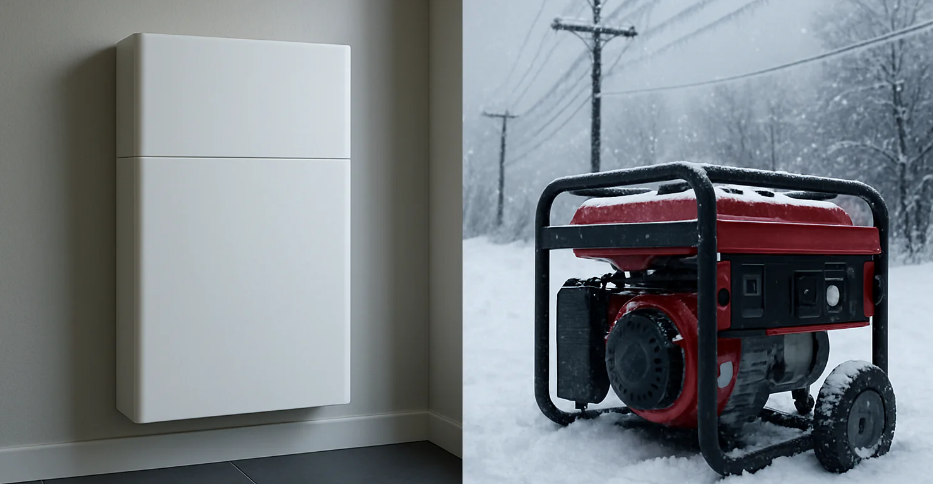
Propane vaporizes more slowly in extreme cold. Output drops somewhat below rated specs. Maybe ten percent less at very low temperatures. The generator still runs and produces useful power. It just produces somewhat less than the numbers on the spec sheet indicate.
Diesel fuel gels and stops flowing at certain temperatures. Matters for anyone using diesel generators in cold climates. Requires additives or heated fuel systems.
Extreme heat triggers thermal protection shutdowns in batteries and inverters. Generators can overheat if airflow is blocked or ambient temperatures climb very high during extended operation. Sizing for summer conditions matters if summer outages concern the household, because heat waves coincide with peak AC demand and maximum stress on all equipment simultaneously.
Flooding changes everything about positioning and storage. Elevate fuel containers above historical flood levels for the property. Position generators where water won't reach based on property topography. Accept that outdoor equipment may become inaccessible during the worst of storm conditions before things improve enough to venture outside.
Testing and Maintenance
Manufacturers recommend running generators under load monthly. The oil needs circulation. Gaskets and seals can dry out. Fuel systems need flow to stay clear. Monthly operation catches developing problems early.
Almost nobody actually runs their emergency generator monthly. Competing demands on time and attention always seem more urgent than maintaining equipment that might not get used this year anyway.
Quarterly testing is more realistic given how people actually behave. Start it up, connect a meaningful load like a space heater or shop light, let it run fifteen to twenty minutes, then shut down following proper procedures.
Critical detail about testing: actually running under load rather than just starting and letting it idle for a few minutes. An unloaded engine doesn't draw fuel through the same passages or generate the same heat patterns as a loaded one. Starting without load confirms ignition works but misses failure modes that only appear when the engine has to actually produce power.
Propane storage requires minimal attention compared to gasoline. Check tank dates occasionally to ensure they're within service intervals. Look for valve corrosion or leaks. Store upright, outdoors, shaded, away from structures and ignition sources. Beyond that, largely passive.
Battery maintenance for power stations means keeping charge level somewhere between roughly 30% and 80% during extended storage. Fully depleted batteries degrade faster than partially charged ones. Very high charge levels during long storage also cause some degradation, though less severe. Moderate charge minimizes stress on cells.
People will not maintain backup equipment according to ideal schedules regardless of good intentions at purchase time. Accepting that reality and choosing equipment that tolerates neglect improves actual outcomes compared to choosing equipment requiring diligent maintenance from owners who won't provide it.
The Setup
Dual-fuel generator in the 7,000 to 9,500 watt range. $900 to $1,300 depending on brand and features and whatever retailer pricing happens to be at purchase time.
Four 20-pound propane tanks stored outdoors in a shaded spot away from the house. Around $150 to $200 total including initial fills.
Battery-powered CO detectors for bedroom, living area, near attached garage. $40 to $60 total.
That's roughly $1,100 to $1,600 for a system that handles outages from a couple hours to several days without requiring extensive technical knowledge or constant maintenance attention.
Add a 1,500 to 2,000 watt-hour power station for another $600 to $900 if quiet indoor operation matters for short outages when starting a generator seems like overkill. Optional component. Not required for the core strategy.
Run the generator under load quarterly as described above. Refill propane tanks after each use rather than leaving them partially empty for next time. Replace detector batteries annually on some predictable schedule like when clocks change.
This approach lacks technological sophistication. No app connectivity. No smart home integration. No social media content potential. What it does is work reliably without expertise or constant attention for the realistic outage scenarios most households actually face.
The grid will fail again at some point. Infrastructure ages. Weather intensifies. Demand grows. Whether the failure lasts hours or days depends on factors outside individual control. Whether backup power works when that failure happens depends entirely on preparation that already occurred.
Propane generators meet the standard of working reliably after extended storage better than the alternatives for most residential situations. For most people asking what the best option is, that's the answer.