

Sometime around 2023, home batteries stopped being a curiosity and started being a real market. Tesla had been selling Powerwalls for years by then, but the combination of rising electricity rates, worsening grid reliability in places like California and Texas, and the expiration of favorable net metering policies pushed adoption past the tipping point. By late 2024, battery attachment rates on new solar installations hit 34% nationally. In California, closer to 60%.
So who makes these things?
The short list: Tesla, BYD, Enphase, sonnen, LG Energy Solution, Generac, FranklinWH, Panasonic, Pylontech, Alpha ESS. A few others hover at the edges. The market is consolidating fast, which means some of these names will matter less in five years than they do now.
But listing companies answers the wrong question. The right question is which ones are worth paying attention to, and why.

Residential solar and energy storage systems
Tesla, Obviously
Tesla Powerwall has something like 600,000 units installed worldwide. The brand recognition alone closes sales. When a homeowner thinks "home battery," Tesla surfaces first, the same way Kleenex surfaces when someone needs a tissue.
The Powerwall 3 hardware is fine. 13.5 kWh capacity, 11.5 kW continuous output, DC-coupled architecture. Enough to run critical loads overnight during an outage. Enough output to start an air conditioner without tripping protection. The specs are competitive, neither best-in-class nor lagging.
What Tesla does better than anyone else is software. Firmware updates push to Powerwalls constantly. Some add features that did not exist when the unit shipped. Some tune charging algorithms based on fleet-wide data. A Powerwall bought today will perform differently in three years, probably better, because Tesla keeps tweaking the code remotely.
The virtual power plant program matters too. Tesla aggregates enrolled Powerwalls into a distributed grid resource and dispatches stored energy during emergencies. Participants get paid. Tesla gets data. The program requires Tesla hardware and software, which gives customers one more reason to stay in the ecosystem.
The recall in late 2025, when over 10,000 units were pulled for fire risk, hurt confidence. Installation wait times remain frustrating in some markets. Requiring Tesla solar alongside Powerwall alienates buyers who want just the battery. And some customers refuse to give money to anything associated with Elon Musk, a sentiment that has grown more common.
Tesla will remain the default choice anyway. The combination of brand, software, and ecosystem integration is too strong for competitors to overcome through better specs alone.
One thing worth noting: Tesla still uses nickel-manganese-cobalt cells while most competitors have moved to lithium iron phosphate. NMC packs tighter, so the enclosure stays slim. But NMC runs hotter, degrades faster, and carries more fire risk. The ten-year warranty with 70% capacity retention is adequate but nothing special. Buyers who want a battery that lasts twenty years should think about this.
Enphase, the Installer's Choice
Enphase is harder to explain than Tesla because the advantage is less visible to homeowners.
The company dominates the American microinverter market. By 2025, something like three-quarters of solar installers were using Enphase microinverters on residential jobs. Millions of homes already run Enphase equipment.
Why does this matter for batteries? Because installers make purchasing decisions, not homeowners. A homeowner hires an installer based on reviews or a neighbor's recommendation. That installer suggests equipment, and the homeowner, lacking expertise, agrees. Whatever the installer prefers is what gets sold.
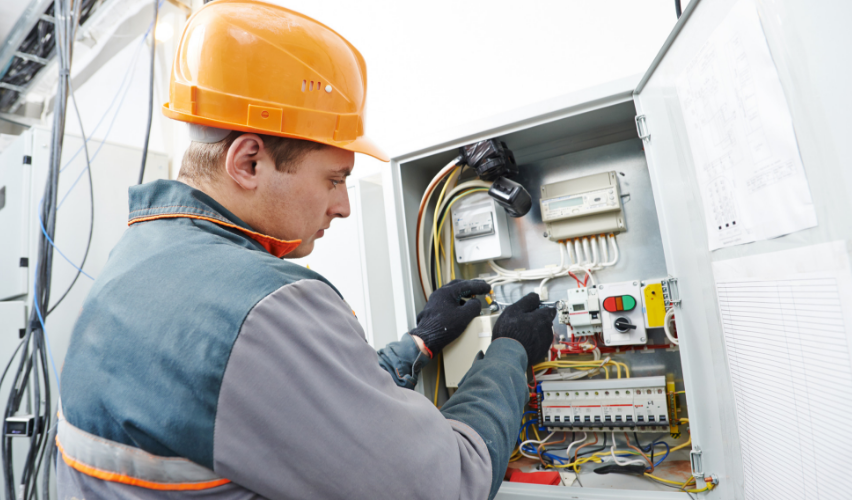
Professional installers play a crucial role in homeowner equipment decisions
Enphase built its business by making installers' jobs easier. Microinverters are faster to wire than string inverter systems. Troubleshooting isolates to individual panels. Warranty claims mean swapping one small box instead of replacing a central unit that affects the whole array.
When those homeowners want batteries later, the installer faces an obvious decision. Recommend Enphase storage, which plugs into the existing system and shows up in the same monitoring app. Or recommend something else, which means a second app, compatibility questions, and potential callbacks. Installers recommend Enphase. The sale closes.
With the IQ Battery 10C, Enphase fixed the main weakness. Earlier Enphase batteries required stacking multiple smaller units to match Powerwall capacity, which cost more per kilowatt-hour. The 10C delivers 10 kWh in one box at a price closer to Tesla's.
Enphase uses lithium iron phosphate chemistry. Heavier and bulkier than NMC, but it does not catch fire under abuse conditions. The fifteen-year warranty reflects this.
Where Enphase looks vulnerable: concentration. Everything depends on the microinverter business staying healthy. If that business weakens for any reason, the storage strategy falls apart. Probably will not happen, but worth remembering.
BYD
BYD is the company most people underestimate.
No flashy launches. No celebrity CEO. Sales happen through distributors. Western media rarely covers BYD's energy storage business because the company does not seek coverage.
Meanwhile, BYD has shipped over 1.5 million residential storage systems globally. Half a million of those shipped in about eighteen months between mid-2024 and late 2025. That pace exceeds Tesla's.
BYD manufactures everything. Cells, battery management systems, power electronics, final assembly. This vertical integration means BYD sets prices that competitors purchasing components cannot match. BatteryBox products are not pretty and the app feels utilitarian. But the batteries work and they cost less.
In Australia, Germany, South Africa, and across Asia, BYD dominates. North America and parts of Europe remain harder because of tariffs, domestic content requirements for tax credits, and brand skepticism toward Chinese manufacturers.
The skepticism is largely unfounded. BYD quality is solid. Warranty claim rates are comparable to Western brands. But perception is perception.
For buyers who care about maximizing storage capacity per dollar, BYD deserves serious consideration. For buyers who care about brand prestige or want tight integration with a broader ecosystem, probably not.
Everyone Else, Briefly
This is where the analysis gets less thorough, because the second tier matters less. These companies exist, they sell products, some of them will survive consolidation and some will not.
sonnen is a German company now owned by Shell. High-end positioning, sophisticated energy management software, strong virtual power plant programs in Europe. The fifteen-year warranty rated for 15,000 cycles is the industry's longest. Pricing is also the industry's highest. sonnen will keep a niche among affluent Europeans willing to pay for German engineering. The niche will stay small.
LG Energy Solution makes great battery cells and supplies them across industries. The residential RESU line is competent but undifferentiated. Not cheapest, not most integrated, not most innovative. Previous recalls damaged installer trust. LG will probably maintain share through its Arizona factory qualifying for domestic content incentives. Growth looks unlikely.
Generac
Generac came from the backup generator business and brought its installer network along. Good channel access to customers who prioritize resilience. The PWRcell products are fine. But Generac buys cells from suppliers instead of making them, which limits cost control. If price wars intensify, that disadvantage compounds.
FranklinWH
FranklinWH has grown fast by offering Tesla-like design without Tesla ecosystem requirements. The aPower 2 is a good product. Whether the company reaches profitability before venture funding runs out remains uncertain. Acquisition by a larger player seems probable.
Panasonic
Panasonic offers the EVERVOLT line with a twelve-year warranty. Solid manufacturing credibility. The challenge is differentiation. Panasonic lacks Enphase's channel lock-in, Tesla's brand, and BYD's cost structure. Good products are not enough when competitors are excellent and cheaper.
sonnen
German engineering with Shell backing. Premium positioning and the industry's longest warranty at 15,000 cycles. Strong in European VPP markets but pricing limits mainstream adoption.
The Chinese Supply Base
Worth a few paragraphs because the economics matter.
Pylontech built the largest global shipment volume in residential storage through aggressive pricing and universal inverter compatibility. Competition has pressured the company's position lately, but the installed base remains large.
Alpha ESS has stronger European brand presence than most Chinese competitors due to localized marketing.
Growatt and GoodWe both expanded from inverters into storage, leveraging existing installer relationships.
CATL does not sell residential systems directly but supplies cells to half the industry. Companies buying CATL cells inherit costs near the theoretical floor.
The aggregate effect: prices keep falling. Every Western manufacturer has to plan for Chinese competitors undercutting by 30% or more in markets without tariff protection. This is good for buyers and brutal for companies without manufacturing scale or ecosystem lock-in.

Global manufacturing scale determines competitive pricing in the energy storage market
Some Technical Points
Chemistry. The industry is converging on lithium iron phosphate. LFP cells last longer, run cooler, and do not catch fire. The tradeoff is lower energy density, which means bigger boxes. For wall-mounted home storage where size barely matters, LFP wins. Tesla's continued use of NMC is an aesthetic choice more than an engineering one.
Warranties. Read them carefully. A ten-year warranty guaranteeing 70% capacity retention means exactly that: at year ten, the battery must hold at least 70% of original capacity. What matters more than the number is whether the company will exist to honor claims and whether they process claims fairly.
| Specification | Industry Standard | Key Consideration |
|---|---|---|
| Round-trip Efficiency | 90%+ (advertised) | Real-world: 80-85% typical |
| Warranty Period | 10-15 years | Company longevity matters more |
| Capacity Retention | 70% at warranty end | LFP chemistry degrades slower |
| VPP Revenue | $100-300/year | 10-20% of carrying costs |
Efficiency claims. Manufacturers cite round-trip efficiency above 90%, measured in labs. Real-world efficiency depends on temperature, charge rates, discharge rates, and battery age. Expect 80-85% in typical use. The gap between advertised and actual is normal across the industry.
Virtual power plant revenue. Marketing materials promise hundreds of dollars annually from grid services. Actual revenue depends on local grid operator programs, wholesale price volatility, and how many batteries compete for limited dispatch opportunities. Realistic expectation: maybe 10-20% of annual carrying costs, not enough to drive a purchase decision.
Vehicle-to-Home
Electric vehicle batteries are enormous compared to home batteries. Two EVs in a garage represent 150+ kWh, ten times Powerwall capacity.
Bidirectional charging, which pulls power from vehicle batteries to run homes, offers economics that dedicated battery vendors cannot match. The storage already exists as part of the vehicle.
Ford, GM, and Hyundai have embraced this. Tesla has resisted enabling it on most models, presumably to protect Powerwall sales.
If vehicle-to-home becomes standard, demand for standalone residential batteries shrinks. Buyers with EVs will not need separate storage. The addressable market narrows.
Tesla's refusal to enable bidirectional charging on its own vehicles while simultaneously selling Powerwalls is a strange strategic choice. Protecting one product line by handicapping ecosystem completeness tends to end badly.
What Happens Next
Consolidation. The number of independent residential storage companies will drop over the next decade. Capital will concentrate in companies with manufacturing scale or ecosystem lock-in. Everyone else gets acquired, retreats to a niche, or folds.
Tesla and Enphase will keep charging premium prices because their advantages are durable. BYD will keep pushing prices down and taking share in price-sensitive markets. The middle tier will compress.
Vehicle-to-home adoption could accelerate the shakeout by reducing demand for dedicated batteries.
Picking a Company
Most buyers should just get a Tesla Powerwall. Reliable product, company will exist in fifteen years, software improves over time, price is reasonable. Not exciting, but dependable.
Homeowners with existing Enphase solar have an obvious choice in the Enphase IQ Battery. Integration works smoothly, LFP chemistry will last, fifteen-year warranty provides real coverage.
BYD BatteryBox makes sense when the priority is value. Lower prices, equivalent performance. Brand discomfort exceeds actual product risk.
sonnen fits a narrow profile: buyers who will cycle aggressively in active VPP markets. The warranty and software justify the premium in that specific use case. Most people are not that buyer.
FranklinWH appeals to people wanting Tesla aesthetics without Tesla lock-in. Good product, uncertain company longevity.
Generac works if domestic manufacturing and installer relationships matter more than price. Adequate product, strong channel.
The Point
A home battery is a fifteen-year commitment. The company that will provide software updates, warranty service, and grid integration in 2040 matters more than whoever offers the best specs at the lowest price today.
The specification comparisons that fill buying guides miss this entirely. Capacity differences of 10-20% make almost no practical difference. Efficiency gaps of 2-3% are invisible in daily use. What matters is ecosystem fit, company durability, and how well the product integrates with everything else in the home.
Residential storage passed the point of technological novelty a few years ago. The products work. The question now is which companies have built positions strong enough to survive the consolidation ahead. Tesla, Enphase, and BYD have. Most others have not.
That is probably all that needs saying.