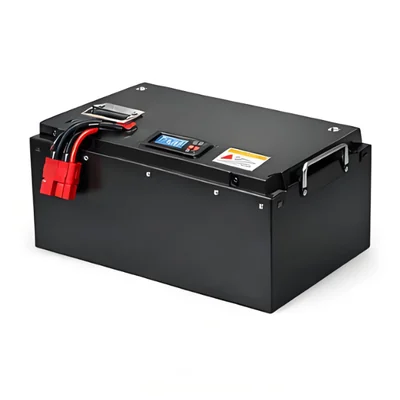
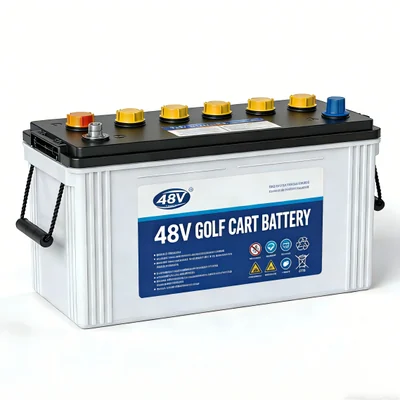
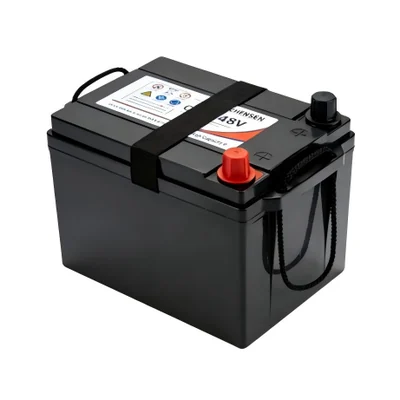
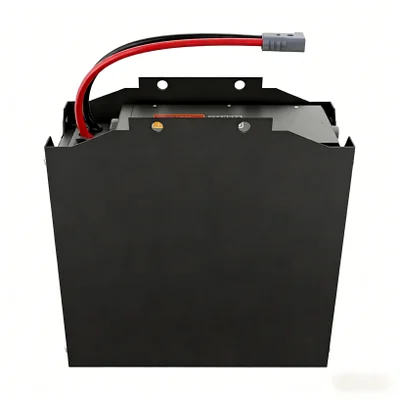
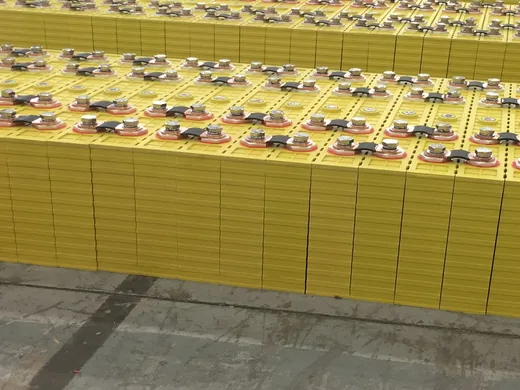
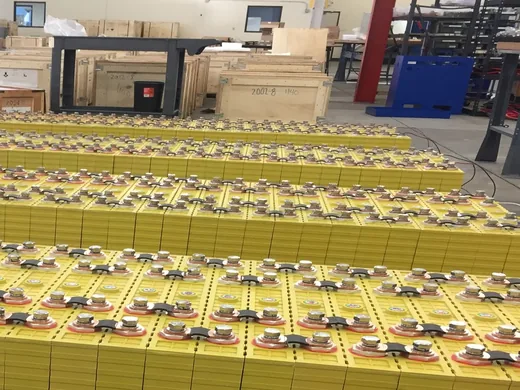
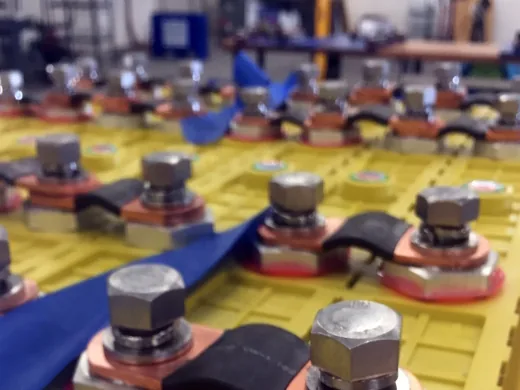
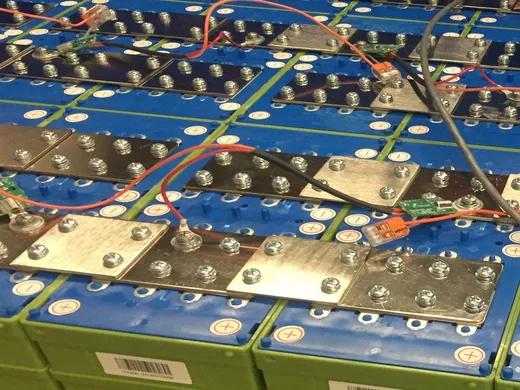
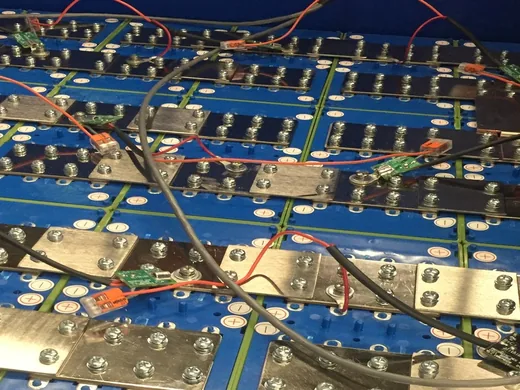
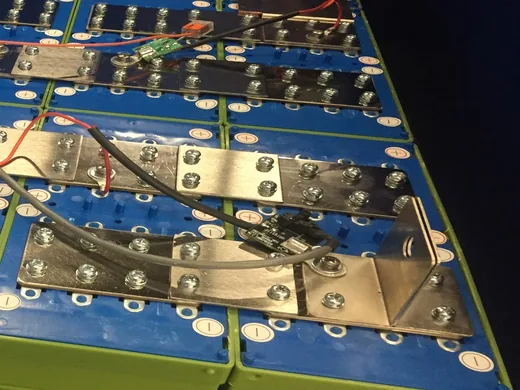
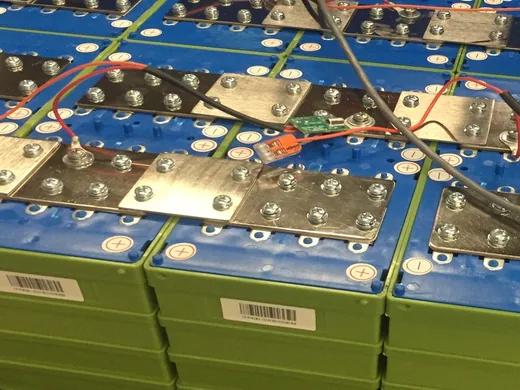
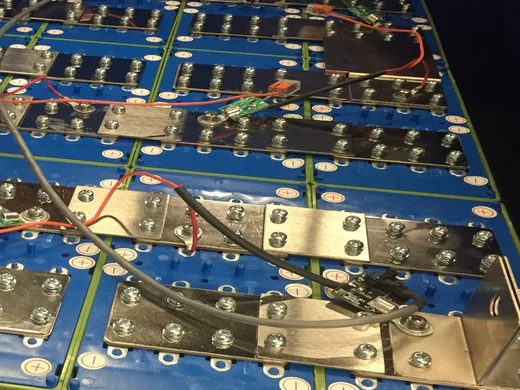
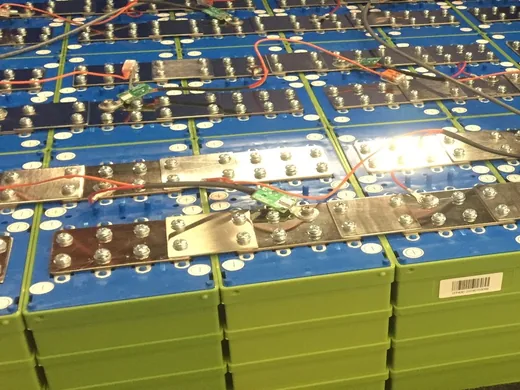
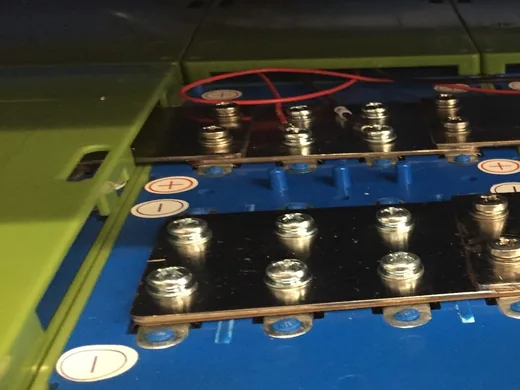
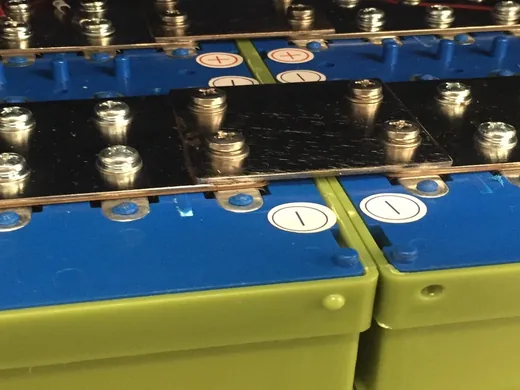
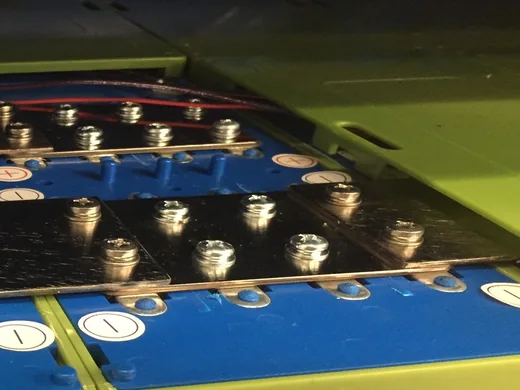
Forklift LFP Battery
A practical guide based on three years of experience switching from lead-acid to lithium
The forklift battery industry changed starting in 2018. Lithium batteries came in. Our company switched our first batch in 2019, and we've gone through three brands by now. Some lessons were learned the hard way.
Let me be clear first. LFP is Lithium Iron Phosphate. This chemistry is safer than ternary lithium, less prone to thermal runaway. Forklifts basically all use LFP. Ternary lithium has slightly higher energy density, Korean LG Chem is pushing it, it's also more expensive—we haven't tried it.
What is LFP?
LFP = Lithium Iron Phosphate
This chemistry is safer than ternary lithium, less prone to thermal runaway. Forklifts basically all use LFP.
Price
One unit costs $2,000 to $6,000, depending on capacity and voltage. A 36V one is about $10,000.
1,500 cycles, lasts 3 to 5 years.
Charging efficiency around 75%—25% of electricity is wasted.
One unit costs $17,000 to $25,000. Some quotes are higher—36V can reach $28,000.
Can reach 3,500 cycles, some manufacturers claim 5,000.
Efficiency can exceed 95%.
This price gap makes many warehouses hesitant to switch. I understand. We also hesitated for half a year back then.
Total cost is another story. Lead-acid batteries last 1,500 cycles, 3 to 5 years. LFP can reach 3,500 cycles, some manufacturers claim 5,000. Our first batch of BSLBATT units have been running for 5 years, capacity degradation is under 20%.
Energy consumption differs by 30% to 40%. Lead-acid charging efficiency is around 75%, 25% of electricity is wasted. LFP can exceed 95%. Our warehouse has 20 forklifts—after switching to lithium, monthly electricity costs dropped by about 4,000 RMB.
Editor's Note 2024: MANLY Battery now quotes cheaper, 24V 300Ah starting at $6,000. But we haven't used this brand, can't speak to quality.
Charging
Lead-acid needs 8 hours to charge, then 6 to 8 hours to cool down. A forklift running two shifts needs two batteries. Three shifts need three. The battery room needs dedicated space, plus ventilation equipment because charging releases hydrogen.
LFP charges full in 1 to 2 hours. Charging for half an hour during lunch break can add 30%. We now run one battery per vehicle, running 24 hours is no problem. The battery room was eliminated—that space became shelving.
Some say opportunity charging damages batteries. This is true for lead-acid—random charging shortens lifespan by 40%. LFP doesn't have this problem—charge whenever you want.
Maintenance
Lead-acid batteries need water added. Check once a week—if water level is low, add distilled water. Add too much and it overflows, sulfuric acid corrodes floors and equipment. Add too little and lead plates get exposed, battery is ruined. We used to assign one person specifically for this—annual labor cost was about 80,000 RMB.
Equalization charging is also needed. After extended use, the acid stratifies—concentration is high at bottom, low at top. Without periodic equalization, the bottom crystallizes and capacity drops.
LFP needs no water, no equalization. BMS handles it automatically. That person we had now does other work.
Lead-acid batteries are heavy. A 48V one can weigh 2,000 kg. Swapping batteries requires an overhead crane or dedicated swap equipment—one swap takes 15 minutes. LFP is lighter, but lighter means insufficient counterweight for the forklift—some need counterweight blocks added. Two of our Toyota units needed 200 kg of iron blocks added during conversion.
Cold Storage
This is a major issue.
Lead-acid batteries fear cold. At 0°C efficiency drops to 75%, at -10°C to 56%, at -18°C only 45% remains. Using lead-acid in cold storage, a rated 8-hour battery might only run 4 hours. Charging can't happen inside cold storage either—you have to drive out, temperature difference causes condensation, moisture corrodes circuits.
LFP also fears cold, but handles it better. Current cold storage models all have heating systems. ROYPOW claims theirs works at -40°C, BSLBATT rates theirs at -25°C. Each module has heating elements—BMS detects low temperature and automatically heats.
We use BSLBATT's cold storage model in our freezer. IP67 protection rating, silica gel desiccant inside prevents condensation. Used it for two years, no problems.
Editor's Note 2023: Toyota OEM lithium batteries also have a cold storage version with thermal management. -10°C runs 4 hours, -30°C runs 2 hours. Price is double domestic brands.
Brands
Let me talk about the ones I've dealt with.
BSLBATT Domestic
Founded in 2012, factory in Huizhou. We use them the most. Complete product line—can fit Class I, II, III forklifts. BMS is decent, has 4G module for remote data monitoring. After-sales response is acceptable—had one failure, someone came next day.
ROYPOW Domestic
Also domestic, based in Shenzhen. Has subsidiaries in the US, Netherlands, and UK. Their cold storage model has good reputation. We haven't used them, but peers who have report it's decent.
OneCharge US Brand
US domestic brand, claims over 650 models. Expensive. We asked for quotes—about 60% more than domestic.
Flux Power US Brand
Also American, started with ground support equipment batteries. They also use LFP chemistry. Publicly traded company, products should be reliable, but equally not cheap.
OEM Batteries
Toyota, Linde, Hyster, Jungheinrich—these forklift manufacturers all have their own lithium batteries. Best compatibility with the vehicle, BMS fully integrated with vehicle systems. Problem is expensive, and only fits their own vehicles.
Domestic is cheaper, performance is adequate, after-sales depends on luck. American and European brands are expensive but have more local service locations. OEM is most expensive, wins on peace of mind.
My Advice
New vehicles—buy with lithium directly. Retrofitting old vehicles—go domestic for best value. Cold storage—must buy dedicated models with heating.
Common Pitfalls
Chargers Are Not Universal
Lead-acid chargers cannot charge lithium batteries—voltage curves are different. Switching batteries means also switching chargers—some salespeople won't proactively mention this cost.
Counterweight Issues
Lithium batteries are lighter—some vehicles lack forward tipping stability after switching. Either add counterweight blocks or choose models with weight close to original battery.
Low Temperature Charging
LFP cannot be charged below 0°C—lithium plating occurs, permanently damaging the battery. Models with heating will heat first then charge, but heating itself consumes power. Watch for this when charging in cold storage.
BMS Compatibility
Some older vehicles' instrument panels can't read lithium battery charge levels. Either replace the gauge or add an adapter module. Three of our old Heli forklifts had this problem—solved after adding adapter boards.
Should You Switch?
Two Shifts or More
Switch. The savings on electricity, labor, and battery room space will pay back within 3 years.
Single Shift
Do the math first. If lead-acid batteries still have two or three years left, you can wait until they die before switching.
Cold Storage
Must switch. Lead-acid lifespan in cold storage is absurdly short, plus charging requires moving outside—too inefficient.
AGVs and Automated Warehouses
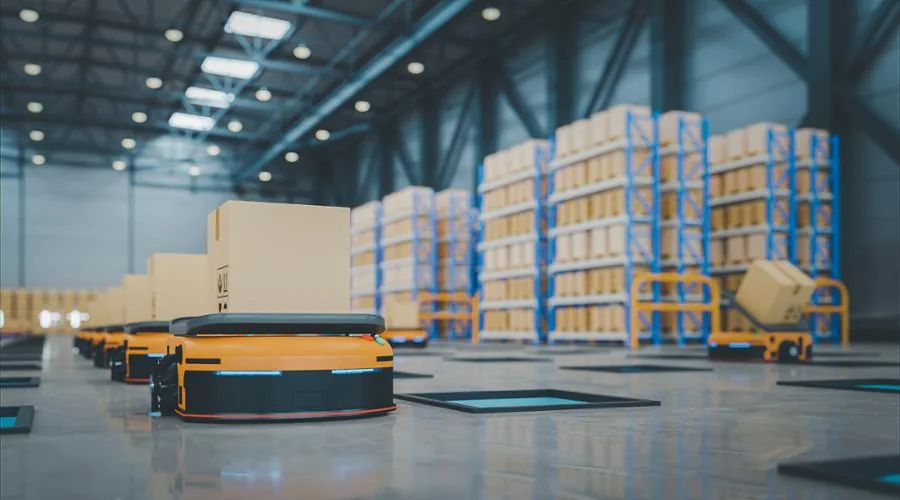
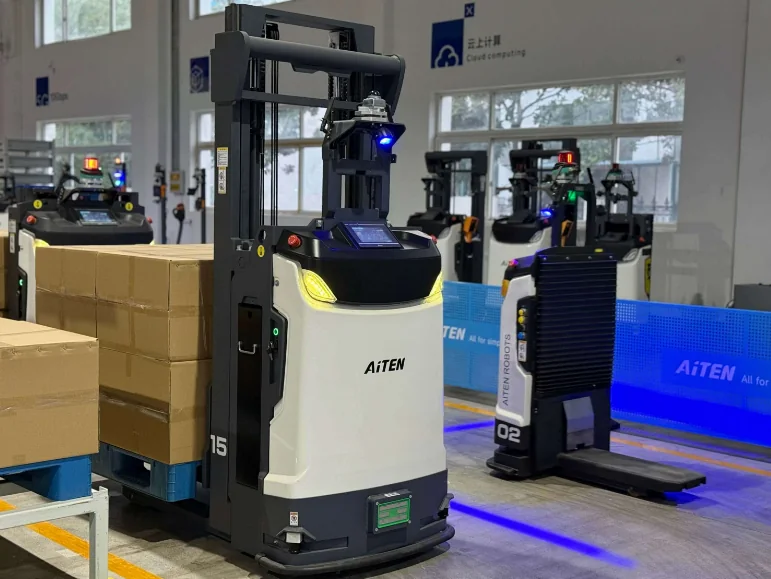
Must switch. Opportunity charging is fatal to lead-acid, no impact on LFP. Automated lines can't have vehicles stopped for 8 hours charging.
Tight Budget
Look at used lithium batteries. Some recyclers sell refurbished ones at half the price of new. Risk is you don't know how many cycles they've been through—lifespan is hard to estimate.
Editor's Note 2025: Heard CATL is entering the forklift battery market, haven't seen products yet. If they really enter, prices might drop another round.
Final Thoughts
One last thing. Lithium batteries aren't a silver bullet. Upfront investment is large, charging stations need modification, operator training is required, you need to know how to read the BMS. Some small warehouses with just one or two vehicles—switching to lithium may not be cost-effective.
We've been switched for three years now, overall satisfied. Saves money, saves effort, saves space. That half year of hesitation back then—looking back now, it was unnecessary.