Analog & Power ICs
Analog and Power ICs for the Signal Chain and Rails
Analog and power ICs are the chips that handle a board’s signal chain and its power rails. The signal chain conditions and converts what the sensors produce, and the rails feed every other chip on the board. The two jobs answer to separate constraints. A signal part has to disturb a small voltage as little as it can; a rail part has to deliver current cleanly and efficiently. A digital design that works on paper still lives or dies on these parts, because a noisy rail or a poorly chosen amplifier turns a correct schematic into a product that reads wrong or runs hot. The digital chips get the attention, and the analog and power parts around them are what decide whether the design survives contact with the physical world.
The two halves of the analog board
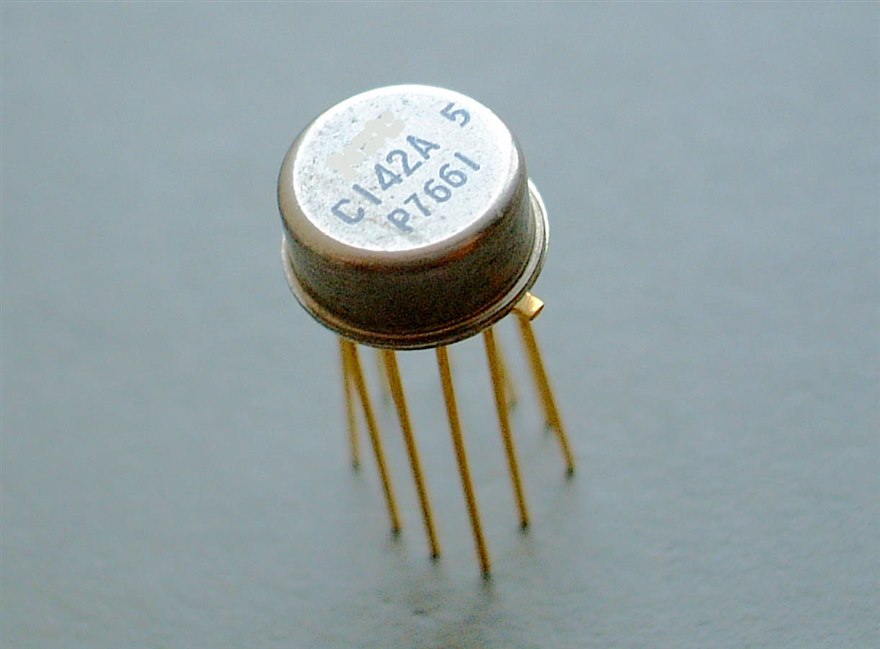
The signal chain takes a small, fragile voltage from a sensor and gets it into a converter without losing what matters. That path starts with amplification, and choosing an amplifier means reading the parameters that decide whether the part adds error of its own, which is the whole of what selecting op amps by the parameters that matter is about. Between the amplifier and the converter sit the parts that set the terms for both, a voltage reference the converter measures against and the filtering that keeps out what the converter would otherwise alias into the band. After that comes the conversion, where the analog value becomes a number, and getting data converter accuracy and selection right decides how much of the real signal survives into the digital domain. A converter is only as good as the reference under it and the amplifier ahead of it, so the three are chosen as a set. A precise converter fed from a drifting reference reports precise readings of the wrong value, which is a failure that hides well because the numbers still look clean.
The rail side answers a different question.
Power conversion has to deliver the voltage each chip wants at the current it draws, without wasting too much as heat and without injecting noise back into the signal side. That work splits by method. A linear regulator drops voltage quietly, and weighing LDOs for low noise and low dropout is how a design feeds a sensitive analog block from a clean supply. A switching regulator converts efficiently at the cost of ripple, and switching regulator selection and design is the larger discipline behind the bulk of the current a board uses. Where a processor needs several rails brought up in order, a power management IC gathers them into one part, and matching PMICs to the processor is what keeps a complex SoC fed and sequenced correctly.
Why the signal side is unforgiving
The signal chain works with voltages where microvolts carry information, so every part in the path is a chance to add error that no later stage can remove. An amplifier with too much offset drift turns a precise measurement into one that wanders with temperature. A converter with poor linearity reports a number that does not match the voltage that went in. These errors compound down the chain, and the digital side has no way to tell signal from the noise the analog parts added, since by the time it sees them both are bits.
This is why the analog parts get chosen on parameters a datasheet prints below the headline. Offset, drift, noise density, and linearity decide whether a measurement can be trusted, and two parts that share a function and a price can sit far apart on exactly those numbers. A part picked on its headline spec and its price, with the error terms skipped, is the one that turns up later as a measurement that drifts in the heat or a converter that loses the bottom bits of its range. The signal-chain pages under this one go part by part for that reason, since the choice lives in the detailed parameters and not in the family name.
The same care extends past the active parts. A reference that wanders, a filter capacitor with the wrong dielectric, a layout that runs a sensitive trace beside a noisy one: each undoes the work an expensive amplifier just did, which is why the signal chain is treated as a whole path, every part in it counted.
The bandwidth a stage carries sets another limit. An amplifier fast enough to settle between samples on one converter starves a faster one, so the part is read against the speed of the chain it joins. Push the bandwidth higher than the signal needs and the stage only lets in more noise.
A quieter limit sits under all of it, which is input range. A front end that clips on the loudest input a sensor can produce loses the event it was built to catch, so the headroom gets sized for the worst case the device will see. The supply that powers the stage sets that ceiling, so a wider input range can mean a higher rail and the power budget that comes with it, one more place the signal side and the rail side meet.
Why the rails decide whether it runs
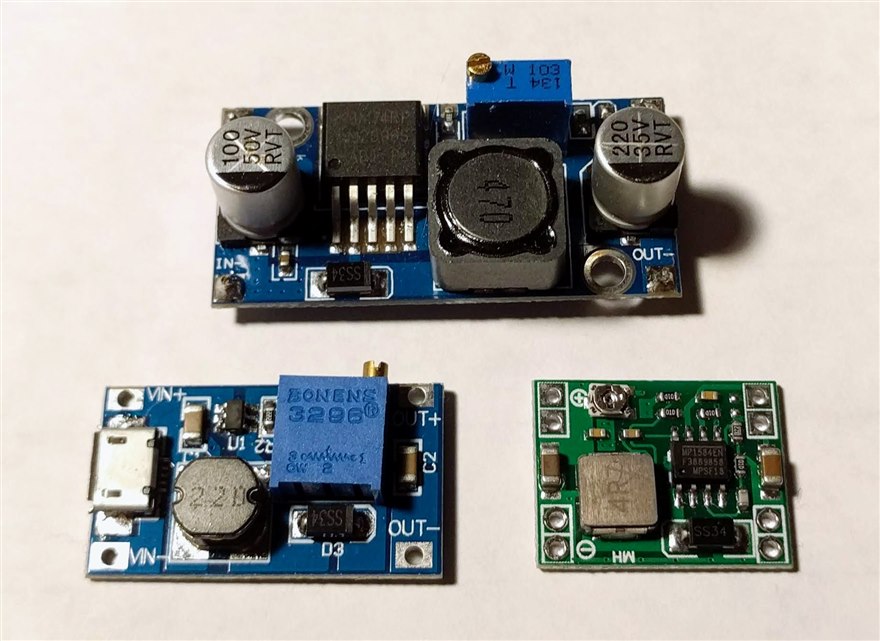
The power side carries a different weight, because a rail that fails takes the whole board with it. A regulator that cannot hold its voltage under a sudden load makes a processor brown out. One that runs too hot in its package shortens the life of everything near it. The rails also feed the signal chain, so noise on a supply shows up inside a measurement, which is part of why a quiet linear regulator often sits between a switching converter and a sensitive analog part. The order the rails come up in matters as much as their voltage, since a processor whose core and I/O power arrive out of sequence can latch up or fail to boot, and that sequencing is a design task in its own right.
Power is where efficiency and heat enter the design. A linear regulator wastes the voltage it drops as heat, fine on a small quiet rail and costly on a large one. A switching regulator recovers the better part of that loss, at the price of ripple and a layout that has to be done with care. Choosing between the two, and sizing the inductor and capacitors around the choice, is much of what the power pages cover. The wider job of stretching a battery device runtime with power management sits on top of these decisions, since every milliwatt saved on a rail is runtime the product keeps. On a battery device the quiescent current a regulator draws when the system idles can outweigh its conversion efficiency, because a product asleep for the better part of the day is judged on what the rail costs while nothing is happening.
The rail choice ties back to the rest of the board through heat. A linear part dropping several volts at any real current turns that difference into watts the board has to shed, and on a sealed enclosure with no airflow that heat sets the limit before the electrical rating does. The package and its copper become part of the power decision, not an afterthought, which is why the same regulator in a different package can be the right part or the wrong one. A switching design moves the heat problem rather than removing it, trading the dropped-voltage loss for switching loss that climbs with frequency, so the efficiency a converter shows on paper depends on where in its load range the rail settles in use. A part that is efficient at full load can be wasteful at the light load a sleeping device spends the bulk of its time in.
The rails are the part of the board a distributor gets asked about under pressure, when a regulator has gone end-of-life mid-production and the replacement has to match voltage, current, and footprint at once.
How these parts get chosen and sourced
Analog and power parts run unusually long production lives, which changes how a sourcing team treats them. An op amp or a regulator designed in twenty years ago can still be the right part today, and many stay in volume production long after their digital contemporaries went obsolete, so a design can lean on them for a decade without a forced change. That longevity cuts both ways: the catalog is enormous, the parameter spread between two parts with the same function is wide, and the right choice depends on the specific rail or signal it serves, so the selection work is real and done part by part. An independent distributor that carries the analog and power lines deep, across the amplifiers, converters, regulators, and PMICs below, is where a design gets both the part it specified and the closest match when that part is short. Matching a replacement here takes more than a catalog lookup, since two regulators with the same voltage and current can differ on dropout, quiescent draw, package thermals, and the capacitor each one needs to stay stable, and a swap that ignores those turns a drop-in into a board that oscillates or runs hot. The same holds on the signal side, where a pin-compatible amplifier can carry different noise and offset that move a measurement. Reading those second-order terms is the work that separates a safe substitution from one that ships a problem. The long lives of these parts make that judgment a recurring task across a product’s life, since a design that runs for years will outlast at least one of its analog or power parts and have to qualify a stand-in without reopening the whole board.
The judgment that fits
Treat the signal chain and the rails as two problems with two rule sets, and choose each part on the parameters its own job turns on. A part that is right for a quiet sensor front end can be wrong for a heavy rail, even when the headline numbers look close, because the job each one does asks a different question of the silicon. A signal part has to keep out of the way of a small voltage, while a rail part has to hold up under current, and a catalog heading that groups the two says little about how a given part will behave in either role.
The five families below cover the analog and power decisions a board comes down to in the end, taken one parameter set at a time.